
Simple Ways To Stay Mentally Active And Emotionally Balanced
Indoor activities can do much more than simply pass the time, especially when they challenge the brain and improve emotional well-being at the same time. Research consistently shows that mentally engaging hobbies, creative tasks, and physical movement can help reduce stress while supporting memory, focus, and overall mood. Many of the best activities are also easy to start at home without expensive equipment or advanced skills. Here are 20 indoor activities that boost mental sharpness and mood.

1. Reading Fiction
Reading fiction encourages the brain to process language, emotions, memory, and imagination all at once. Studies have shown that regular reading may improve concentration and cognitive function over time. Many people also find that getting absorbed in a good story helps reduce stress and mental fatigue.

2. Solving Crossword Puzzles
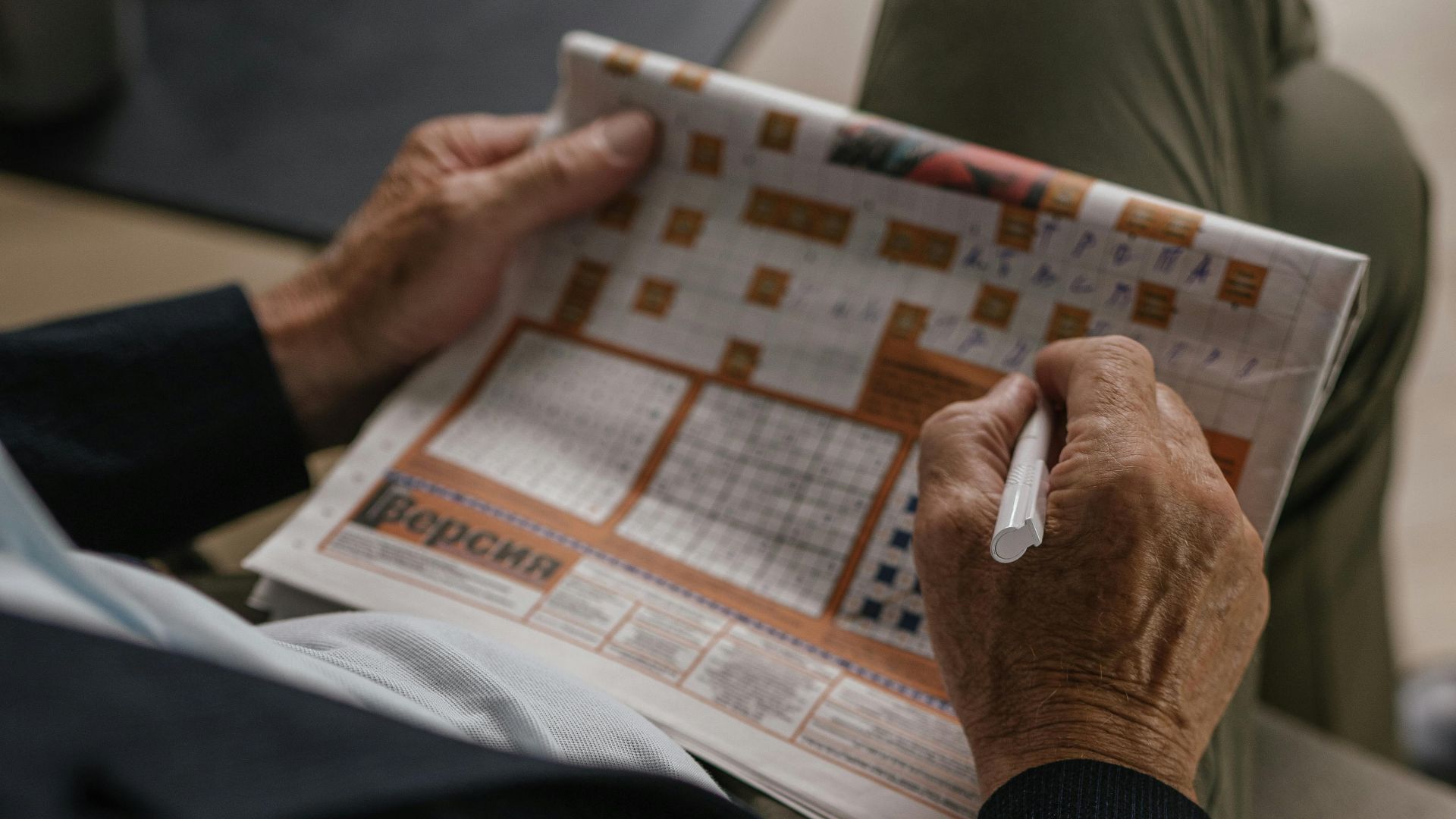
Crossword puzzles challenge memory, vocabulary, and problem-solving skills in a mentally stimulating way. They encourage the brain to make connections between words and concepts while keeping attention focused. Completing puzzles can also create a satisfying sense of accomplishment that improves mood.
3. Learning A Musical Instrument
Learning an instrument activates multiple parts of the brain related to coordination, memory, and auditory processing. Practicing regularly can strengthen concentration and mental flexibility over time. Many people also find music emotionally calming and rewarding.

4. Journaling
Writing thoughts down in a journal can help organize emotions and reduce mental stress. Journaling also encourages reflection, which may improve emotional awareness and problem-solving skills. Even a few minutes of writing each day can create a noticeable sense of mental clarity.

5. Playing Chess
Chess requires planning, memory, concentration, and strategic thinking during every match. The game challenges players to think ahead while adapting to changing situations. Many people enjoy the combination of mental stimulation and competitive focus it provides.

6. Doing Yoga
Yoga combines physical movement with controlled breathing and mindfulness techniques. Regular yoga practice may help reduce anxiety while improving focus and emotional balance. The structured movements can also help people feel calmer and more energized afterward.

7. Painting Or Drawing
Creative activities like painting and drawing encourage concentration and self-expression at the same time. Focusing on shapes, colors, and technique can temporarily shift attention away from stress. Artistic hobbies are also associated with improved relaxation and emotional well-being.

8. Learning A New Language
Studying a new language challenges memory, listening skills, and mental flexibility. Language learning is often linked to improved cognitive function and stronger problem-solving abilities. Progress can feel slow at first, but steady improvement is highly rewarding.

9. Meditation
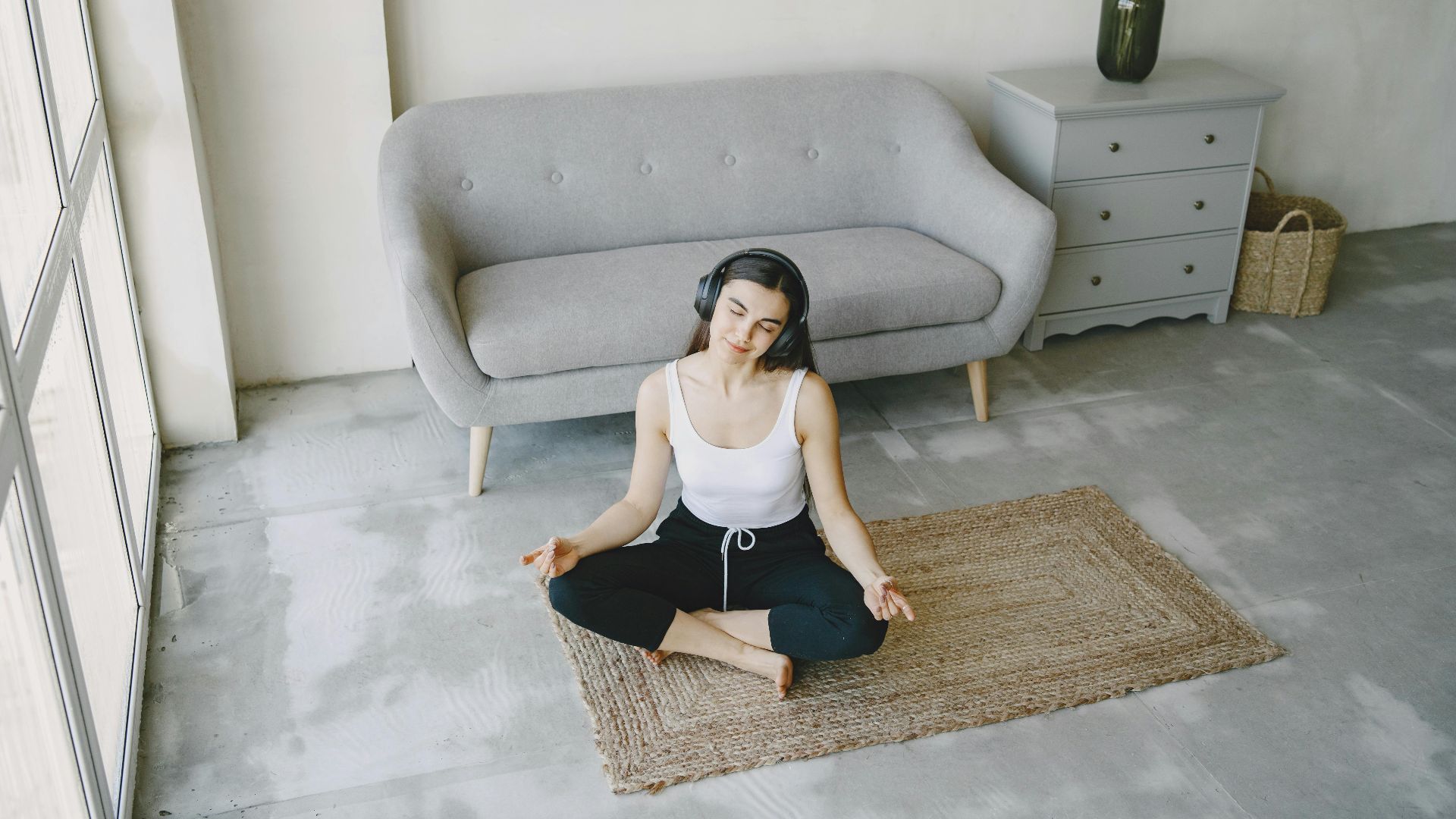
Meditation encourages mindfulness and helps train attention through focused breathing or guided awareness exercises. Studies suggest it may reduce stress while improving concentration and emotional regulation. Even short daily sessions can help people feel mentally refreshed.
10. Building Model Kits
Model building requires patience, attention to detail, and careful hand-eye coordination. Whether working on cars, planes, or miniature figures, the process keeps the mind engaged in structured tasks. Completing a detailed project can also improve confidence and satisfaction.

11. Cooking New Recipes
Trying unfamiliar recipes challenges memory, planning, and multitasking skills in practical ways. Cooking also stimulates the senses through smell, taste, and visual presentation. Preparing meals successfully often creates a comforting sense of productivity and accomplishment.

12. Playing Strategy Video Games
Strategy-based video games often require planning, resource management, and quick decision-making. Games involving puzzles or tactical thinking can help sharpen reaction time and problem-solving skills. Moderate gaming in balanced amounts may also provide stress relief and entertainment.

13. Practicing Dance
Dance routines combine physical coordination, rhythm, and memory in ways that actively engage the brain. Learning new steps requires concentration, while movement helps release stress and improve mood. Dancing indoors can also provide an enjoyable form of exercise without needing much space.

14. Doing Jigsaw Puzzles
Jigsaw puzzles encourage visual processing, patience, and logical thinking. The brain stays engaged while identifying patterns, colors, and spatial relationships. Many people find puzzle-solving relaxing because it creates focused attention without outside distractions.

15. Listening To Educational Podcasts
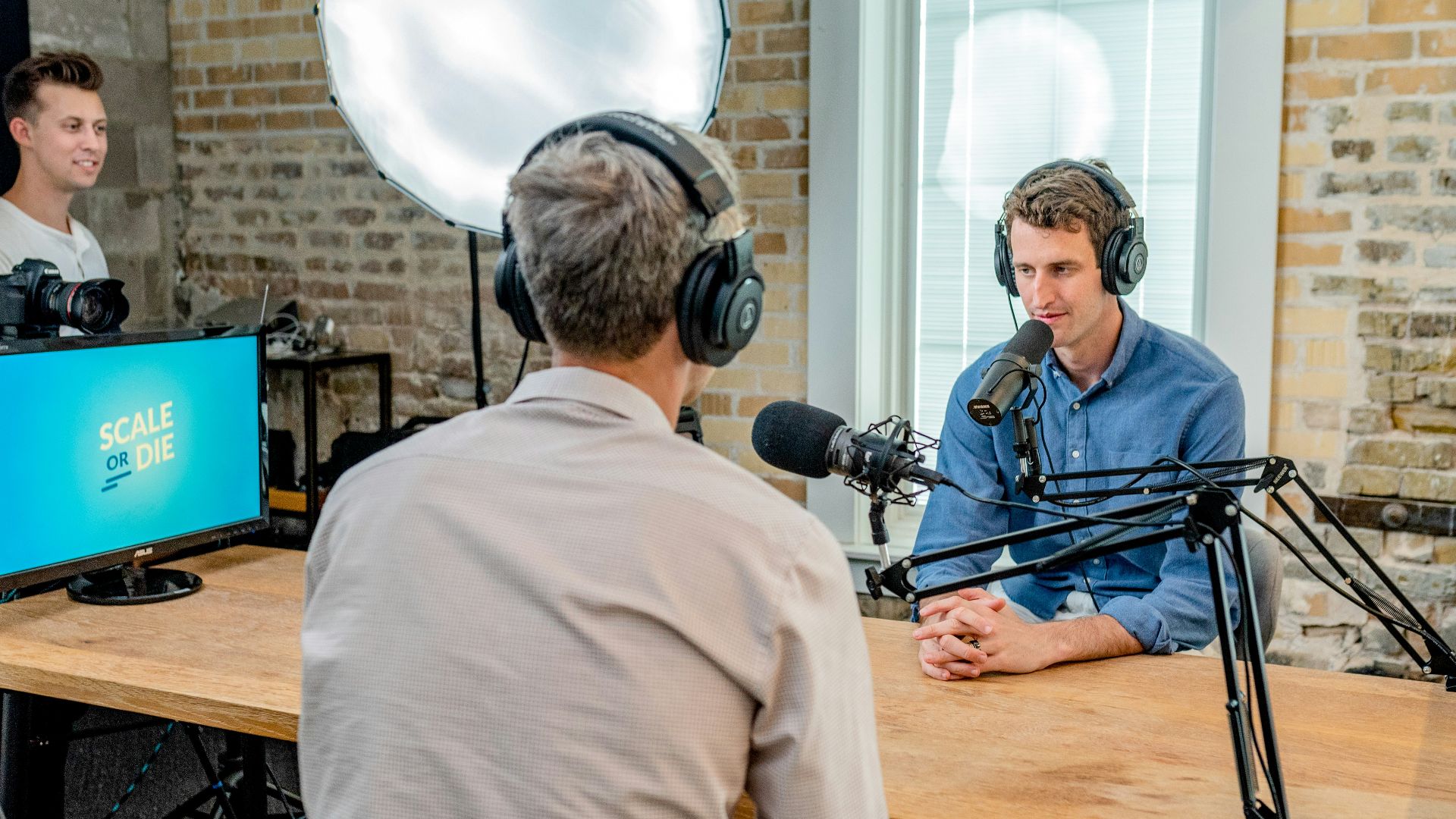
Educational podcasts allow people to absorb new information while relaxing at home. Learning about history, science, psychology, or current events can help keep the mind curious and engaged. Many listeners also enjoy the sense of productivity that comes from learning something new daily.
16. Practicing Calligraphy
Calligraphy combines creativity with precise hand control and concentration. Repeating careful movements can feel calming while improving focus and patience. This activity also gives people a creative outlet that produces visible progress over time.

17. Indoor Gardening
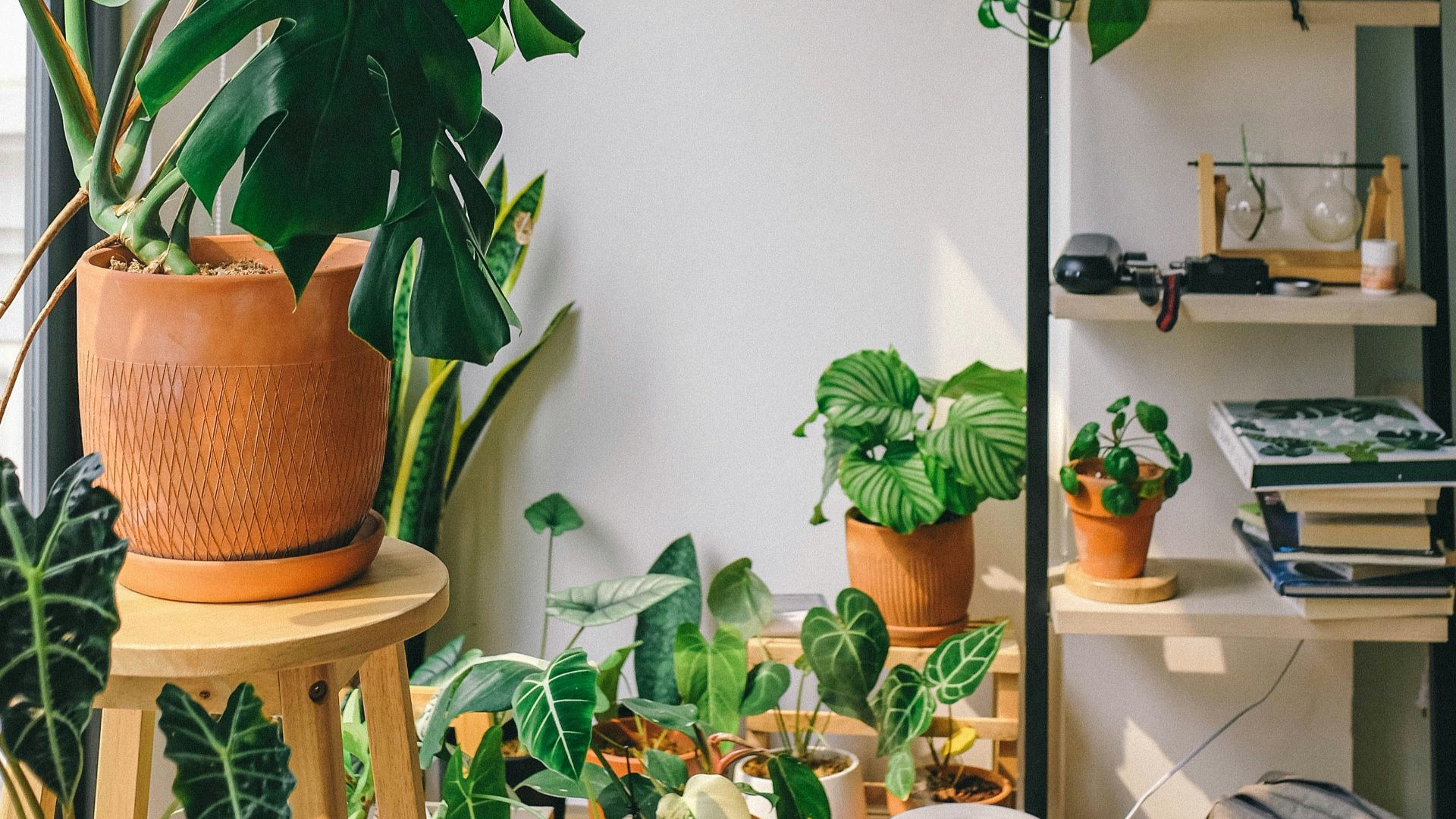
Caring for indoor plants encourages routine, responsibility, and attention to detail. Interacting with plants may also help reduce stress and improve mood. Watching plants grow can create a satisfying sense of progress and connection to nature.
18. Taking Online Courses
Online learning platforms make it easier than ever to study topics ranging from history to computer programming at home. Learning new skills keeps the brain active and encourages long-term mental engagement. Completing lessons or certifications can also improve confidence and motivation.

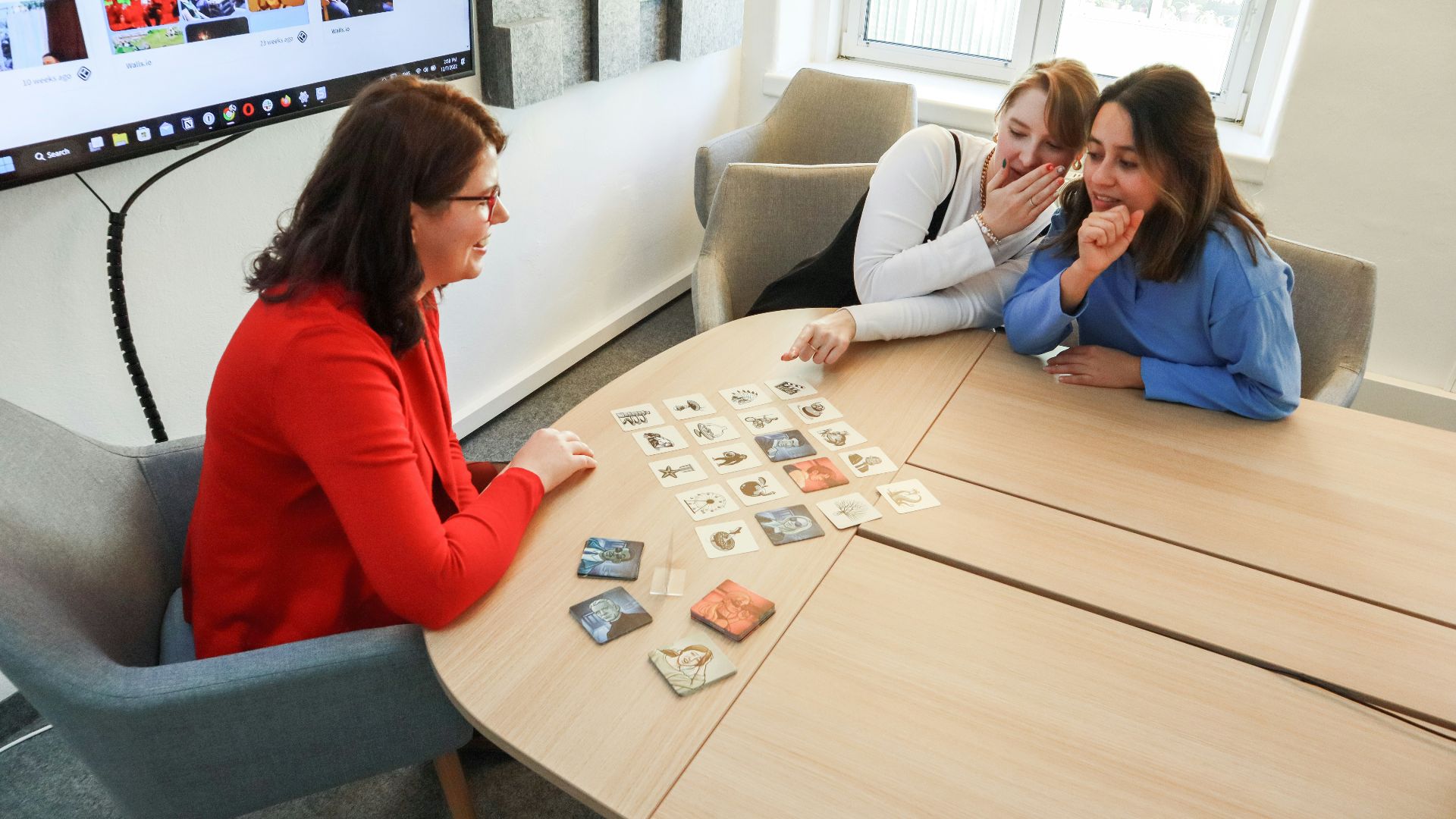
19. Practicing Memory Games
Memory games challenge recall speed, concentration, and mental organization. Activities involving matching, sequencing, or memorization help keep the brain actively engaged. Many people enjoy the quick sense of improvement that comes from regular practice.
20. Writing Short Stories
Creative writing encourages imagination, language skills, and emotional expression all at once. Building characters and narratives requires focus while also allowing personal creativity to develop freely. Many writers find the process mentally stimulating and emotionally rewarding.

KEEP ON READING



20 Natural Ways You Can Boost Your Immune System

20 Ways To De-stress & Relax After Work

The 10 Most Common Diseases & The 10 Most Rare