
Your Colon Deserves More Attention Than You're Giving It
Most people don't think much about their gut health until something feels off, but staying ahead of potential problems can make a significant difference in your long-term health. A colonoscopy is one of the most effective tools doctors have for catching issues early, from polyps to colorectal cancer, and knowing when to get one is half the battle. Whether you're approaching screening age or noticing symptoms you can't quite explain, here's what to look out for and how to keep your colon in good shape.

1. You've Hit the Age Milestone
Current guidelines recommend that adults at average risk start getting colonoscopies at age 45, and this isn't a recommendation to push aside. As you get older, the risk of developing colorectal cancer increases, making routine screenings an important part of your preventive care. If you haven't scheduled your first one yet, now's a good time to bring it up with your doctor.
2. There's Blood in Your Stool
Finding blood in your stool is one of those symptoms you should never brush off, even if it seems minor. It can indicate anything from hemorrhoids to polyps to more serious conditions like colorectal cancer, and only a proper examination can determine the cause. Your doctor will likely recommend a colonoscopy to get a closer look at what's going on.

3. You've Been Experiencing Persistent Abdominal Pain
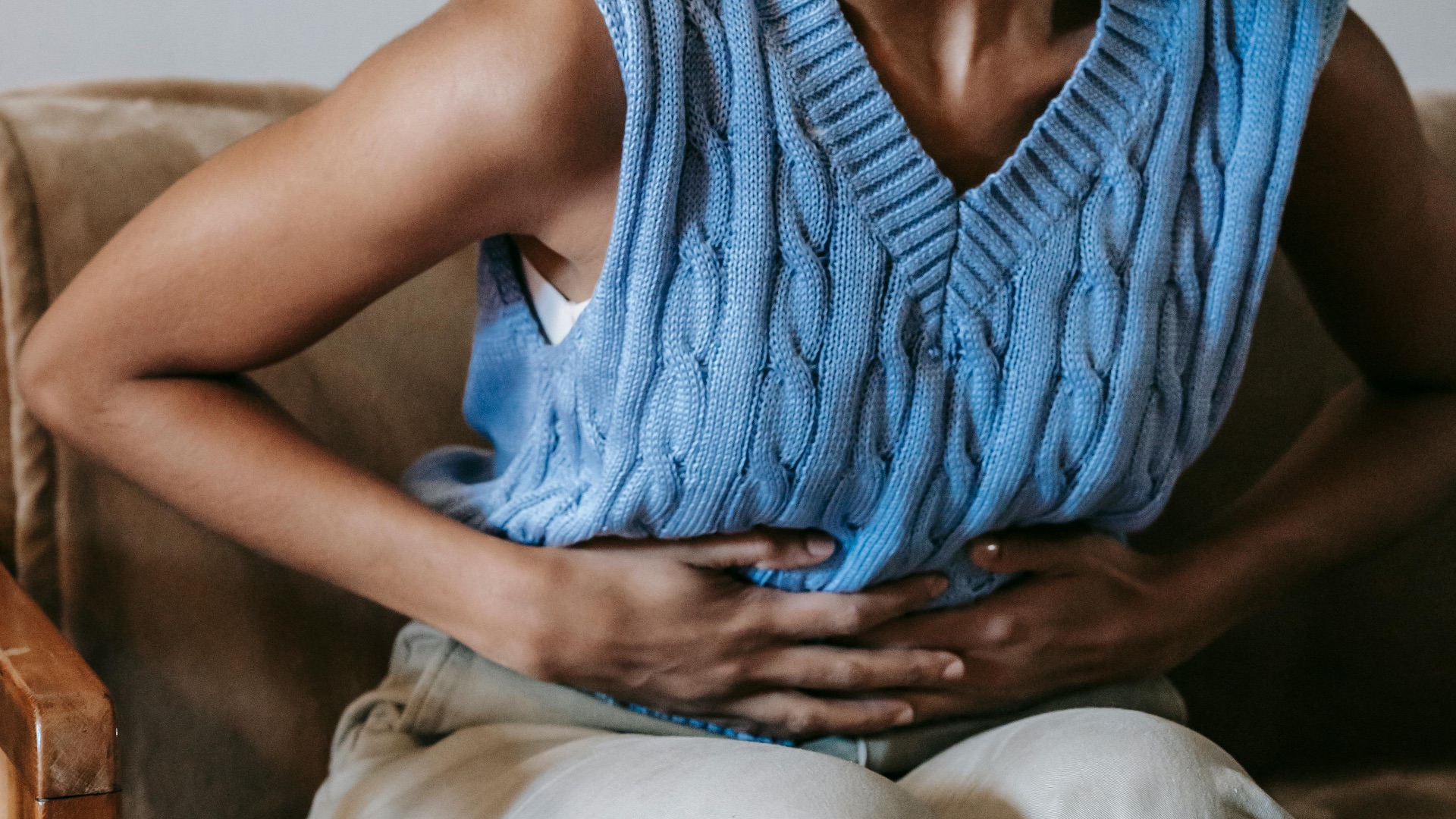
Occasional stomach discomfort is pretty normal, but pain that keeps coming back without an obvious explanation is worth taking seriously. Chronic cramping or abdominal pain can sometimes point to inflammation, blockages, or abnormal growths in the colon. A colonoscopy allows your doctor to visually assess the lining of your colon and identify any underlying issues.
4. Your Bowel Habits Have Changed Noticeably
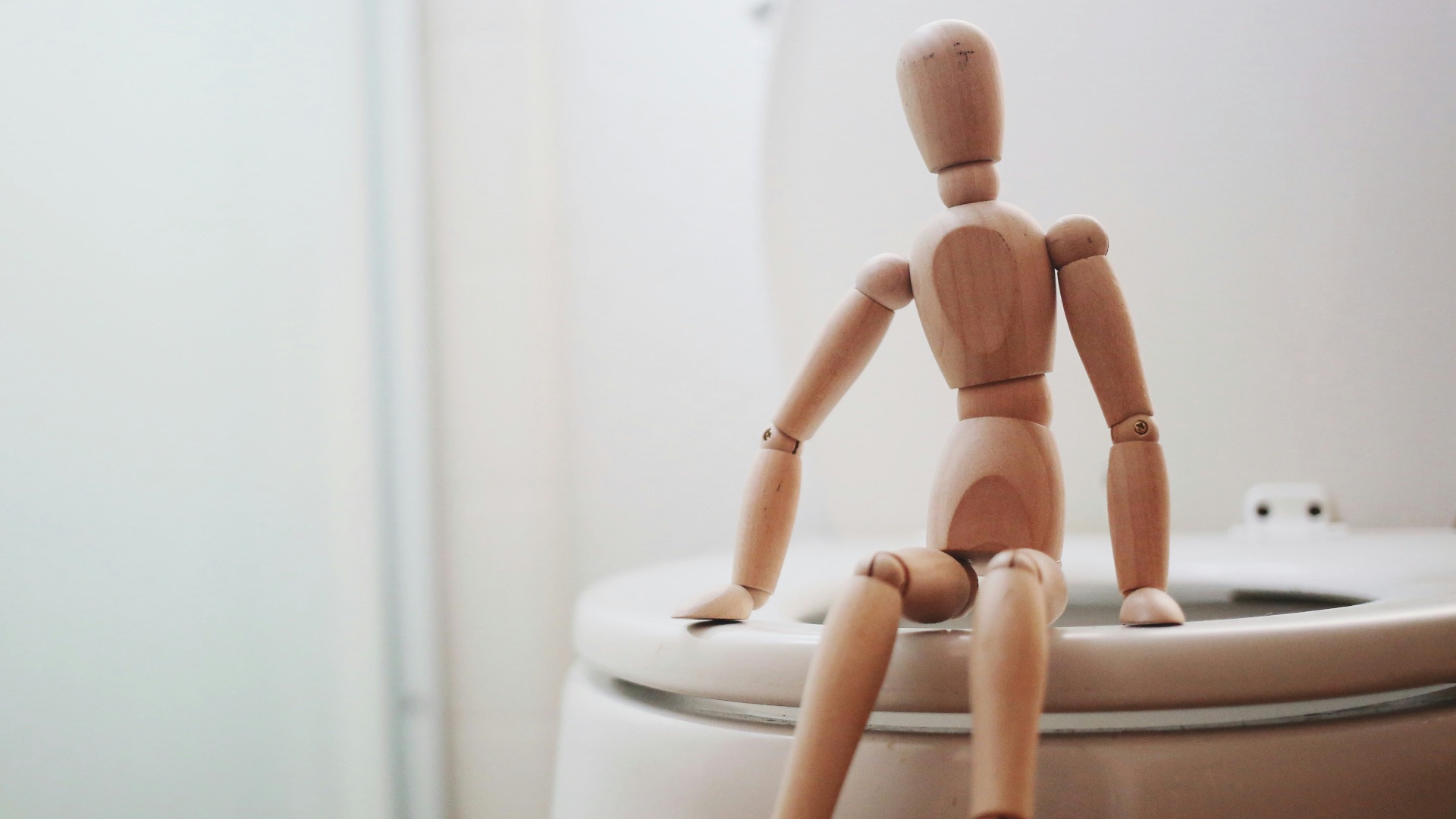
If you've noticed a significant shift in your bathroom routine, such as going from regular movements to sudden, sustained constipation or diarrhea, it's imperative that you notify your healthcare provider. Lasting changes in bowel habits can be a sign that something in the colon isn't functioning as it should. While there are many possible explanations, ruling out serious causes is always the smarter move.
5. You Have Family History
Having a close relative who's been diagnosed with colorectal cancer puts you at a higher risk, and your screening timeline may need to start earlier than the standard recommendation. Doctors typically advise beginning colonoscopies 10 years before the age at which your relative was diagnosed, or at 40, whichever comes first.

6. You've Been Diagnosed with Inflammatory Bowel Disease
Conditions like Crohn's disease and ulcerative colitis cause ongoing inflammation in the digestive tract, which can increase your risk of developing colorectal cancer over time. Regular colonoscopies help doctors monitor the state of your colon and catch any worrying changes early. If you've been living with IBD for several years, your gastroenterologist has likely already brought this up with you.

7. You've Noticed Unexplained Weight Loss
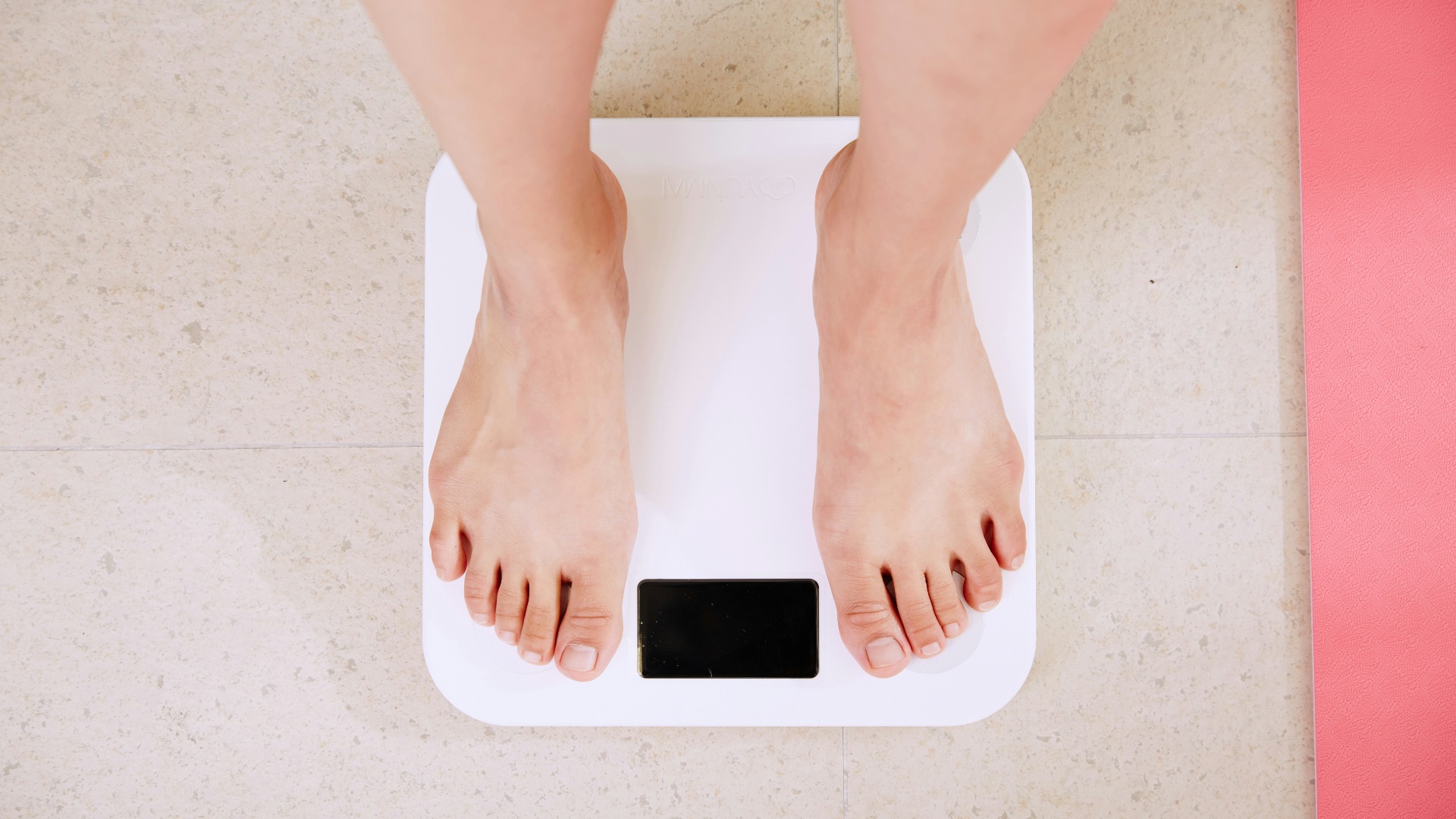
Losing weight without trying might sound appealing in other circumstances, but it can actually be a warning sign worth investigating. Unexplained weight loss, especially when paired with other digestive symptoms, is sometimes linked to colorectal cancer or other gastrointestinal conditions. Your doctor may recommend a colonoscopy as part of a broader workup to find out what's behind the change.
8. You're Experiencing Rectal Bleeding
Rectal bleeding is different from blood mixed into your stool and refers to bleeding that happens during or after a bowel movement. While the cause is sometimes as benign as a hemorrhoid or an anal fissure, it can also point to polyps or cancerous growths that need attention. A colonoscopy is often the most reliable way to determine the source of the bleeding.
9. You Have Iron-Deficiency Anemia
If your doctor has flagged low iron levels and can't easily explain why, the colon might be the culprit. Slow bleeding from polyps or tumors in the colon can cause a gradual loss of blood that doesn't show up visibly in your stool but still depletes your iron stores over time. In cases of unexplained anemia, a colonoscopy is frequently recommended to check whether the colon is the source.

10. A Previous Screening Came Back Abnormal
If a prior stool test, CT colonography, or flexible sigmoidoscopy flagged something unusual, a full colonoscopy is usually the next step. Follow-up screenings exist for a reason, and skipping them because you feel fine in the meantime isn't a strategy that serves your health well. Staying on top of any abnormal results gives your doctor the best chance of addressing problems before they progress.
Taking care of your colon doesn't stop at knowing when to get screened; what you do day to day also plays a huge role in keeping it healthy. If you want to make sure you get a clean bill of health, make sure to follow these next 10 tips.

1. Load Up on Fiber
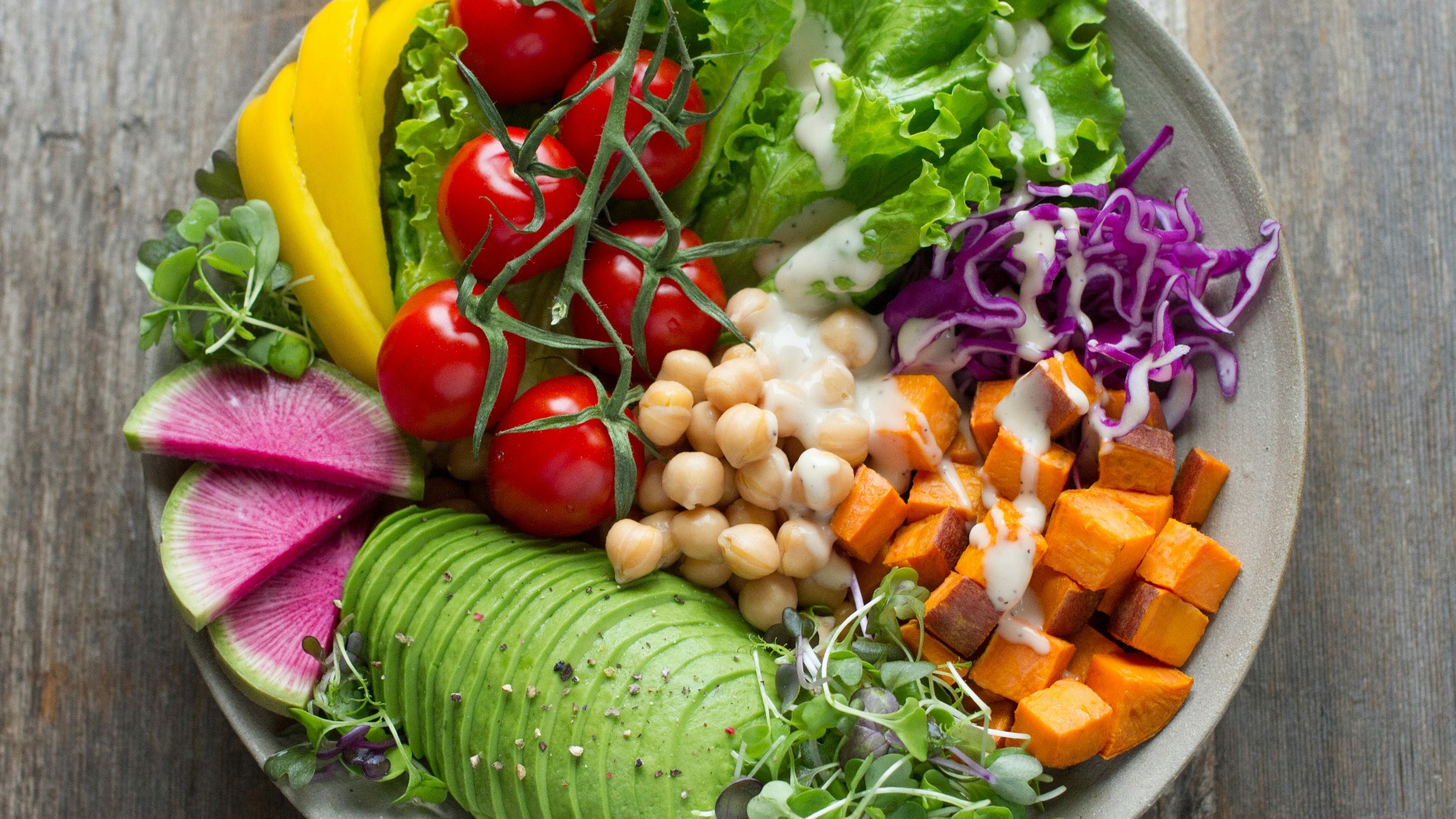
A high-fiber diet is one of the most consistently supported ways to support colon health, and most people aren't getting nearly enough of it. Fiber helps move waste through the digestive system efficiently, which reduces the time that potentially harmful substances spend in contact with the colon lining. Aim to include plenty of fruits, vegetables, legumes, and whole grains in your daily meals.
2. Stay Well Hydrated
Water plays a bigger role in digestive health than most people realize, and drinking enough of it every day keeps things moving smoothly through your colon. Without adequate hydration, stool can become hard and difficult to pass, which puts unnecessary strain on the colon. Aim for at least eight cups of water a day, and more if you're physically active or live in a hot climate.

3. Cut Back on Red and Processed Meats
Research has consistently linked high consumption of red and processed meats to an increased risk of colorectal cancer, so moderating your intake is a smart move. Processed meats like hot dogs, bacon, and deli meats are particularly concerning due to the nitrates and other compounds used in their preparation. You don't have to give them up entirely, but making them an occasional part of your diet rather than a daily staple is a reasonable goal.

4. Make Exercise a Regular Habit
Physical activity supports colon health in several ways, including reducing inflammation, supporting a healthy weight, and keeping your digestive system active. Studies have found that people who exercise regularly have a lower risk of developing colorectal cancer compared to those who are sedentary. Even moderate activity like brisk walking for 30 minutes most days can make a meaningful difference.

5. Limit Alcohol Consumption
Alcohol has been identified as a risk factor for colorectal cancer, and the more you drink, the higher the risk becomes. It's thought that alcohol can interfere with the body's ability to absorb protective nutrients and may also have a direct irritating effect on the cells lining the colon. Keeping your intake within recommended limits, or cutting back further, is a reasonable step toward better colon health.

6. Don't Ignore the Urge to Go
It might seem like a small thing, but regularly ignoring the urge to have a bowel movement can put unnecessary stress on your colon over time. Holding it in too often can contribute to constipation, which increases pressure in the colon and may raise the risk of developing diverticula, small pouches that can form in the colon wall. Listening to your body and responding promptly is one of the simplest habits you can build.

7. Eat More Calcium-Rich Foods
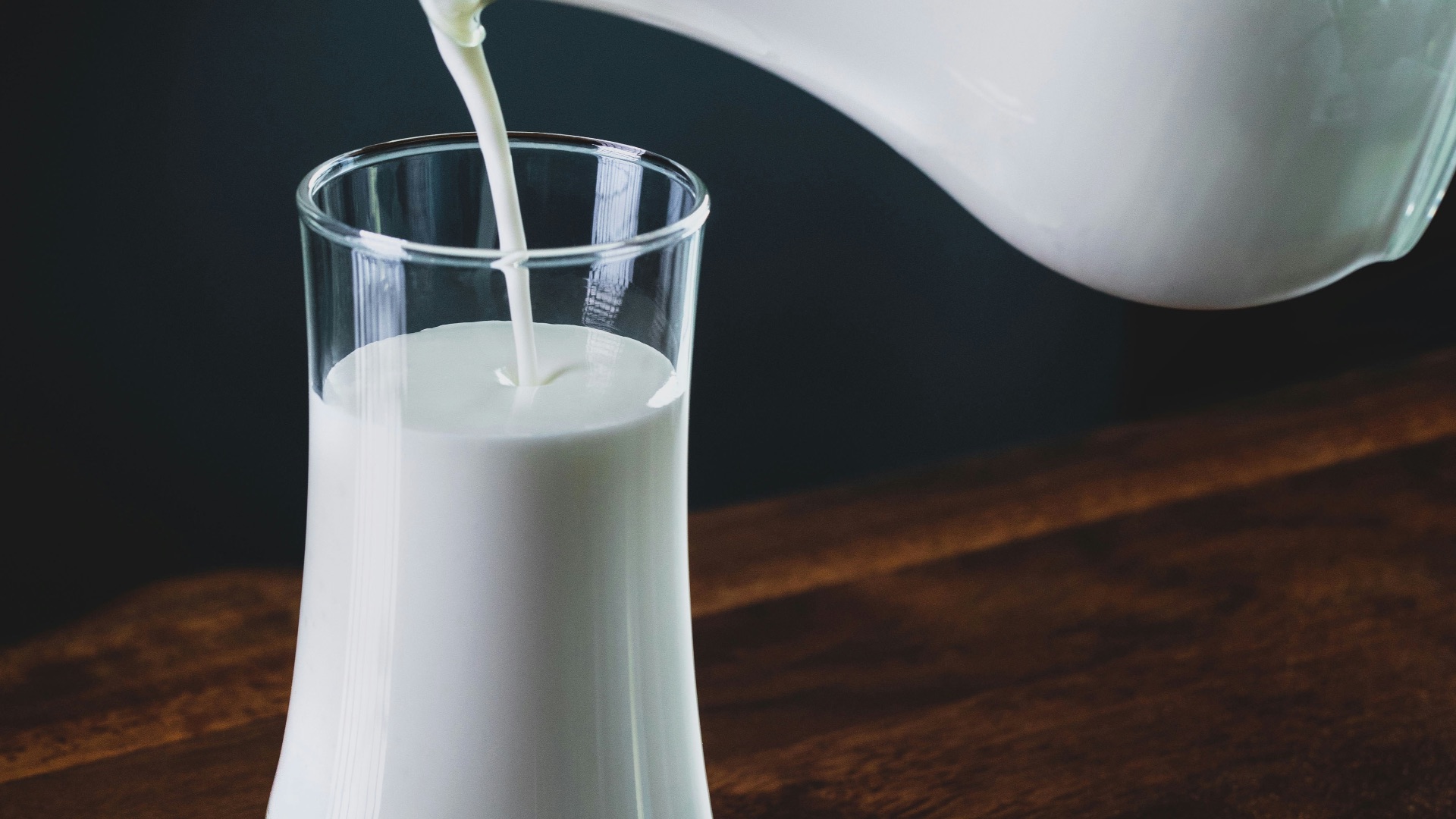
Some research suggests that adequate calcium intake is associated with a reduced risk of colorectal cancer, making it worth paying attention to how much you're getting. Dairy products like milk and yogurt are well-known sources, but leafy greens, almonds, and fortified plant-based milks are solid options, too. If you're not hitting your daily target through food alone, talking to your doctor about a supplement is worth considering.
8. Quit Smoking
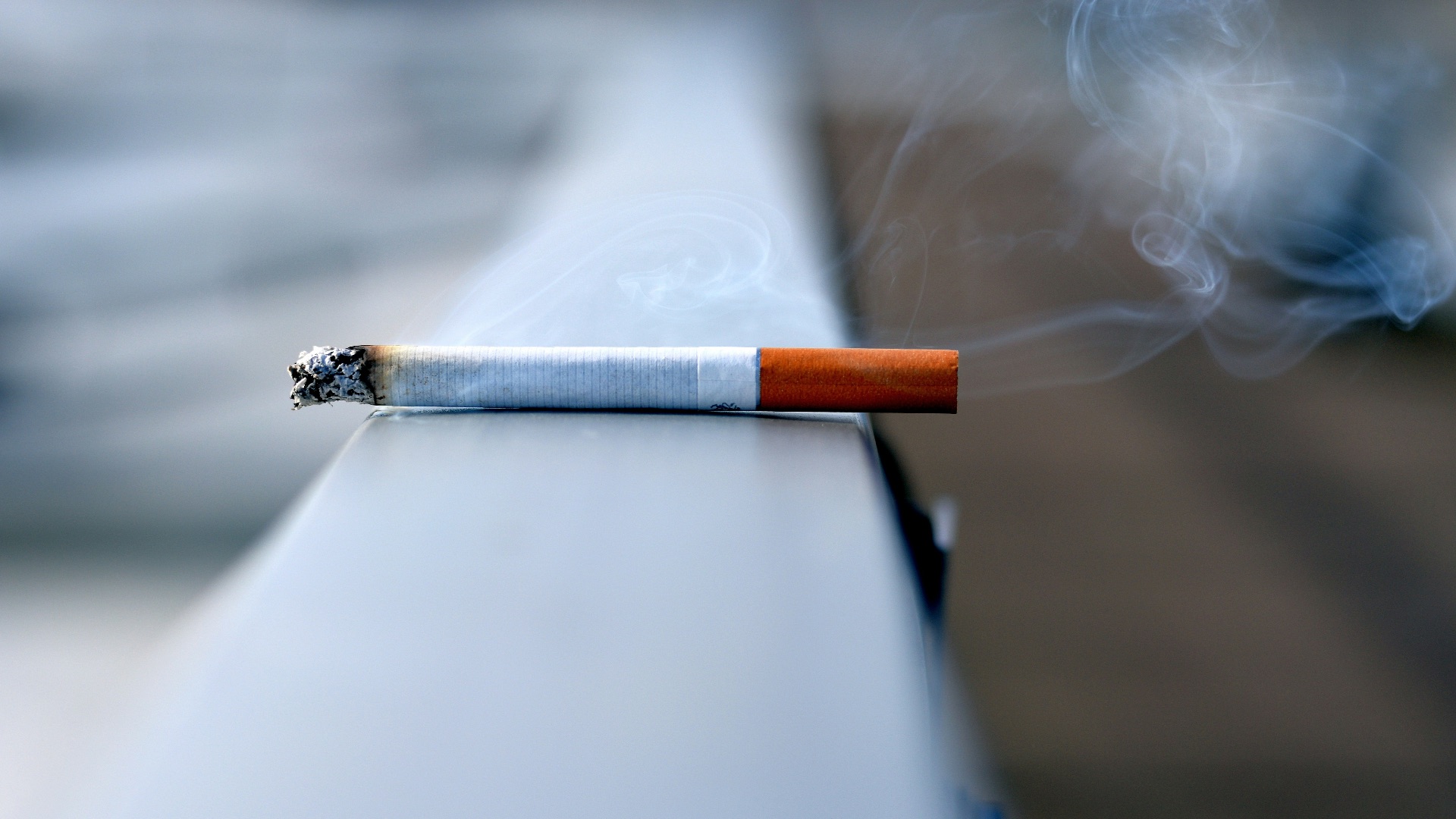
Smoking is a well-established risk factor for many types of cancer, and colorectal cancer is no exception. Carcinogens in cigarette smoke can be absorbed into the bloodstream and ultimately reach the lining of the colon, where they can cause damage over time. Quitting is one of the most impactful things you can do for your overall health, and your colon will be better off for it.
9. Manage Your Stress Levels
Chronic stress doesn't just affect your mood; it can also have real effects on your digestive health, including disrupting the balance of bacteria in your gut and contributing to inflammation. High stress levels have been linked to flare-ups of inflammatory bowel conditions, which, over time, can affect the health of your colon. Building stress management practices into your routine, whether through exercise, sleep, or mindfulness, is genuinely worth the effort.
10. Keep Up with Your Screenings
Perhaps the most powerful thing you can do for your colon health is to stay current with your recommended screenings, even when you feel perfectly fine. Colorectal cancer often develops without any symptoms in the early stages, which is exactly why routine colonoscopies are so valuable. Work with your doctor to determine the right screening schedule for your age and risk factors, and make sure you actually follow through with it.
KEEP ON READING



20 Ways To Get Your Vitamins And Minerals
20 Ways Doing Less Can Actually Improve Your Health