

Living Longer Often Comes Down to Everyday Habits
People who live past 100 frequently come from different countries, cultures, and economic backgrounds, yet researchers continue finding several lifestyle patterns they often share. Longevity rarely depends on one miracle food or extreme health routine because daily habits usually matter far more over time. Many centenarians maintain active lifestyles, strong social connections, and consistent routines well into old age. While nobody can guarantee a long life, there are still valuable lessons people can borrow from those who’ve already managed it. Here are 10 longevity secrets from centenarians and 10 lessons we can all use.
1. Centenarians Tend to Stay Physically Active
Many people who live past 100 continue walking, gardening, cooking, or doing household chores regularly throughout their lives. Their activity levels often come from daily movement rather than intense gym routines. Consistent physical activity helps support heart health, balance, mobility, and muscle strength as people age.

2. Centenarians Often Eat Smaller Portions
Studies of long-lived populations have shown that many centenarians avoid consistently overeating. Meals are often balanced and moderate rather than oversized or heavily processed.

3. Centenarians Usually Maintain Strong Social Connections
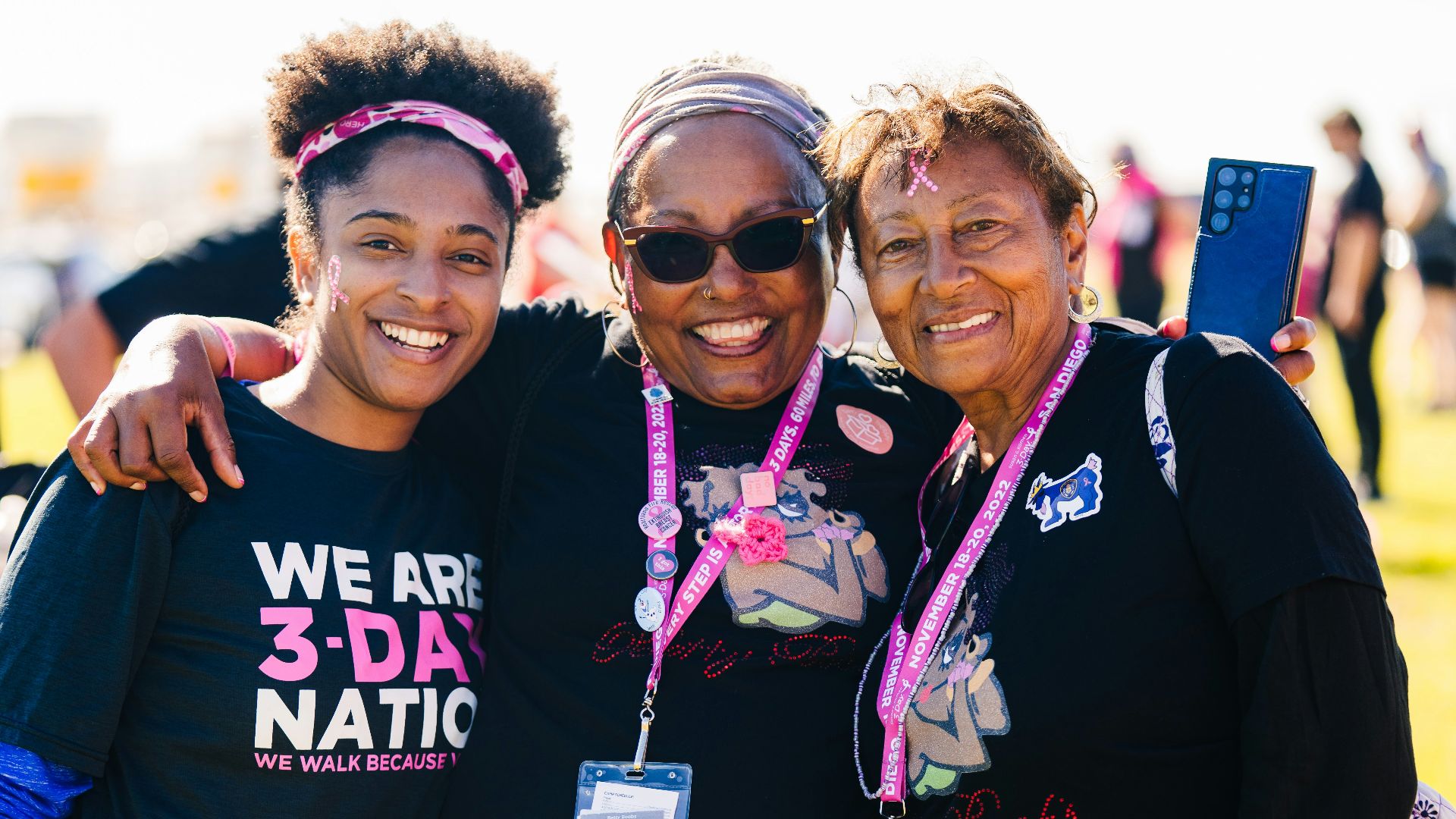
People who live exceptionally long lives often remain socially engaged with family, friends, and local communities. Regular interaction can help reduce loneliness, stress, and depression, which all affect long-term health.

4. Centenarians Frequently Follow Daily Routines
Long-lived individuals often maintain stable routines around meals, sleep, work, and physical activity. Predictable schedules may help reduce stress while supporting healthier sleep and eating habits.
 Susan G. Komen 3-Day on Unsplash
5. Centenarians Commonly Eat More Plant-Based Foods
Many longevity-focused diets emphasize vegetables, legumes, whole grains, nuts, and fruits instead of heavily processed foods. Plant-based eating patterns have been associated with lower rates of heart disease and certain chronic illnesses.

6. Centenarians Often Stay Mentally Engaged
Long-lived adults frequently continue reading, solving problems, learning skills, or staying involved in hobbies throughout life. Mental stimulation may help support memory and cognitive health as people age.
 Centre for Ageing Better on Unsplash
7. Centenarians Usually Manage Stress Better
Research suggests chronic stress contributes to inflammation, heart disease, and other long-term health concerns. Many centenarians describe calmer approaches to conflict and daily pressures compared to constantly high-stress lifestyles.
 Mehmet Turgut Kirkgoz on Pexels
8. Centenarians Rarely Smoke Long-Term
One of the clearest patterns among people living past 100 is the lower rate of long-term smoking. Smoking significantly increases the risk of cancer, heart disease, stroke, and lung conditions. While genetics still matter, avoiding tobacco remains one of the strongest lifestyle factors linked to longevity.

9. Centenarians Often Have a Sense of Purpose
Many people who reach very old ages continue feeling useful through work, volunteering, caregiving, or hobbies. Having a sense of purpose has been associated with lower stress and better mental health outcomes. Some cultures even emphasize lifelong contribution as part of healthy aging. Remaining connected to meaningful activities may encourage people to stay physically and emotionally active longer.

10. Centenarians Usually Adapt to Change
Long-lived individuals have often lived through wars, economic struggles, technological changes, and personal loss. Many developed strong adaptability rather than resisting every major life change. Emotional flexibility may help reduce prolonged stress and improve resilience over time.

1. Walk More Throughout the Day
You don’t necessarily need extreme workout routines to improve long-term health. Regular walking, climbing stairs, and daily movement can still provide meaningful cardiovascular and mobility benefits.

2. Stop Treating Sleep Like an Optional Luxury
Poor sleep has been linked to higher risks of heart disease, weakened immunity, and cognitive decline. Many people sacrifice sleep for work, entertainment, or constant screen time without realizing the long-term effects.

3. Spend More Time With People You Care About
Strong relationships contribute to emotional support and lower levels of chronic stress. Isolation and loneliness have increasingly been connected to serious health risks in older adults. Making time for family, friendships, and community activities can improve quality of life at any age.
 Sebastian Coman Photography on Unsplash
4. Eat More Whole Foods
Whole foods generally provide more nutrients and fiber than heavily processed alternatives. Cooking with vegetables, beans, grains, and lean proteins can support better long-term health without requiring complicated diets.

5. Find Ways to Reduce Daily Stress
Constant stress can affect sleep, blood pressure, digestion, and overall mental health. Relaxation techniques don’t need to be complicated to be effective. Activities like walking outdoors, journaling, reading, or quiet hobbies may help create healthier routines. Learning how to slow down occasionally can benefit both body and mind.

6. Keep Learning New Things
Mental engagement doesn’t stop being important after formal education ends. Reading, learning skills, solving puzzles, or trying new hobbies may help support cognitive health over time. New experiences also encourage curiosity and adaptability.

7. Stay Independent When Possible
Handling everyday tasks yourself can help maintain confidence, mobility, and problem-solving skills. Simple responsibilities like cooking, cleaning, or organizing daily routines keep both mind and body engaged.

8. Avoid Harmful Habits Early
Long-term smoking, excessive drinking, and poor dietary habits often create health problems that become harder to reverse later in life. Small preventive choices made earlier can significantly affect aging outcomes decades later. Health experts consistently emphasize prevention over correction whenever possible.

9. Stay Flexible About Life Changes
Unexpected situations become easier to manage when people learn to adapt instead of resisting every disruption. Emotional flexibility may reduce stress during career shifts, aging, or family challenges.

10. Focus on Consistency Instead of Perfection
Many healthy habits fail because people approach them with unrealistic intensity before giving up completely. Long-term health usually depends more on repeated reasonable choices than short periods of perfection.