

Not Every Supplement Deserves the Same Reputation
Vitamins and supplements have become a massive industry, with products promising everything from better energy to healthier skin and stronger immunity. Some vitamins are genuinely important because deficiencies can seriously affect overall health, especially when diet, age, or medical conditions make it difficult to get enough nutrients naturally. At the same time, certain supplements have gained exaggerated reputations online despite limited scientific evidence supporting many of the dramatic claims attached to them. Here are 10 vitamins that can make a difference and 10 that people revere too much.

1. Vitamin D
Vitamin D plays an important role in bone health, immune function, and calcium absorption. Many people have low levels because sunlight exposure, diet, and geographic location can all affect production in the body.

2. Vitamin B12
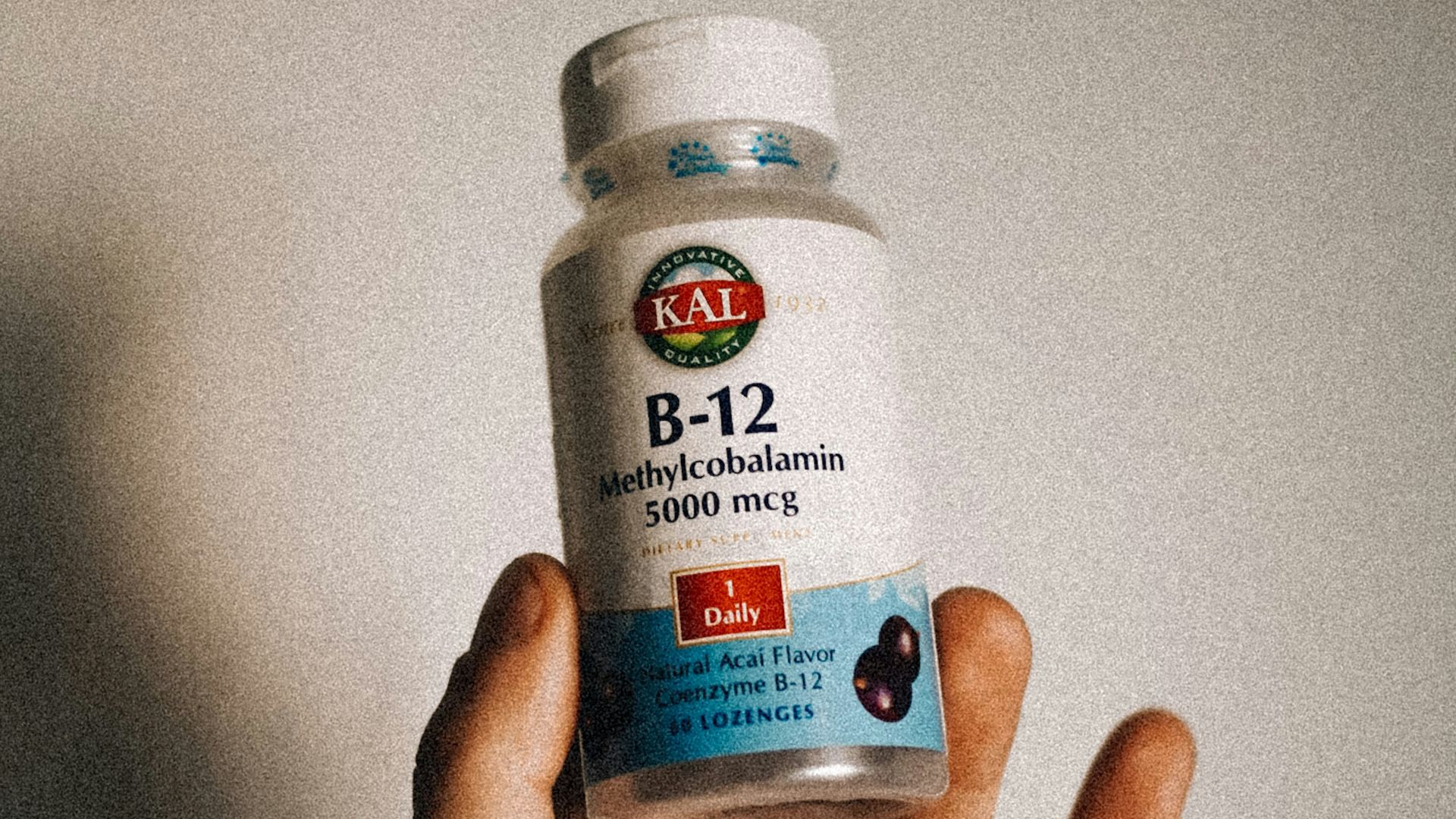
Vitamin B12 helps support nerve function and red blood cell production. People following vegan or vegetarian diets may struggle to get enough B12 naturally because it is mainly found in animal products. Older adults can also develop absorption issues that lead to lower levels over time. Treating a true deficiency can improve symptoms like fatigue or numbness.
3. Iron
Iron is technically a mineral rather than a vitamin, but it’s one of the most commonly discussed nutrients in supplement conversations. Low iron levels can contribute to anemia, fatigue, dizziness, and weakness.

4. Folate
Folate supports cell growth and plays a major role during pregnancy because it helps reduce the risk of certain neural tube defects. Many prenatal vitamins include folic acid, the synthetic form of folate, for that reason. The nutrient also contributes to red blood cell production and general cellular function. Most people can get adequate amounts through leafy greens, legumes, and fortified foods.

5. Calcium
Calcium remains important for bone strength, muscle function, and nerve signaling throughout life. Older adults, especially postmenopausal women, may need to pay closer attention to calcium intake because bone density naturally decreases with age.
6. Omega-3 Fatty Acids
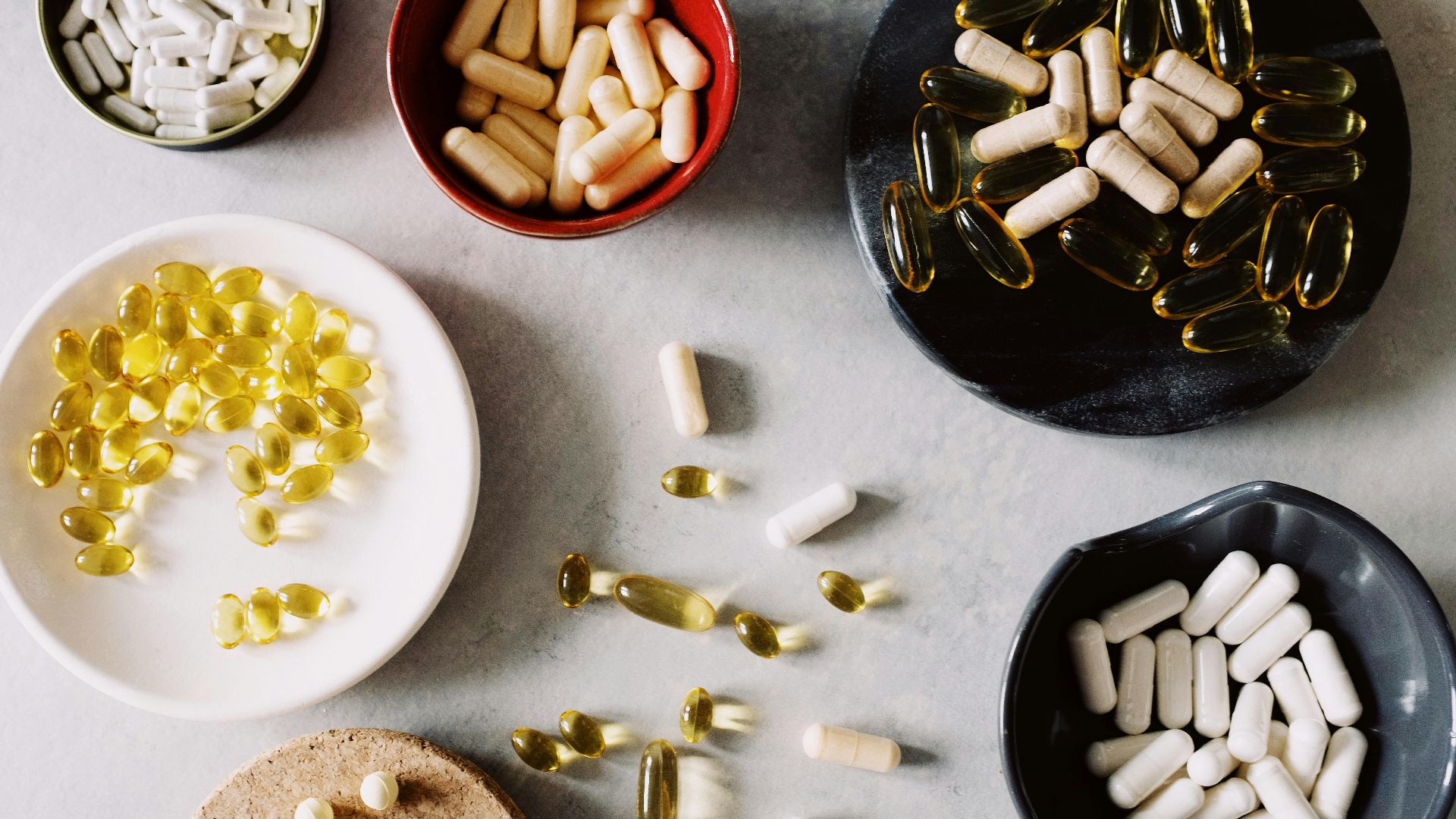
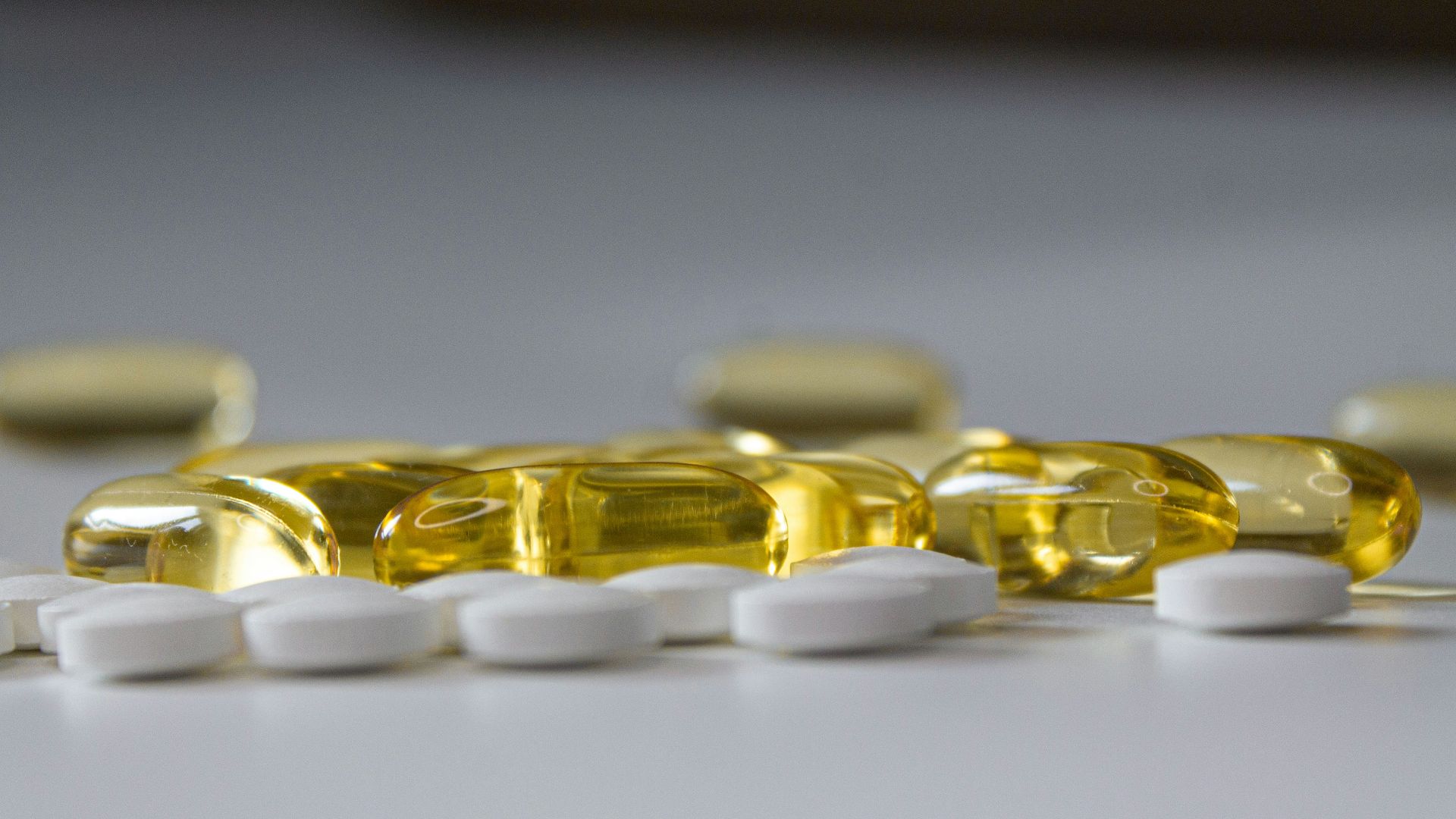
Omega-3s are fats rather than vitamins, but they’re often grouped into supplement discussions because of their popularity. Research suggests they may support heart health and help reduce inflammation in some people.
7. Magnesium
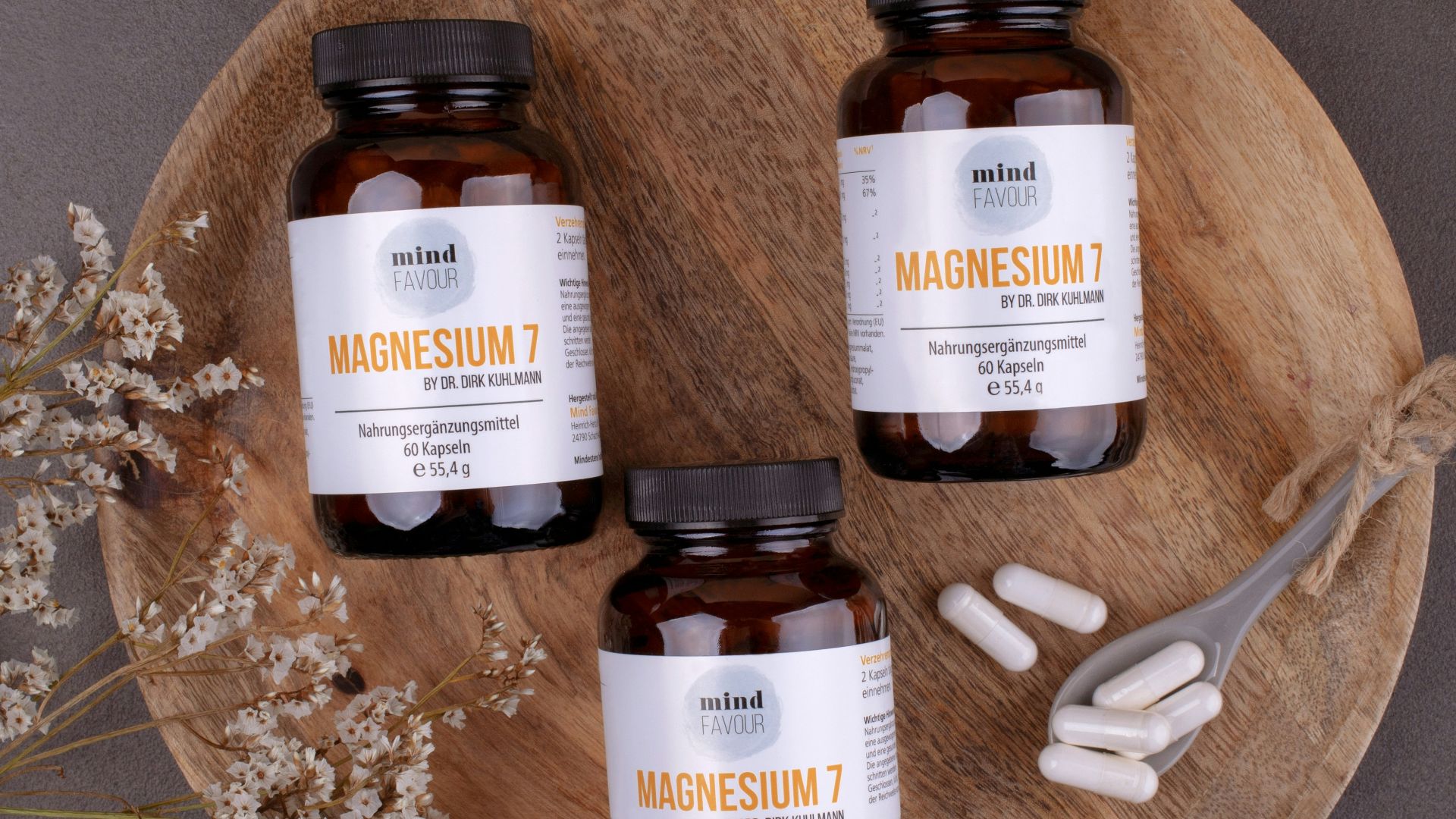
Magnesium contributes to muscle function, nerve signaling, and hundreds of chemical processes within the body. Some people with poor diets or certain medical conditions may not get enough consistently. Research surrounding magnesium is still evolving, but low levels can sometimes contribute to muscle cramps or fatigue. Whole grains, nuts, and leafy vegetables naturally contain significant amounts.
8. Vitamin C
Vitamin C supports immune function and helps the body produce collagen, which is important for skin, blood vessels, and connective tissue. Severe deficiencies can lead to scurvy, although that condition is now relatively rare in developed countries.

9. Zinc
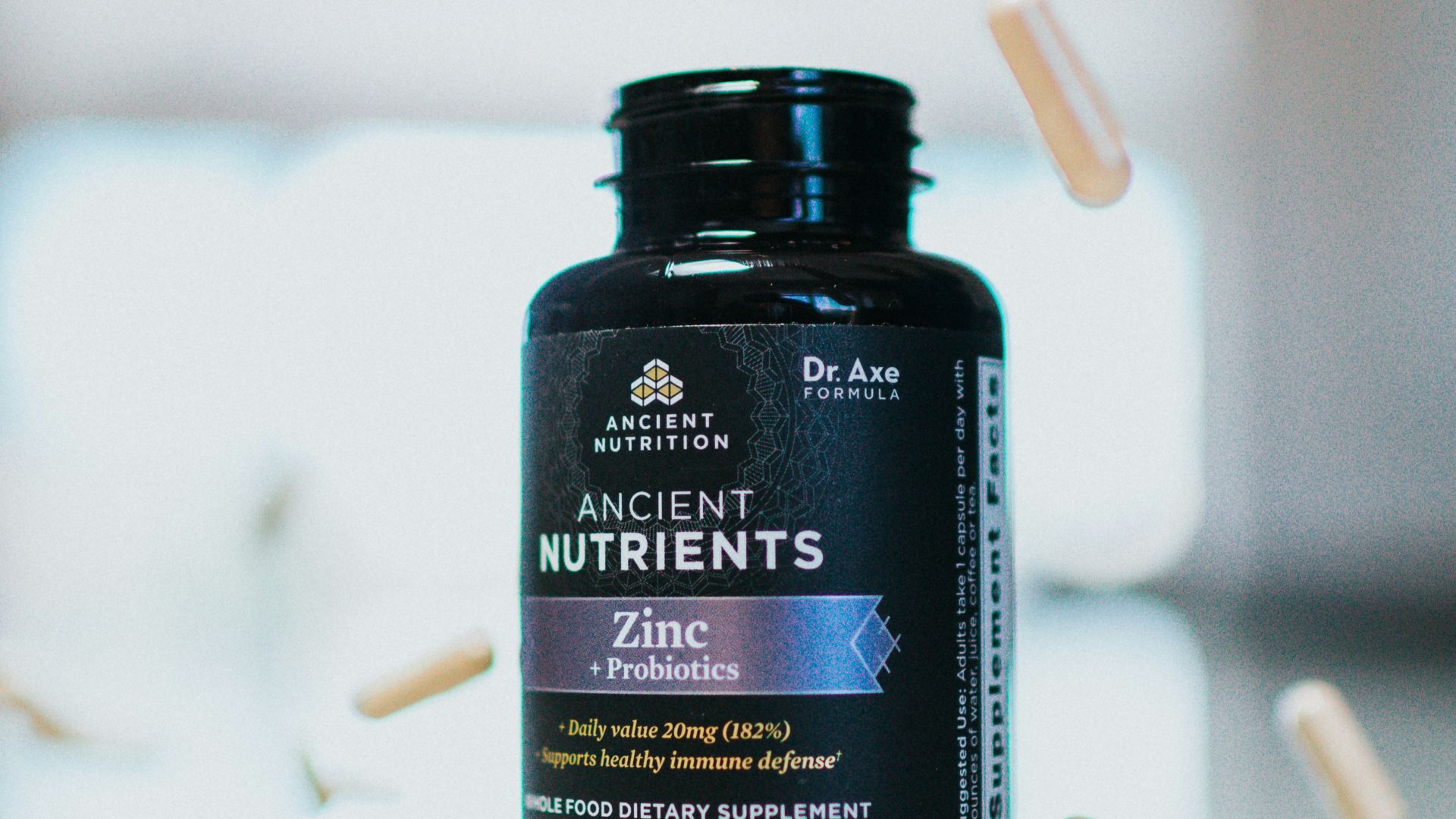
Zinc plays a role in immune function, wound healing, and cell growth. Some evidence suggests zinc supplements may slightly reduce the duration of common cold symptoms when taken early, although results remain mixed. Excessive zinc intake can create problems, including copper deficiency, over time. Balanced intake matters more than megadoses.
10. Vitamin K
Vitamin K helps support blood clotting and bone metabolism. Leafy green vegetables like spinach and kale naturally provide significant amounts of this nutrient.

1. Multivitamins as a “Cure-All”
Many people treat daily multivitamins as if they automatically compensate for poor sleep, stress, and unhealthy diets. Research on routine multivitamin use in otherwise healthy adults has shown mixed results overall. While they may help fill nutritional gaps, they are not substitutes for balanced eating habits. Expectations surrounding them are often far larger than the evidence supports.

2. Megadoses of Vitamin C
Vitamin C has developed a reputation as a powerful defense against illness, especially colds. While adequate vitamin C intake matters, extremely high doses generally do not provide dramatically greater benefits for most people. Excessive supplementation may also cause digestive discomfort in some individuals.

3. Detox Supplements
Many so-called detox vitamins and cleanses claim to remove toxins from the body rapidly. In reality, the liver and kidneys already perform most detoxification functions naturally in healthy individuals. Scientific evidence supporting dramatic detox claims remains limited.
4. Hair and Nail Gummies
Hair and nail supplements often contain biotin and other vitamins marketed with dramatic beauty claims. People with actual nutrient deficiencies may notice improvement after correcting low levels, but most healthy individuals already get enough biotin through diet.

5. Energy Supplements
Many supplements marketed for energy rely heavily on caffeine rather than vitamins themselves. While B vitamins are important for energy metabolism, they do not automatically increase energy levels in people who already have adequate intake.
 NutraSeller Manufacturing on Unsplash
6. Collagen Powders
Collagen supplements have become extremely popular for skin, hair, and joint health discussions. Some early research appears promising in certain areas, but evidence remains mixed and continues to develop.

7. Charcoal Supplements
Activated charcoal has legitimate medical uses in certain poisoning situations under professional supervision. Outside of those settings, wellness claims surrounding charcoal supplements remain poorly supported scientifically. Frequent use may also interfere with medication absorption in some cases. Certain health claims tied to charcoal products may be overstated.
 Supliful - Supplements On Demand on Unsplash
8. Apple Cider Vinegar Gummies
Apple cider vinegar products are often promoted online for weight loss, blood sugar control, and detoxification. Some limited studies suggest possible mild effects in certain situations, but evidence remains far from conclusive.

9. Testosterone Boosters
Many over-the-counter testosterone supplements promise dramatic physical or energy improvements without strong scientific backing. Some products contain herbal blends with potentially limited evidence supporting meaningful hormonal effects.

10. Brain-Boosting Supplements
Supplements marketed for memory, concentration, and cognitive enhancement have become increasingly common. While certain nutrients support brain health, many products promise sharper thinking without strong evidence in healthy adults.

KEEP ON READING