20 Habits That Help Seniors Eat More Protein Without Trying Too Hard
Small Choices Can Add Up to Stronger Meals
Getting enough protein becomes especially important with age because it helps support muscle, strength, energy, and everyday mobility. The good news is that eating more protein doesn’t have to mean cooking elaborate meals or forcing down giant portions of meat. A few simple habits can make breakfast, snacks, lunch, and dinner more satisfying without making food feel like homework. Here are 20 ways to sneak more protein in your diet without really having to think about it.

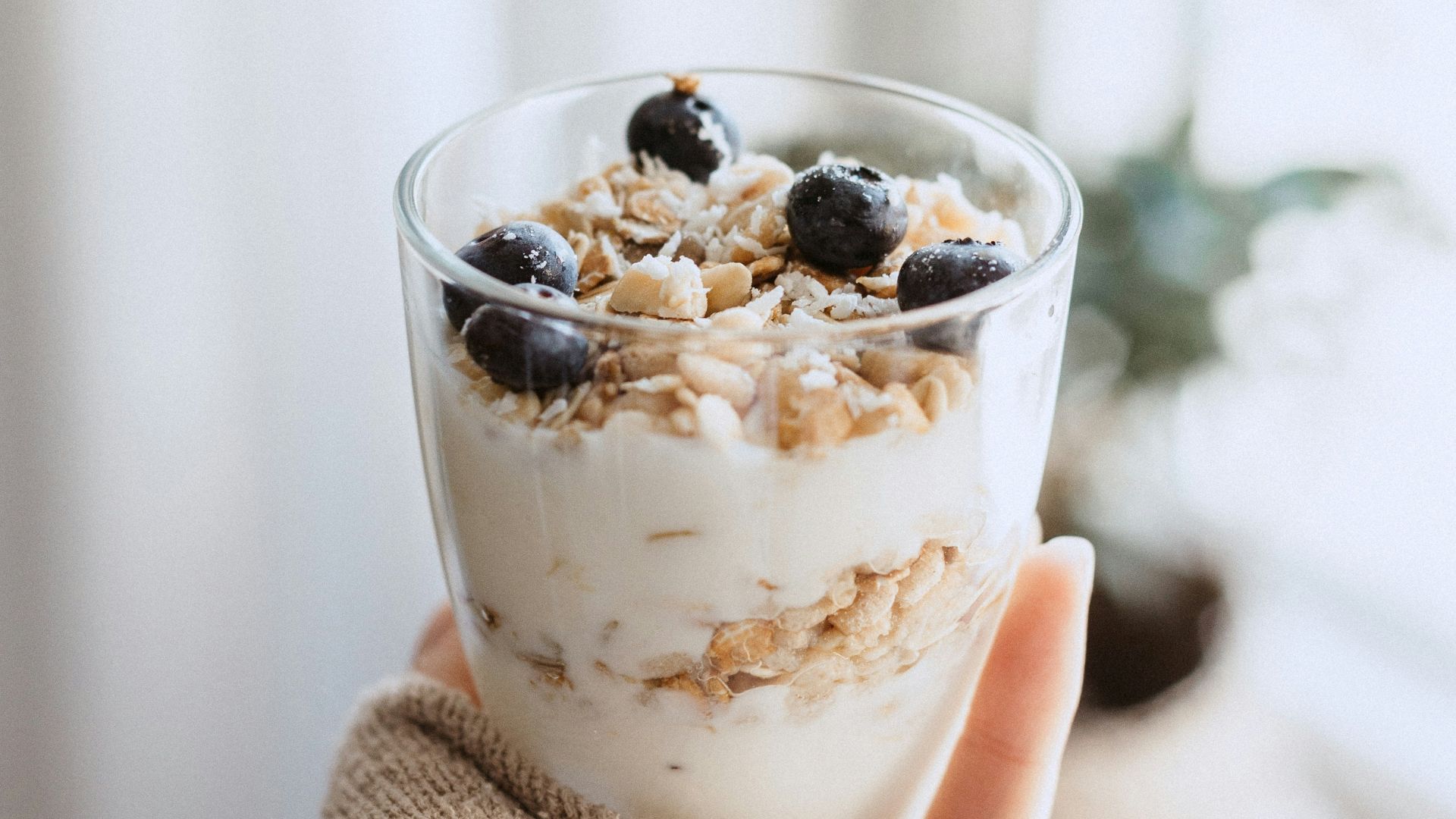
1. Add Greek Yogurt to Breakfast
Greek yogurt is an easy protein boost because it’s ready to eat and works with sweet or savory toppings. You can add berries, nuts, cinnamon, or a drizzle of honey if you like a simple breakfast. It also blends well into smoothies if you don't have a big appetite in the morning.
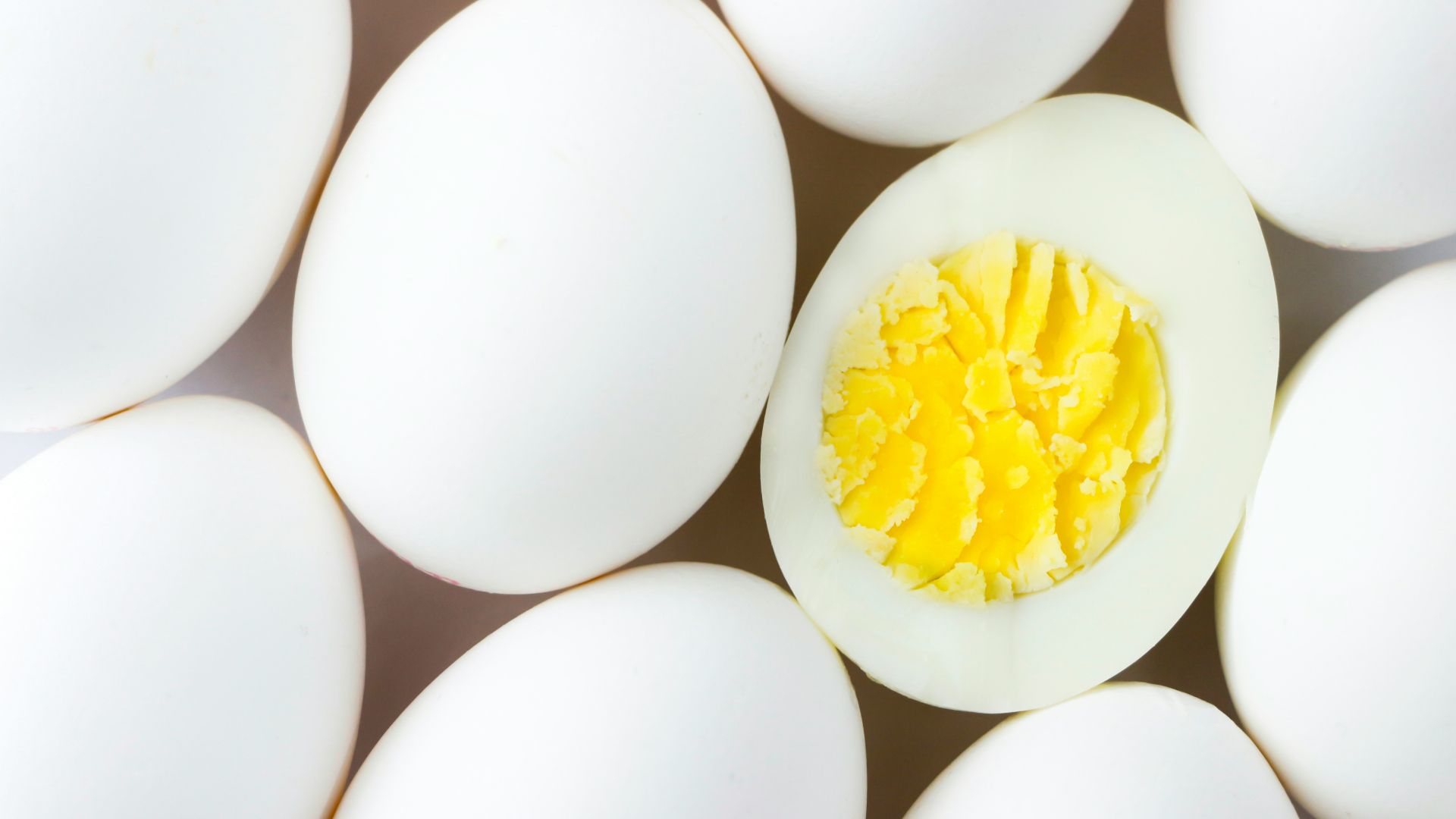
2. Keep Hard-Boiled Eggs in the Fridge
Hard-boiled eggs are useful because they’re already cooked when hunger hits. You can eat one with toast, slice it onto a salad, or pair it with fruit for a quick snack. Making a few at the start of the week saves time later.
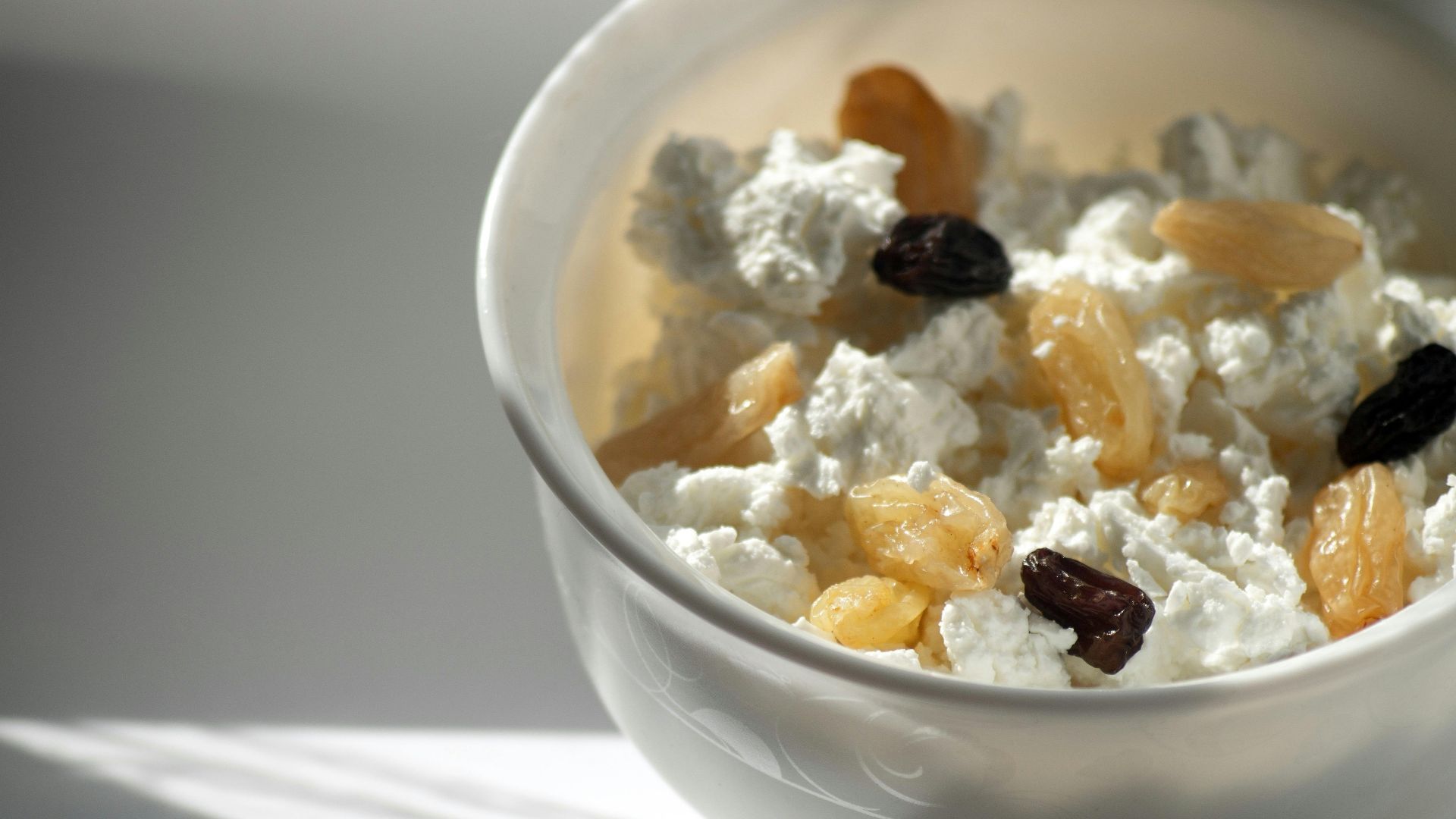
3. Choose Cottage Cheese as a Snack
Cottage cheese has plenty of protein and doesn’t require cooking, which makes it a practical option. It can be eaten with fruit, tomatoes, pepper, crackers, or a spoonful of jam. The soft texture may also be helpful for people who prefer easier-to-chew foods.
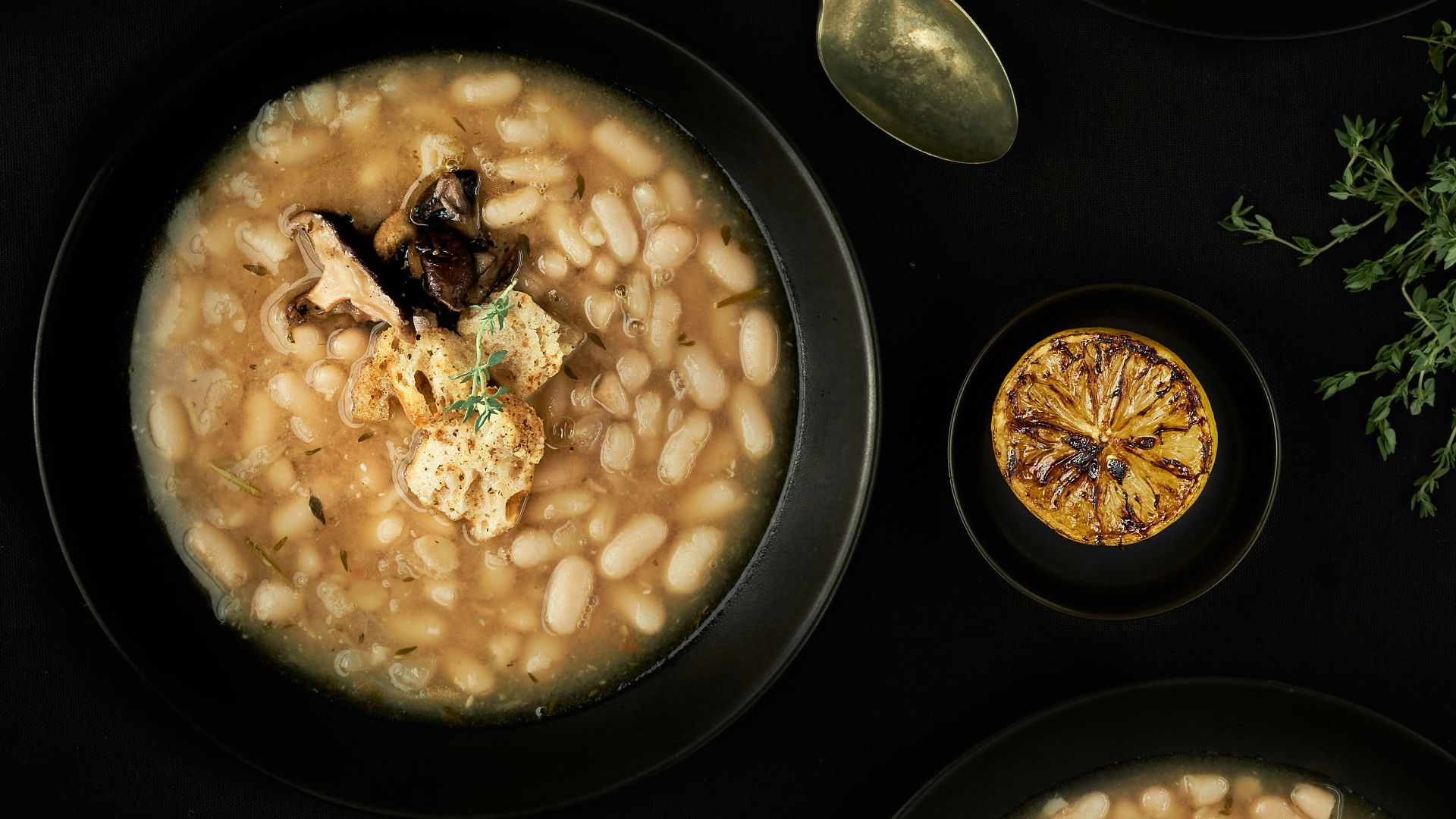
4. Stir Beans Into Soups
Beans are a simple way to make soup more filling. White beans, black beans, chickpeas, and lentils can be added to canned, homemade, or leftover soups. They bring protein, fiber, and texture without changing the whole meal.
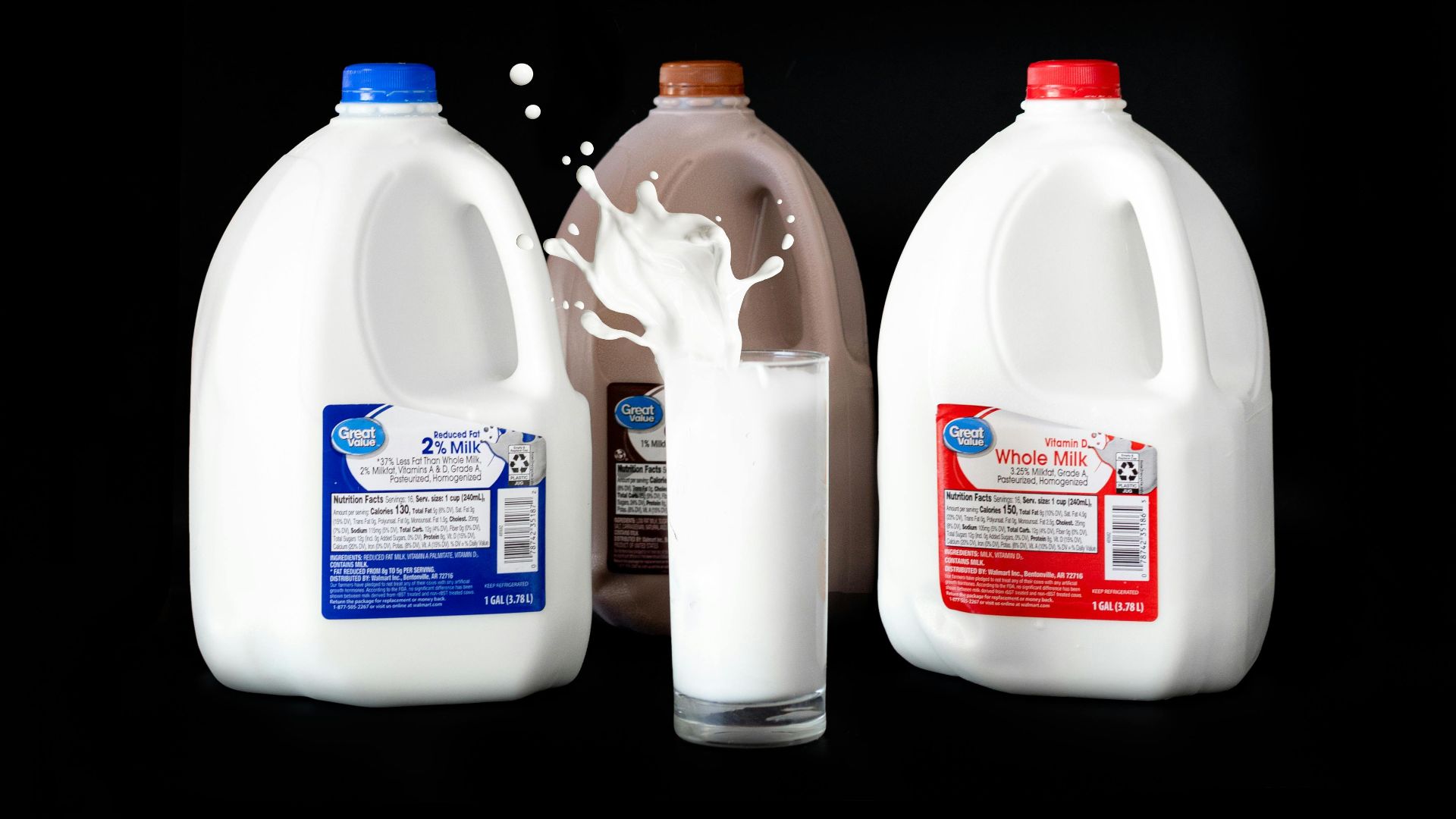
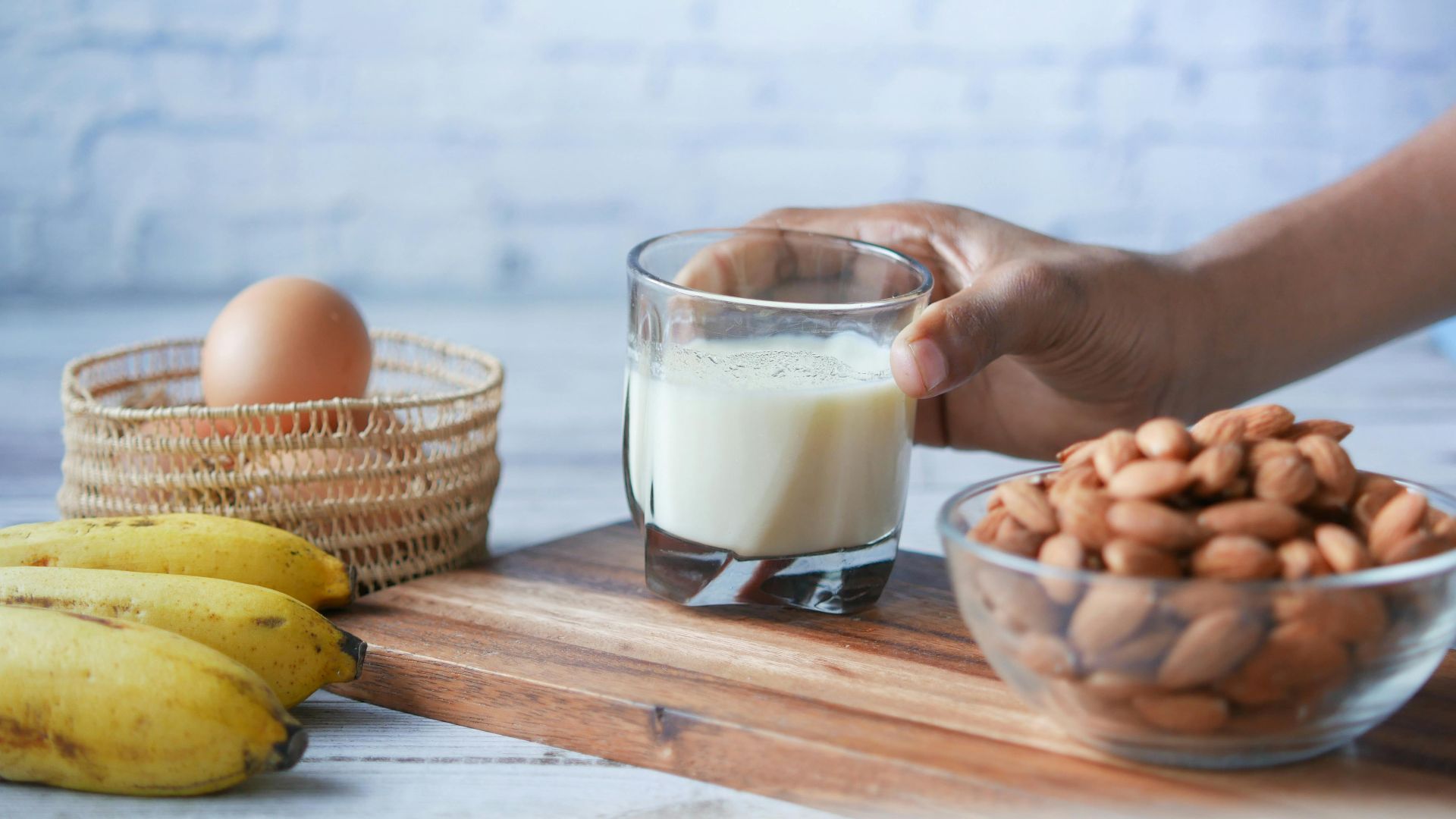
5. Use Milk Instead of Water
When making oatmeal, cream of wheat, smoothies, or instant breakfast mixes, using milk instead of water can add protein with no extra work. Dairy milk gives a reliable boost, while fortified soy or almond milk is a good plant-based option. This trick is especially helpful for people who don’t want a bigger meal.
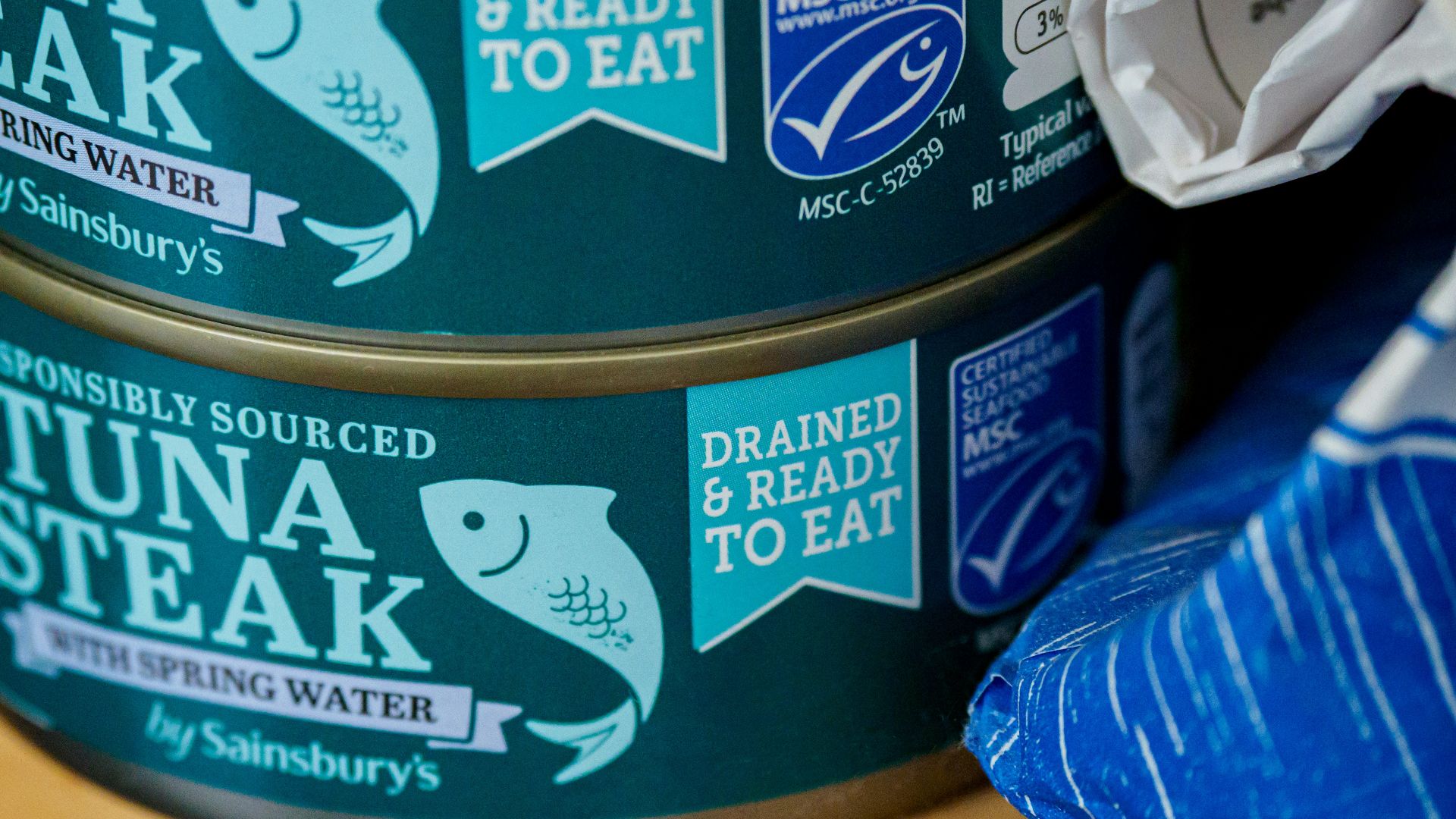
6. Add Tuna or Salmon to Lunch
Canned tuna and salmon are pantry-friendly proteins that can turn a light lunch into something more satisfying. You can mix them into salads, spread them on whole-grain toast, or serve them with crackers and vegetables. Salmon also gives you omega-3 fats, which many people like for heart-healthy meals.
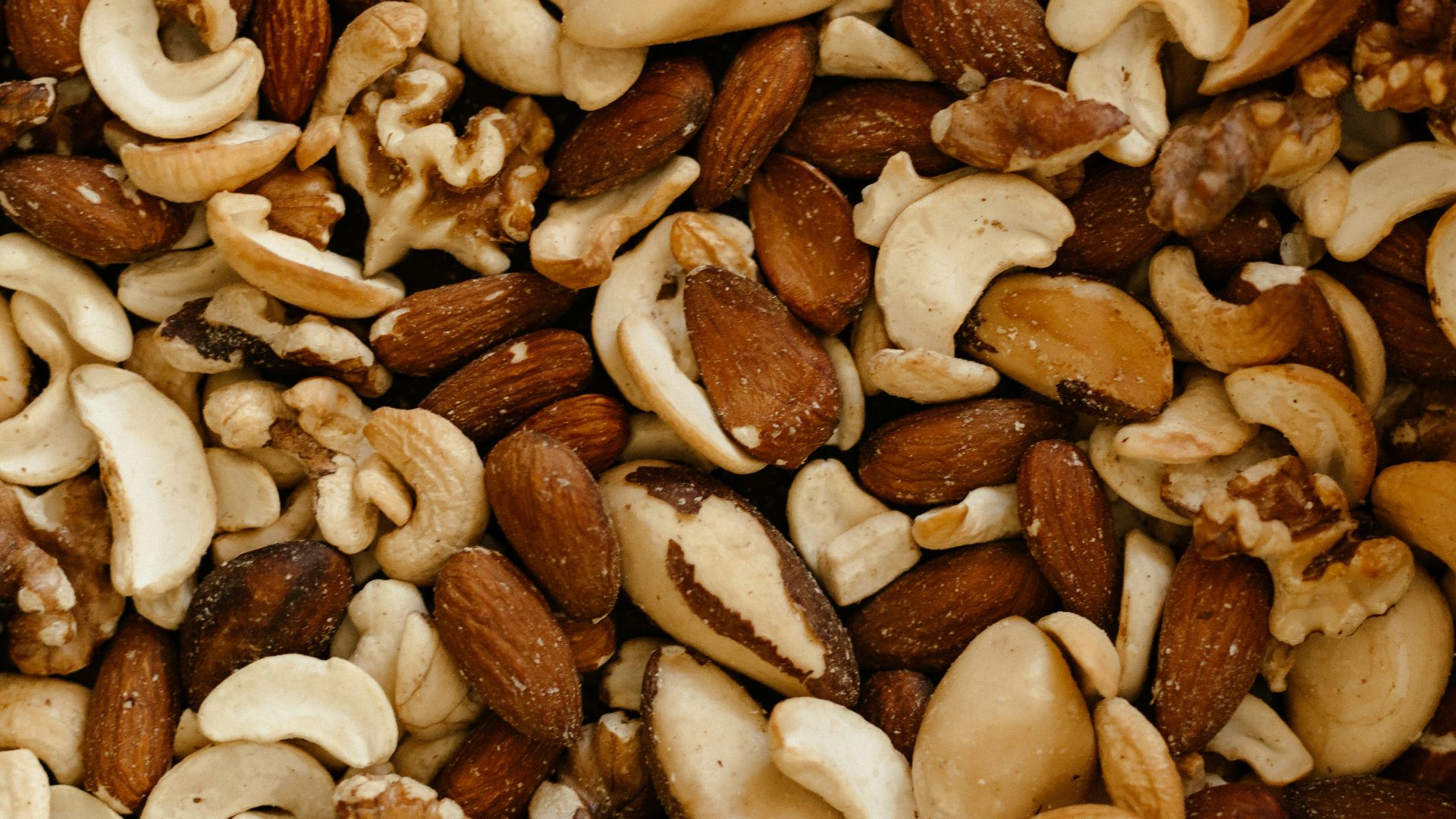
7. Sprinkle Nuts & Seeds on Meals
Nuts and seeds are easy to add to foods you’re already eating. Try chopped walnuts on oatmeal, pumpkin seeds on salads, or sunflower seeds on yogurt. They don’t provide as much protein as meat or eggs, but they help meals feel more complete.
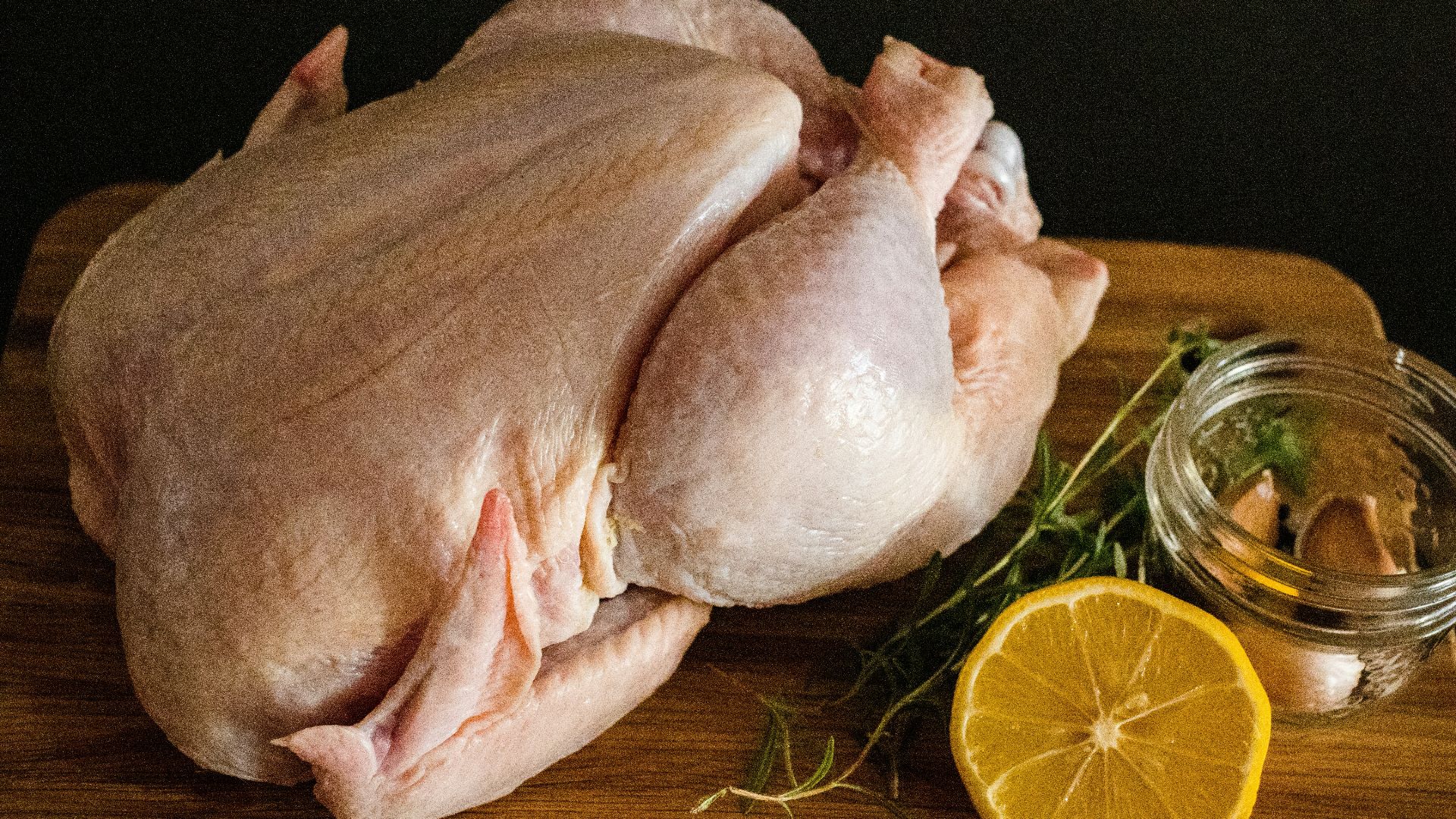
8. Keep Rotisserie Chicken on Hand
A rotisserie chicken can make protein easier when cooking feels like too much. Use it in sandwiches, soups, wraps, omelets, salads, or simple dinner plates with vegetables. Removing the skin can make it lighter if that matters for your diet.

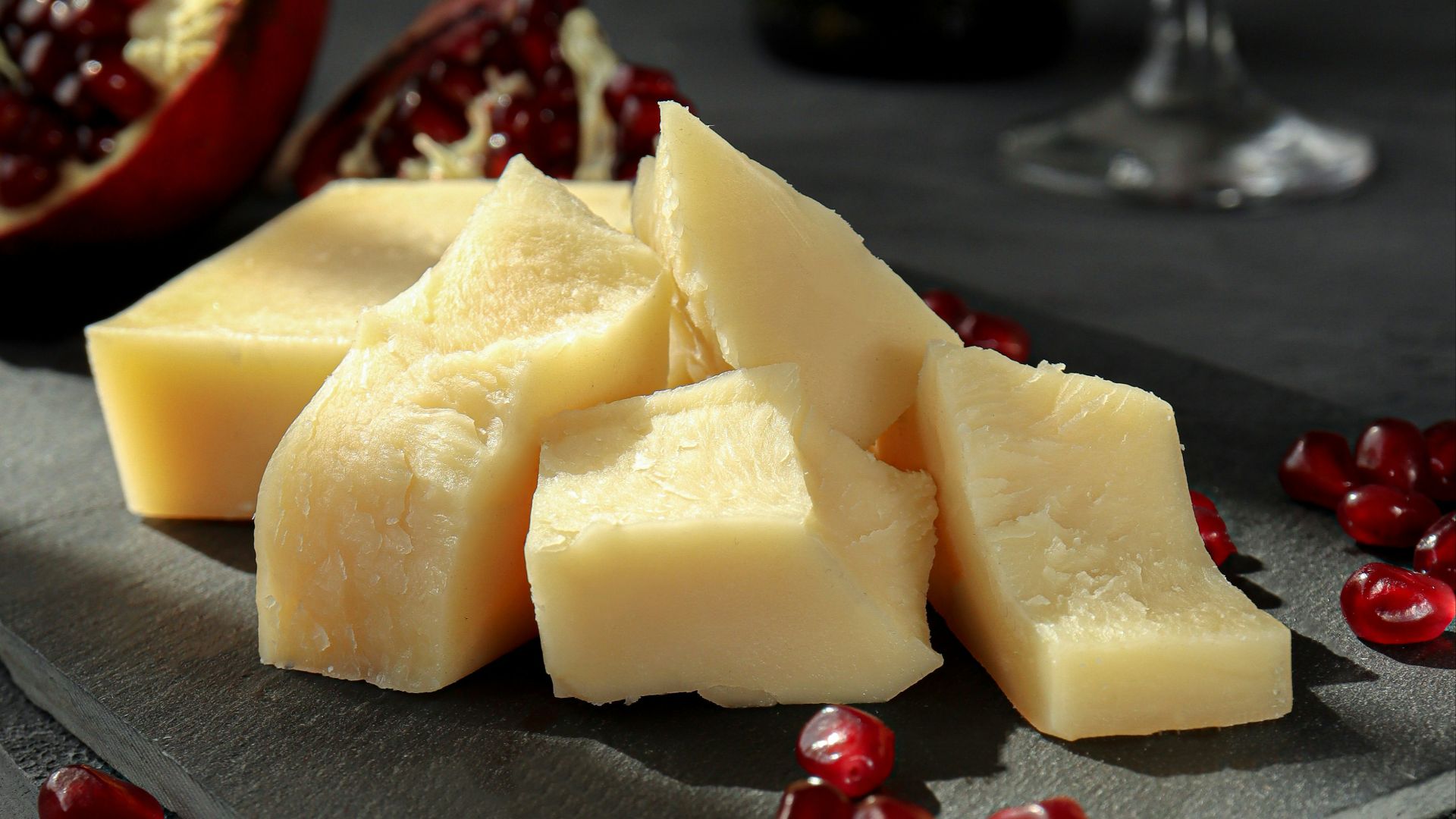
9. Add Cheese
Cheese can add protein and flavor without requiring a large portion. A sprinkle of shredded cheese on eggs, beans, soup, or vegetables can make food more appealing. String cheese or cheese cubes can also work as a quick snack. If saturated fat or sodium is a concern, keep portions modest and choose wisely.
10. Try Protein-Rich Smoothies
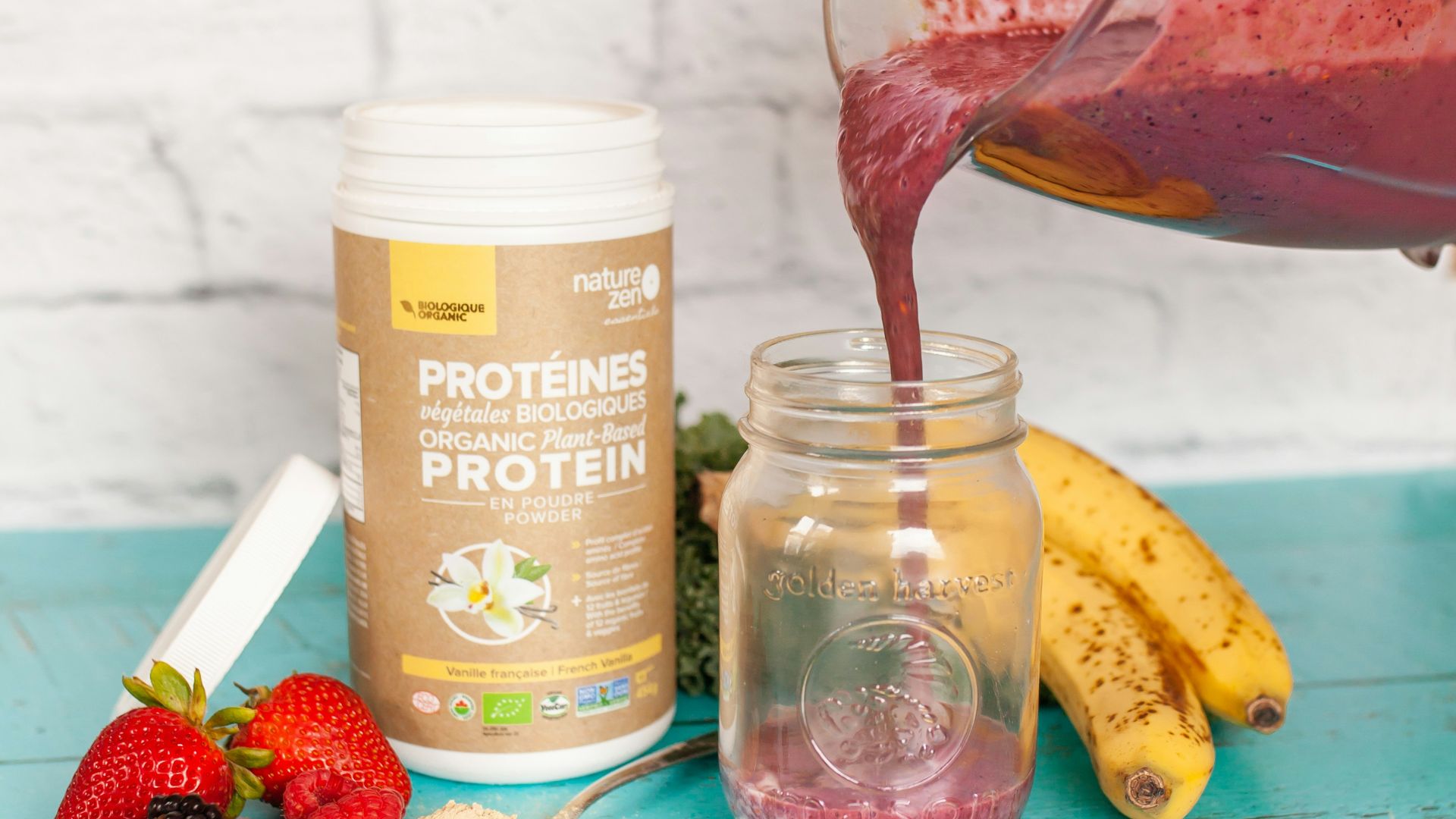
Smoothies can be helpful when appetite is low or eating solid food feels like a chore. Blend Greek yogurt, milk, nut butter, fruit, and protein powder for a tasty and protein-rich beverage. The goal is to make something nourishing, not a dessert in disguise. A balanced smoothie can be easier to finish than a large plate of food.
11. Peanut Butter on Toast or Fruit
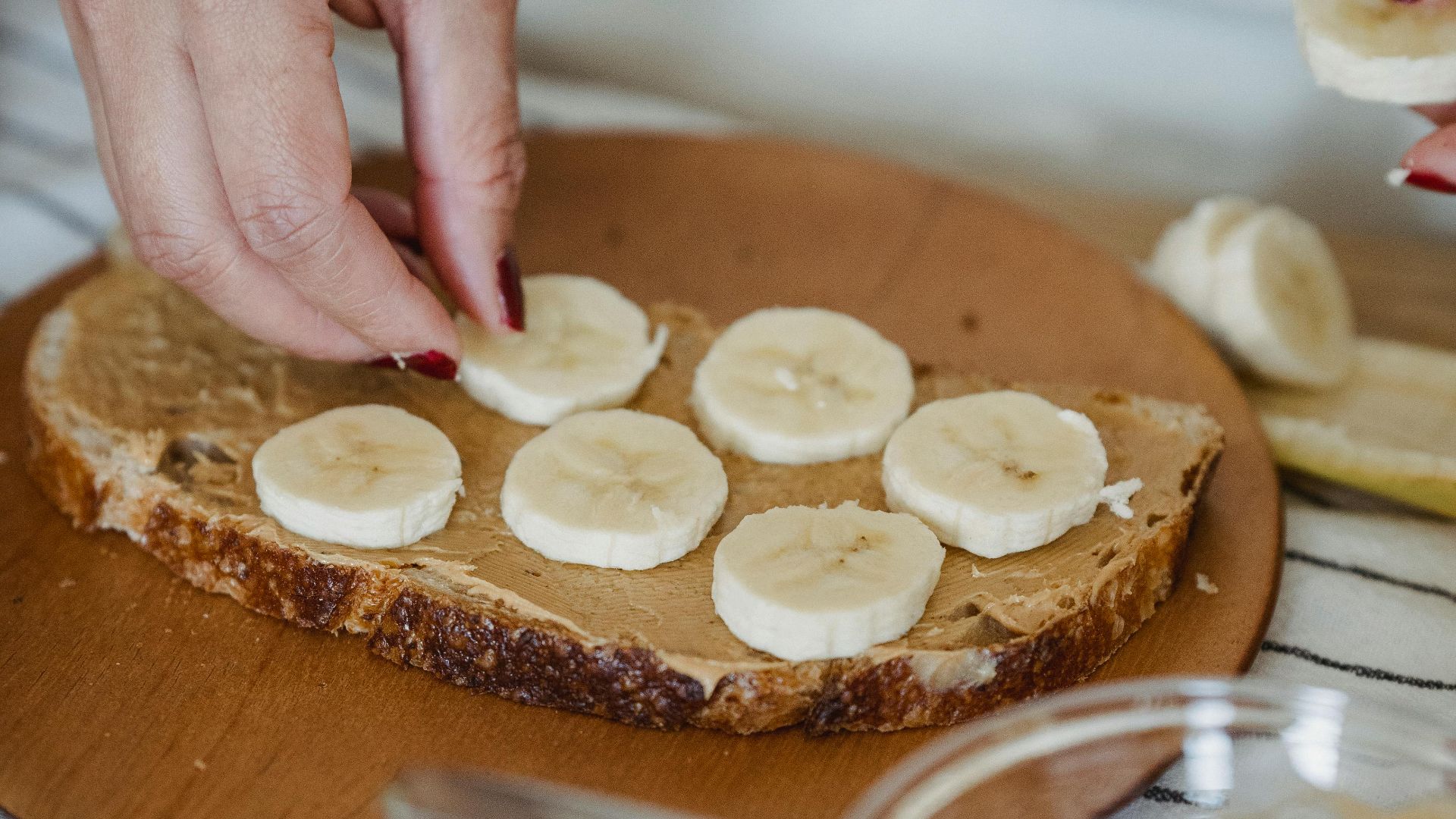
Peanut butter adds protein, fat, and flavor to simple foods. Spread it on whole-grain toast, apple slices, a banana, or crackers for an easy snack. Almond butter, sunflower seed butter, and other spreads can work too. Just watch portion size, since a little can go a long way.
12. Choose Higher-Protein Breakfast Cereal
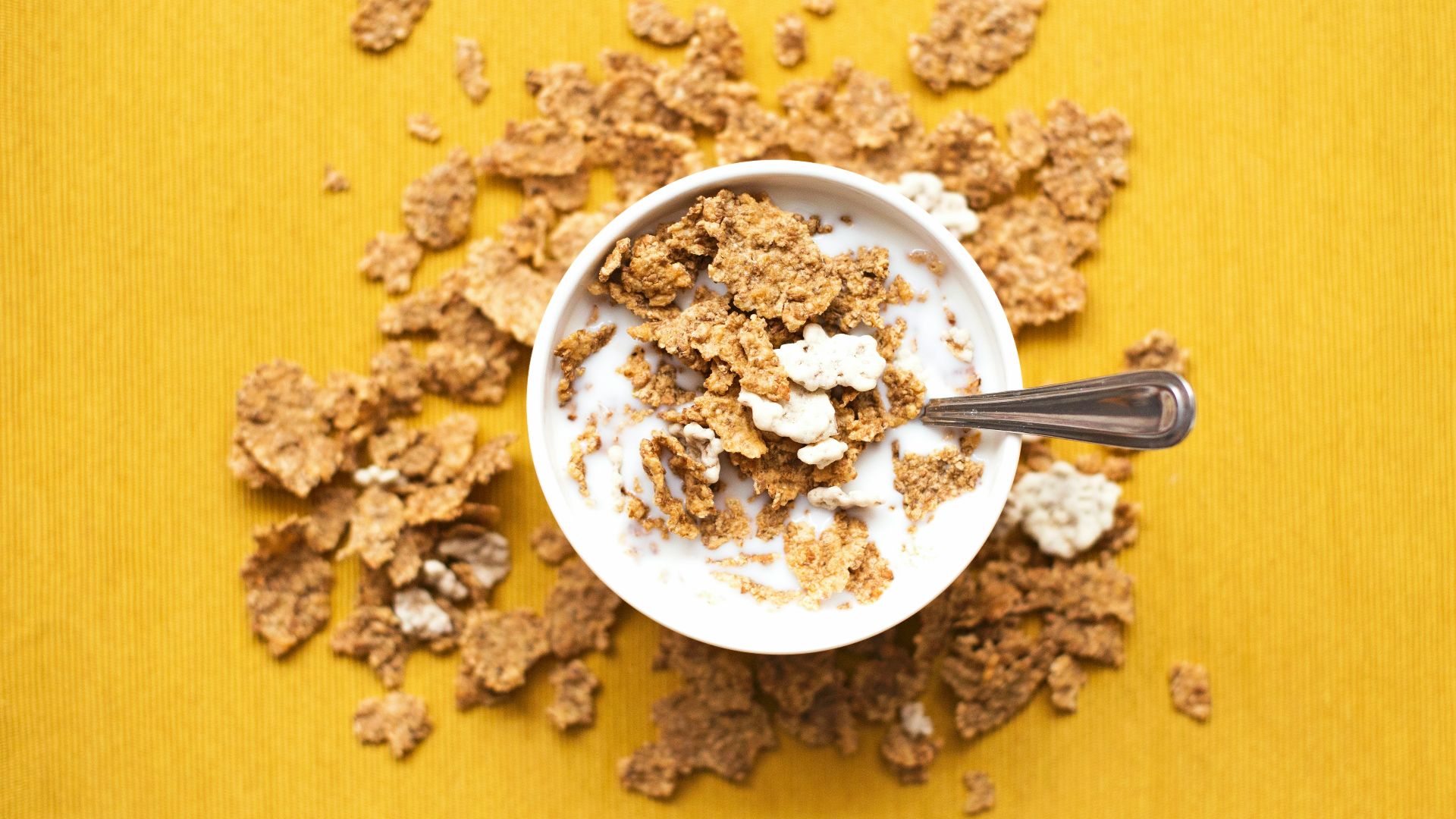
Some cereals offer more protein than others, especially when paired with milk. Look for options with a decent amount of protein and fiber without a huge load of added sugar. You can also add nuts, seeds, or yogurt to make the bowl more filling.
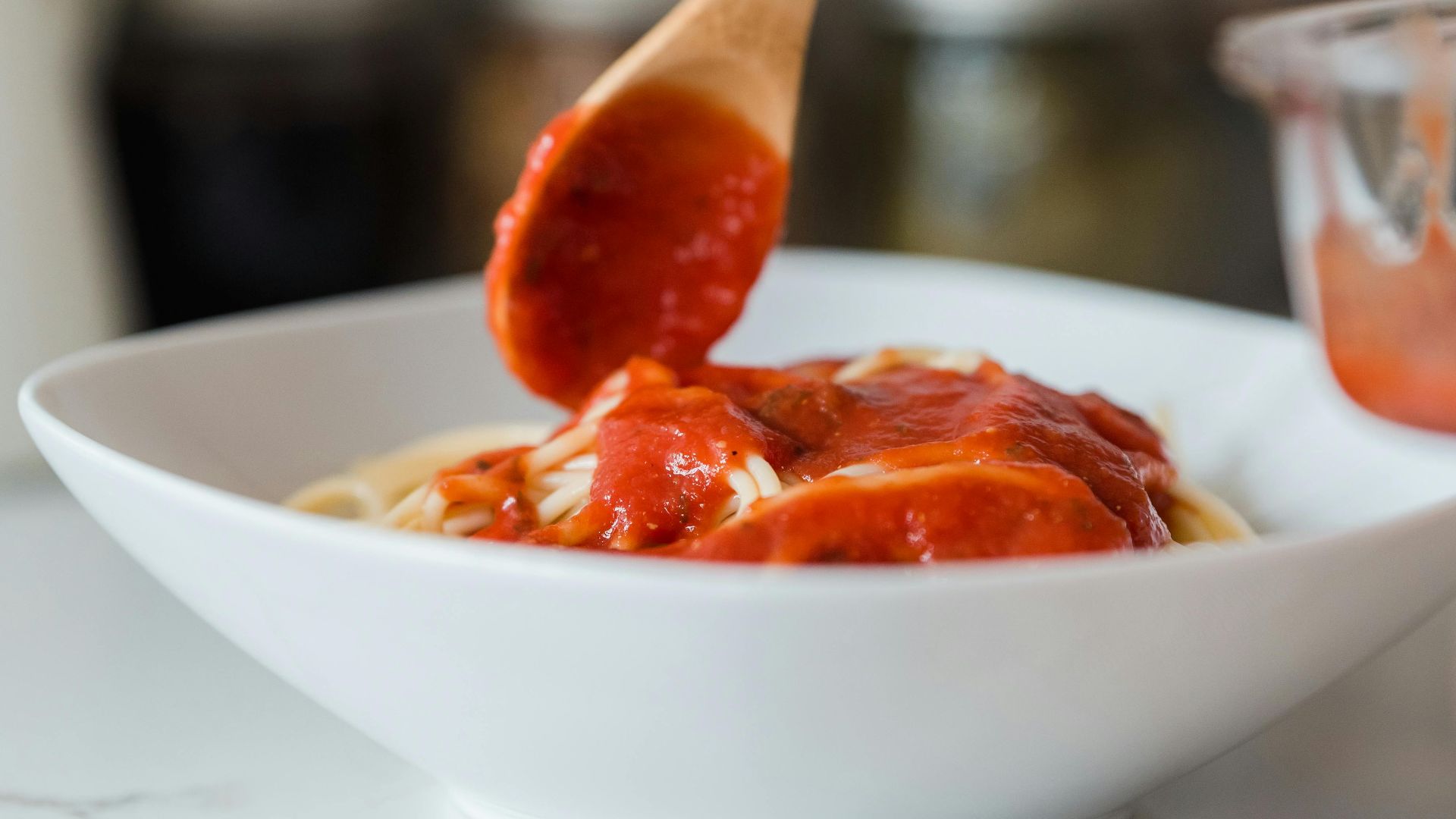
13. Add Lentils to Pasta Sauce
Lentils blend well into tomato sauce, especially red or brown lentils that soften as they cook. You can stir them into jarred sauce or homemade sauce for extra protein and fiber. This works well for spaghetti, baked pasta, or even lasagna. It’s a good habit for people who want more plant-based protein without changing dinner completely.
14. Eat Protein First at Meals
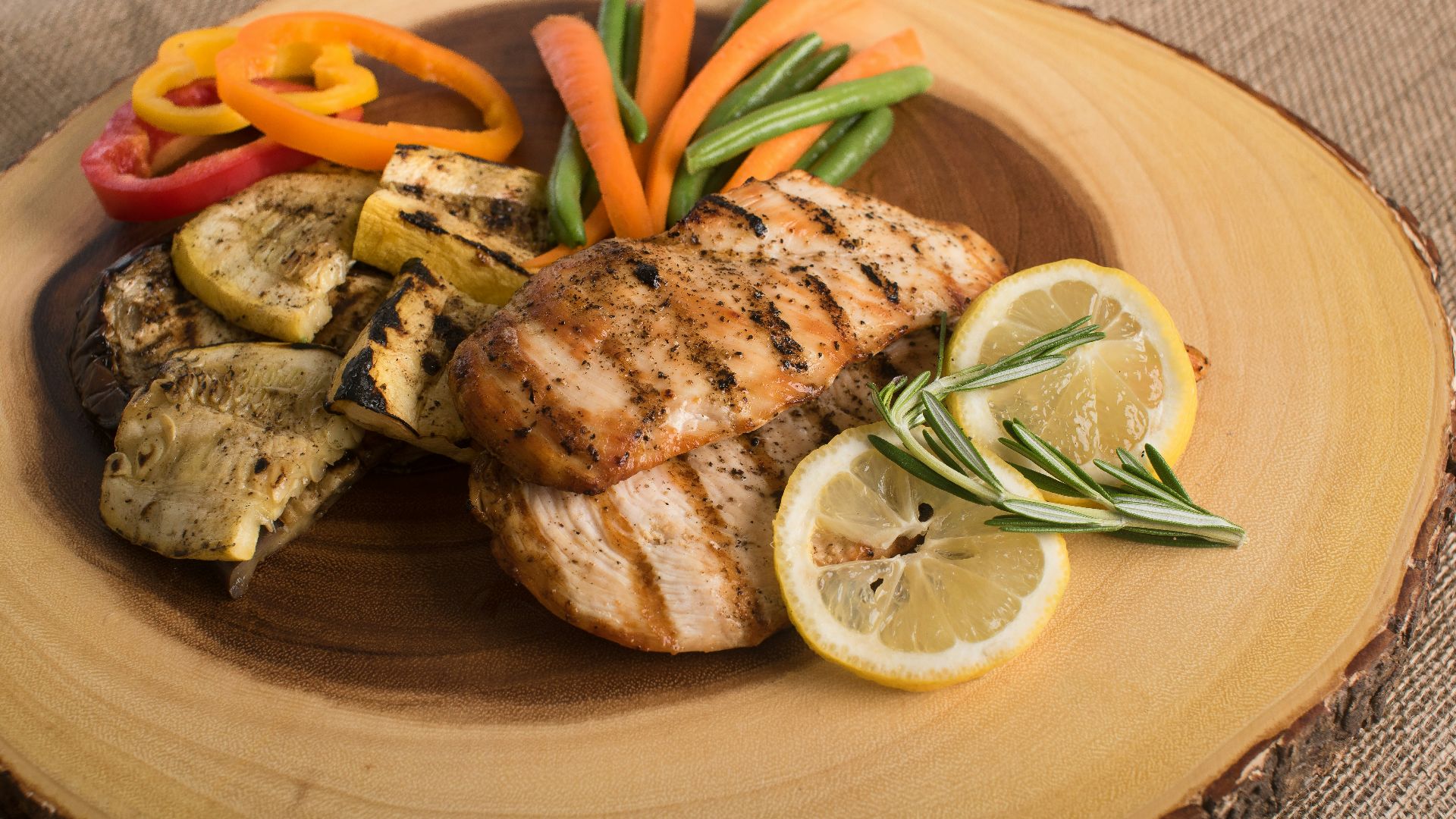
If your appetite is smaller than it used to be, the order you eat can matter. Try taking a few bites of eggs, fish, chicken, beans, tofu, or yogurt before filling up on bread, rice, or salad. This doesn’t mean skipping the rest of the meal. It simply helps make sure protein gets some attention before you feel full.
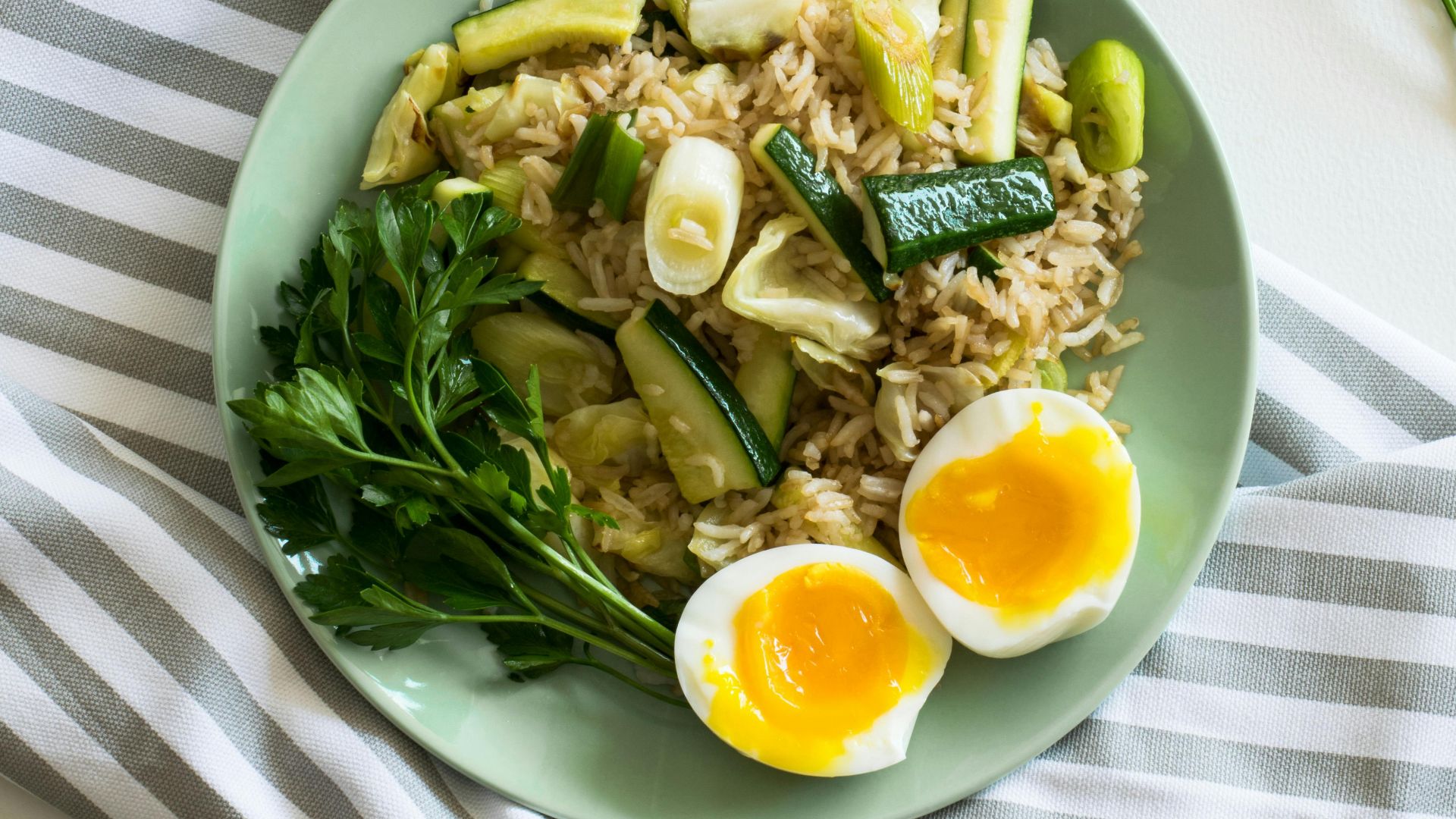
15. Use Eggs Beyond Breakfast
Eggs don’t need to stay in the morning. Add them to rice, toast, vegetables, or leftovers for a quick protein boost any time of day. They’re flexible, affordable, and faster than many other protein sources.
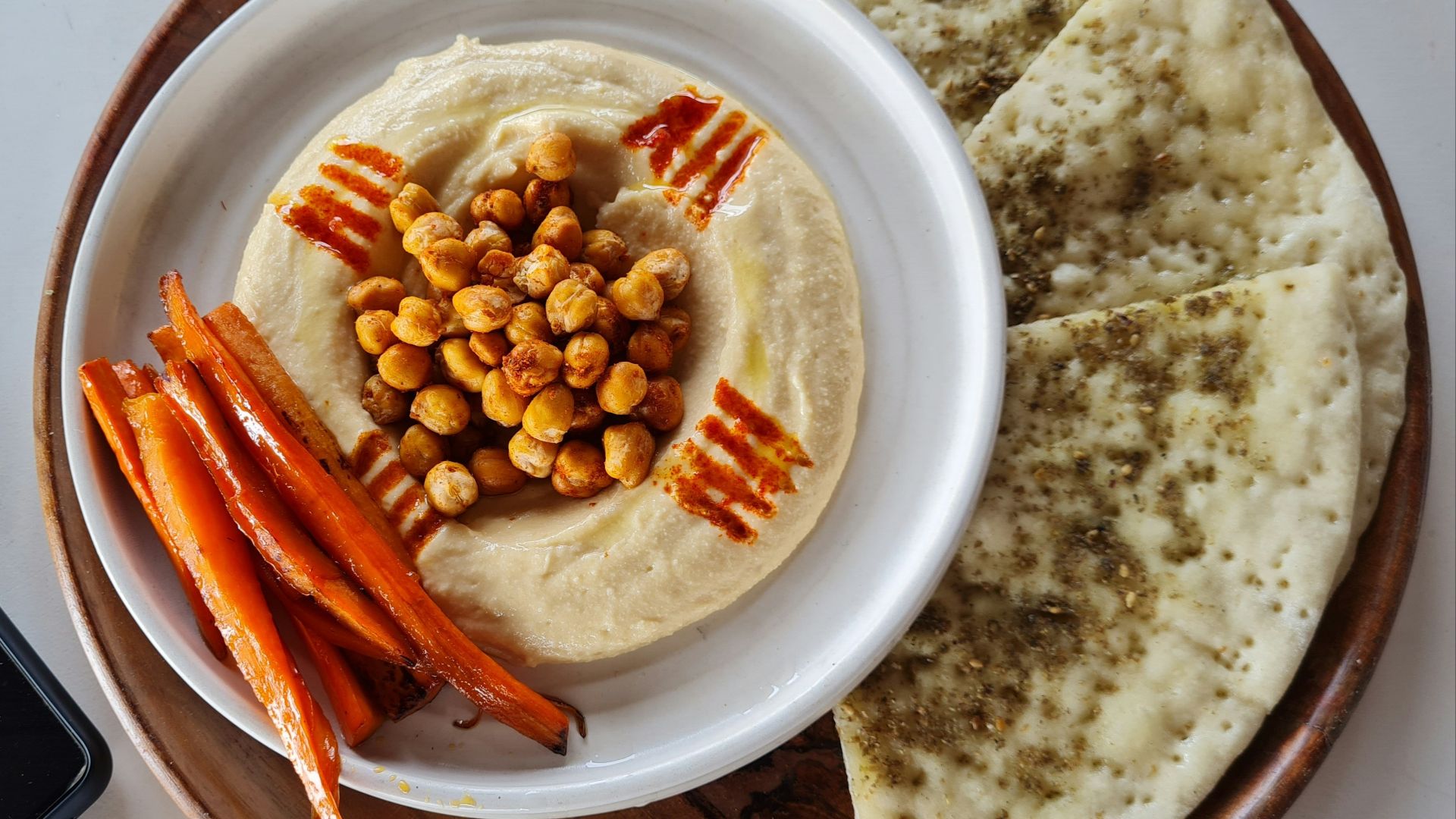
16. Keep Hummus Ready for Snacks
Hummus gives you plant-based protein from chickpeas and works well with many easy foods. Pair it with pita, crackers, cucumbers, carrots, peppers, or toast. It can also be spread inside a wrap to make lunch more filling. Keeping a container in the fridge makes snacking feel more intentional.
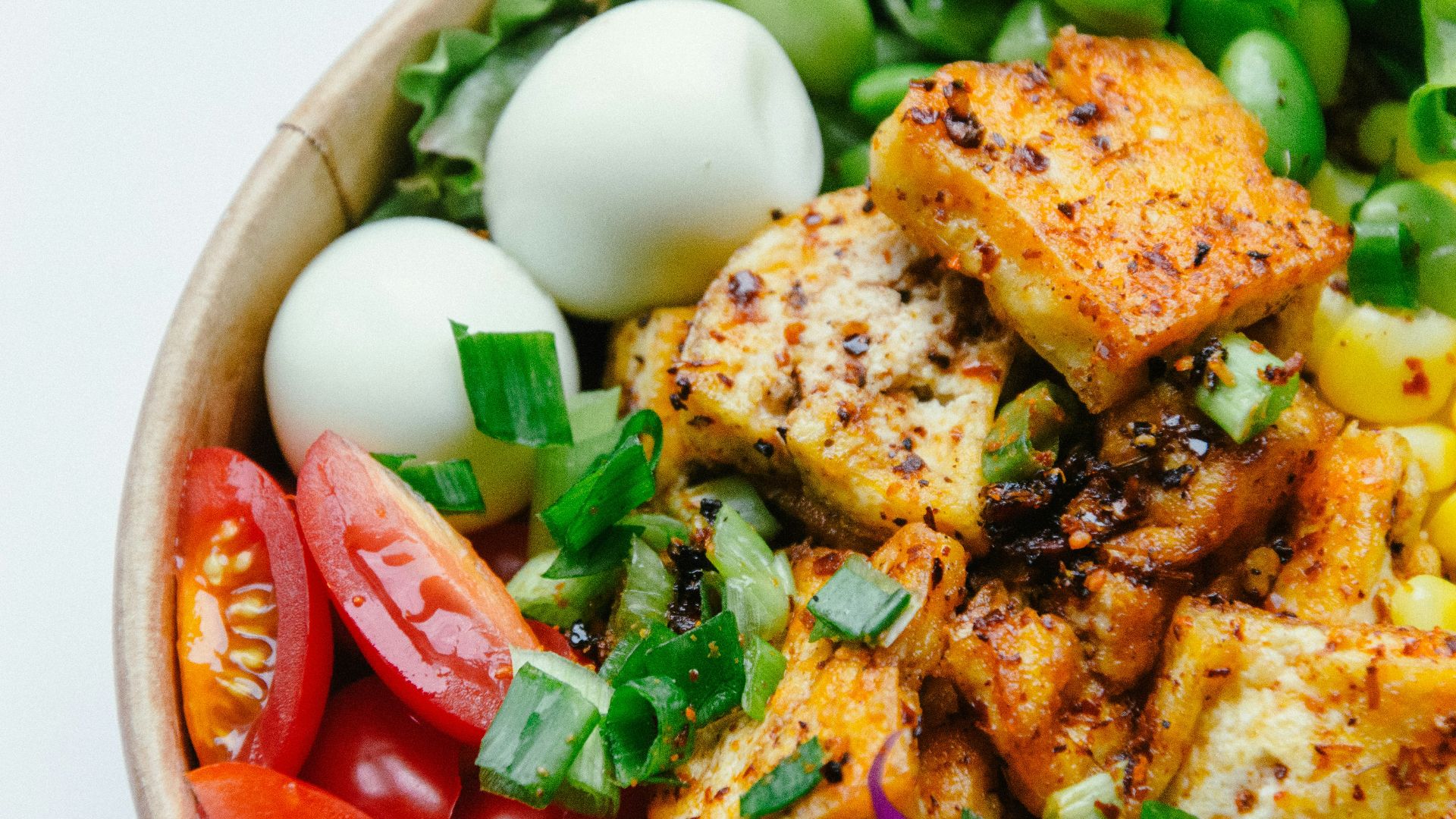
17. Add Tofu to Stir-Fries or Soups
Tofu is mild, soft, and quick to use, which can make it senior-friendly. Cubes of tofu can go into soup, stir-fries, rice bowls, or even scrambled-style breakfasts. It’s especially useful for people who want protein without relying on meat every day.
18. Make Snacks More Balanced
A snack with only crackers or fruit may not keep you full for long. Pair carbohydrates with protein, like crackers with cheese, fruit with yogurt, or toast with nut butter. These combinations are still easy, but they usually feel more satisfying.
19. Batch-Cook a Simple Protein
Cooking one protein ahead of time can make the rest of the week easier. Prepare chicken, turkey meatballs, lentils, beans, eggs, or tofu, then use them in different meals. This habit reduces the number of decisions you have to make when you’re hungry.
20. Choose Higher-Protein Pasta
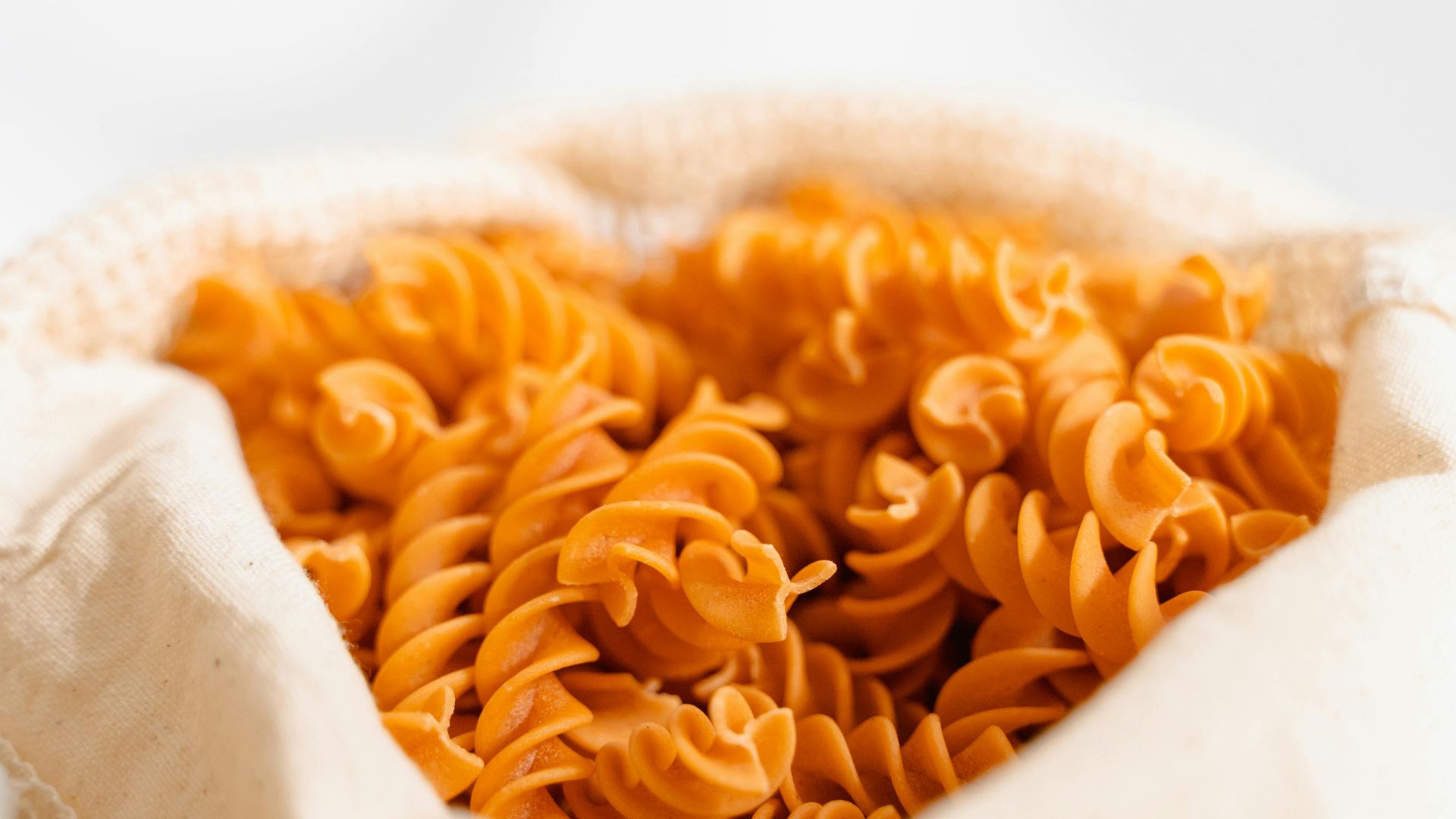
Pasta doesn't have to be empty carbs. Now, you can find noodles made out of lentils, chickpeas, or other beans. Higher-protein pasta can make a familiar dinner more nourishing without changing the meal much.