Your Everyday Habits Could Be Causing Constipation
Does it hurt to go? While constipation is a common complaint that most people have and deal with, a lot of the time it comes down to your own lifestyle choices. From low fiber intake to not drinking enough fluids, getting limited physical activity, eating certain foods, and even ignoring the urge to go—all of these factors could contribute to making your stools more difficult to pass. If you want regular, healthy bowel movements, you'll want to make sure you don't do anything on this list.
1. Eating Too Little Fiber
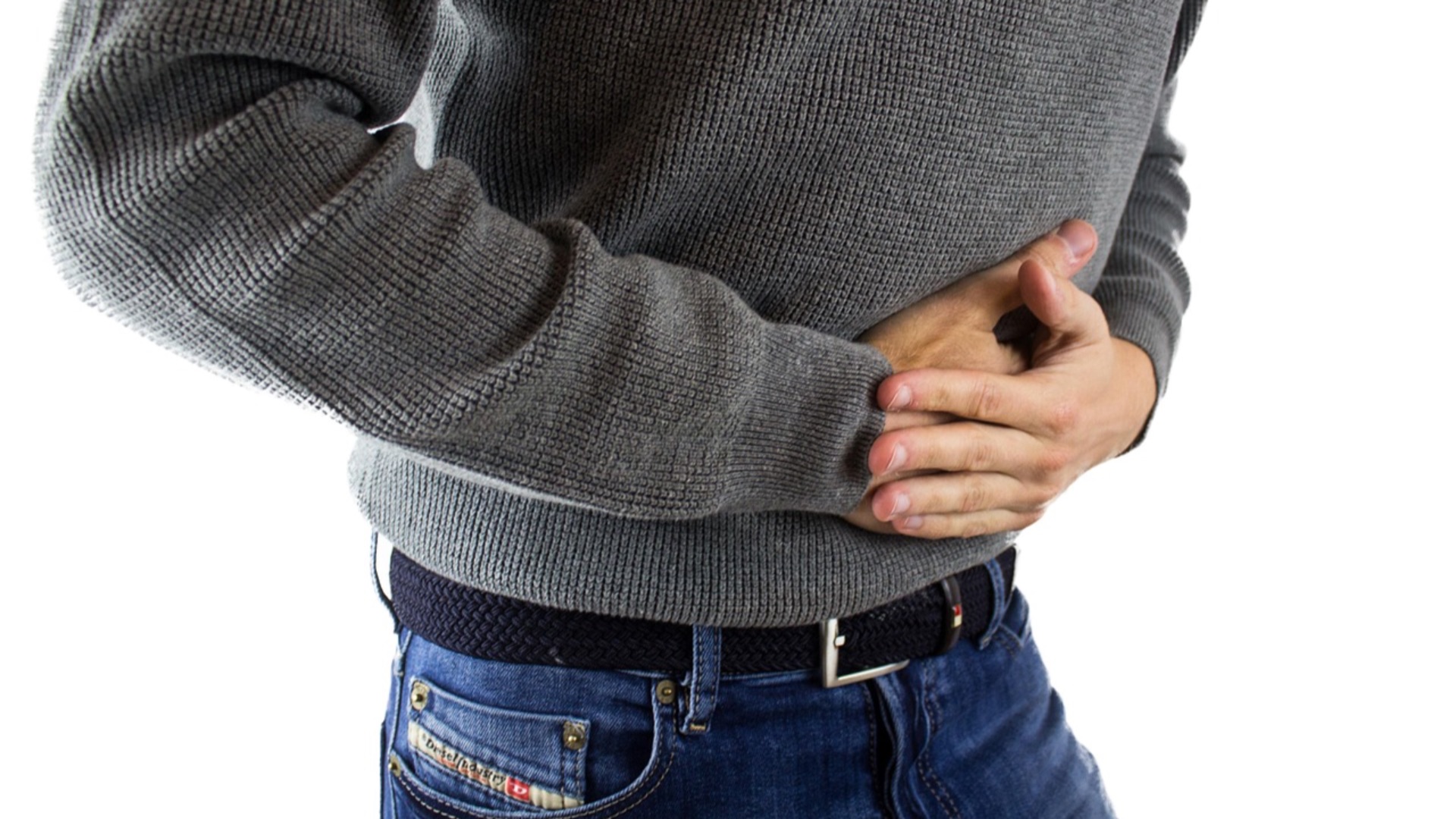
A low-fiber diet is one of the most common lifestyle habits linked with constipation. Fiber helps add bulk to stool and supports easier bowel movements, especially when it comes from foods like vegetables, fruits, beans, lentils, and whole grains. If most of your meals are built around meat, cheese, refined grains, and packaged snacks, you may not be giving your digestive system enough material to keep things moving.
2. Not Drinking Enough Water
When you don’t drink enough fluids, stool can become harder, drier, and more difficult to pass. This matters even more if you’re increasing fiber, because fiber works best when there’s enough fluid in the digestive tract. Water is usually the best choice, and sipping it consistently throughout the day is often more helpful than trying to catch up all at once.

3. Eating Too Much Cheese
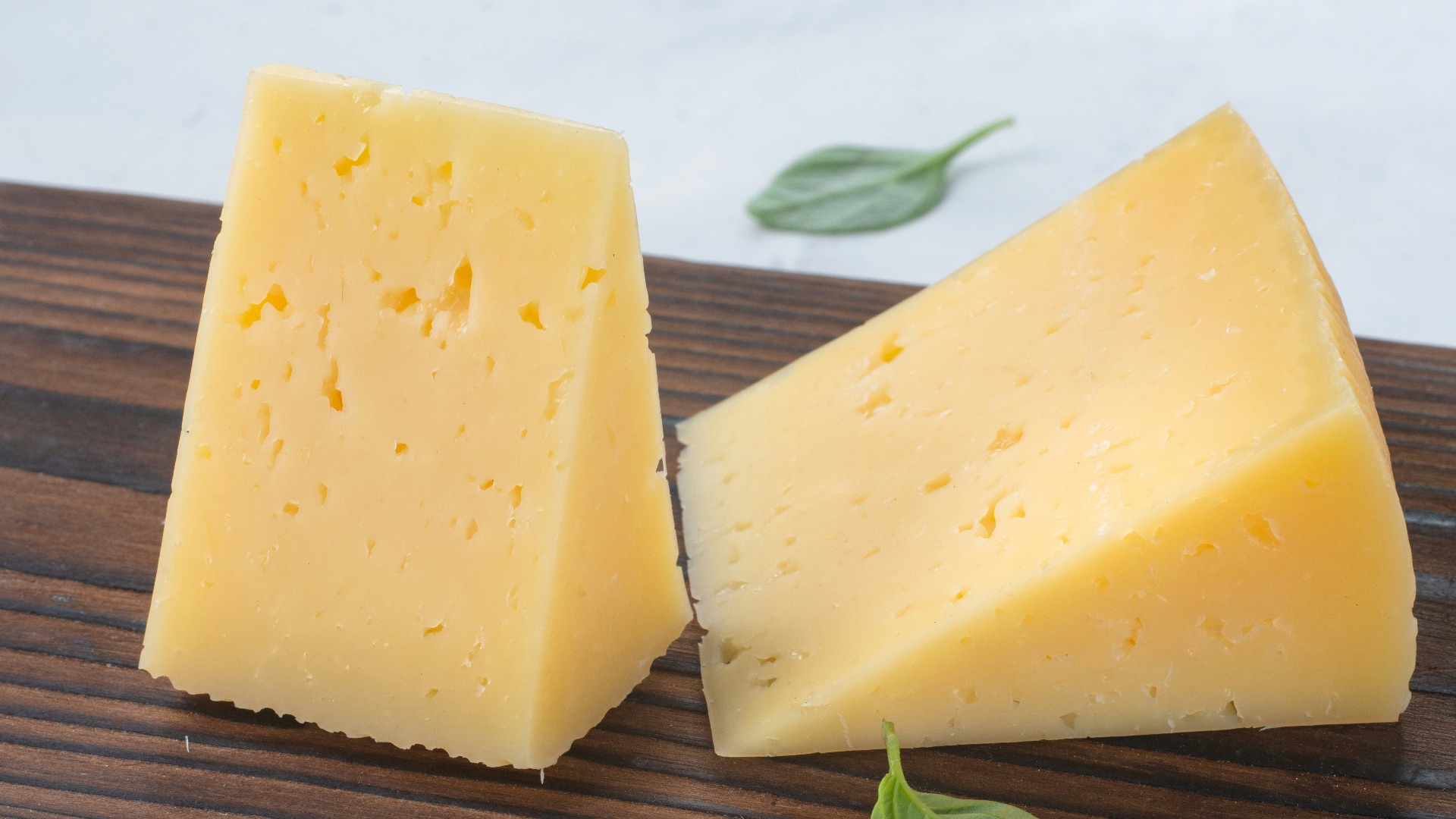
Cheese can be a problem for some people because it’s low in fiber and can displace higher-fiber foods from the plate. If you regularly rely on cheese-heavy meals, you may end up eating fewer vegetables, beans, fruits, and whole grains without noticing. You don’t necessarily have to cut it out completely, but large portions can make constipation harder to manage.
 David Foodphototasty on Unsplash
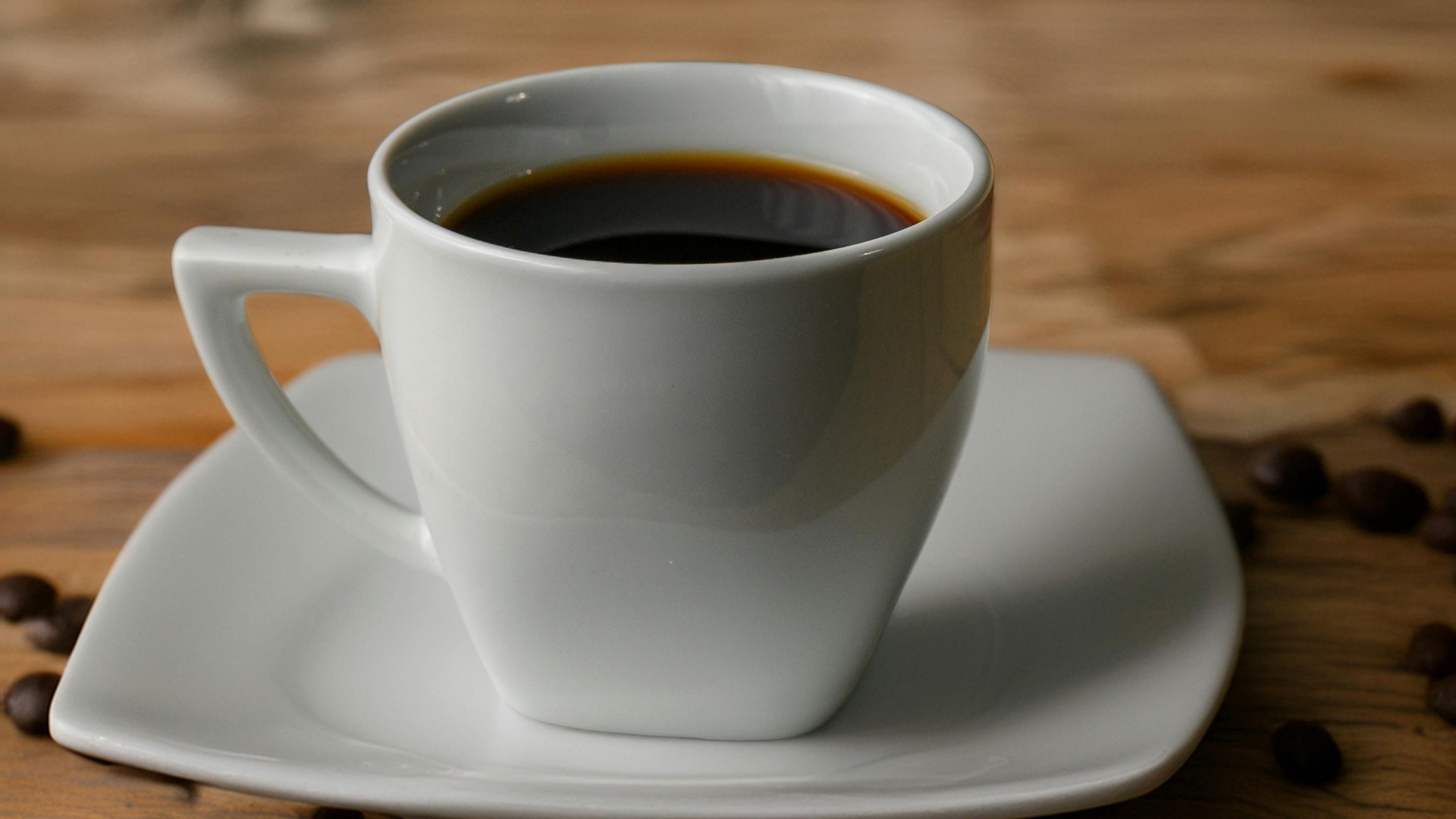
4. Drinking Too Much Caffeine
Coffee and other caffeinated drinks can affect people differently, but problems can start when caffeine replaces the water you’d otherwise drink. Some people find that coffee stimulates a bowel movement, while others end up more dehydrated or more prone to hard stools when they overdo caffeinated drinks throughout the day. You don’t necessarily need to give up coffee, but it helps to balance it with enough water and pay attention to whether your usual amount is helping or hurting.
 Christopher Welsch Leveroni on Pexels
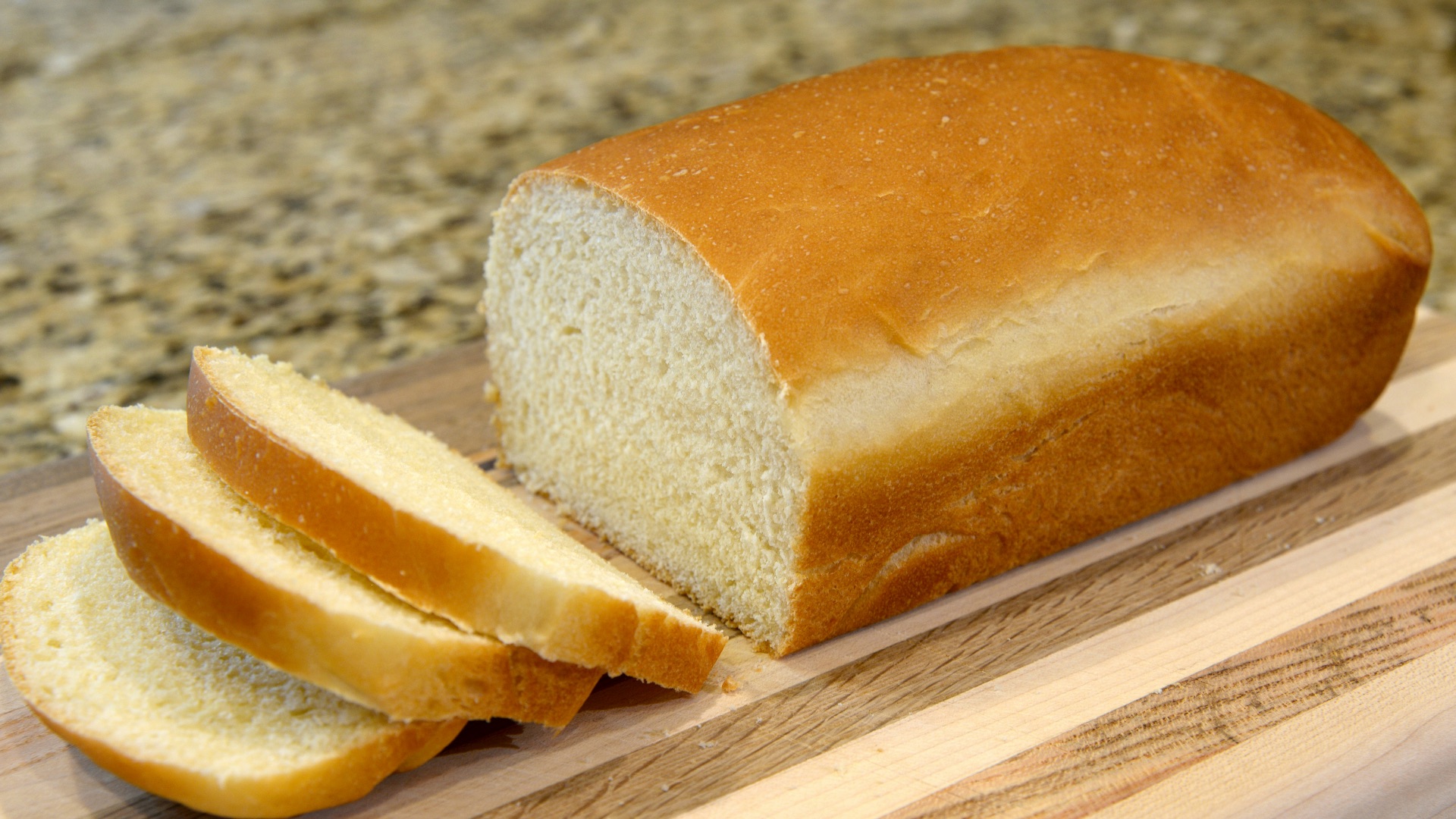
5. Filling Up on White Bread and Refined Grains
White bread, regular pasta, pastries, and many refined cereals tend to be lower in fiber than whole-grain versions. If these foods make up most of your starches, they can crowd out more helpful choices like oatmeal, brown rice, whole-grain bread, and bran cereal. Swapping even one refined grain serving a day for a whole-grain option can make your overall diet more constipation-friendly.
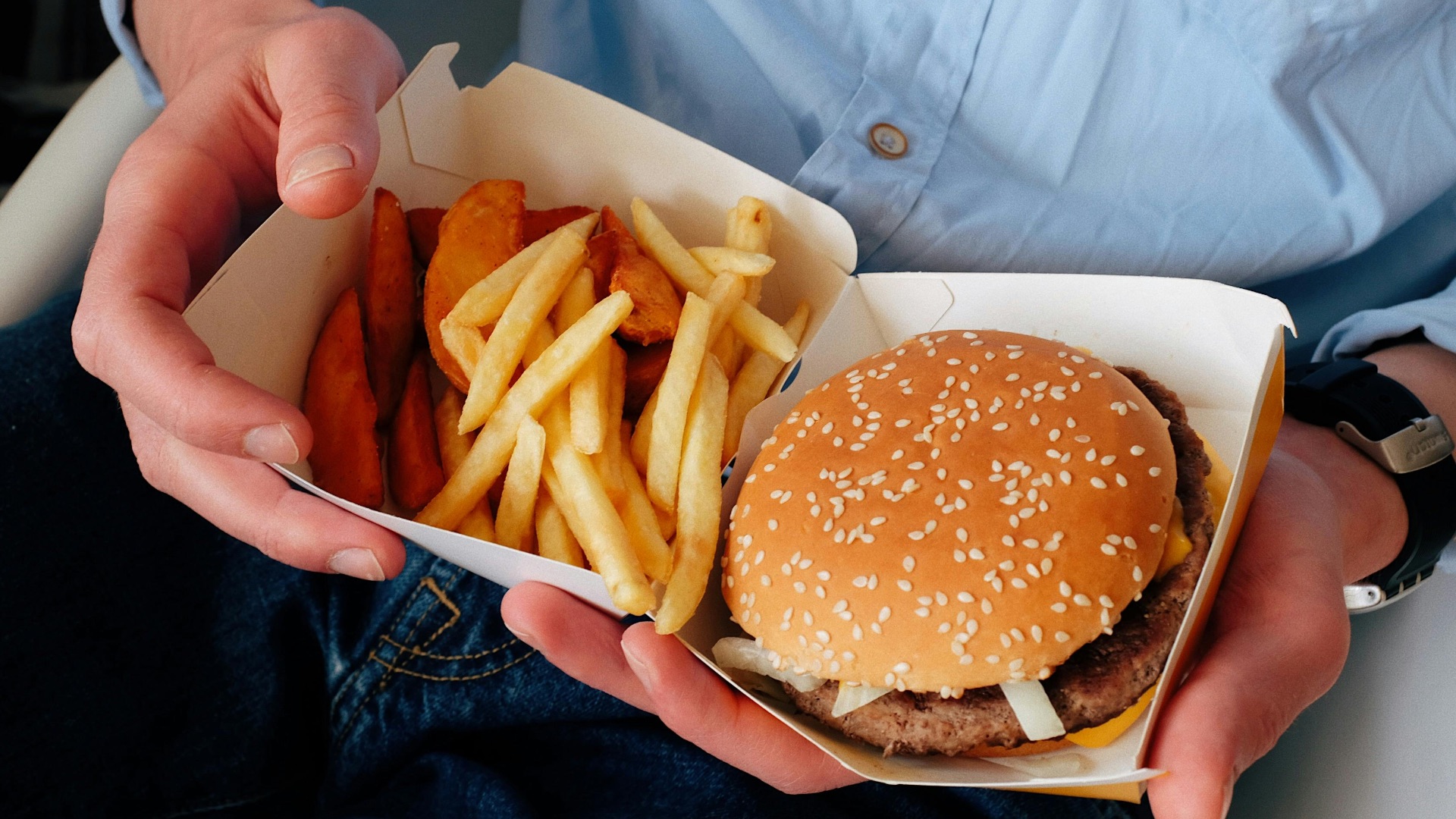
6. Eating Fast Food Too Often
Fast food meals are often high in fat and low in fiber, which can make them less helpful for regular digestion. Burgers, fries, fried chicken, and similar meals also tend to replace fiber-rich foods that could support bowel movement frequency. Having fast food occasionally isn’t the issue; the trouble starts when it becomes your default meal pattern.
7. Sitting for Long Periods
A sedentary routine can contribute to constipation because physical activity helps support normal intestinal movement. If you spend most of the day sitting at a desk, in a car, or on the couch, your digestion may feel slower as a result. Short walks, light stretching, and regular movement breaks can be surprisingly useful, especially when paired with better hydration and fiber intake.

8. Ignoring the Urge to Go
Putting off a bowel movement can make constipation worse because stool may become harder the longer it sits in the colon. Many people delay going because they’re busy, uncomfortable using public bathrooms, or trying to stick to a packed schedule. Over time, ignoring the urge can disrupt your body’s natural rhythm and make it harder to go when you finally have time.
9. Eating Too Much Red Meat
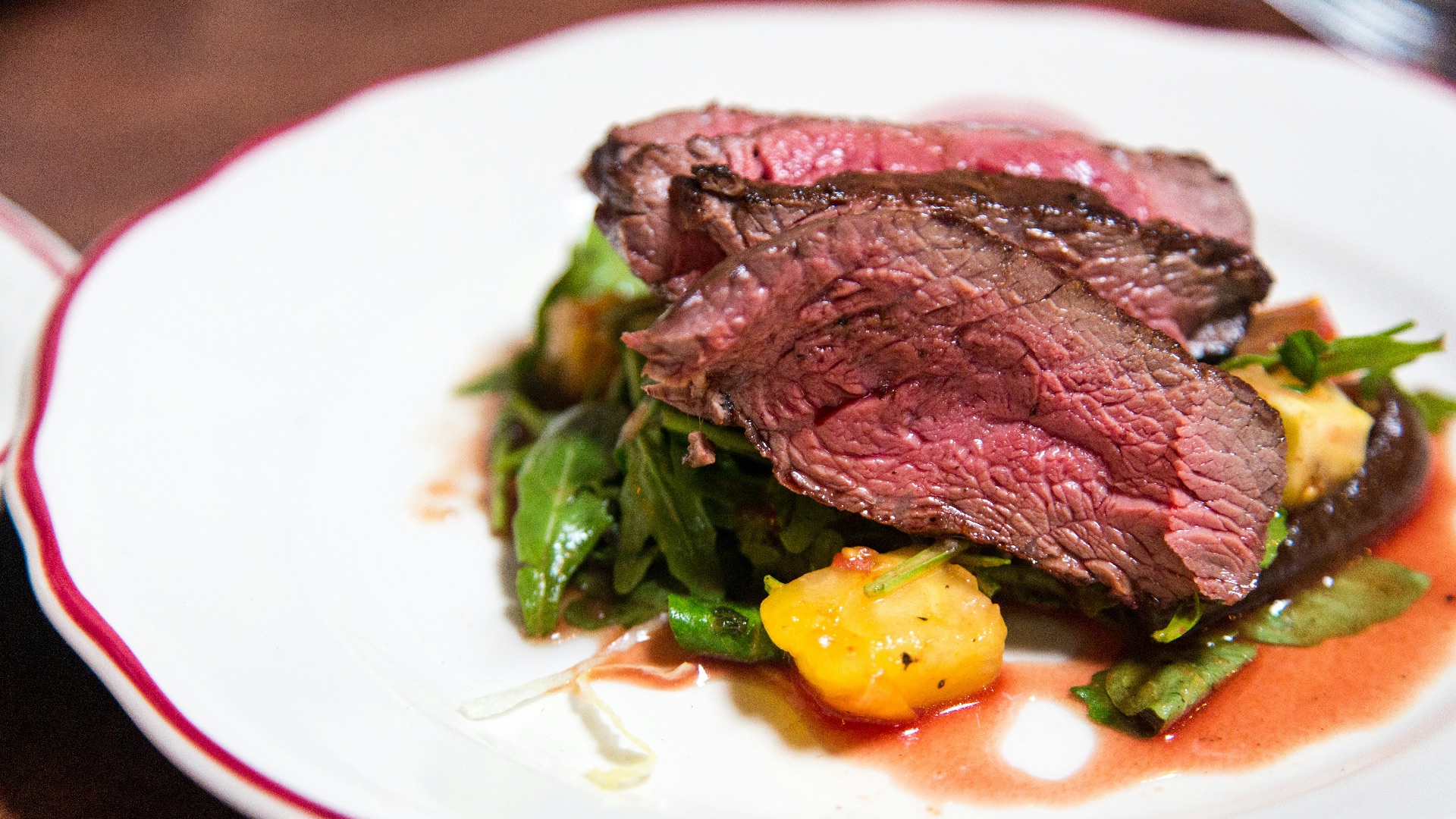
Red meat doesn’t contain fiber, and large portions can leave less room for vegetables, legumes, and whole grains. It can also be part of a heavier meal pattern that feels harder on digestion for some people. If constipation is an issue, try reducing portion sizes and pairing meat with fiber-rich sides instead of refined grains or fried foods.
10. Relying on Processed Snacks
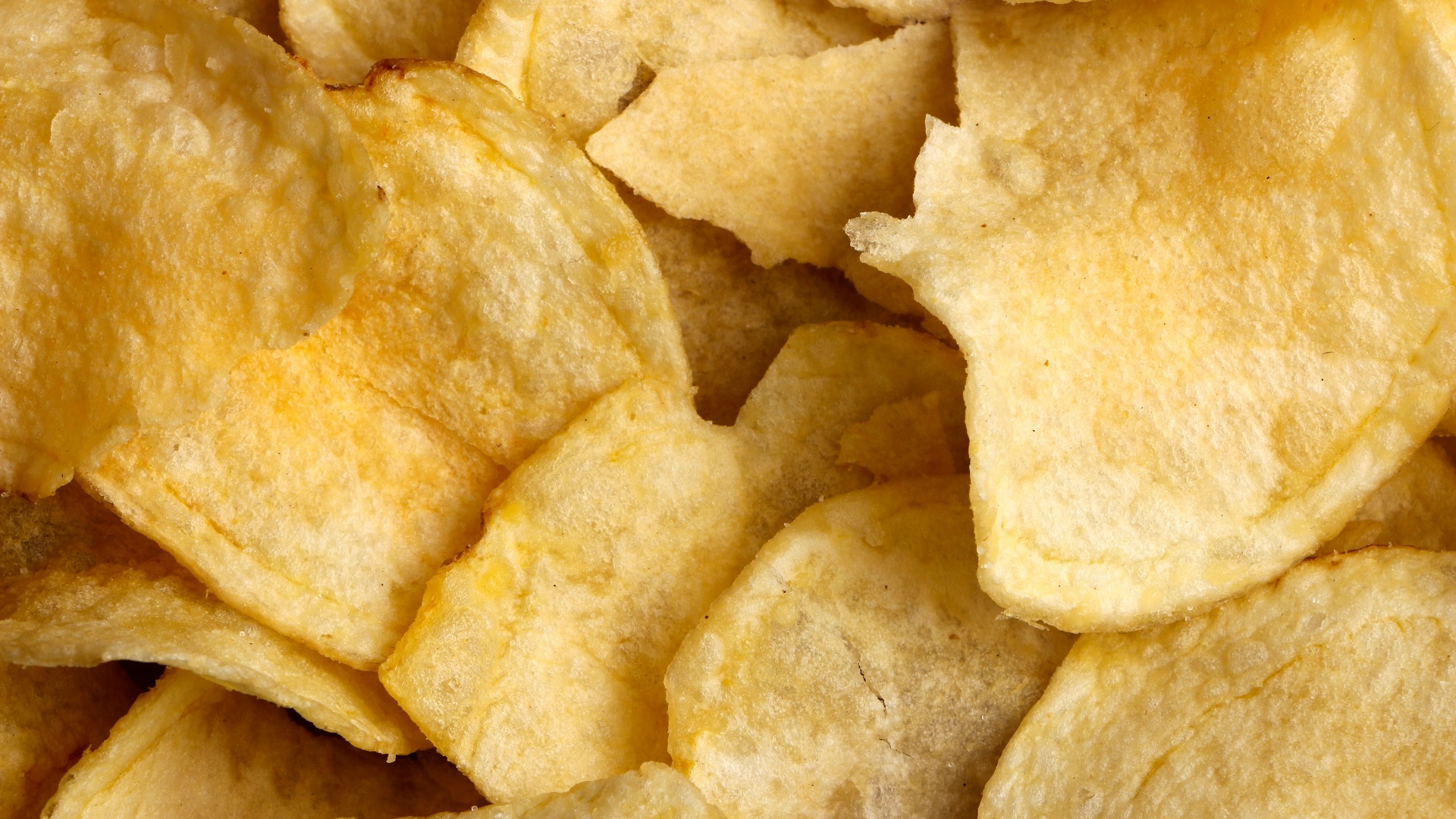
Chips, crackers, cookies, and many packaged snack foods are usually low in fiber and easy to overeat. They can make your diet more filling without adding much support for regular bowel movements. If you snack often, choosing options like fruit, nuts, yogurt with berries, or whole-grain toast may help your overall intake move in a better direction.
11. Suddenly Increasing Fiber Too Fast
Fiber is important, but adding a lot of it overnight can backfire. A sudden jump from a low-fiber diet to big servings of beans, bran, raw vegetables, or fiber supplements may lead to gas, bloating, and sometimes worse constipation, especially if fluids don’t increase, too. It's often recommended to increase your fiber intake gradually so your digestive system has time to adjust.

12. Drinking Too Much Alcohol
Alcohol can contribute to dehydration, especially if it replaces water or other nonalcoholic fluids. Since adequate fluid intake helps keep stool softer, drinking heavily or frequently may make constipation more likely for some people. If you drink alcohol, alternating with water and paying attention to your bowel habits can help you notice whether it’s affecting you.

13. Overdoing Fried Foods
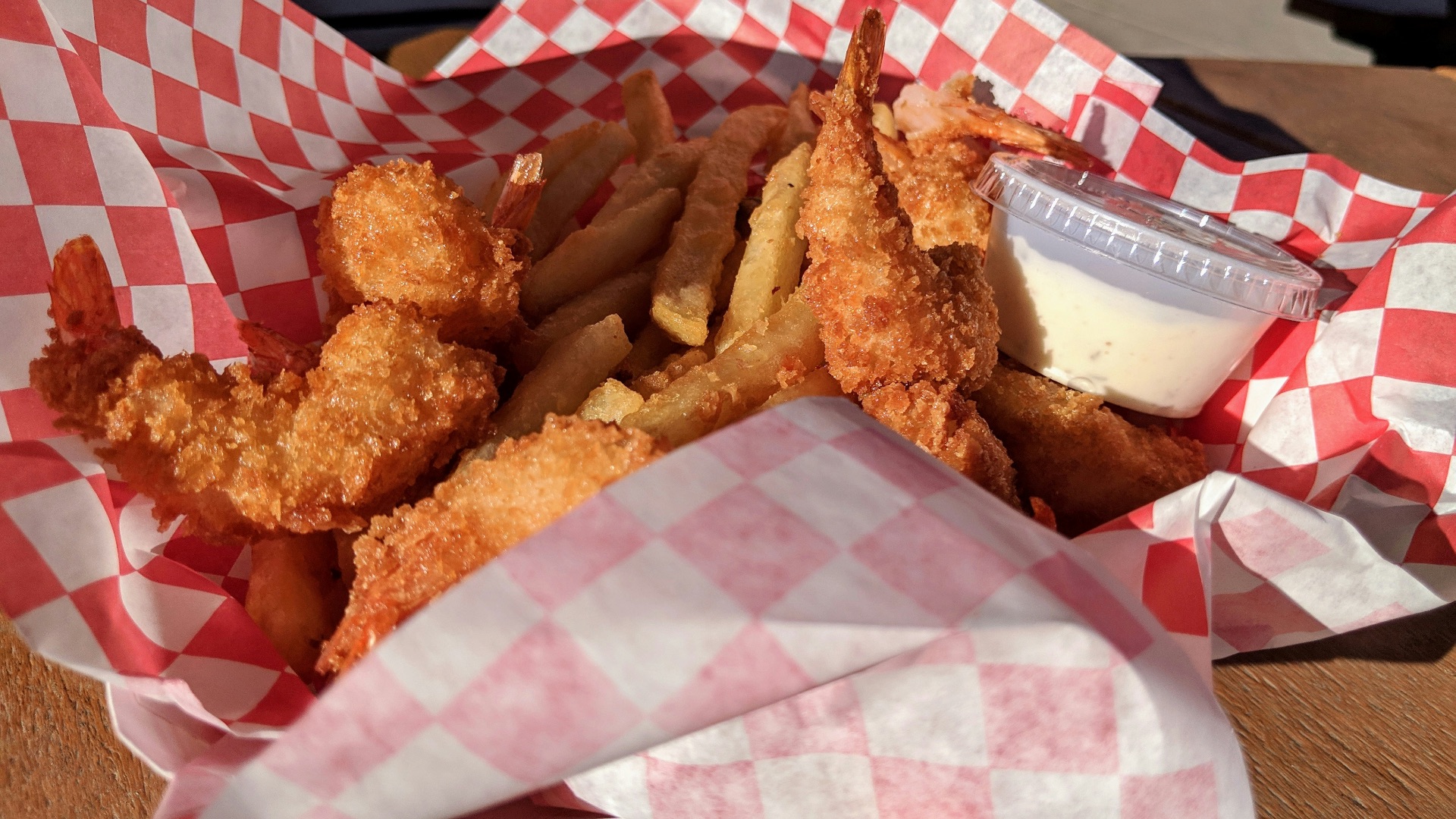
Fried foods are often low in fiber and high in fat, a combination that can feel heavy and may worsen constipation in some people. Meals built around fried chicken, fries, onion rings, or fried snacks also tend to be missing the produce and whole grains that support regularity. Cutting back doesn’t mean every meal has to be extremely healthy (though that should be what you want to strive for), but it does help to make fried foods an occasional choice rather than a daily one.
14. Skipping Meals
Irregular eating patterns can interfere with the body’s normal digestive rhythm. For some people, eating meals at fairly consistent times helps prompt bowel activity, while skipping breakfast or going long stretches without food may make bowel movements less predictable. If constipation is frequent, a steadier meal routine may be worth trying.
15. Eating Too Many Low-Fiber Breakfast Foods
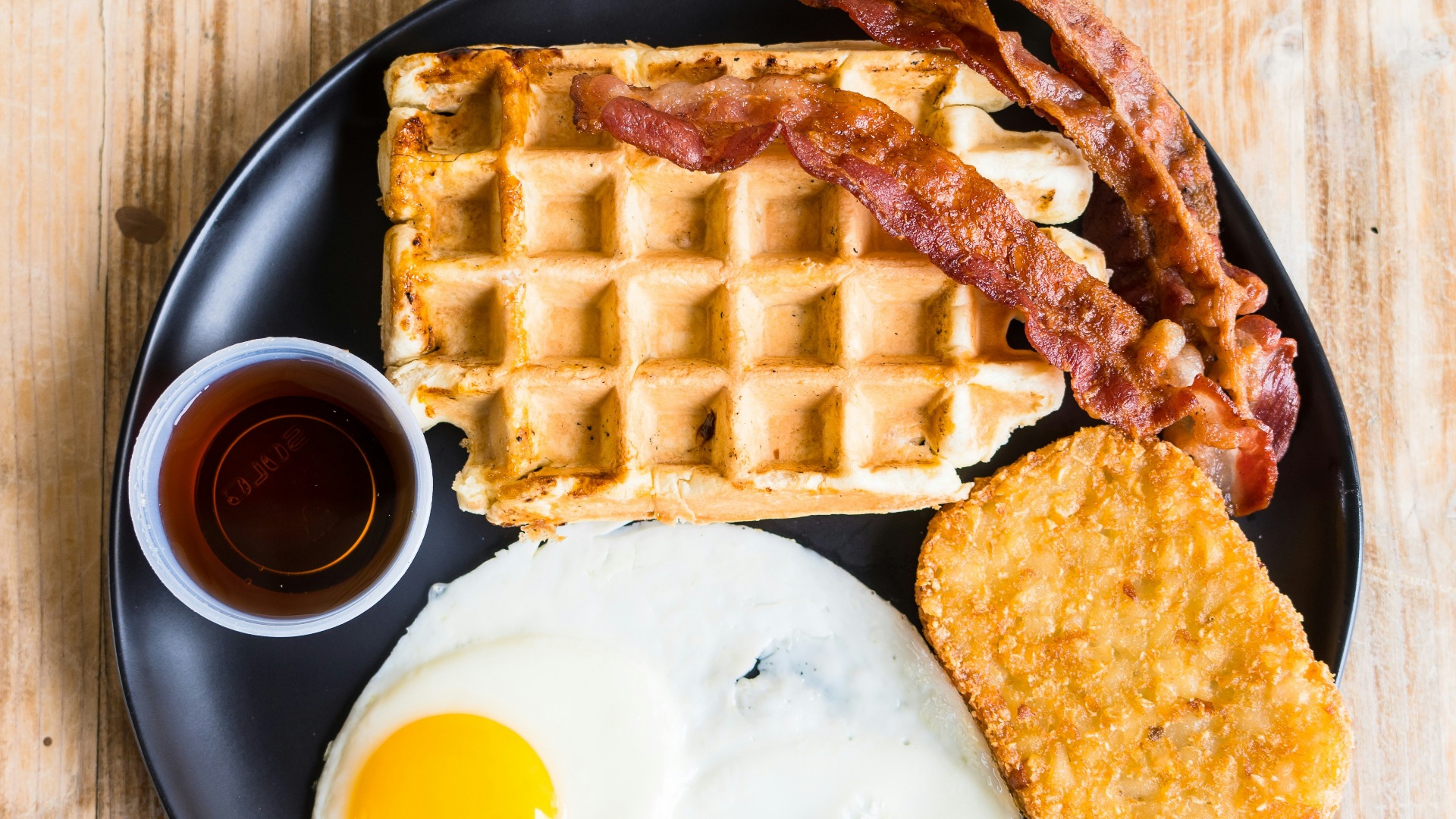
Breakfast can either support regularity or make the day start at a fiber deficit. Foods like sugary cereal, pastries, white toast, and breakfast sandwiches made with refined bread may not provide much fiber. Oatmeal, fruit, whole-grain toast, chia seeds, and high-fiber cereal can make breakfast more helpful without requiring a complicated routine.
16. Eating Bananas When They Don’t Agree with You
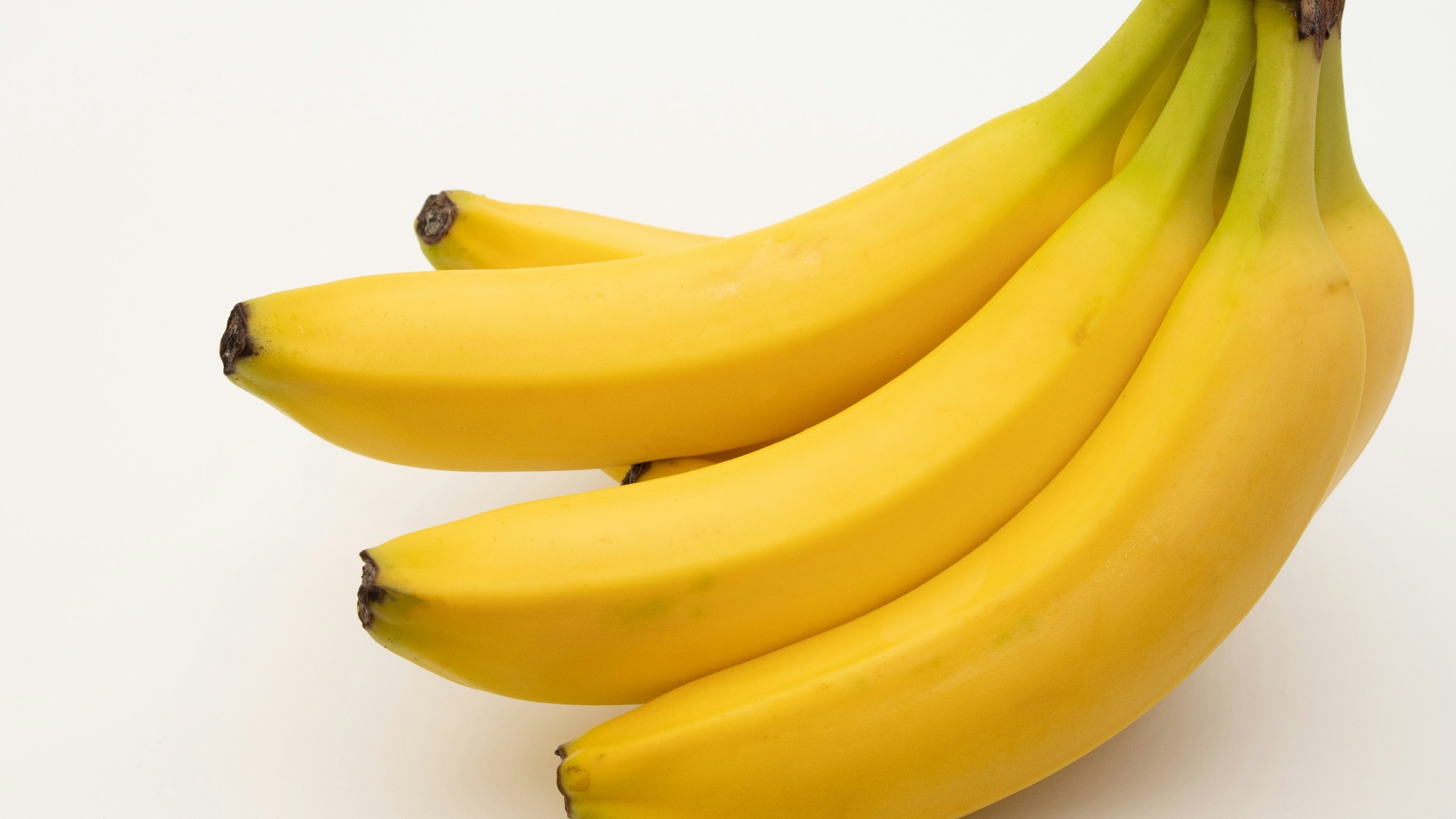
Bananas affect people differently, and some people find that less-ripe bananas are more constipating. If you eat bananas every day and notice your constipation gets worse, it may be worth switching to other fruits for a while, such as berries, oranges, pears, or prunes. The key is paying attention to your own response rather than assuming every fruit works the same way for every person.
17. Not Making Time for a Bathroom Routine
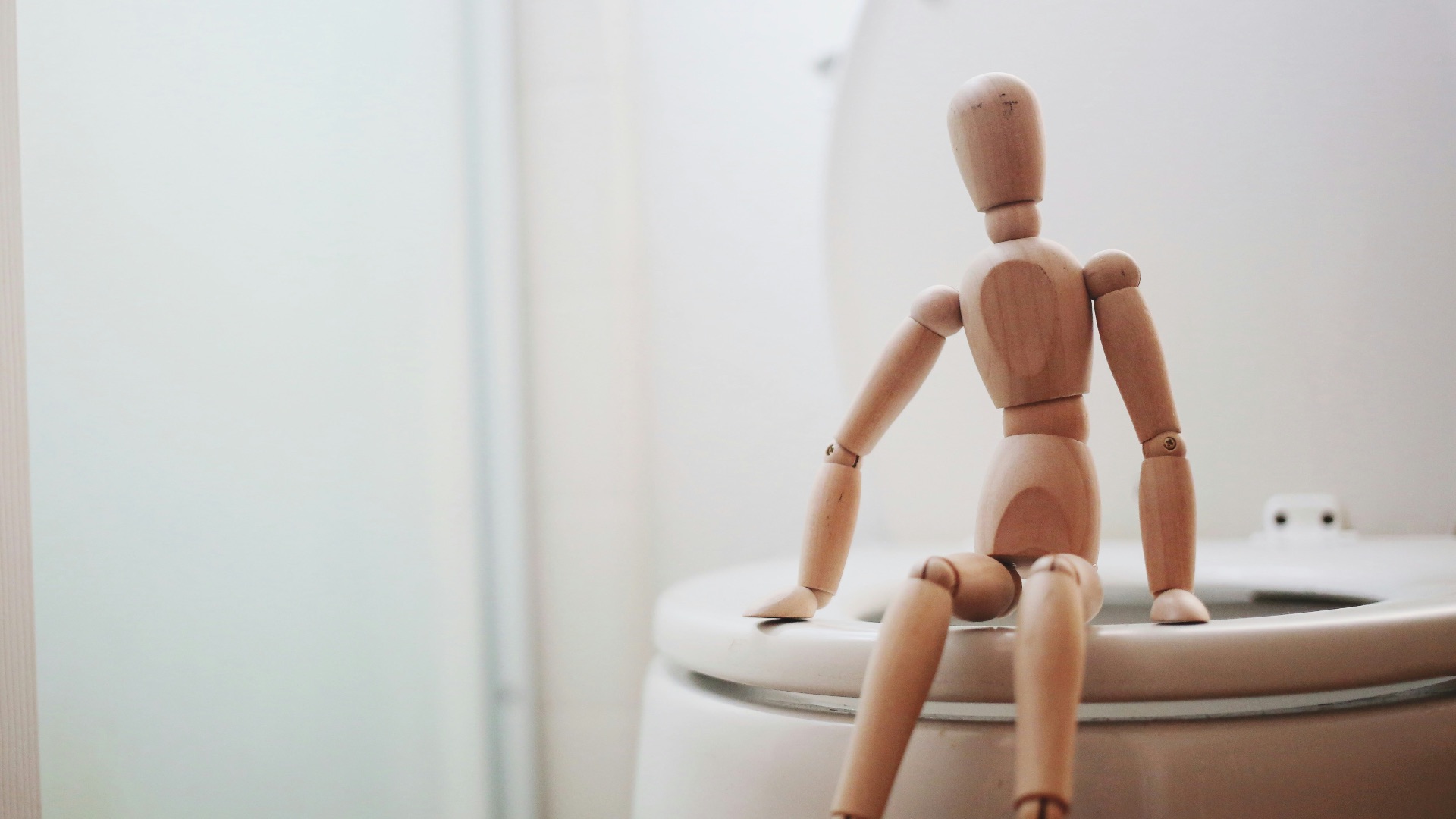
Rushing through the morning or constantly delaying bathroom time can make constipation harder to manage. Many people benefit from giving themselves a consistent, unhurried window after breakfast or another meal. You don’t want to force it, but you also don’t want your schedule to make it impossible to respond when your body is ready.
18. Taking Constipating Supplements Without Adjusting Your Habits
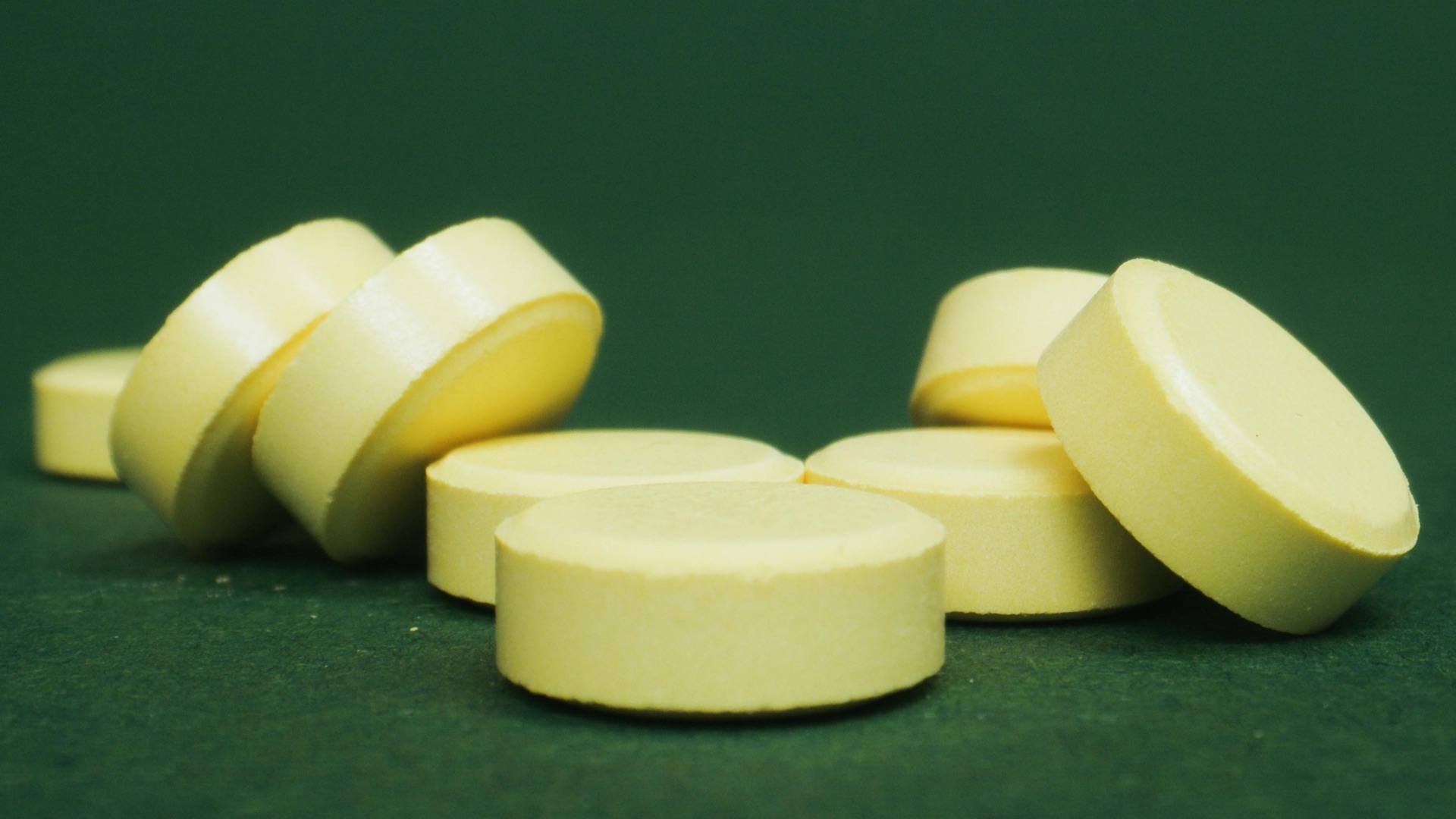
Iron and calcium supplements can contribute to constipation in some people, and the same can be true for certain medications. If you start a supplement and notice a change in your bowel habits, don’t ignore the timing. A clinician or pharmacist can help you adjust the dose, timing, formulation, or overall plan without stopping something important on your own.
 Supliful - Supplements On Demand on Unsplash
19. Using Laxatives Too Often Without Medical Guidance
Occasional laxative use may be appropriate for some people, but relying on them repeatedly without understanding the cause of constipation isn’t a great long-term strategy. Different laxatives work in different ways, and the wrong approach can lead to discomfort or delay proper treatment. If constipation keeps coming back, it’s better to talk with a healthcare professional than keep escalating over-the-counter fixes.
20. Ignoring Constipation That Comes with Warning Signs
Constipation is common, but that doesn’t mean every case should be brushed off. If constipation lasts longer than three weeks or comes with severe pain or blood in the stool, see your doctor immediately. You should also seek guidance if constipation is new, worsening, or linked to unexplained weight loss, because getting the cause checked is part of taking the symptom seriously.

KEEP ON READING

20 Bad Lifestyle Habits That Worsen Constipation