
A Smarter Season for Taking Care of Yourself
After 40, your body often starts giving clearer feedback about what it needs. While we all make jokes about creaky joints and earlier bedtimes, getting older often means we need to start listening to the warning signs our bodies give us. Come with us as we break down a few simple, effective habits designed to help women over 40 feel more in control of their long-term health.

1. Prioritize Strength Training Twice a Week
You’ve likely heard it before, but we’ll say it again: aging women need to train their muscles! We’re not saying you have to become the next Arnold Schwarzenegger, but muscle mass naturally declines with age, and women over 40 benefit from actively protecting it. Strength training two or three times a week can support metabolism, bone density, posture, and everyday energy.
 LOGAN WEAVER | @LGNWVR on Unsplash
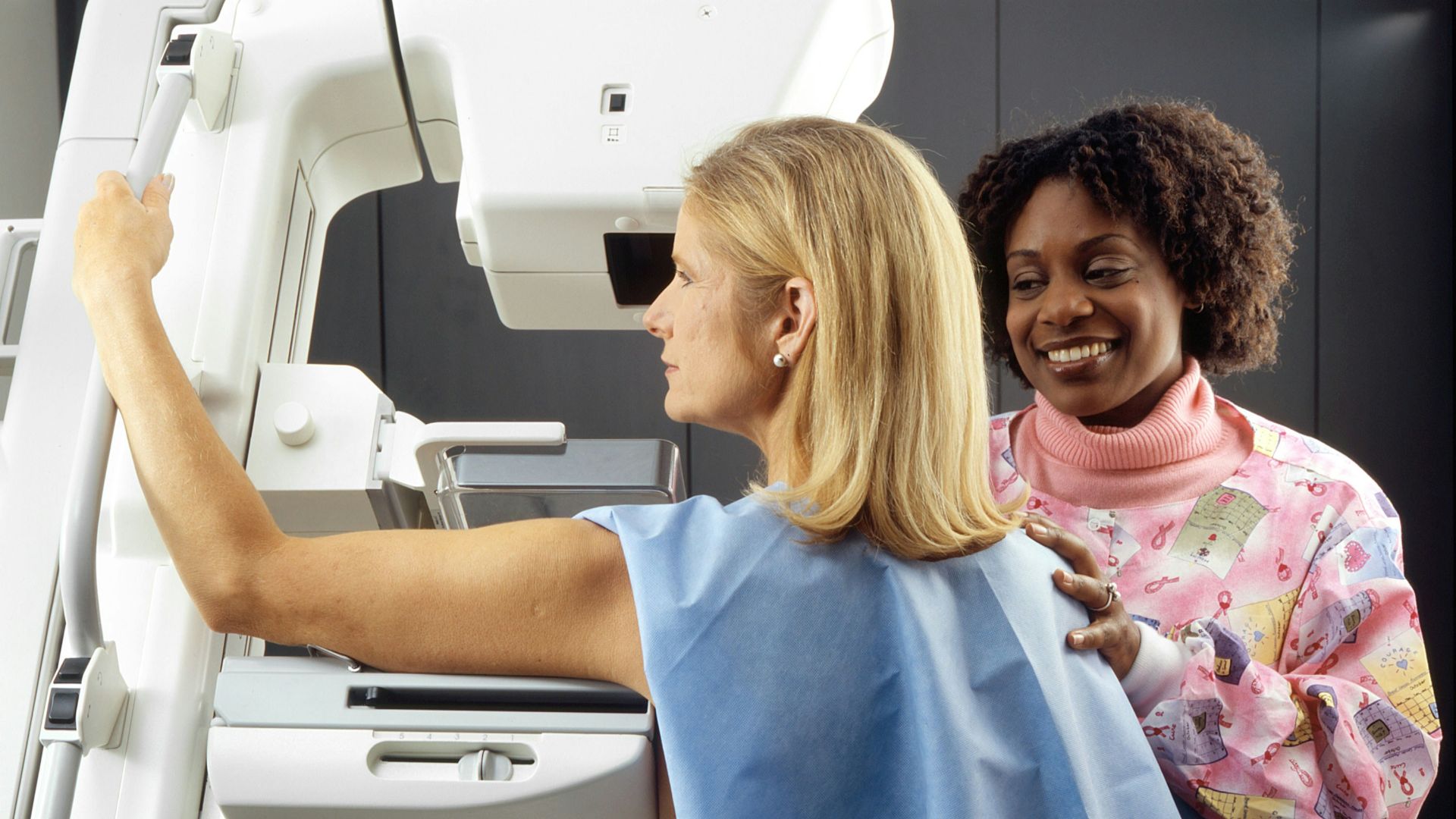
2. Schedule Your Mammograms on Time
It’s a scary reality, but breast cancer screening becomes especially important in your 40s—don’t let mammograms fall on the back burner. Talk with your doctor about when to start and how often you need screening based on your personal and family history.
 National Cancer Institute on Unsplash
3. Get Serious About Protein
If you’re going to build your muscles, you need a little protein in the morning! A coffee and a piece of toast may be convenient, but they usually won’t carry you well through a busy commute. Try any of the good stuff, like eggs, Greek yogurt, cottage cheese, tofu scramble, or a protein smoothie.

4. Protect Your Bone Density
Bone loss tends to speed up around midlife, especially as estrogen levels change. That means weight-bearing exercise, strength training, and vitamin D all help support stronger bones. It also doesn’t hurt to ask your doctor when you should consider a bone density scan!

5. Take Sleep Changes Seriously
Remember what we said about earlier bedtimes? Well, sleep hygiene reveals more than you think. Many women over 40 notice lighter sleep, earlier waking, night sweats, or more trouble falling asleep—and these can be cause for concern. Instead of brushing it off, tighten your routine.

6. Pay Attention to Your Waist Measurement
By this point, we all know that the scale doesn’t tell the whole story, especially during perimenopause and menopause. That said, a growing waistline can be a sign of increasing visceral fat, which is linked with a higher risk for heart disease and insulin resistance. Measure your waist every so often, then use those numbers as a practical health marker rather than a reason to beat yourself up.

7. Keep Up With Cancer Screenings
It doesn’t matter if you’re done having children. It doesn’t even matter if you haven’t had symptoms. Cervical cancer screening still matters after 40. Pap tests and HPV testing can detect changes before they become more serious, which is exactly the kind of boring preventive care that saves lives.
 Divaris Shirichena on Unsplash
8. Make Walking Nonnegotiable
Walking is simple, but it’s far from useless when you do it consistently! While you don’t need to hike uphill to work, a brisk daily walk can support heart health, mood, blood sugar control, joint mobility, and weight management. Do yourself a favor: aim for 20 or so minutes most days, and make sure your pace is quick enough that talking takes more effort.

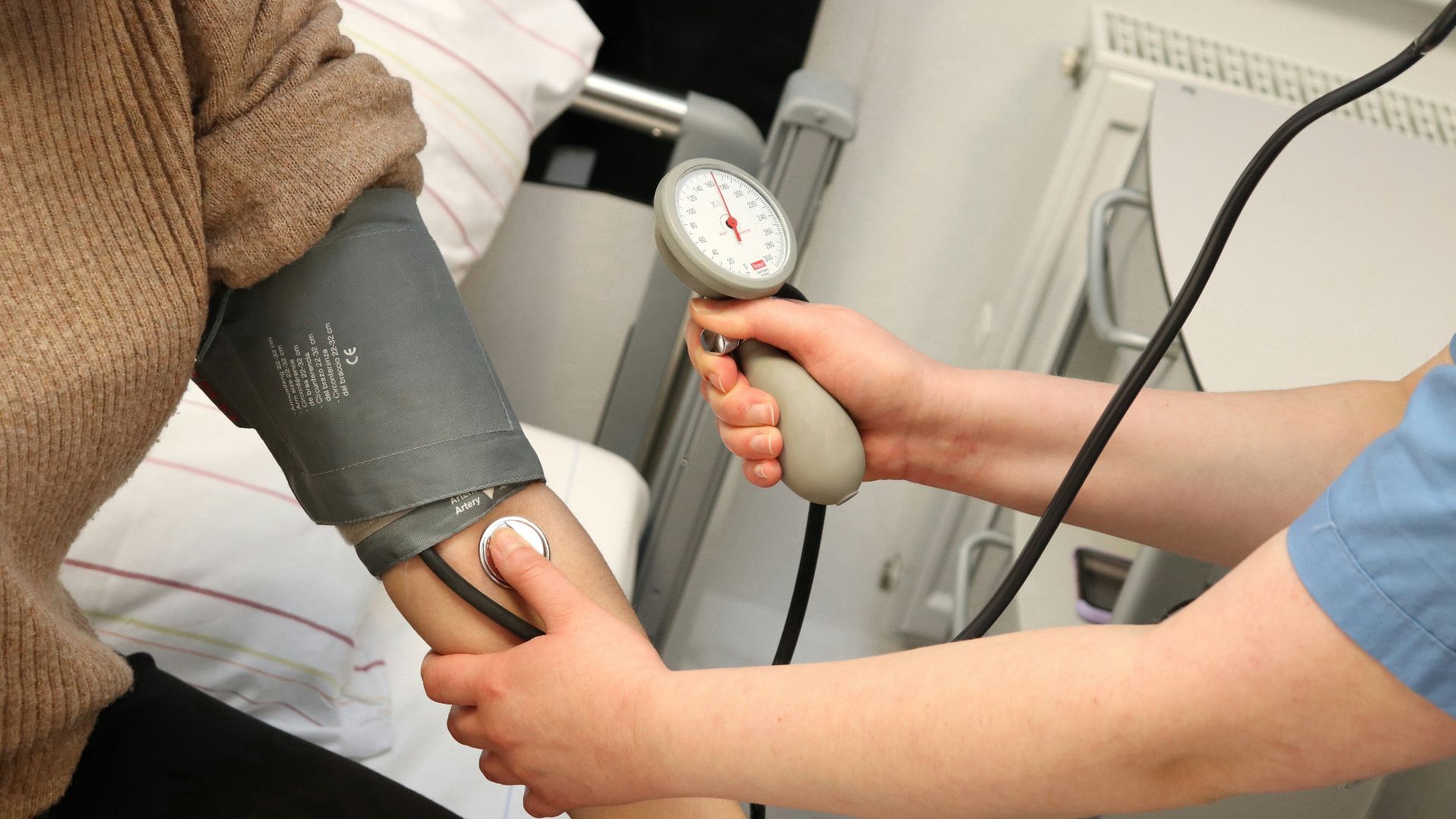
9. Learn Your Blood Pressure Numbers
High blood pressure becomes more common with age, and it can develop without obvious symptoms. If you’re over 40, you should know your usual blood pressure range—not just the number from one rushed appointment.
10. Eat More Fiber on Purpose
Hey, we’ve all seen those Metamucil commercials, and there’s nothing wrong with needing it! Fiber supports digestion, yes, but it also aids with cholesterol, blood sugar, and fullness. Increase your fiber intake gradually and drink enough water so your digestive system doesn’t tank.

11. Talk Openly About Perimenopause
Like it or not, perimenopause can bring irregular periods, mood shifts, heavier bleeding, hot flashes, sleep problems—you name it! Don’t need to pretend these symptoms are just part of “getting older.” Track your experiences and discuss options with a qualified clinician.
 Antoni Shkraba Studio on Pexels
12. Build a Heart-Healthy Eating Pattern
We need to take care of our hearts at any age, but heart disease risk rises after 40. You know what that means: your daily food choices deserve more attention. Emphasize vegetables and fruits. Don’t be shy about beans, fish, and nuts. And hey, no one’s stopping you from grabbing lean proteins over highly processed foods!

13. Don’t Ignore Digestive Changes
Around the midlife mark, uncomfortable stuff like bloating, constipation, and food sensitivities becomes more noticeable. Sure, plenty of digestive changes are manageable, but new or persistent symptoms deserve attention, especially if you notice any accompanying symptoms.

14. Add Balance and Mobility Work
It’s not like your knees will give out once 40 hits, but that’s no excuse to ditch balance work! Balance and mobility are easier to maintain than rebuild later, so add short sessions of workouts to your day. Single-leg stands, heel-to-toe walking, hip mobility, ankle mobility, and gentle stretching to your week.

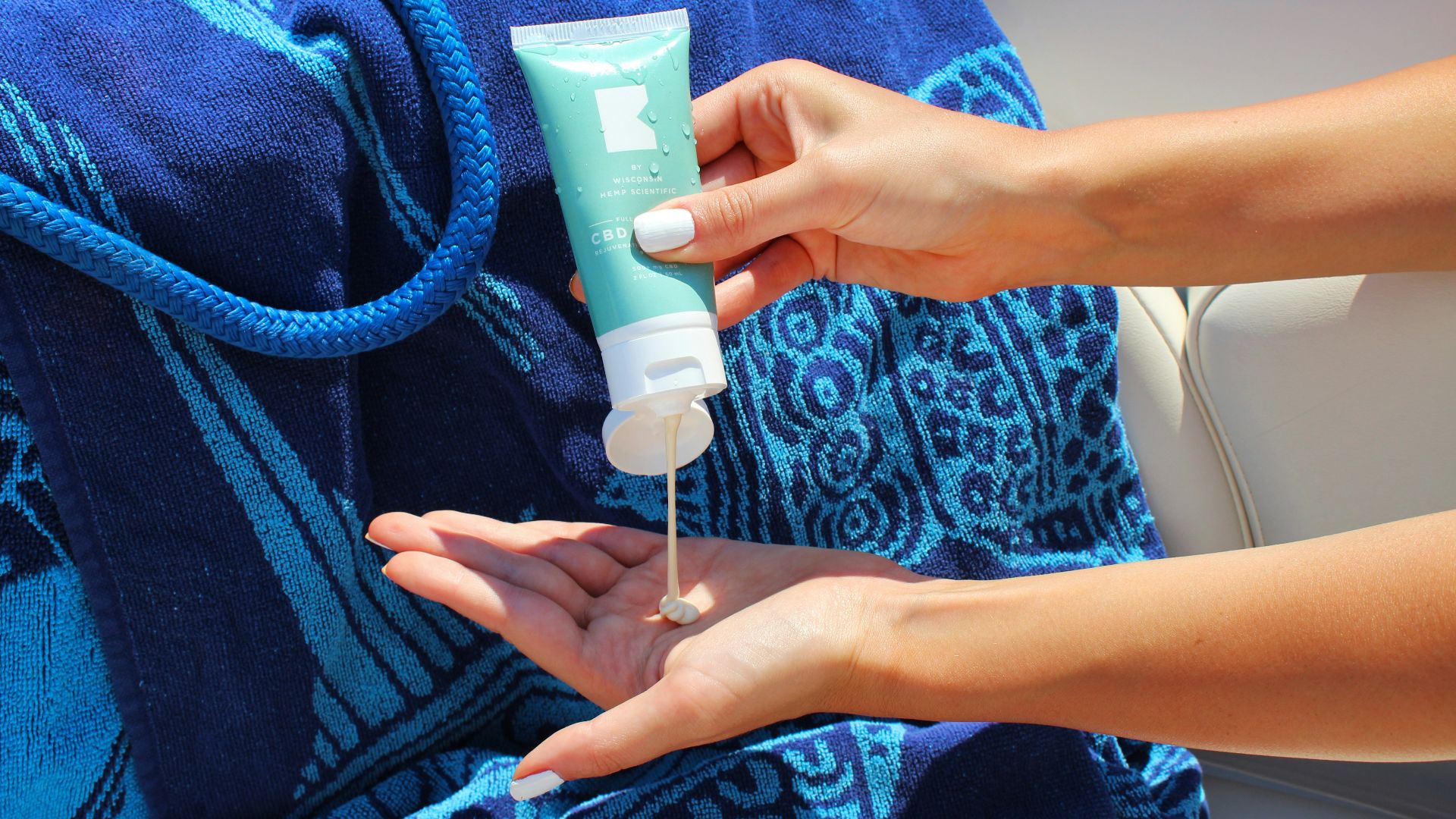
15. Schedule Skin Checks
Skin changes after 40, no matter how hard we try to fight the clock. That means you could see anything from dryness and sun spots to texture changes and new growths. Be smart about skincare! Use sunscreen daily, check your skin once a month, and pay attention to moles that change in size, shape, or color.
 BATCH by Wisconsin Hemp Scientific on Unsplash
16. Cut Back on Alcohol
We’re not saying you have to ditch it altogether (unless your doctor told you otherwise)! We are, however, saying that alcohol can affect all sorts of stuff: sleep, hot flashes, mood, weight, blood pressure, liver health—the list goes on. Many women over 40 notice they actually handle alcohol worse than they used to, even if their habits haven’t changed, so try cutting back.

17. Keep Your Pelvic Floor Strong
We don’t like talking about it, but the reality is that bladder leaks and pelvic heaviness are common. That said, they’re not something you simply have to accept. Pelvic floor exercises can help, though doing them correctly matters more than doing a bunch of them. If symptoms bother you, a physical therapist can give you more guidance!

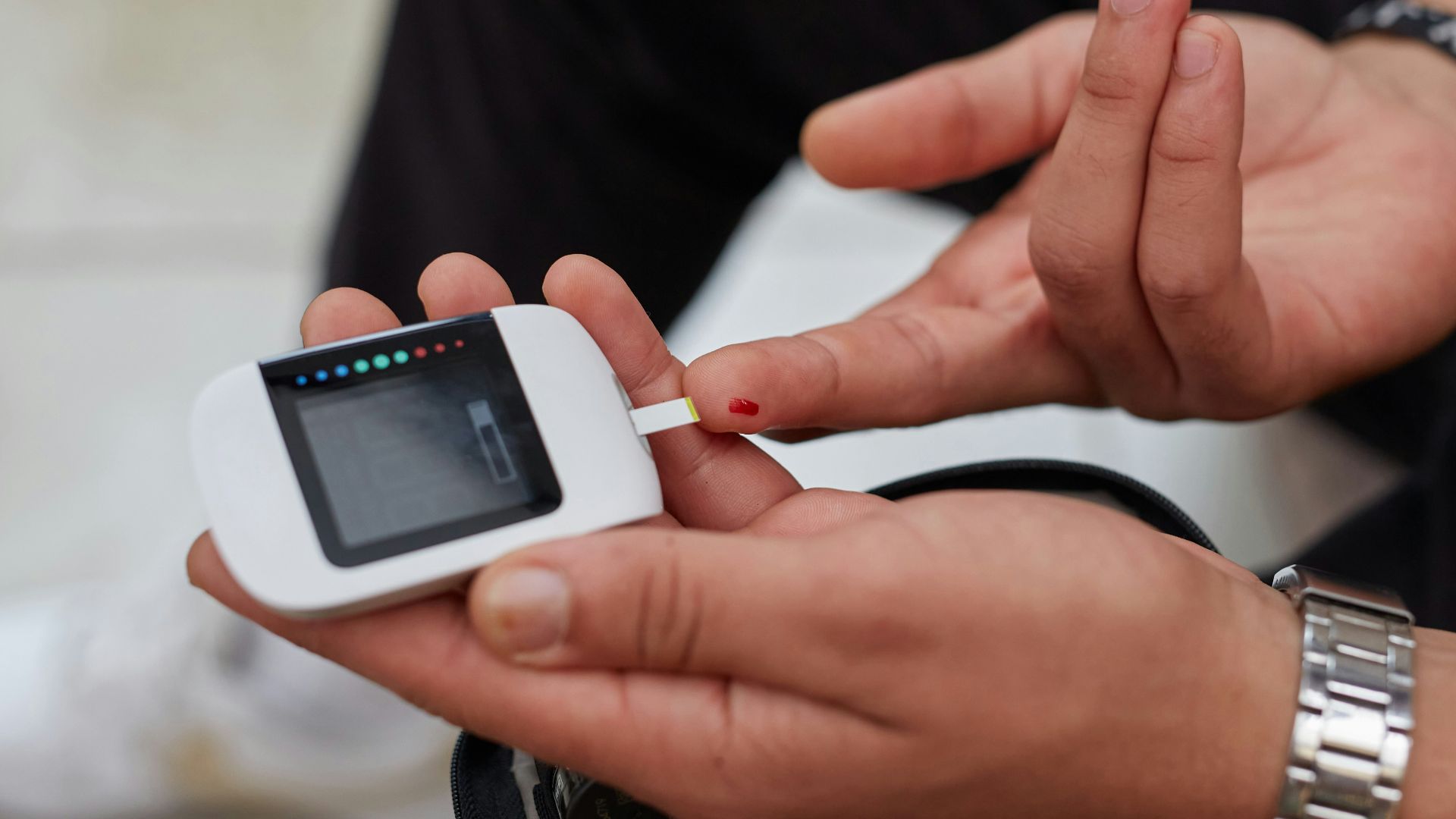
18. Check Cholesterol and Blood Sugar Regularly
Midlife is a smart time to watch metabolic health more closely. All kinds of fancy terms, like cholesterol, triglycerides, and A1C, can reveal early changes long before you feel anything unusual. Use those numbers to guide habits and medical decisions instead of waiting until a problem becomes harder to manage.
19. Protect Your Mental Health
By the time you’re in your 40s, you should know how important your mental health is—and that you don’t have to struggle alone. Therapy, medication, stress management, and even honest conversations with trusted people are all valid health tools, not signs that you’re failing.
 Kateryna Hliznitsova on Unsplash
20. Create a Preventive Care Checklist
In reality, women over 40 juggle so much that preventive care can slip through the cracks. Not anymore! Keep a simple checklist for checkups and screening when it applies. Your future self will appreciate the organization, and frankly, she deserves the support.

KEEP ON READING

20 Ways Perimenopause Changes Fitness and Appetite


20 Unhealthy Obsessions People Have

20 Gut-Friendly Fermented Foods For Everyday Meals