Small Changes That Make a Real Difference
Improving heart health doesn’t always require major dietary overhauls, as many benefits come from simple, consistent substitutions that reduce risk factors like high cholesterol, excess sodium, and unhealthy fats. Research in cardiovascular nutrition consistently shows that replacing certain foods with more nutrient-dense alternatives can support better blood pressure, improved lipid profiles, and overall heart function. These swaps aren’t about restriction but about choosing options that offer more fiber, healthier fats, and essential nutrients. Over time, these 20 adjustments can contribute to long-term cardiovascular well-being practically and sustainably.
 Pablo Merchán Montes on Unsplash
1. Butter → Olive Oil
Replacing butter with olive oil helps reduce saturated fat intake while increasing heart-healthy monounsaturated fats. These fats are associated with improved cholesterol levels when used in place of saturated fats. You might find olive oil works well for cooking or as a finishing ingredient. This small change supports overall cardiovascular health.
2. White Bread → Whole Grain Bread
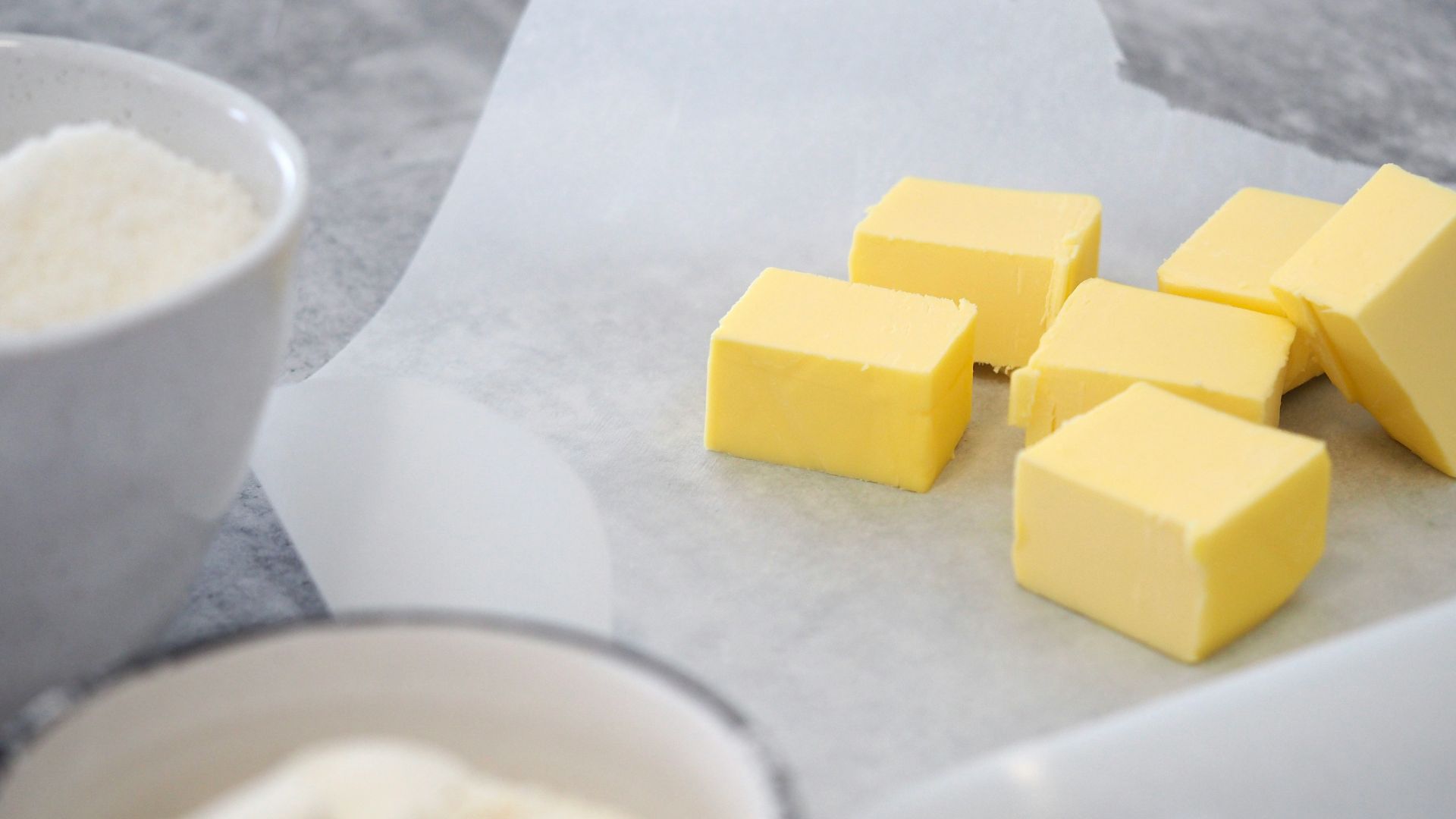
Whole-grain bread contains more fiber, which plays a role in lowering LDL cholesterol. Unlike refined grains, it helps maintain more stable blood sugar levels. You may also notice it feels more filling. This swap supports both heart health and digestion.
3. Processed Meats → Lean Poultry
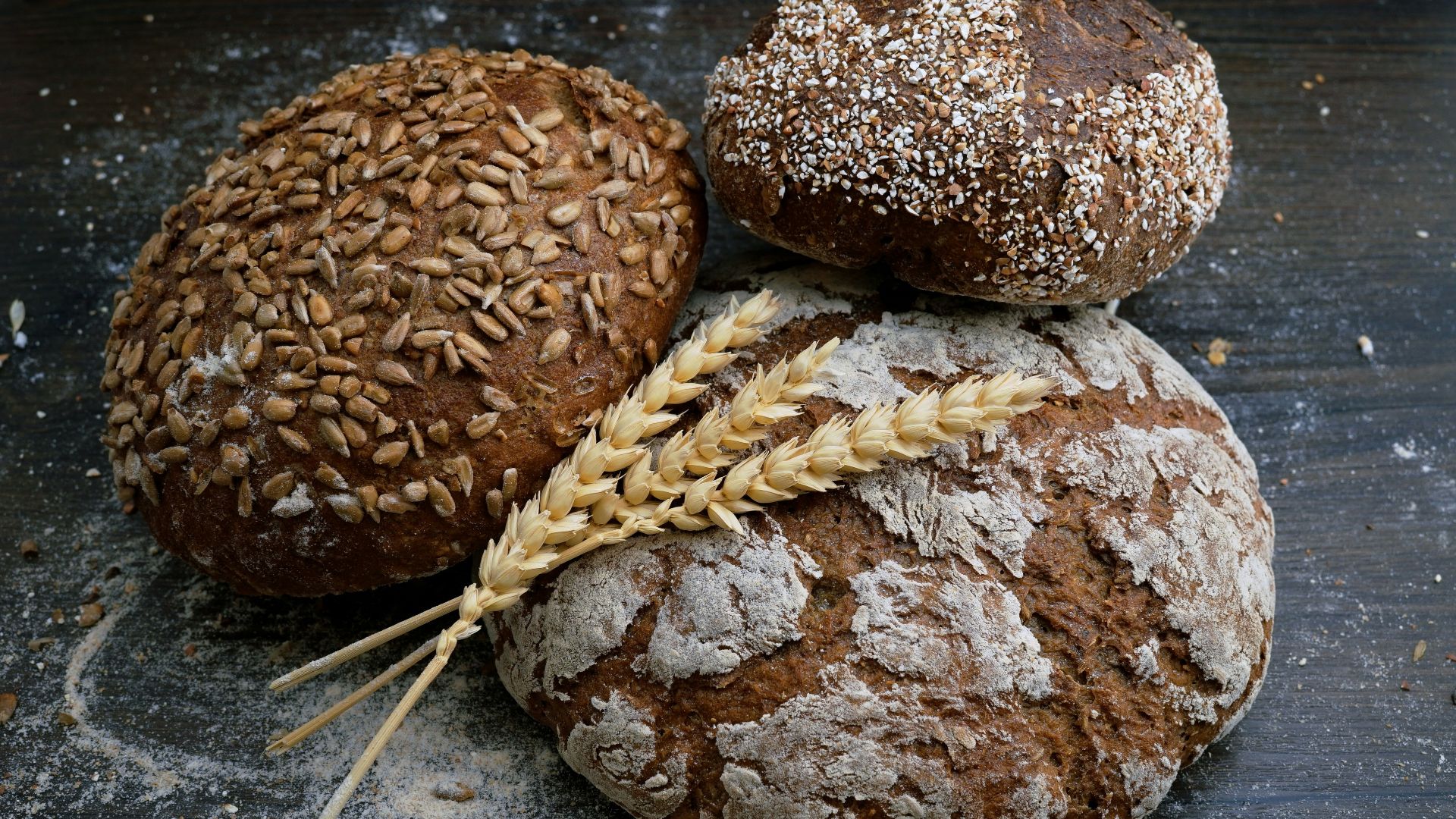
Processed meats are often high in sodium and preservatives linked to cardiovascular risk. Lean poultry provides protein with less saturated fat and lower sodium content. You might find it easier to season and prepare in healthier ways. This shift reduces strain on the heart.
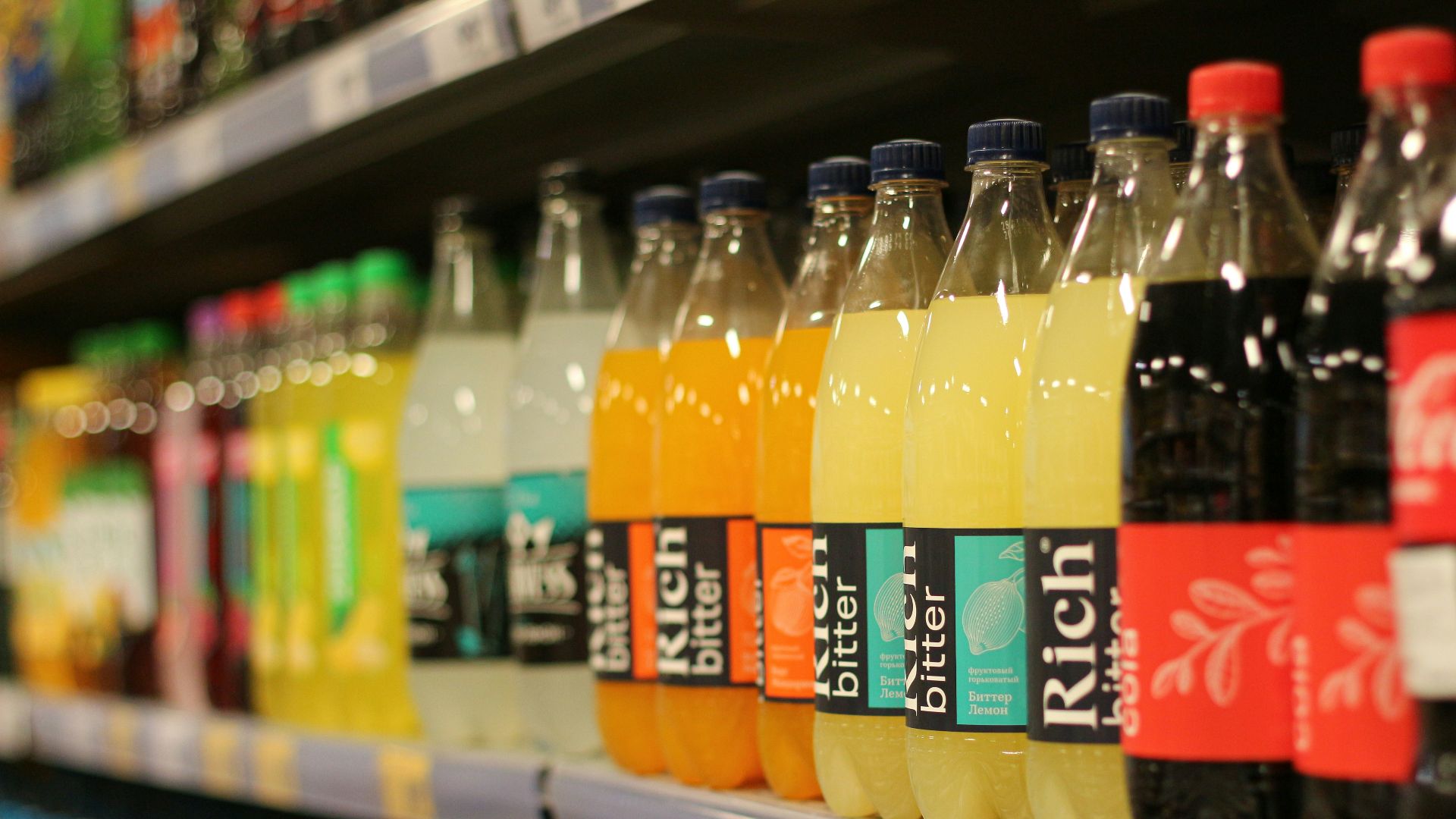
4. Sugary Drinks → Water or Sparkling Water
High sugar intake is associated with increased risk of heart disease and weight gain. Replacing sugary beverages with water helps reduce excess calories and added sugars. Sparkling water can provide variety without negative effects. This swap supports better metabolic health.
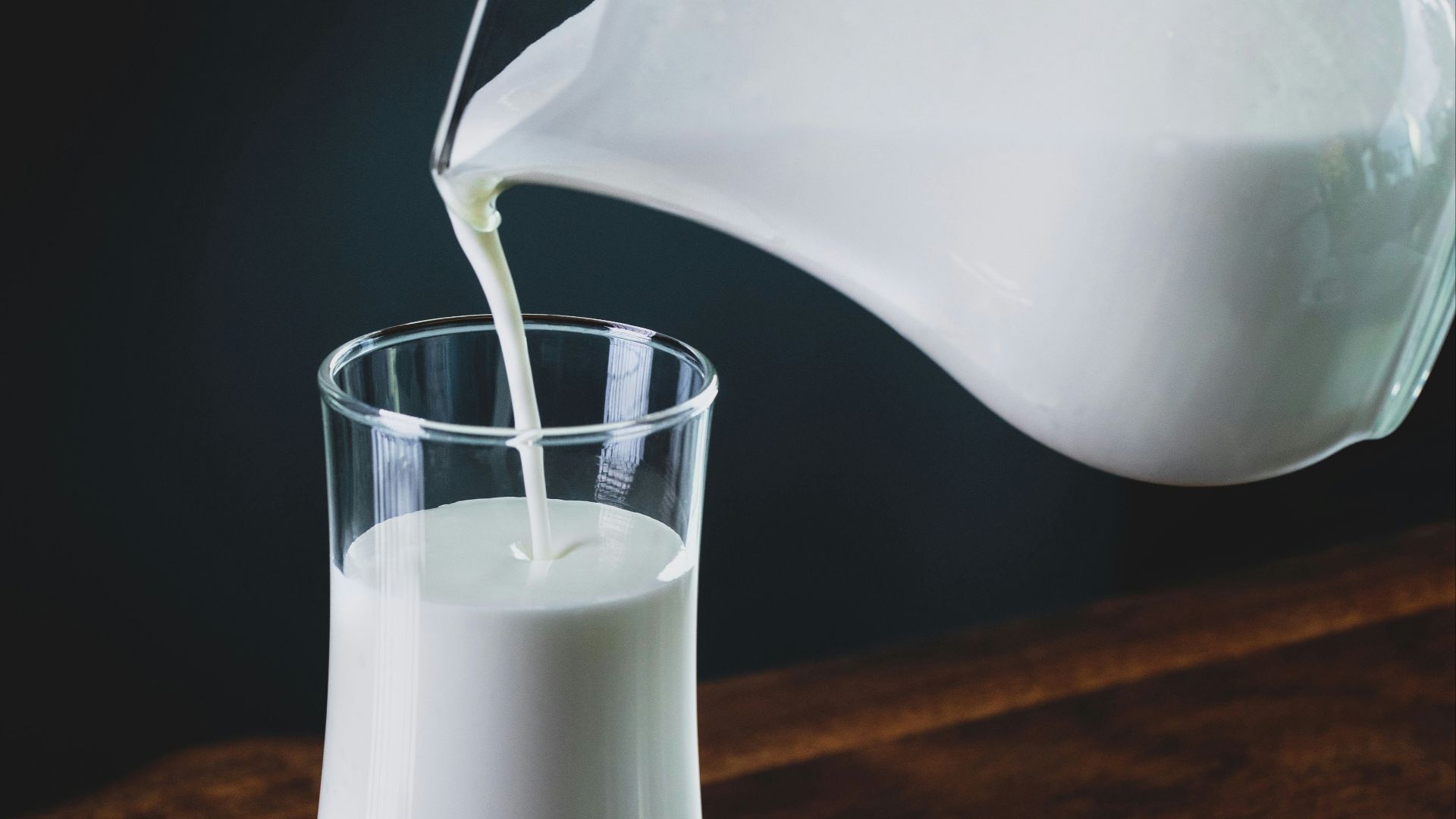
5. Full-Fat Dairy → Low-Fat or Fat-Free Options
Full-fat dairy contains higher levels of saturated fat, which can raise LDL cholesterol. Lower-fat versions provide similar nutrients with less impact on cholesterol levels. You may find the taste difference minimal over time. This adjustment supports heart-friendly eating.
6. Fried Foods → Baked or Grilled Alternatives
Fried foods tend to contain unhealthy fats and excess calories. Baking or grilling reduces the need for added oils while preserving flavor. You might notice the texture changes slightly, but it remains satisfying. This swap lowers overall fat intake.

7. Salt → Herbs and Spices
Excess sodium intake is linked to high blood pressure, a major risk factor for heart disease. Using herbs and spices instead enhances flavor without adding sodium. You may discover new flavor combinations in the process. This change helps support healthy blood pressure.

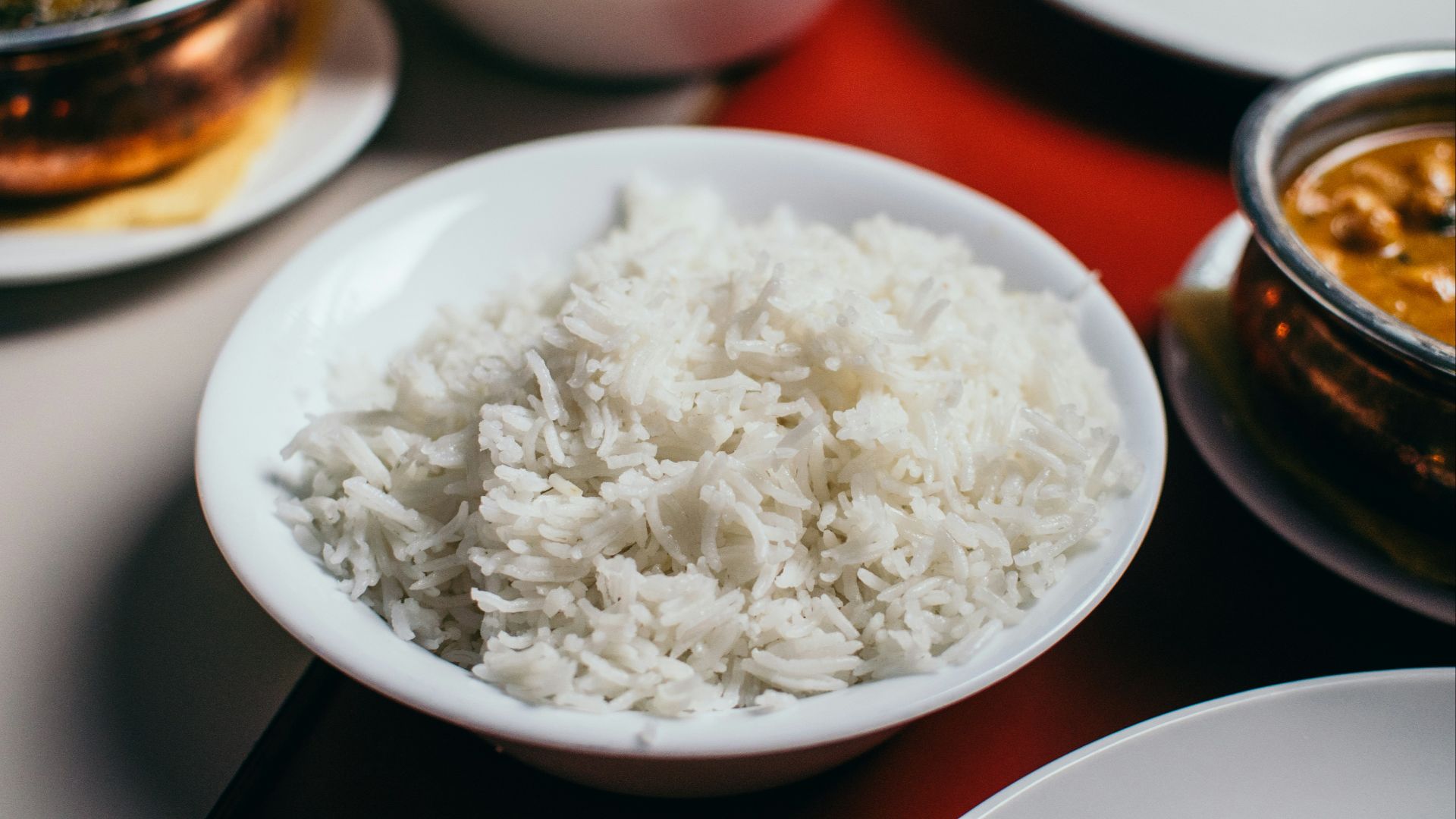
8. White Rice → Brown Rice or Quinoa
Whole grains like brown rice and quinoa contain more fiber and nutrients than refined white rice. They help improve cholesterol levels and provide sustained energy.
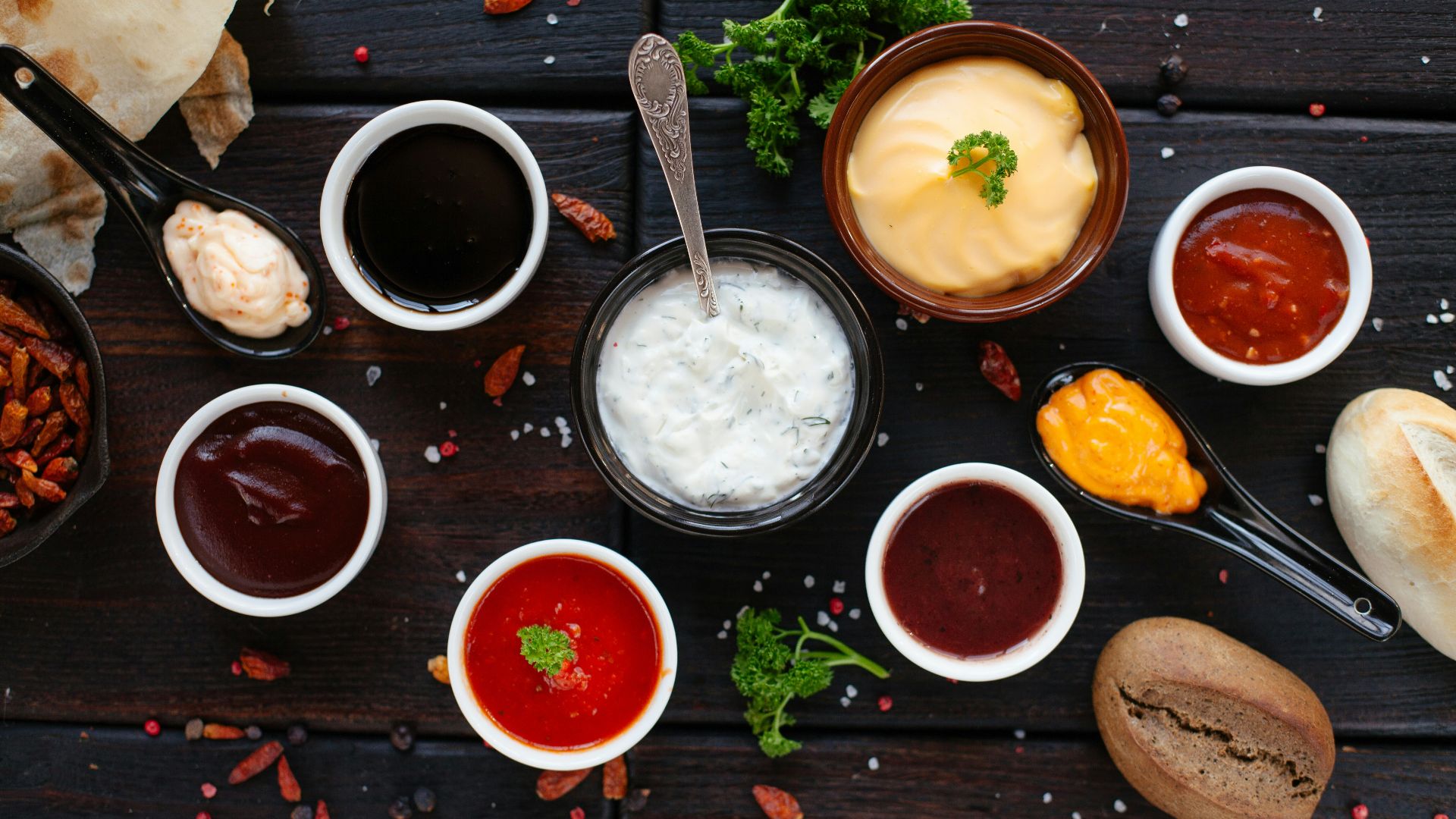
9. Cream-Based Sauces → Tomato-Based Sauces
Cream-based sauces are often high in saturated fat and calories. Tomato-based options provide flavor with fewer unhealthy fats and added nutrients like antioxidants. You may find them lighter but still satisfying. This adjustment supports healthier eating patterns.
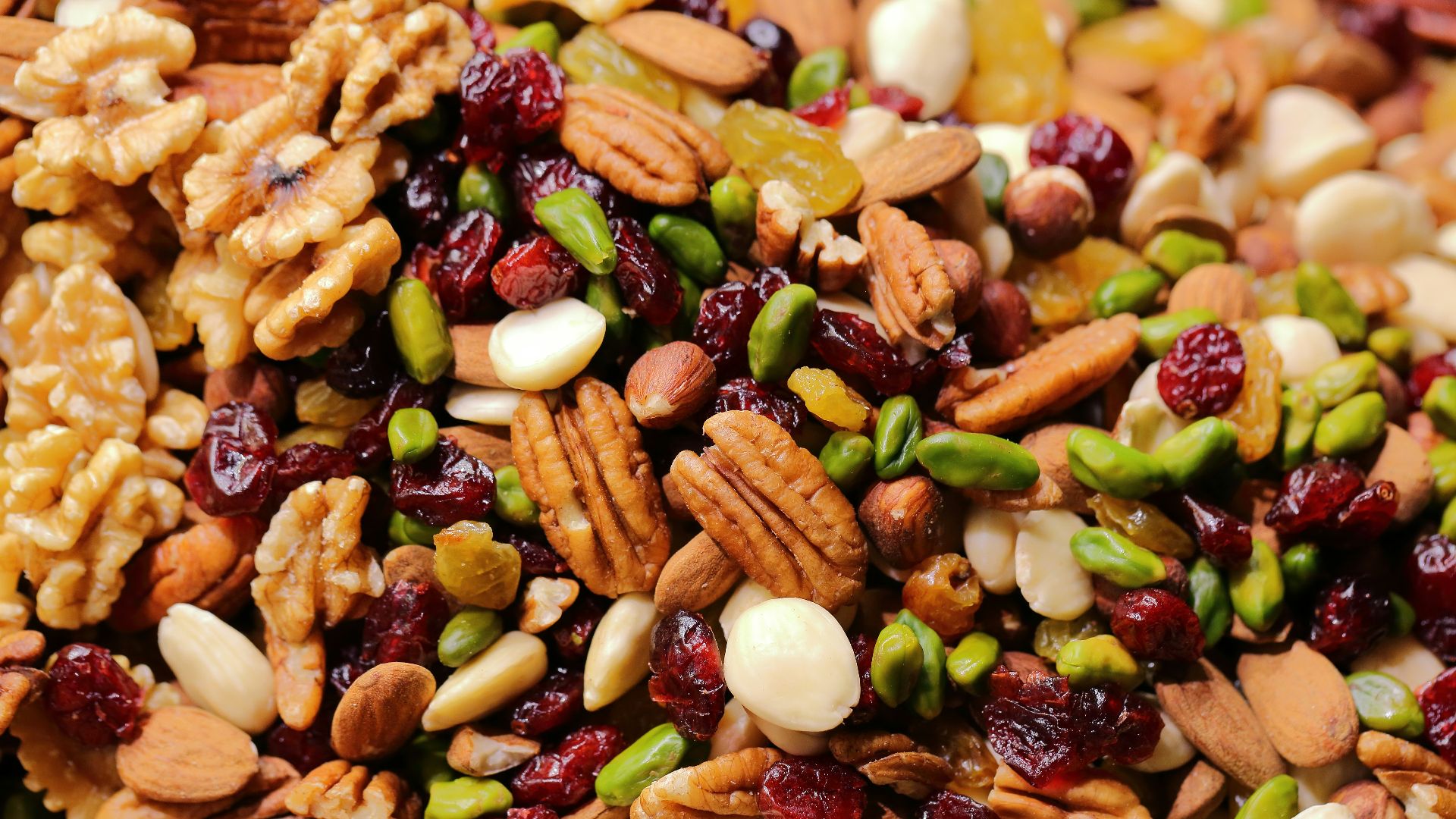
10. Potato Chips → Unsalted Nuts
Chips are typically high in sodium and unhealthy fats, while nuts provide beneficial fats, protein, and fiber. Regular nut consumption has been linked to improved heart health. This swap supports better snacking habits.
 Esperanza Doronila on Unsplash
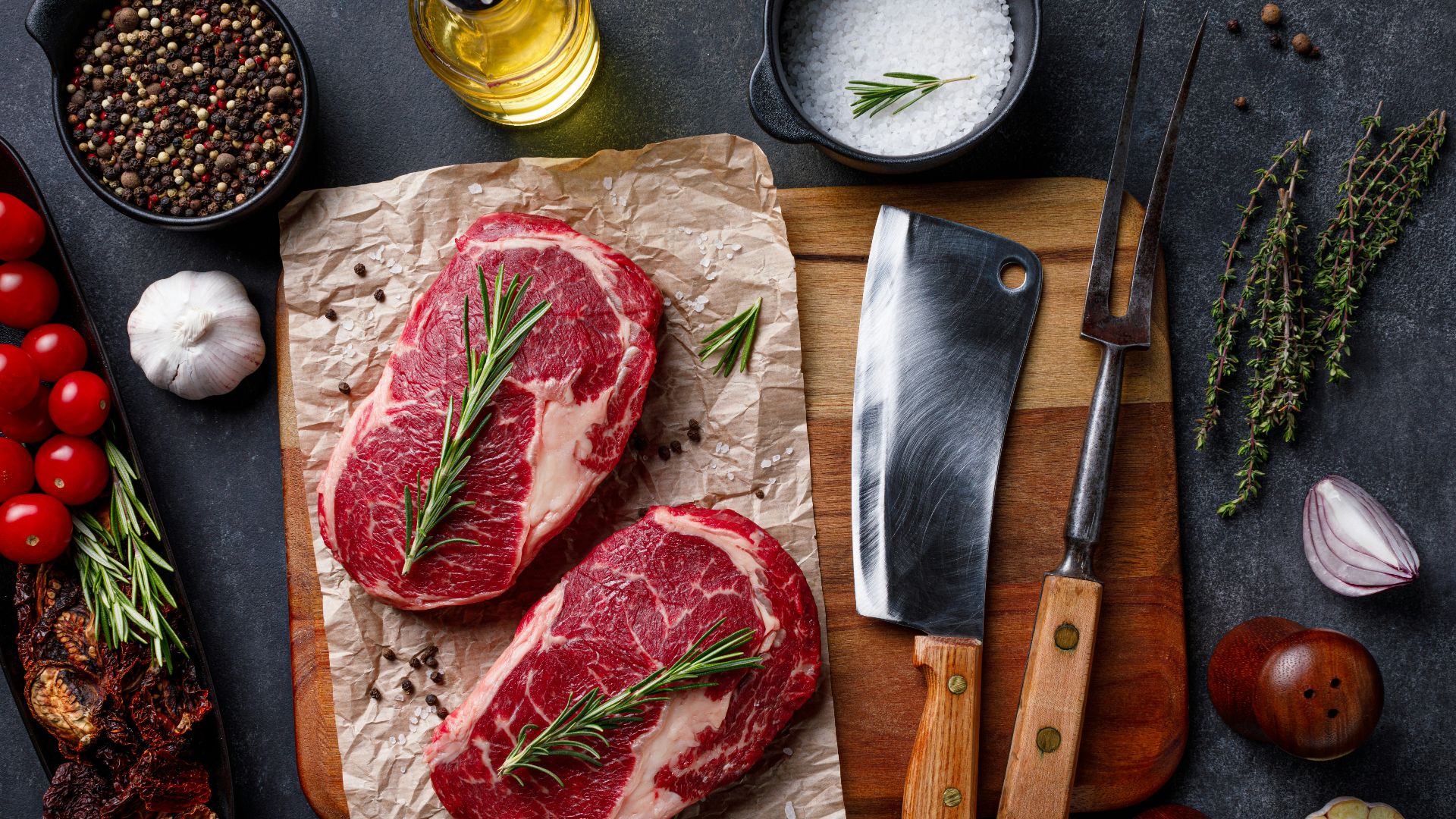
11. Red Meat → Fatty Fish
Fatty fish like salmon contain omega-3 fatty acids, which are associated with reduced inflammation and improved heart health. Red meat, especially in large amounts, can contribute to higher saturated fat intake. You may find fish offers a lighter alternative. This change supports cardiovascular function.
12. Ice Cream → Yogurt with Fruit
Ice cream often contains high levels of sugar and saturated fat. Yogurt with fruit provides sweetness along with beneficial nutrients like calcium and probiotics.

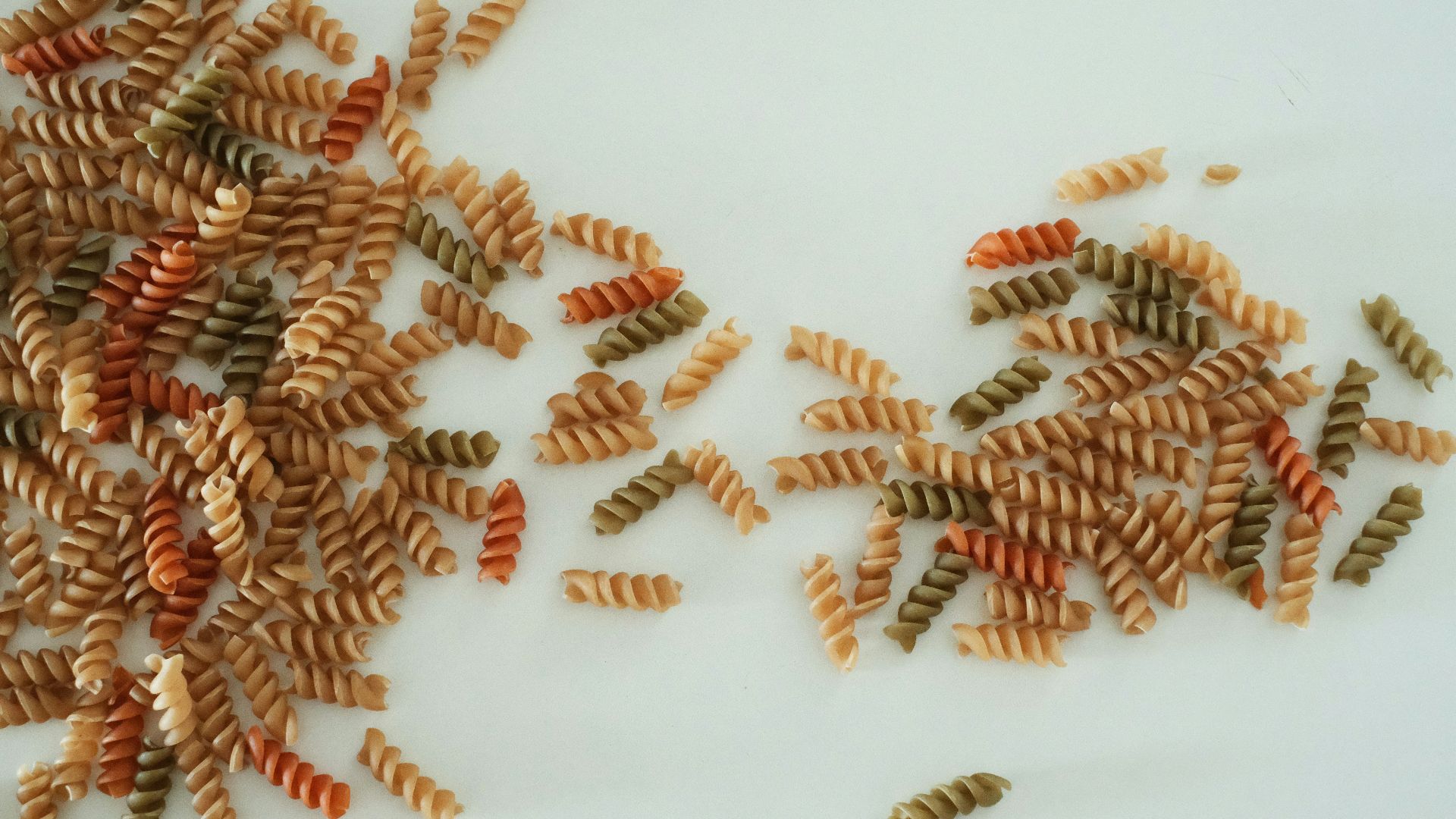
13. Refined Pasta → Whole Wheat Pasta
Whole wheat pasta contains more fiber than refined versions, which helps support cholesterol management. It also provides more sustained energy. You may notice a slightly different texture. This adjustment contributes to heart health.
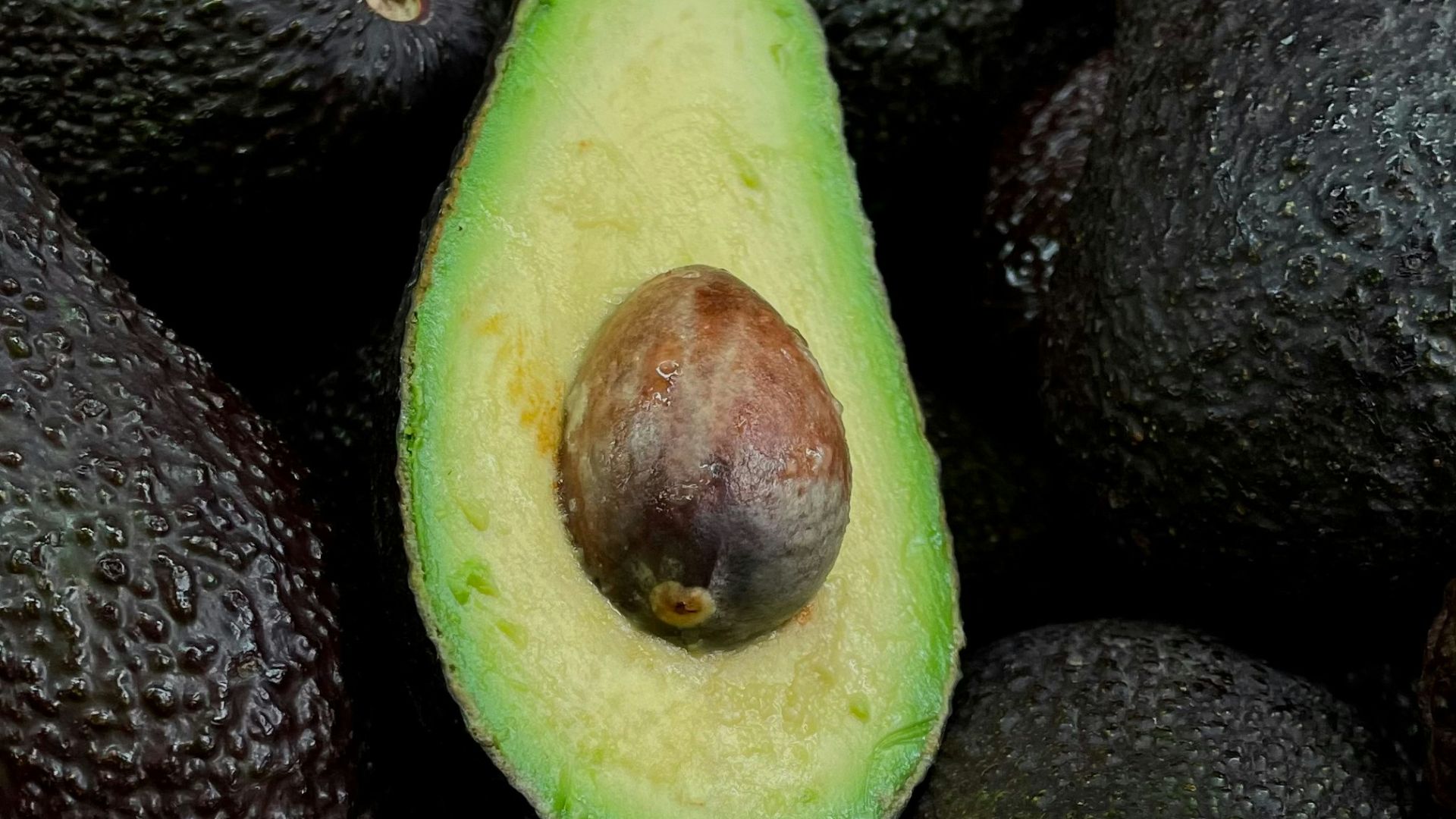
14. Butter-Based Spreads → Avocado
Avocado provides healthy fats that can support improved cholesterol levels. Unlike butter, it contains little to no saturated fat. You might find it works well on toast or in sandwiches.
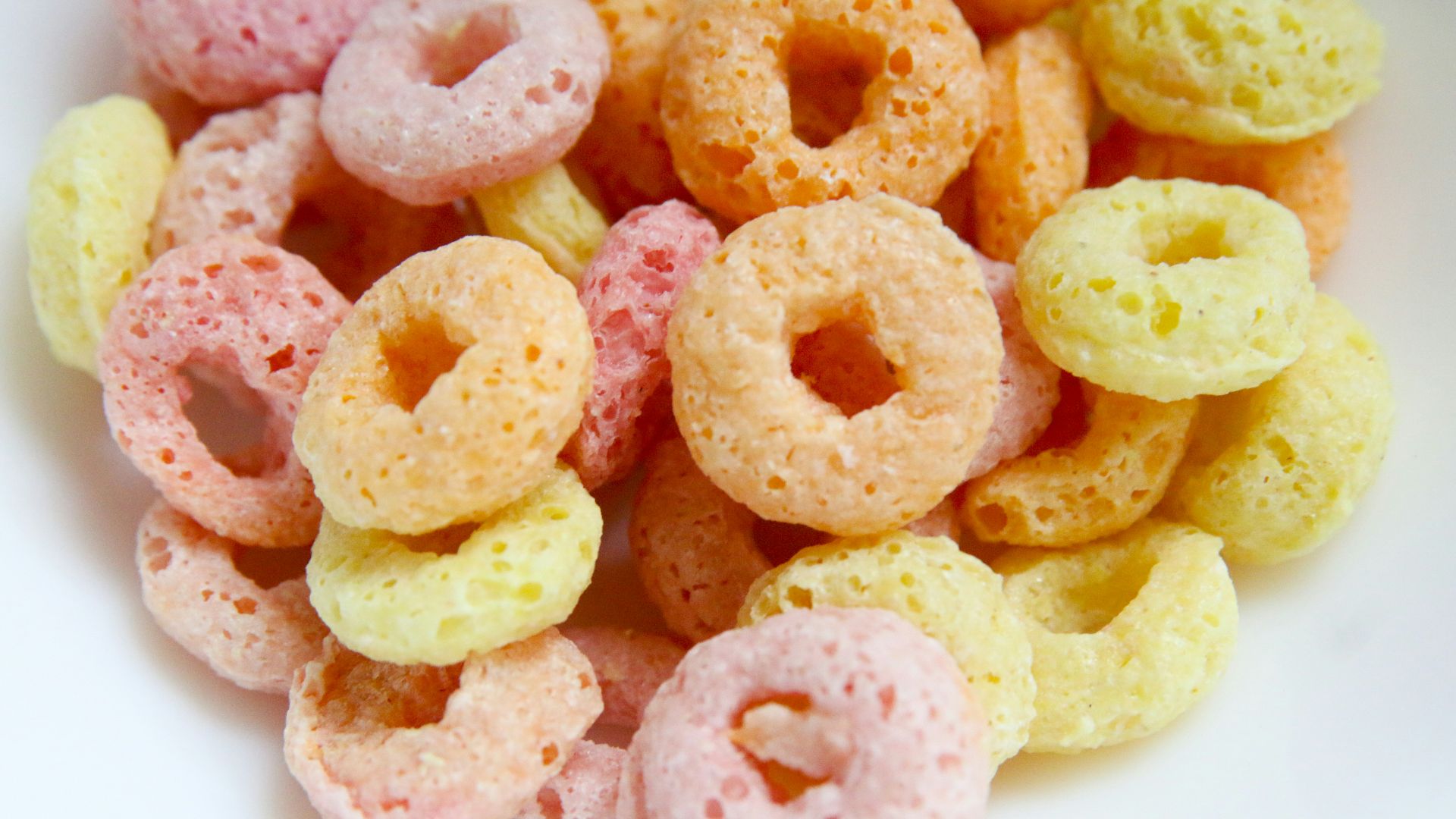
15. Sweetened Cereals → Oatmeal
Sweetened cereals often contain added sugars with limited fiber. Oatmeal provides soluble fiber, which is known to help lower LDL cholesterol. You may find it more filling and customizable. This change supports heart health.
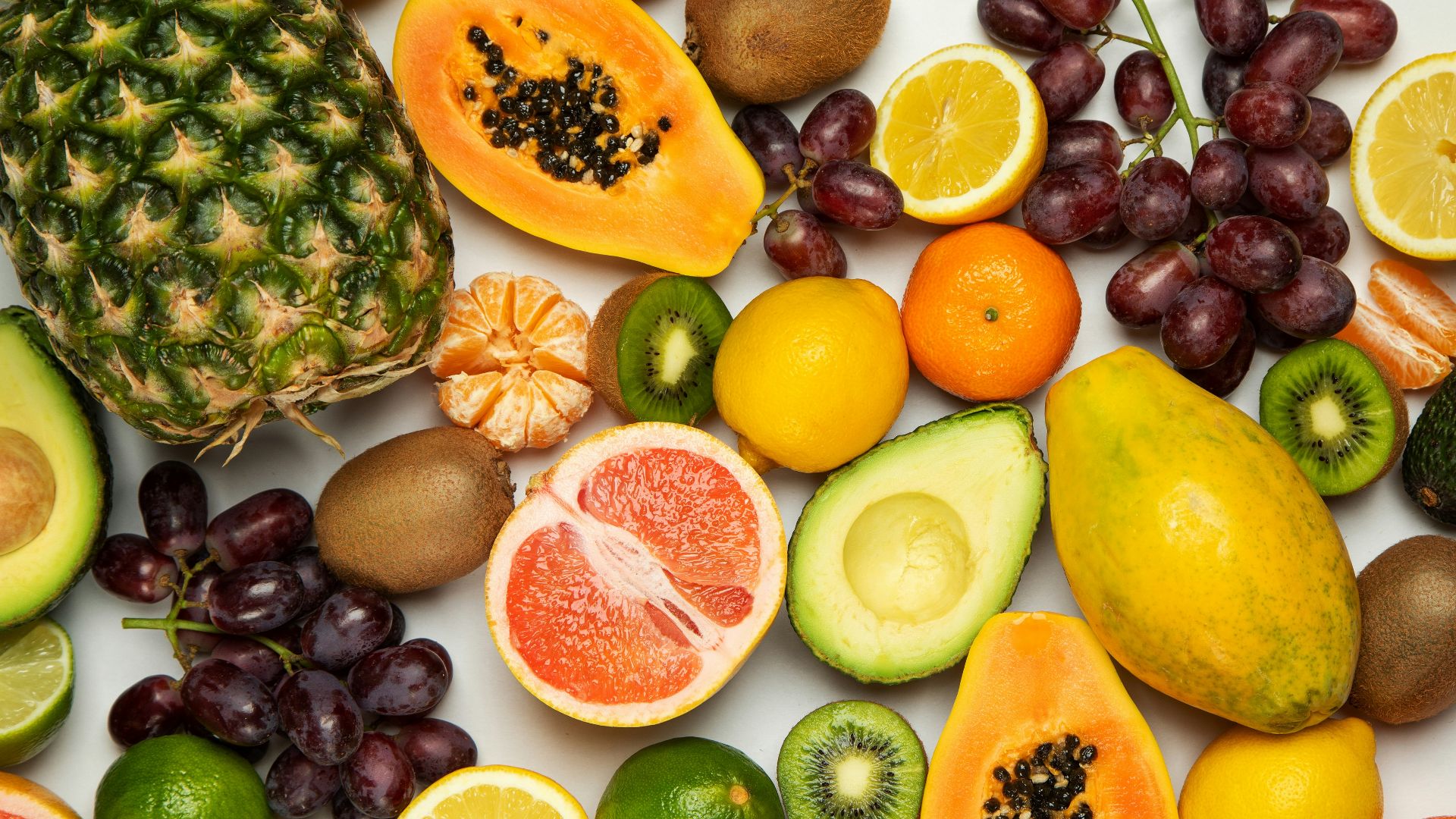
16. Heavy Desserts → Fresh Fruit
Heavy desserts can be high in sugar and saturated fat. Fresh fruit offers natural sweetness along with vitamins and fiber. You might find it satisfies cravings more lightly.
17. Energy Bars with Added Sugar → Nuts and Seeds
Many energy bars contain added sugars and processed ingredients. Nuts and seeds provide natural energy along with healthy fats and protein. You may find them more sustaining, and this adjustment supports better nutrition.
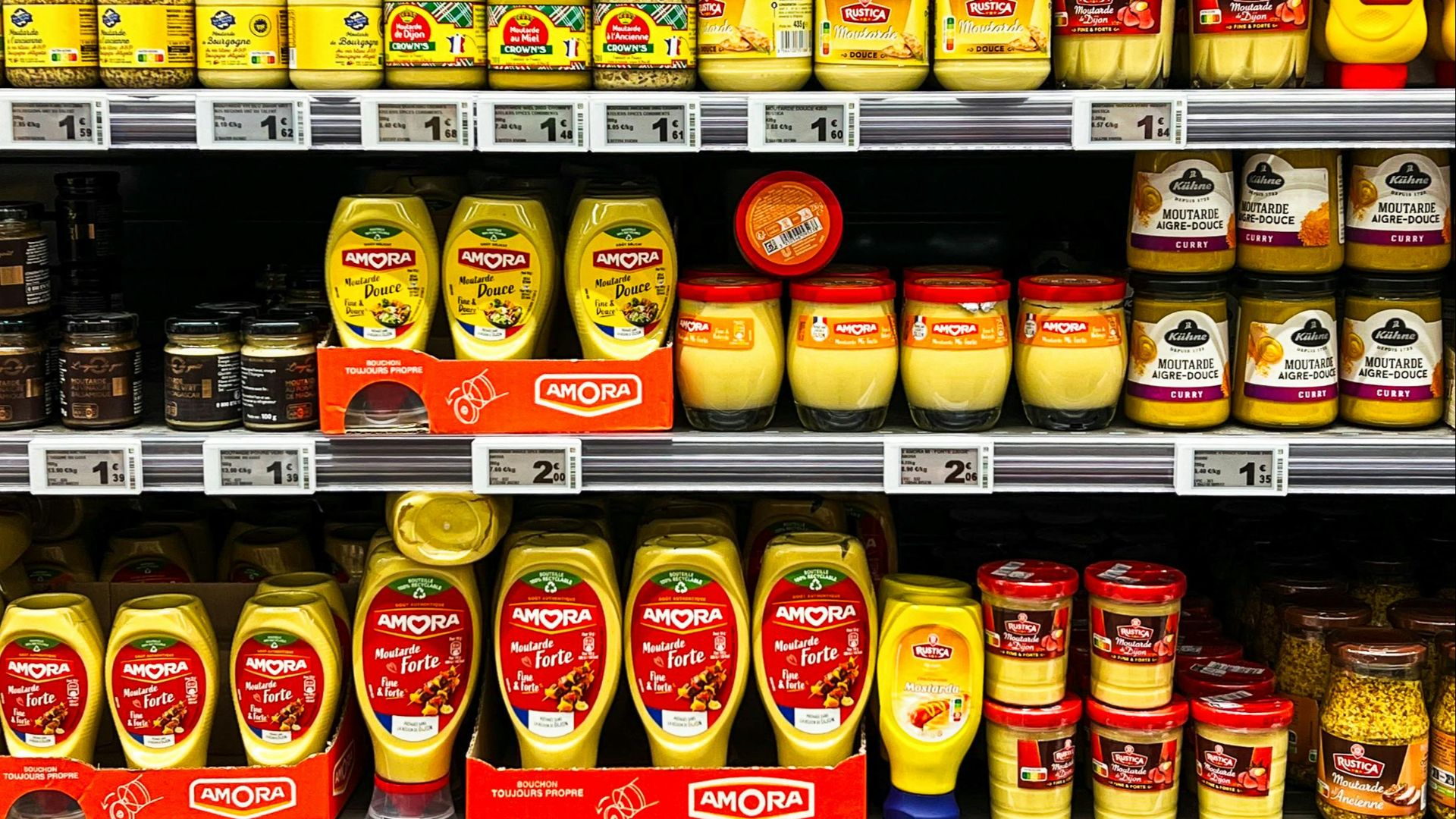
18. Store-Bought Dressings → Homemade Olive Oil-Based Dressings
Store-bought dressings often contain added sugars and sodium. Homemade versions using olive oil allow better control over ingredients. You might find they taste fresher. This swap supports healthier eating habits.
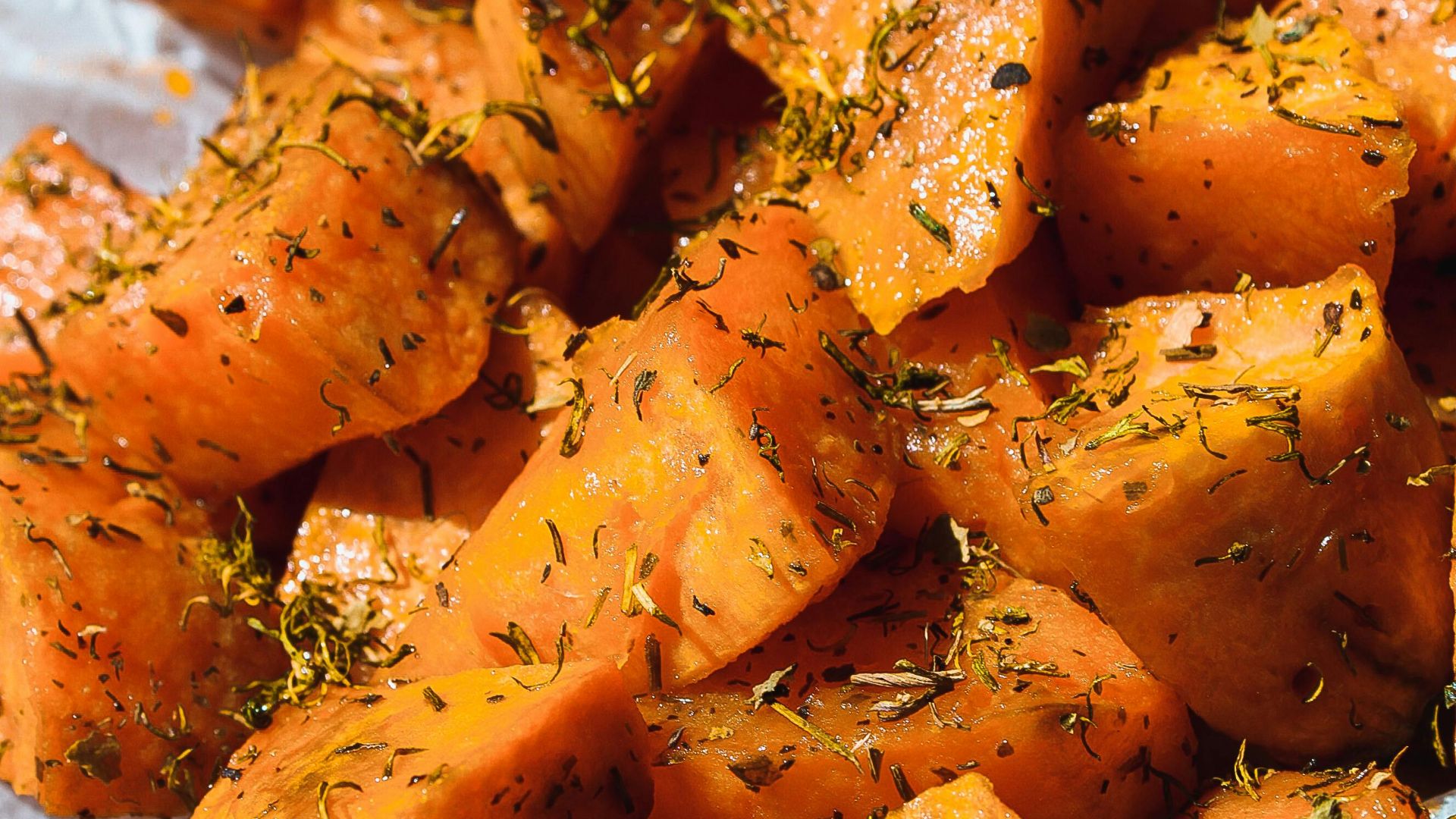
19. White Potatoes (Fried) → Roasted Sweet Potatoes
Fried potatoes are high in unhealthy fats, while roasted sweet potatoes provide fiber and nutrients like potassium. They also have a naturally sweet flavor.
20. Processed Snacks → Fresh Vegetables with Hummus
Processed snacks often contain excess sodium and unhealthy fats. Fresh vegetables paired with hummus provide fiber, healthy fats, and plant-based protein.
KEEP ON READING



20 Ways To Get Your Vitamins And Minerals

20 Ways Doing Less Can Actually Improve Your Health