Your Home May Be Drier Than You Think
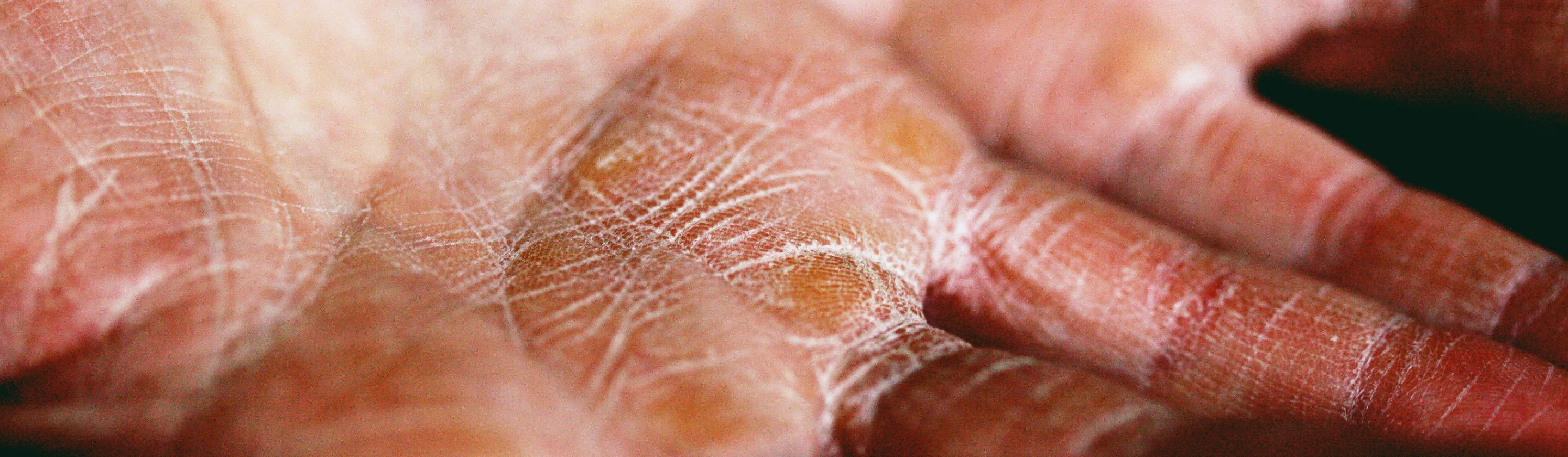
Dry skin doesn’t always come from cold weather or skipping moisturizer—plenty of everyday things inside your home can strip moisture from your skin. From how you shower to what you clean with, small habits and even unassuming household items can leave your skin flaky, and that’s why we’re here to break down a few common culprits you should be aware of.
 MUTHIA ASHIFA SALSABELLA on Unsplash
1. Hot Showers
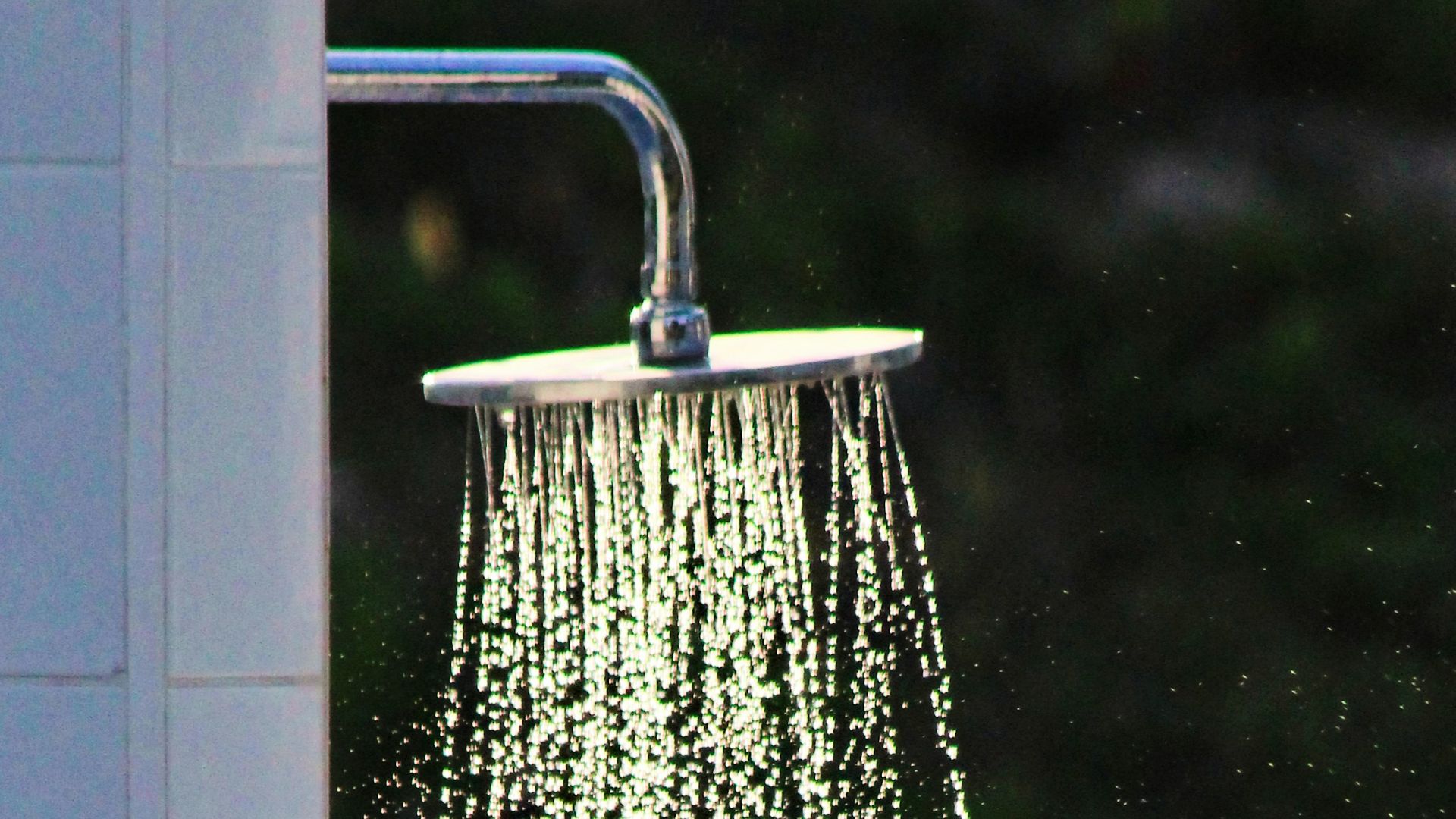
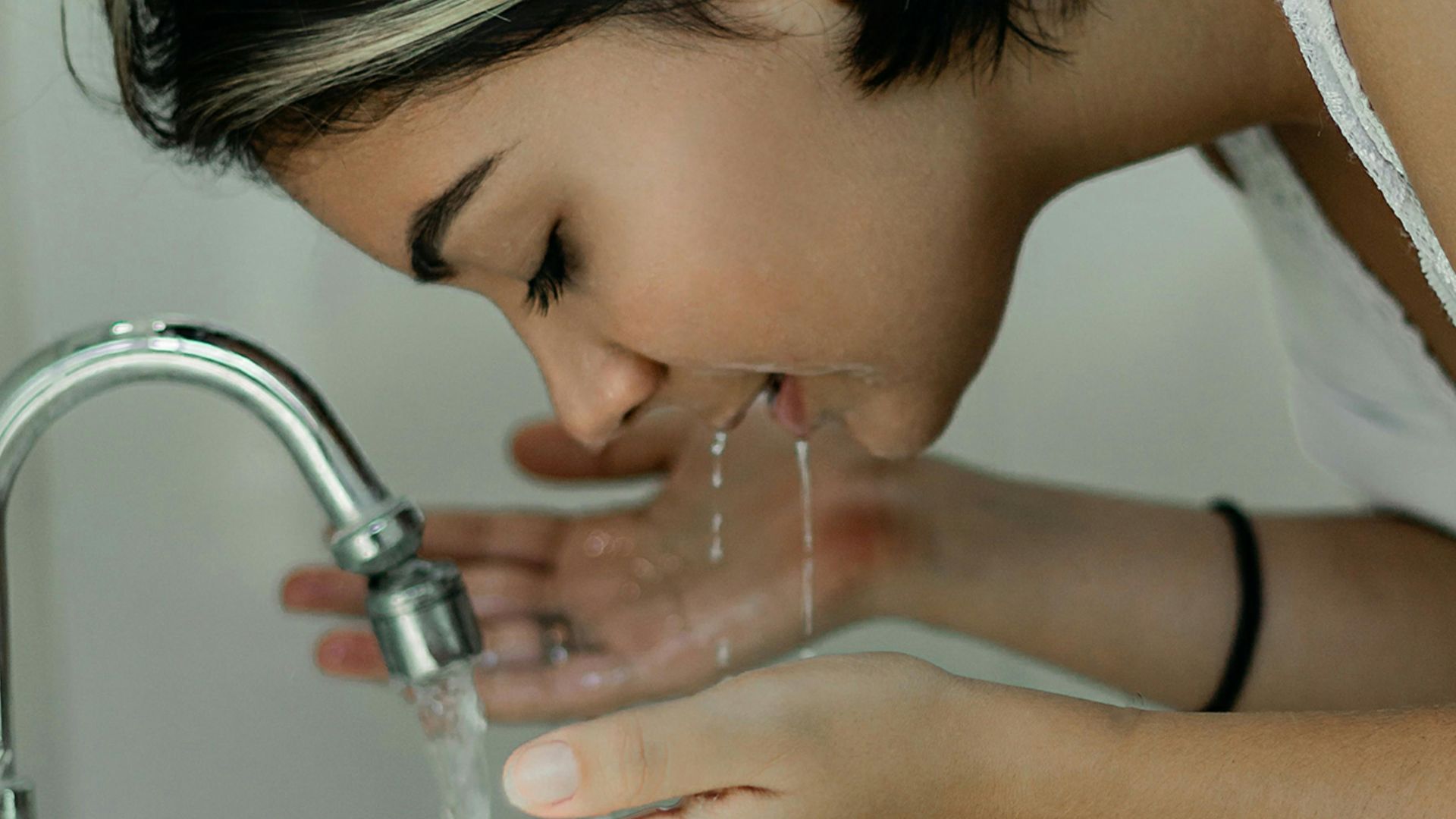
A hot shower might feel good after a long day, but your skin doesn’t actually like it as much as you do. In fact, that high heat can wash away natural oils that help keep moisture sealed in. Do your skin a favor and use warm water instead; your skin will likely feel less tight afterward.
 Chandler Cruttenden on Unsplash
2. Harsh Bar Soap
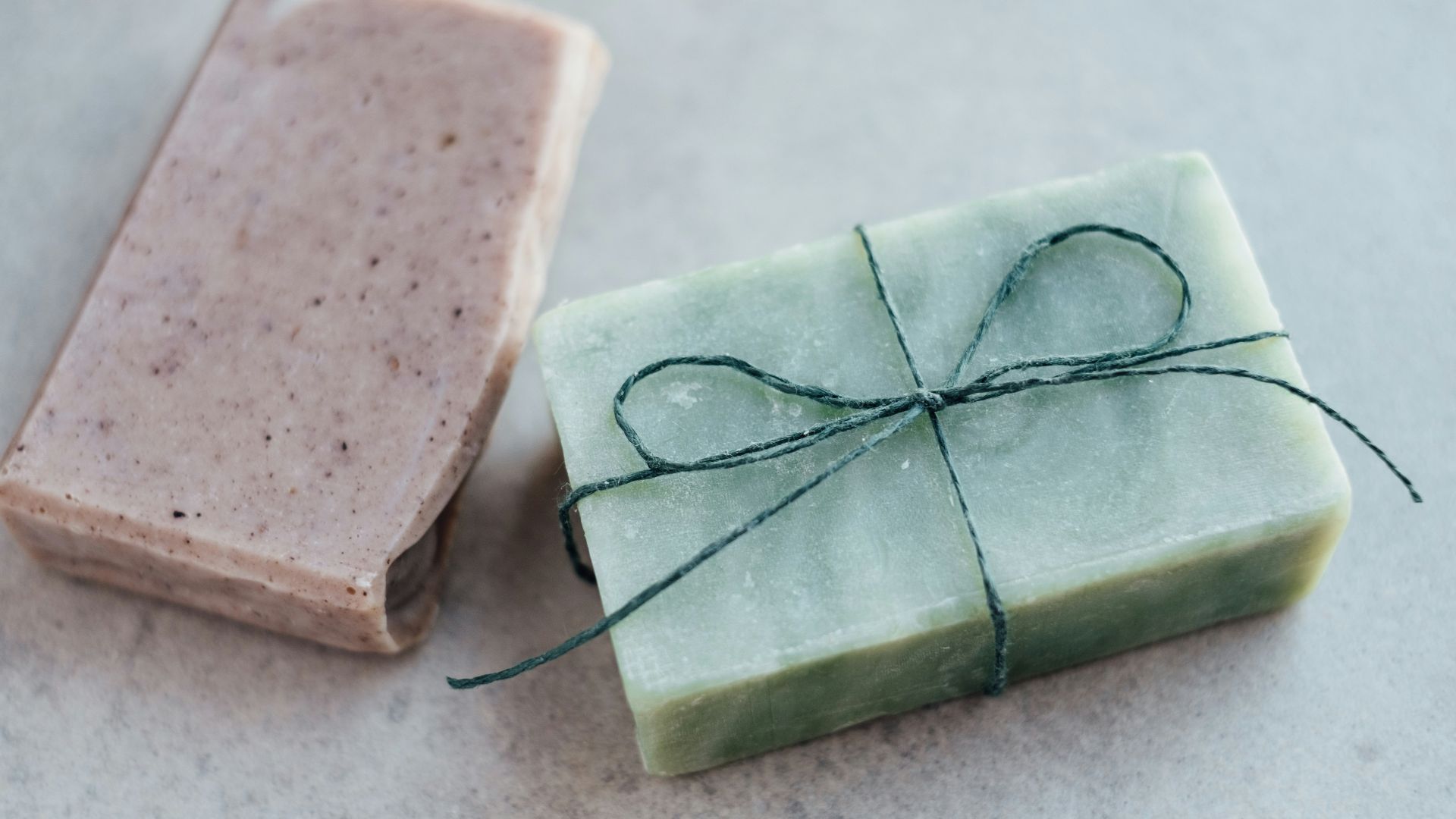
Water isn’t the only suspect in flaky skin. Traditional bar soaps can be too strong for skin that already leans dry, and many of them remove oil along with dirt. Next thing you know, it leaves your hands and body feeling squeaky but uncomfortable.
3. Long Baths
Who doesn’t love soaking in the tub after a long day? Well, you might want to be careful how you relax. Staying in water too long can actually dry your skin out, and the longer your skin is exposed to water, especially hot water, the easier it is for protective oils to break down.

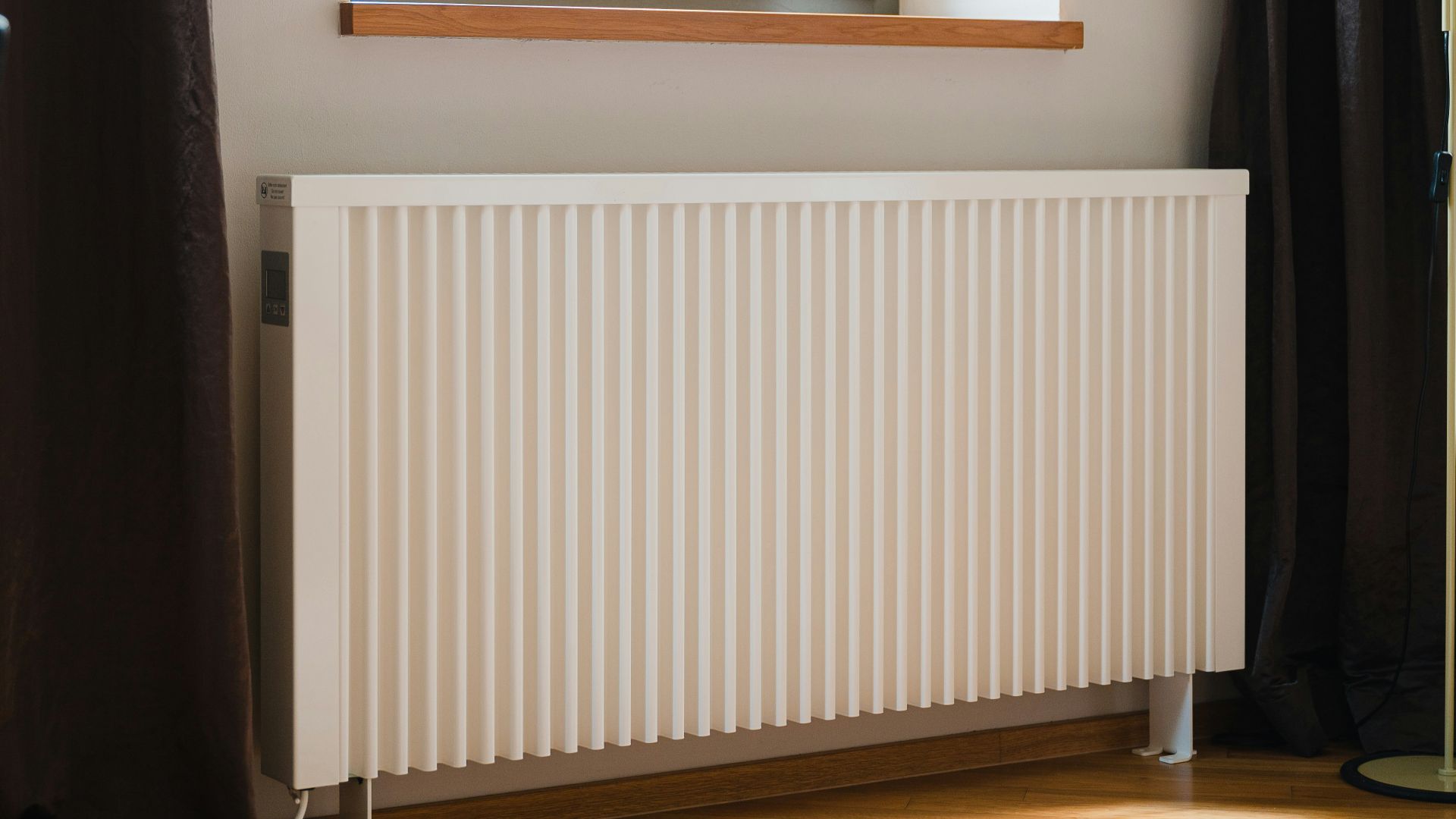
4. Indoor Heating
When the heat runs all day, the air inside your home can become noticeably dry. We’re not just talking about irritated throats, either. That dry air also pulls moisture from your skin, especially on your face, hands, and legs.
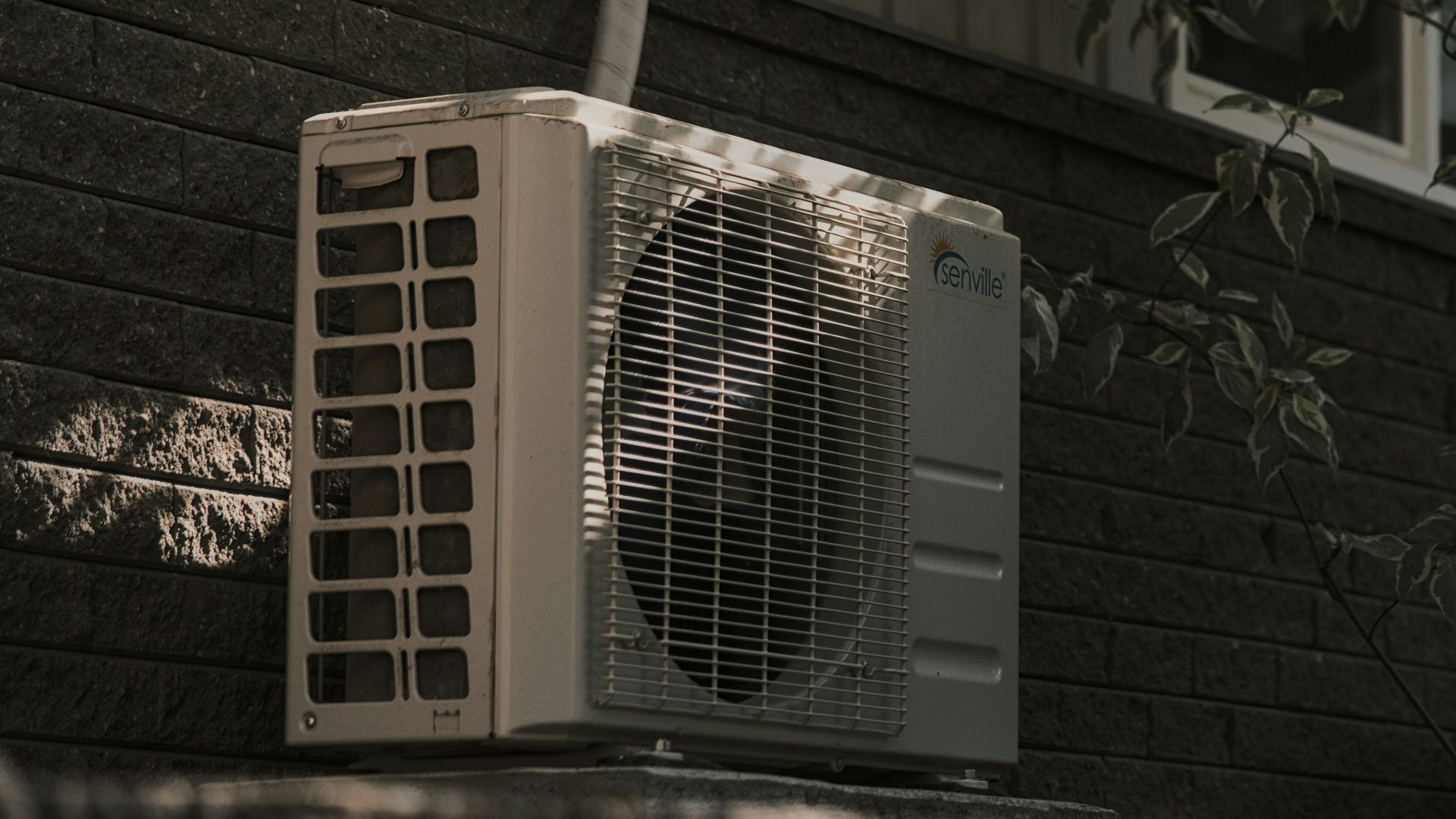
5. Air Conditioning
Oh, you thought you were safe from air conditioning? Guess again! It might keep your home cool, but it can also reduce indoor humidity. When the air becomes too dry, your skin starts acting like it, feeling rough or tight even in warm weather.
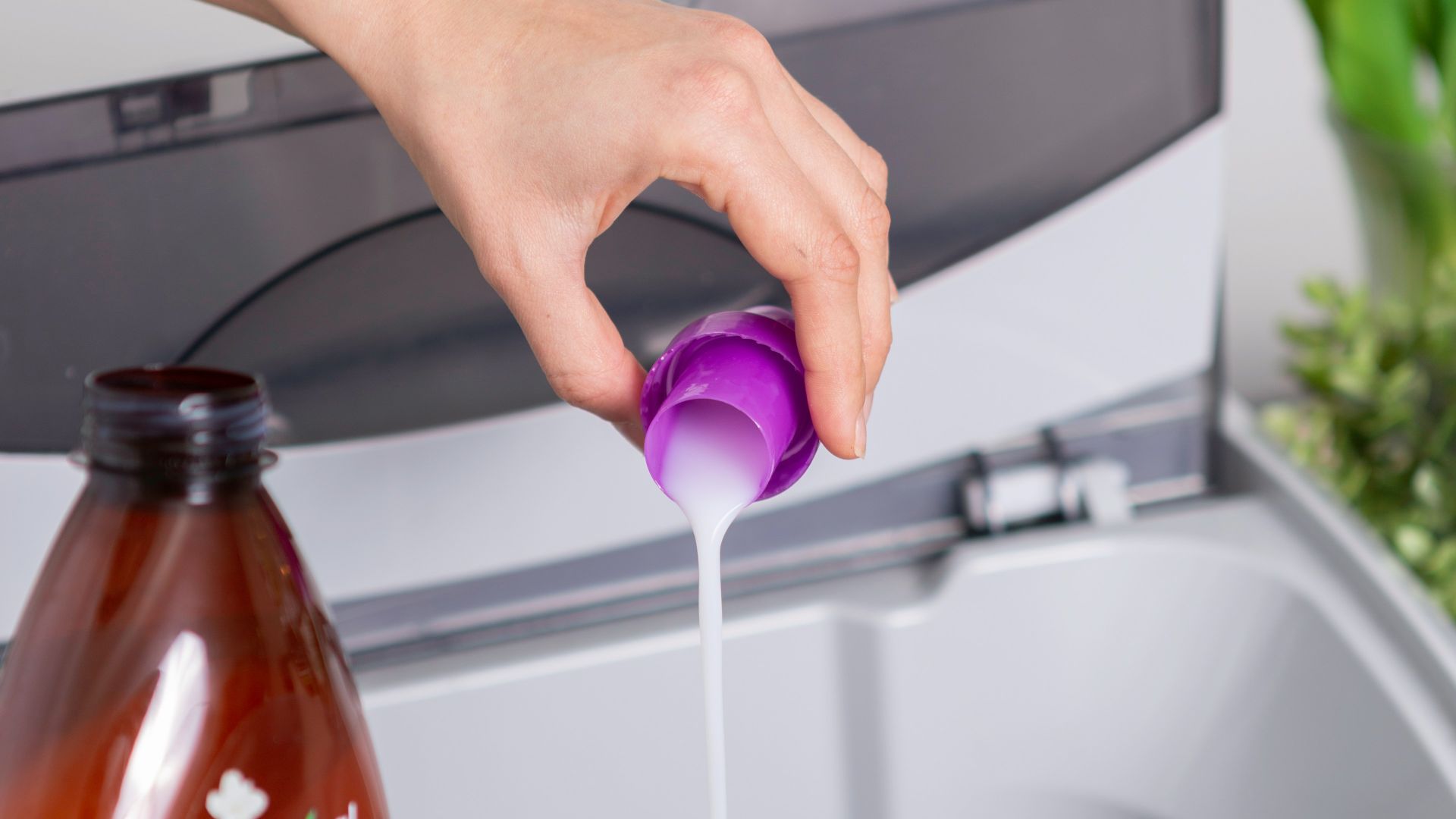
6. Scented Laundry Detergent
We all love a flower-scented load, and there’s nothing wrong with sniffing your shirts! However, fragrance can bother sensitive or dry skin, so you’ll want to be careful. Detergent residue left on clothes, towels, and sheets can rub against your skin and make those flakes worse.
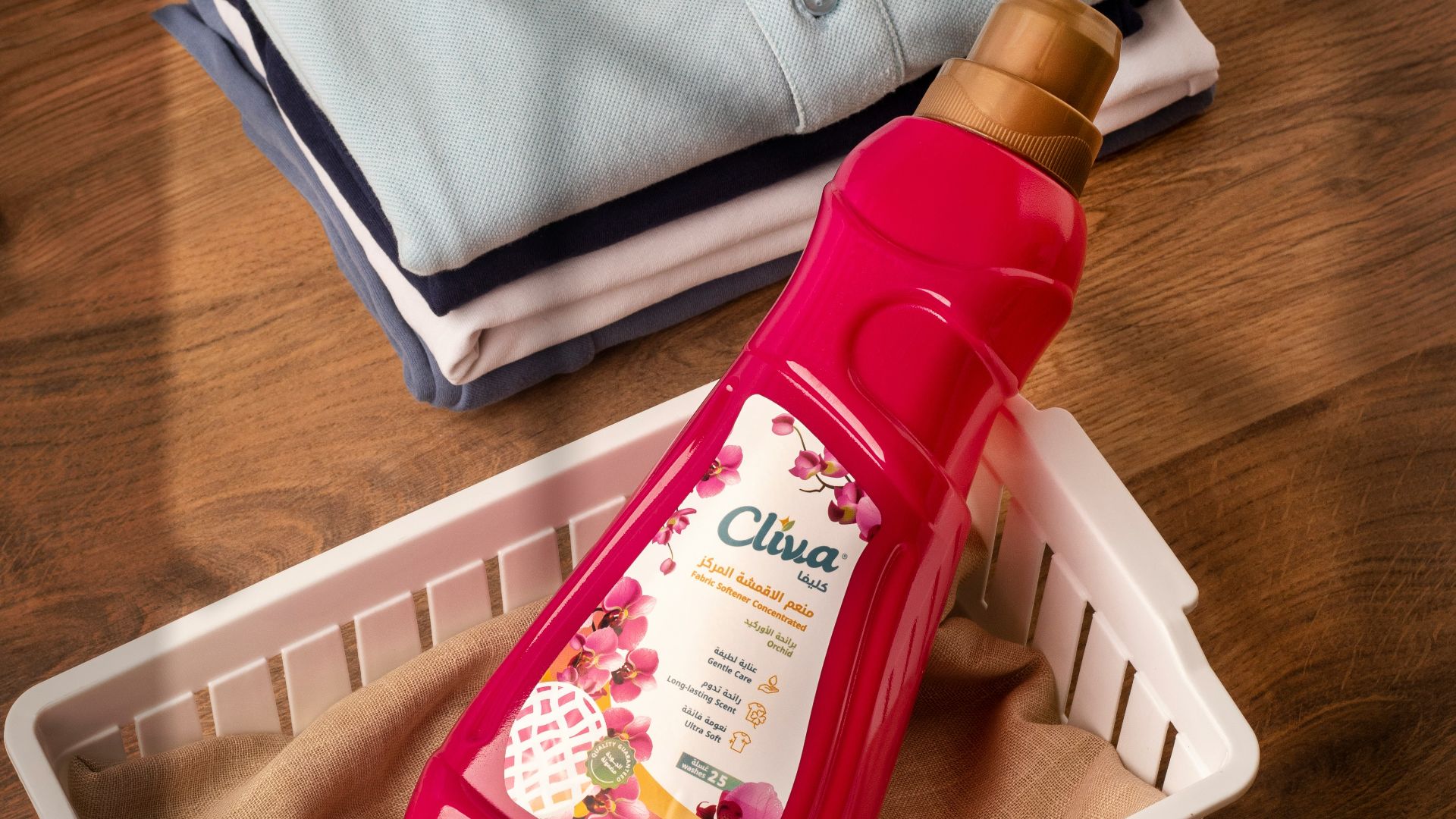
7. Fabric Softener
Fabric softener is just as big a culprit as its detergent brother, so it, too, warrants some caution. Those residues can be especially annoying if you already deal with dryness or itchiness, so it might be worth skipping or using dryer balls instead.
 MOHAMMED Al-Sharabi on Unsplash
8. Scratchy Towels
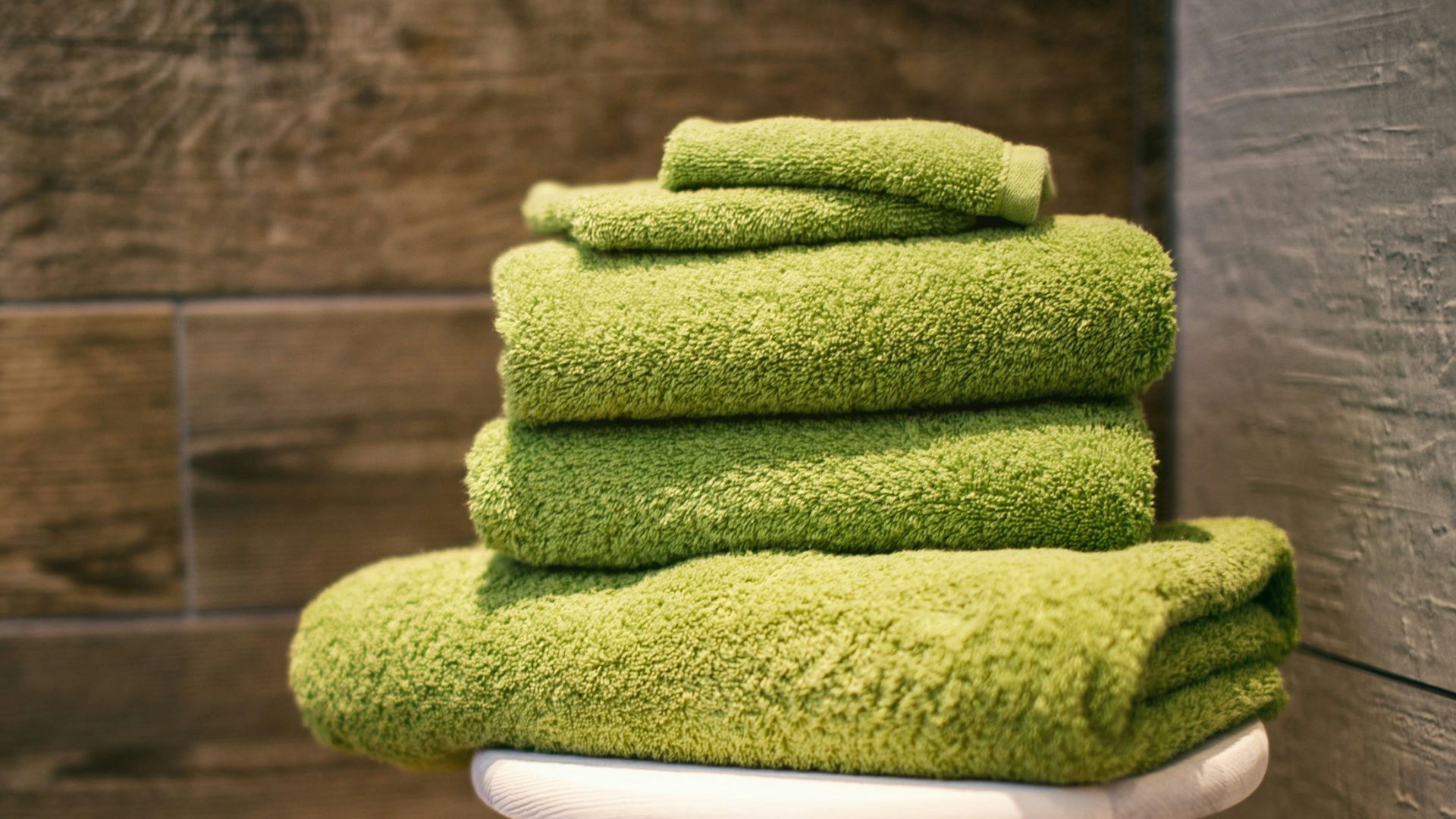
Ironically enough, it looks like you might need fabric softener for this one! A rough towel can make dry skin feel even more irritated. Rubbing too hard after a shower can disturb the skin barrier and remove moisture before you’ve had a chance to seal it in. What that means is you should really pat your skin dry gently, then apply moisturizer while it’s still slightly damp.
9. Overwashing Your Hands
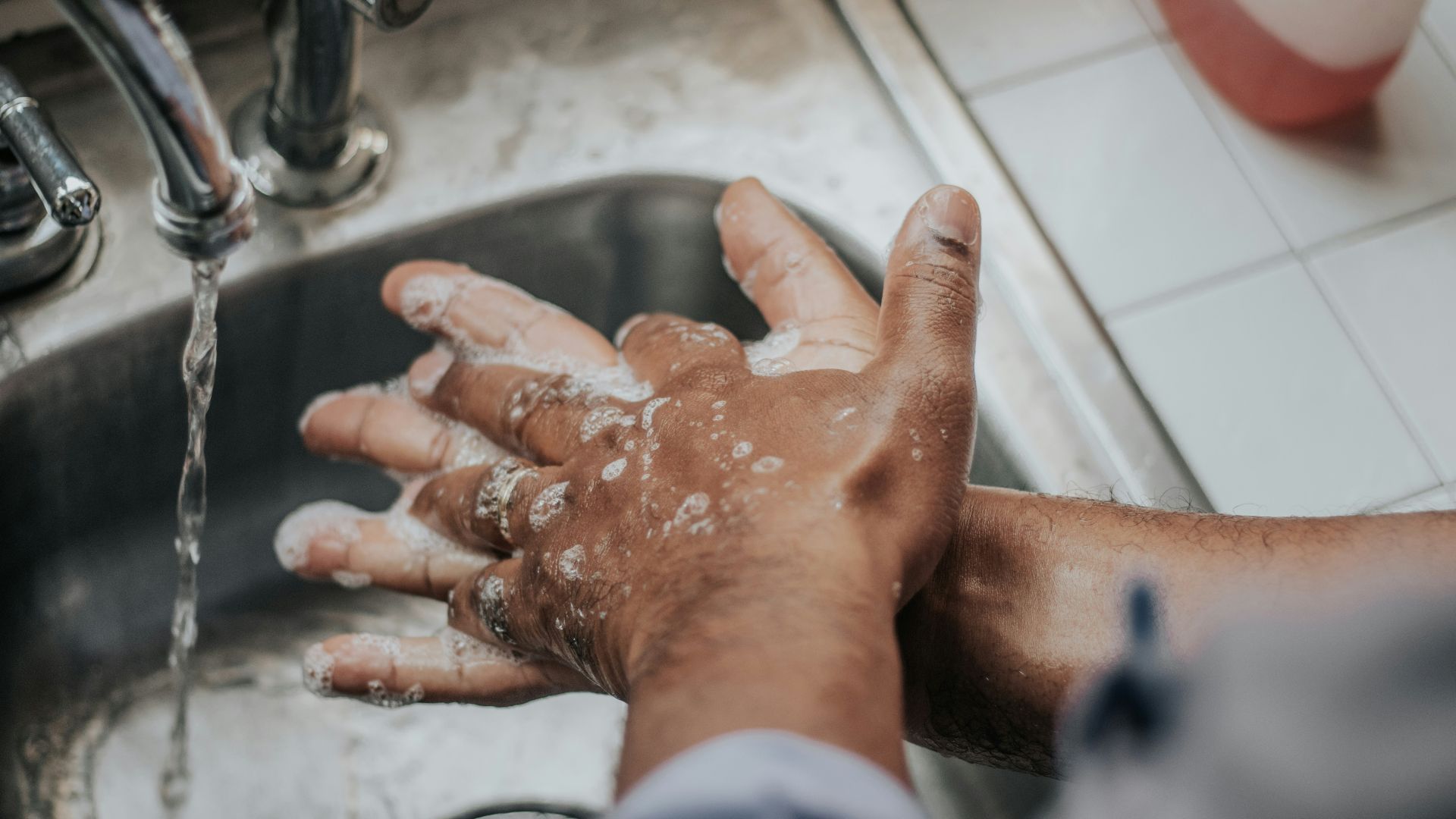
Handwashing is important, don’t get us wrong—but frequent washing leaves your hands dry and cracked. Along with pesky germs, soap and water also take away some of your skin’s natural oils. Keep hand cream near your sink so you can use it right after washing.
10. Alcohol-Based Hand Sanitizer
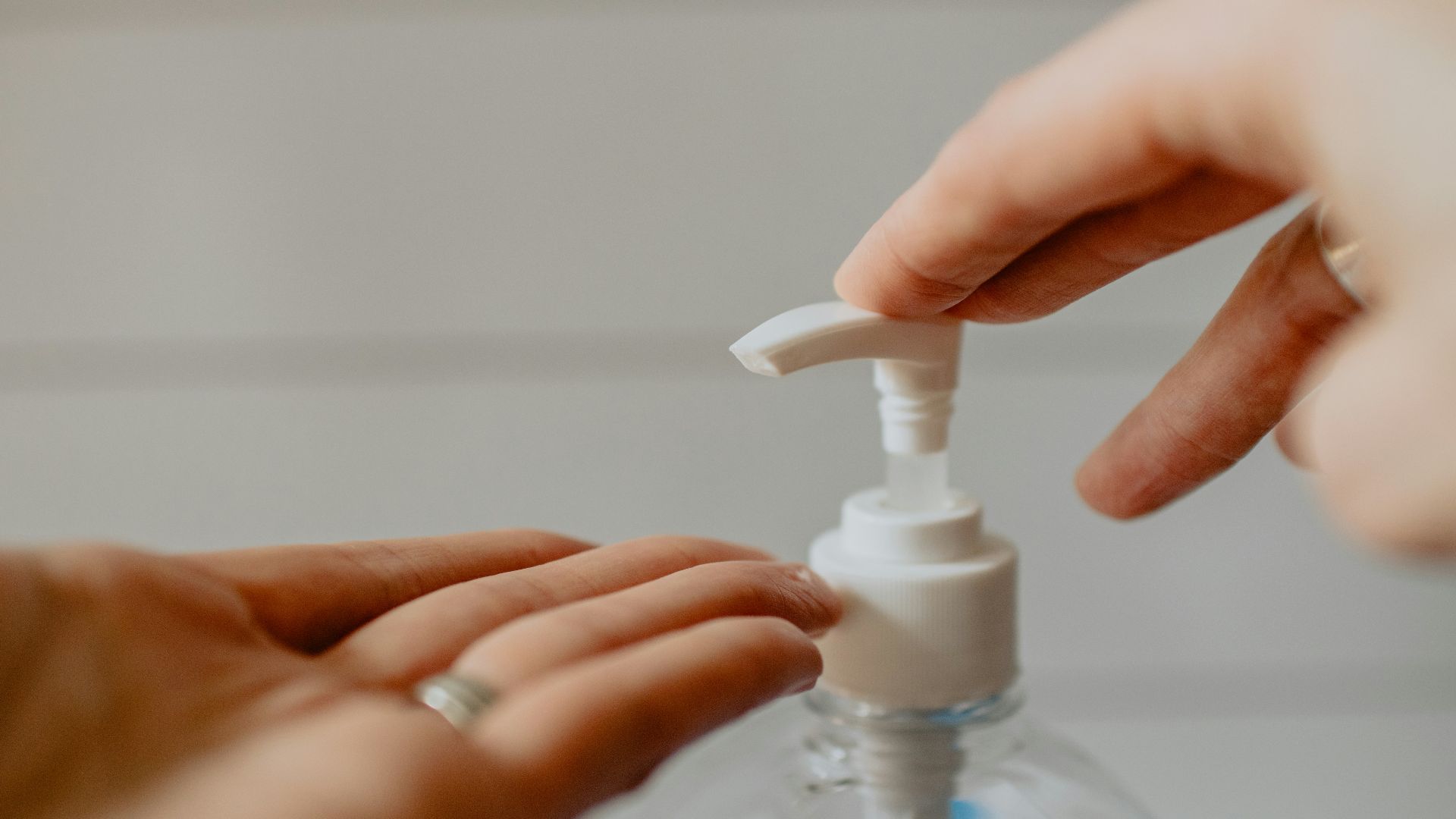
Alcohol can be drying when you use it often, and some people are still a little nervous about germs. We get it, but you still need to be careful! Choose a sanitizer with moisturizing ingredients when possible, and follow with lotion when you can.
11. Dish Soap
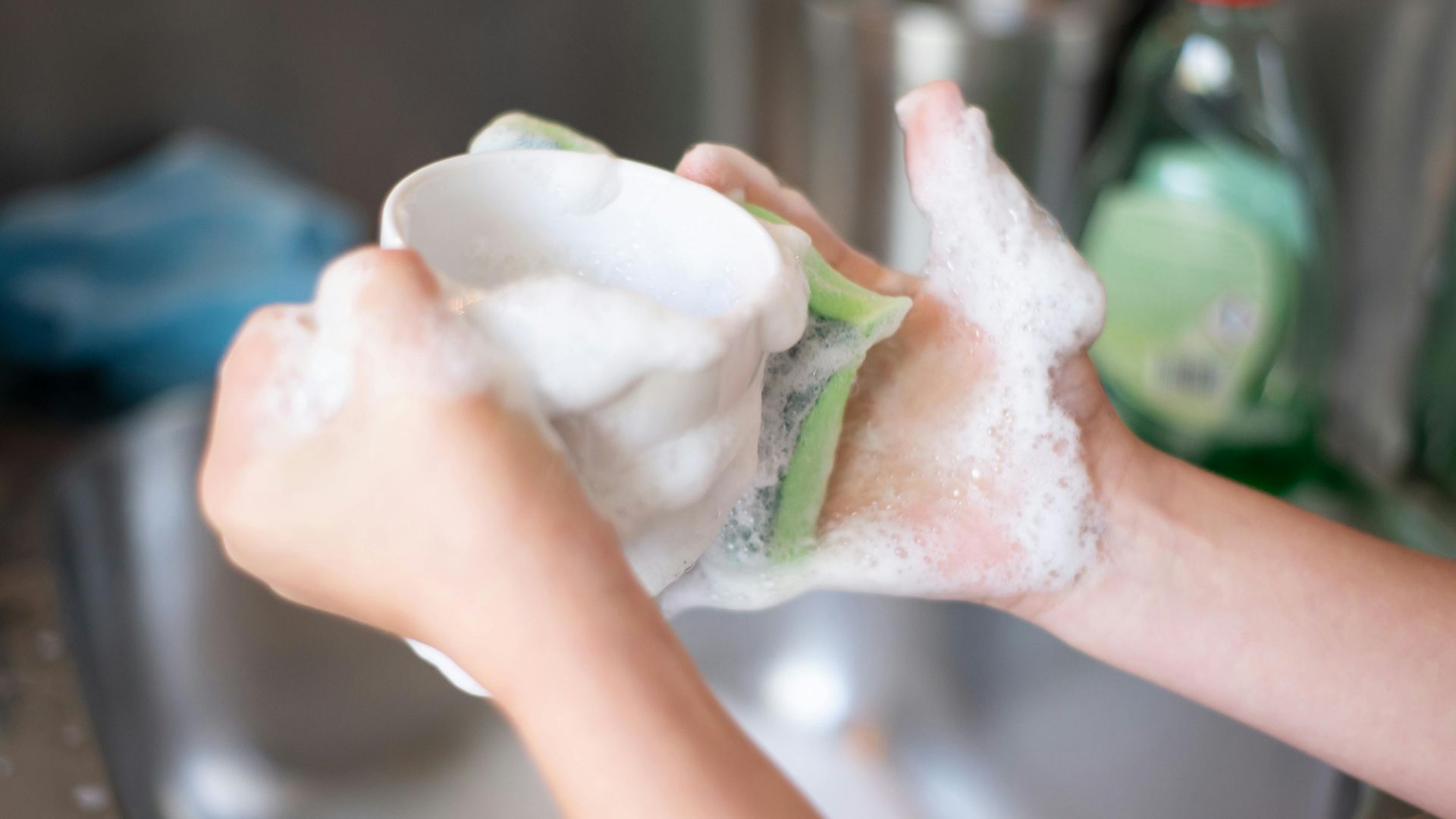
Dish soap is designed to cut through grease, which means it can also cut through the oils on your skin. Washing dishes without gloves might just leave your hands feeling dry and uncomfortable, so rubber gloves are a good way to protect them.
12. Cleaning Sprays
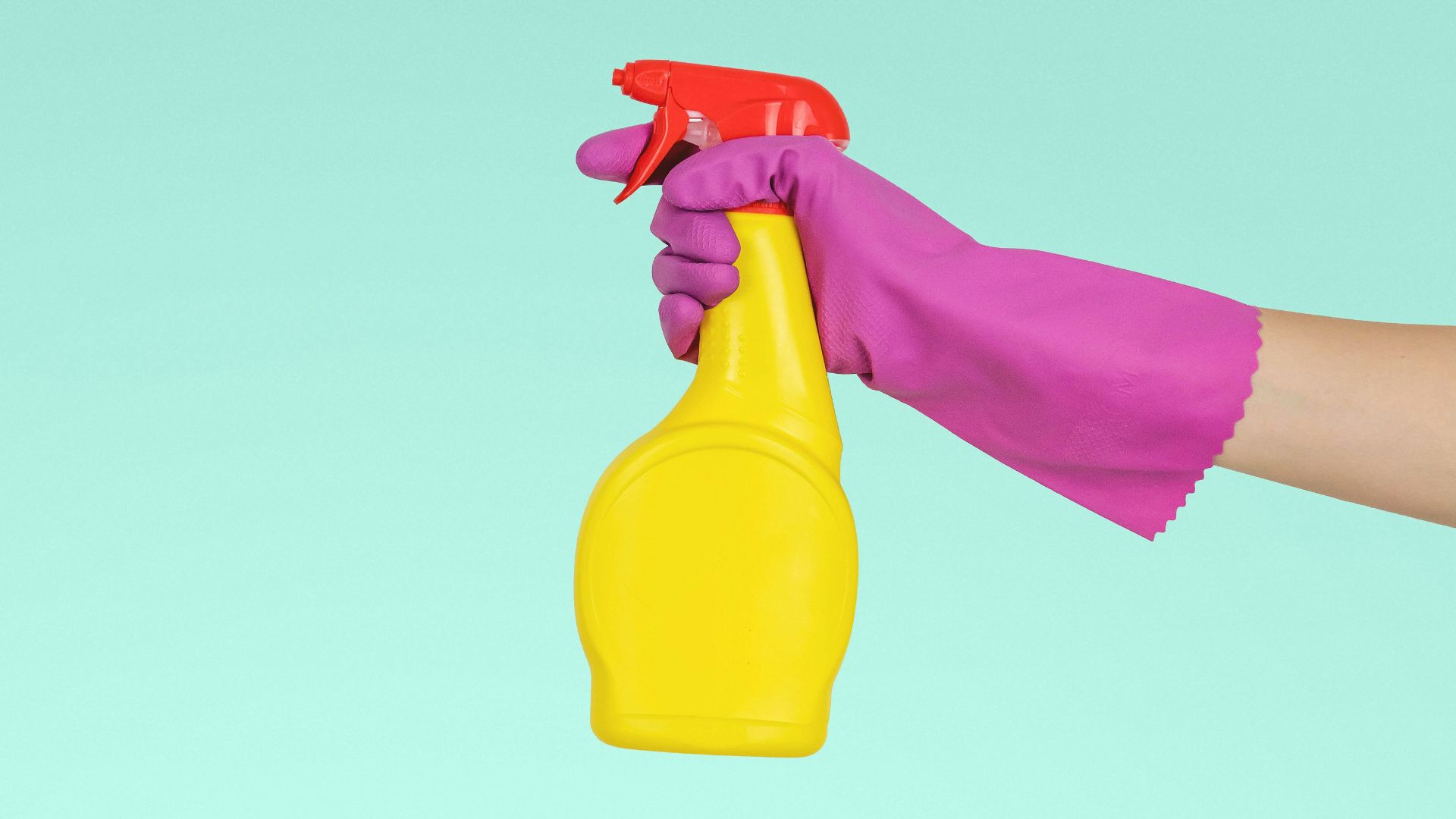
Household cleaning sprays can be tough on skin. If the product gets on your hands or lingers on surfaces you touch, it not only contributes to dryness, but it could easily irritate your skin, too. Use gloves when cleaning, and wash your hands gently afterward.
13. Dust
It’s hard to imagine that something made from skin (among other irritants) can also damage it, but here we are! Dust can contain tiny particles that irritate sensitive areas and make dryness feel worse. You know what that means: regular cleaning with a damp cloth!
14. Pet Dander
Don’t worry, you don’t need to keep Fido outside! It is, however, important to know that dander can be a problem for some people’s skin. If your skin is already dry or sensitive, contact with pet hair and dander may make it feel itchier. All you need to do is wash pet bedding and vacuum regularly.

15. Wool Blankets
It’s no surprise that wool feels scratchy against dry skin. Forget about beating the cold; the texture can cause friction, which may make sensitive areas feel irritated. If you love snuggling under something, layer a soft cotton sheet between your skin and the blanket.

16. Rough Clothing
Of course, it isn’t only blankets to worry about! Certain fabrics can rub against your skin throughout the day and make dryness worse. Anything from tight waistbands to stiff collars can create irritation in places you might not expect.

17. Low-Humidity Bedrooms
Your bedroom should be your happy place, and that means the proper humidity. Anything but may be drying out your skin while you sleep! If the air is dry overnight, you can wake up with all kinds of unpleasant symptoms, like tight cheeks, flaky lips, or itchy legs.

18. Over-Exfoliating Products
There’s a reason you shouldn’t exfoliate every day! Using those products too often can cause dryness, particularly scrubs, acids, and cleansing brushes. Give your skin breaks, and pay attention when it starts to sting or feel tight.
19. Fragranced Candles
Believe it or not, candles may irritate some people’s skin. That amazing scent we all know and love, along with certain ingredients and smoke particles, can bother sensitive skin. It’s especially bad in smaller rooms with poor airflow.

20. Not Drinking Enough Water
Your skin doesn’t rely only on what you put on it—hydration matters, too! If you’re not drinking enough water, dryness will easily become more noticeable, especially when combined with dry indoor air. Like it or not, you need to keep a water bottle nearby so it’s easier to sip throughout the day.
KEEP ON READING