Strengthening Your Motor Control
Hand-eye coordination, as you might know, is the ability your brain and body use to synchronize visual input with physical movement, and it plays a role in far more daily tasks than most people realize. Whether you're catching your keys mid-air, threading a needle, or sketching a doodle of something you see, your coordination is constantly at work behind the scenes. If you're looking to refine it, pick one (or three) of these 20 activities that can help sharpen and boost your fine motor skills over time.
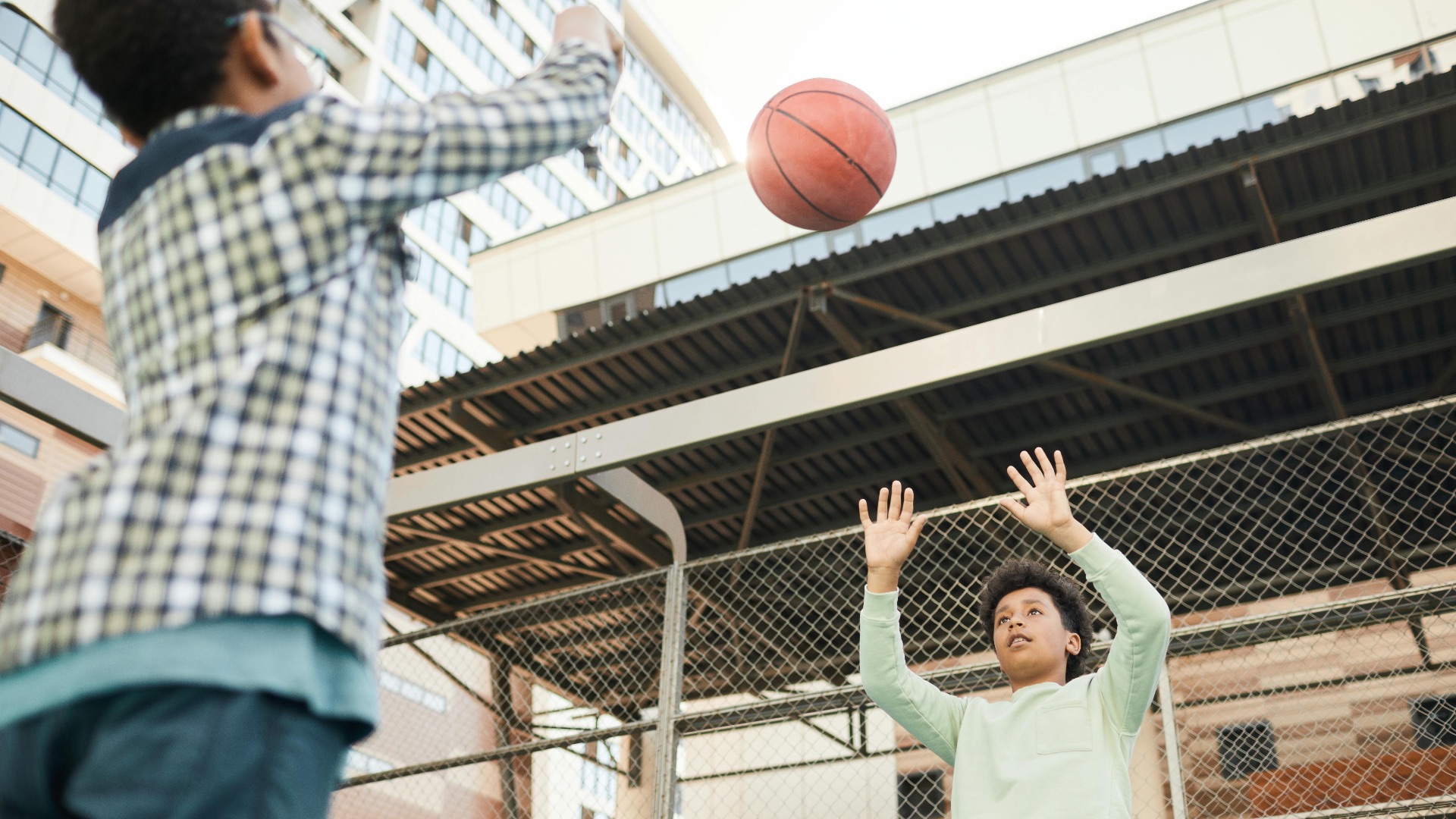
1. Play Table Tennis
Table tennis is one of the most effective sports for building hand-eye coordination because it demands rapid reaction to a fast-moving ball. Every serve, volley, and return requires you to track the ball's trajectory and position your paddle in fractions of a second. Even casual play a few times a week can lead to noticeable improvements in your reflexes and precision.
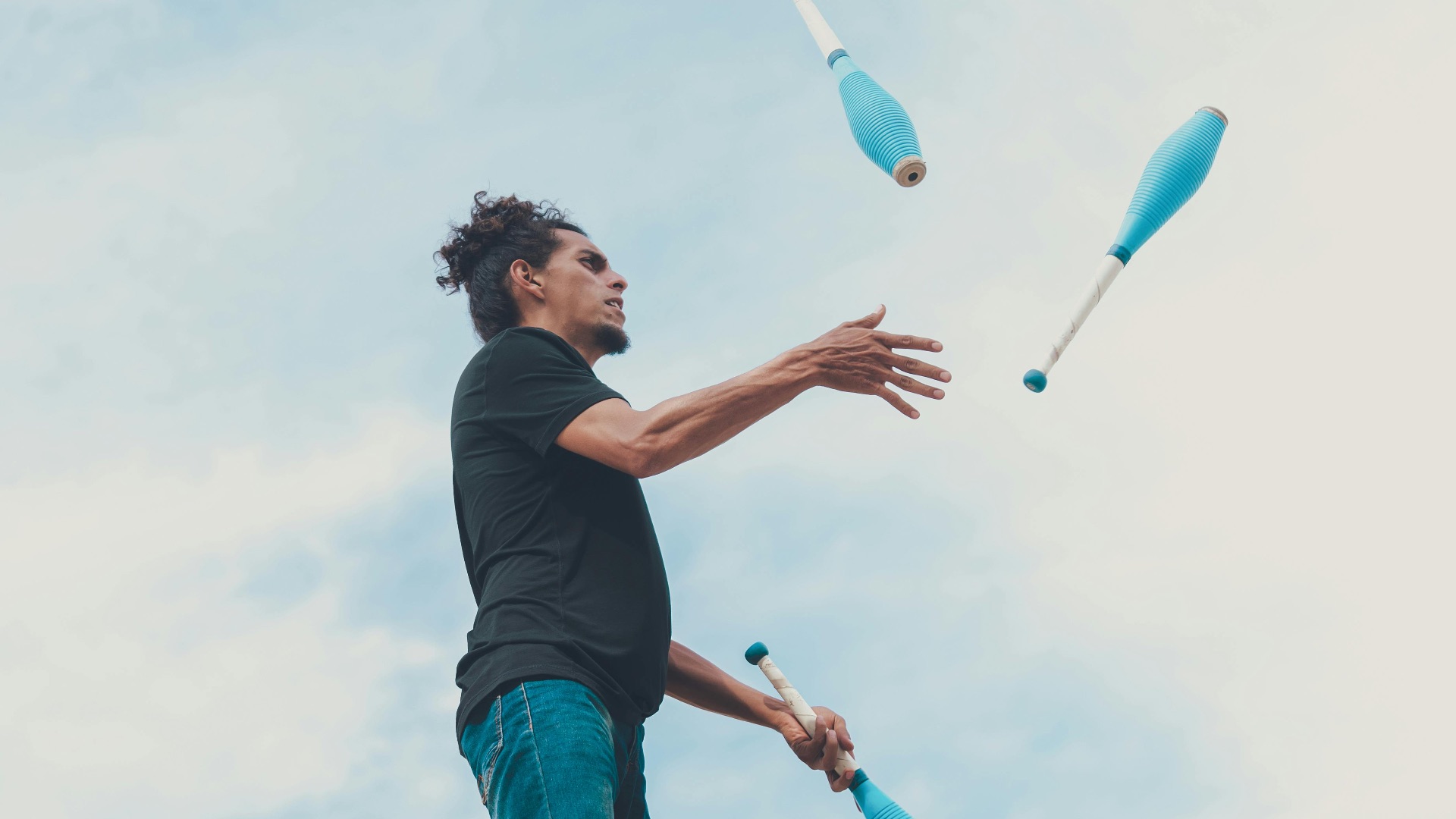
2. Try Juggling
Juggling is a classic coordination exercise that challenges you to track multiple objects in the air simultaneously. Starting with two balls before progressing to three gives your brain time to adapt to the visual and motor demands of the activity. It's more accessible than it looks, and there are plenty of beginner tutorials online to help you get the hang of it.
3. Pick Up a Racket Sport
Not sure about table tennis? Don't worry—sports like tennis, badminton, or squash are also excellent for developing your ability to judge distance, speed, and timing all at once. The unpredictable angles of the ball or shuttlecock force your body to constantly recalibrate, which keeps your coordination sharp over time. Playing regularly also improves your peripheral vision, which supports better spatial awareness overall.
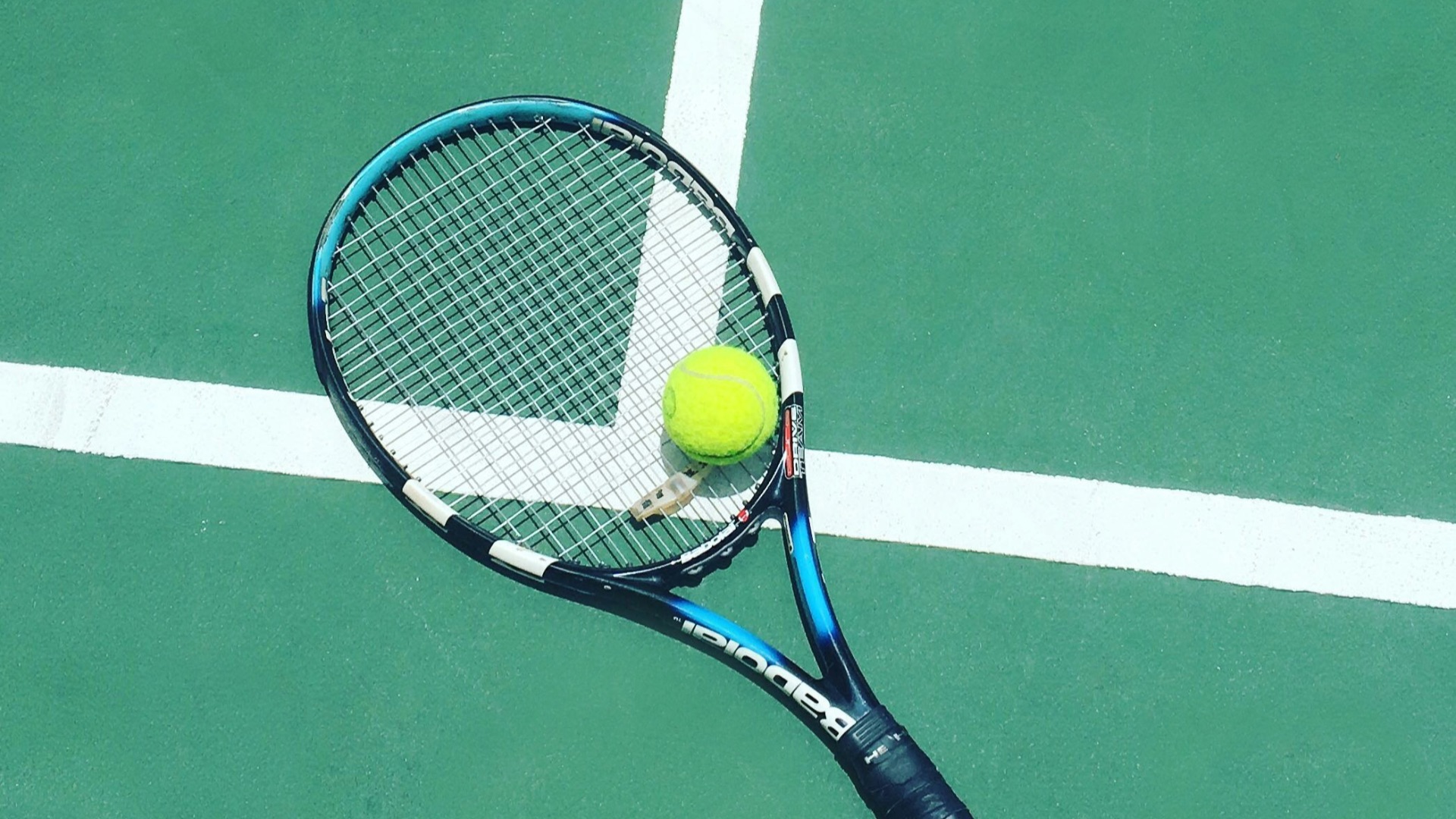 Guilherme Maggieri on Unsplash
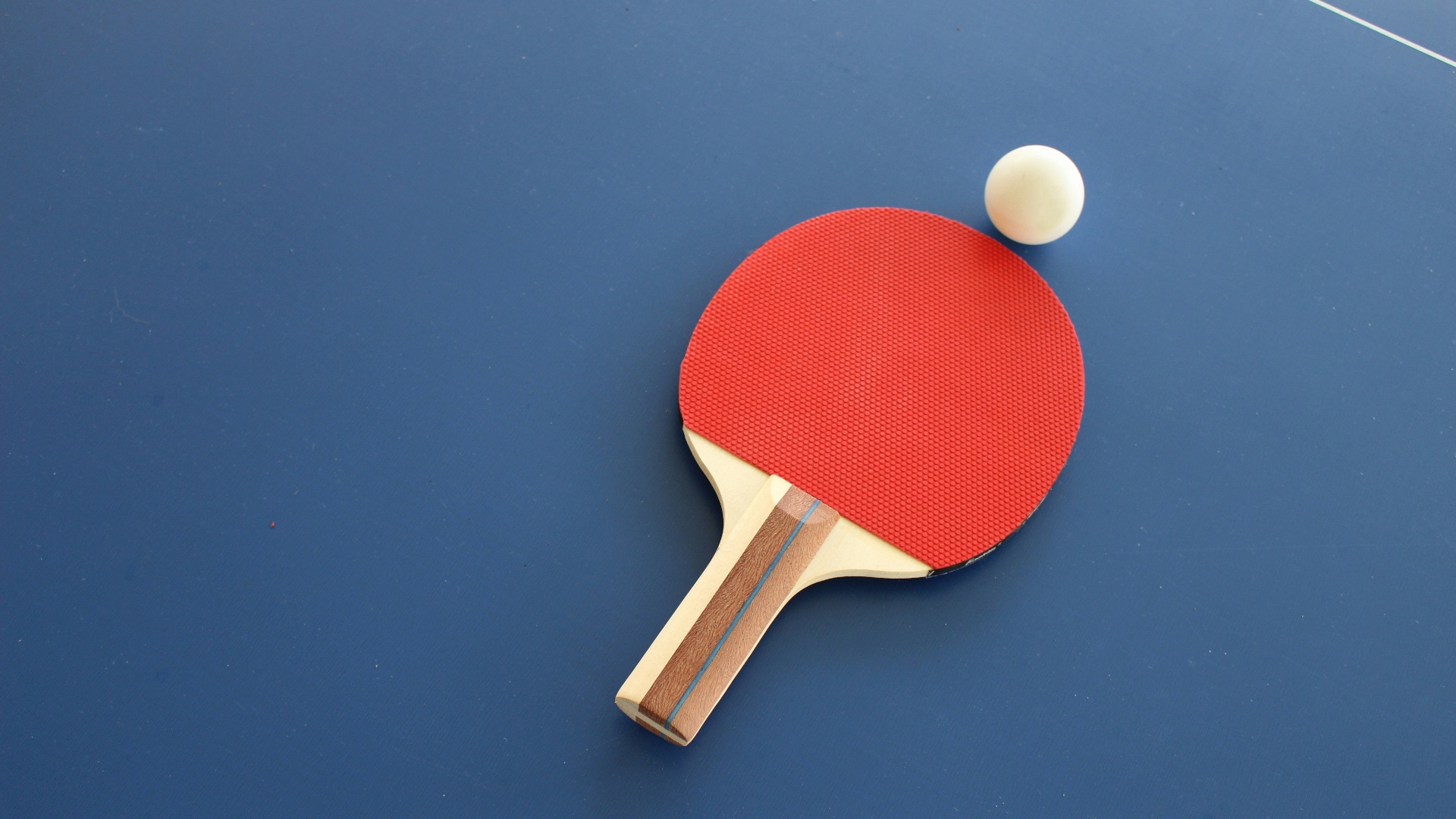
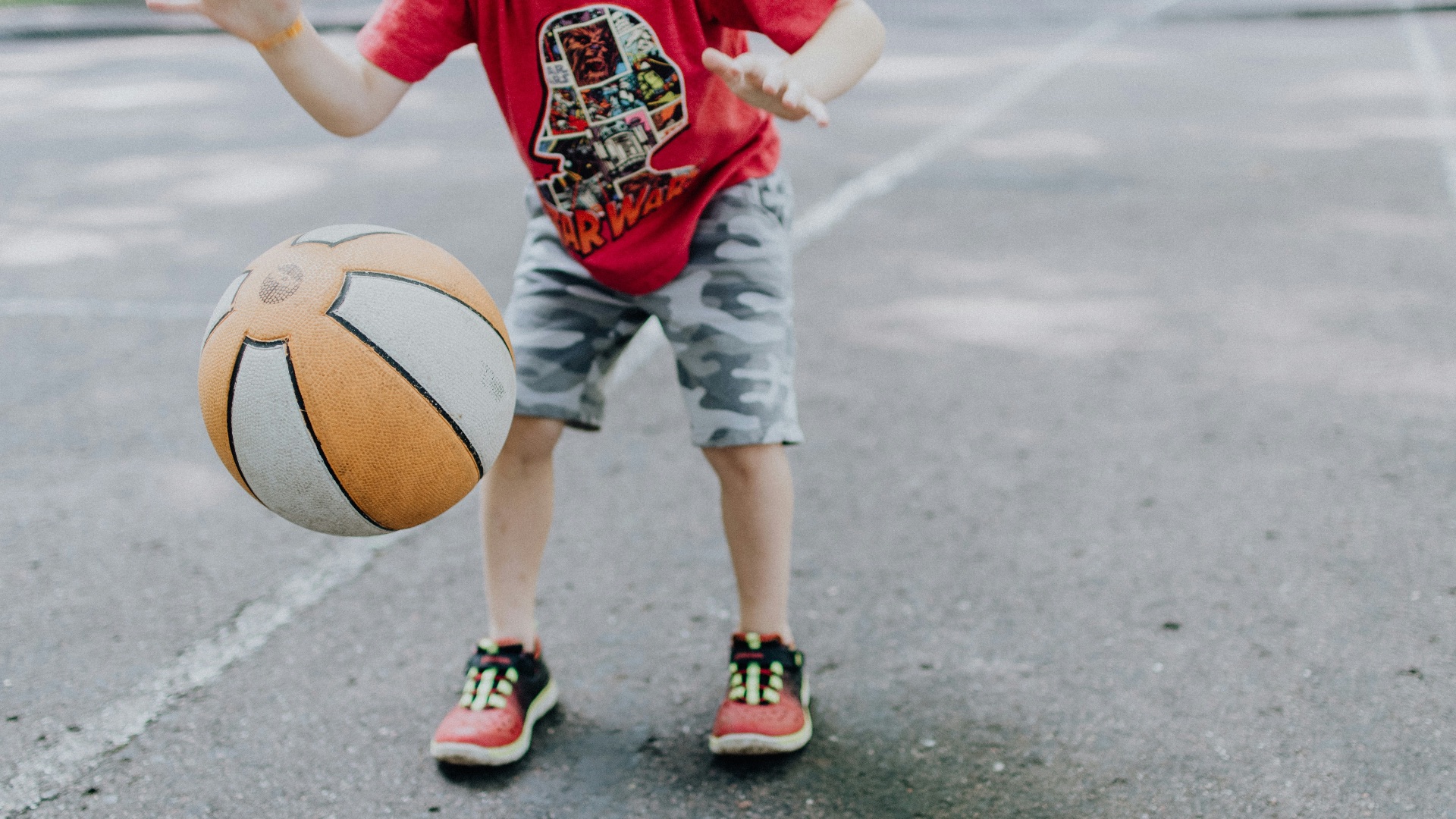
4. Practice Dribbling a Basketball
Dribbling a basketball while keeping your eyes up is a deceptively effective coordination drill that's easy to work into your daily routine. It trains you to rely on feel and muscle memory rather than direct visual focus, which builds a deeper level of motor control. You don't need a court; a driveway or any flat surface works just fine for a quick practice session.
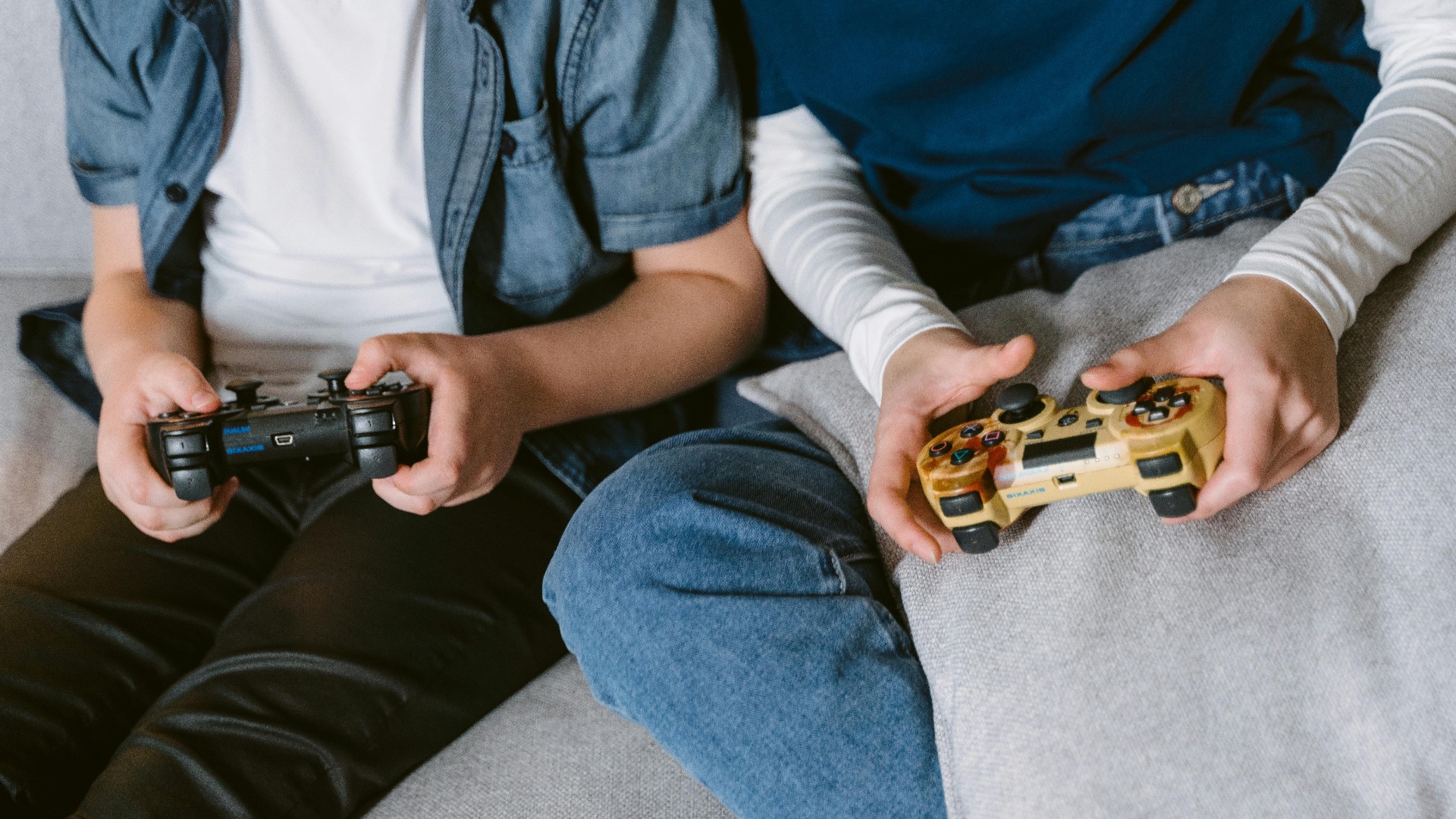
5. Take Up Video Gaming
This might sound surprising, but certain video games, particularly fast-paced action or sports titles, are surprisingly useful tools for improving hand-eye coordination. They require you to process visual information quickly and translate it into precise controller inputs under time pressure. Research has even suggested that regular gaming can improve reaction time and fine motor control in both children and adults.
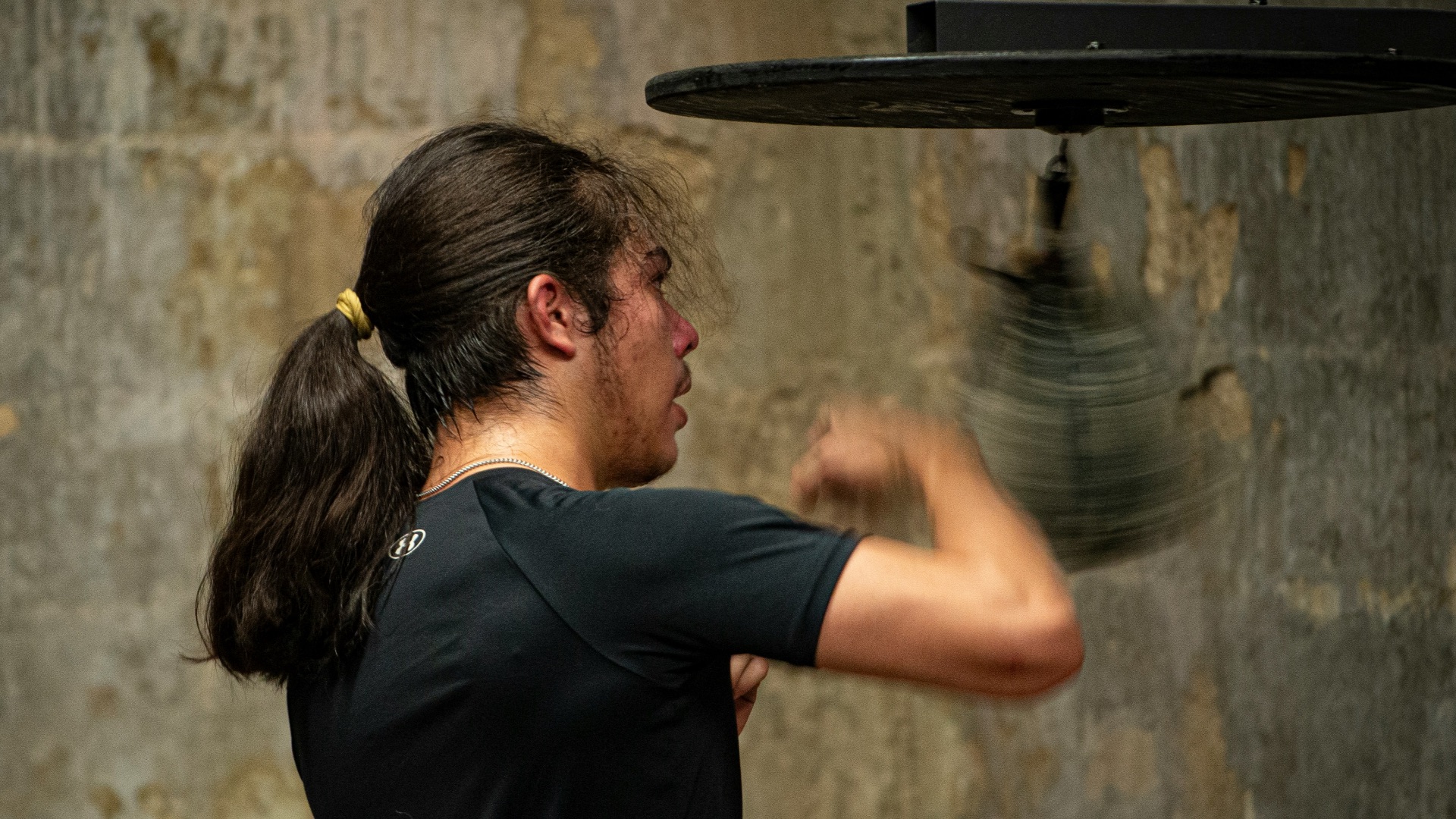
6. Use a Speed Bag
Speed bag training, commonly associated with boxing, is one of the more challenging coordination exercises you can try. Maintaining a consistent rhythm while striking the bag requires focused visual tracking and highly controlled arm movements. It takes patience to get the hang of, but the payoff in coordination and timing is significant.
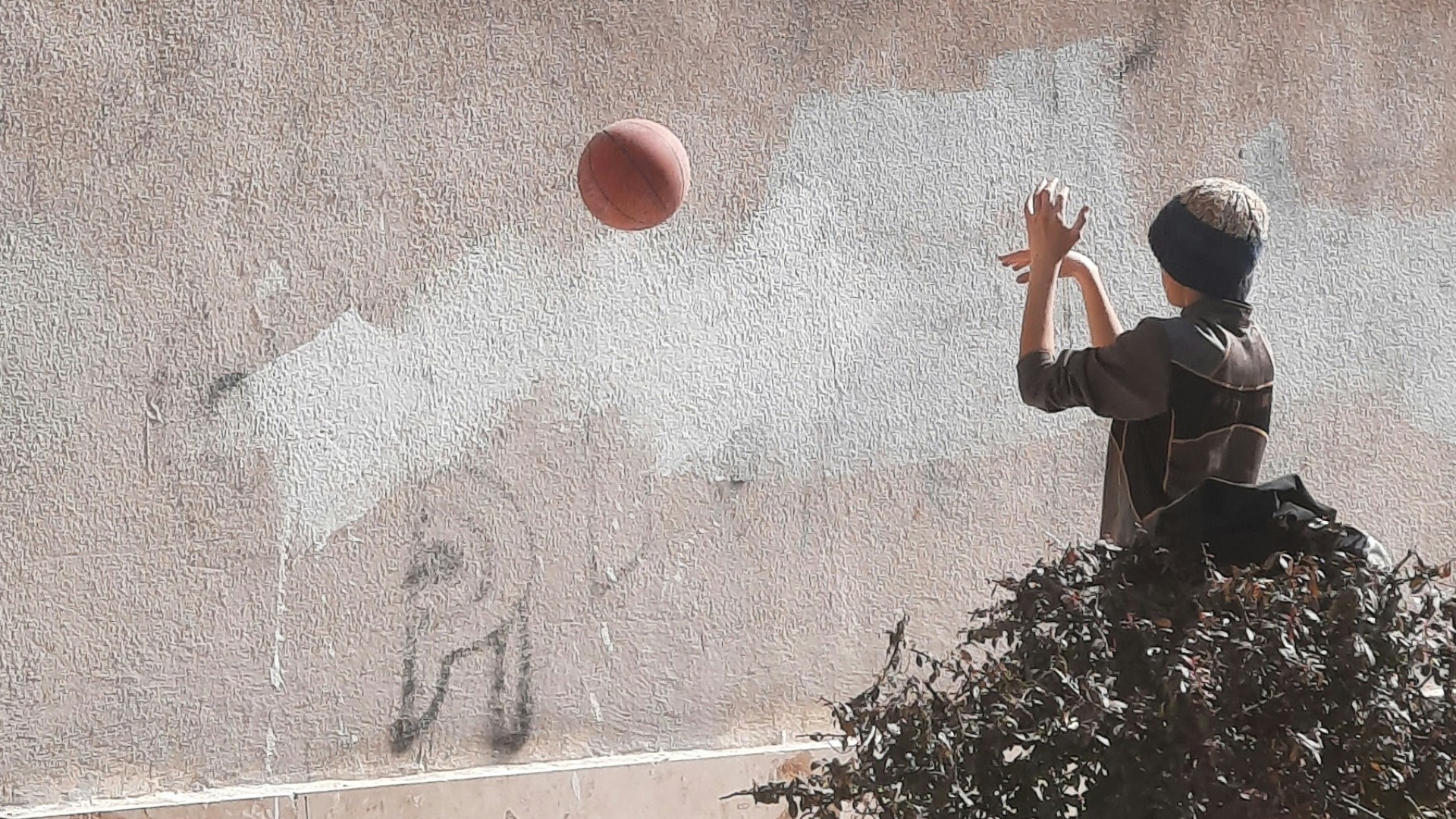
7. Catch a Ball Against a Wall
Don't have someone to play catch with? That's okay. Throwing a ball against a wall and catching it on the rebound is a simple but highly effective drill you can do almost anywhere, even alone. The unpredictability of the rebound angle keeps your eyes and hands working together to respond in real time. Increasing your distance from the wall or switching to a smaller ball will progressively raise the difficulty as you improve.
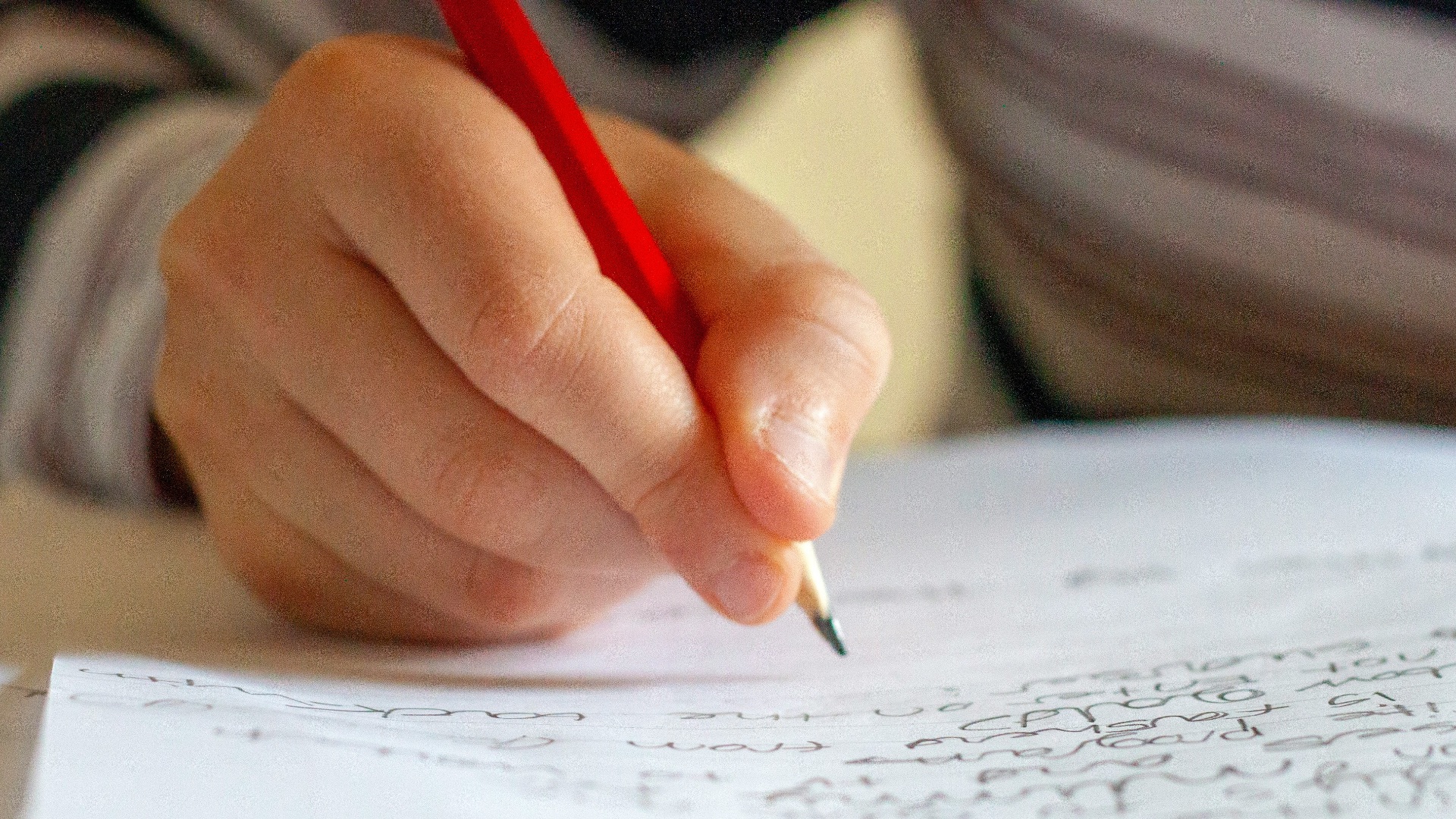
8. Learn to Write in Cursive
You might not think handwriting can boost your hand-eye coordination, but it does, and it's far more helpful than regular writing or typing. As you get more fluid, you're also able to track how your letters connect and form, which strengthens dexterity. It's a big reason why children are encouraged, and often taught, to learn how to write in cursive early.
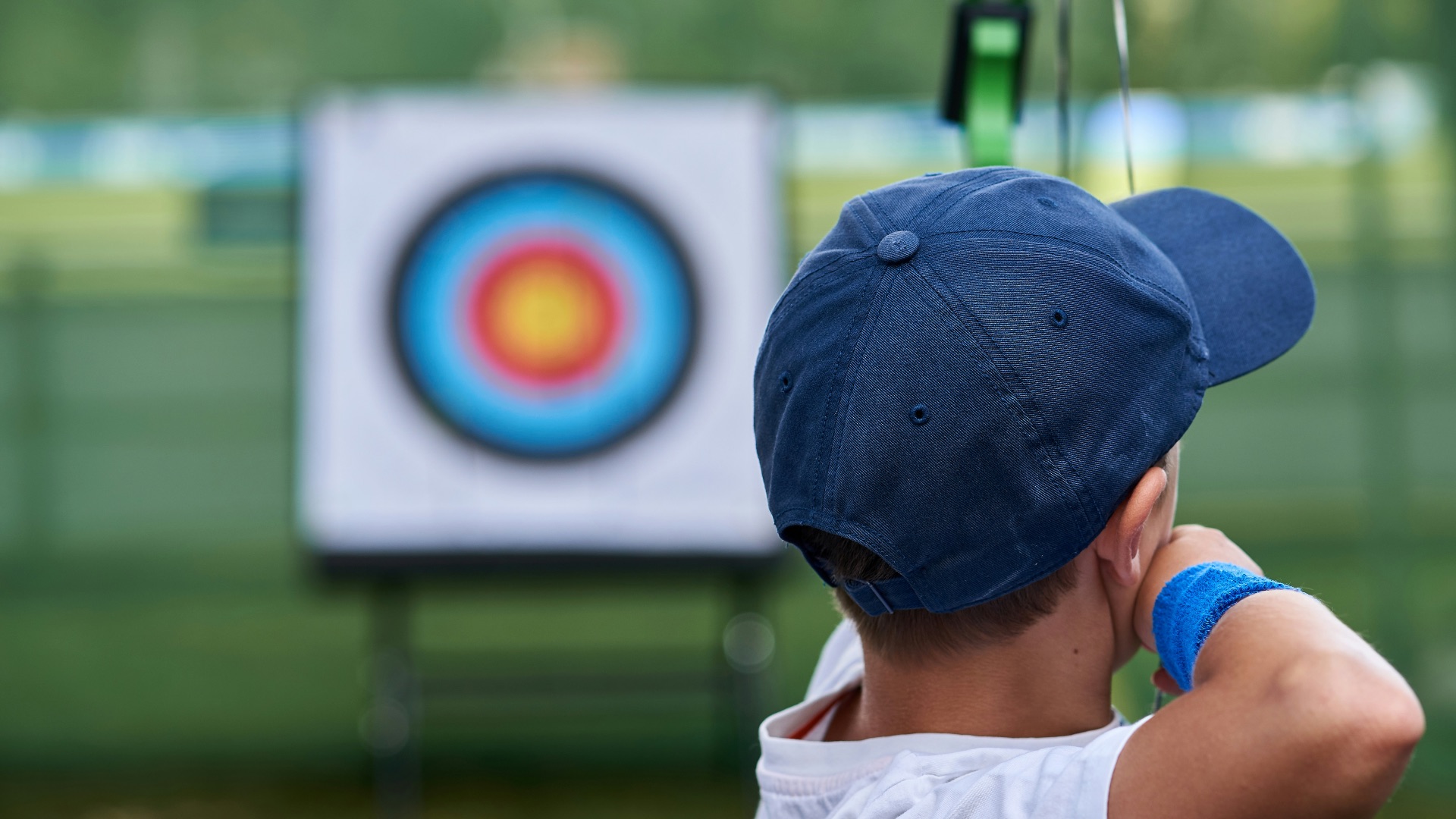
9. Try Archery
Archery demands a high level of focus and physical control, making it an excellent activity for coordination development. Aligning your sight, steadying your aim, and releasing the arrow at the right moment all require your eyes and hands to work in precise sync. Many ranges offer beginner lessons, so you don't need prior experience to show up and give it a go.
10. Play a Musical Instrument
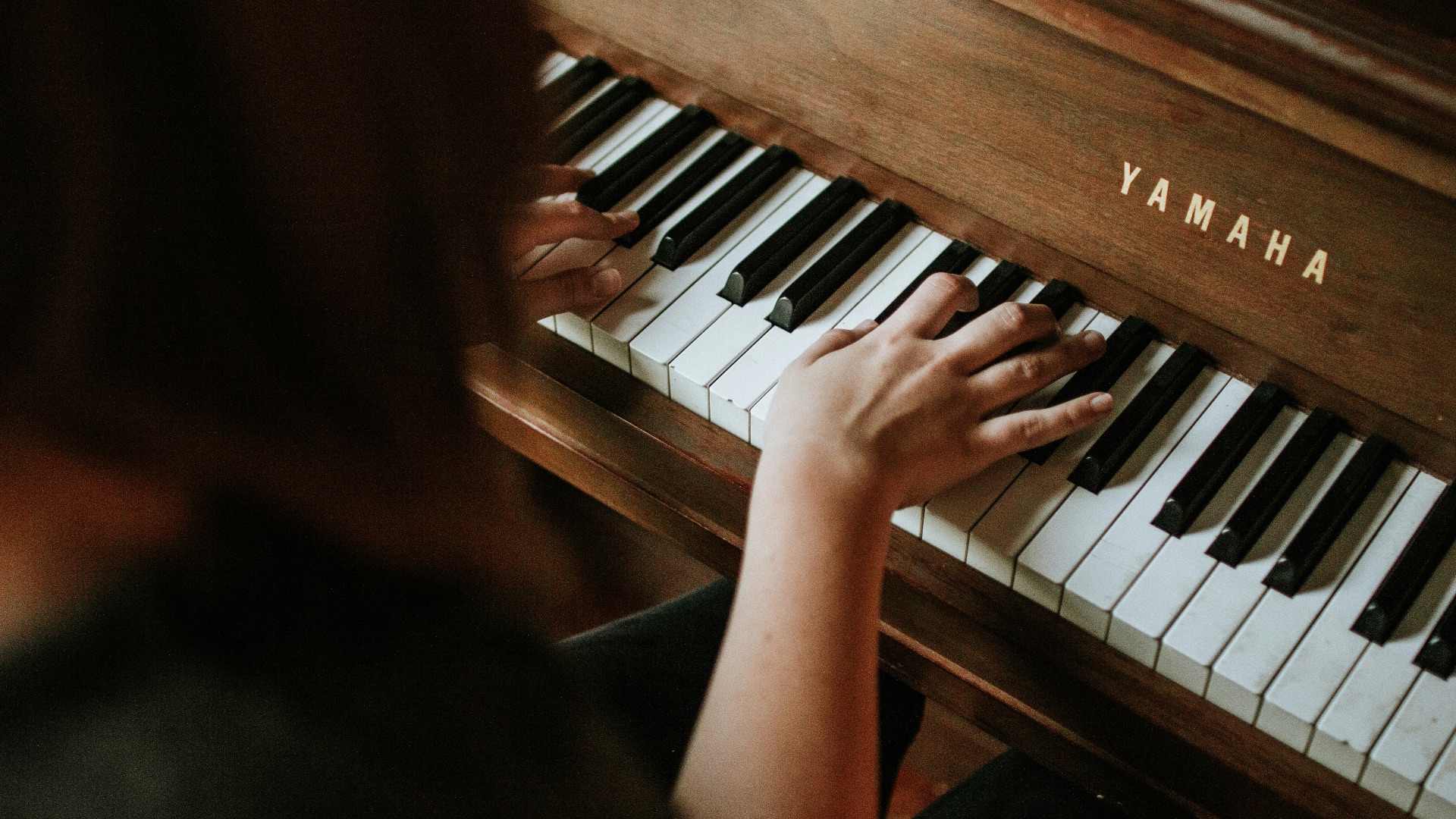
Learning an instrument, particularly piano, guitar, or drums, is one of the more rewarding ways to improve your hand-eye coordination. Reading sheet music while simultaneously controlling your fingers or hands trains your brain to process visual information and produce coordinated physical responses at the same time. Studies have also linked instrumental practice to improved fine motor skills and broader cognitive function, so the benefits go well beyond the music itself.
11. Take Up Calligraphy or Hand Lettering
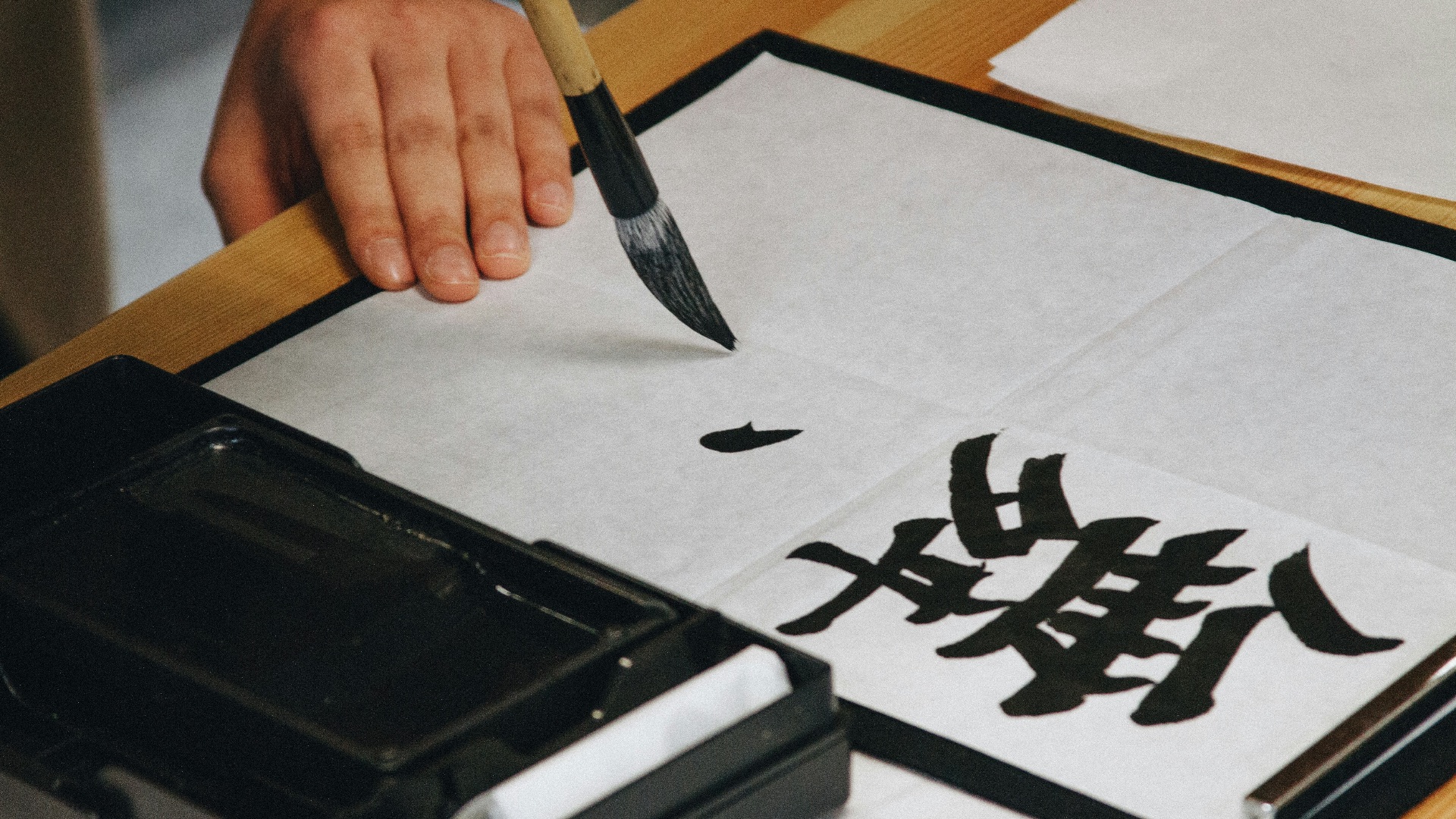
If you want to take a step up from handwriting, here's your challenge! Calligraphy and hand lettering require slow, deliberate control over a pen or brush, making them a great low-impact option for coordination training. You're constantly adjusting pressure, angle, and direction based on what you see on the page, which reinforces fine motor precision with every stroke. It's also a creative outlet, so the practice rarely feels like structured exercise.
12. Try Rock Climbing
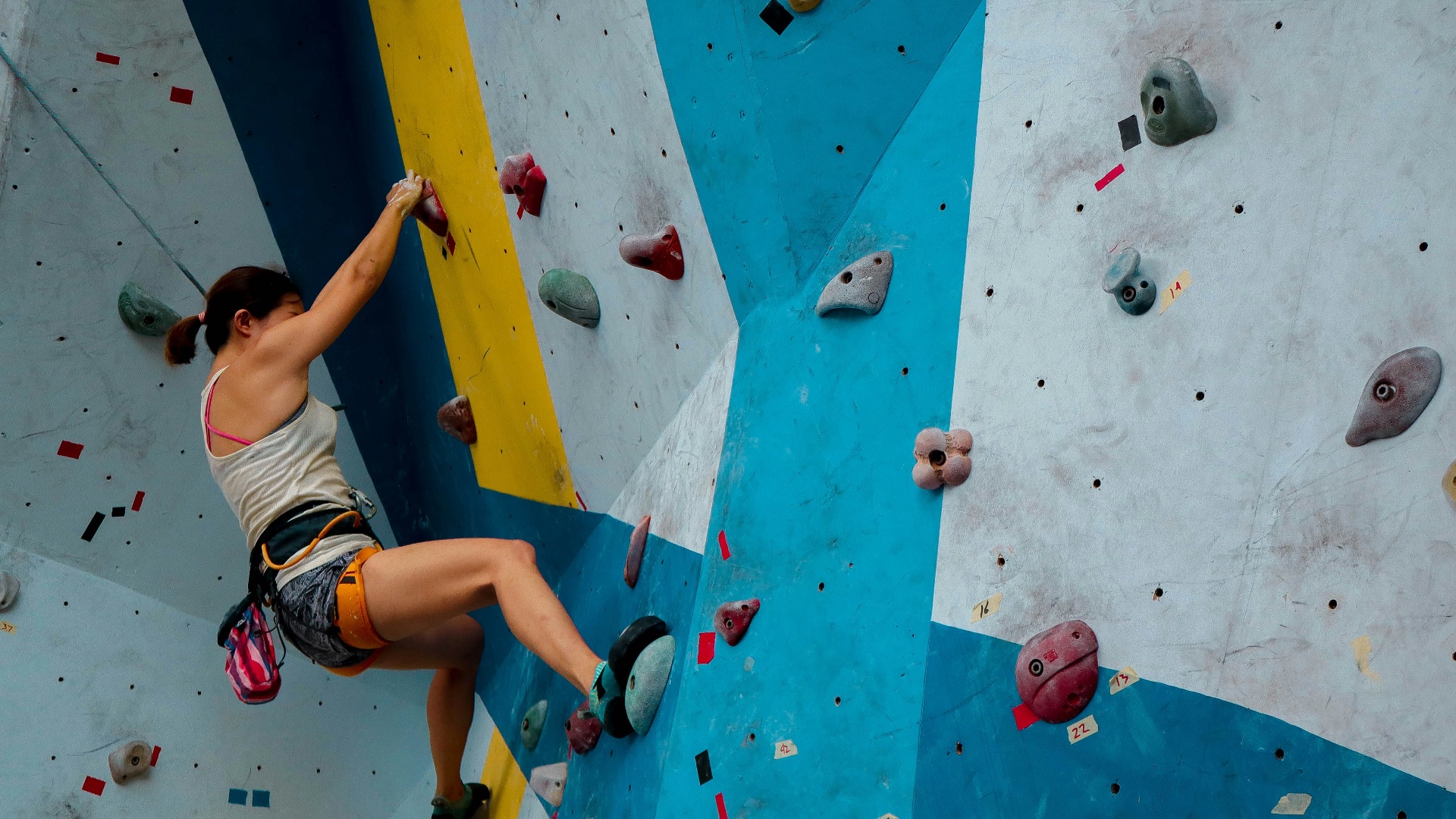
Rock climbing challenges your coordination in a full-body way by asking you to assess handholds and footholds visually before committing your weight. Each move requires your eyes and limbs to communicate accurately, especially on more technical routes where holds are smaller and spacing is less forgiving. Indoor climbing gyms are widely available and offer beginner-friendly routes for anyone new to the sport.
13. Play Darts
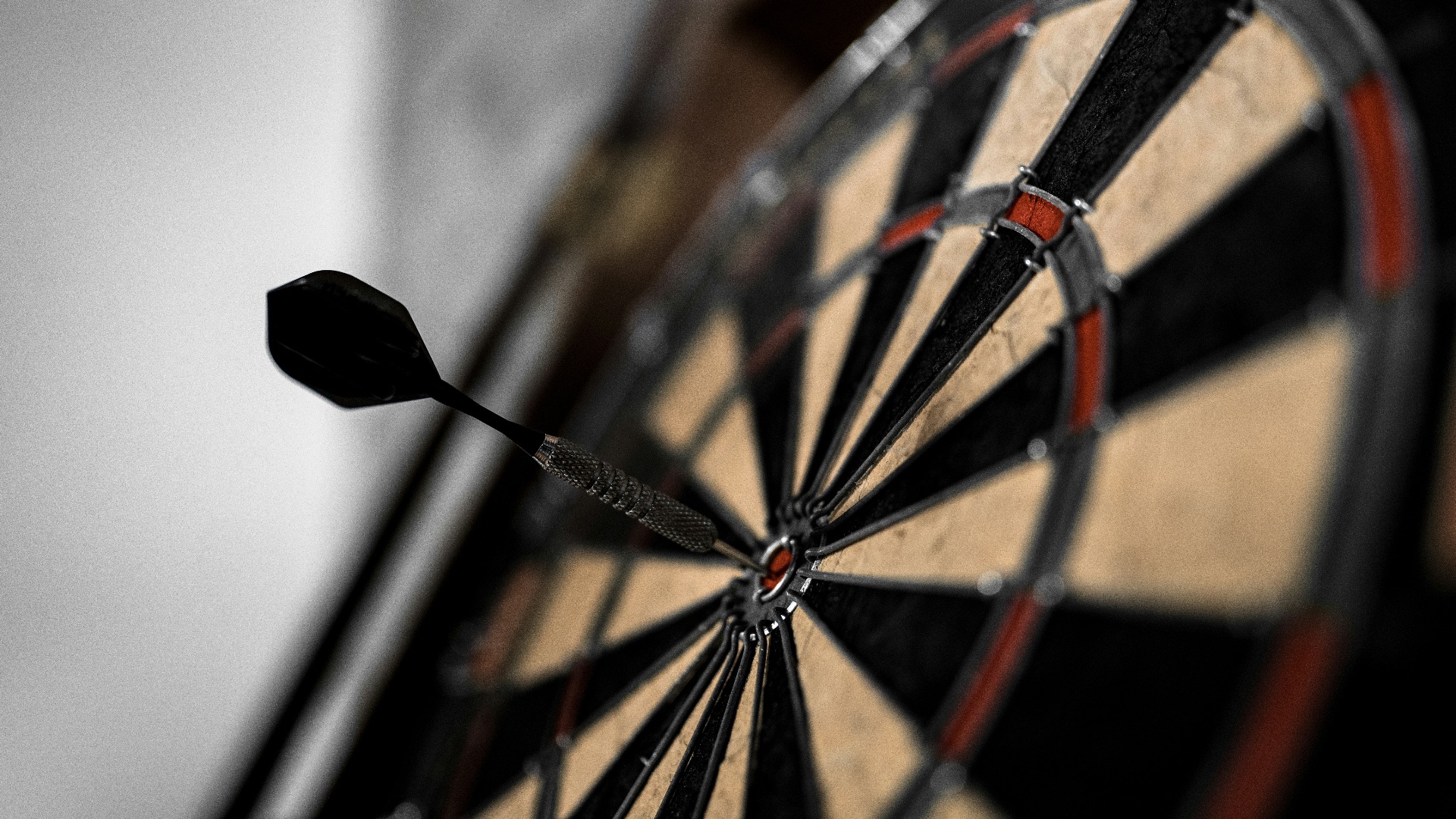
Darts is a focused, low-intensity activity that sharpens your aim and depth perception over time. The consistent repetition of lining up a target and throwing with precision trains the kind of fine, controlled movement that transfers well to other coordination tasks. It's also a social game, which makes it easy to practice regularly without it feeling like a workout.
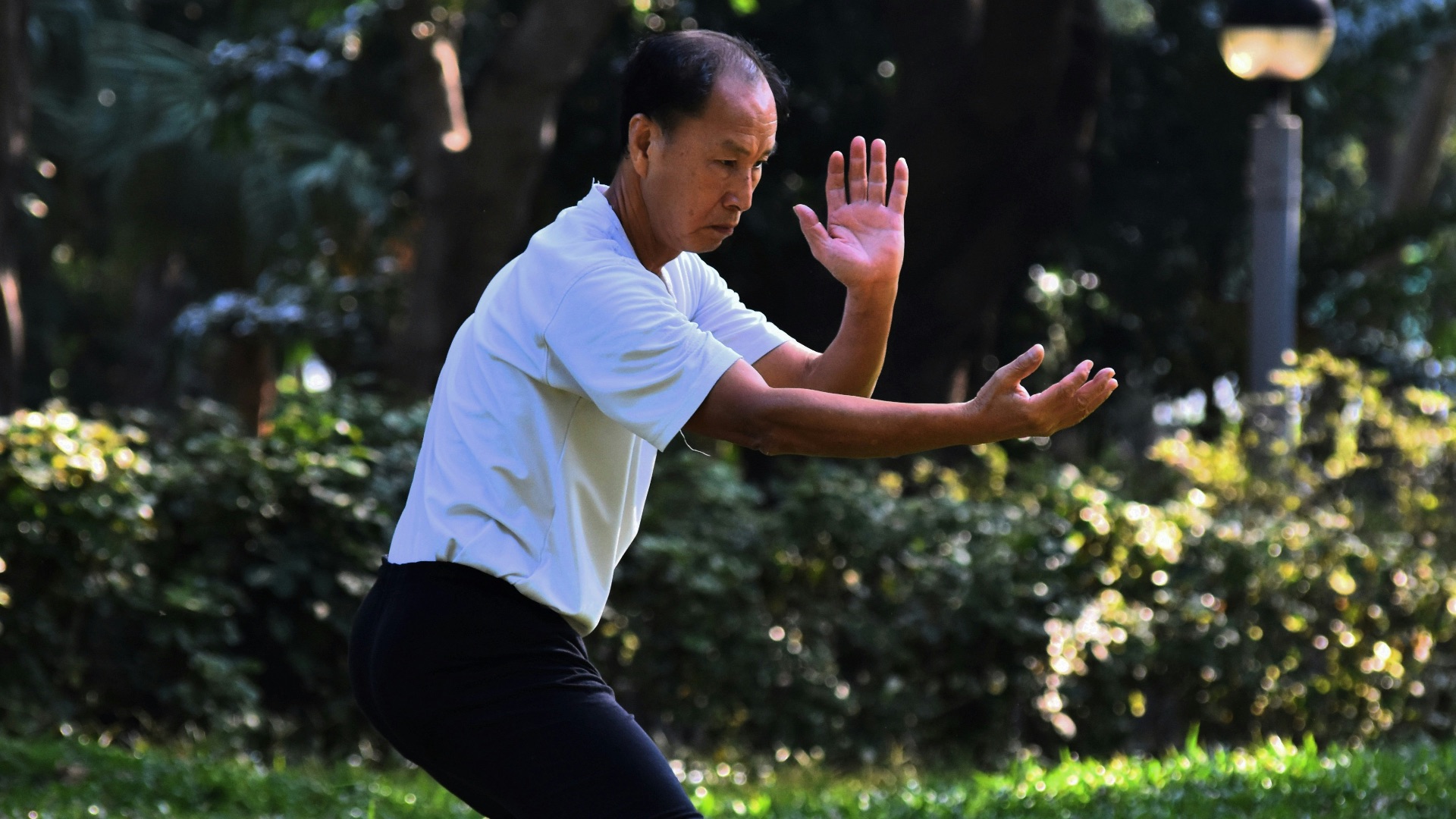
14. Try Tai Chi
Instead of giggling at the elders doing tai chi in the park, you might want to join them next time. After all, tai chi involves slow, flowing movements that demand careful awareness of where your limbs are in space at all times. It's that deliberate pace that actually intensifies the coordination challenge, since you're required to move with control and precision rather than relying on momentum to carry you through. It's particularly beneficial for older adults looking to maintain or build their coordination through low-impact activity.
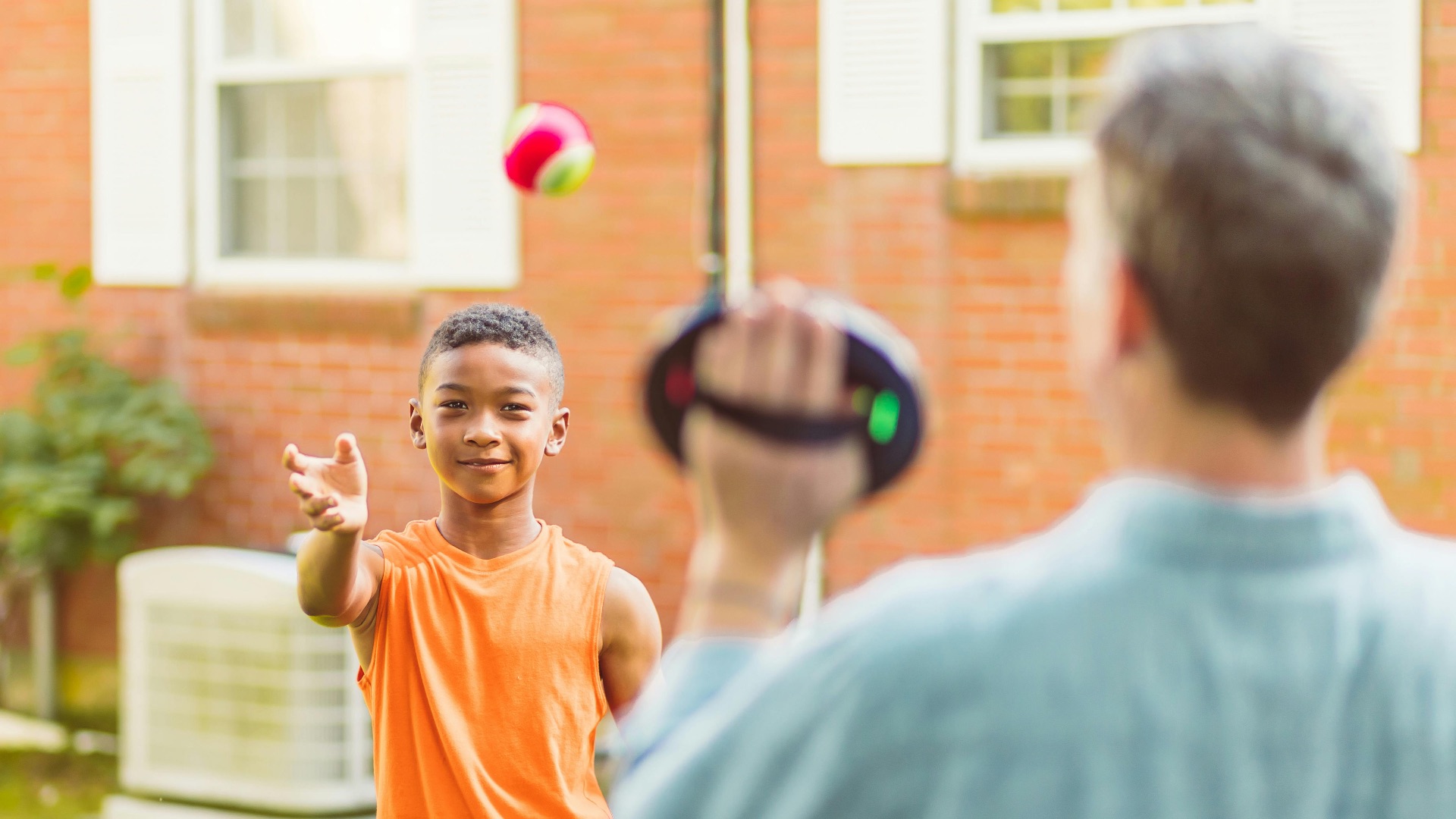
15. Play Catch
A classic for good reason, playing catch with a partner is one of the most straightforward ways to work on hand-eye coordination. Tracking a ball through the air and positioning your hands to receive it engages your visual system and motor responses simultaneously, with little equipment required. Varying the throws, whether high, low, fast, or wide, keeps it challenging and prevents the drill from becoming too routine.
16. Do Reaction Ball Drills
A reaction ball is an irregularly shaped rubber ball that bounces in unpredictable directions, making it an ideal tool for coordination and reflex training. Dropping it from chest height and catching it after the first bounce forces your eyes and hands to respond quickly to erratic movement. It's an inexpensive piece of equipment that you can use almost anywhere for a quick, effective training session.

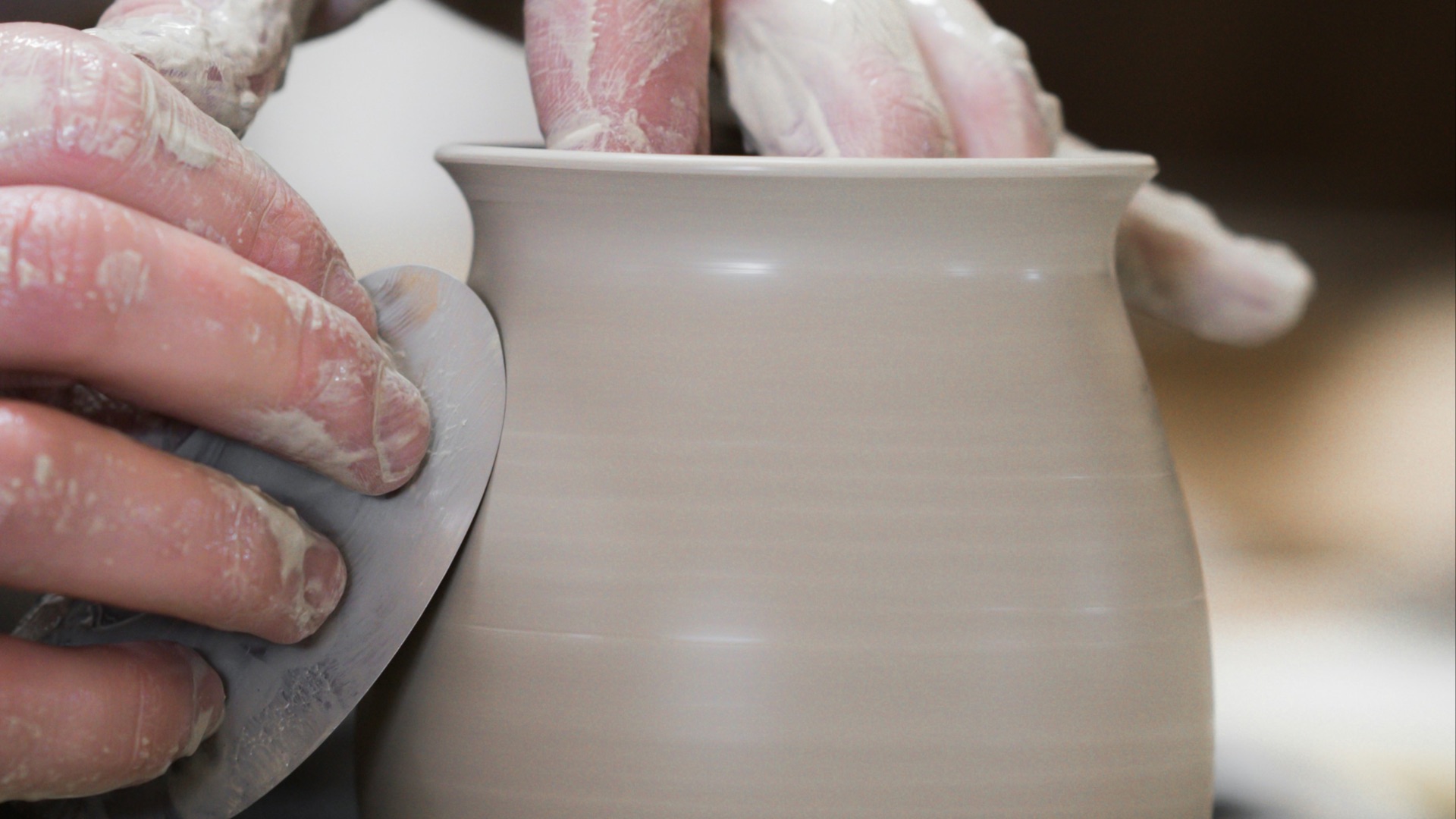
17. Take Up Pottery
Pottery might not be the first activity that comes to mind for coordination training, but it's remarkably effective for developing fine motor control. Centering clay on a wheel and shaping it requires your hands to respond constantly to both visual and tactile feedback, which builds a strong connection between what you see and what you do. The process also encourages patience and precision, both of which support better coordination over time.
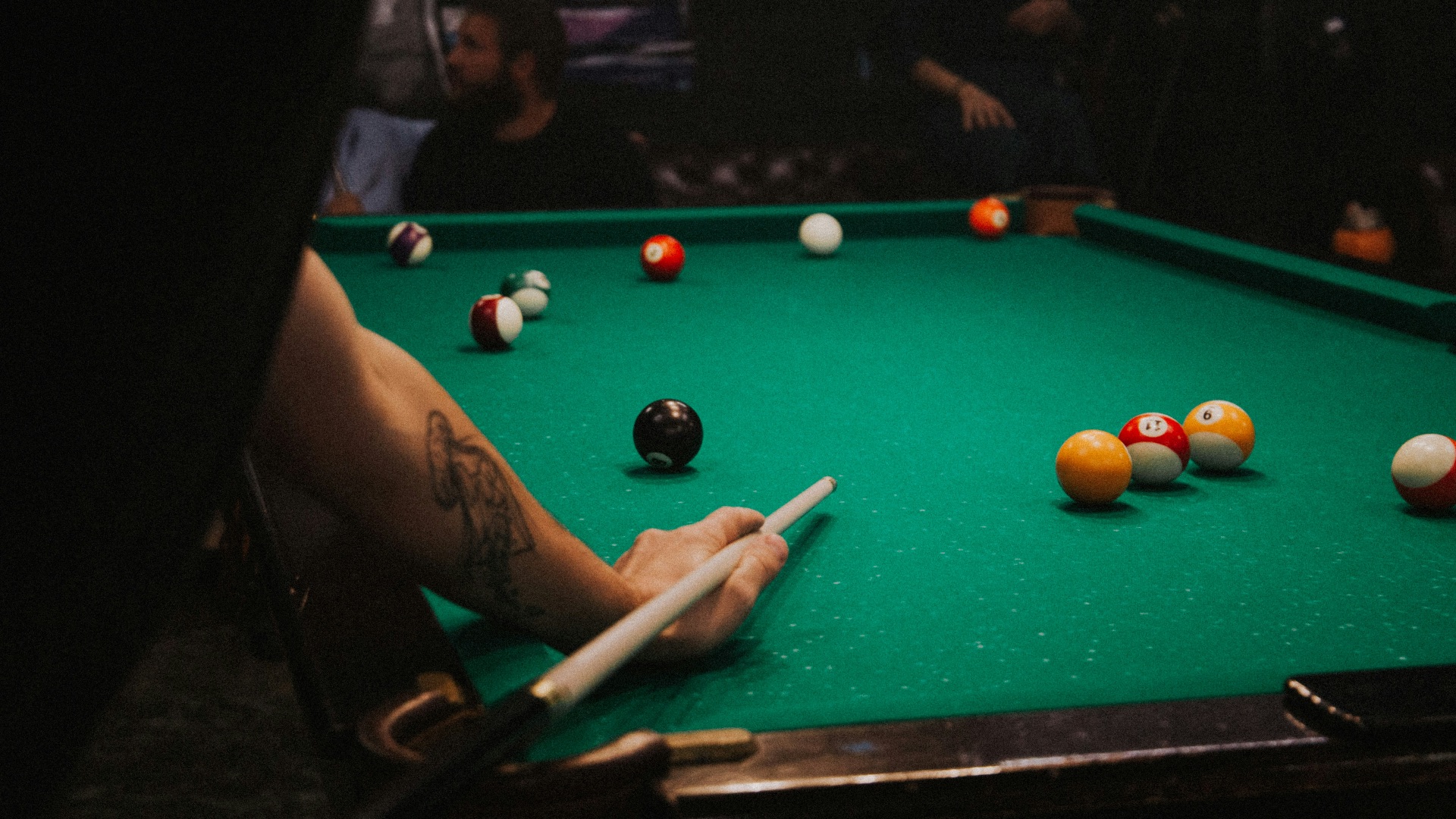
18. Play Pool or Billiards
Pool is a game built almost entirely on hand-eye coordination, requiring you to calculate angles and apply precise force with a cue. Every shot demands that your eyes assess the table accurately and your hands deliver a controlled, accurate stroke in response. Regular play strengthens both your spatial reasoning and your ability to translate visual judgment into consistent physical movement.
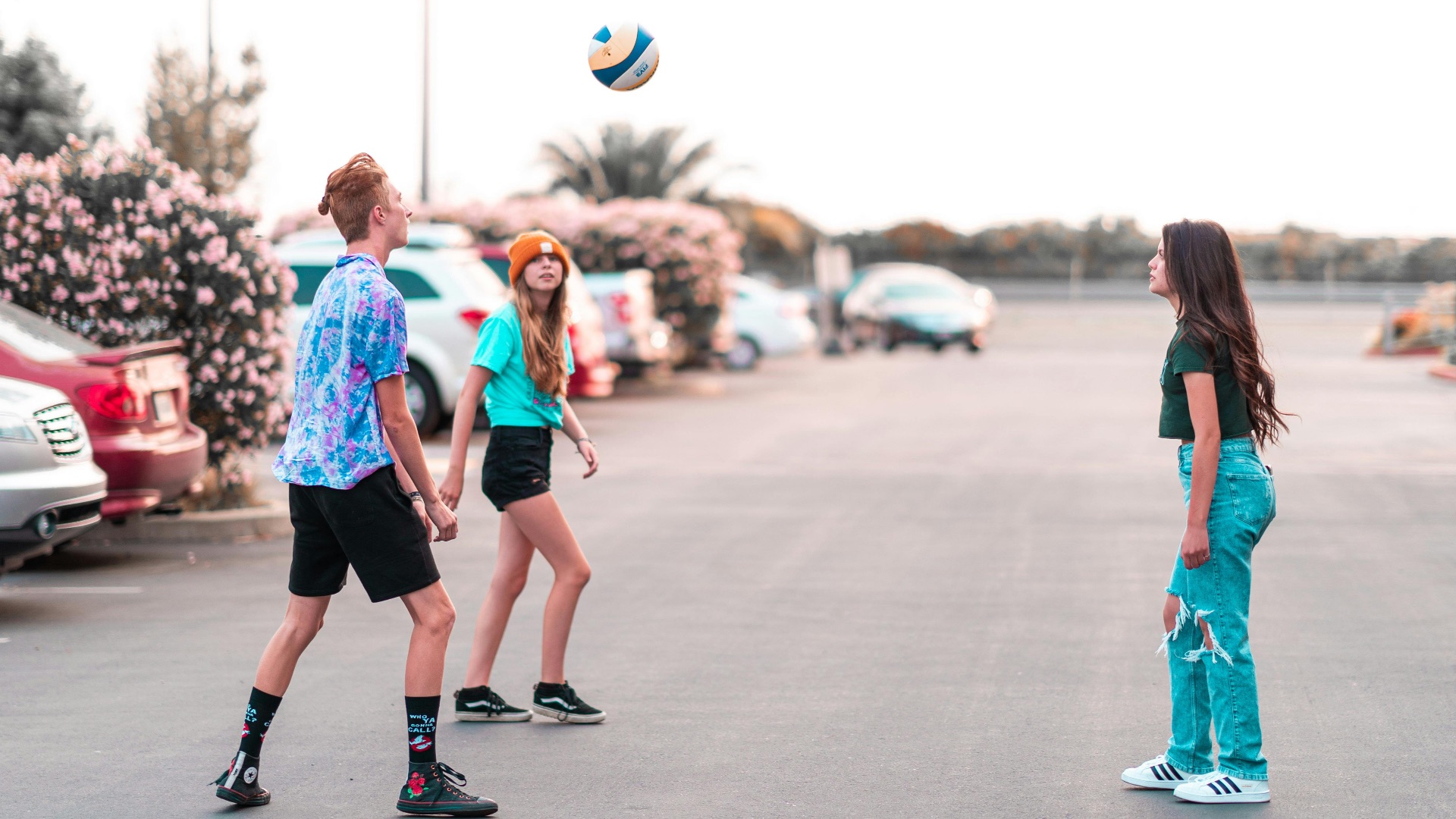
19. Try Hacky Sack or Footbag
While it primarily involves your feet rather than your hands, hacky sack is a fun and effective way to develop full-body coordination and spatial awareness. Keeping the bag in the air requires constant visual tracking and rapid, precise responses from your lower body. It's an easy activity to pick up with friends and can be done in any open outdoor space with no equipment cost beyond the bag itself.
20. Practice Drawing or Sketching
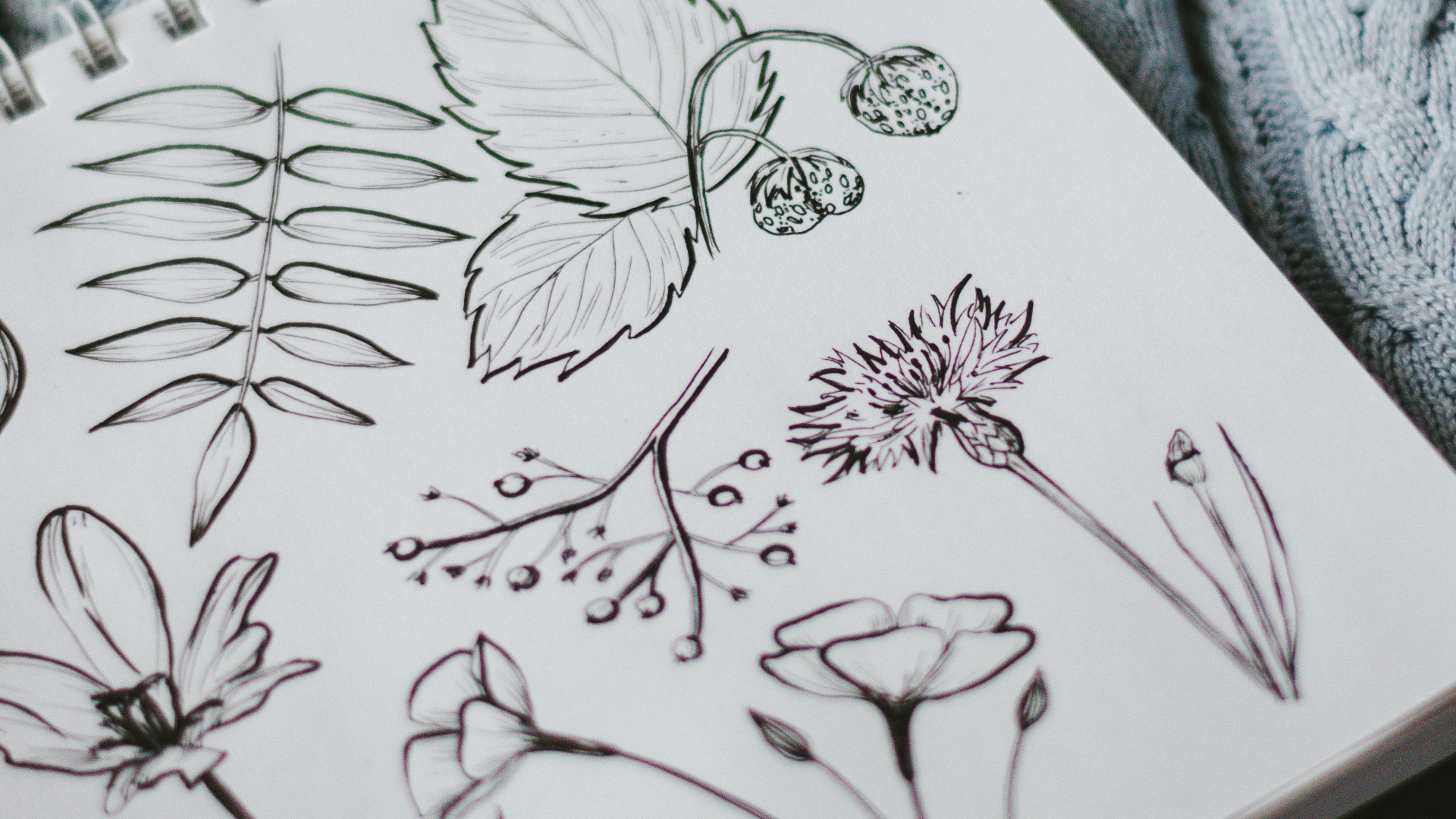
Drawing from observation is a coordination activity that's often underestimated in its physical demands. Translating what your eyes see onto paper requires a continuous feedback loop between visual input and hand movement, which trains fine motor precision in a meaningful way. Starting with simple still-life subjects and gradually working toward more complex compositions gives you a clear path for steady progression.
KEEP ON READING

10 Pre-Workout & 10 Post-Workout Tips To Follow