Invisible Roommates
You might think of your home as a total sanctuary, but some of the everyday items sitting on your shelves could be acting like uninvited guests at a dinner party. Many common products contain chemicals known as endocrine disruptors that can subtly mess with your body's natural signaling system. While you don't need to live in a bubble, being aware of these hidden influencers helps you make small changes that keep your internal rhythm humming along smoothly.
 Rebecca Peterson-Hall on Unsplash
1. Scented Candles
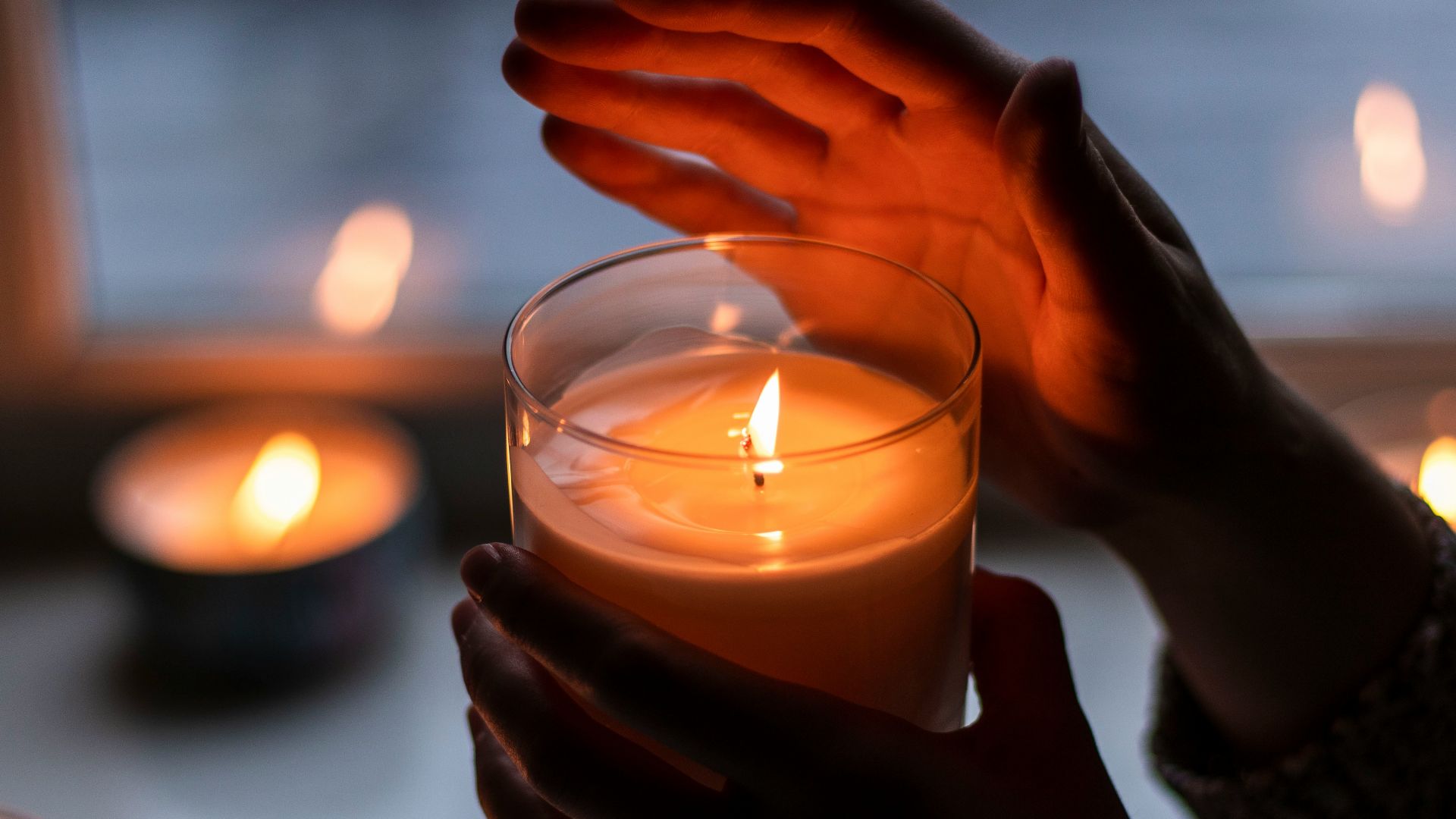
Ever since they were invented, scented candles have been known to emit chemicals called phthalates into the air when lit. Phthalates are often added to fragrances to help them last longer, but they’ve also been found to disrupt reproductive development. Trade your paraffin candles for beeswax or soy varieties that use essential oils for fragrance.
2. Plastic Food Containers
Heating up leftovers in those old plastic tubs can cause Bisphenol A, or BPA, to leach directly into your meal. This particular compound mimics estrogen in your body and can throw your natural hormonal balance out of whack over time. Investing in some sturdy glass or stainless steel containers is a smart way to ensure your food stays exactly the way you intended it.

3. Non-Stick Frying Pans
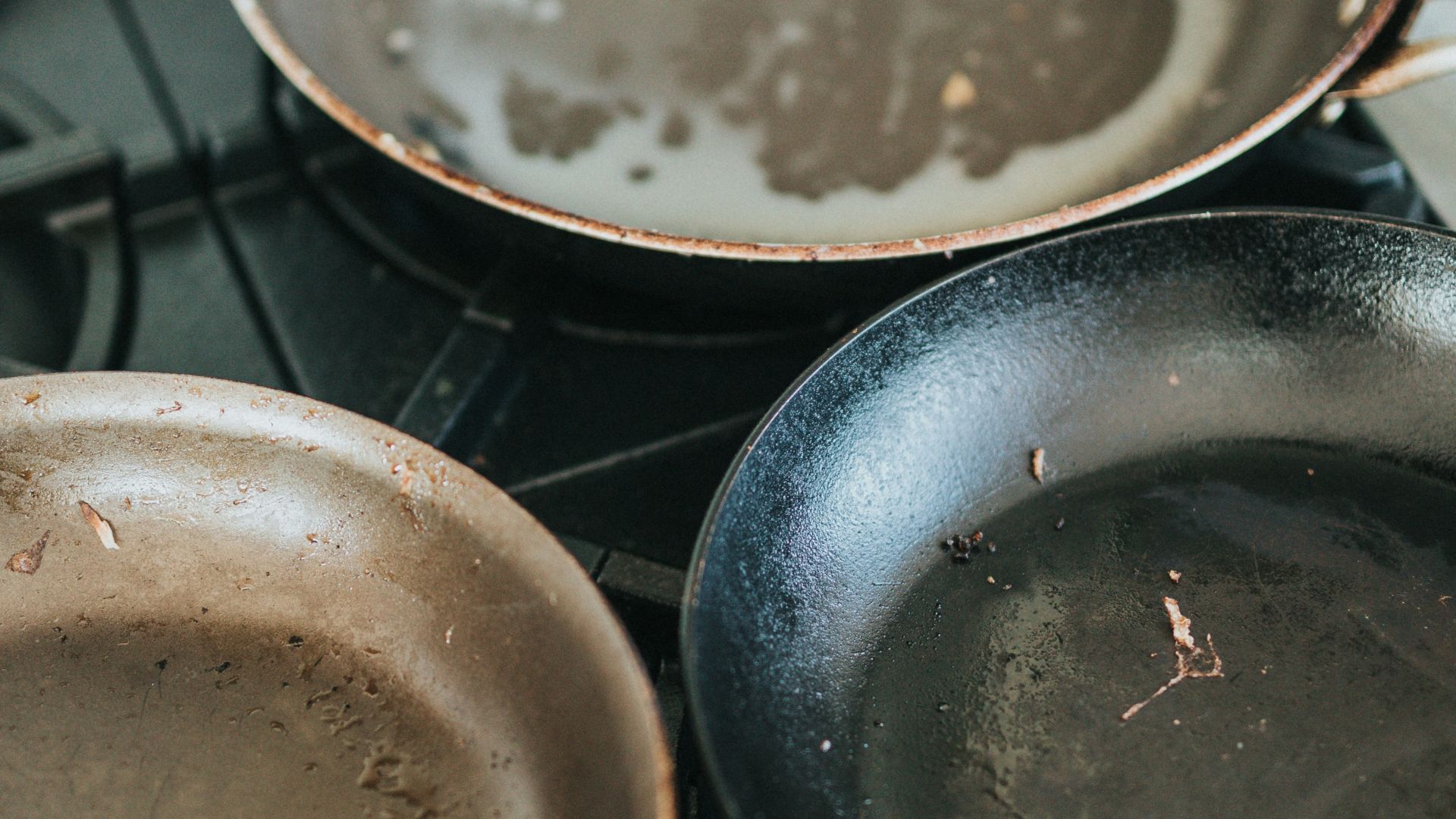
Achieving that perfect non-stick frying pan surface often requires chemicals called perfluorinated compounds, which can linger in the environment for years. When overheated, these pans can even emit harmful vapors that may disrupt your thyroid. Replace them with stainless steel or cast iron skillets instead.
4. Antibacterial Soaps
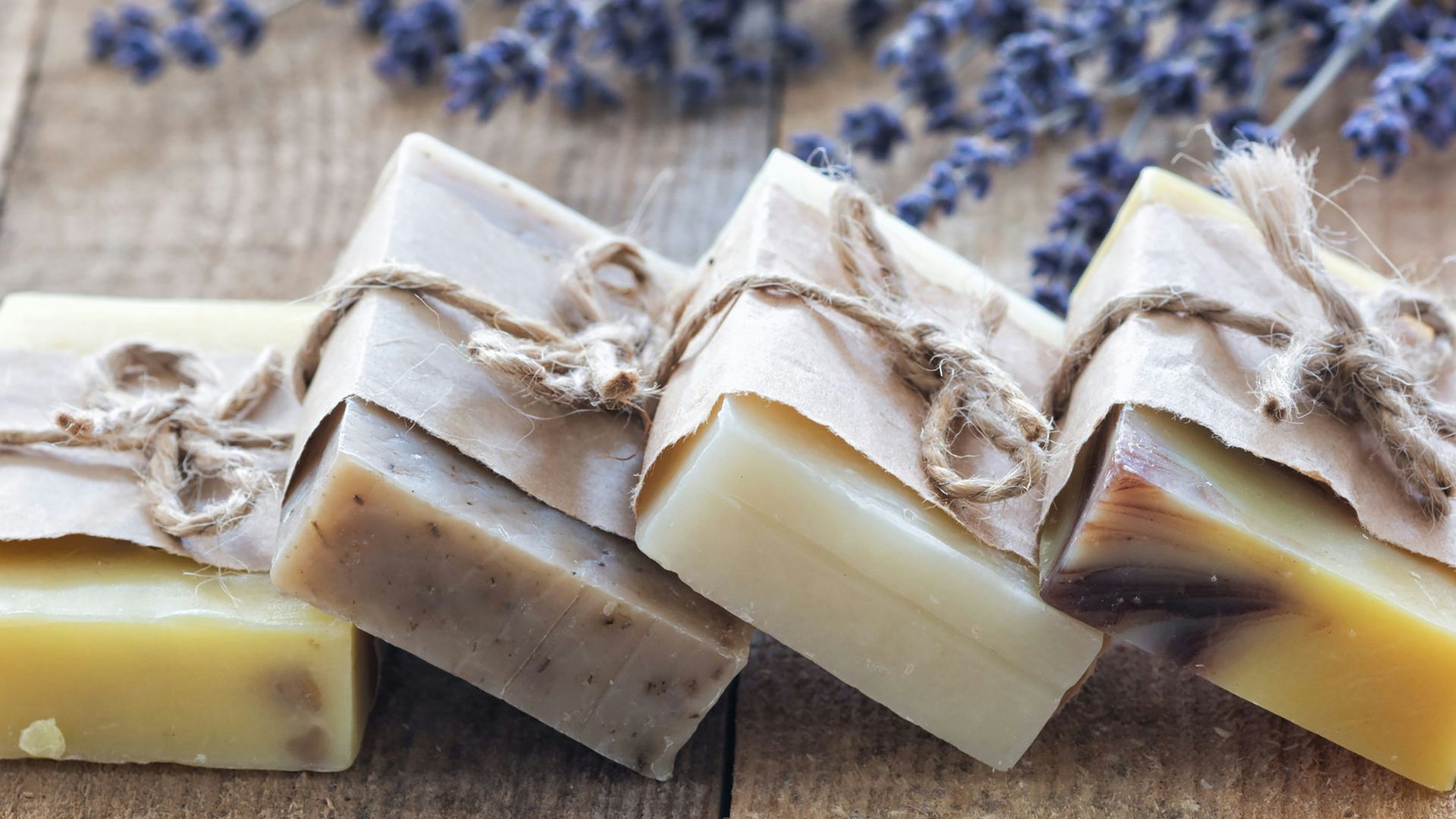
For a long time, we thought adding triclosan to hand wash was the best way to stay clean, but it turns out this ingredient can disrupt thyroid hormones. Even though it's been restricted in some areas, it still pops up in various consumer goods like toothpaste or kitchenware. Plain old soap and water are actually just as effective for hygiene without unnecessary hormonal interference.
5. Vinyl Shower Curtains
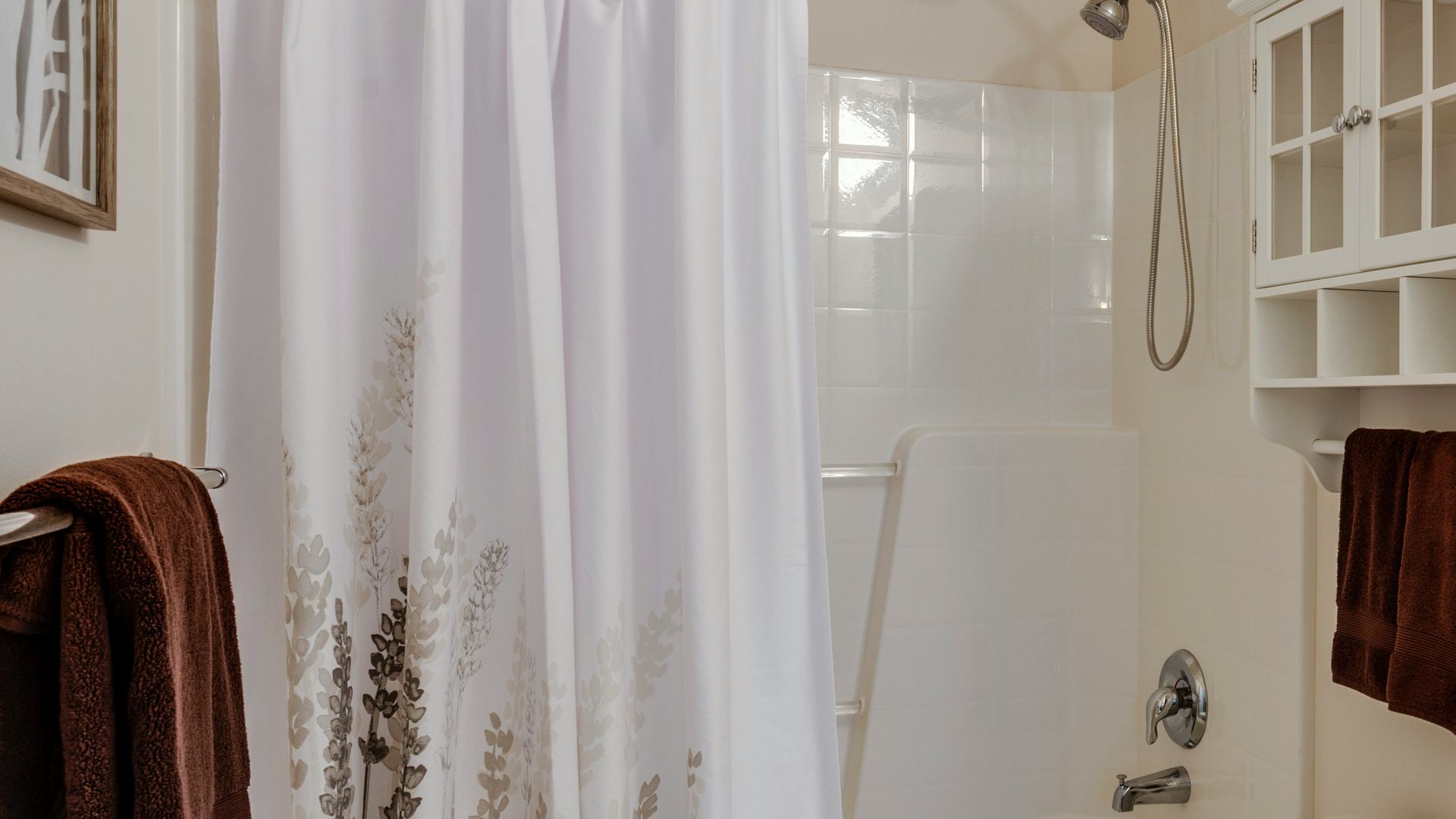
The familiar smell of a new shower curtain is actually vinyl releasing volatile organic compounds and phthalates into the air. Showers create heat and steam, which can accelerate this process, so chances are you're inhaling them as you shower. Hang up a cotton or hemp shower curtain instead.
 Francesca Tosolini on Unsplash
6. Thermal Paper Receipts
It's surprising to learn that the shiny coating on most cash register receipts is often made of BPA that absorbs through your skin. Handling these frequently can lead to higher levels of the chemical in your system than you might expect from such a small slip of paper. You can usually skip the physical copy or ask for a digital version to keep your hands clean and your hormones stable.

7. Fabric Softener Sheets
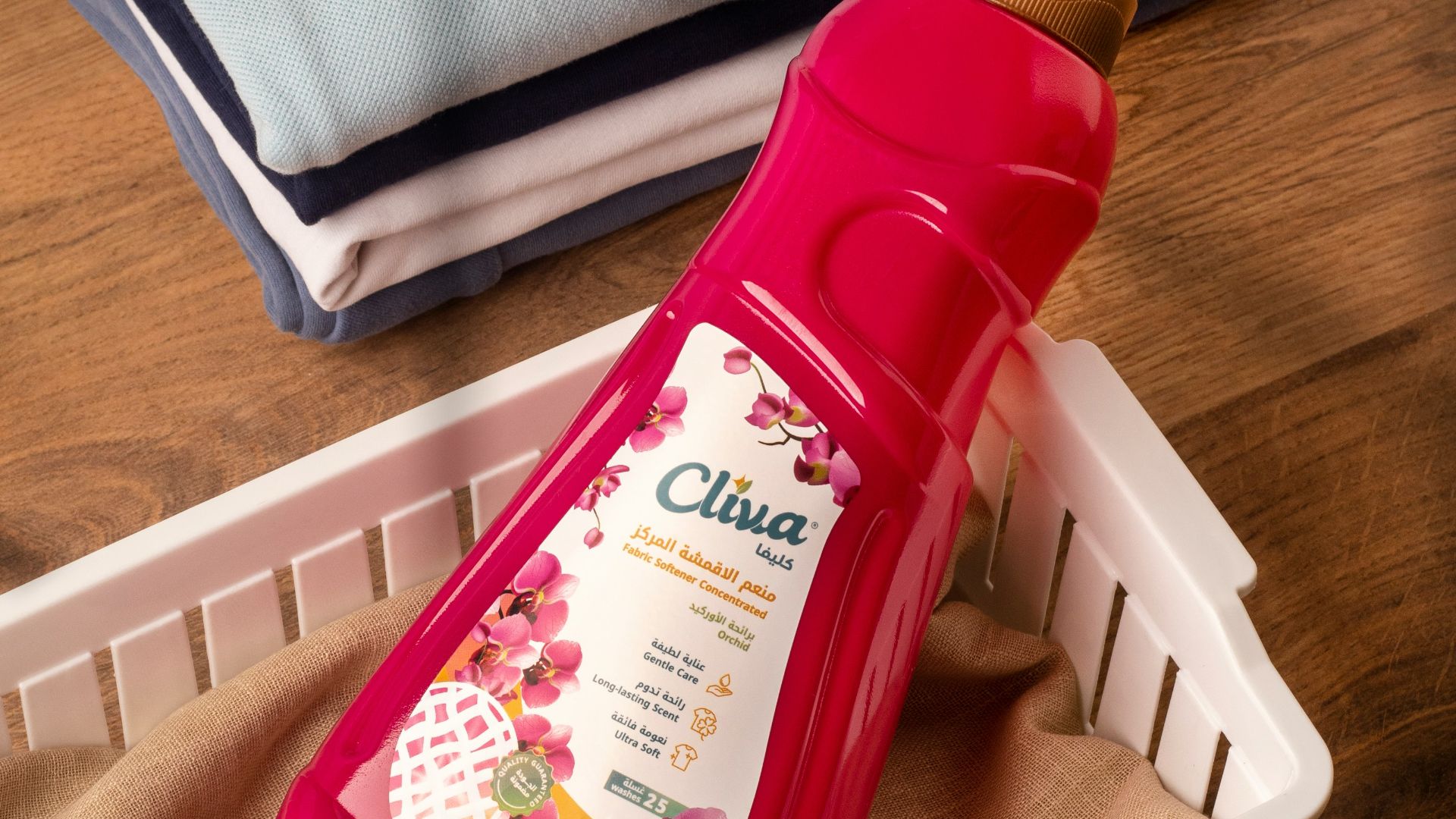
Although tossing a dryer sheet in with your clothes may make them feel nice and cozy, they’re actually coating your clothes in chemicals. Fragrances and quaternary ammonium compounds found in these sheets can mimic hormones and stick to your clothes all day. Throw some wool dryer balls in with your laundry instead.
 MOHAMMED Al-Sharabi on Unsplash
8. Canned Foods
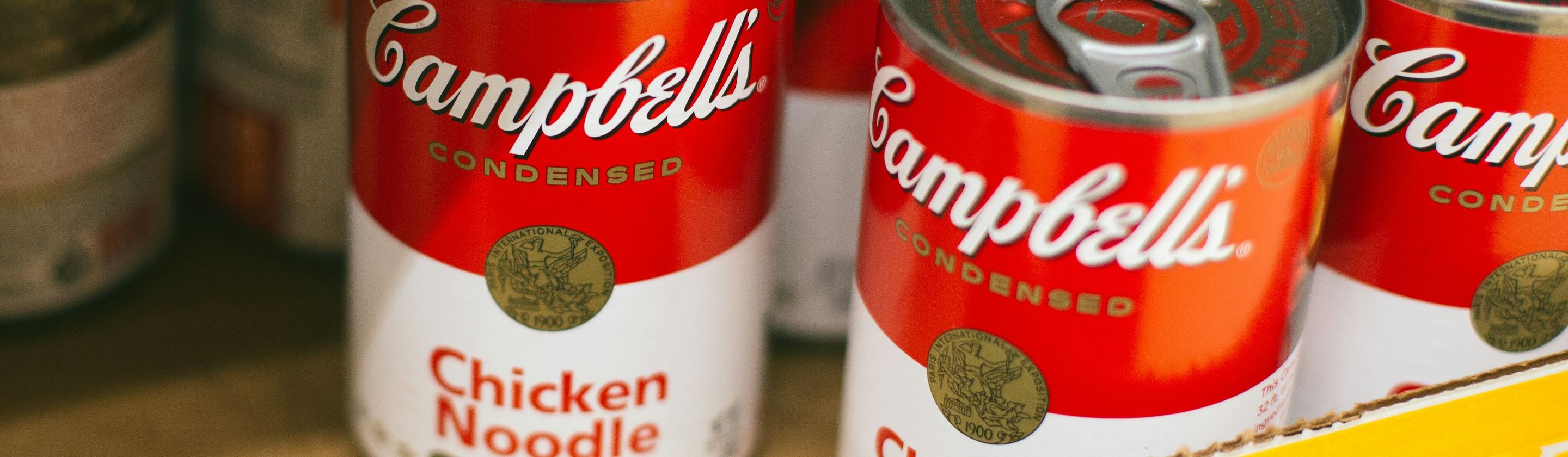
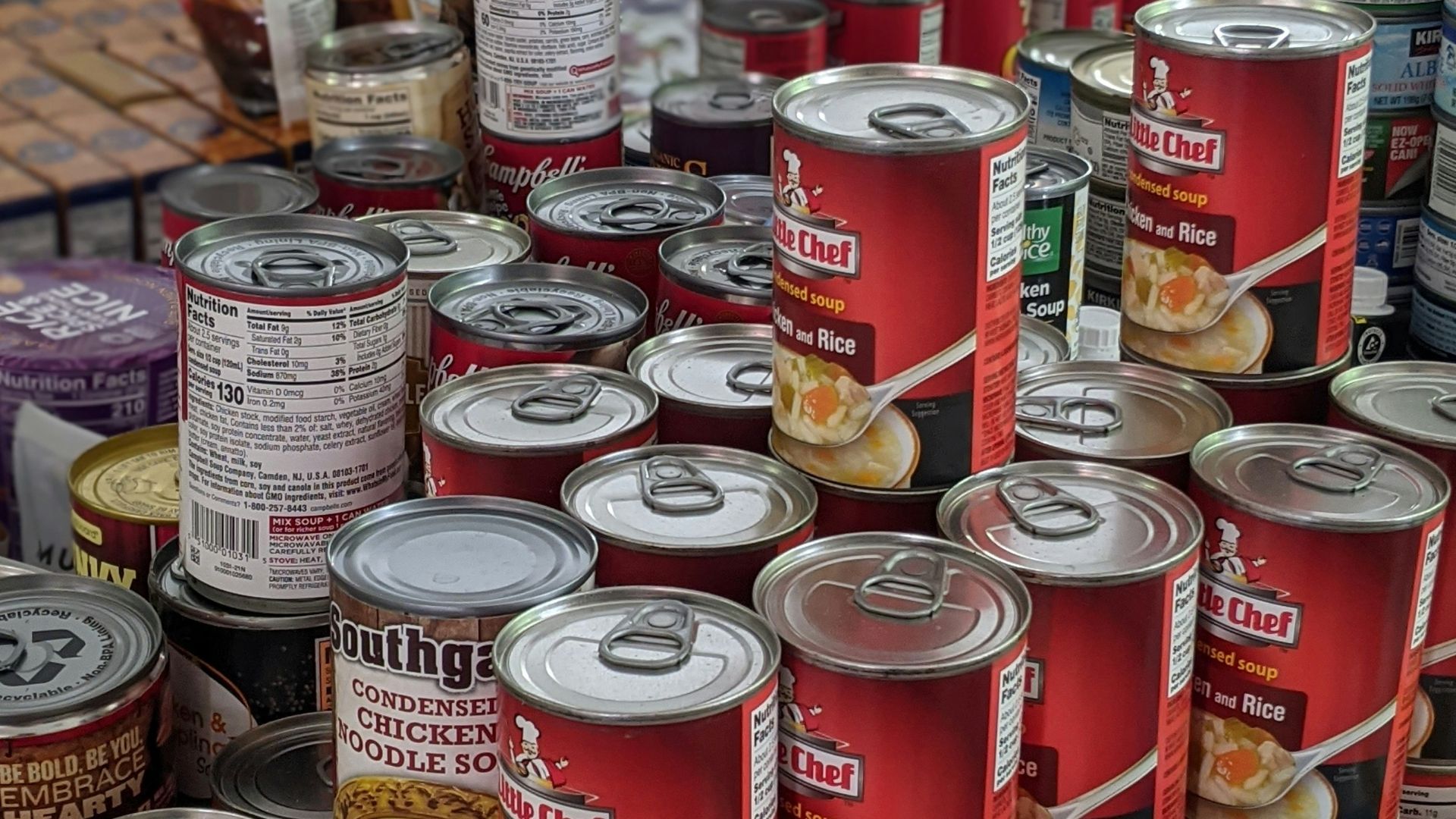
Many aluminum cans are lined with a resin that contains BPA to prevent the metal from corroding into the food. Acidic foods like tomatoes are especially good at drawing these chemicals out of the lining and into your meal. Whenever you can, try to buy your beans or sauces in glass jars or cardboard cartons to avoid that extra layer of exposure.
9. Conventional Perfumes
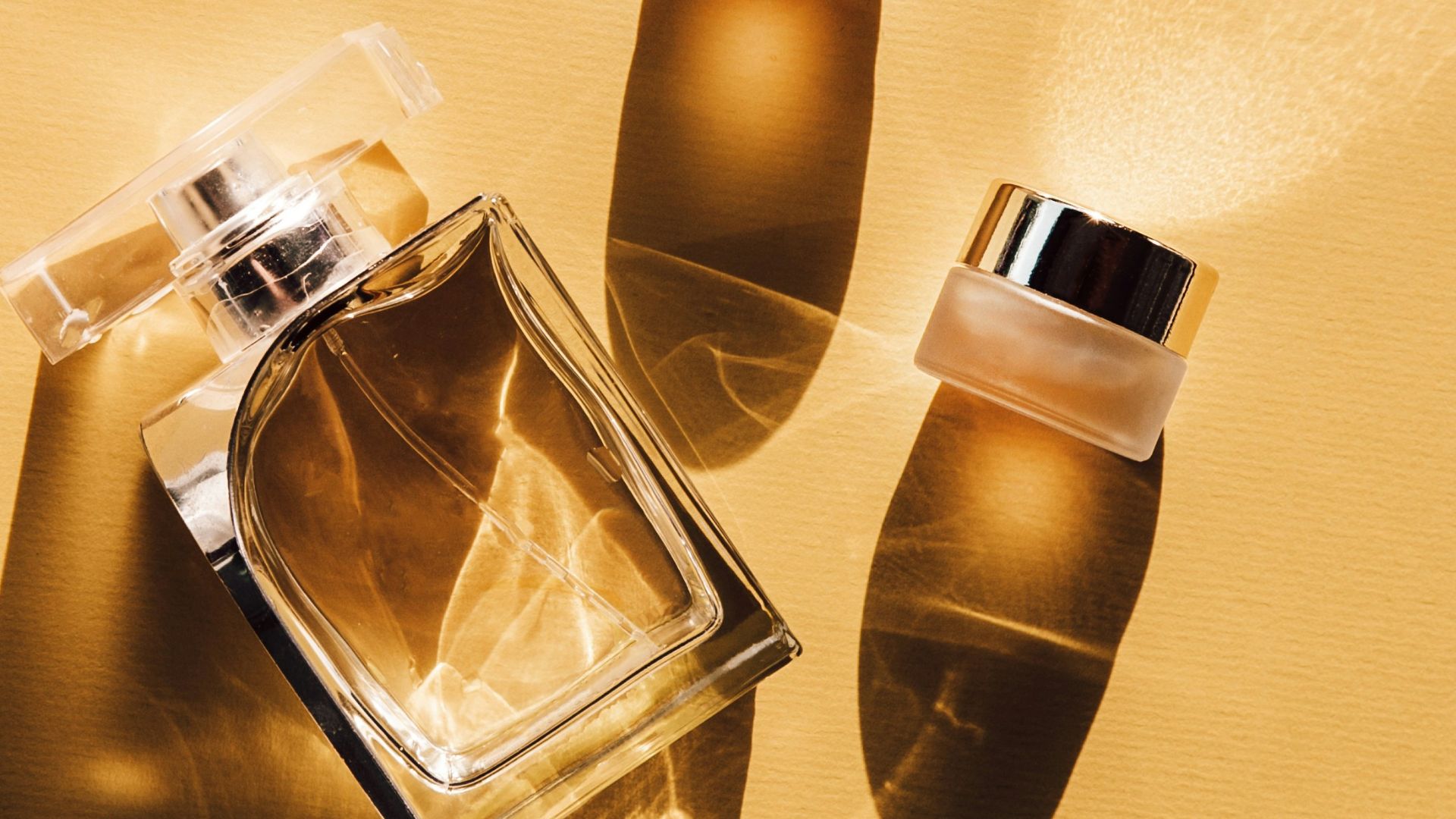
That signature “fragrance” you spray on your body every morning could be hiding unknown chemicals, including endocrine disruptors. Not only will spraying perfume apply them directly to your skin, but these chemicals can linger in your body for a long time. Try single-note essential oils or finding perfume brands that list all their ingredients.
10. Stain-Resistant Carpets
Treatments used to keep your rugs from absorbing spills often rely on the same fluorinated chemicals found in non-stick cookware. These compounds can break down over time and turn into household dust that you or your pets might accidentally inhale. Regular vacuuming with a HEPA filter is a great way to manage this, but choosing natural fiber rugs like wool or jute is even better for the long term.

11. Garden Pesticides
If you're trying to keep your lawn looking perfect, you might be using sprays that contain atrazine or other chemicals known to impact hormone levels. These substances can easily be tracked into your house on your shoes or find their way into your local water supply. Embracing a more organic approach to gardening helps protect local bees and keeps your home's perimeter a bit safer.

12. Synthetic Air Fresheners
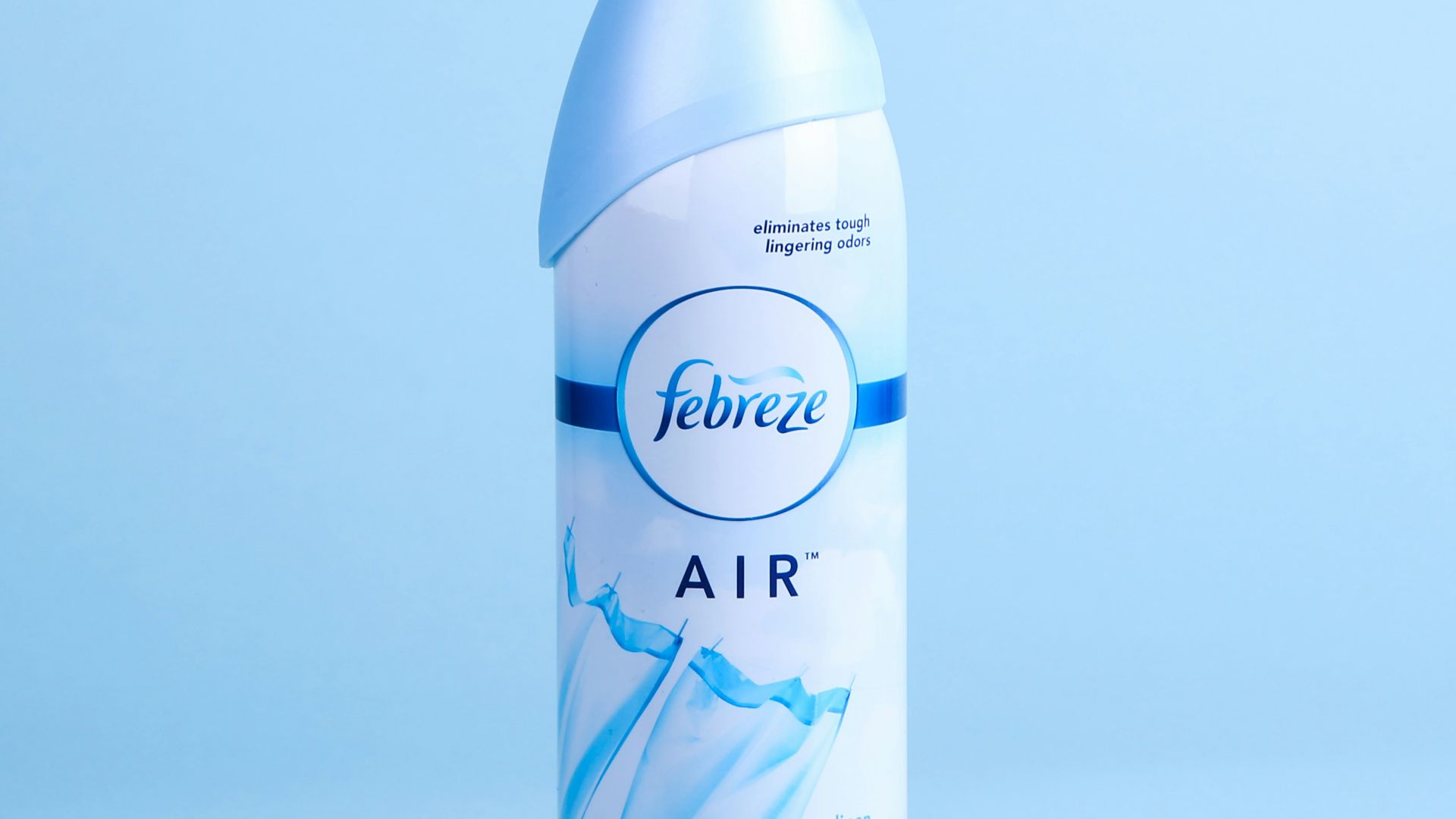
Instead of masking odors like natural ventilation would, plug-in air fresheners continuously mist your room with phthalates. This means you never get a break from the chemicals they emit. Try opening a window for five minutes or using a bag of charcoal instead.
13. Flame Retardants in Furniture
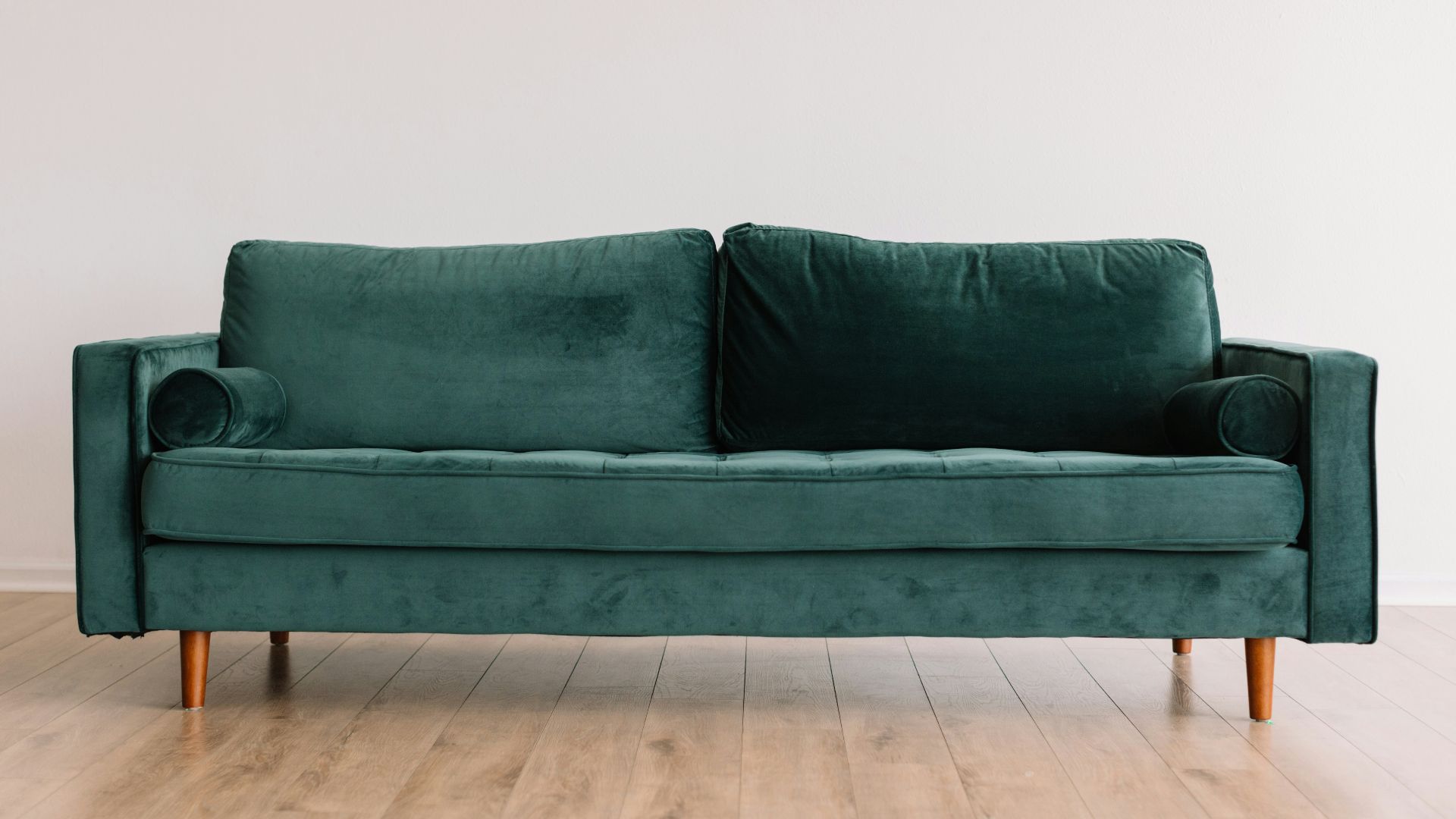
The foam inside many older couches and mattresses was treated with polybrominated diphenyl ethers to meet fire safety standards. As the foam breaks down, these chemicals escape into the air and have been shown to interfere with thyroid signaling. Looking for furniture labeled as "flame-retardant-free" ensures you're lounging on materials that are a bit more aligned with your health goals.
 Phillip Goldsberry on Unsplash
14. Aluminum Deodorants
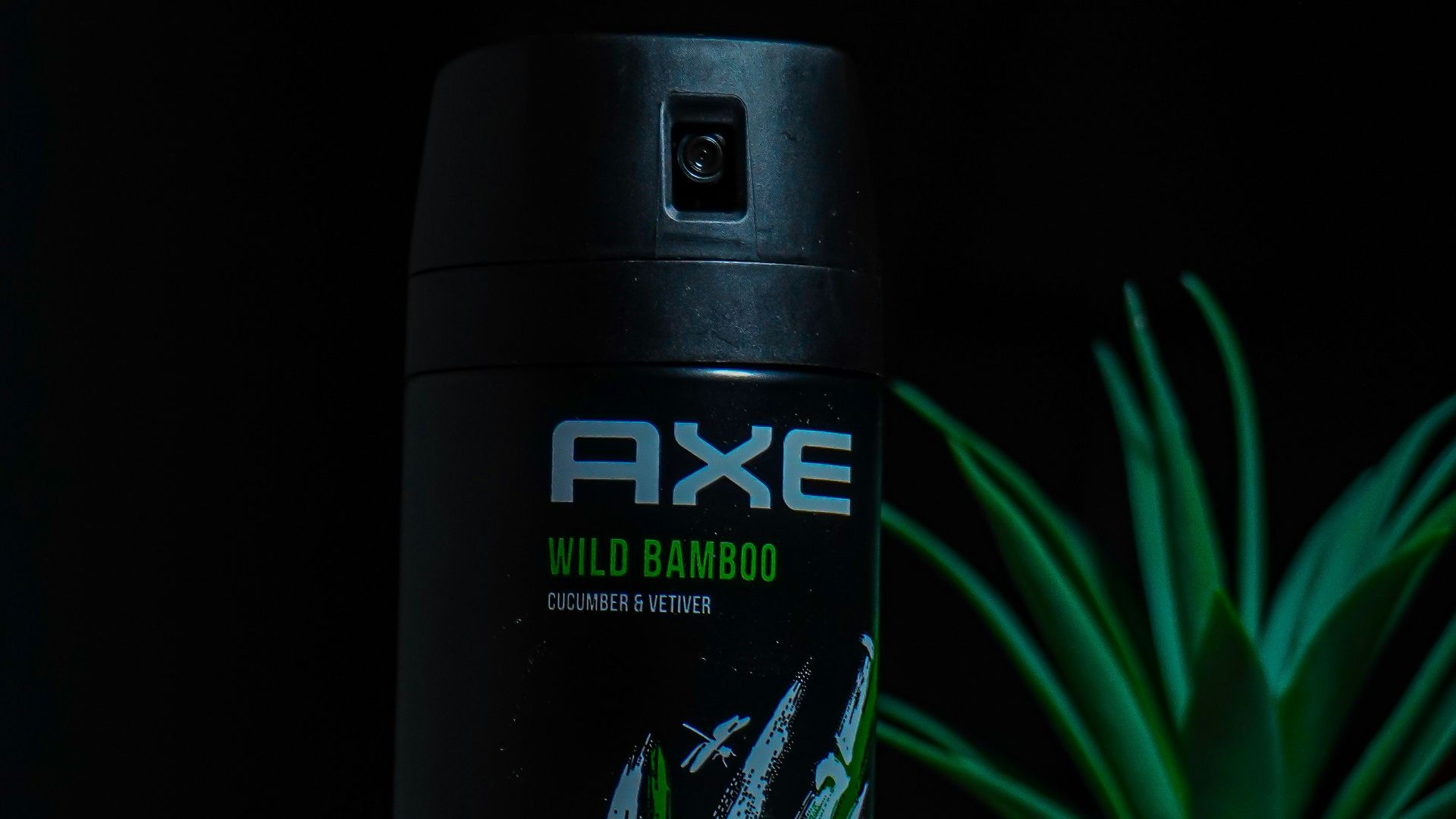
While we don’t want to stink, some people worry that aluminum salts used in antiperspirants may act like estrogen in the body. Because you’re rubbing it under your arms every single day next to your lymph nodes, it can compound over the years. Seek out aluminum-free deodorants that use magnesium or baking soda as the main ingredient.
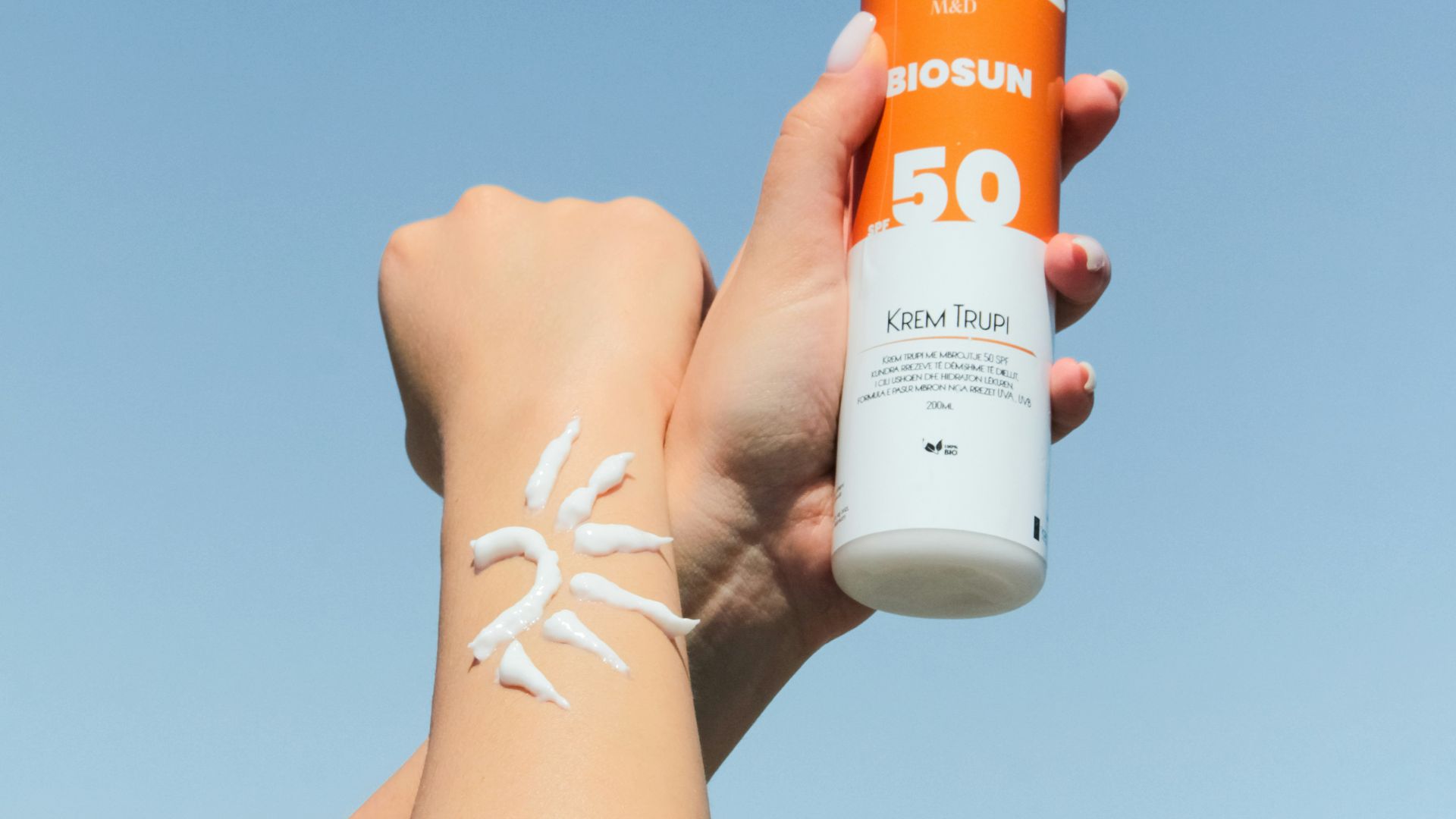
15. Sunscreens with Oxybenzone
Protecting your skin from the sun is vital, but some chemical filters like oxybenzone are known to be absorbed into the bloodstream and mimic hormones. These ingredients are also tough on coral reefs, so choosing a "reef-safe" mineral sunscreen with zinc oxide is a win for both you and the ocean. You'll still get all the protection you need without the systemic chemical exposure.
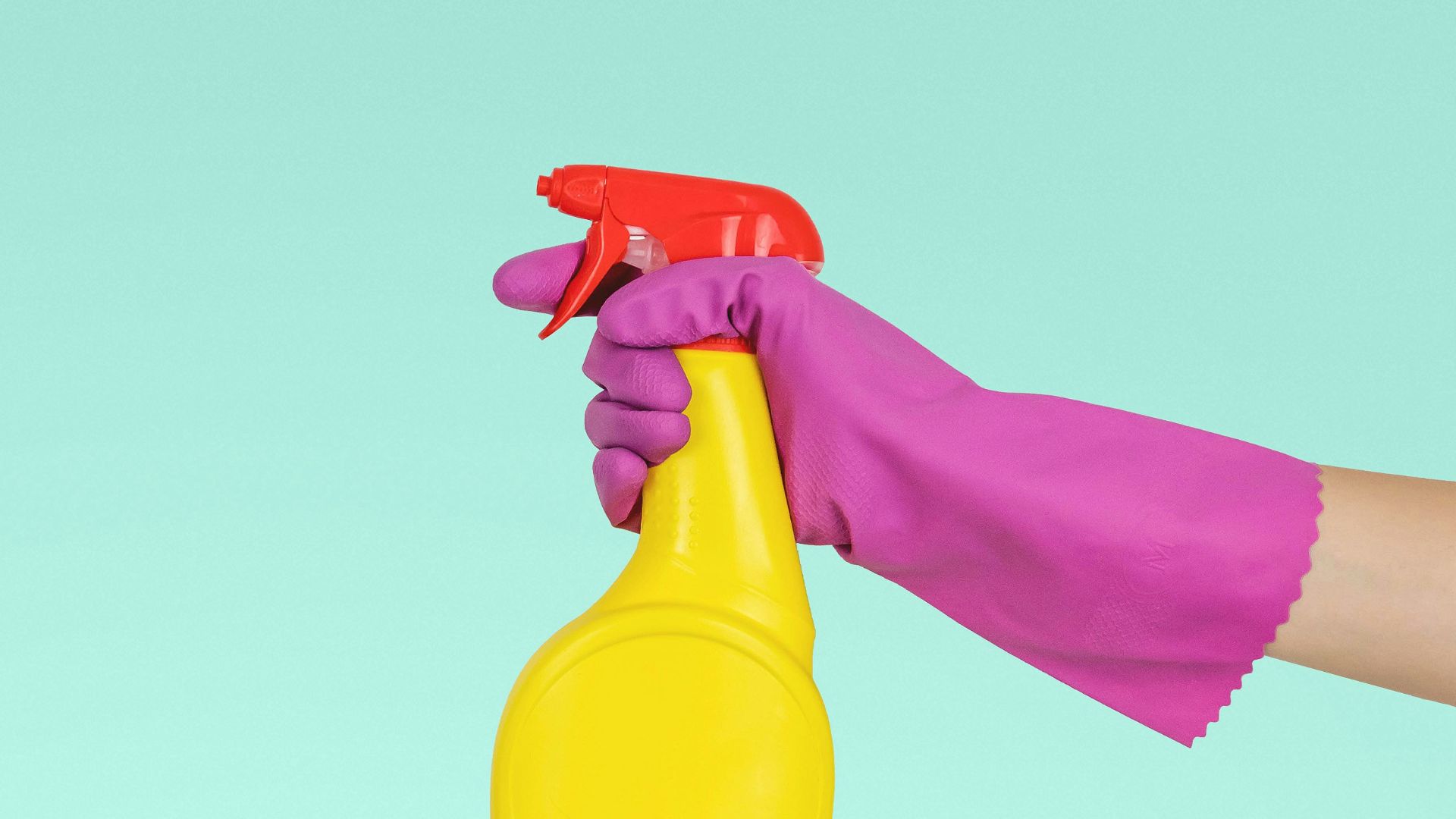
16. Household Cleaning Sprays
Did you know that many store-bought cleaning sprays contain alkylphenol ethoxylates? These man-made surfactants can mimic estrogen once in your body, and you’re typically spraying them in the air while breathing them in. Make your own cleaning spray with vinegar, water, and lemon.
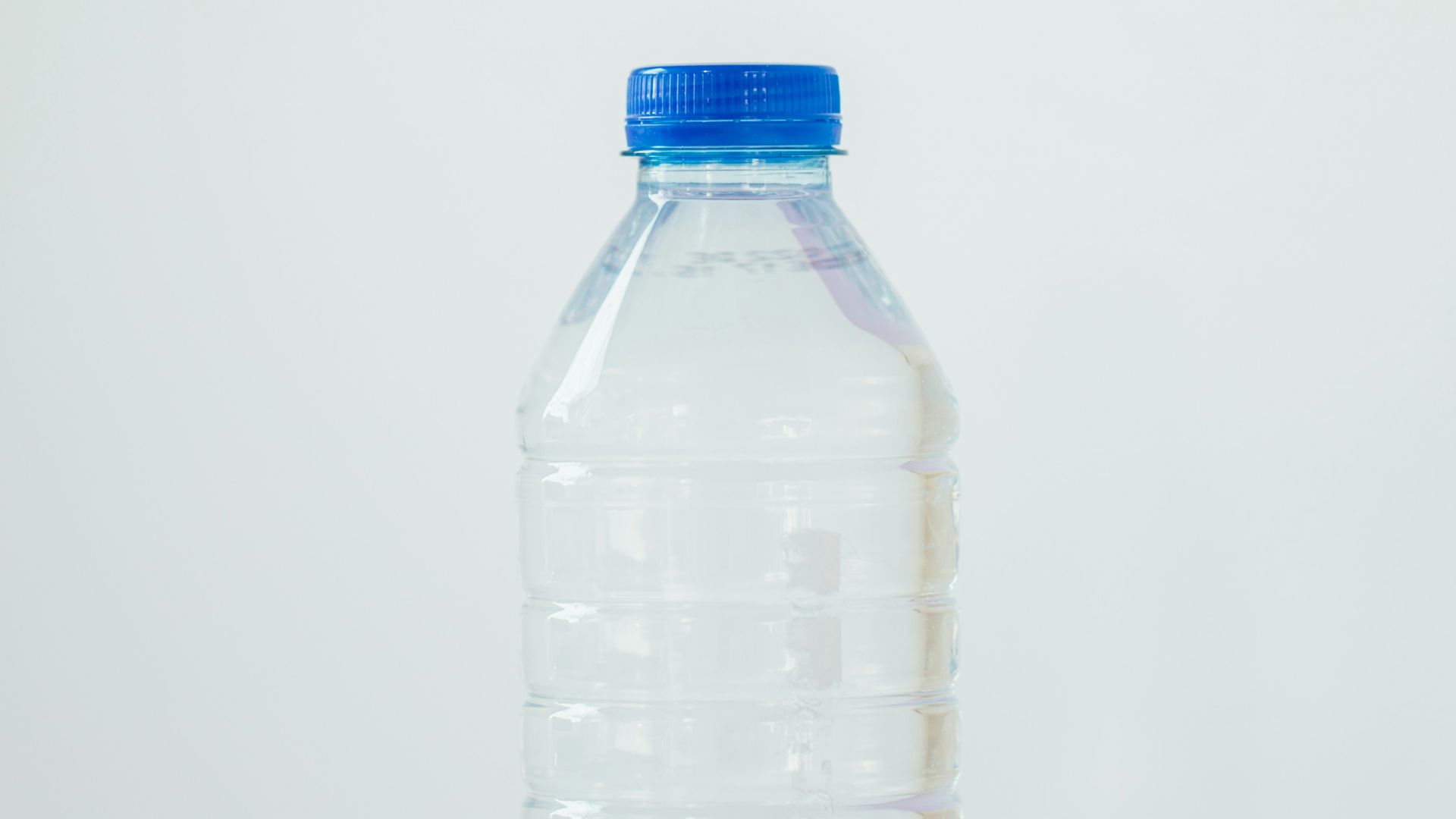
17. Plastic Water Bottles
By now you may know that reusable plastic bottles are terrible for the environment, but did you know they can leach chemicals into your water? If you’re drinking from plastic bottles every day, you could be ingesting small doses of stabilizers your body doesn’t know what to do with. Bring a glass or stainless steel bottle with you instead.
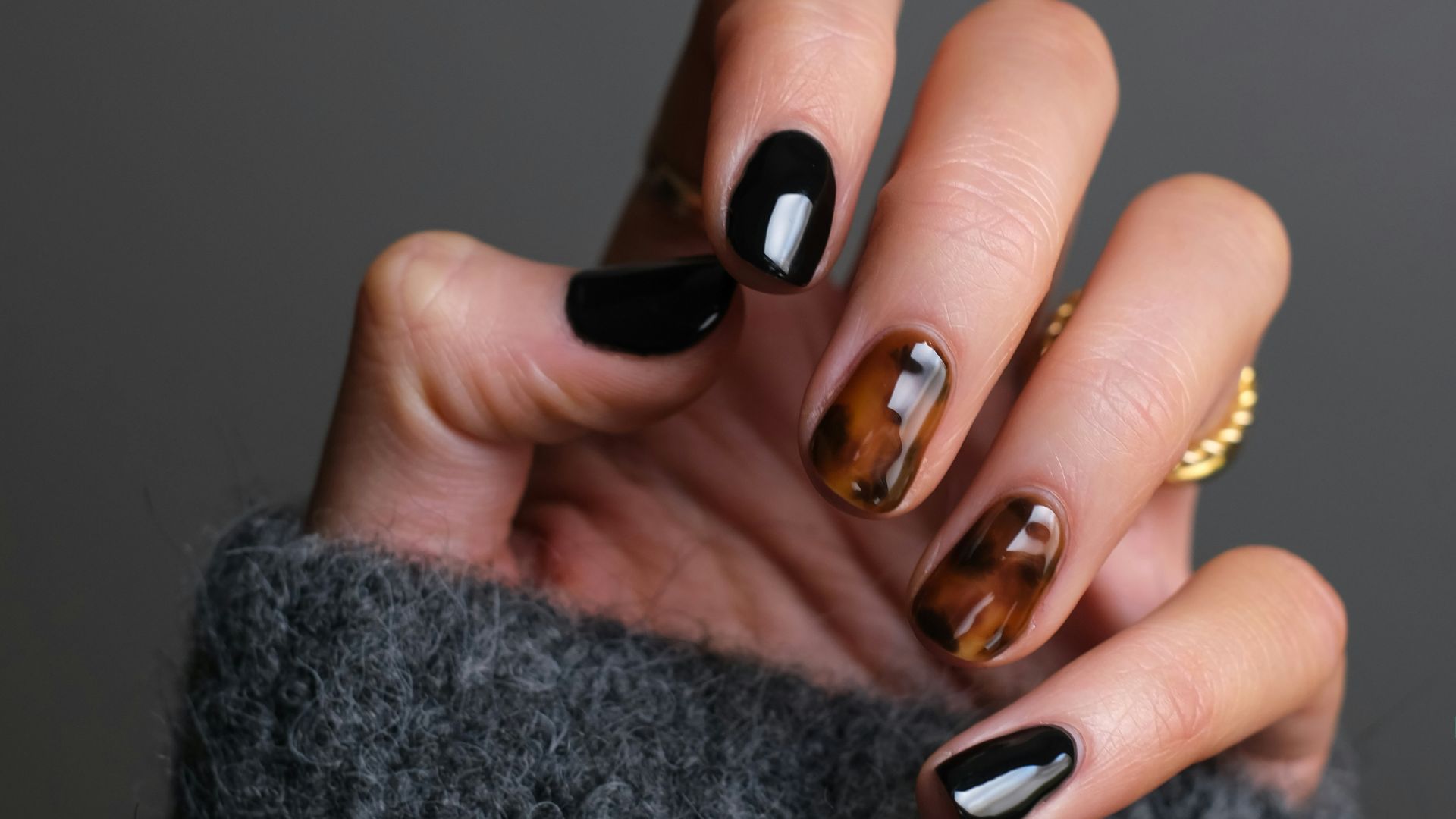
18. Nail Polishes
Traditional nail colors often contain a "toxic trio" of chemicals, including toluene and dibutyl phthalate, which can be absorbed through the nail bed. These ingredients are used to prevent chipping and give that glossy finish, but they’re also known to affect hormonal health. Thankfully, many brands now offer "5-free" or "10-free" versions that look just as good without the controversial ingredients.
19. Tap Water Contaminants
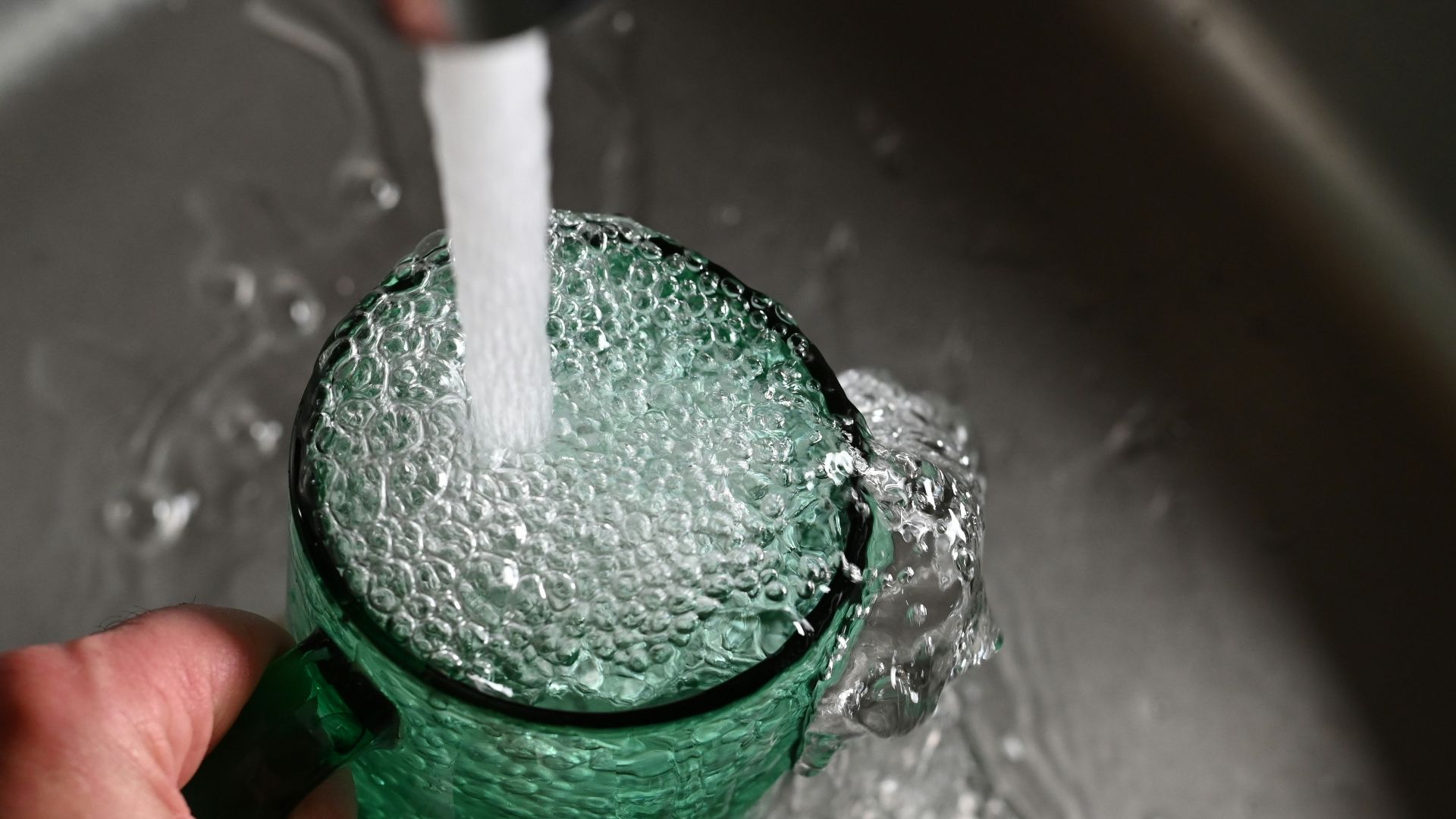
Tap water can contain all sorts of contaminants depending on where you live. Small traces of hormones from birth control or livestock farming can be found in drinking water. While you probably don’t need to buy into bottled water hype, you can install a water filter on your kitchen sink.
20. Dust Bunnies
It sounds strange, but common household dust is actually a magnet for many of the chemicals listed in this article as they shed from your belongings. When you leave dust to accumulate under the bed or behind the sofa, you're essentially creating a concentrated pile of endocrine disruptors. Keeping up with a regular damp-dusting routine is one of the most effective ways to lower the chemical load in your personal space.

KEEP ON READING



20 Natural Ways You Can Boost Your Immune System
20 Ways To De-stress & Relax After Work
The 10 Most Common Diseases & The 10 Most Rare