
When You Eat Matters Just As Much As What You Eat
Blood sugar regulation isn’t only about food choices, because timing plays a major role in how your body processes and uses energy throughout the day. Eating at consistent intervals can help prevent sharp spikes and crashes, which in turn support better energy levels, mood, and overall metabolic health. While individual needs vary, research shows that structured eating patterns and spacing meals appropriately can make a noticeable difference. These 20 strategies focus on practical timing habits that support more stable blood sugar levels.

1. Eat Within a Few Hours of Waking
Starting your day with a meal helps regulate blood sugar after the overnight fast, preventing an early drop that can affect energy and concentration. Waiting too long to eat may lead to overeating later or increased glucose fluctuations.

2. Don’t Skip Breakfast Regularly
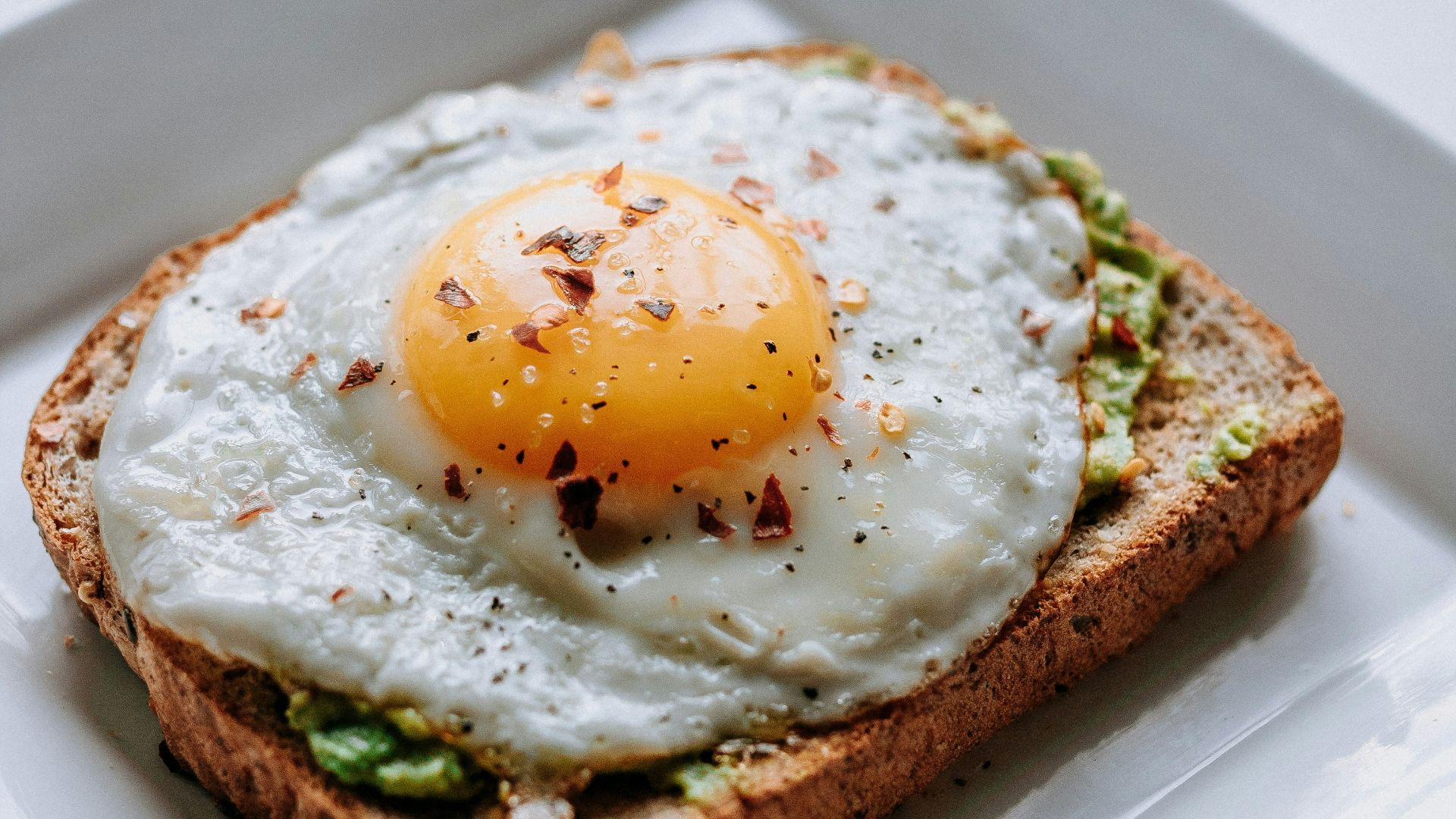
Skipping breakfast can lead to larger blood sugar spikes later in the day when you finally eat, especially if the next meal is large. Consistent morning intake helps maintain a steadier metabolic rhythm. It also reduces the likelihood of intense hunger that can lead to poor food choices. Over time, regular breakfast habits support more predictable energy patterns.
3. Space Meals 3–4 Hours Apart
Eating every few hours helps prevent significant dips in blood sugar, which can trigger fatigue and cravings. This spacing gives your body time to process nutrients without long gaps. It also allows insulin levels to rise and fall in a more controlled way. Maintaining this rhythm can help reduce the urge to snack impulsively.

4. Avoid Long Gaps Between Meals
Extended periods without food can cause blood sugar to drop too low, especially for those sensitive to fluctuations. This often leads to overeating or choosing higher-sugar foods later. When meals are too far apart, the body may also release stress hormones that affect glucose levels. Keeping gaps reasonable helps maintain a more stable internal balance.

5. Include a Mid-Morning Snack if Needed
If breakfast and lunch are far apart, a small snack can help stabilize energy levels and prevent a mid-day crash. This is especially helpful for people with higher activity levels or early wake times.

6. Time Meals Around Physical Activity
Eating before and after exercise helps your body use glucose more efficiently and prevents sharp drops during activity. Proper timing also supports recovery and energy balance. Without adequate fuel, workouts can lead to fatigue or unstable blood sugar. Planning meals around movement improves overall metabolic response.

7. Eat Your Largest Meal Earlier in the Day
Research suggests that insulin sensitivity is higher earlier in the day, meaning your body handles glucose more effectively. Larger meals in the evening may lead to higher overnight blood sugar levels.

8. Keep Dinner at a Consistent Time
Eating dinner at a similar time each day helps regulate your body’s internal clock and glucose response. Irregular timing can disrupt metabolic patterns. Consistency allows your body to anticipate digestion and insulin release more effectively. Over time, this habit supports smoother nighttime blood sugar levels.

9. Avoid Eating Right Before Bed
Late-night eating can interfere with how your body processes glucose while at rest, often leading to elevated overnight levels. Allowing a few hours between dinner and sleep supports better regulation.

10. Pair Snacks With Regular Timing
Snacks are most effective when they’re planned rather than random, as consistent timing helps avoid unnecessary spikes. This also prevents grazing throughout the day. Structured snacking supports better portion control and energy balance. It also helps maintain a steady rhythm between meals.

11. Eat Carbohydrates Earlier in Meals
Starting meals with protein or fiber before carbohydrates can help slow glucose absorption and reduce spikes. Timing within the meal itself can influence blood sugar response.

12. Maintain a Consistent Daily Eating Schedule
Keeping meal times relatively stable from day to day helps your body anticipate and regulate glucose more efficiently. Irregular eating patterns can lead to unpredictable fluctuations. A consistent schedule supports hormonal balance related to hunger and digestion. Over time, it creates a more reliable metabolic pattern.

13. Don’t Delay Meals When Hungry
Ignoring hunger signals often leads to larger portions later, which can result in sharper blood sugar increases. Eating when your body signals the need helps maintain balance.
 Farhad Ibrahimzade on Unsplash
14. Use Smaller, More Frequent Meals if Needed
Some individuals benefit from dividing food intake into smaller portions throughout the day, which can help prevent large glucose swings. This approach depends on personal tolerance and lifestyle.

15. Time Dessert After a Meal Instead of Alone
Eating sweets alongside or after a balanced meal slows sugar absorption compared to consuming them on their own. This can help reduce rapid spikes. Pairing desserts with other nutrients creates a more moderated response. It also makes the overall impact on blood sugar less intense.

16. Stay Consistent on Weekends
Changing meal timing significantly on weekends can disrupt the patterns your body has adjusted to during the week. Consistency supports steadier glucose control over time.

17. Hydrate Between Meals, Not Instead of Eating
Drinking water regularly supports overall metabolism, but replacing meals with fluids can lead to blood sugar drops. Balanced intake of both is important.

18. Plan Ahead for Busy Days
Having a general eating schedule prevents long gaps caused by a busy routine. Prepared timing helps avoid reactive food choices that may impact blood sugar.

19. Avoid Continuous Grazing
Constantly eating small amounts without structure can keep blood sugar elevated rather than stable. Defined meal and snack times allow for better regulation.
 Pablo Merchán Montes on Unsplash
20. Adjust Timing Based on Individual Response
Everyone’s body responds differently to meal timing, so it’s important to observe patterns and make adjustments accordingly. Tracking energy levels and hunger can help guide more effective habits.

KEEP ON READING



20 Natural Ways You Can Boost Your Immune System

20 Ways To De-stress & Relax After Work

The 10 Most Common Diseases & The 10 Most Rare