First Impressions From the Bedside
Nurses are trained to notice details quickly, and that’s exactly how they’re able to pinpoint certain things about their patients as soon as they walk through the door—even if you think you’re hiding it. They aren't sizing you up to be rude or judgmental, but they are constantly gathering clues that help them communicate well, spot risks, and understand what kind of care you may need. From body language to tone of voice, let’s dive into the small things that reveal more about you than you realize.
1. How Comfortable You Are in Medical Settings
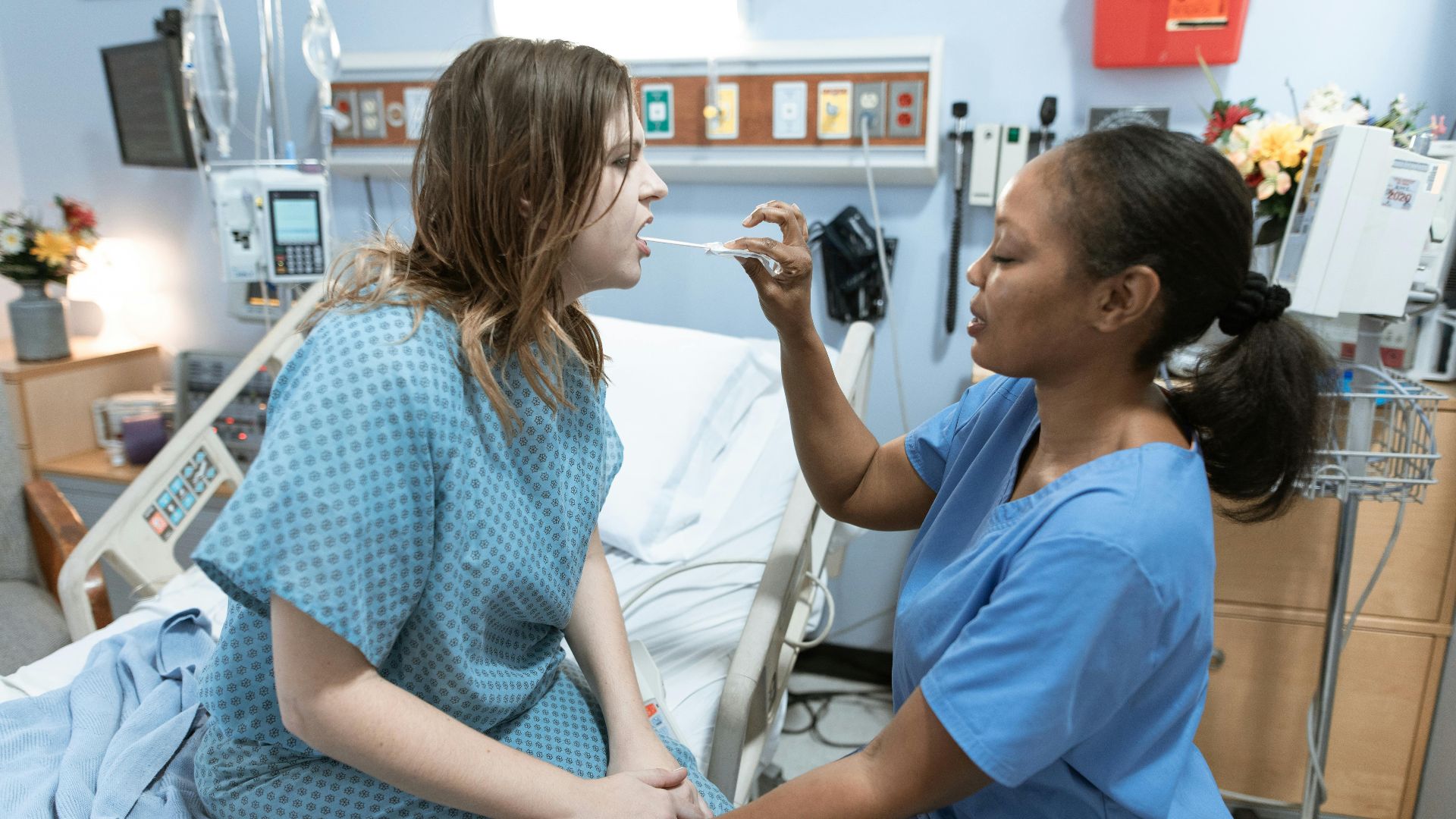
Nurses can usually spot whether hospitals make you uneasy. Some people ask calm, practical questions, while others look tense before anyone touches a blood pressure cuff. That early reaction signals how much reassurance you'll need during the visit.
2. Whether You're Trying to Downplay Symptoms
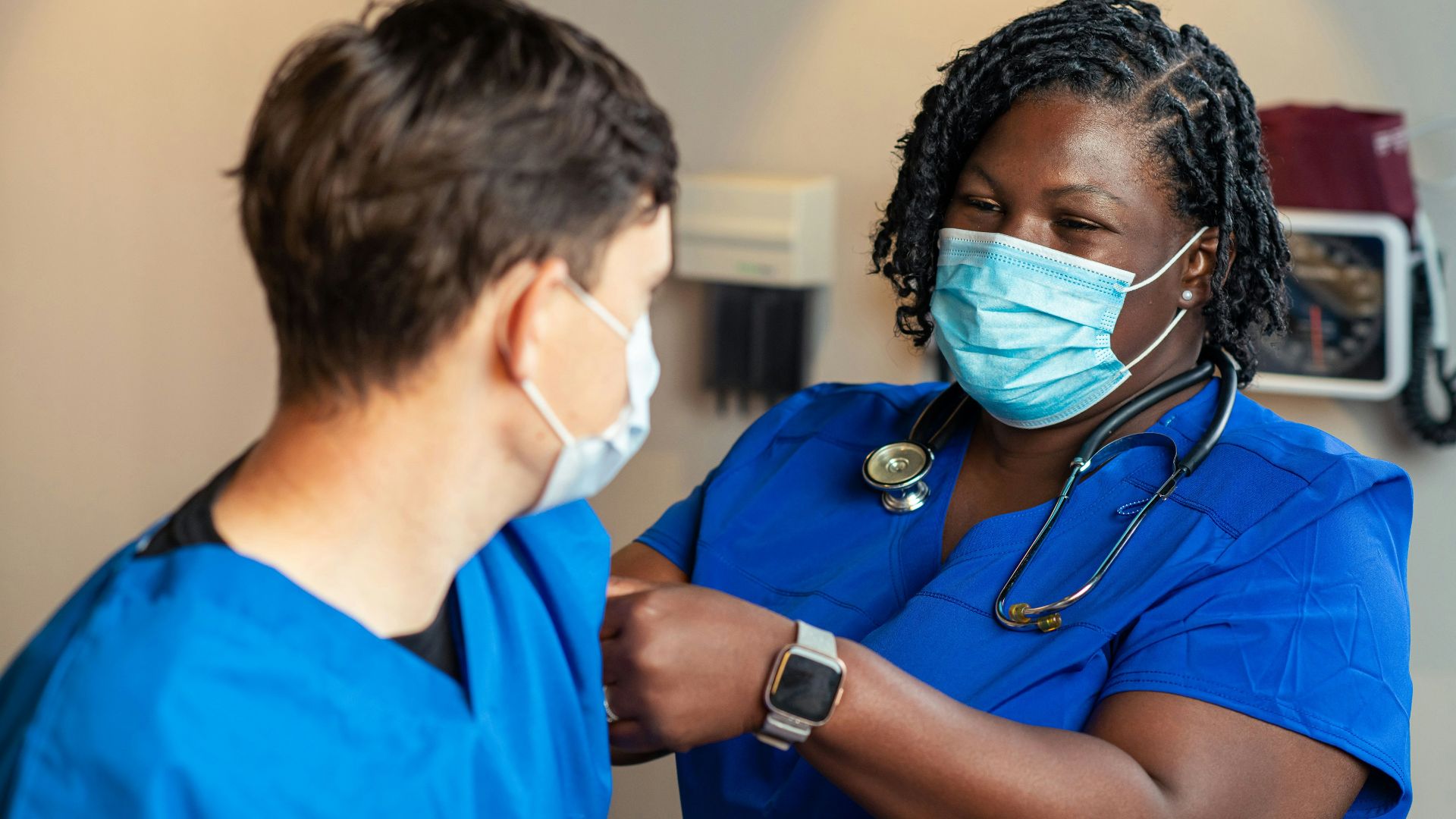
It doesn't take long for a nurse to notice when you’re downplaying just how miserable you are. They get it; people often minimize pain or shortness of breath because they don't want to make a fuss. Even so, everything from your face to your posture tells the full story.
3. If You're a Smoker
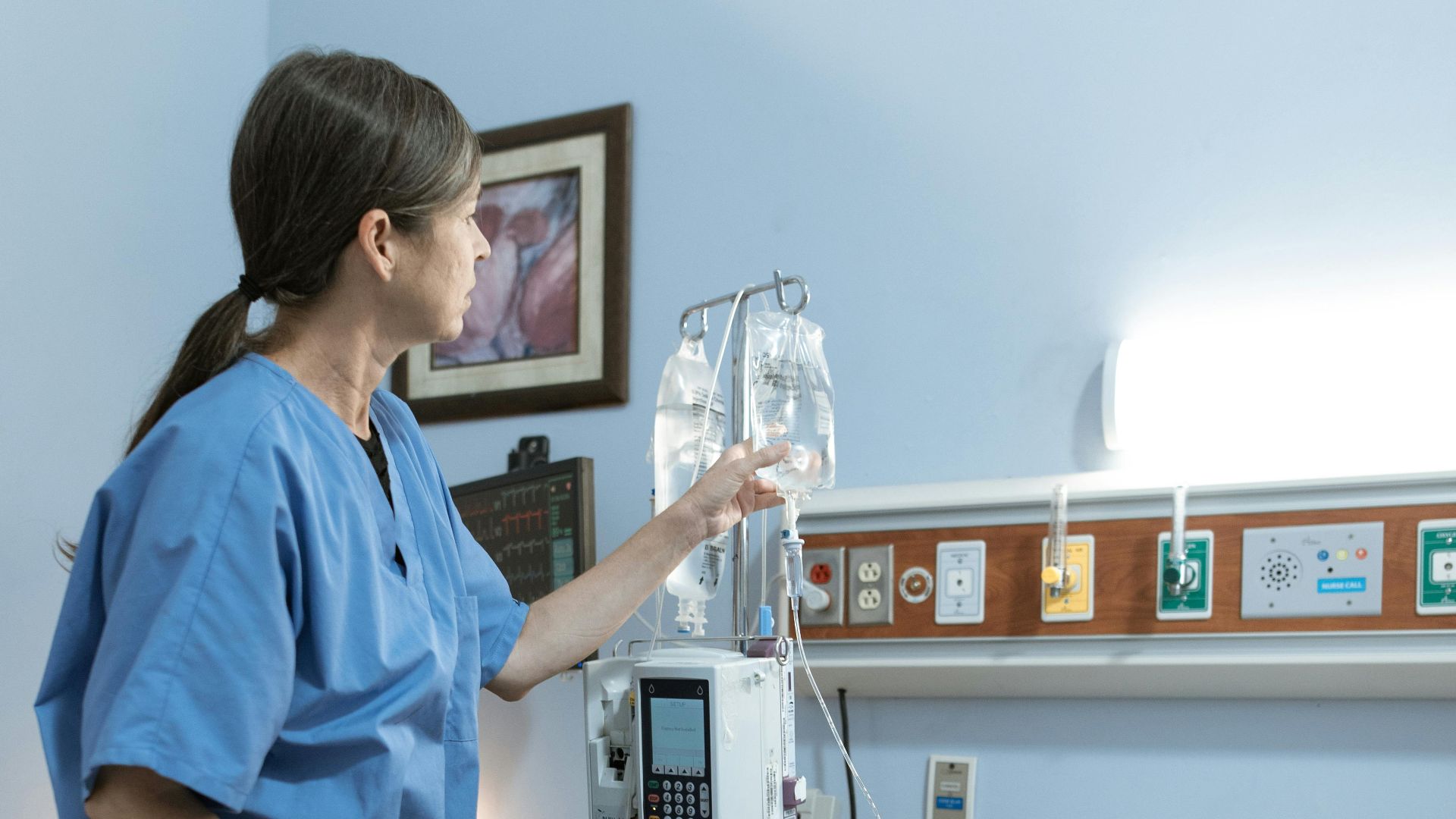
Nurses pick up on your smoking habits faster than you’d expect. The smell of smoke on clothing is obvious enough, but they can also spot changes in skin tone, staining on fingers, and certain breathing patterns that all stand out immediately.
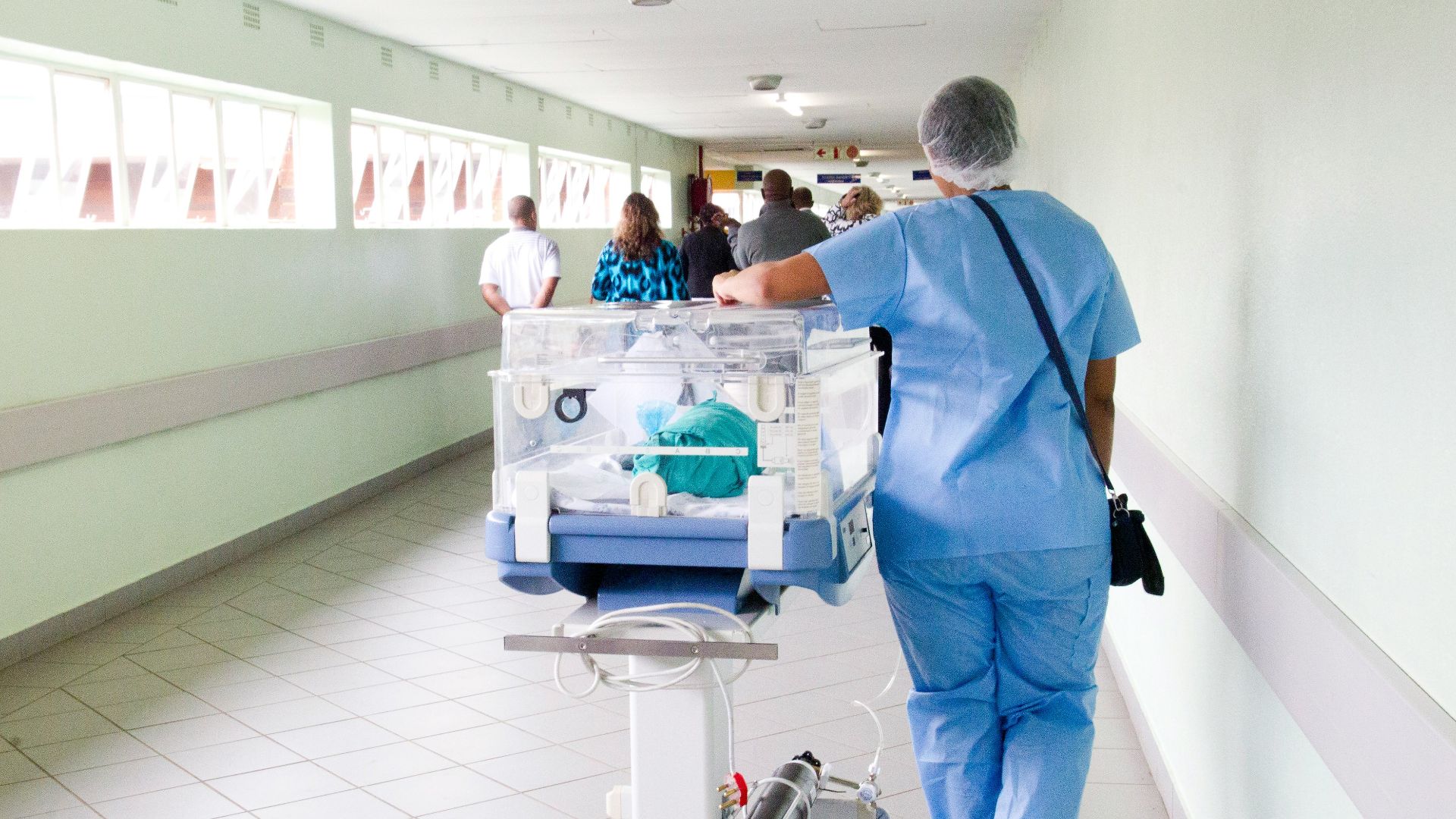 Hush Naidoo Jade Photography on Unsplash
4. Whether You're Being Honest
A nurse won’t know every detail of your life, but little inconsistencies stand out pretty quickly. When your body language and answers don't line up, that can raise a red flag, and most nurses have heard enough excuses over the years to know when something sounds too polished.

5. How Anxious You Feel
You might insist you're not nervous, but your body isn’t game the same way your words are! Nurses often notice fidgeting, forced laughter, or the way someone keeps glancing at equipment in the room. The good news is that those small cues make it easier for them to adjust their approach and keep things from feeling more stressful.
6. If You're Likely to Be Difficult
Nurses can sense early on whether someone is going to be cooperative or combative. After all, the way you speak to staff or respond to basic questions gives a pretty clear preview. Essentially, a demanding tone in the first few minutes rarely improves as the minutes tick by.
7. Whether You Respect the Staff
Courtesy is one of the first things a nurse notices, and it says more about your character than you know! Saying hello and even speaking politely creates a very different atmosphere from the start. People who are kind to the staff tend to stand out just as much as people who aren't.
8. How Much Pain You're In
Pain isn't judged only by the number you give on a scale. Nurses can sniff out subtle cues you try to hide and watch how you move or whether talking drains your energy. Remember: someone saying their pain is a two while wincing through every breath is hard to miss.

9. Whether You Understand Your Own History
Nurses can tell if you know the basics of your medications, conditions, and past procedures. When you can clearly explain what's been going on, it helps everything move more smoothly. If, on the other hand, every answer is vague, it usually signals that more careful questioning will be needed.
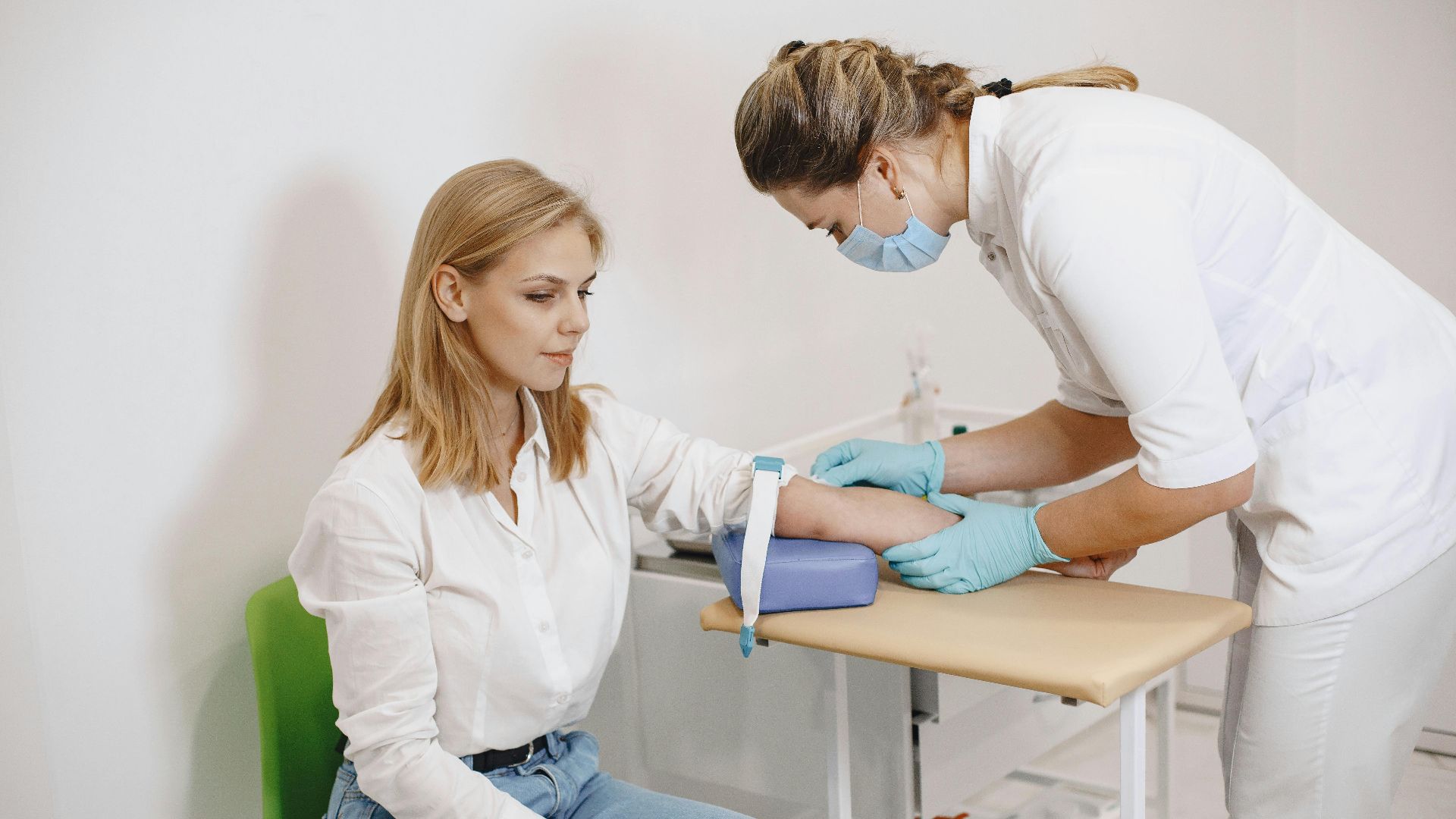
10. If You're Embarrassed
We’ve all had the odd mishap, but when patients try to hide their reasons for a visit, nurses notice. Don’t forget—they’re used to seeing discomfort around personal symptoms or awkward injuries, and that hesitation is obvious before you say, "This is kind of embarrassing."
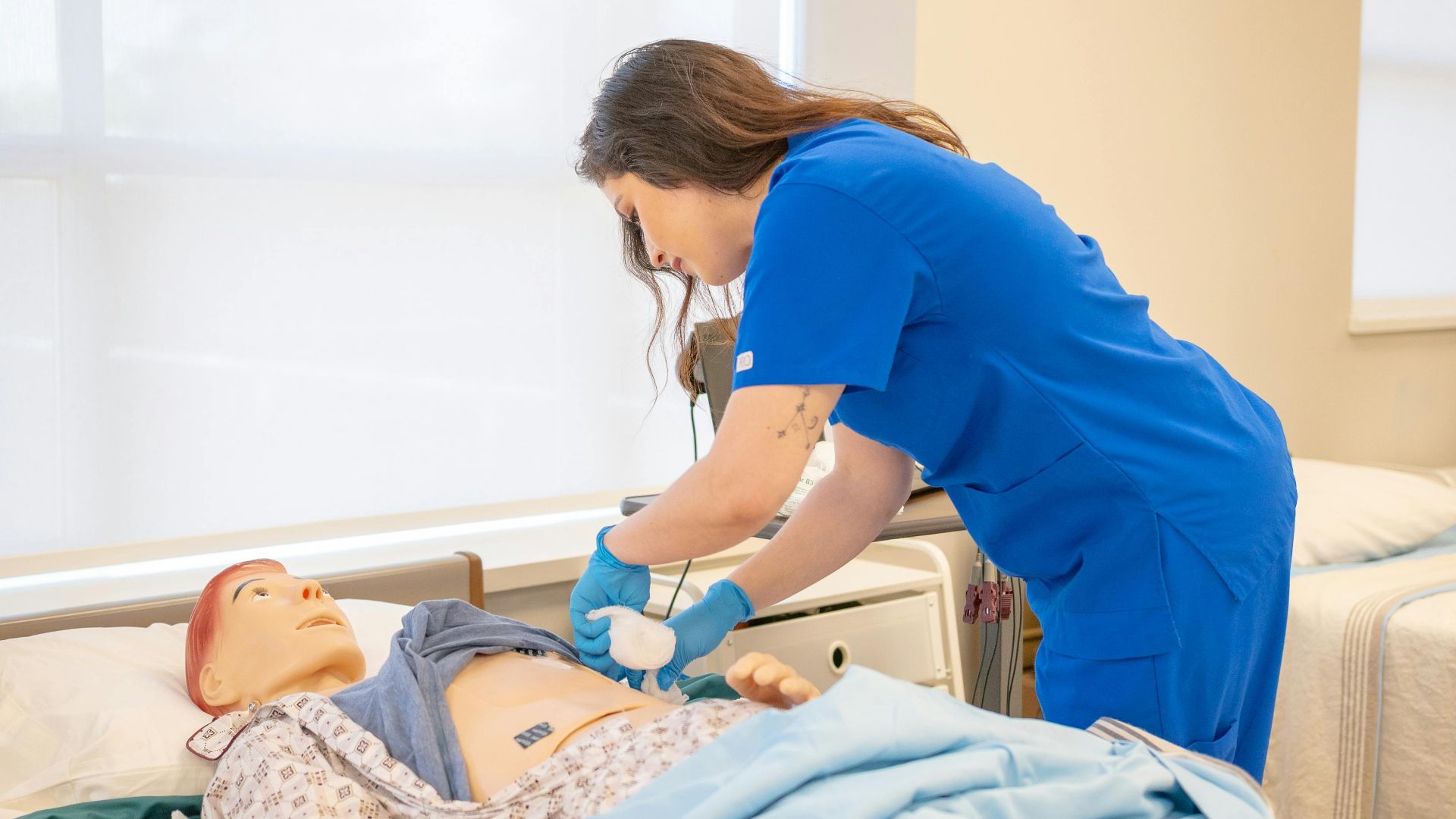
11. Whether You're Leaving Something Out
It isn't exactly lying, but more of a strategic omission on a patient’s part. Either way, don’t expect to get away with it. Nurses can often tell when you're answering only part of the question, especially when the missing details matter to your treatment.
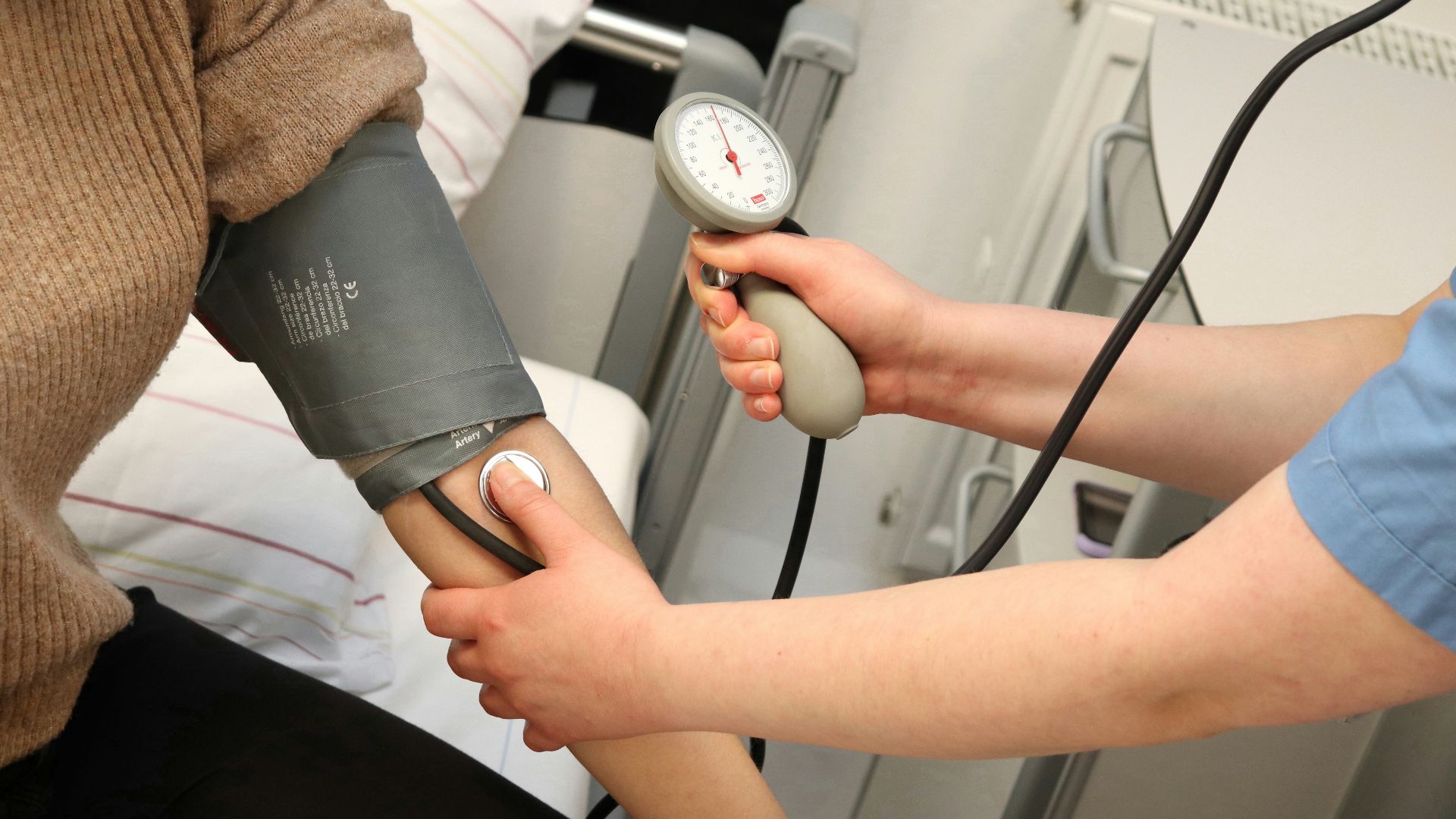
12. How Well You Take Care of Yourself
Within a short consultation, nurses get a sense of your day-to-day habits. Hydration, sleep, hygiene, diet, and stress levels show up in your appearance and energy—probably more than you realize.
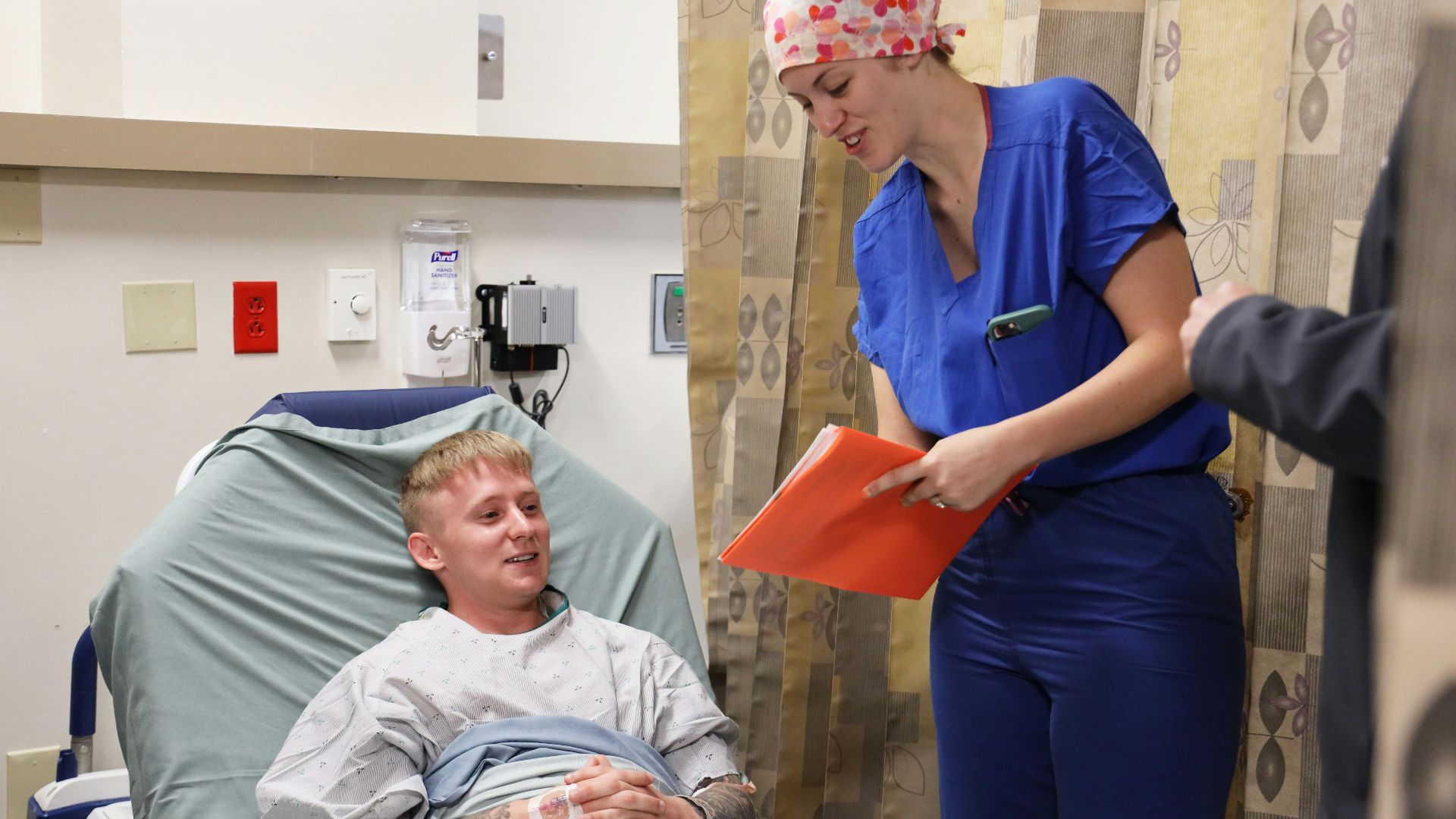
13. If You've Been Looking Up Symptoms Online
There’s nothing wrong with trying to gather your own information, but it all depends on what you do with it. People who have done a deep internet dive often arrive with a very particular kind of confidence, and nurses recognize it, even if they don't say it.
14. Whether You're Scared of Needles
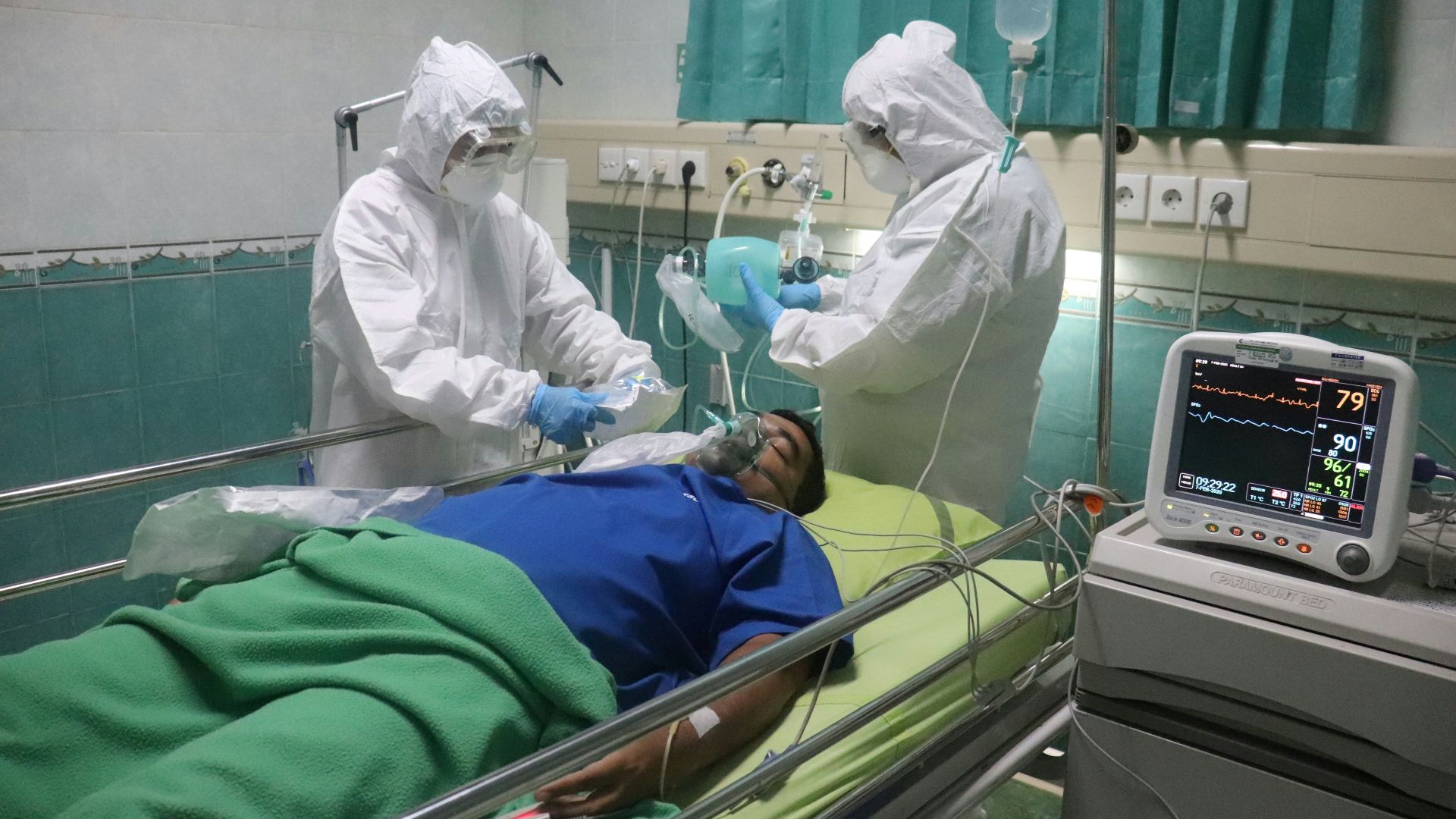
Nurses learn all about needle anxiety early in their careers. Some patients go silent. Others start talking more than usual. Some might even watch the tray like it's about to jump at them. By the time the supplies are set up, a nurse knows exactly how your visit is going to go.

15. If You Want Attention or Answers
Nurses can tell whether you want a warm, chatty interaction or a more direct, efficient one. Not everyone communicates the same way, and it’s important for nurses to know that some people need extra conversation to feel comfortable, while others just want the facts and the next step.
16. Whether You've Waited Too Long
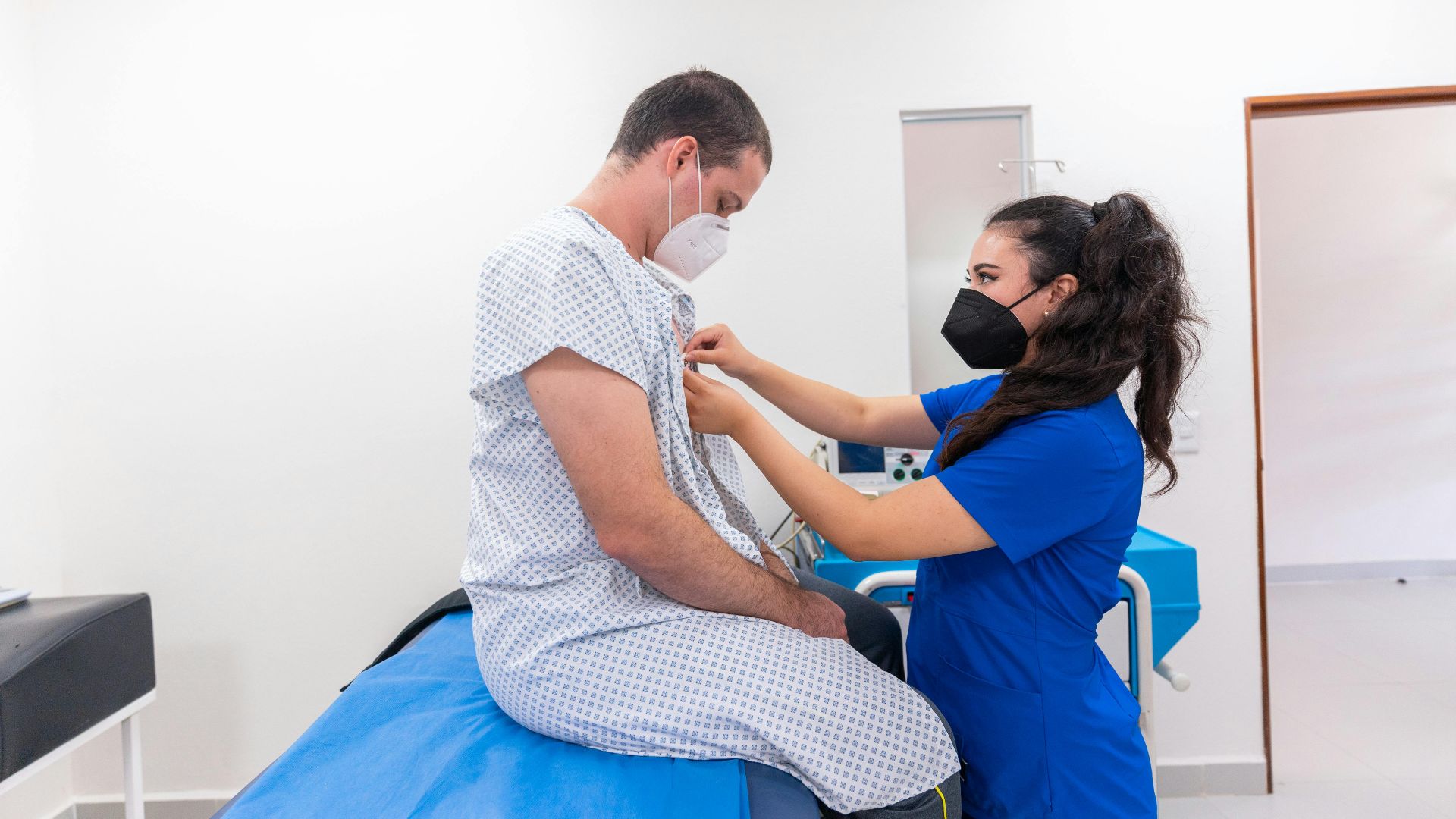
Many patients try to tough things out longer than they should. You might not think it’s a big deal, but nurses notice when you’ve been ignoring symptoms for days or even weeks, especially when the condition has worsened.
17. If You're Used to Being in Charge
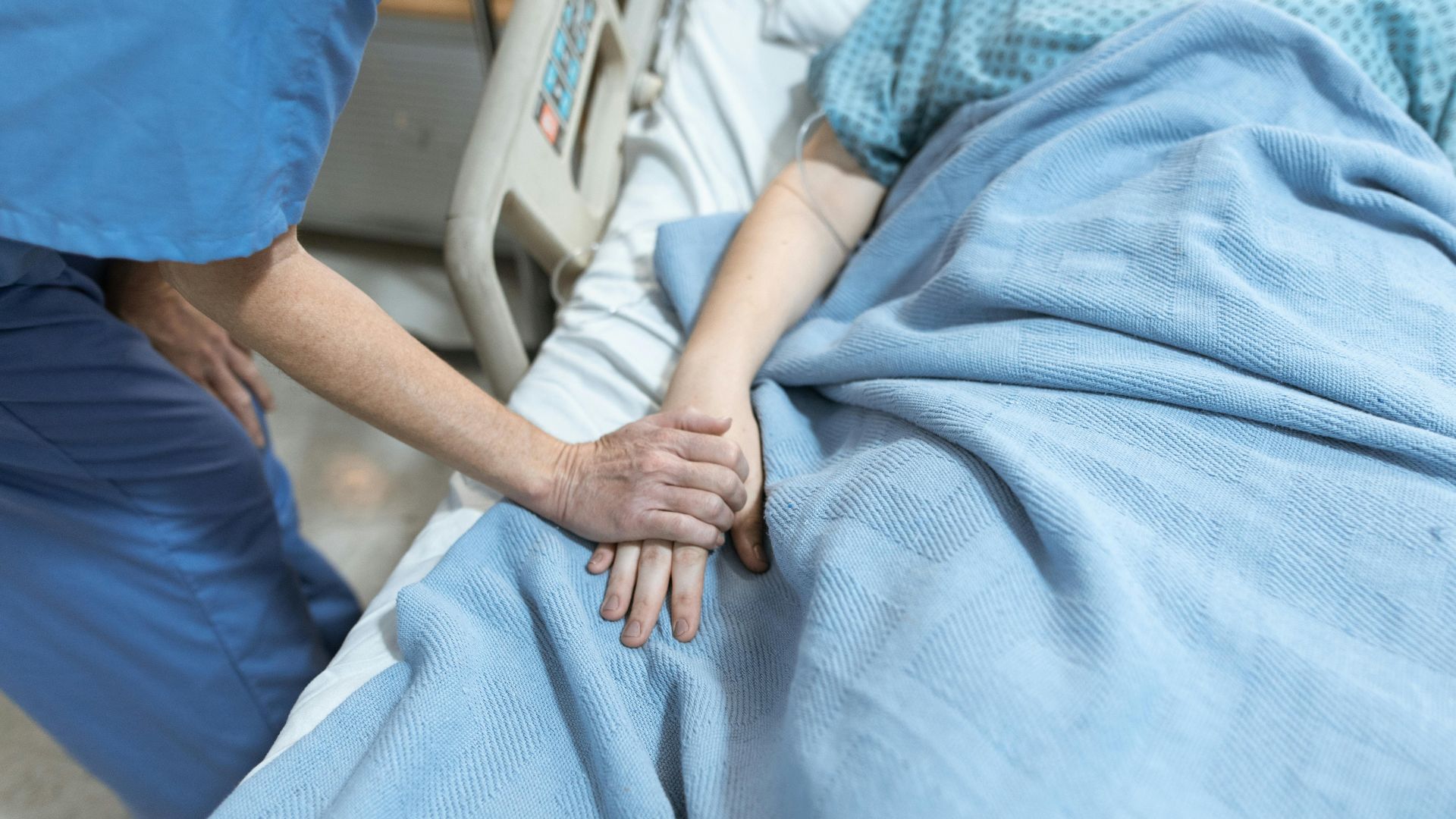
Some people arrive ready to manage the whole encounter, which doesn’t always blow over well. Nurses can spot patients who want to direct the timing, question every routine step, and control every detail of the plan. It doesn't always mean trouble, but it does tell them how carefully communication should be.

18. Whether Family Dynamics Will Matter
When a relative or partner comes with you, nurses notice the dynamic immediately. They can usually tell who’s supportive, who’s anxious, and who’s overbearing. Those relationships can shape the entire visit, which is exactly why they need to pay attention to them.

19. How Likely You Are to Follow Instructions
Nurses form a sense of this as soon as they explain something. For example, are you listening closely? Did you ask thoughtful questions? Do you seem engaged? If so, all of these things suggest you'll probably follow through later. On the other hand, if you tune out basic directions, that pattern’s hard to ignore, too.

20. Whether You're Kinder Than You Realize
Make no mistake, nurses also notice the good things! A patient who says thank you, shows patience, or tries to make a stressful situation easier for others leaves a strong impression. Even in a busy shift, genuine kindness stands out right away.
KEEP ON READING



20 Things Nurses Notice About You Immediately