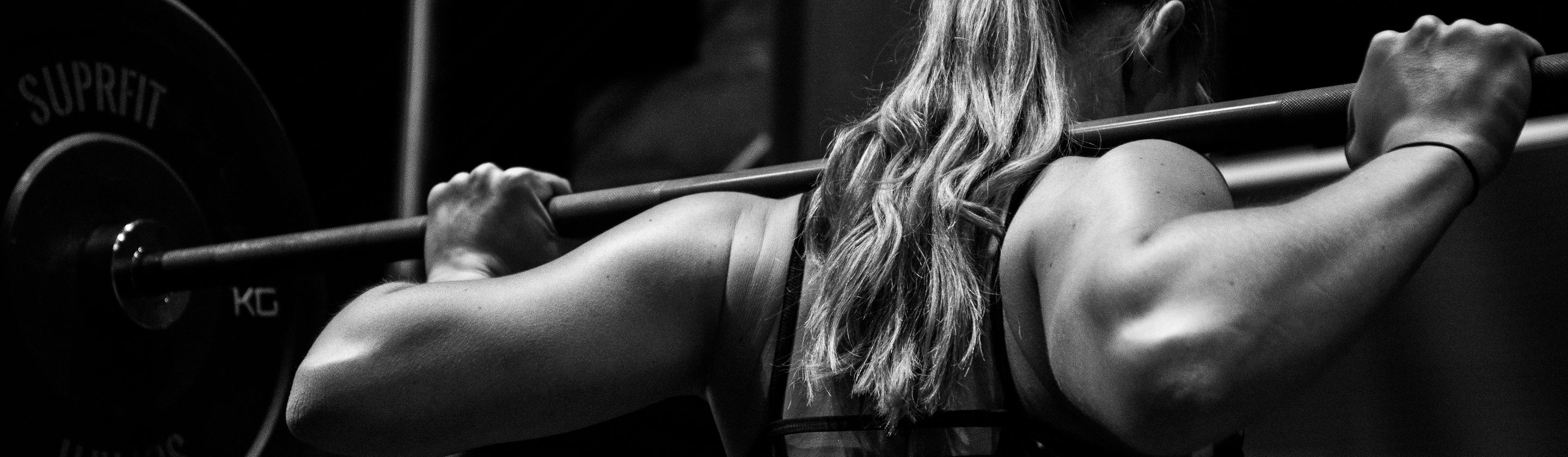
Why You’re Not Making Gains
You’re hitting the gym, breaking a sweat, and for what? For some, it’s weight loss. Others, muscle gain. Or maybe you’re feeling pretty good, and you’re just looking for some daily movement. Regardless of the reason, you’re probably at a point in your training where you feel like you've plateaued. You’re working just as hard, or even harder, and nothing seems to change. Chances are, it’s not about the calories burned; it’s everything else you’re doing. If it seems like you’re hitting a wall in your fitness journey, you might be doing these 20 habits without realizing.
 Hayley Kim Studios on Unsplash
1. You’re Not Tracking Anything
Your brain can’t remember everything. You need to write things down. After your workout, make a note of the weights you lifted or the cardio you completed in a notebook or on your phone. This provides you with a visual of your progress.

2. You Keep Switching Programs
A new split every week can feel fresh, especially when your current routine starts to get boring. Unfortunately, it makes your progress harder to measure. Most people get more out of a simple plan they can run for a while than from constantly restarting with the latest routine trend.

3. You Skip the Warm-Up
Walking in from the parking lot and loading the bar right away usually leaves your first work sets stiff and off. You need to warm up your muscles. Proper warm-ups prevent injury and can also help you with your performance. It doesn’t need to be anything fancy; just a few minutes of movement is more than enough.

4. Your Form Gets Sloppy
A rep is a rep, right? Wrong. We want to push ourselves, but you shouldn’t sacrifice form to do so. Aside from the potential injury risk, sloppy technique makes it harder to train the muscle you’re actually trying to train. Basically, you’re sweating on the squat rack for nothing.

5. You Always Go To Failure
Training to failure has a place in the fitness world, especially for people who know how to recover from it. That said, making every set a max-effort event wears you down. Stopping short of your maximum expenditure means you can do more in the long run, which is helpful for folks who like to hit the gym a couple of times a week.

6. You Keep Adding Sets
Extra work only helps when it adds a useful training stimulus. Yes, Weekly volume matters for muscle growth, but continuously adding sets to the end of your workout might be doing more harm than good.

7. You Ignore Muscle Groups
Crushing legs on Sunday, then not training them again until the following weekend, is a pretty common way to stay stuck. Your best bet is to train the major muscle groups at least twice a week.

8. You’re Not Eating Enough
If you’re trying to build muscle but your diet consists of a coffee and a salad, you’re not getting anywhere. Your body requires an adequate amount of protein to support muscle growth. Under-eating only makes recovery, performance, and progress more difficult.

9. You Don’t See The Bigger Picture
The thirty-minute anabolic window panic still freaks some folks out, and everyone has a shaker bottle clipped to their backpack. Protein timing can matter some, but modern evidence suggests that consistent daily intake is more effective than the one right after your workout.
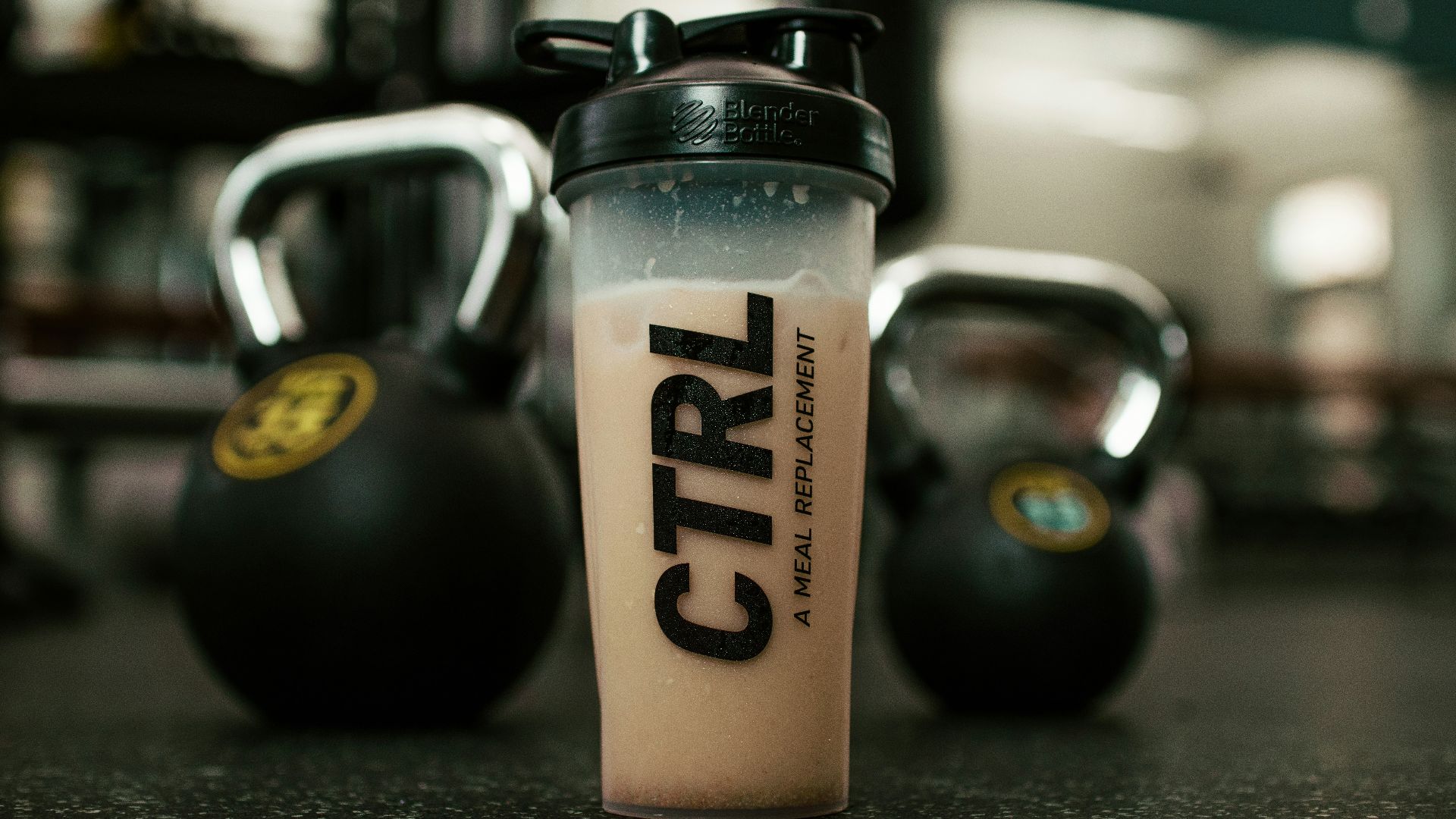 CTRL - A Meal Replacement on Unsplash
10. You Have Poor Sleep Habits
Your sleep is your body’s recovery time - so if you’re not sleeping well, you’re not recovering well. Sure, you look put-together when you’re at the gym at 5 am, but if you didn’t fall asleep until midnight, you’re hurting yourself more than anything else.
 Nubelson Fernandes on Unsplash
11. You Wait For Motivation
Motivation comes and goes. People who keep making progress usually have some kind of routine, even a messy one, that gets them into the gym on the days when they’d really rather not be there.

12. You’re Not Pushing Yourself
If your sets never get especially challenging, your body doesn’t have much reason to change. If you’re looking to build muscle or lose weight, you have to give enough effort to the cause. That includes consistency throughout the week, not just the effort during your workout.

13. You Ignore Cardio
Skipping cardio won’t cancel out your progress, but it can leave your conditioning and general fitness lagging. Regardless of your weight-lifting regimen, it's still recommended that you do regular aerobic activity.

14. You Stop Heavy Lifting
Sometimes your plateau can be visual, seen by a lack of change in weight or reps for months on end. In order to progress in your fitness journey, you need some kind of consistent upward momentum over time.
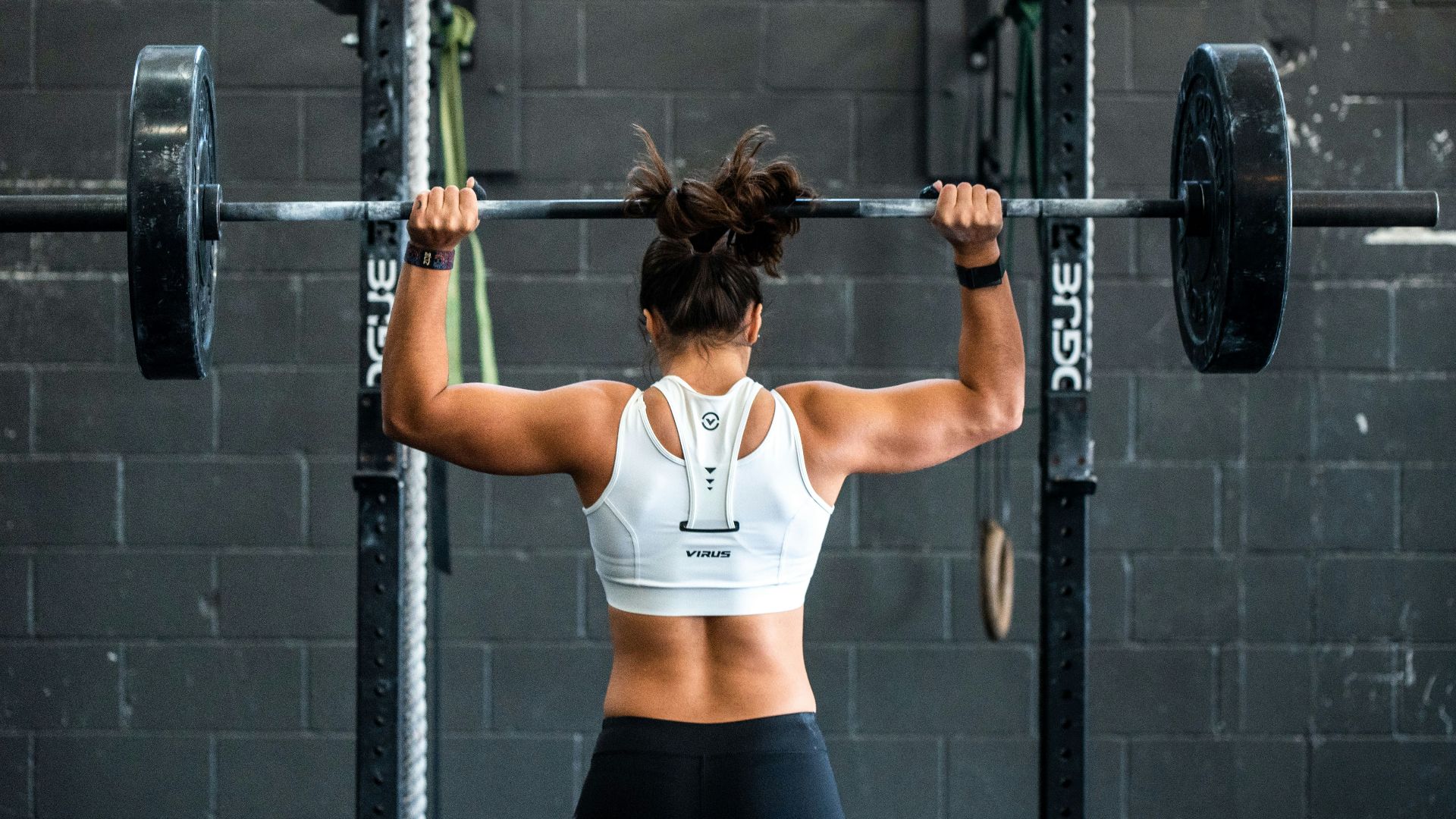
15. You Cut Your Reps Short
Partial reps can be useful in some contexts, but many people use them as a shortcut once sets get uncomfortable. Range of motion changes training adaptations, so shortening every rep chips away at the result you were after in the first place.
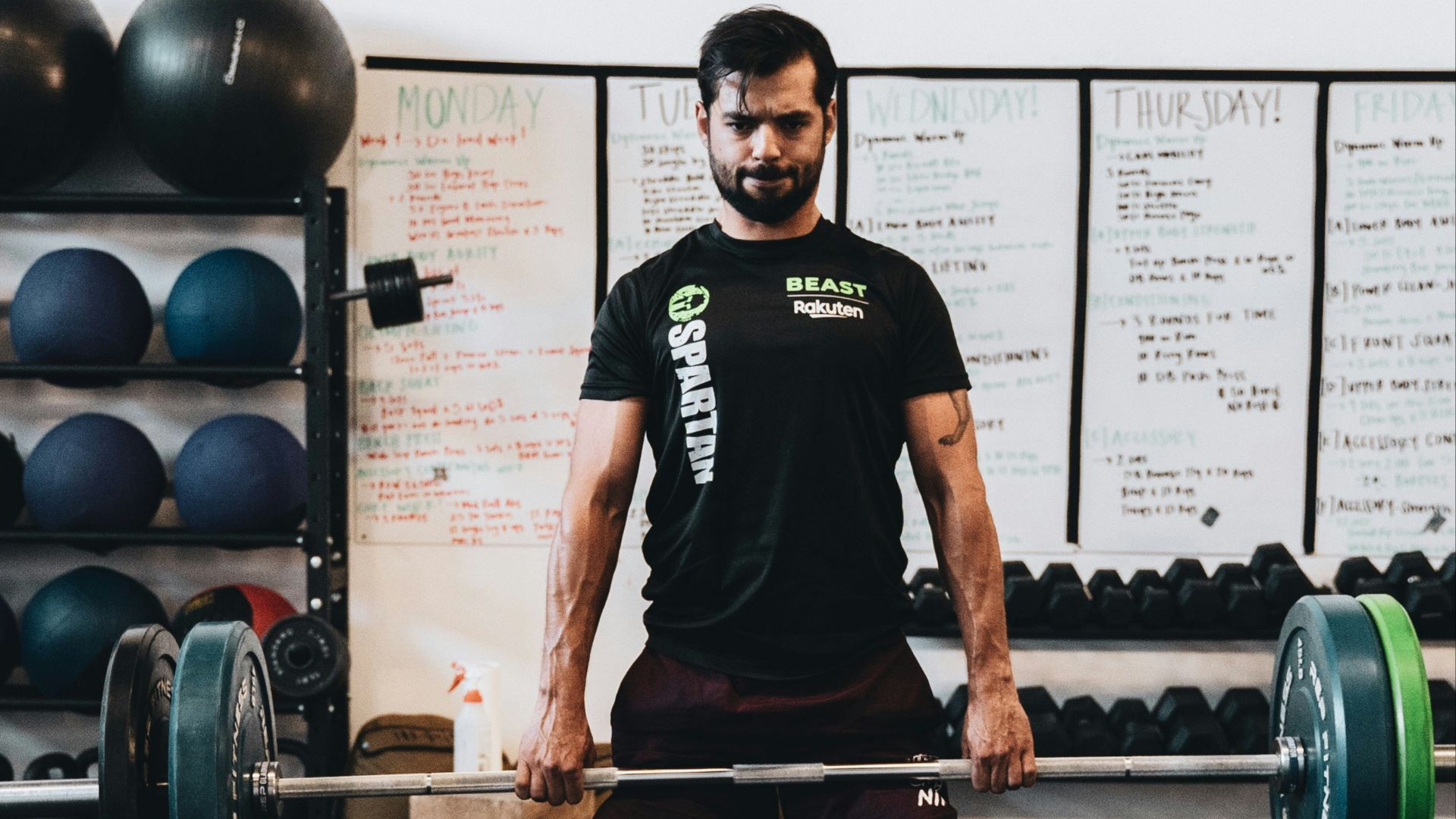 LOGAN WEAVER | @LGNWVR on Unsplash
16. Your Routine Doesn’t Fit Your Life
The plan that works for a 23-year-old trainer may not work for someone squeezing in sessions after daycare pickup or before a long commute. In order to stay consistent with your training, you have to find a schedule that works best for you and your lifestyle.

17. You Love Feeling Sore
It can feel good to have a physical indication that you worked hard the day before, but we’re sorry to say it doesn’t necessarily mean it was a top-tier workout. This phenomenon is known as delayed onset muscle soreness, and a bit of research proves that this feeling isn’t a requirement for muscle growth.

18. You Blow Off Rest Days
Rest days can feel unproductive when you’re eager to hit your training goals, but that doesn’t mean you should ignore them. Rest is just as important as training. If you don’t give your body time to recuperate, it doesn’t have a chance to get stronger.
 CRYSTALWEED cannabis on Unsplash
19. You’re Adding Too Much Variety
A little variation keeps training from getting stale. Too much of it makes it harder to practice lifts, compare performances, and build momentum. As we said before, it’s a good idea to stick to a set routine and swap out an exercise or two when you feel like it.
 LOGAN WEAVER | @LGNWVR on Unsplash
20. You Forget About The Other 23 Hours
The workout matters, sure, but so does sleep, food, stress, and whether your schedule lets you repeat the basics week after week. If you’re not taking care of your body the rest of the time, it’s unlikely that you’ll be able to make any real progress.

KEEP ON READING