Small Ingredients That Support Long-Term Health
Chronic inflammation has been linked to a range of health concerns, including heart disease, arthritis, and metabolic conditions. While no single food can eliminate inflammation, certain spices contain compounds that may help reduce it when included regularly in a balanced diet. Many of these options have been used in traditional cooking for centuries and are easy to incorporate into everyday meals. Stocking your pantry with these 20 spices is a simple way to add both flavor and potential health benefits without changing your routine too drastically.
1. Turmeric
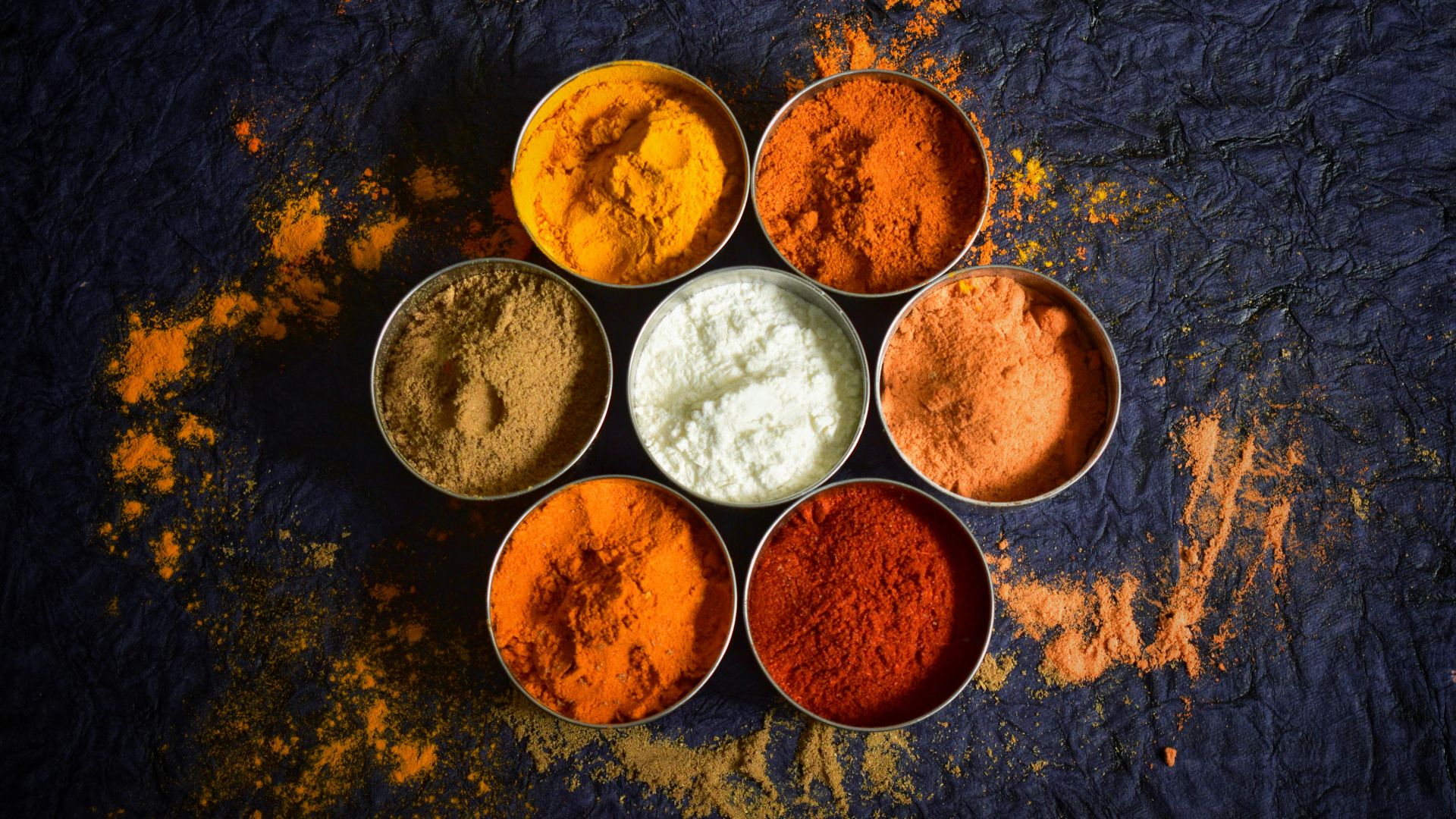
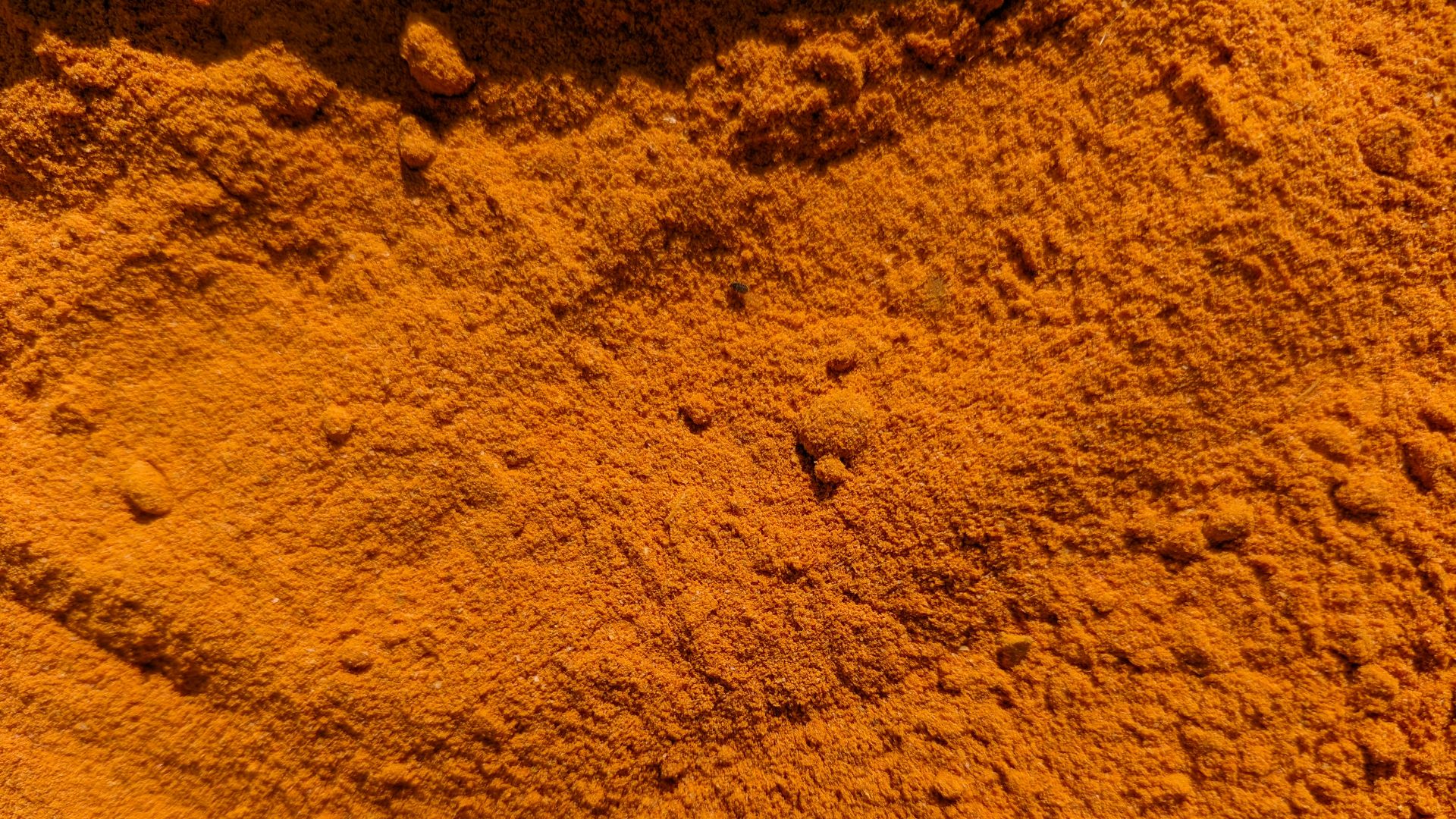
Turmeric is widely recognized for its active compound, curcumin, which has been studied for its anti-inflammatory properties. It’s commonly used in curries, soups, and rice dishes, making it easy to include in meals. Pairing it with black pepper can improve absorption in the body. Regular use in cooking may contribute to reducing low-grade inflammation over time.
 Md Shakil Photography on Unsplash
2. Ginger
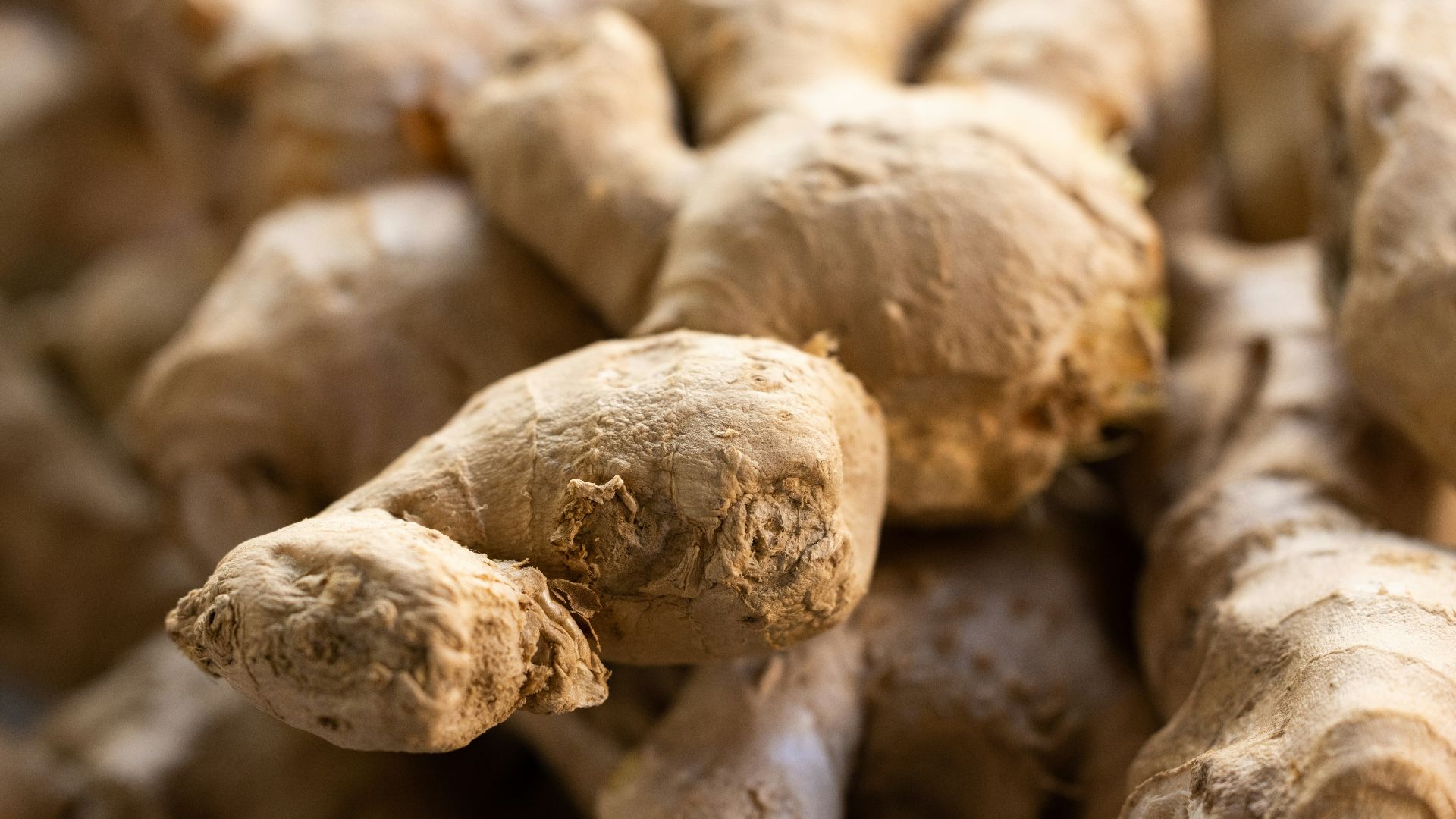
Ginger contains compounds like gingerol that are known to support anti-inflammatory responses. It works well in both savory dishes and beverages, such as teas or smoothies. Fresh or dried forms can be used depending on convenience. Adding it to meals regularly is a simple way to incorporate its benefits.
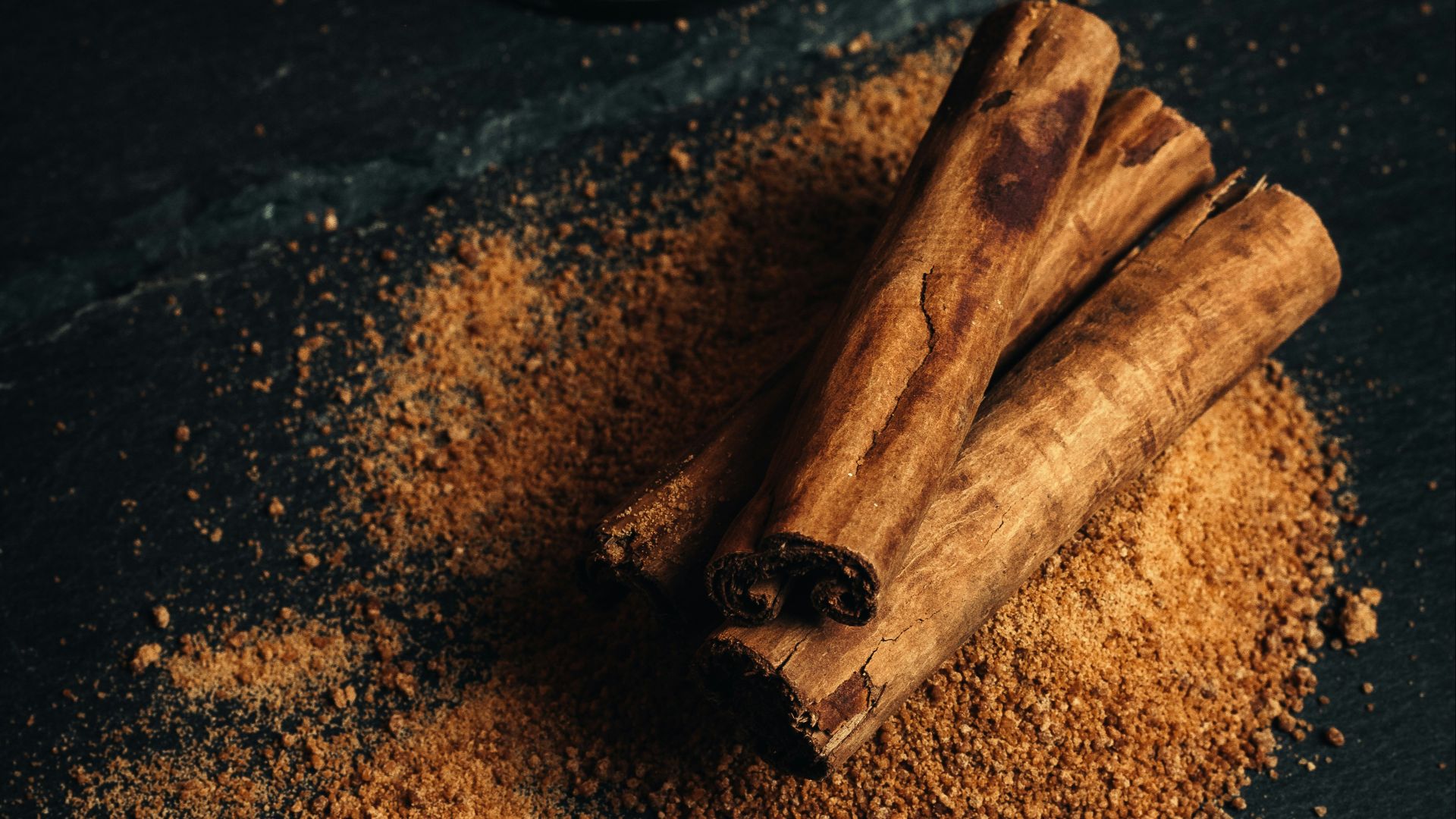
3. Cinnamon
Cinnamon has been associated with reduced inflammation and improved metabolic markers in some studies. It’s easy to add to breakfast foods like oatmeal, yogurt, or baked goods. Both Ceylon and cassia varieties are commonly used, though moderation is recommended. Its versatility makes it one of the easiest spices to include daily.
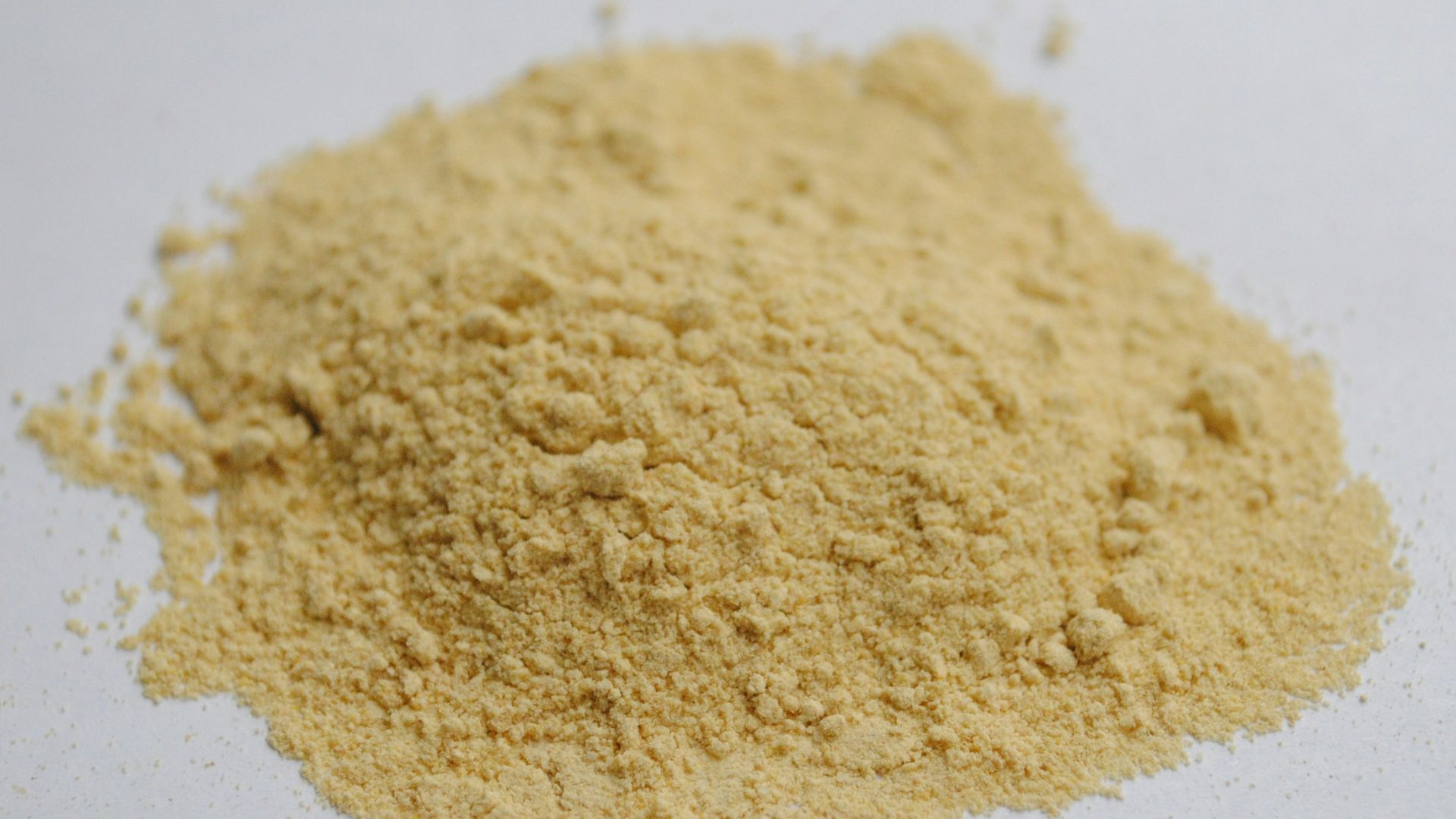
4. Garlic Powder
Garlic contains sulfur compounds that may help support immune function and reduce inflammation. While fresh garlic is often preferred, garlic powder offers a convenient alternative. It blends easily into sauces, marinades, and roasted dishes. Keeping it on hand ensures you can add flavor and potential benefits quickly.
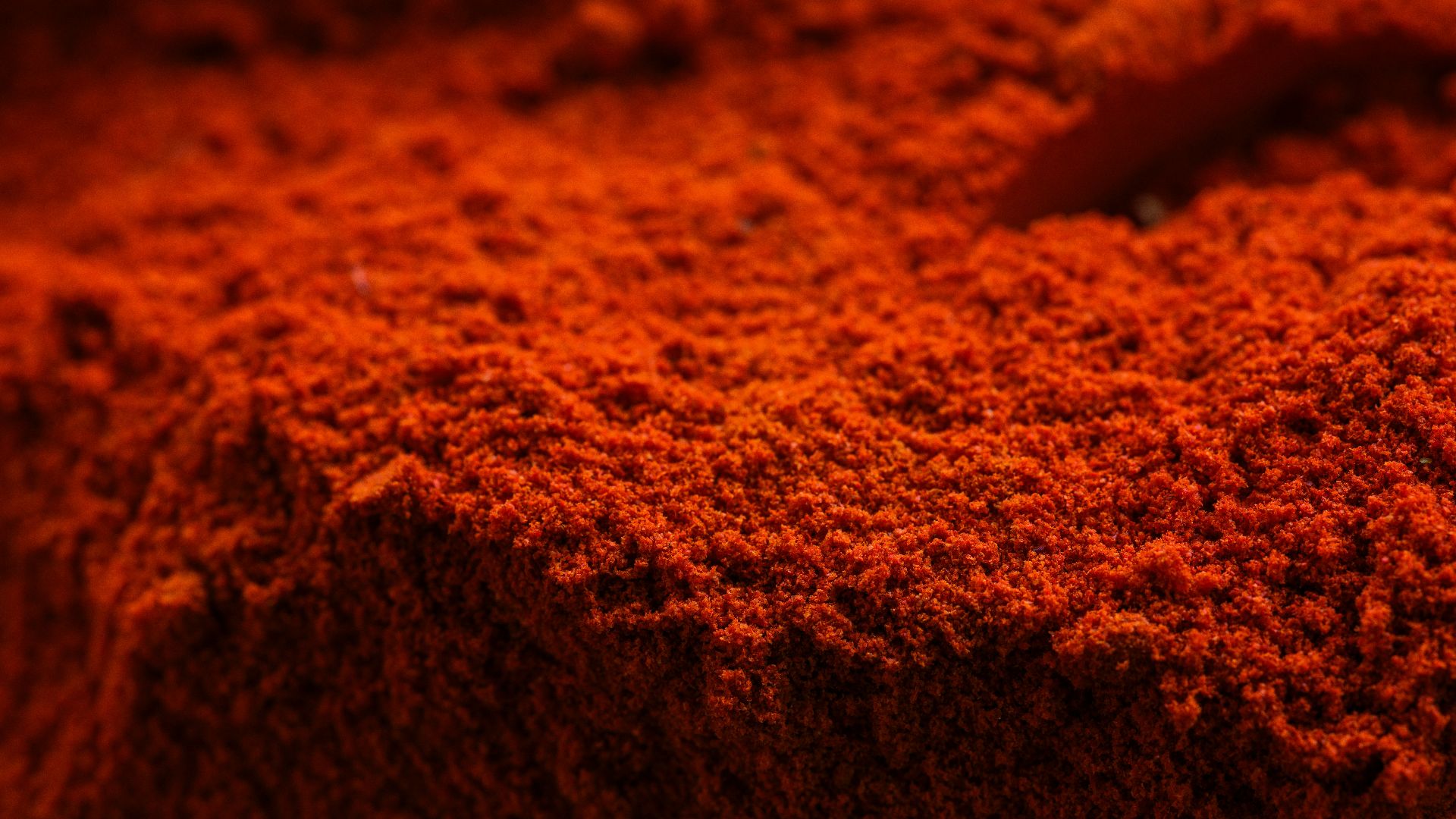
5. Cayenne Pepper
Cayenne pepper contains capsaicin, a compound linked to anti-inflammatory and pain-relief effects. It adds heat to dishes without requiring large quantities. Small amounts can be incorporated into soups, sauces, or seasoning blends. Its potency means a little goes a long way.
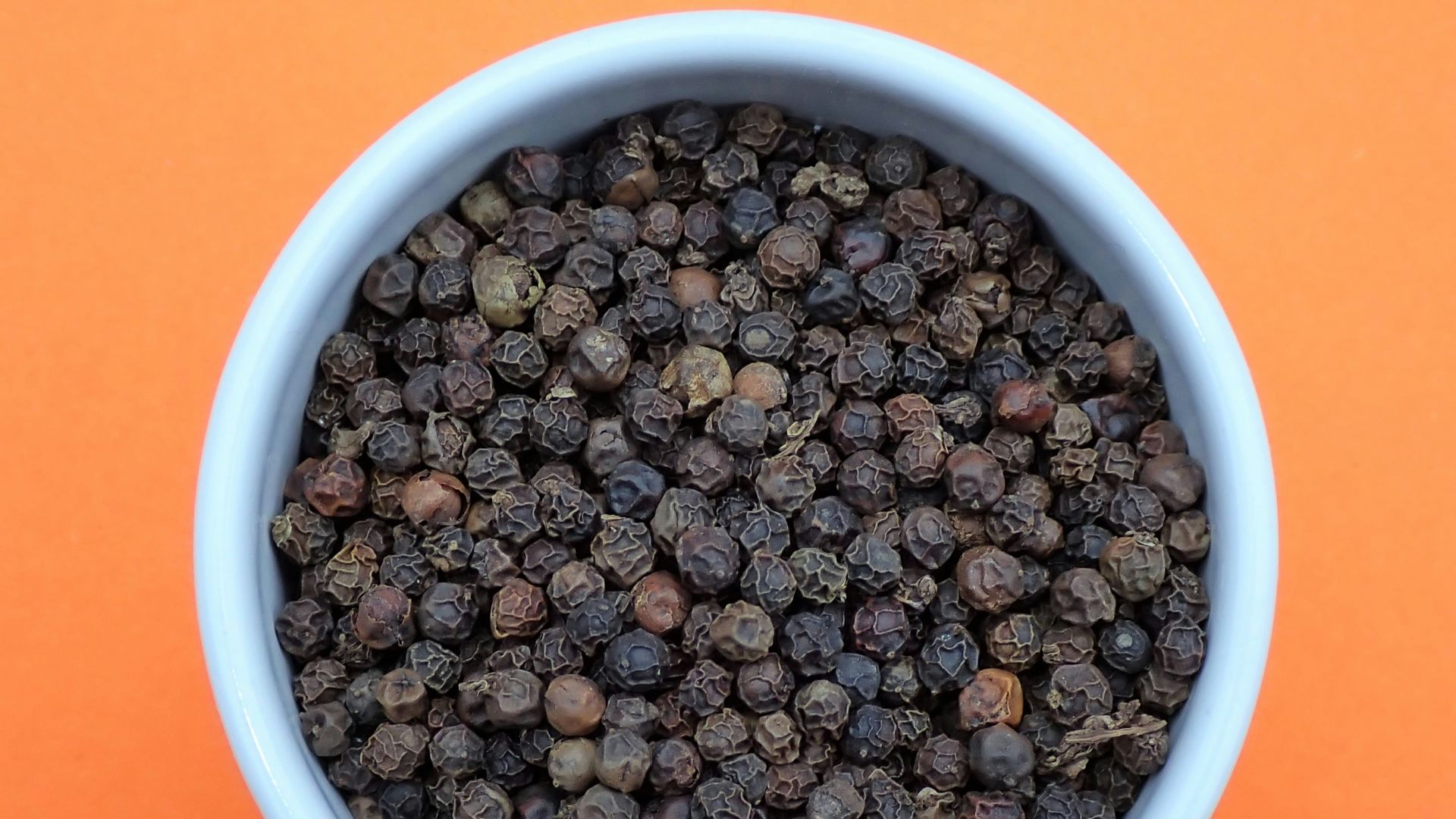
6. Black Pepper
Black pepper is more than just a seasoning—it contains piperine, which has been studied for its anti-inflammatory effects. It also enhances the absorption of other compounds, especially curcumin in turmeric. It can be added to nearly any savory dish, and its everyday use makes it a practical addition to your pantry.
7. Cloves
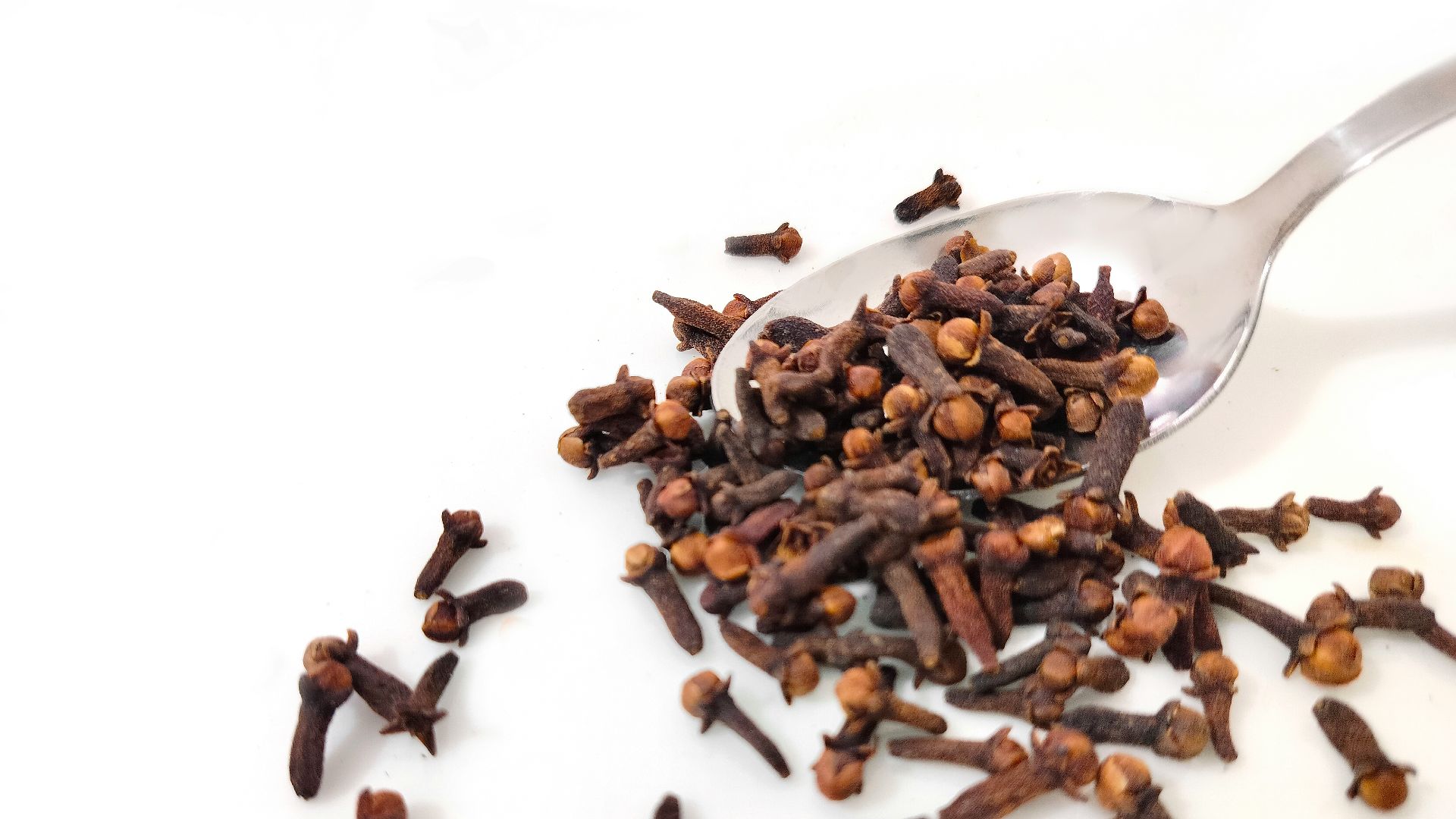
Cloves are rich in antioxidants and contain compounds that may help reduce inflammation. They’re often used in baking, spice blends, and warm beverages. Their strong flavor means they’re typically used in small amounts. Even so, they contribute both taste and nutritional value.
8. Sumac
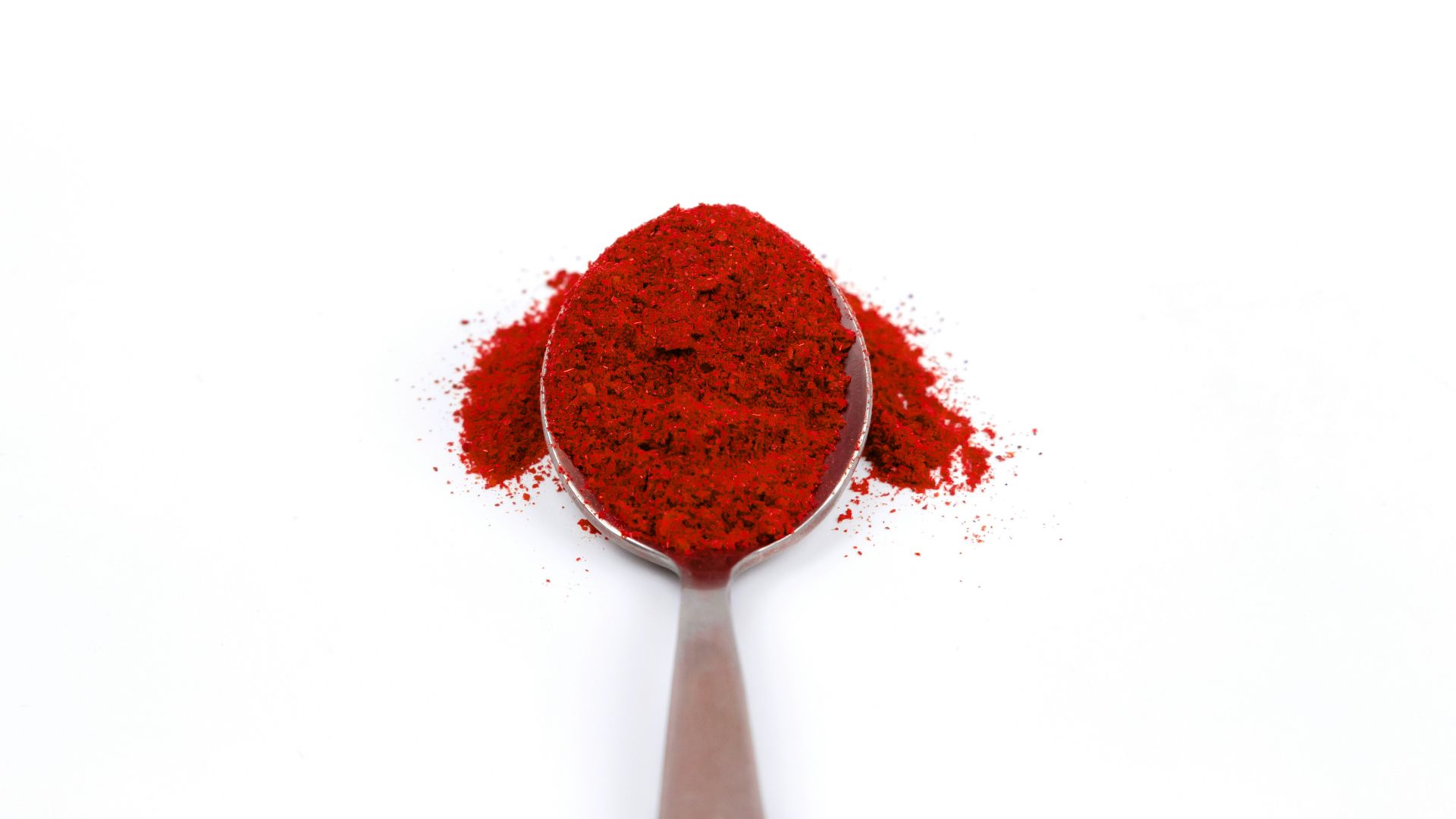
Sumac is a tangy, deep red spice commonly used in Middle Eastern cooking. It contains antioxidants that may help reduce inflammation in the body. Its bright, slightly sour flavor works well on vegetables, meats, and salads. It’s an easy way to add both flavor and variety without extra effort.
 Danielle-Claude Bélanger on Unsplash
9. Oregano
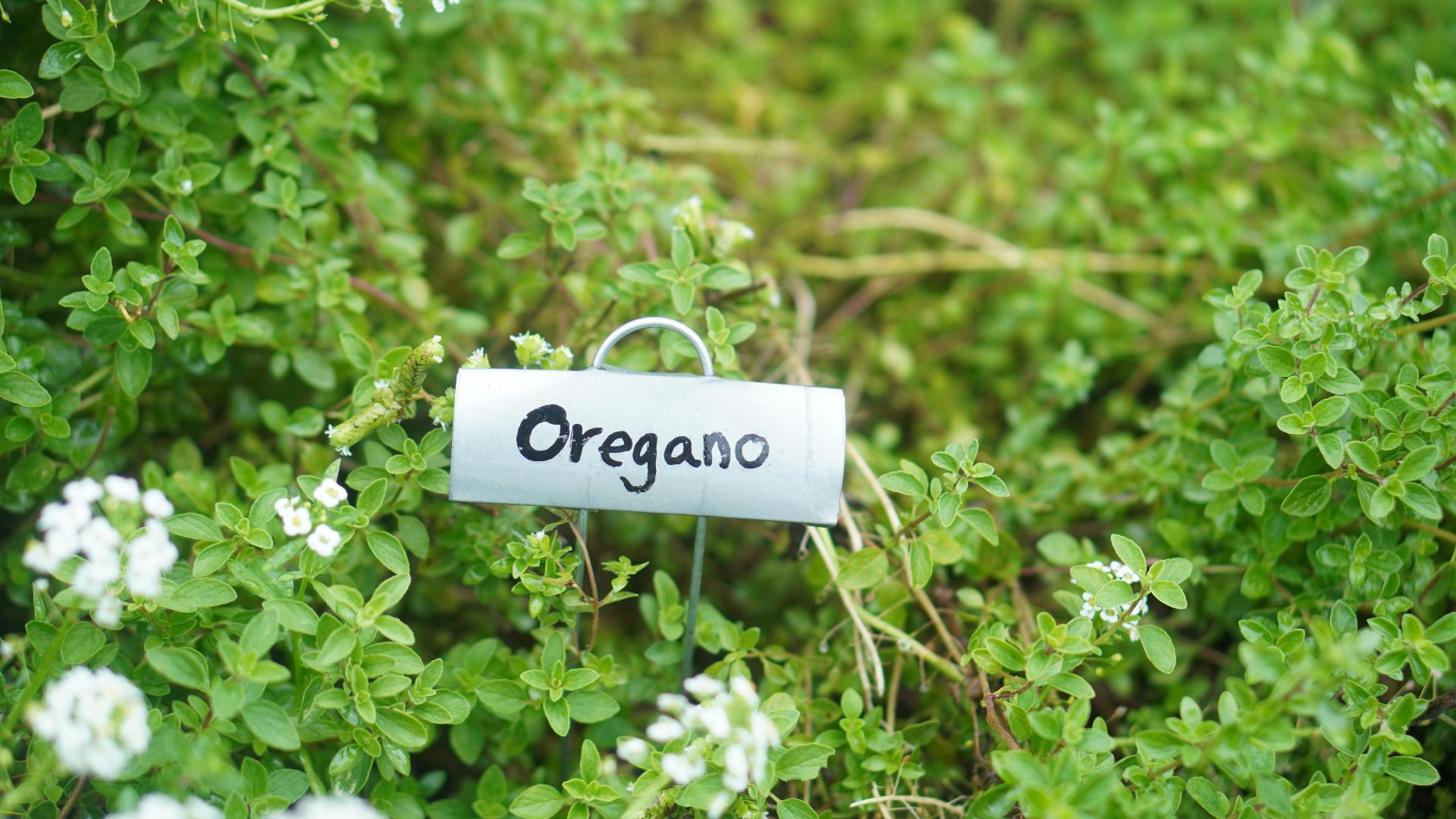
Oregano is a common herb with notable antioxidant and anti-inflammatory properties. It’s frequently used in Mediterranean cooking, including sauces and marinades.
10. Saffron
Saffron contains compounds such as crocin that have been linked to anti-inflammatory effects. It’s often used in rice dishes and broths, adding both color and subtle flavor. While it’s more expensive than other spices, only a small amount is needed. Its occasional use can still contribute to a balanced approach.

11. Paprika
Paprika contains carotenoids and other antioxidants that may help reduce inflammation. It adds mild flavor and color to a variety of dishes, including meats and vegetables. Both sweet and smoked varieties can be used depending on preference. It’s an easy spice to incorporate into everyday cooking.
 Volodymyr Hryshchenko on Unsplash
12. Star Anise
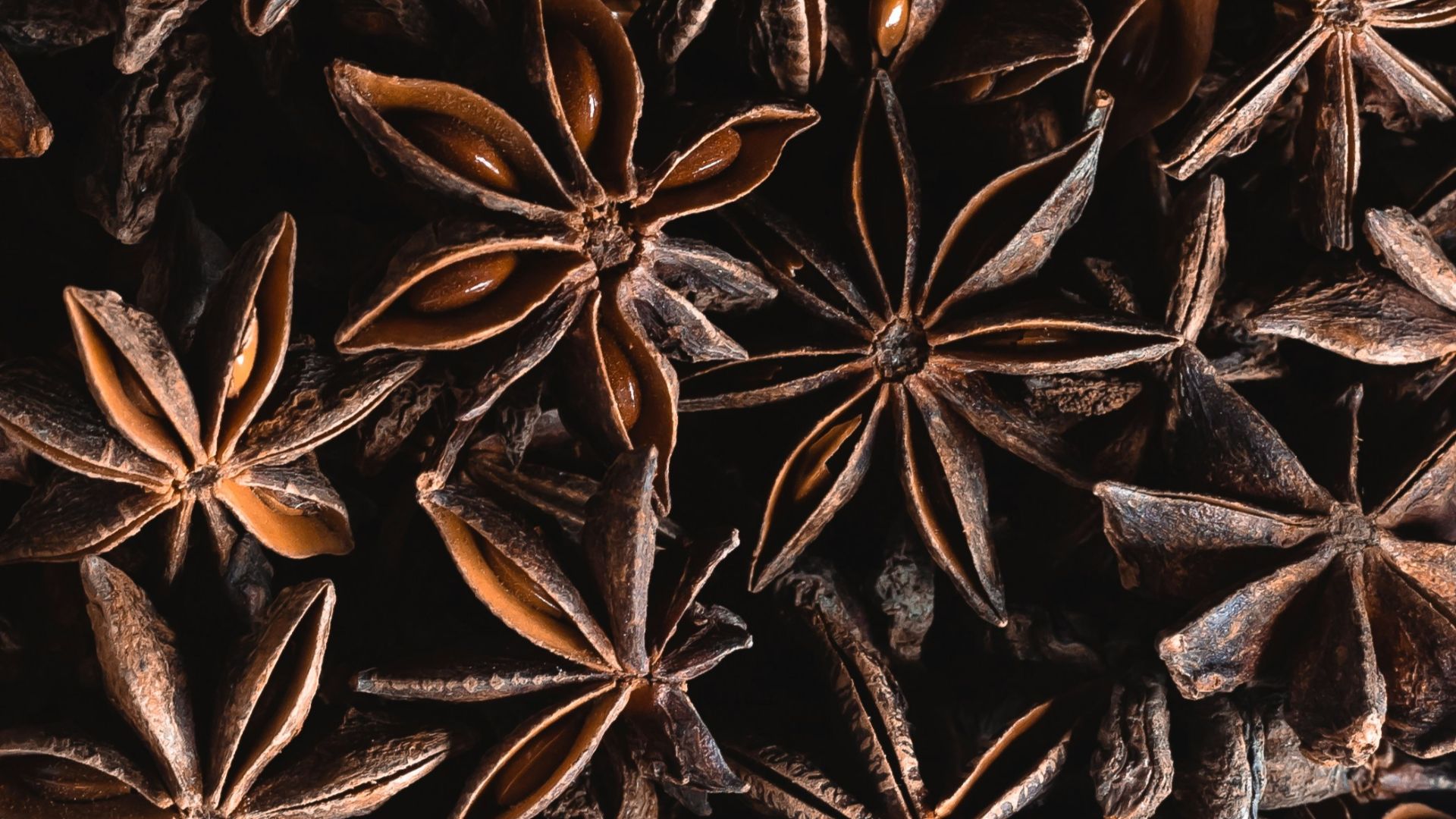
Star anise is a spice derived from the dried fruit of an evergreen tree and is commonly used in Asian cooking. It contains compounds with antioxidant properties that may help reduce inflammation.
13. Cumin
Cumin has been linked to potential anti-inflammatory benefits due to its active plant compounds. It’s commonly used in spice blends, curries, and grain dishes. Its warm, earthy flavor enhances savory meals. Regular use can contribute to a varied and balanced diet.
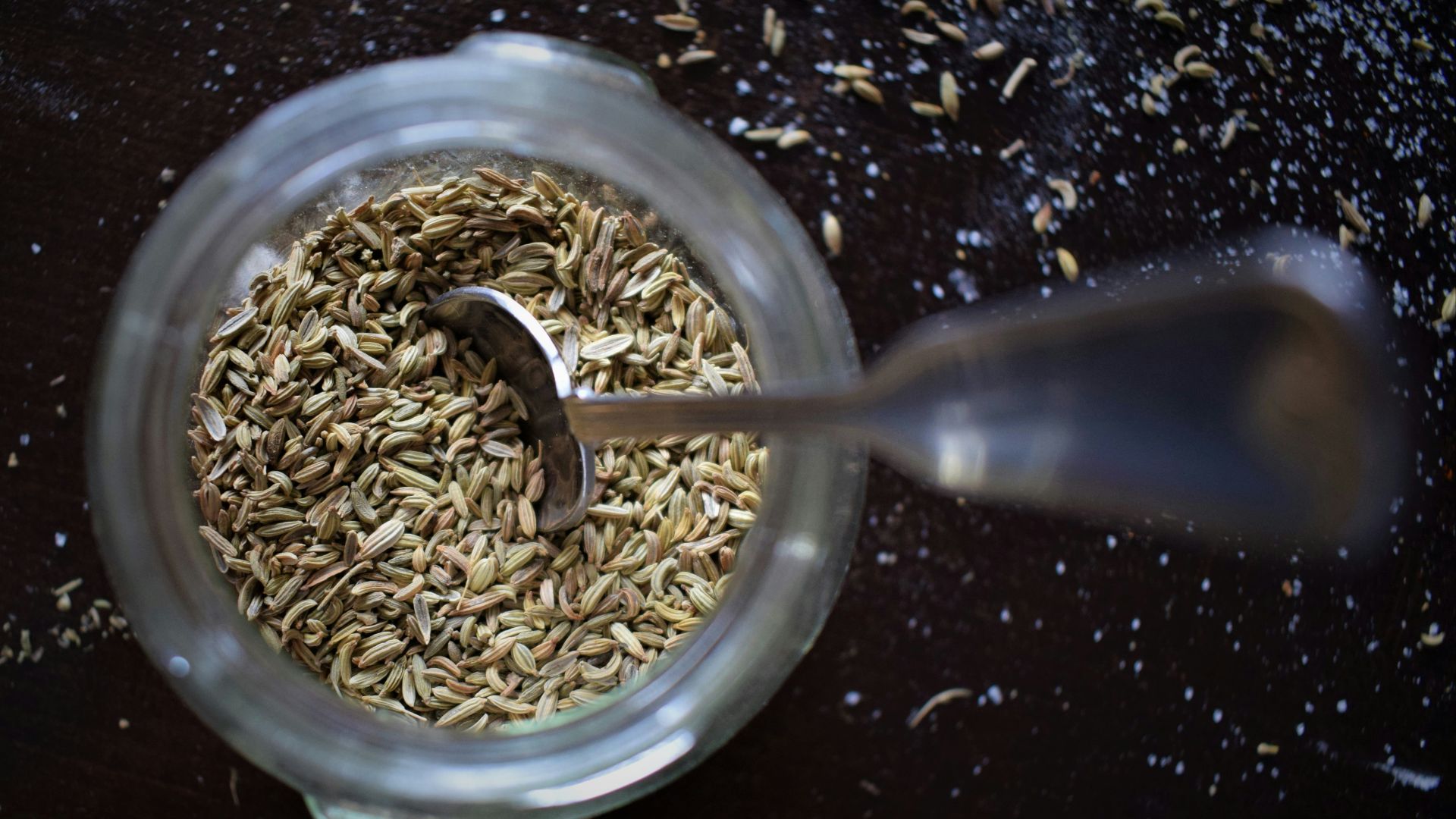
14. Coriander
Coriander seeds and ground coriander contain antioxidants that may help reduce inflammation. They’re often used in global cuisines, including Middle Eastern and Indian dishes. The flavor is mild and slightly citrusy. This makes it easy to pair with many ingredients.
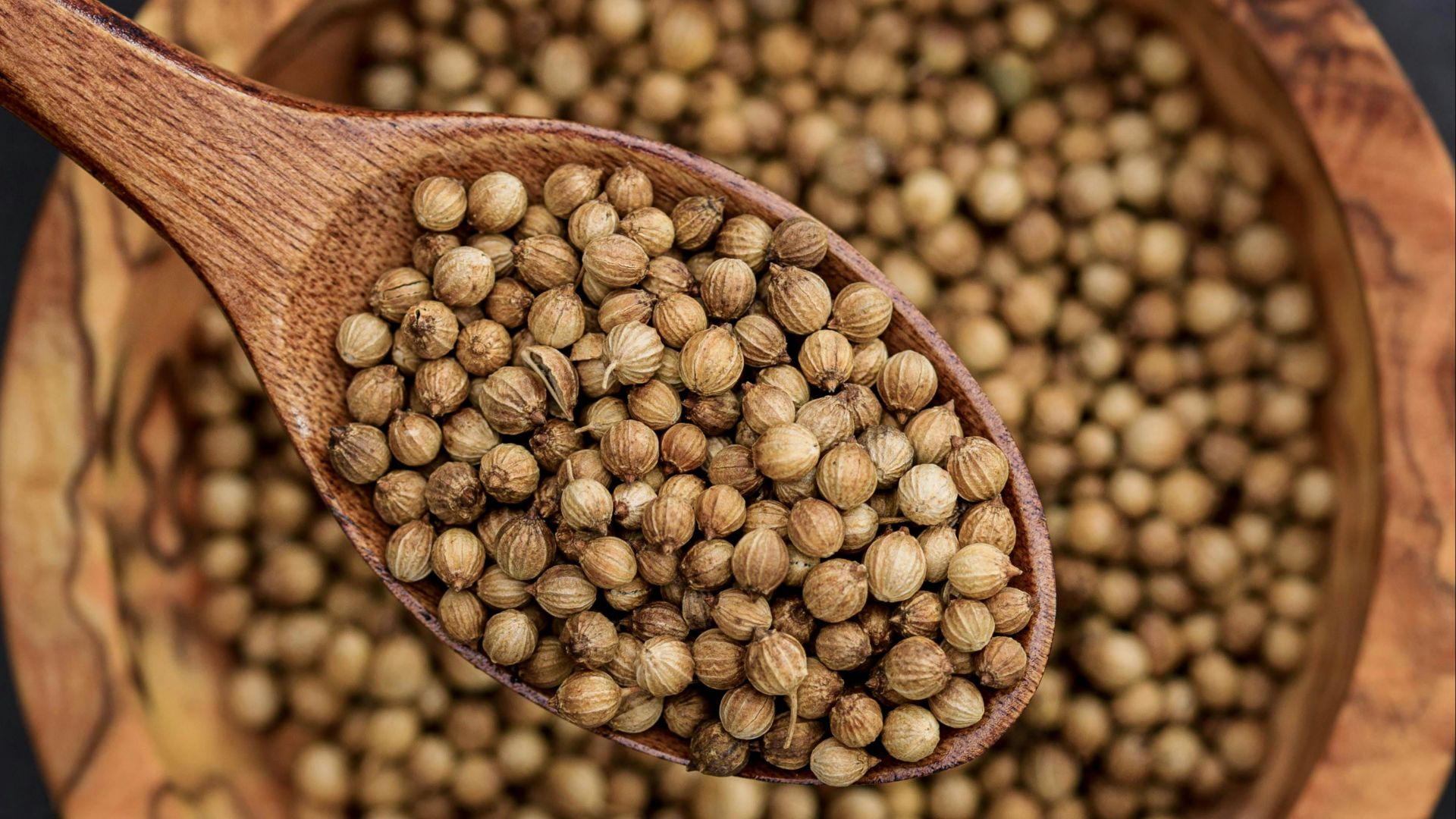
15. Fennel Seeds
Fennel seeds contain compounds that may support digestion and reduce inflammation. They’re commonly used in teas, spice blends, and baked goods. Their slightly sweet flavor adds variety to dishes, and keeping them on hand offers flexibility in cooking.
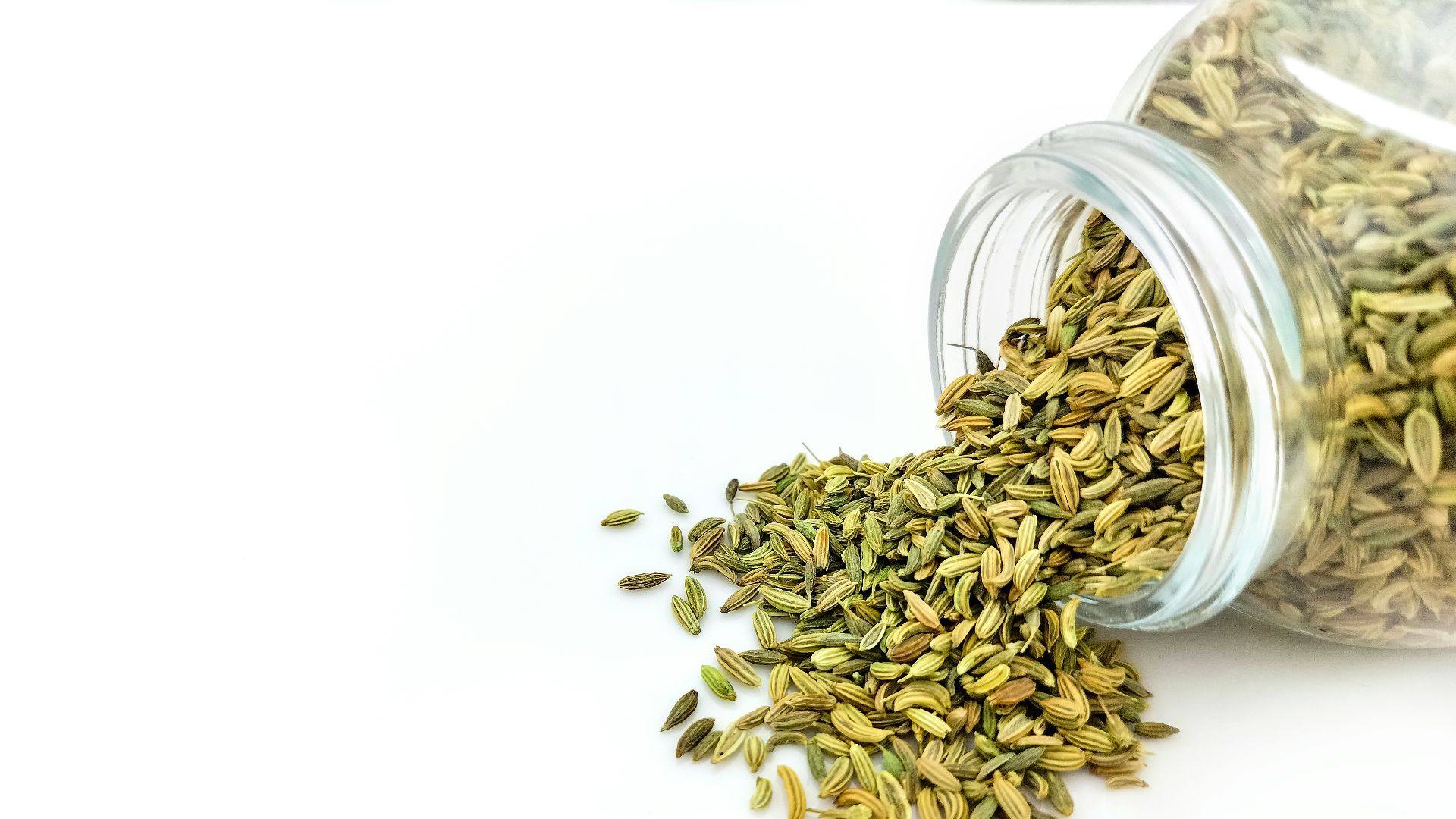
16. Mustard Seeds
Mustard seeds contain selenium and magnesium, both of which play roles in reducing inflammation. They’re often used in pickling, sauces, and seasoning blends.

17. Cardamom
Cardamom has been studied for its antioxidant and anti-inflammatory properties. It’s frequently used in both sweet and savory dishes.
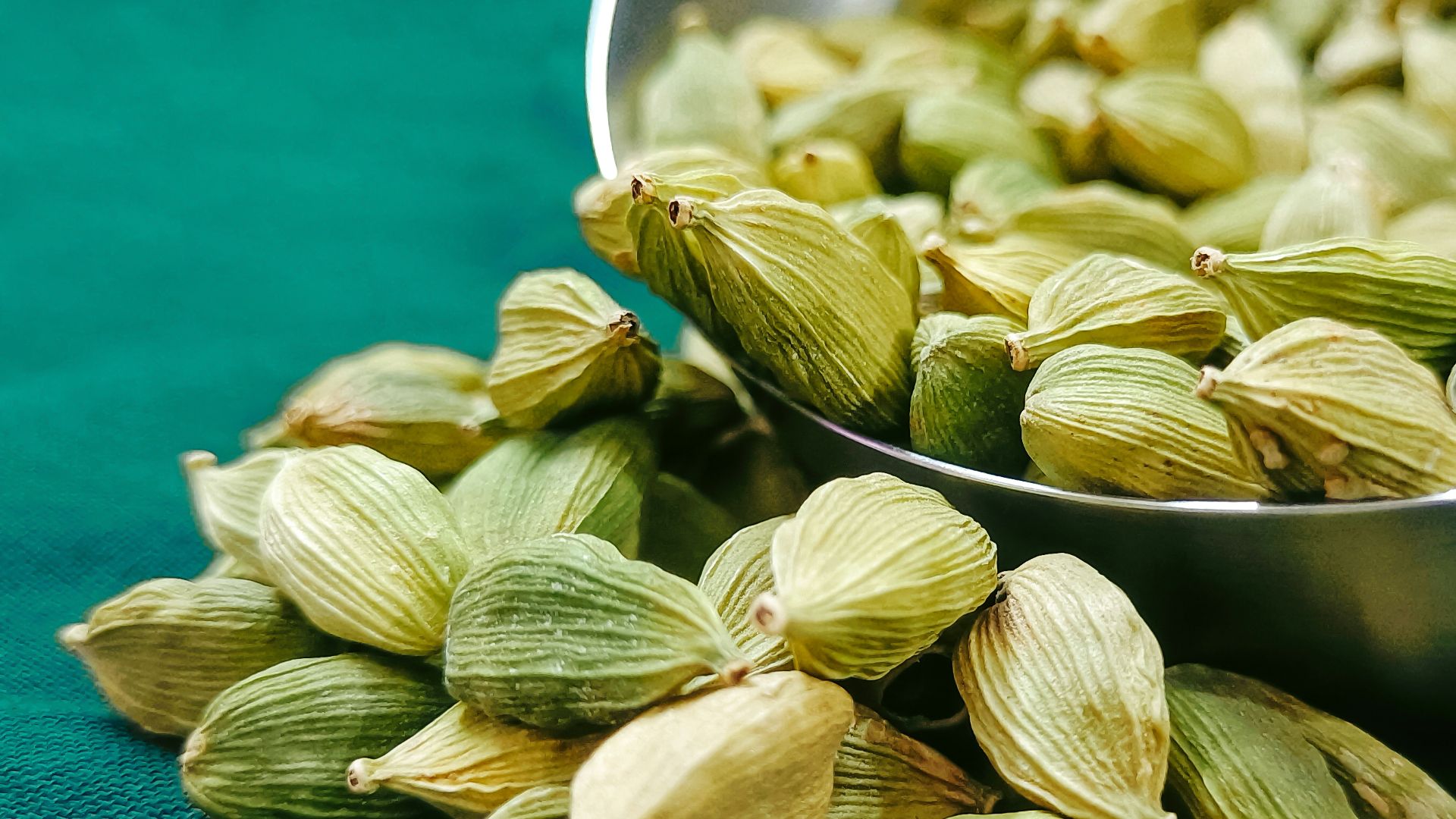
18. Bay Leaves
Bay leaves contain plant compounds that may support anti-inflammatory responses. They’re typically used in soups, stews, and sauces to add depth of flavor. The leaves are removed before serving, making them easy to use. They provide subtle but noticeable enhancement.

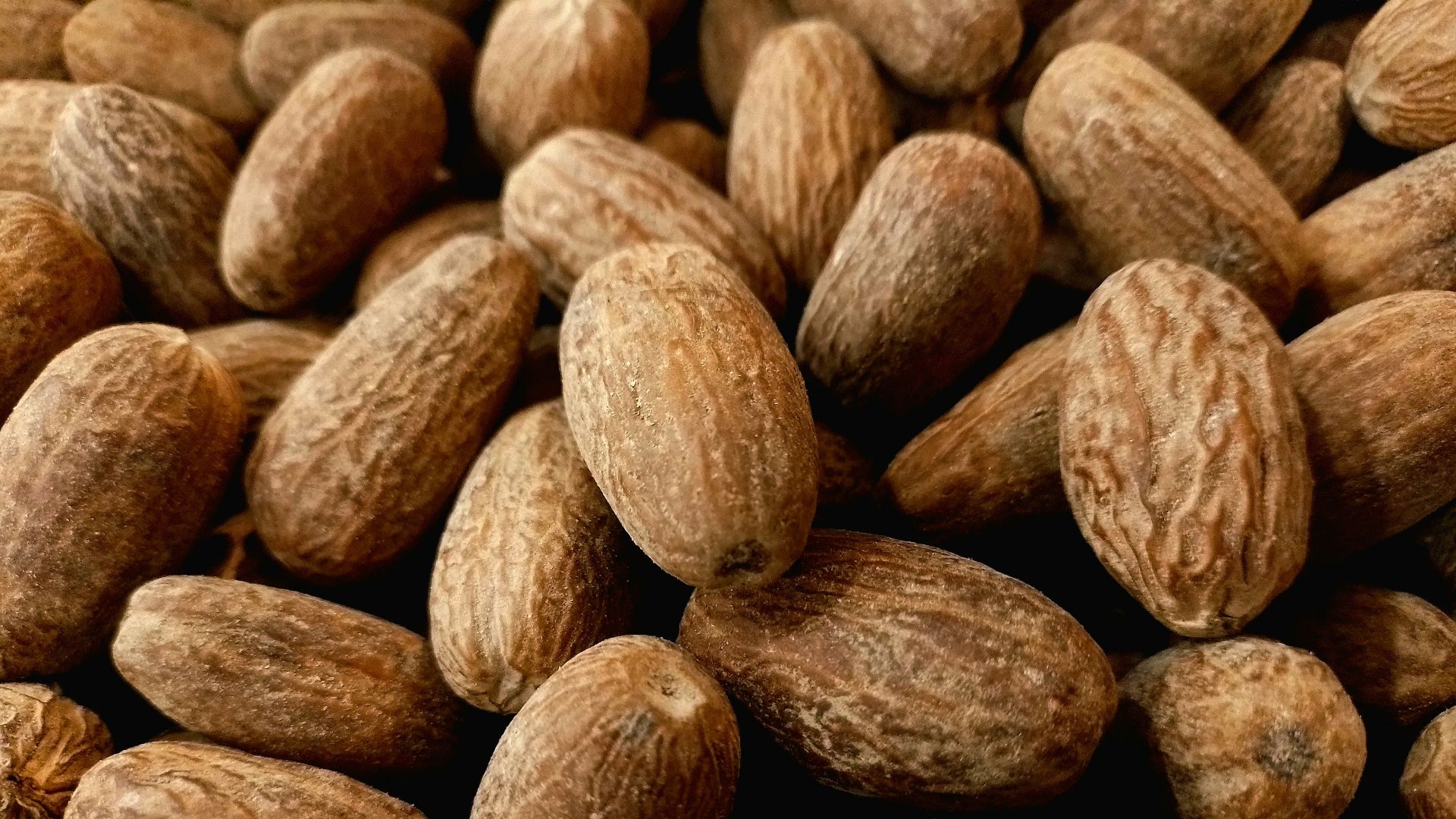
19. Nutmeg
Nutmeg contains compounds that may help reduce inflammation when used in small amounts. It’s commonly added to baked goods, sauces, and warm drinks.
20. Fenugreek
Fenugreek seeds have been linked to potential anti-inflammatory and metabolic benefits. They’re often used in spice blends and traditional dishes. The flavor is slightly bitter but becomes milder when cooked.