
Subtle Thyroid Symptoms You Shouldn’t Ignore
The thyroid is a small gland, but it plays a major role in regulating metabolism, energy, and overall body function. When it’s not working properly, the effects can show up in ways that are easy to overlook or misattribute to stress or aging. You might notice gradual changes rather than sudden symptoms, which makes them easier to ignore. Paying attention to these 20 signs can help you recognize when it’s time to seek medical advice.

1. Unexplained Weight Changes
Sudden weight gain or loss without changes in diet or activity can signal thyroid issues. An underactive thyroid often slows metabolism, leading to weight gain. An overactive thyroid can have the opposite effect. These changes tend to happen gradually but noticeably.

2. Persistent Fatigue
Feeling tired even after getting enough sleep can be a sign of thyroid imbalance. Hypothyroidism often leads to low energy levels. You might find it harder to get through your usual daily tasks. This fatigue can persist despite rest.

3. Sensitivity to Cold or Heat
Thyroid hormones regulate body temperature. If you’re unusually sensitive to cold, it may indicate an underactive thyroid. On the other hand, excessive sensitivity to heat can point to an overactive thyroid. These changes are often consistent rather than occasional.

4. Changes in Heart Rate
A slower or faster than normal heart rate can be linked to thyroid function. Hypothyroidism may cause a slower pulse, while hyperthyroidism can increase heart rate. You might notice palpitations or irregular rhythms. These symptoms should be taken seriously.

5. Hair Thinning or Loss
Thyroid imbalances can affect hair growth cycles. You may notice thinning hair or increased shedding. This can occur on the scalp or even in the eyebrows. It usually develops over time rather than suddenly.

6. Dry or Thinning Skin
Changes in skin texture are common with thyroid disorders. You might experience dryness, roughness, or thinning. These symptoms are often more noticeable in colder weather. They can persist despite regular skincare.

7. Mood Changes
Thyroid health can influence mental well-being. Hypothyroidism is often linked to depression or low mood. Hyperthyroidism may cause anxiety or irritability. These emotional changes can feel out of character.

8. Difficulty Concentrating
Problems with focus or memory can be related to thyroid function. You might feel mentally foggy or forgetful. This is sometimes referred to as “brain fog.” It can affect work and daily activities.

9. Changes in Menstrual Cycle
Thyroid hormones play a role in reproductive health. You may notice heavier, lighter, or irregular periods. These changes can vary depending on the type of thyroid imbalance. It’s often one of the earlier signs in women.
 Reproductive Health Supplies Coalition on Unsplash
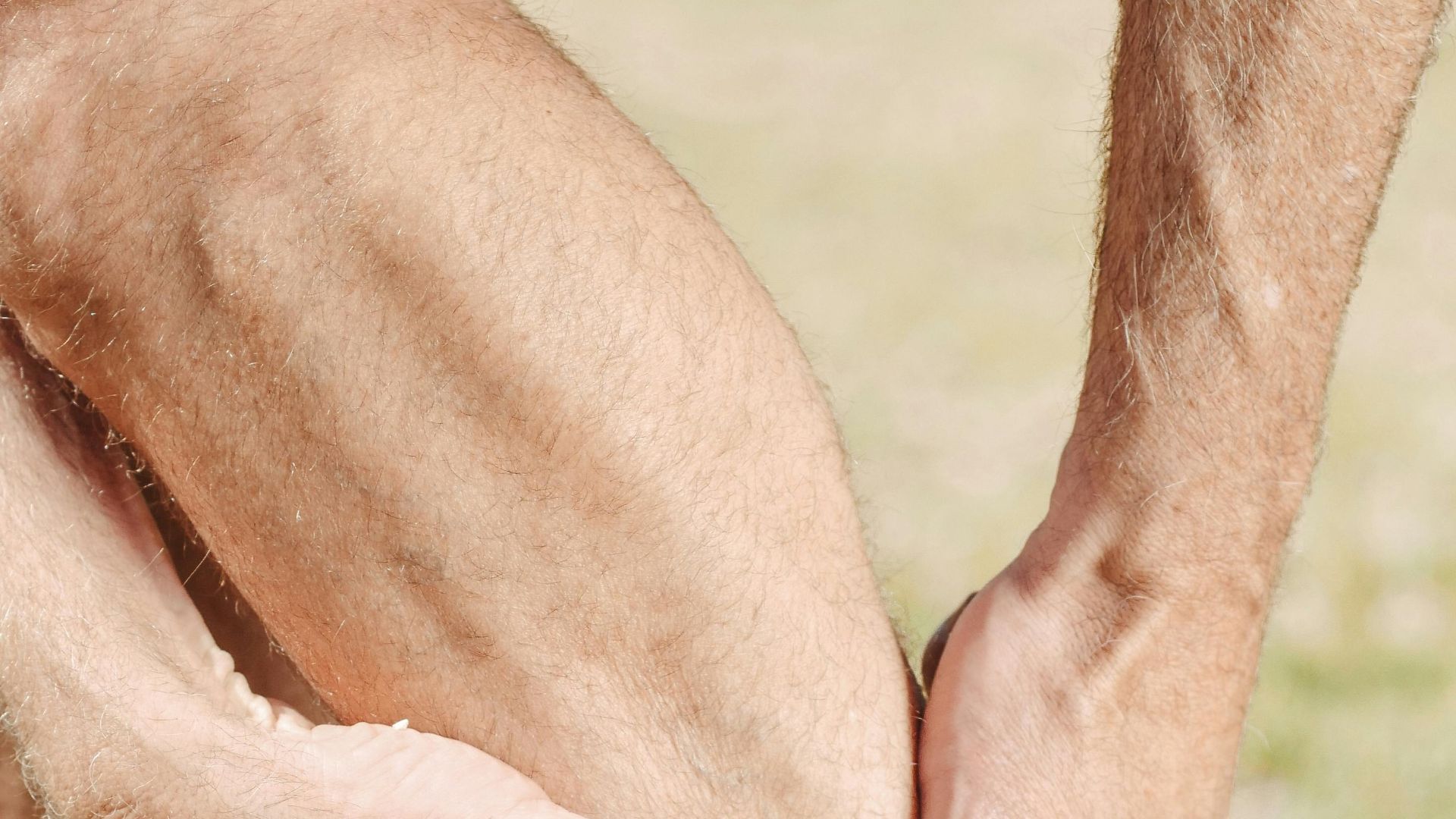
10. Muscle Weakness or Aches
Muscle weakness or unexplained aches can be linked to thyroid issues. You might feel less strength during normal activities. This can also include stiffness or discomfort. The symptoms are usually persistent rather than occasional.
11. Swelling in the Neck
An enlarged thyroid, known as a goiter, can cause visible swelling in the neck. You might notice tightness or discomfort in that area. It can sometimes affect swallowing. This is a more noticeable physical sign.

12. Digestive Changes
Thyroid disorders can affect digestion. Hypothyroidism often leads to constipation, whereas hyperthyroidism may cause more frequent bowel movements. These changes can become consistent over time.

13. Sleep Disturbances
You might experience difficulty sleeping or staying asleep. An overactive thyroid can lead to restlessness. An underactive thyroid may make you feel sleepy but still unrested. Sleep patterns can shift noticeably.

14. Hoarseness or Voice Changes
The thyroid is located near the vocal cords. Enlargement or dysfunction can affect your voice. You might notice hoarseness or changes in tone. This can persist without an obvious cause.

15. Increased Anxiety or Nervousness
Hyperthyroidism can increase feelings of anxiety or nervousness. You may feel on edge without a clear reason. This can also include restlessness or difficulty relaxing. It’s often accompanied by physical symptoms.

16. Slowed Movements or Reflexes
An underactive thyroid can slow down bodily functions. You might notice slower movements or delayed reflexes. This can affect coordination and response time. It tends to develop gradually.

17. Elevated Cholesterol Levels
Hypothyroidism can contribute to higher cholesterol levels. You might not notice symptoms directly, but it shows up in blood tests. This can increase the risk of heart disease, making it an important medical indicator.

18. Brittle Nails
Thyroid issues can affect nail health. You may notice nails becoming brittle, thin, or prone to breaking. This change often occurs alongside hair and skin symptoms. It’s a subtle but consistent sign that should convince you to make an appointment with your doctor.

19. Reduced Tolerance for Exercise
You might find it harder to complete once manageable workouts. Fatigue, weakness, or shortness of breath can play a role. This can happen even without changes in fitness level. It’s often linked to energy regulation.

20. Changes in Appetite
An overactive thyroid can increase appetite, while an underactive one may reduce it. You might notice eating patterns shifting without clear reasons. These changes often accompany weight fluctuations. They can be easy to overlook at first.

KEEP ON READING



20 Ways to Deal With Your Sweet Tooth

20 Low-Impact Exercise Ideas For People Over 50