
Oura Ring vs. Fitness Watch
In the market for a portable health tracker? You're in luck: the wearable tech market has never had more options, and two of the biggest contenders right now are the Oura Ring and the traditional fitness watch. While both excel at tracking your health data, they do it in very different ways and appeal to very different kinds of people. Whether you're a data-driven wellness enthusiast or someone who wants a full-featured device on your wrist, here's a breakdown of what each one actually brings to the table so you know which one is better for you.
1. It's Discreet Enough to Wear Anywhere
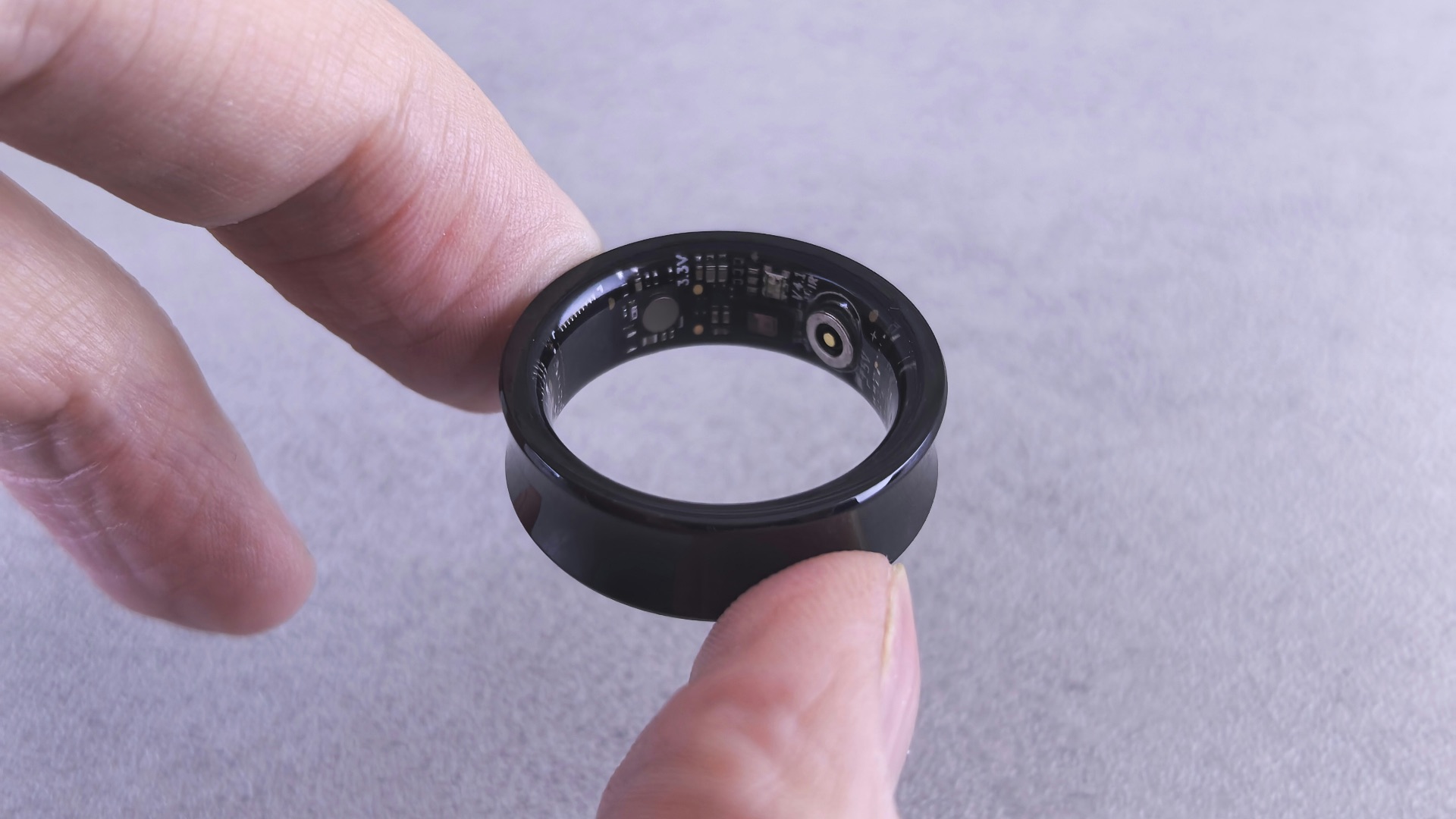
One of the biggest selling points of the Oura Ring is that it looks like a piece of jewelry rather than a piece of technology. You can wear it to a formal dinner, a job interview, or a casual brunch without it feeling out of place. It's a genuinely low-profile device that doesn't announce itself the way a chunky smartwatch does.

2. The Sleep Tracking Is Exceptionally Detailed
If sleep health is your primary focus, the Oura Ring has few rivals when it comes to the depth of its nighttime data. It tracks your sleep stages, your body temperature variations, your resting heart rate, and your heart rate variability all at once. The resulting Sleep Score gives you an easy-to-read summary while still offering granular data for those who want to dig deeper.

3. It's More Comfortable to Sleep In
Most people find it uncomfortable to sleep with a watch strapped to their wrist, especially if it has a thick band or a large face that digs into the mattress. The Oura Ring, by contrast, is lightweight and smooth, so most users forget they're wearing it within a few nights. Because consistent overnight data is where a lot of its value lies, that comfort factor matters more than you might expect.

4. The Battery Life Is Surprisingly Long
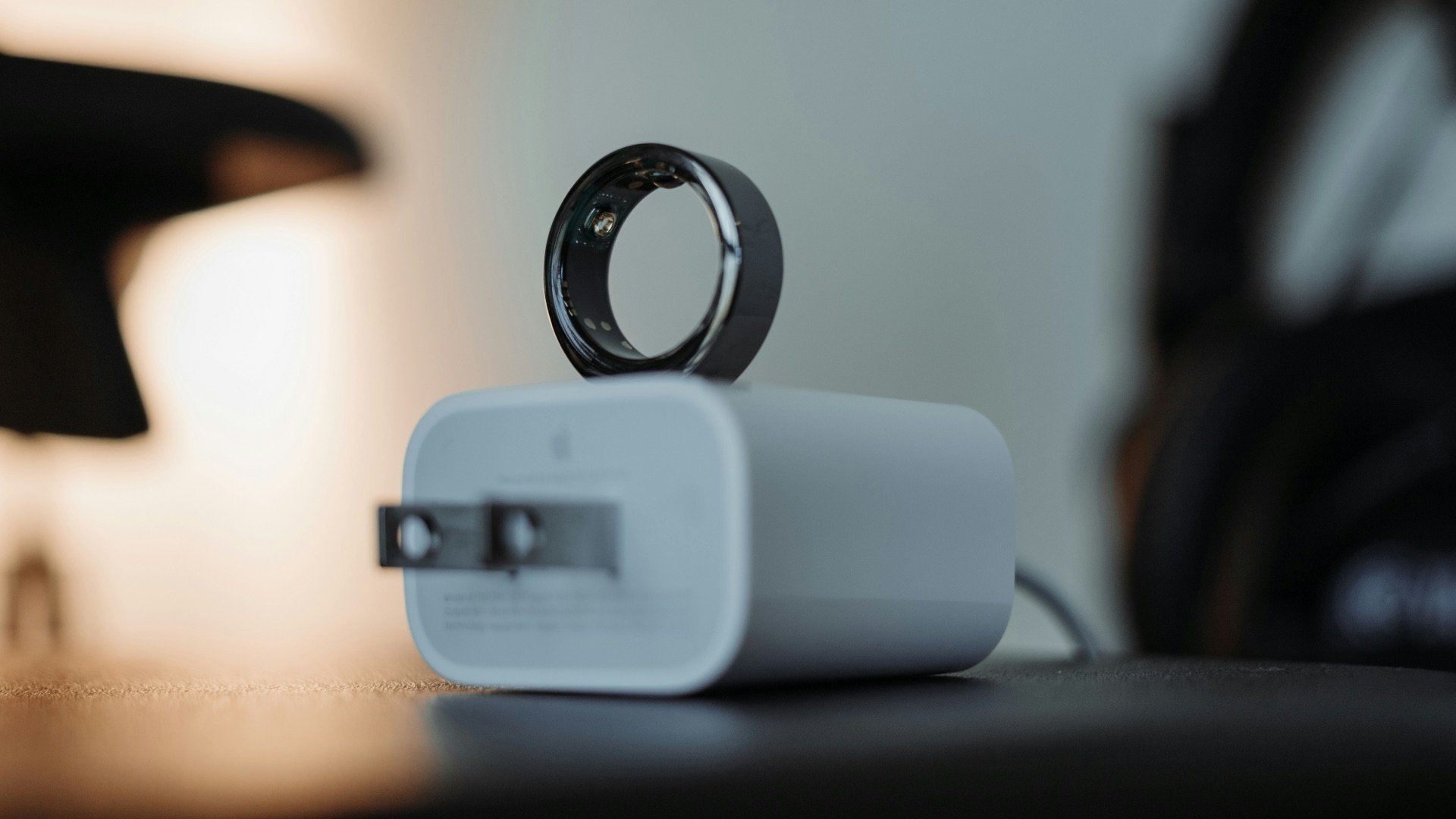
For a device this small, the Oura Ring's battery performance is impressive, typically lasting between four and seven days on a single charge. That's significantly better than most fitness watches, which often need to be charged every day or two if you're using GPS or continuous heart rate monitoring. Less time charging means fewer gaps in your health data.
5. Readiness Score
The Readiness Score is one of the Oura Ring's most talked-about features, and it earns that reputation by pulling together sleep, recovery, and activity data into a single daily metric. Instead of just telling you how many steps you took, it tells you how well your body has recovered and whether you're in a good position to take on a hard workout or a stressful day. It's a more holistic approach to daily performance than most wearables offer.

6. It Doesn't Distract You with Constant Notifications
Because the Oura Ring doesn't have a screen, it doesn't ping you with texts, emails, or social media alerts throughout the day. For people who are trying to reduce screen time or stay more present, that absence may actually be a feature rather than a limitation. You check your data when you choose to, not whenever your wrist lights up.
7. It's a Strong Option for Menstrual Cycle Tracking
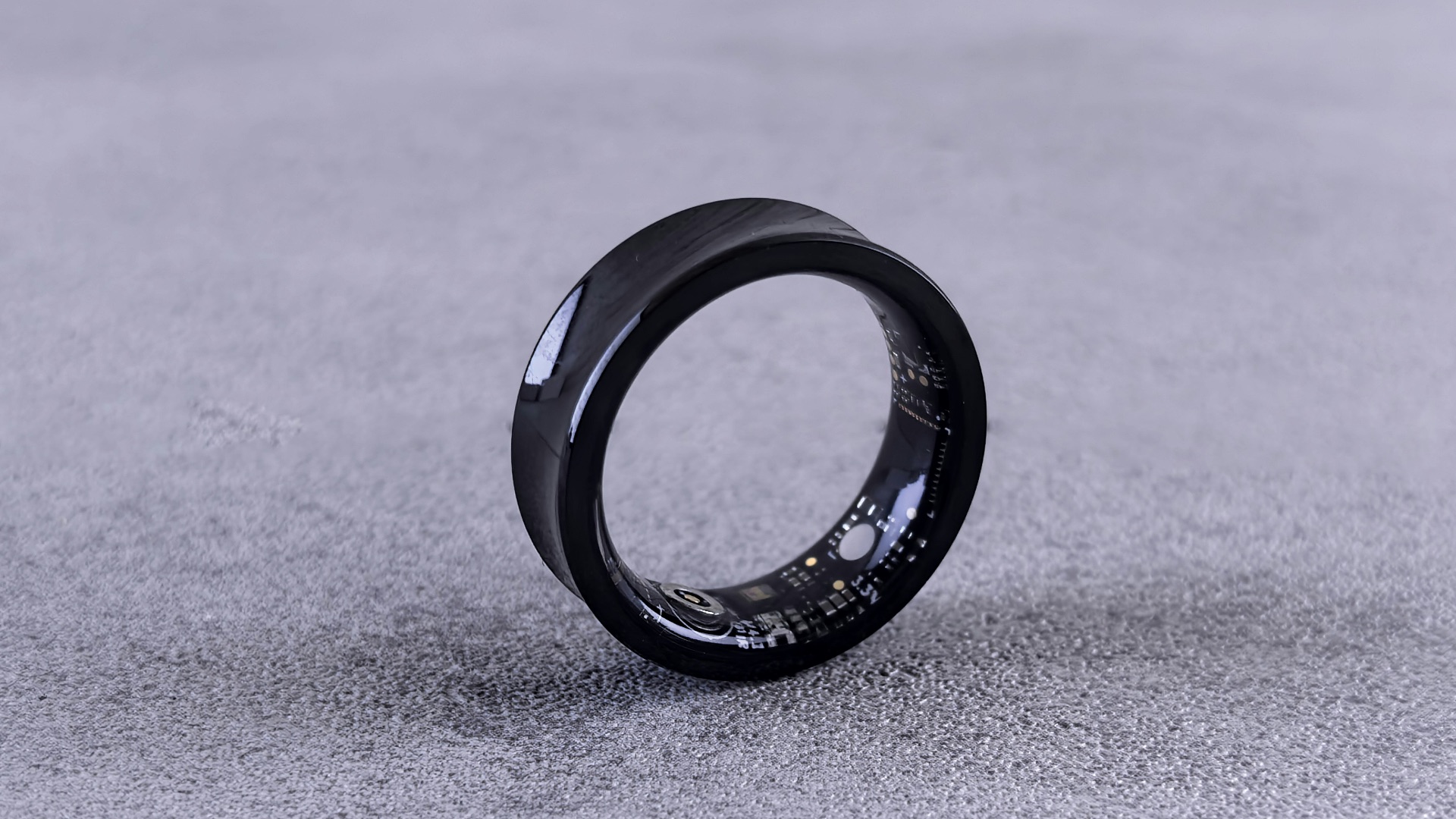
The Oura Ring has invested heavily in its cycle insights feature, which uses continuous temperature data to help predict ovulation windows and track cycle irregularities. Several studies have looked at its accuracy in this area, and the results have been encouraging for a consumer wearable. For anyone who wants passive, ongoing cycle tracking without manually logging symptoms, it's one of the better tools available.

8. The Design Has Broad Appeal
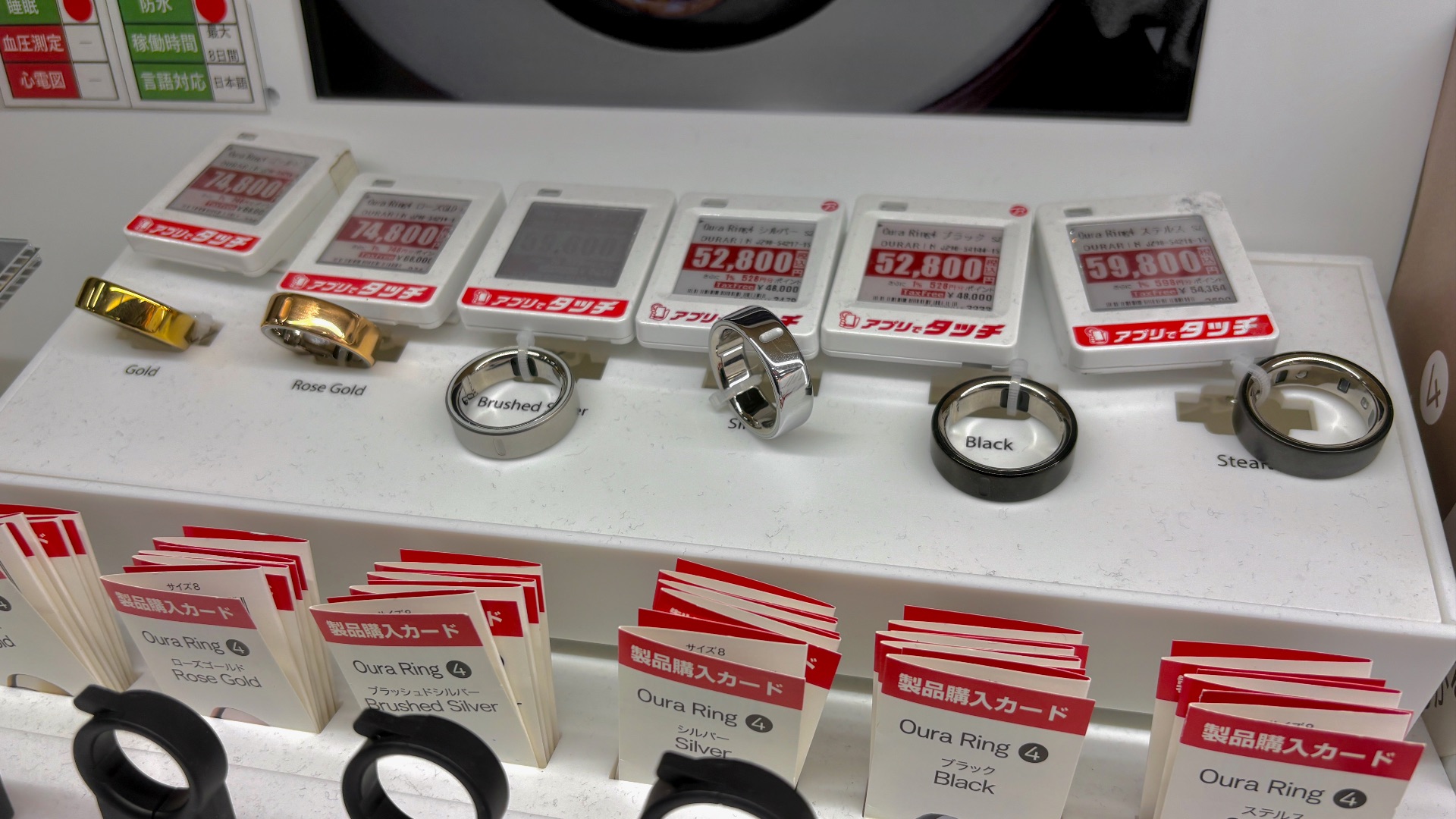
Oura has put real effort into making its ring look polished, offering it in multiple finishes, including gold, silver, black, and stealth. It's the kind of device that attracts compliments rather than questions, and many users appreciate that it doesn't visually clash with their personal style. If aesthetics matter to you in a wearable, the ring format has a clear edge.
9. It Excels at Passive, Long-Term Health Monitoring
Because the ring sits on your finger rather than your wrist, it's positioned to capture more accurate blood flow readings, which makes its passive health monitoring particularly strong. Over time, it builds a personal baseline for your body temperature, heart rate variability, and respiratory rate, and flags meaningful deviations from that baseline. That kind of longitudinal tracking is where the Oura Ring really earns its price tag.

10. It's a Good Fit for Minimalists
If you prefer to keep your daily carry simple and don't want multiple gadgets competing for your attention, the Oura Ring offers a clean solution. It does a focused set of things very well rather than trying to be everything at once, which actually makes it easier to act on the data it provides. For people who find feature-heavy devices overwhelming, that simplicity is a real selling point.
As you can see, the Oura Ring is a compelling choice if wellness tracking and recovery data are your priorities, but it's not always the right fit for everyone. If you want real-time feedback during workouts or the convenience of a fully connected smartwatch, a traditional fitness watch might be better.

1. They Give You Real-Time Workout Feedback
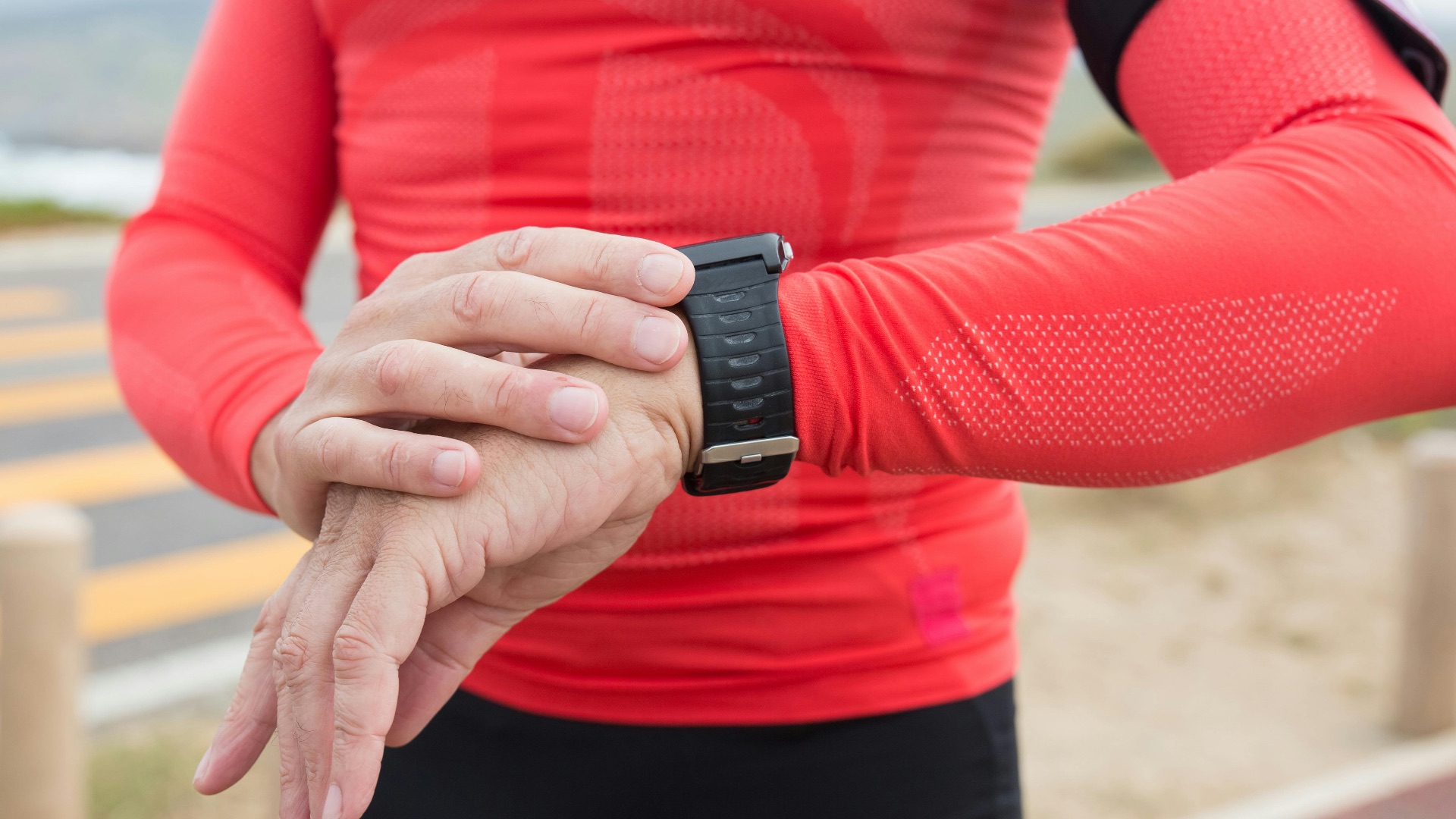
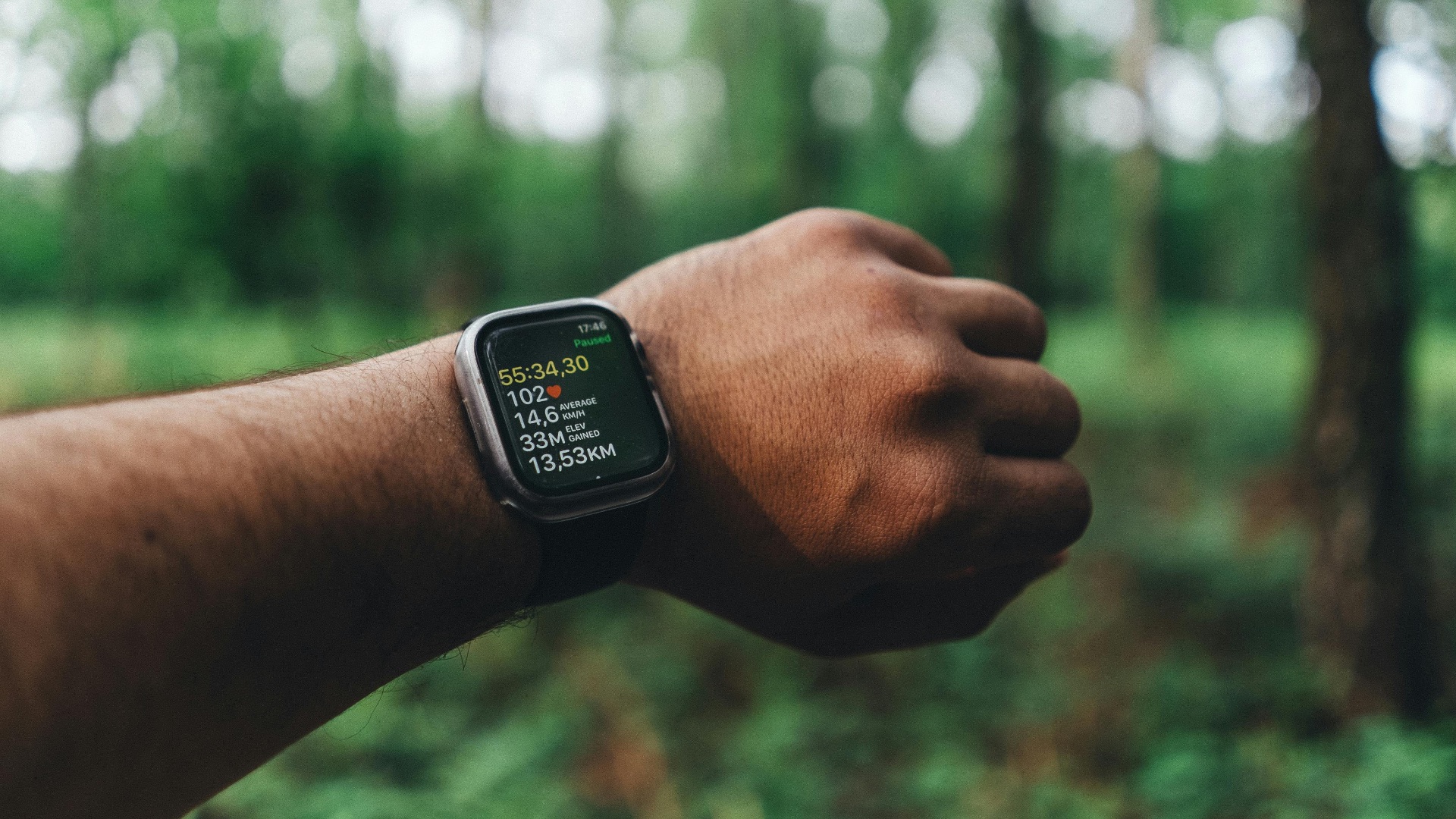
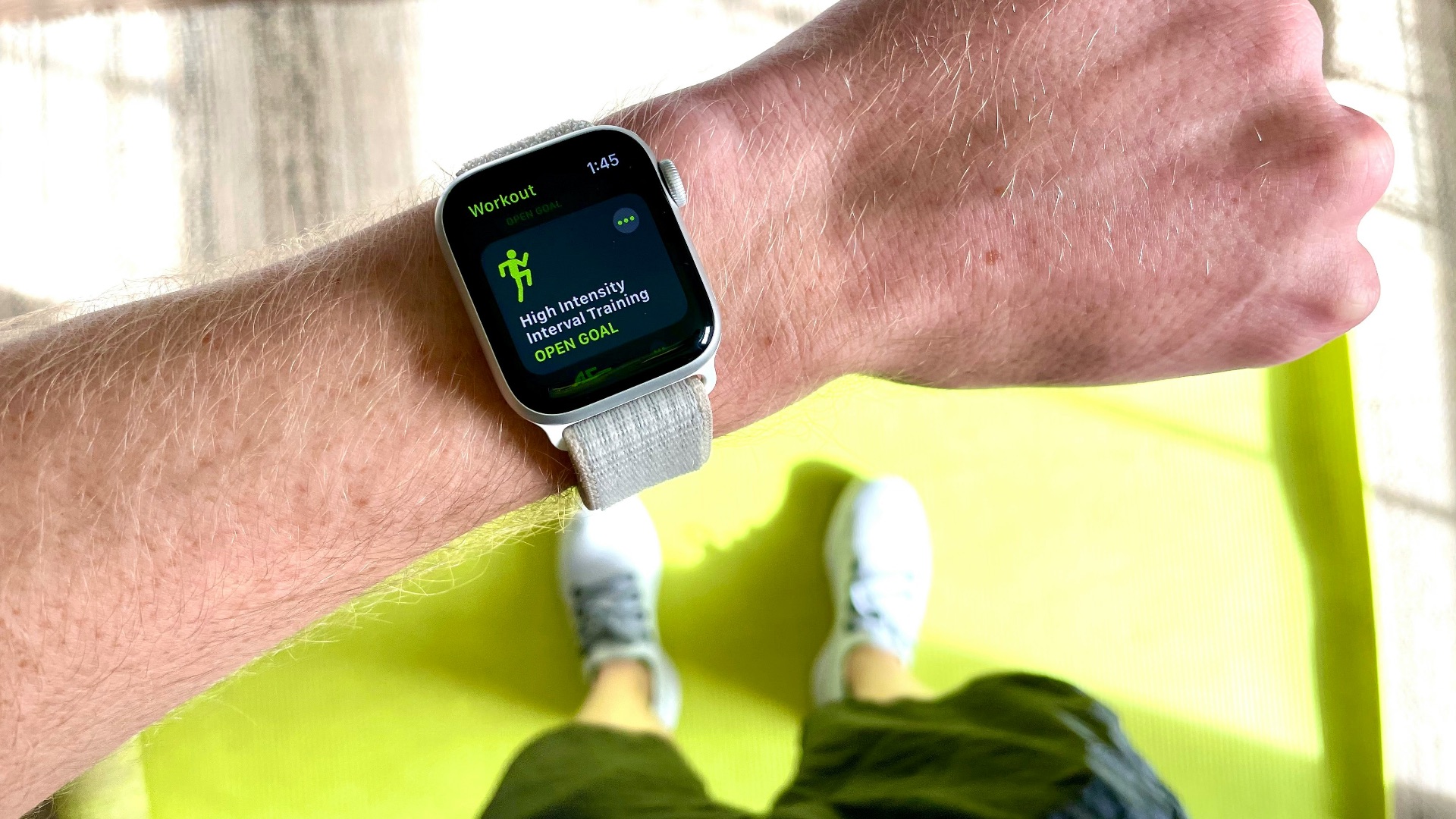
When you're in the middle of a run or a cycling session, having your heart rate, pace, distance, and elapsed time visible at a glance is genuinely useful in a way that a ring simply can't replicate. Fitness watches are built for active use, with large screens designed to be readable even in bright sunlight or mid-sprint. If training performance is your focus, that on-wrist display is hard to replace.
2. Built-In GPS Changes What's Possible Outdoors
Most quality fitness watches include built-in GPS, which lets you map your routes, track your exact pace, and log elevation data without needing your phone nearby. The Oura Ring has no GPS whatsoever, so outdoor workout data is either missing or imported through a connected phone. For runners, cyclists, and hikers who want accurate, self-contained route tracking, that's a significant gap.

3. They're Better Suited to a Wide Range of Sports
Fitness watches typically come loaded with sport-specific profiles for activities like swimming, rowing, skiing, and strength training, complete with tailored metrics for each one. The Oura Ring tracks activity in a more general sense but doesn't offer the same depth of sport-specific analysis. If you participate in a variety of activities and want your wearable to keep up, a fitness watch is far more versatile.

4. Smart Notifications Keep You Connected
For people who need to stay reachable during workouts or throughout the workday, fitness watches offer the ability to receive calls, texts, calendar alerts, and app notifications right on the wrist. That level of connectivity means you can leave your phone in your bag without worrying about missing something important. It's a practical feature that makes a fitness watch a functional part of your daily routine beyond just health tracking.
5. The Screen Makes Data Immediately Accessible
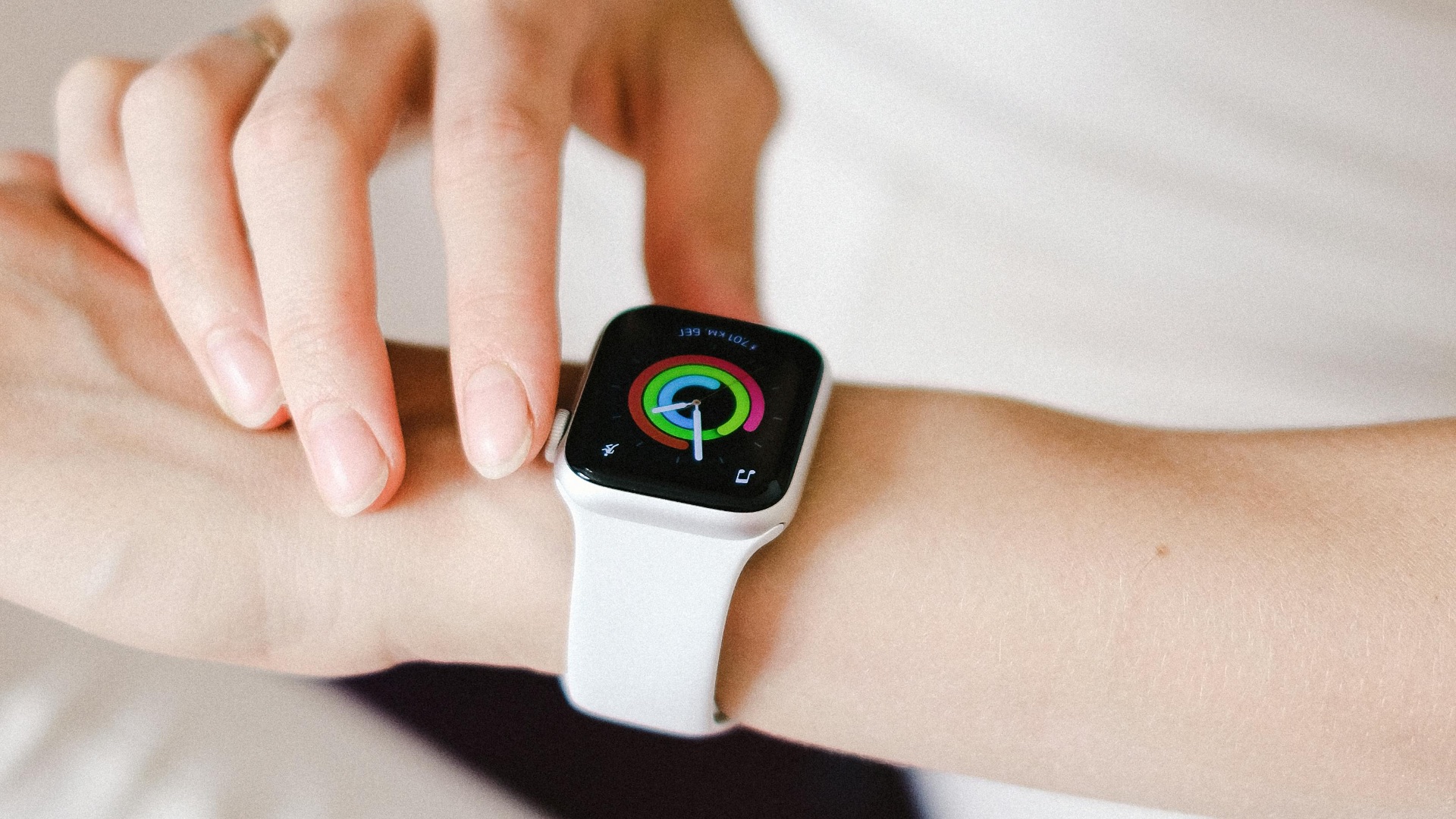
There's a real convenience advantage to being able to glance at your wrist and see your step count, heart rate, or workout stats without pulling out your phone. Fitness watches surface that information instantly, while the Oura Ring requires you to open an app every time you want to check in on your metrics. For people who like staying close to their data throughout the day, that friction adds up.
6. Many Models Work Without a Subscription
One common frustration with the Oura Ring is that accessing the full range of its insights requires a monthly membership fee on top of the upfront hardware cost. Most fitness watches don't have that kind of ongoing financial commitment; you pay for the device and that's largely the end of it. Over a few years, that subscription cost can make the Oura Ring considerably more expensive than it first appears.
7. They Offer More Customization and Third-Party Apps
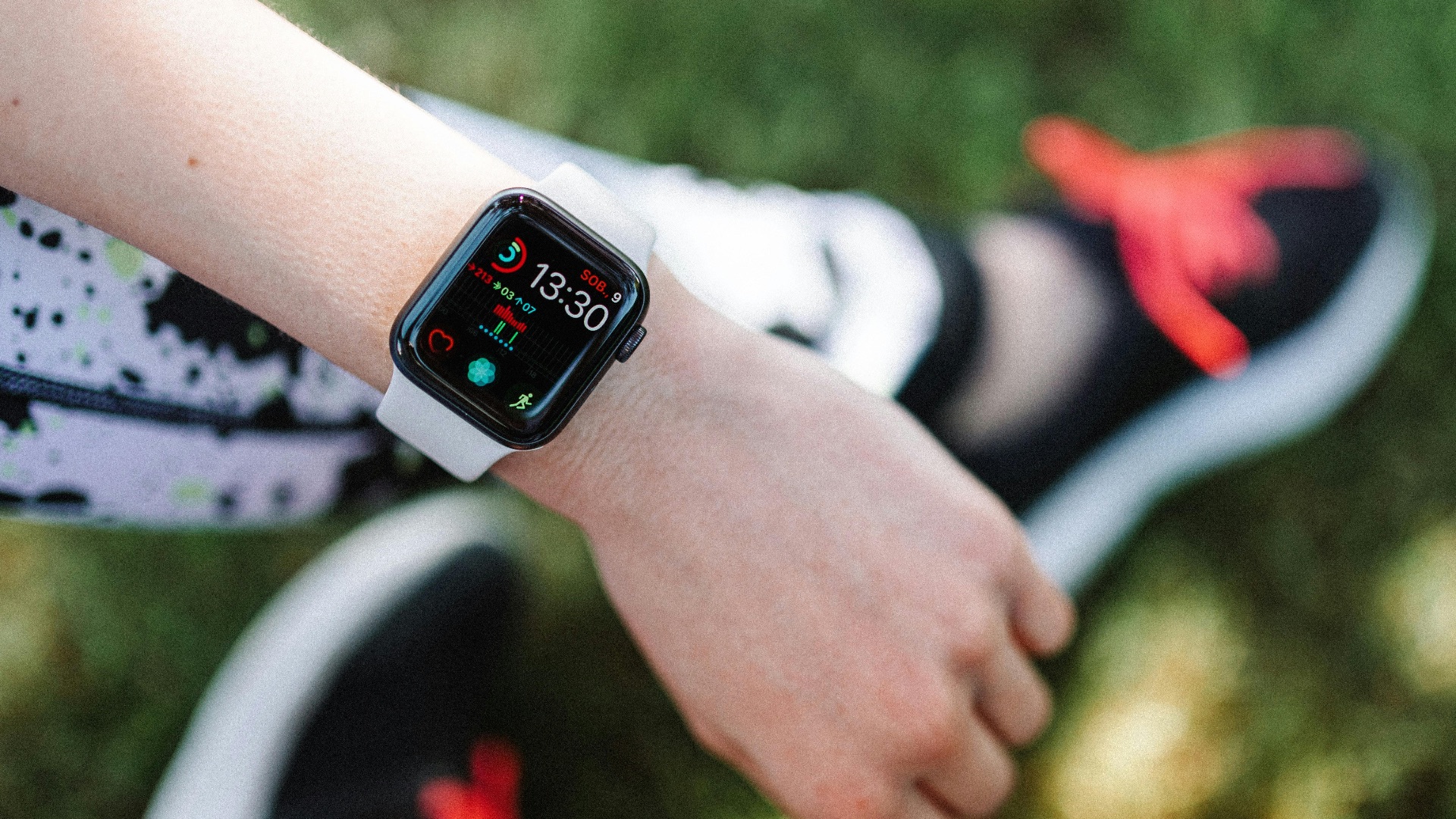
Platforms like Garmin, Apple Watch, and Fitbit have large ecosystems of third-party apps, watch faces, and integrations that let you tailor the device to your specific needs. Whether you want a navigation app, a training plan, a meditation guide, or a custom data field, there's likely something available for your watch. The Oura Ring's closed ecosystem, while polished, doesn't offer the same level of flexibility.
8. Battery Life Can Be Extended with Smarter Use
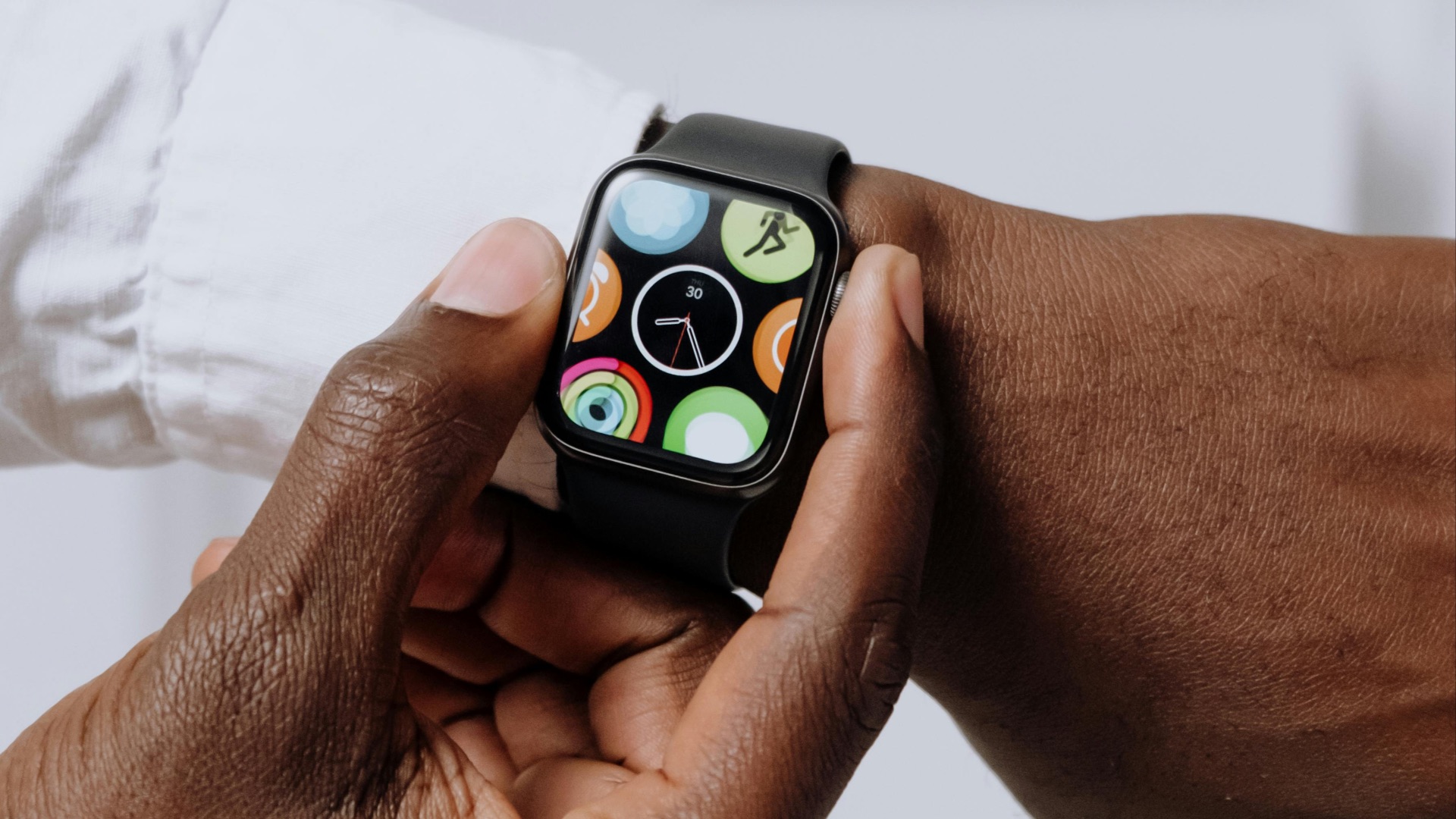
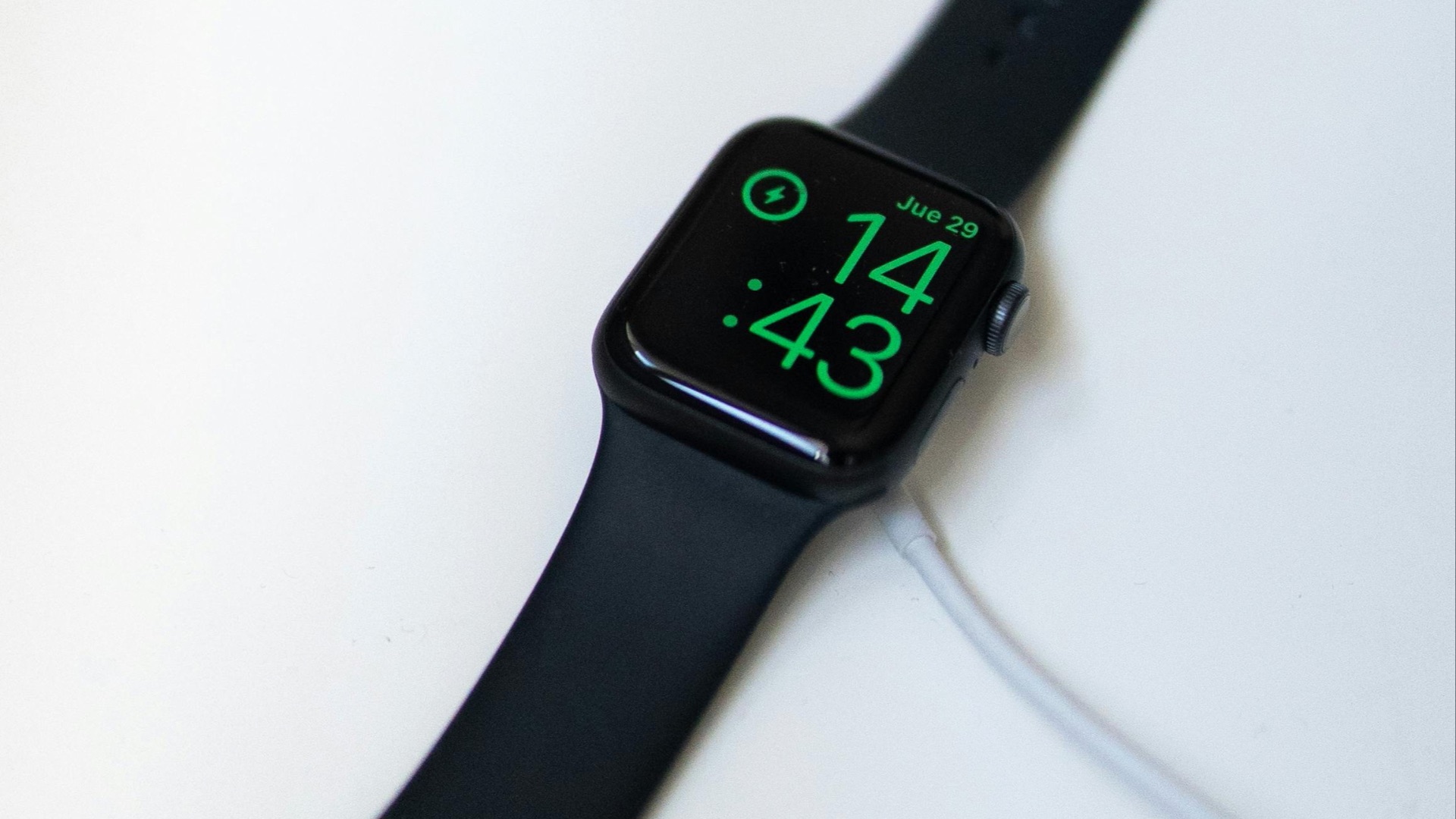
While fitness watches are often criticized for shorter battery life compared to the Oura Ring, many models have significantly improved in this area, with some Garmin watches lasting weeks in smartwatch mode and even longer with GPS tracking reduced. You also have the option to turn off features you don't need to stretch the battery further. It's a more manageable tradeoff than it used to be, especially as the technology has matured.
9. They're a Better Option for Older or Newer Users
For people who are less tech-comfortable or who prefer a familiar form factor, a fitness watch offers an intuitive interface with buttons, menus, and a screen that behaves predictably. The Oura Ring's app-dependent model requires a smartphone and some willingness to interpret data that isn't always self-explanatory without context. A watch, by contrast, puts the information right in front of you in a format most people already understand.
10. They Double as an Emergency Safety Tool
Several fitness watches now include features like fall detection, emergency SOS alerts, and the ability to share your live location with contacts, which can be critically important for solo athletes or older adults. The Oura Ring doesn't offer any of these safety-oriented functions, since it has no connectivity or screen of its own. For anyone who values that layer of personal safety, a fitness watch isn't just a convenience; it's a meaningful safeguard.

KEEP ON READING