
Small Habits That Build Lasting Energy
Weekends offer a valuable opportunity to reset, recharge, and invest in your long-term well-being. Instead of rushing through chores or defaulting to screen time, you can use this time to build simple rituals that support both physical and mental health. Consistency matters more than intensity, and even small actions can have a meaningful impact over time. By creating a few intentional habits, you set yourself up for a more balanced and energized week ahead. Here are 20 weekend wellness rituals for long-term vitality.

1. Start the Day Without Screens
Giving yourself a screen-free start helps your mind wake up more naturally. Instead of checking notifications right away, you can ease into the day with less stress. This approach supports better focus and a calmer mindset. It sets a positive tone for the rest of your weekend.

2. Go for a Morning Walk
A short walk in the morning can boost your mood and energy levels. Exposure to natural light helps regulate your body’s internal clock. It also simply supports cardiovascular health. You don’t need a long route for it to be effective.

3. Prepare a Nutritious Breakfast
Taking time to make a balanced breakfast can improve your energy and concentration. Including protein, healthy fats, and fiber helps keep you full longer. This habit supports stable blood sugar levels. It’s a simple way to start the day strong.

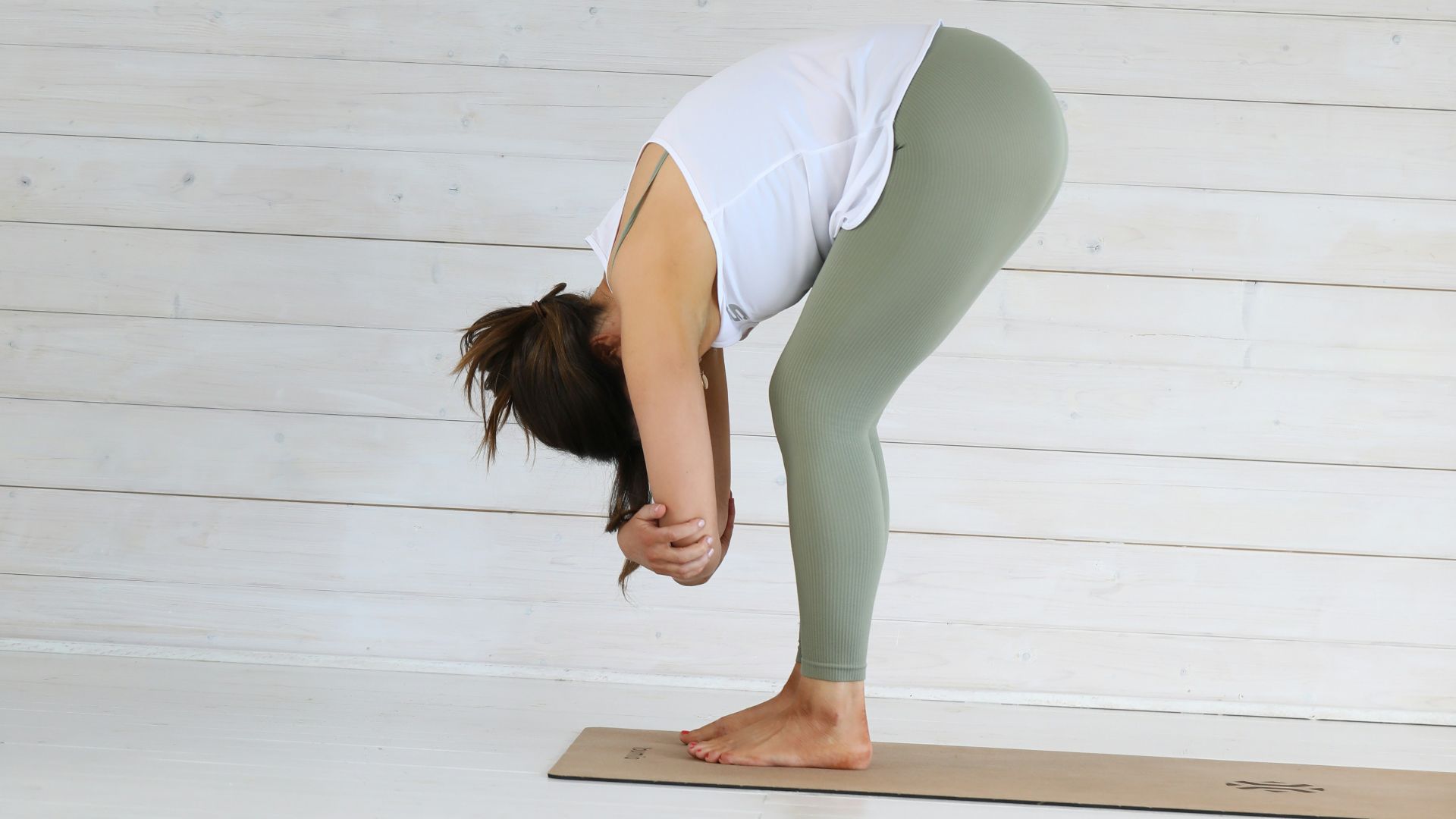
4. Stretch or Do Light Yoga
Gentle movement helps loosen muscles and improve flexibility. Stretching can also reduce stiffness from sitting during the week. It encourages better posture and circulation. Even a short session can make a difference.
5. Hydrate First Thing in the Morning
Drinking water in the morning helps rehydrate your body after sleep. Proper hydration supports digestion and overall function. It can also improve energy levels. Starting early makes it easier to stay consistent throughout the day.

6. Spend Time Outdoors
Being outside has been linked to reduced stress and improved mood. Fresh air and natural surroundings can help you feel more refreshed. It’s also a break from indoor environments and screens. Even a park visit can be beneficial.

7. Plan Your Meals for the Week
Taking time to plan meals helps reduce stress during busy weekdays. It can also support healthier eating choices. Having a plan makes grocery shopping more efficient, and this habit can save both time and money.
 Boxed Water Is Better on Unsplash
8. Declutter One Small Space
Organizing a small area can create a sense of control and calm. It doesn’t require a full day of cleaning to feel productive. A tidy space can improve focus and reduce distractions. It’s a manageable way to reset your environment.

9. Practice Mindful Breathing
Focused breathing can help reduce stress and improve mental clarity. It encourages you to slow down and be present. This simple practice can be done anywhere. Over time, it supports emotional balance.
 Angelina Sarycheva on Unsplash
10. Limit Processed Foods
Choosing whole foods over highly processed options supports overall health. It can improve energy levels and digestion. Weekends are a good time to reset eating habits. Small changes can lead to long-term benefits.

11. Connect with Friends or Family
Social interaction plays an important role in mental well-being. Spending time with others can improve mood and reduce feelings of isolation. It doesn’t have to be a large gathering. Even a short visit or call can make a difference.

12. Take a Digital Break
Stepping away from devices helps reduce mental fatigue. It allows your mind to rest from constant input. This can improve focus and sleep quality. A few hours offline can feel surprisingly refreshing.

13. Try a New Healthy Recipe
Experimenting with new meals can make healthy eating more enjoyable. It keeps your routine from feeling repetitive. You might discover dishes you’ll want to make again.

14. Journal Your Thoughts
Writing down your thoughts can help you process emotions and reflect. It provides a private space to explore ideas or concerns. This practice can improve self-awareness, and over time, it becomes a helpful mental habit.

15. Get Quality Sleep
Prioritizing sleep on the weekend helps your body recover from the week. Consistent sleep supports memory, mood, and overall health. Avoiding late nights can make a noticeable difference. Rest is essential for long-term vitality.

16. Do a Short Workout
A brief workout can boost energy and improve physical fitness. It doesn’t need to be intense to be effective. Regular movement supports heart health and strength. Even 20 minutes can be enough.

17. Practice Gratitude
Taking time to recognize what you’re grateful for can improve your outlook and encourage a more positive mindset. This habit has been linked to better mental health. It’s simple but meaningful.

18. Spend Time on a Hobby
Engaging in a hobby can reduce stress and increase satisfaction. It gives you a break from routine responsibilities. Creative or relaxing activities can be especially beneficial. It’s important to make time for enjoyment.

19. Prepare for the Week Ahead
Getting organized for the upcoming week can reduce stress on Monday. Simple tasks like laying out clothes or reviewing your schedule help and create a sense of readiness. This habit supports a smoother transition back to work or school.

20. Reflect on Your Goals
Taking time to think about your goals keeps you focused and motivated. It allows you to track progress and adjust plans. Regular reflection supports long-term success, and weekends are a good time to reset your direction.

KEEP ON READING



20 Natural Ways You Can Boost Your Immune System

20 Ways To De-stress & Relax After Work

The 10 Most Common Diseases & The 10 Most Rare