

Can You Spot the Glaring Differences Between These Two?
The terms headache and migraine get thrown around pretty often, but not everyone knows what the difference is between the two—and they should. Headaches are common, but that doesn't mean they always feel the same or show up in obvious ways. Migraines, though similar seeming, are often far worse. Either way, sometimes the signs are easy to brush aside, only to become more noticeable as the day moves on. That’s why we’re here to break down common symptoms of each, so you can take care of yourself!

1. Tightness Across Your Head
One common sign of a headache is a band-like tightness that seems to wrap across your forehead. Other times, it squeezes the sides of your head. Instead of sharp pain, you may notice a steady sense of tension that makes your head feel weighed down.

2. Tenderness Around the Scalp
The sensation is in the name, which means headaches hurt in more places than the temple. A headache can also make your scalp feel oddly sensitive when you brush your hair, rest your head back, or touch certain areas. You might not expect your skin to feel sore, but that tenderness can show up along with the main discomfort.
3. Aching Behind the Eyes
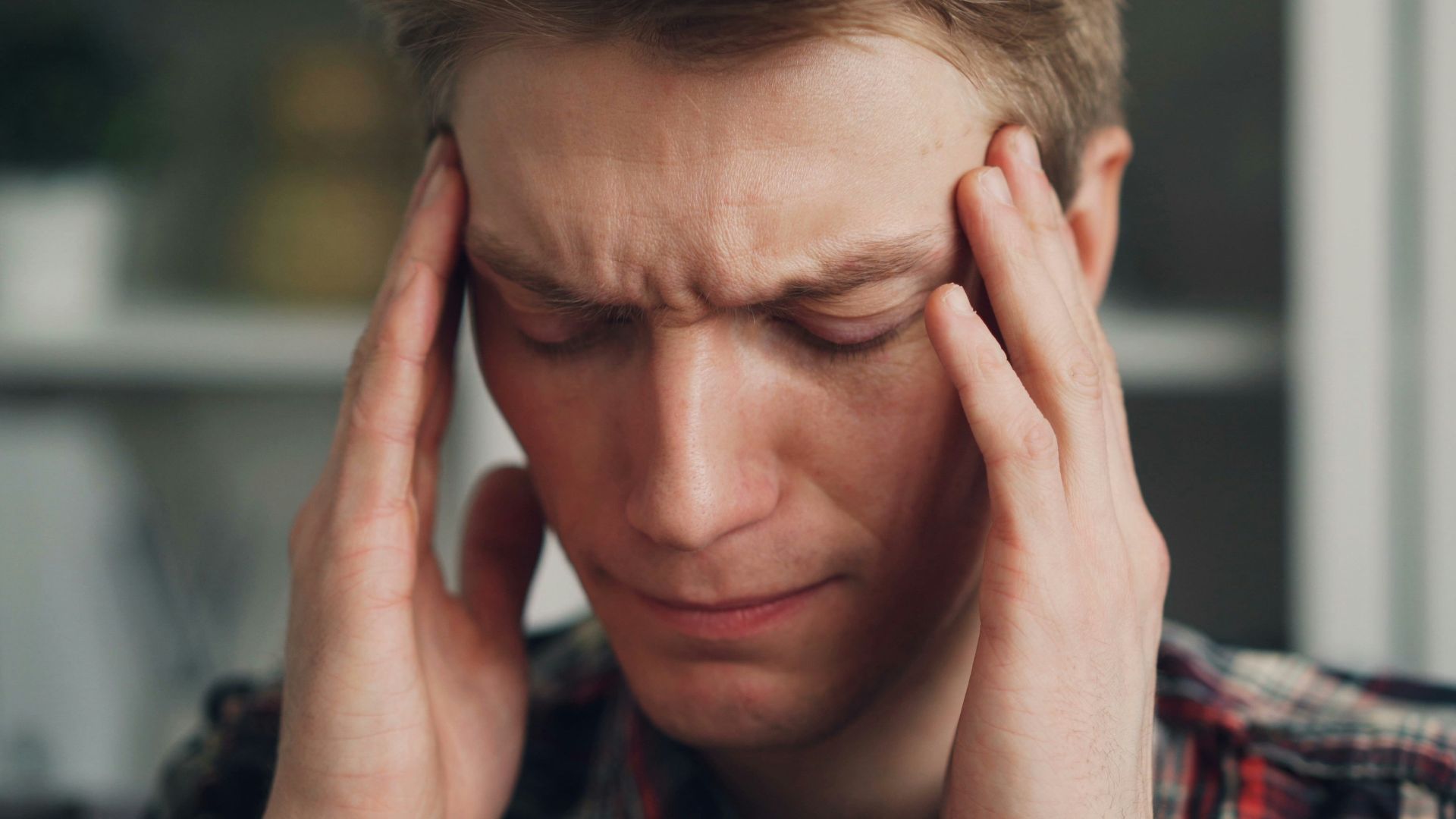
For some people, headache pain gathers behind the eyes and creates a sore, strained feeling. It’s most commonly noticed after reading, staring at a screen, or trying to push through a long afternoon without much rest.
4. A Heavier Feeling in the Temples
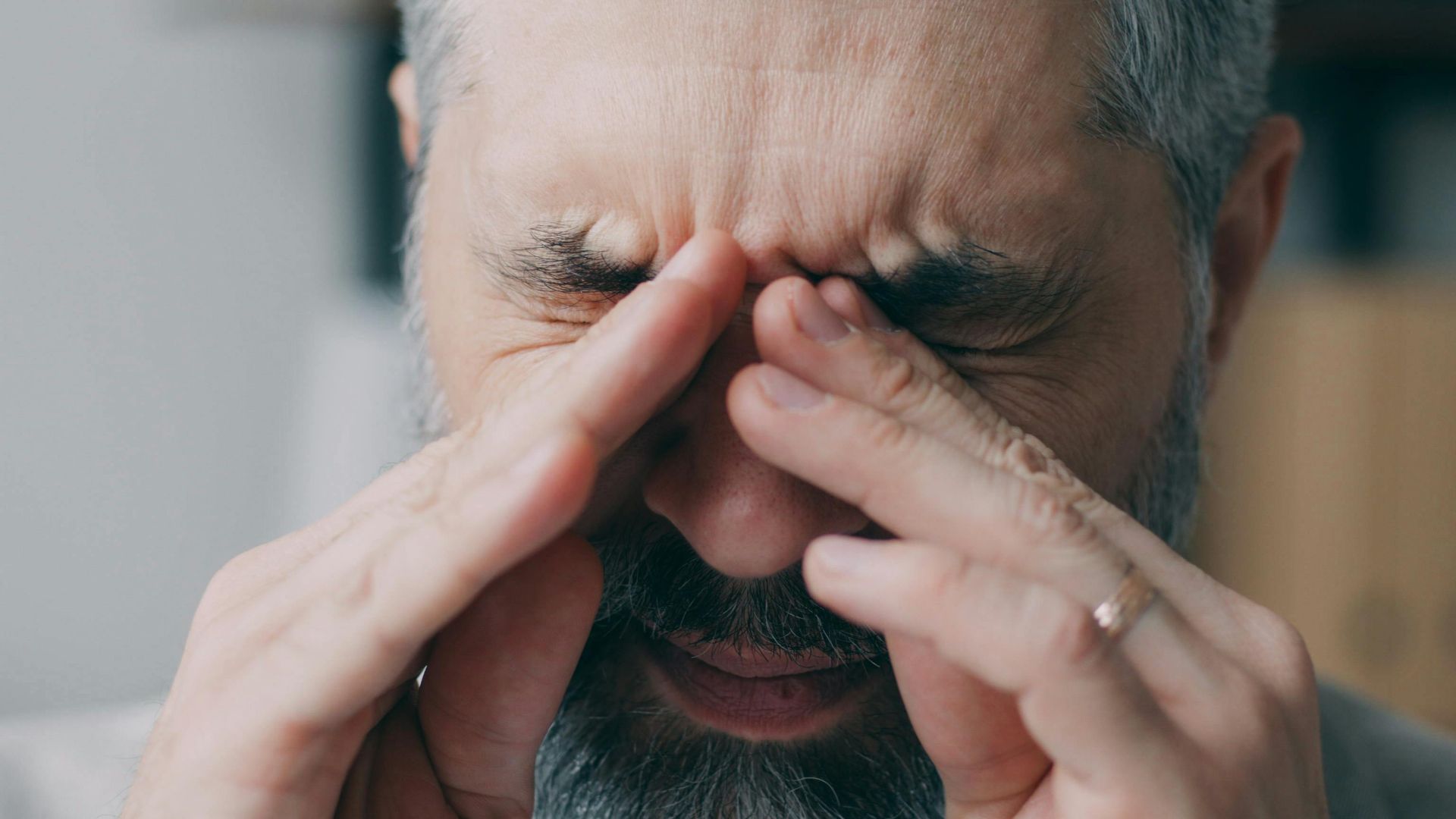
We know we mentioned the temples, but there’s a difference between discomfort and legitimate aching. The sensation may not be dramatic, but it can become distracting when you're trying to focus or carry on with normal tasks. If both sides of your head seem tense in one area, a headache is often the reason.

5. Slowly-Building Discomfort
A typical headache often comes on gradually instead of arriving all at once. Though it sounds easier, that slow build can actually make it easy to overlook at first, especially when you're busy. Keep an eye on whether things get worse as the day progresses.

6. Pain That Stays Mild but Persistent
Not every headache is severe, and some are more annoying than intense. You might feel a low-level ache that hangs around for hours without becoming sharp—but even when the pain isn't severe, if it won't leave, you're dealing with a headache.

7. Facial Pressure
Headaches can sometimes create pressure through the cheeks, forehead, or around the nose, so it’s worth paying attention to pain in those areas, too. It’s especially bad when congestion or tension is involved. Rather than feeling sick in a general sense, you may simply notice that your face feels uncomfortable.
8. Trouble Relaxing Your Jaw
Believe it or not, a headache can go hand in hand with jaw tension. You may catch yourself clenching your teeth, holding your mouth tight, or feeling soreness near the hinge of your jaw. And remember, when that tension lingers, it can add to the headache.

9. Impatience
Dealing with headaches is no fun, and it can quietly affect your mood. You may feel a little more bothered by routine interruptions or everyday tasks that normally wouldn't get under your skin, and that shift can be one of the more telling signs.

10. Wanting a Quiet Break
Many headaches come with a simple urge to sit still and wait it out, which is normal. You may not feel fully overwhelmed, but you do notice that a calm room and a few minutes of rest sound unusually appealing.

Now, on the other hand, migraines are often mistaken for ordinary headaches—but they’re much different. While a standard headache may cause discomfort and then pass, a migraine often feels harder to ignore once it starts building. Let’s dive into a few common differences between the two.
1. The Pain Is More Intense
A migraine usually brings more severe pain than a typical headache, and it can feel bad enough to interrupt your day. Instead of being a background annoyance, the discomfort usually demands your full attention and makes even simple tasks harder to manage.

2. It Often Affects One Side of the Head
Many migraines show up on one side of the head, not just around the temples. Although they can sometimes shift or spread, you may notice that the pain stays concentrated near one temple, behind one eye, or along one side of your forehead.

3. Throbbing Is Common
Migraine pain has a pulsing or throbbing quality that feels rhythmic rather than steady. In contrast, many ordinary headaches feel more like pressure or tightness than a repeated pounding sensation.

4. Light Can Feel Unbearable
One major sign of a migraine is sensitivity to light, a discomfort that feels stronger than what you'd expect from a standard headache. You might find yourself dimming screens. You may close the curtains or want to sit in a darker room. Either way, migraines often turn light into something you genuinely try to avoid.

5. Sound Becomes Much Harder to Tolerate
With a migraine, everyday noise can feel far more draining than usual. Anything from a normal conversation to kitchen sounds or traffic outside may become too much when your symptoms build.
6. Nausea
A migraine can affect more than your head, and one of the most telling signs is accompanying nausea. You can experience queasiness, a loss of interest in food, or even become sick if the episode is particularly strong. Most ordinary headaches don't involve stomach symptoms to the same degree.

7. Visual Disturbances
A headache can affect your vision, but some people experience full-blown changes before migraine pain fully begins. This is often called an aura, meaning you might see flashing lights, blurred areas, zigzag lines, or spots that cut into clear vision for a short period.
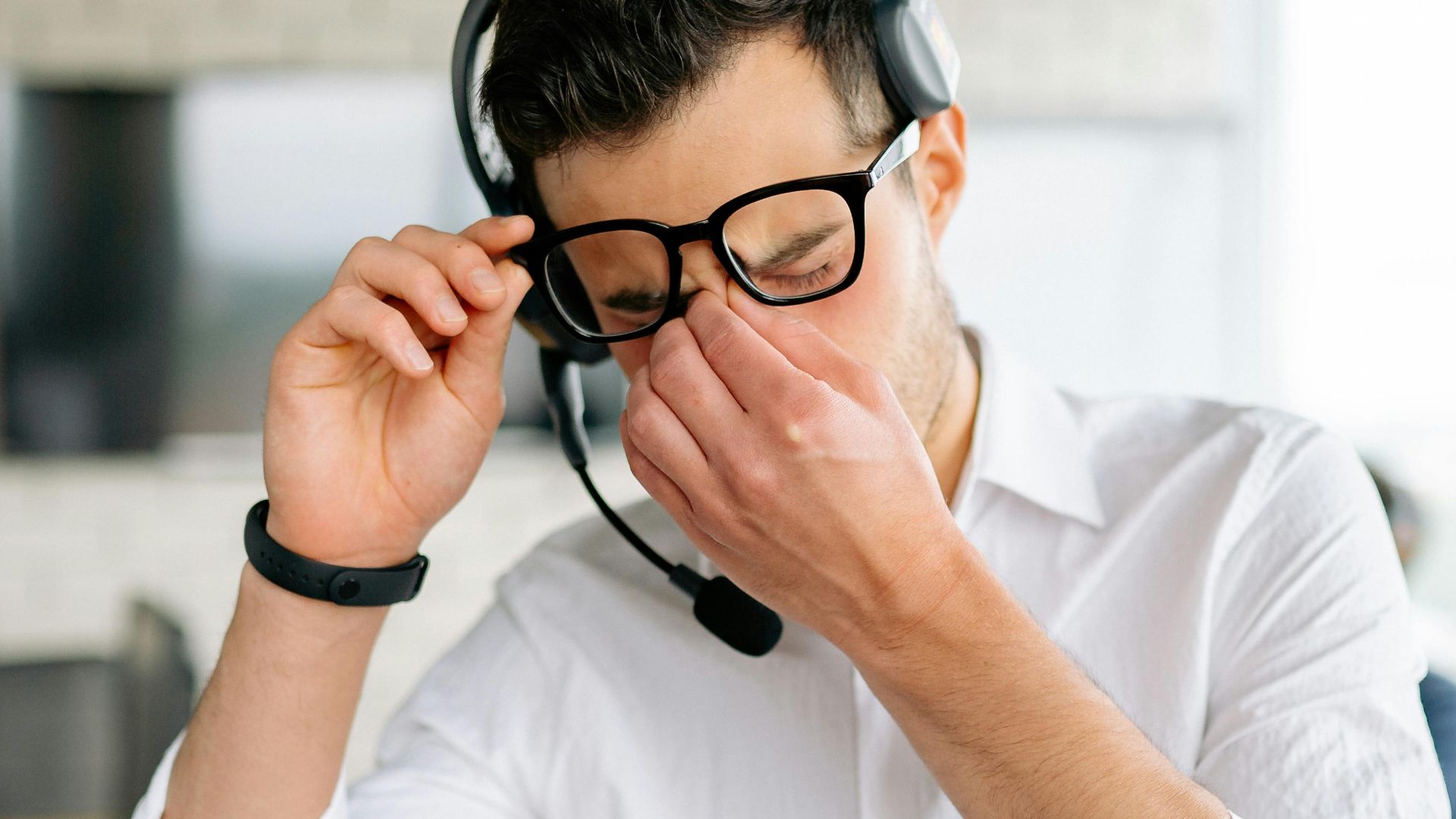
8. Movement Can Make It Worse
Physical activity often makes a migraine more noticeable, even when the movement itself is fairly minor. Even simple routine chores may increase the pain in a way that feels frustratingly immediate.
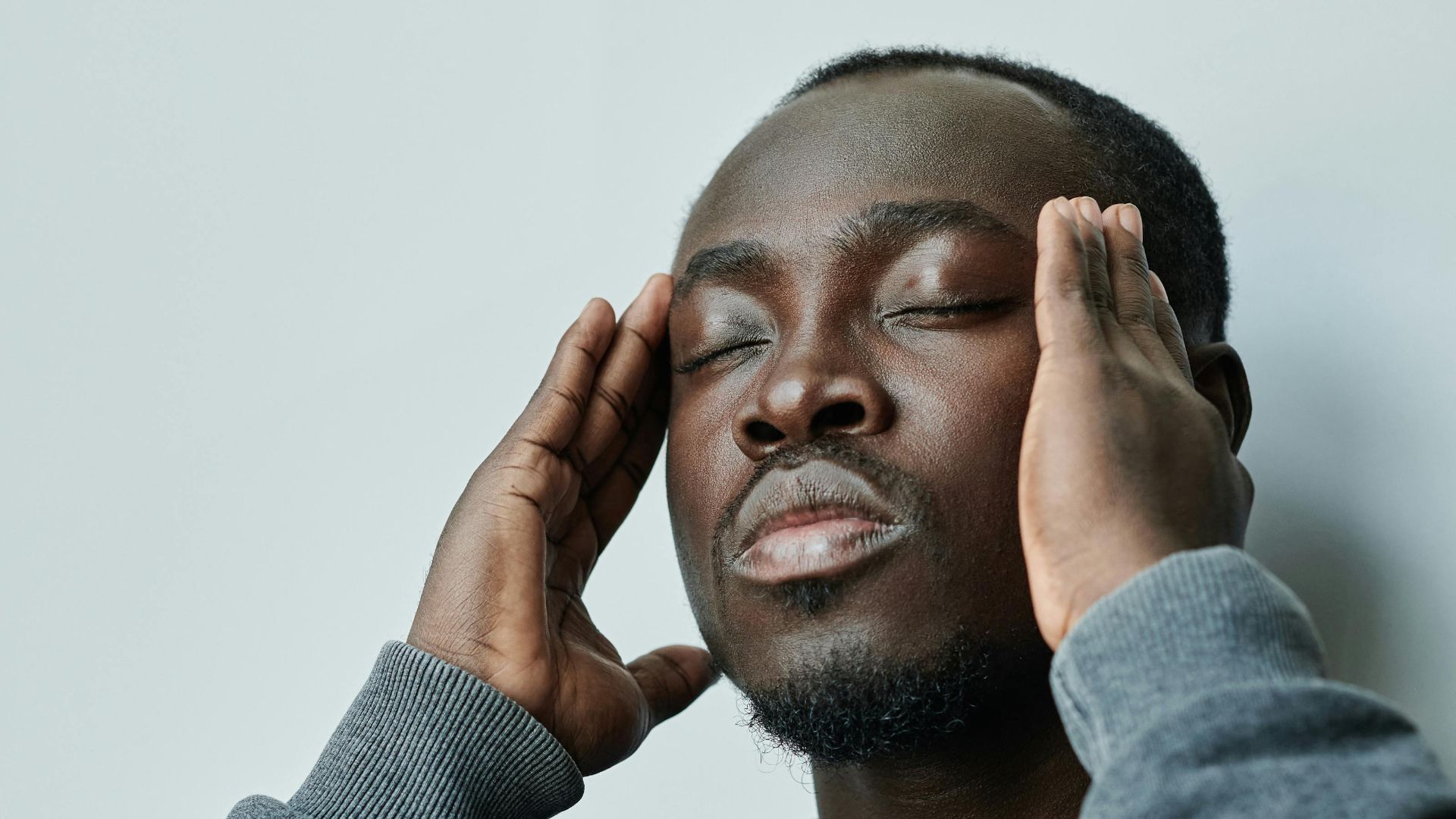 Henri Mathieu-Saint-Laurent on Pexels
9. It Can Last Much Longer
As if they weren’t bad enough to experience, migraines often last longer than the average headache. In severe cases, they may continue for hours or even days. Instead of fading after a bit of rest or water, the symptoms can linger and make it difficult to get back to your usual routine.

10. You May Feel Drained Before or After
It probably won’t surprise you to learn that fatigue and mood changes can also show up, which only serve to drain your energy. Headaches can be unpleasant, but migraines often come with a fuller cycle that affects how you feel beyond the pain itself.

KEEP ON READING

20 Ways You Can Lose Weight While Sleeping