When Anxiety Feels Physical
Anxiety can hit your body before you’ve even had time to name what’s going on. You're moving about your day, when all at once your chest feels tight, your stomach flips, and your hands won’t stay still. That’s part of what makes anxiety so unnerving. It doesn’t always arrive as a clear thought first. New, severe, or unfamiliar chest pain, breathing trouble, dizziness, or fainting still deserve medical attention, but for more familiar anxious spirals, these are some of the physical signs people often notice, along with grounding tools that can help in the moment.

1. Your Heart Starts Pounding
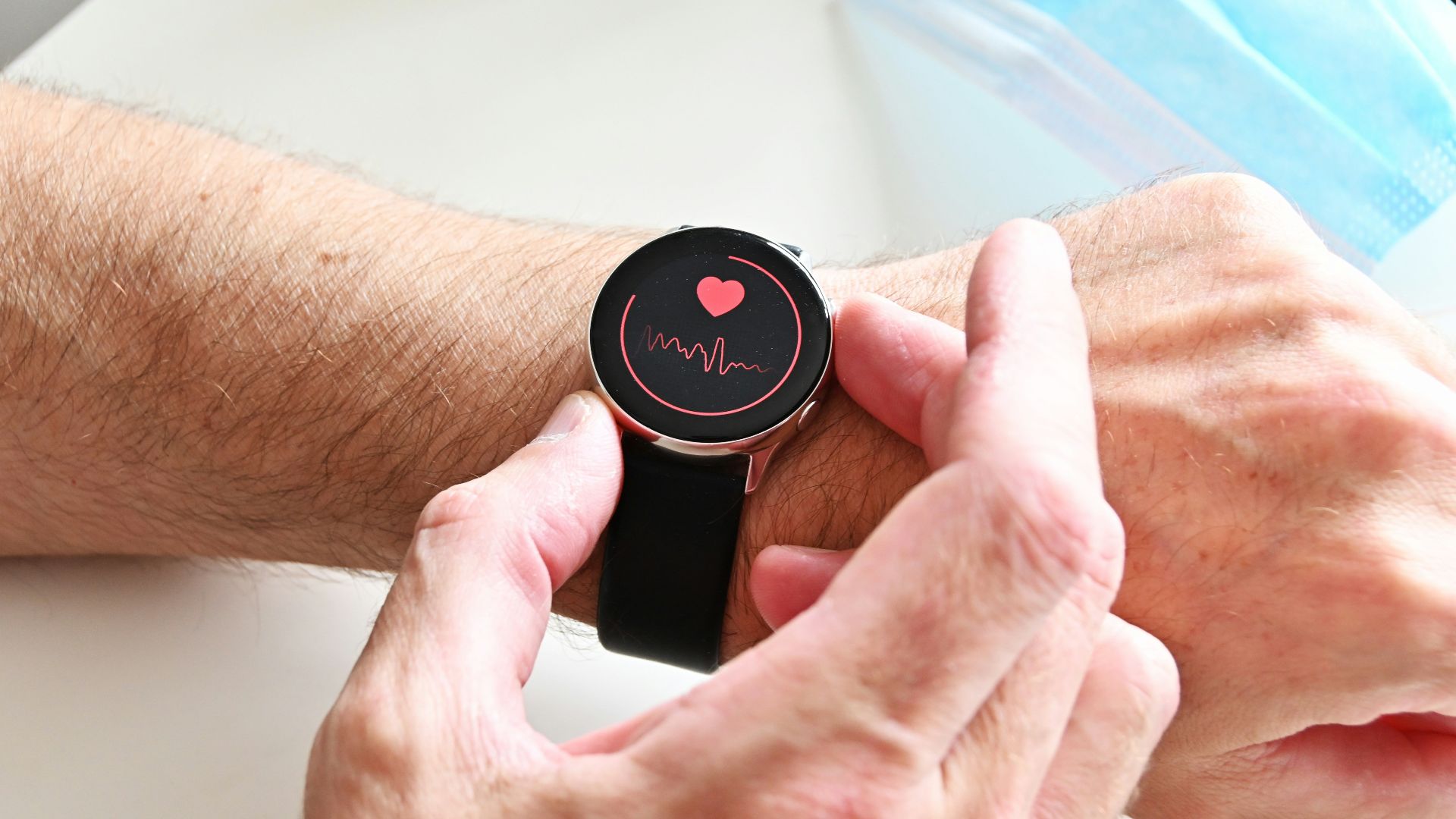
A racing heartbeat is one of the most common physical symptoms people notice first with anxiety or panic. It can show up when you’re doing something completely ordinary, like unloading groceries or waiting for a Zoom meeting to start, which makes it feel even harder to trust your own body.
2. Your Chest Feels Tight
Chest tightness can turn a stressful moment into something that feels much bigger. Some people describe pressure, some describe squeezing, and either way, it can stop you in your tracks because chest symptoms aren’t easy to ignore.

3. Your Breathing Gets Shallow
Anxiety can shift your breathing into quick, short breaths before you fully register that you’re upset. Then you notice you can’t seem to get a satisfying breath, and that alone can make the whole thing feel worse.

4. Your Hands Start Shaking
Shaking can be obvious, like trembling fingers around a coffee cup, or more subtle, like a buzzy feeling in your arms and hands. It’s a common stress response, and it can leave you feeling exposed even when nobody around you notices a thing.
5. Your Stomach Drops
A lot of people feel anxiety in their gut almost immediately. Nausea, cramping, a churny stomach, or that hollow feeling before a hard conversation or a doctor’s appointment can all be part of the picture.
 Solving Healthcare on Unsplash
6. You Feel Dizzy or Lightheaded
That floaty, unsteady feeling can make anxiety feel especially convincing. Once you feel off-balance in your own body, it gets a lot harder to brush off what’s happening as just stress.

7. Your Neck and Shoulders Clamp Up
Some people carry tension straight across the upper body without realizing it until hours later. You may catch yourself rubbing the back of your neck at your desk, or wake up feeling stiff and sore after a long, tense day.

8. You Start Sweating Out of Nowhere
Sweaty palms, a flushed face, or that sudden overheated feeling can all show up with anxiety. It adds another layer of discomfort because now you’re not only anxious, you’re also painfully aware of your body doing something you didn’t ask for.

9. You Get Tingling in Your Hands, Feet, or Face
Pins and needles can feel especially alarming because the sensation seems so specific. When breathing gets quick and shallow, tingling or numbness can show up too, which is why this symptom often sends people straight into a bigger spiral.
 Kier in Sight Archives on Unsplash
10. Your Jaw Won’t Relax
Stress has a sneaky way of settling into the jaw. You might notice clenching during a long commute, during a tense meeting, or in the middle of the night, then wake up with a sore face and a headache you didn’t see coming.
1. Do the 5-4-3-2-1 Check
Name five things you can see, four you can touch, three you can hear, two you can smell, and one you can taste. It’s a simple fix when your thoughts are moving too fast.

2. Slow Your Breathing With 4-7-8
Breathe in for four counts, hold for seven, and breathe out for eight if that rhythm feels comfortable for you. The point isn’t doing it perfectly. You’re just giving your body a steadier pace to follow.

3. Hold Something Cold
A cold water bottle, an ice cube wrapped in a paper towel, or even a chilled can from the fridge can give your attention one clear physical sensation to lock onto. Sometimes that sharp little interruption is enough to cut through the rush in your chest and help you regroup.

4. Tense and Release Your Muscles
Try tightening your fists, shoulders, or legs for a few seconds, then letting them go all the way. Progressive muscle relaxation can help you notice just how much tension you’ve been carrying around, which is useful when anxiety has been sitting in your body longer than you realized.

5. Use a Familiar Scent
Peppermint gum, hand lotion, coffee, detergent, whatever’s familiar and strong enough to get your attention can help. Smell works quickly, and when your mind is scattering in 10 directions, one recognizable sensory detail can help to steady things a little.

6. Count Backward by Sevens
This one’s mildly annoying, and that’s part of why it helps. Counting backward from 100 by sevens gives your mind a job that competes with the anxious loop, which can be enough to slow the momentum.
7. Reach for Something Textured
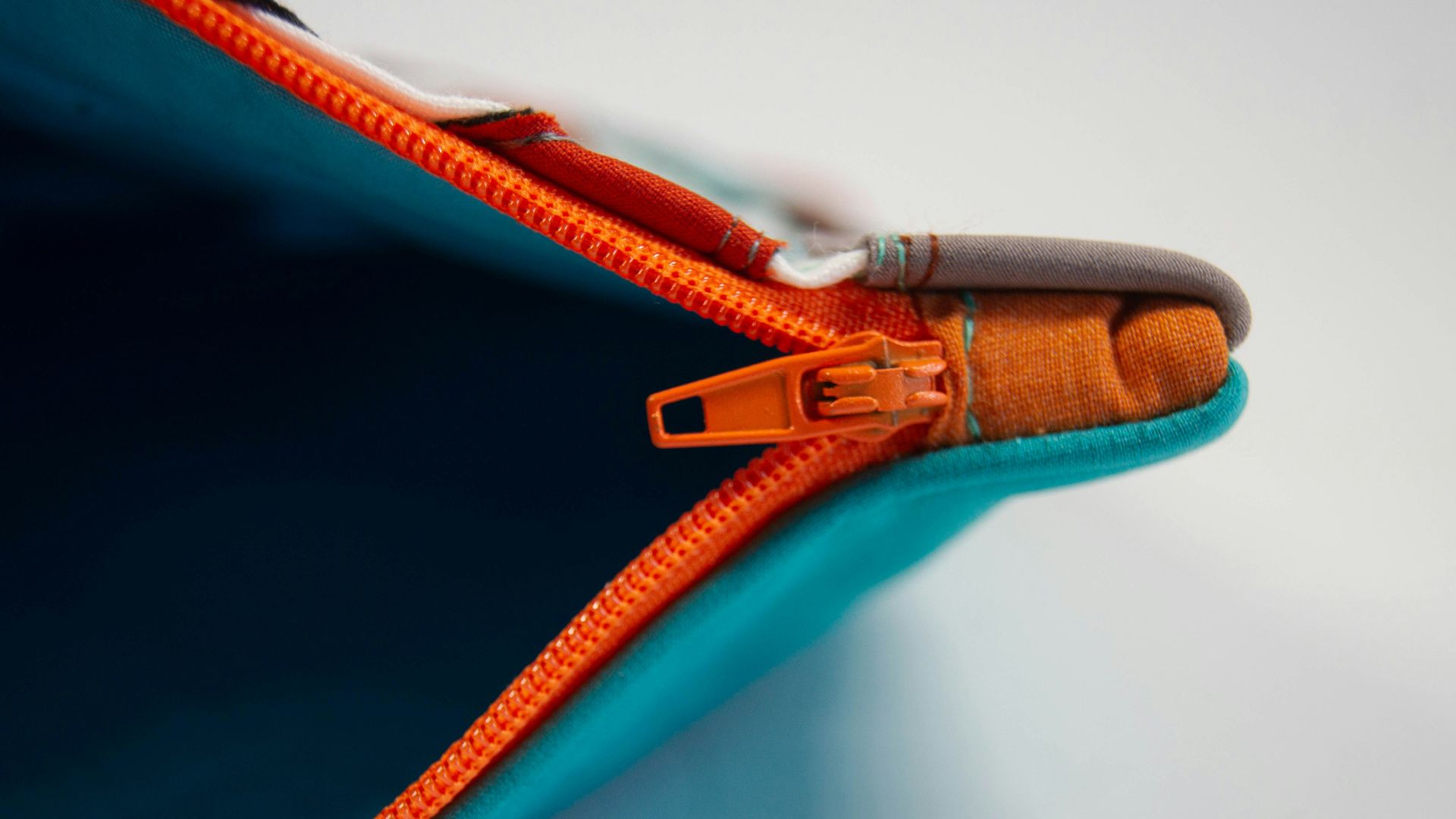
Run your thumb over a ring, your keys, a zipper, the seam of your sweatshirt, or a coin in your pocket. That tiny physical task can help when you feel detached, buzzy, or like your thoughts are getting ahead of you.
8. Do a Body Scan
Move your attention from your head to your toes, or the other way around. Notice what feels tight, warm, shaky, sore, or settled. It doesn’t have to be deep or especially graceful to help. Sometimes just checking in with your body is enough.

9. Splash Cool Water on Your Face
Stepping into a bathroom and putting cool water on your face can give you a concrete pause when your system feels overloaded. Even that small reset can interrupt the rush and give you one manageable thing to do instead of feeding the panic.

10. Try Five-Finger Breathing
Trace up one finger as you breathe in, and trace down as you breathe out, then keep going across your hand. It’s discreet, portable, and easy to do in a parked car, at your desk, or while waiting in line somewhere you’d really rather not fall apart.

KEEP ON READING



20 Ways To Get Your Vitamins And Minerals

20 Ways Doing Less Can Actually Improve Your Health