The Health Numbers Worth Your Attention
Today, a lot of us have a smartwatch on one wrist, a scale in the bathroom, lab results sitting in a portal, and some app score trying to sum up how our bodies are doing before we’ve even had coffee. Some of that data is useful, especially when it can catch risk early or show a pattern over a few weeks or a few months. Some of it is just noise dressed up as insight, and it can send you spiraling over a bad night’s sleep, a takeout-heavy weekend, or a number that shifted for completely ordinary reasons. The best metrics are the ones that help you make a real decision, and the rest can stay in the dust.
1. Blood Pressure
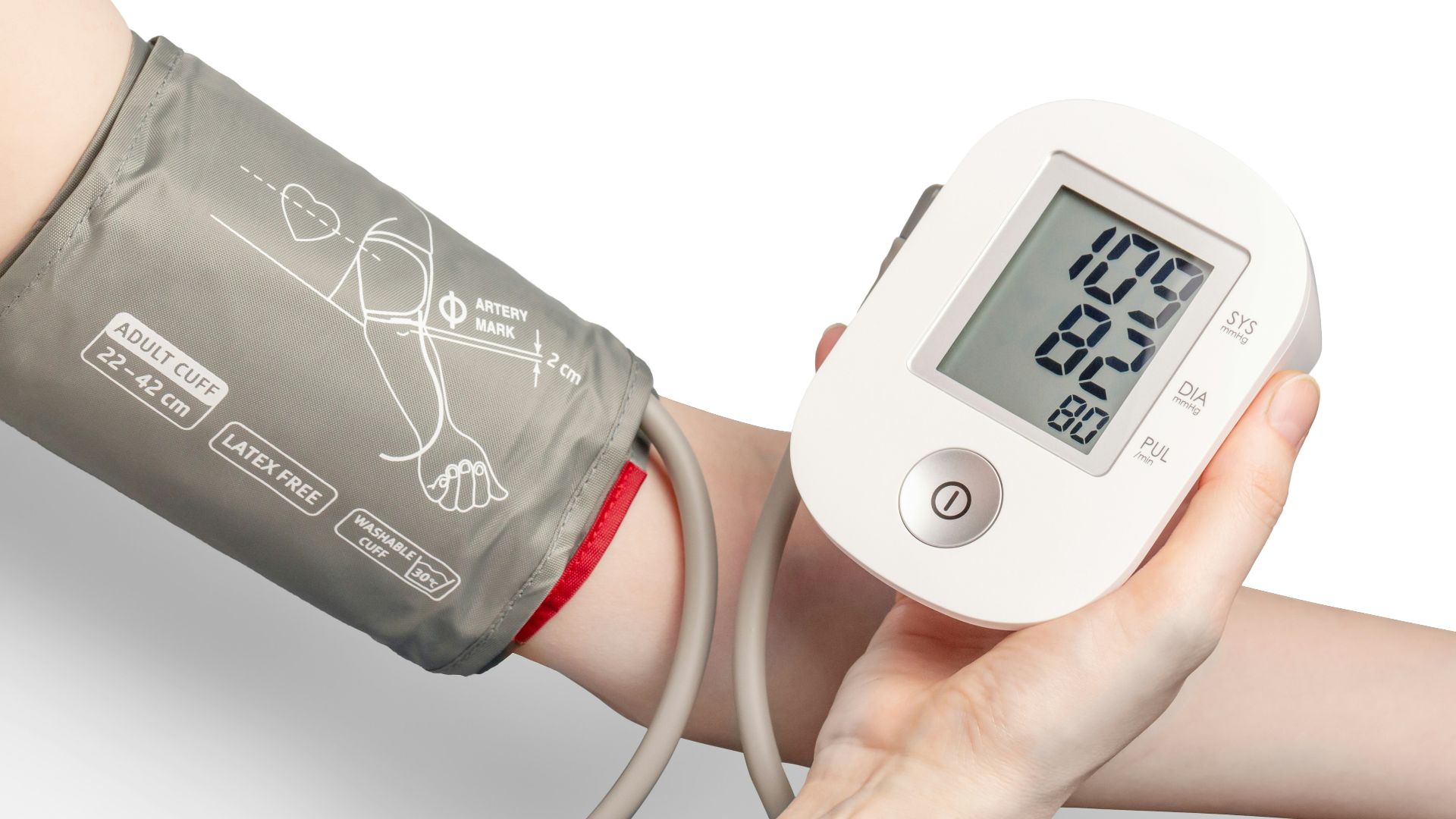
Blood pressure is still one of the clearest markers of heart and stroke risk, and it often starts creeping up long before you feel anything at all. Home readings taken the right way over several days usually tell you more than one tense number from a rushed doctor’s visit.
2. Resting Heart Rate Trend
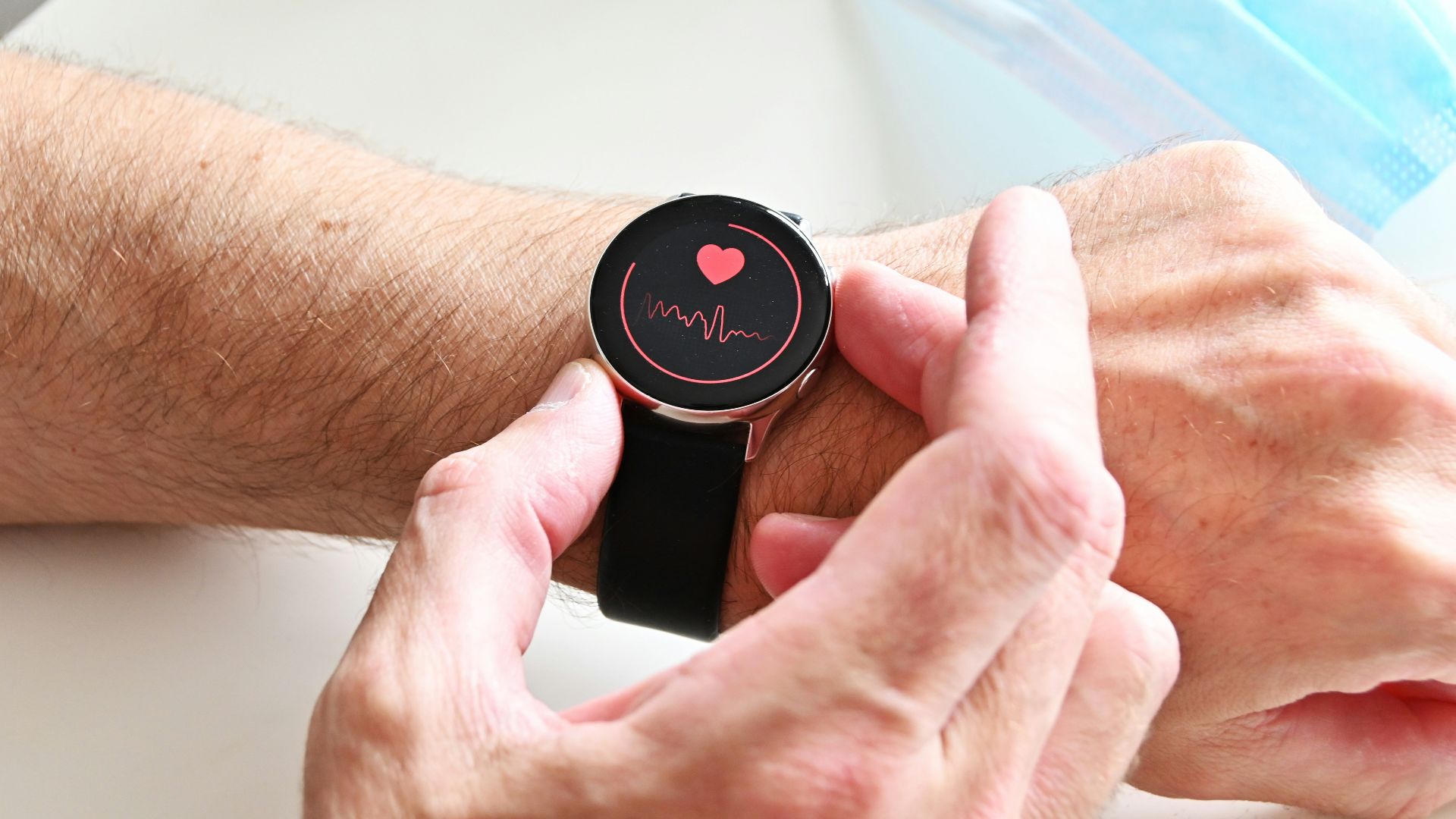
Resting heart rate can tell you a lot when you look at the trend instead of one random reading. It shifts with fitness, recovery, stress, illness, and sleep, so a steady change over time is worth noticing in a way one rough morning just isn’t.
3. LDL Cholesterol
LDL matters because it plays a direct role in plaque buildup in the arteries, which is exactly the kind of slow-moving health problem you want to catch early. This is one of those very unglamorous adult numbers that ends up mattering a lot more than the flashy ones your watch throws at you.

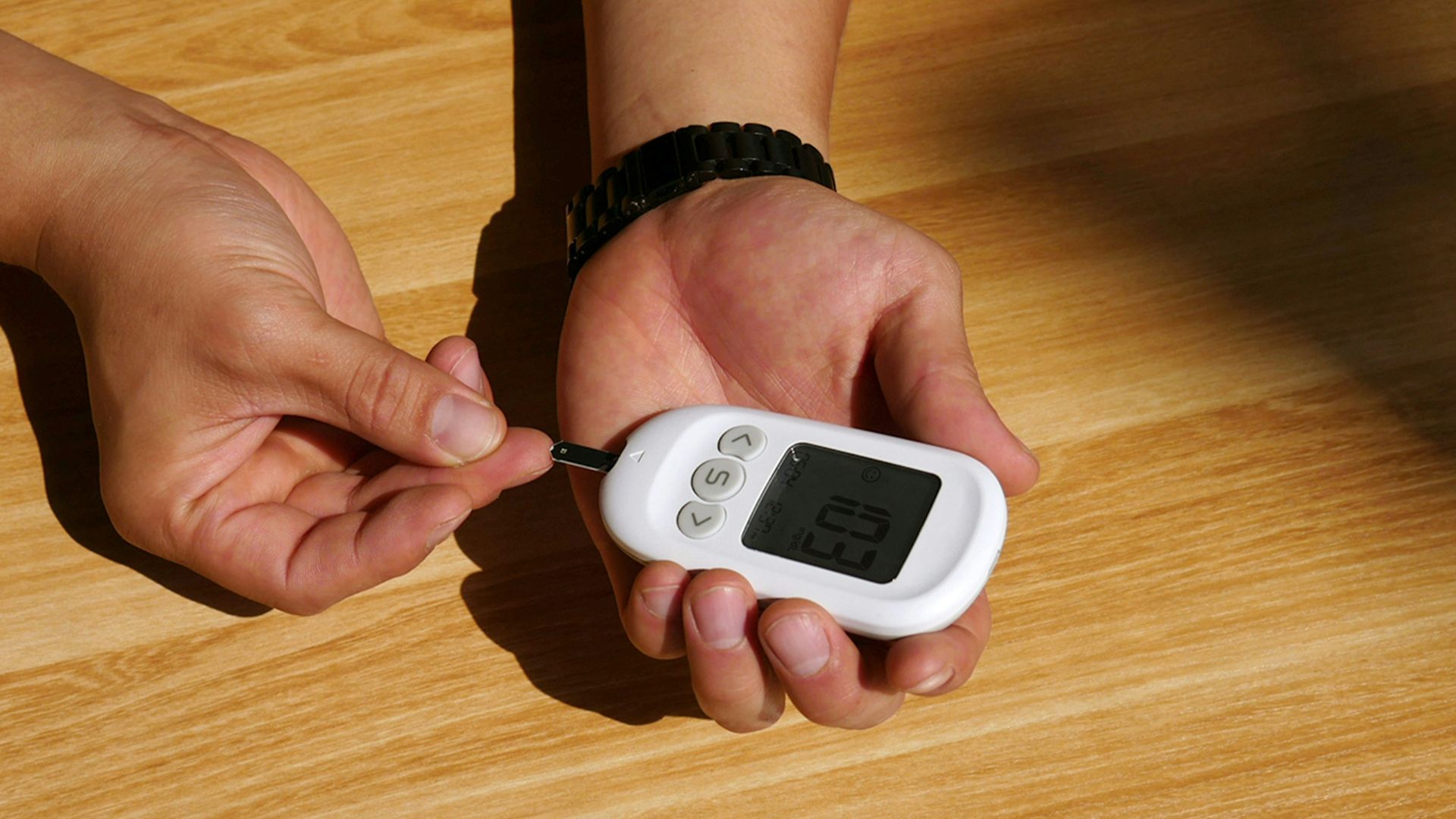
4. A1C Or Other Glucose Markers
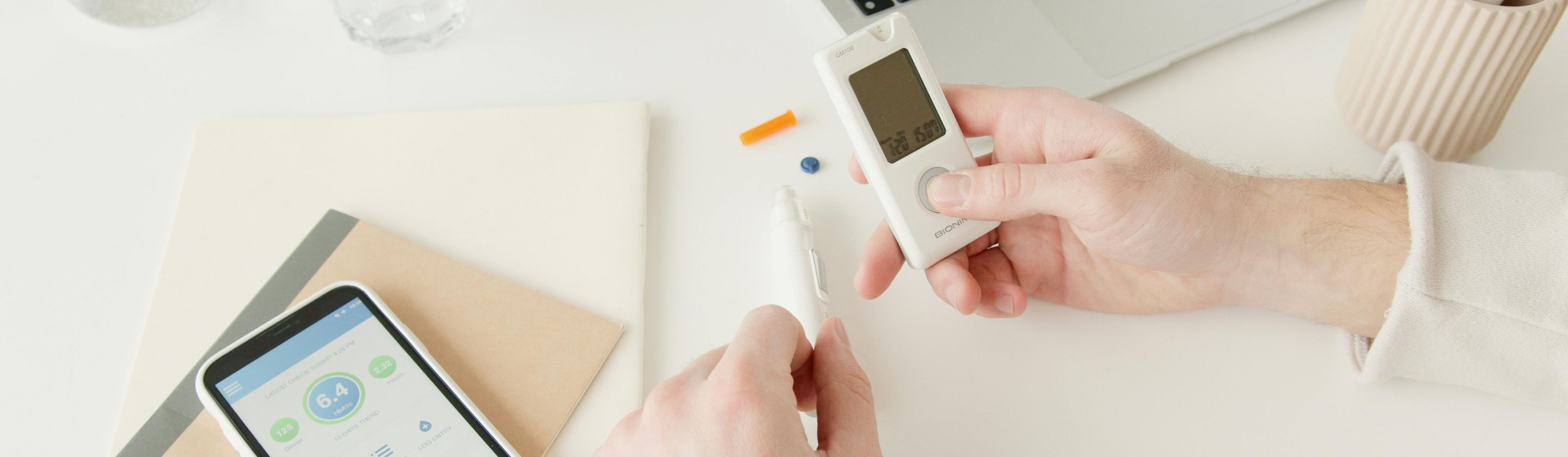
A1C gives you a longer view of blood sugar over the past two to three months, which makes it useful for spotting trouble before symptoms start waving a flag. That early window can matter a lot for catching prediabetes or diabetes and doing something about it while the picture is still manageable.
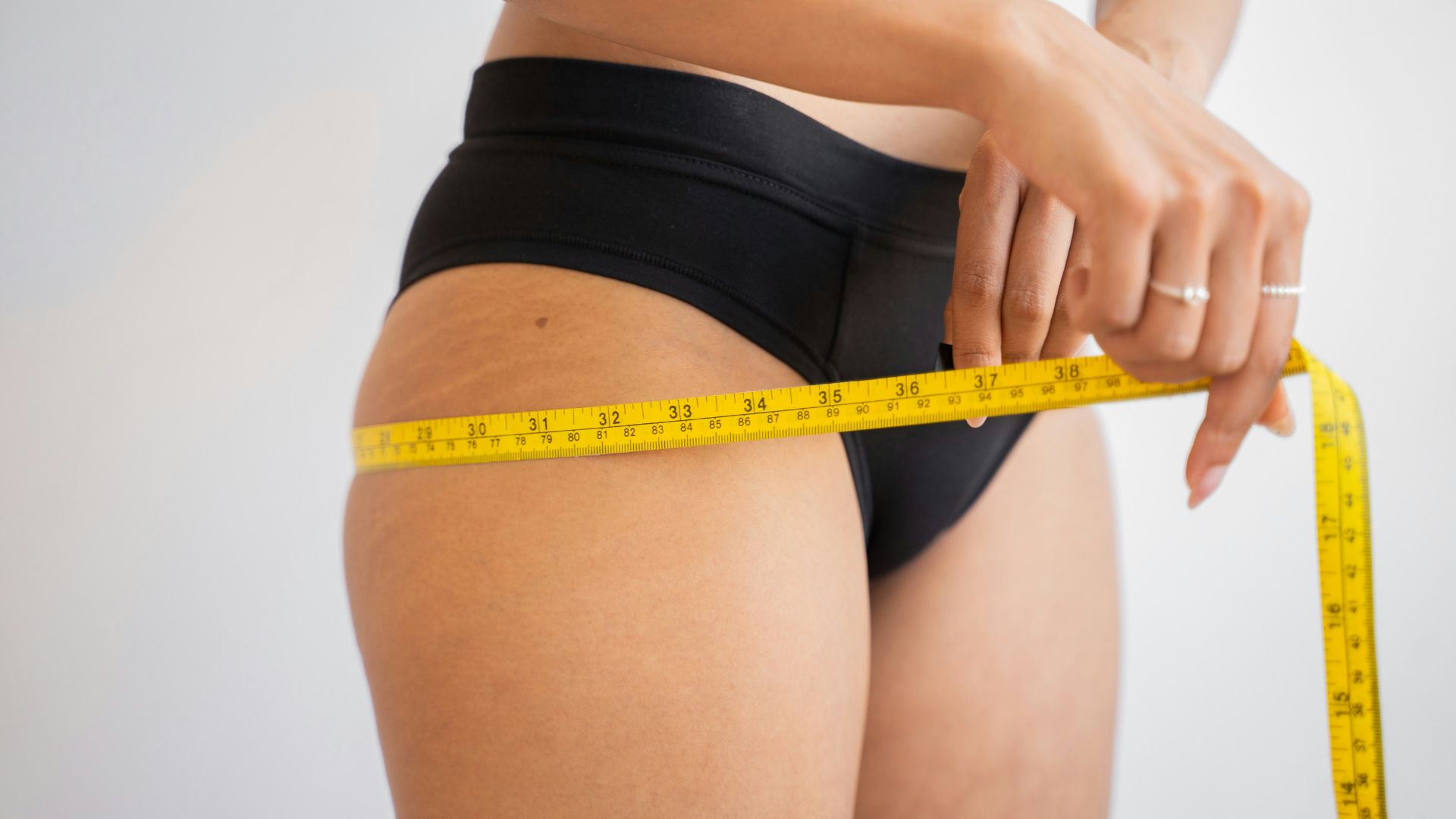
5. Waist Circumference
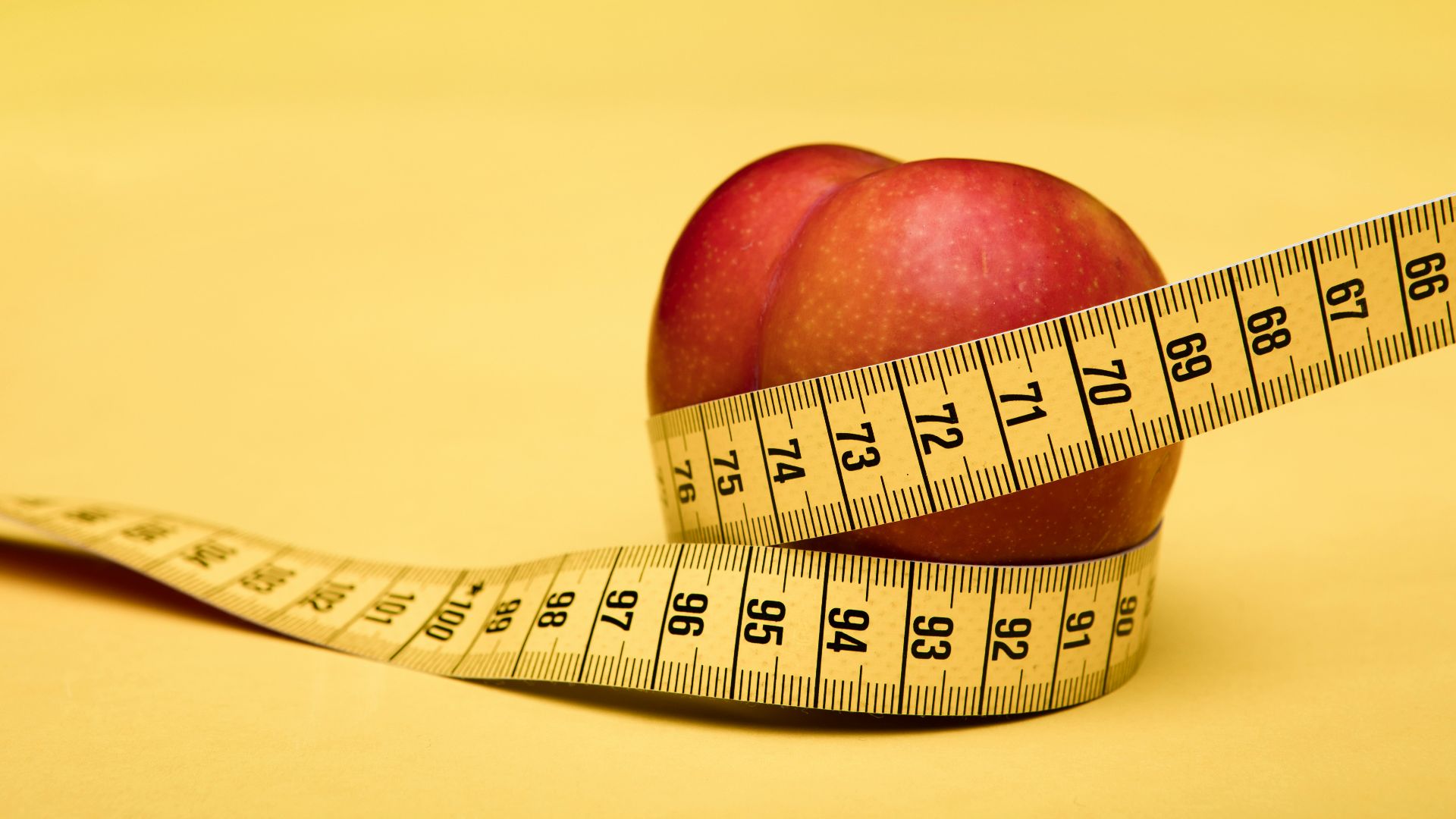
Waist size earns its place because it picks up abdominal fat in a way body weight alone does not. That kind of fat is more closely tied to cardiometabolic risk, so a simple tape measure can sometimes tell you something a scale can’t.
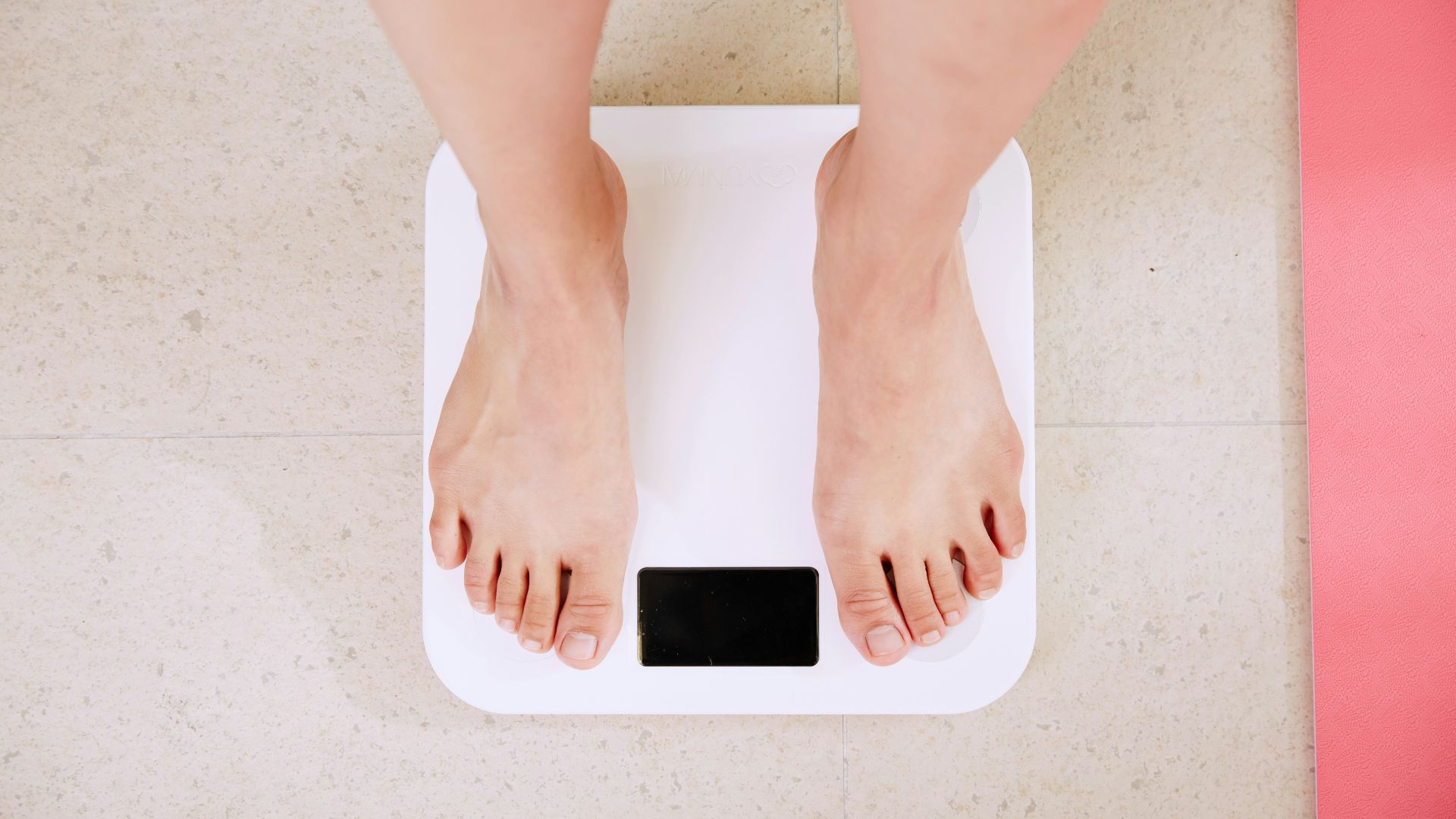
6. Body Weight Trend
Weight can still be helpful when you zoom out and look at what’s happening across weeks or months. A number that jumps after a salty dinner, a flight, your period, or a lazy Sunday usually isn’t telling you anything profound about body fat.
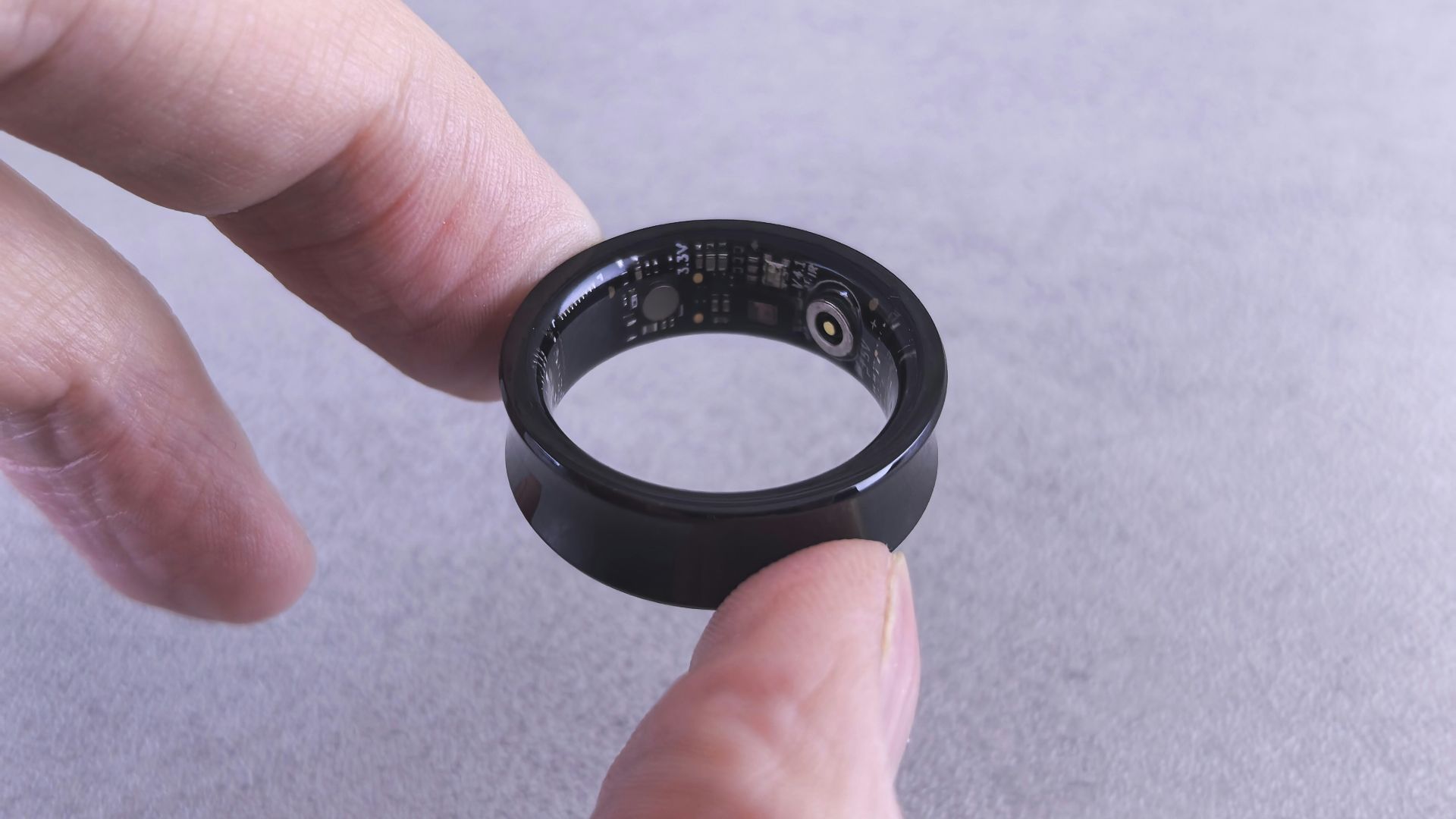
7. Sleep Duration
Total sleep time is still one of the most useful sleep metrics because regularly getting too little sleep is linked to a long list of health problems. The plain old question of whether you’re sleeping enough matters a lot more than whether some app gave you a gold star overnight.
8. Active Minutes
Weekly activity totals are worth tracking because consistency matters more than the occasional burst of motivation. A routine that gets you moving several times a week does more for long-term health than one ambitious Saturday workout followed by four days of sitting.

9. Step Count
Step count isn’t perfect, though it’s still a decent shorthand for whether you’re moving through the day or spending 10 hours parked at a desk. It works best as a nudge, not a judgment, and it’s one of the more practical numbers most wearables give you.
10. Cardiorespiratory Fitness
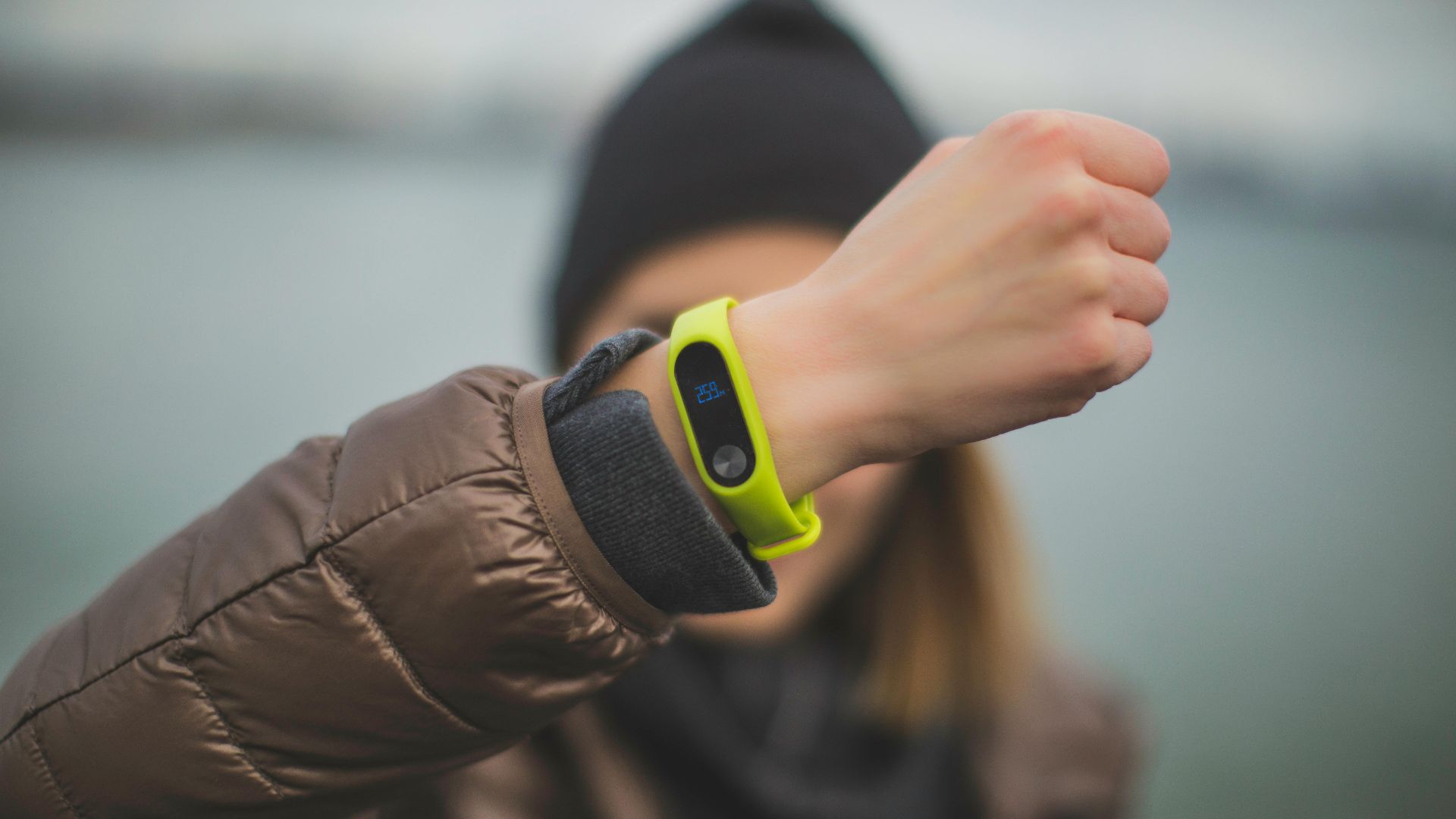
This one sounds clinical, though the idea is simple enough: how well your heart and lungs handle effort. Paying attention to your endurance, pace, and recovery over time can give you a pretty honest read on whether your overall fitness is improving, holding steady, or sliding a bit.

1. Daily Scale Swings
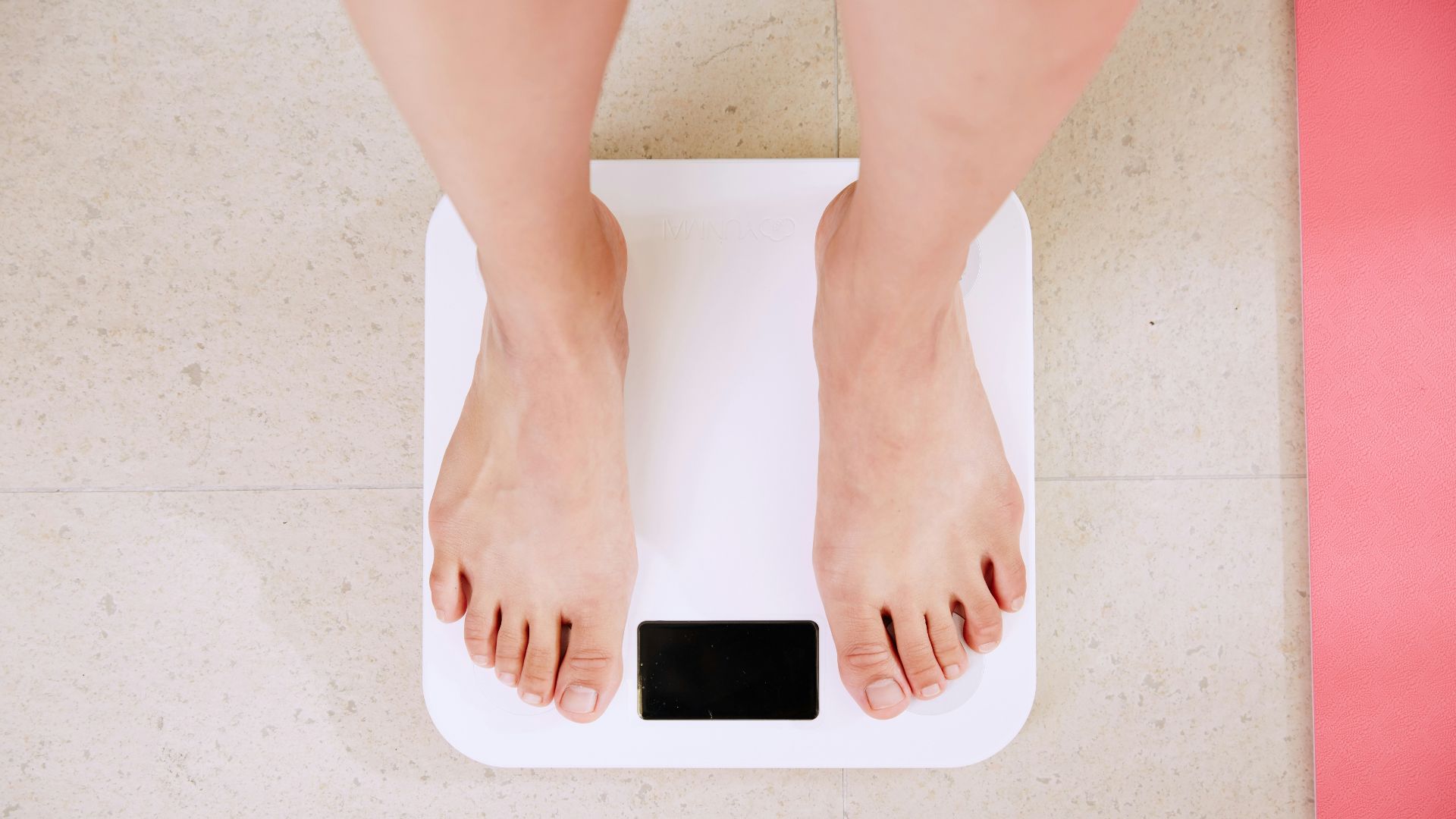
Day-to-day weight changes are often about water, digestion, sodium, hormones, or the fact that bodies are messy and rarely behave on command. For most healthy people, one random jump from Friday to Saturday just doesn’t mean very much on its own.
2. BMI
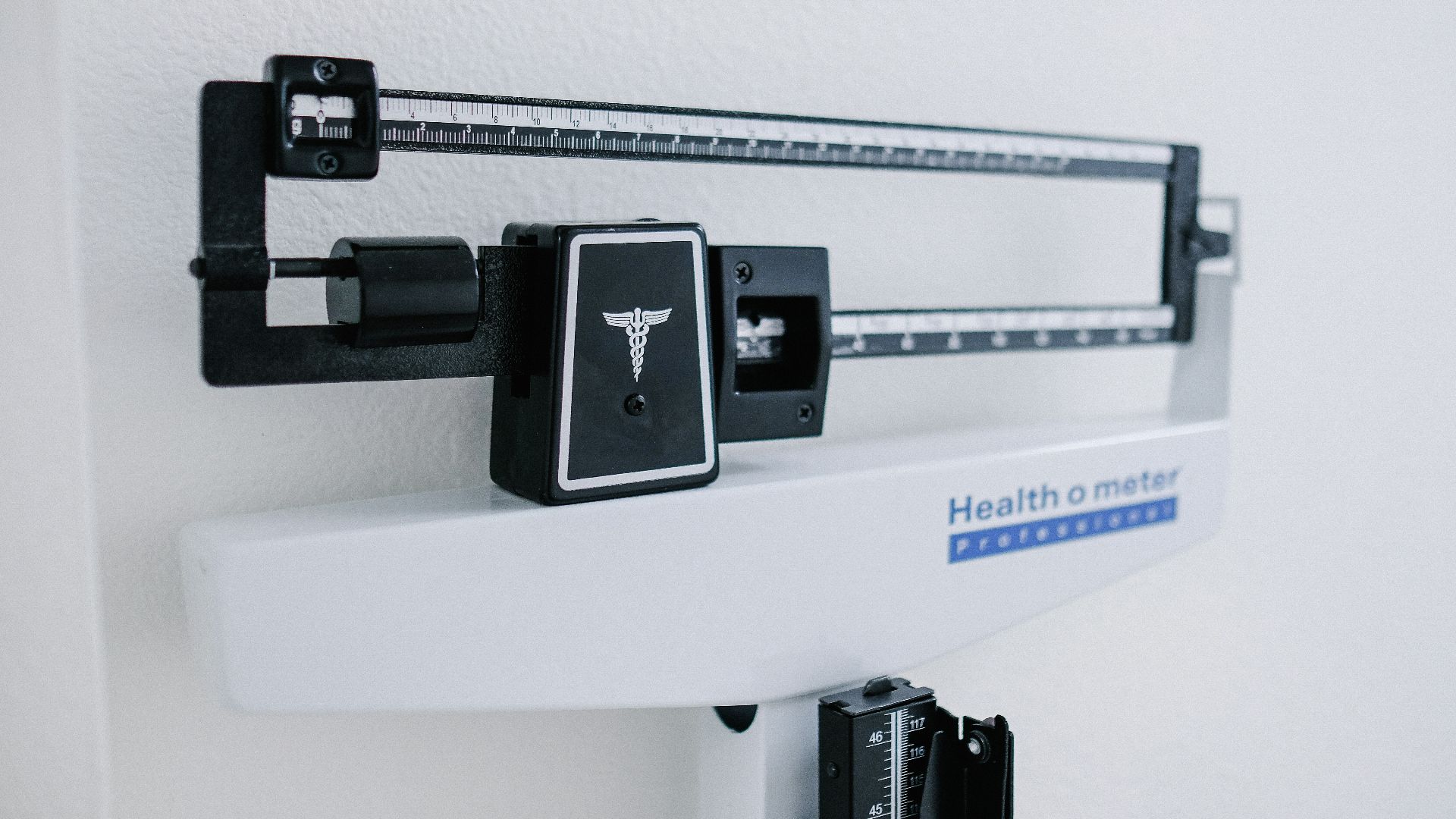
BMI is a screening tool, not a full health report card, and it leaves out a lot that matters in real life. It doesn’t tell you where you carry fat, how much muscle you have, how fit you are, or what your blood pressure and labs look like, which is why it’s too blunt to use alone.
3. One-Off Sleep Scores
Consumer sleep trackers can be useful for broad patterns, though one bad score after a red-eye, a late dinner, or a stressful workday doesn’t deserve the kind of emotional power people give it. One rough night happens, and it usually says less than the pattern across the month.
4. Wearable Calorie-Burn Numbers
This is still one of the weakest categories for consumer devices, and the estimates can be all over the place depending on the brand and the activity. It’s fine as a loose trend if you’re curious, though treating it like exact math isn’t the best idea.

5. HRV
Heart rate variability is a real measure, though it’s easy to overread when you’re pulling it from a wearable and checking it like a weather report. It moves around for plenty of reasons, so one low reading on a Monday morning doesn’t need to become the headline of your entire day.
16. Body Fat Readings
Smart scales usually estimate body fat using bioelectrical impedance, and those readings can shift with hydration, recent exercise, time of day, and other completely normal variables. That makes them a pretty flimsy number to obsess over while you’re standing in the bathroom half awake.
 Lucas Guimarães Bueno on Pexels
17. SpO2 Without A Reason
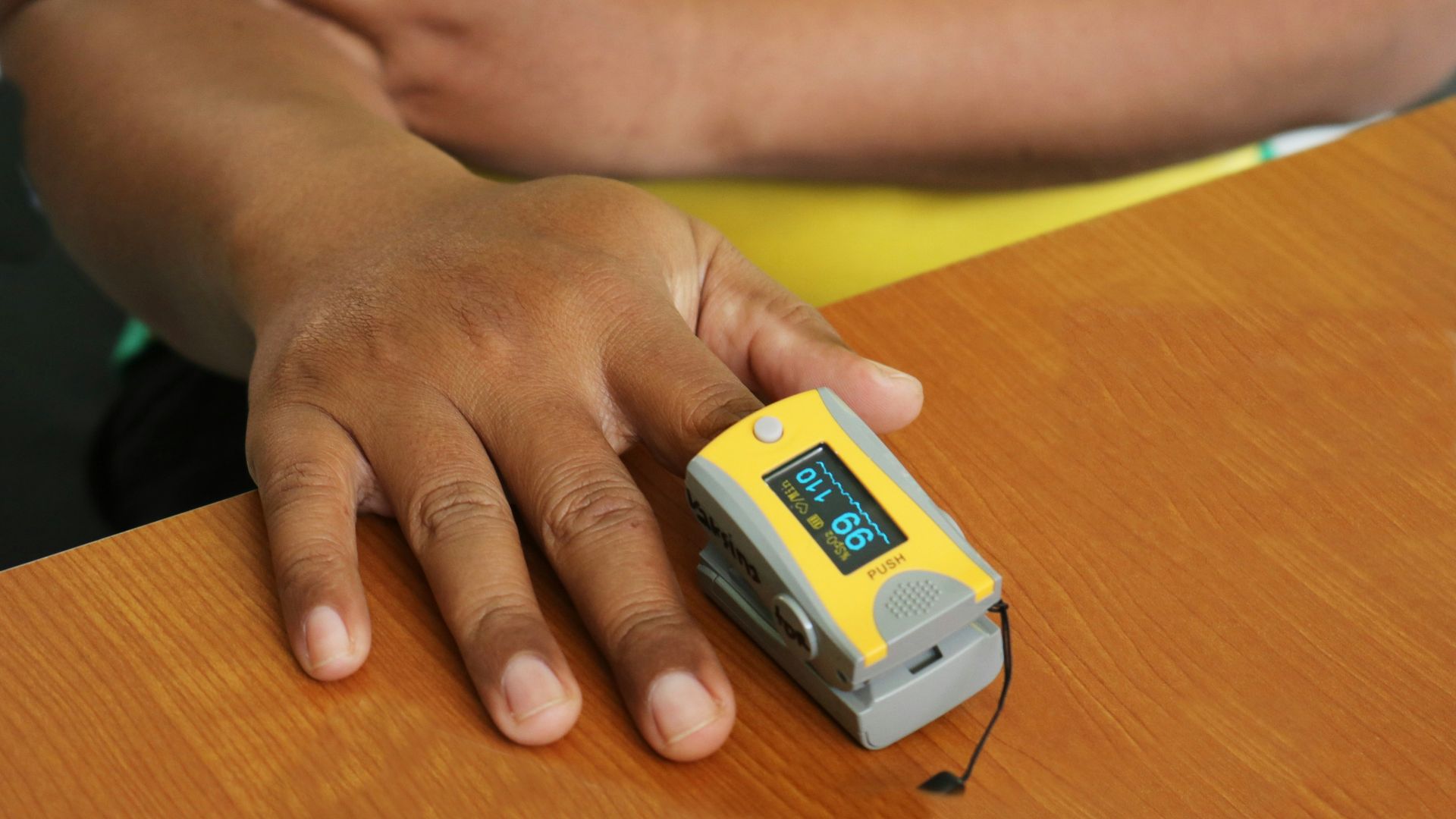
Pulse oximeters can be useful in the right medical context, especially when someone has respiratory symptoms or has been told to monitor oxygen levels. For most healthy people, checking their numbers on the couch for no clear reason, it’s mostly just extra data without much day-to-day value.
18. Step Count… Again
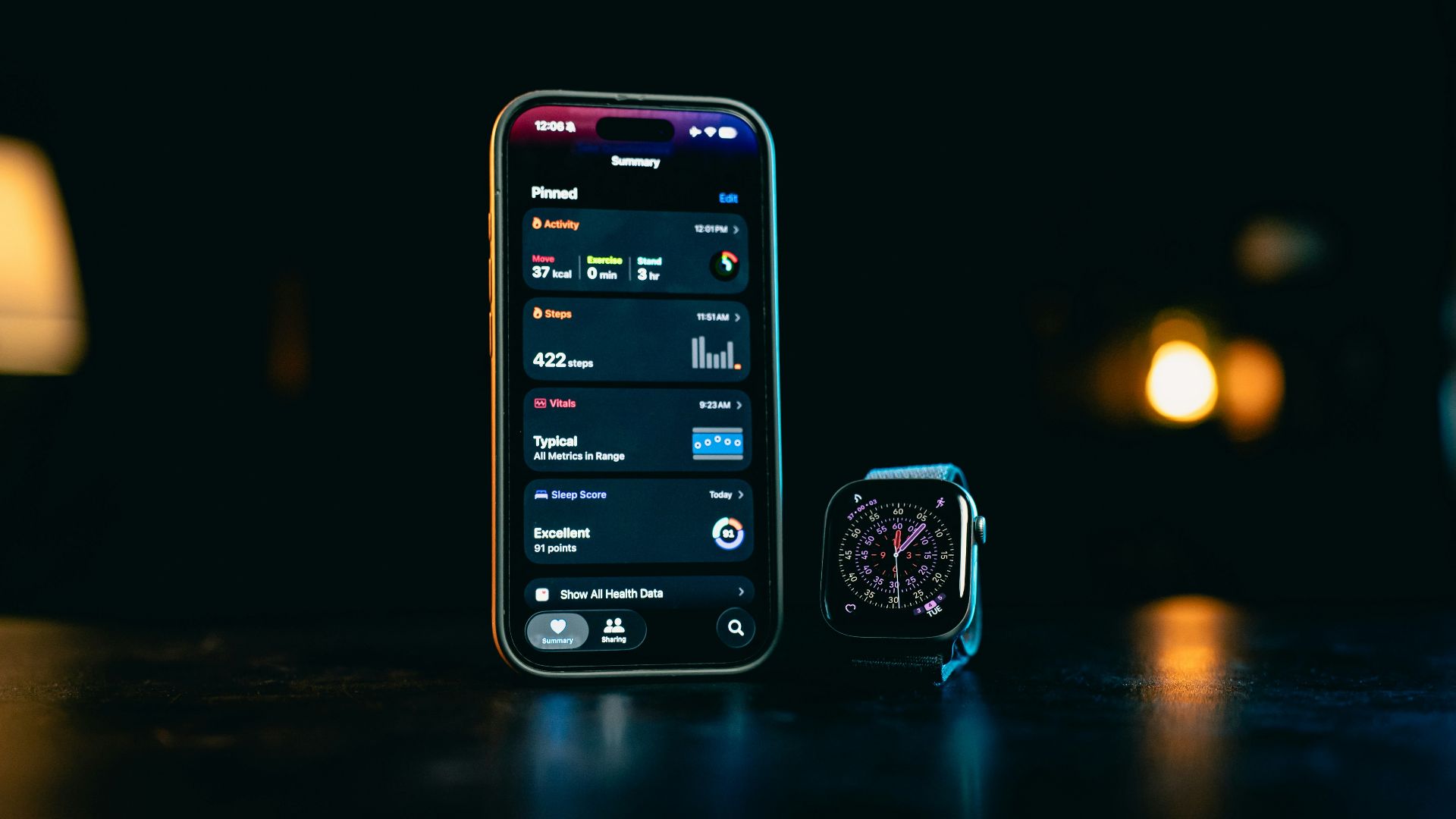
Steps can tell you whether you moved, and that’s helpful, though they don’t cover strength training, mobility, sleep, blood pressure, or overall fitness. You can hit a nice round step goal and still ignore half the habits that actually support long-term health.
19. Sodium
Sodium count matters, especially for blood pressure, though most people don’t need to turn lunch into a forensic exercise. The broader pattern of how you eat across the week usually matters more than micromanaging every single number on every single label.

20. Treating Every Blip Like A Diagnosis
Consumer health data works best when you use it for patterns instead of panic. Once tracking turns into doom-scrolling your own body and assigning meaning to every blip, it stops being useful and starts feeding anxiety instead.