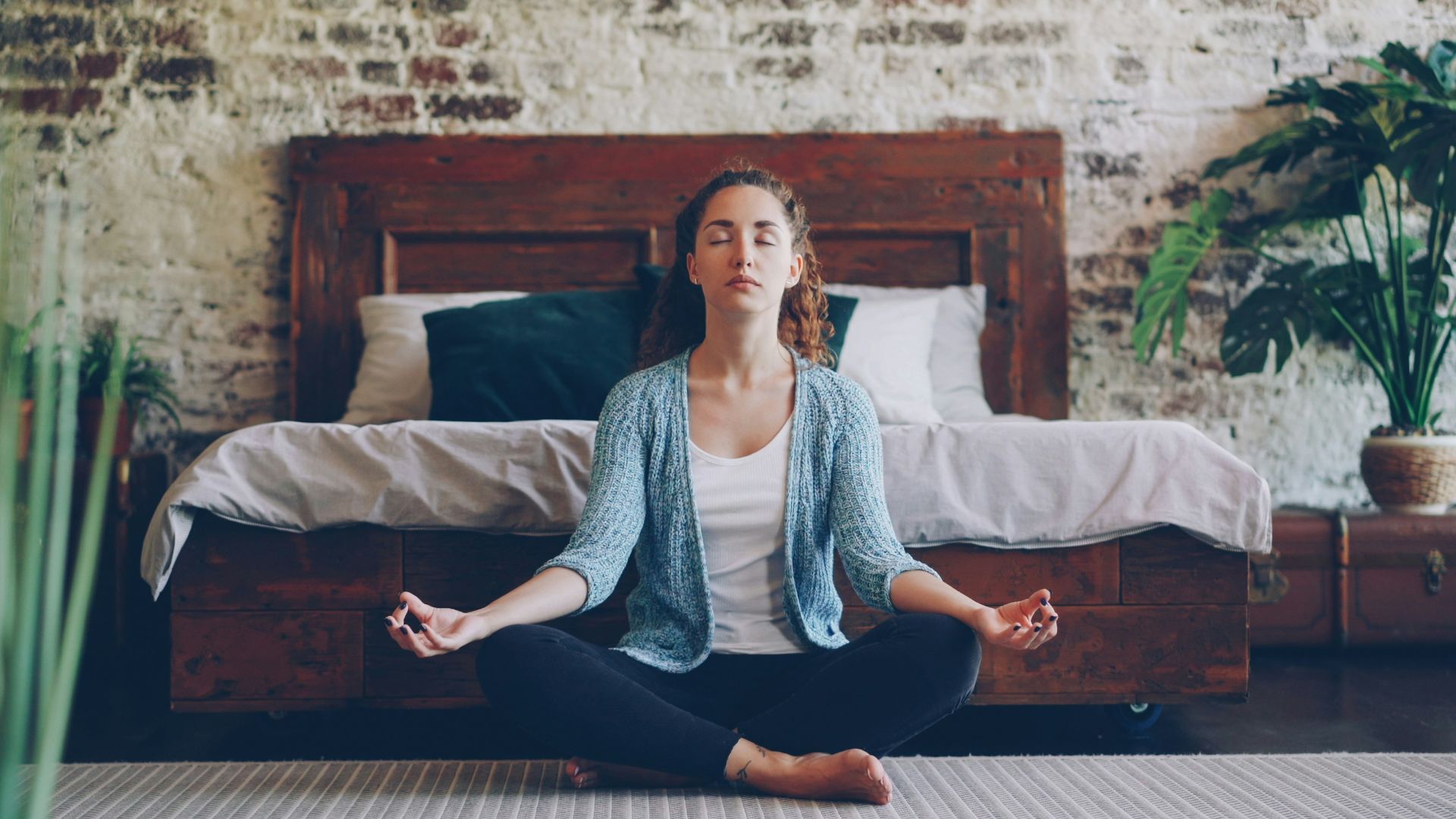
Finding Steady Calm During A Major Life Transition
Retirement can bring a mix of relief, uncertainty, and unexpected stress, especially as routines and identities shift. While planning and support systems help, simple breathing techniques can offer immediate ways to manage anxious thoughts. Controlled breathing has been shown to regulate the nervous system, lower heart rate, and improve emotional balance. By practicing a variety of these 20 techniques, you can find what works best and build a sense of calm into your daily routine.
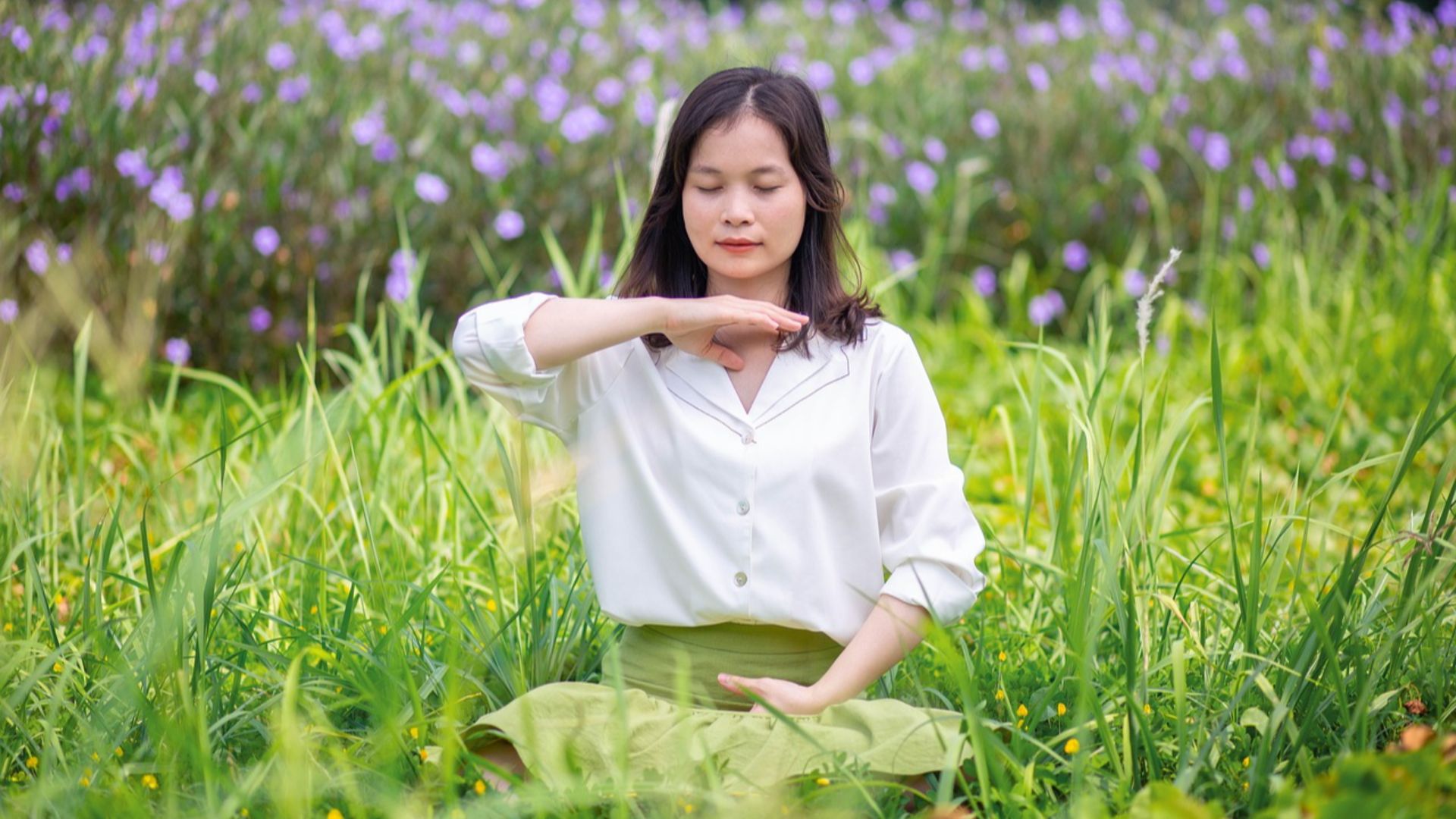
1. Deep Belly Breathing
This technique focuses on expanding your diaphragm rather than your chest. Inhale slowly through your nose, allowing your stomach to rise, then exhale gently. It encourages full oxygen exchange and promotes relaxation. Practicing this regularly can reduce tension and improve focus.
2. Box Breathing
Box breathing involves inhaling, holding, exhaling, and holding again for equal counts, usually four seconds each. This structured rhythm helps steady your breathing and calm your mind. It’s often used in high-stress environments for its reliability. The predictability can feel especially grounding during uncertain moments.
3. 4-7-8 Breathing
Inhale for four seconds, hold for seven, and exhale for eight. This method encourages slower breathing and activates the body’s relaxation response. It can be particularly helpful before sleep or during moments of heightened anxiety. With practice, it becomes easier to maintain the rhythm.
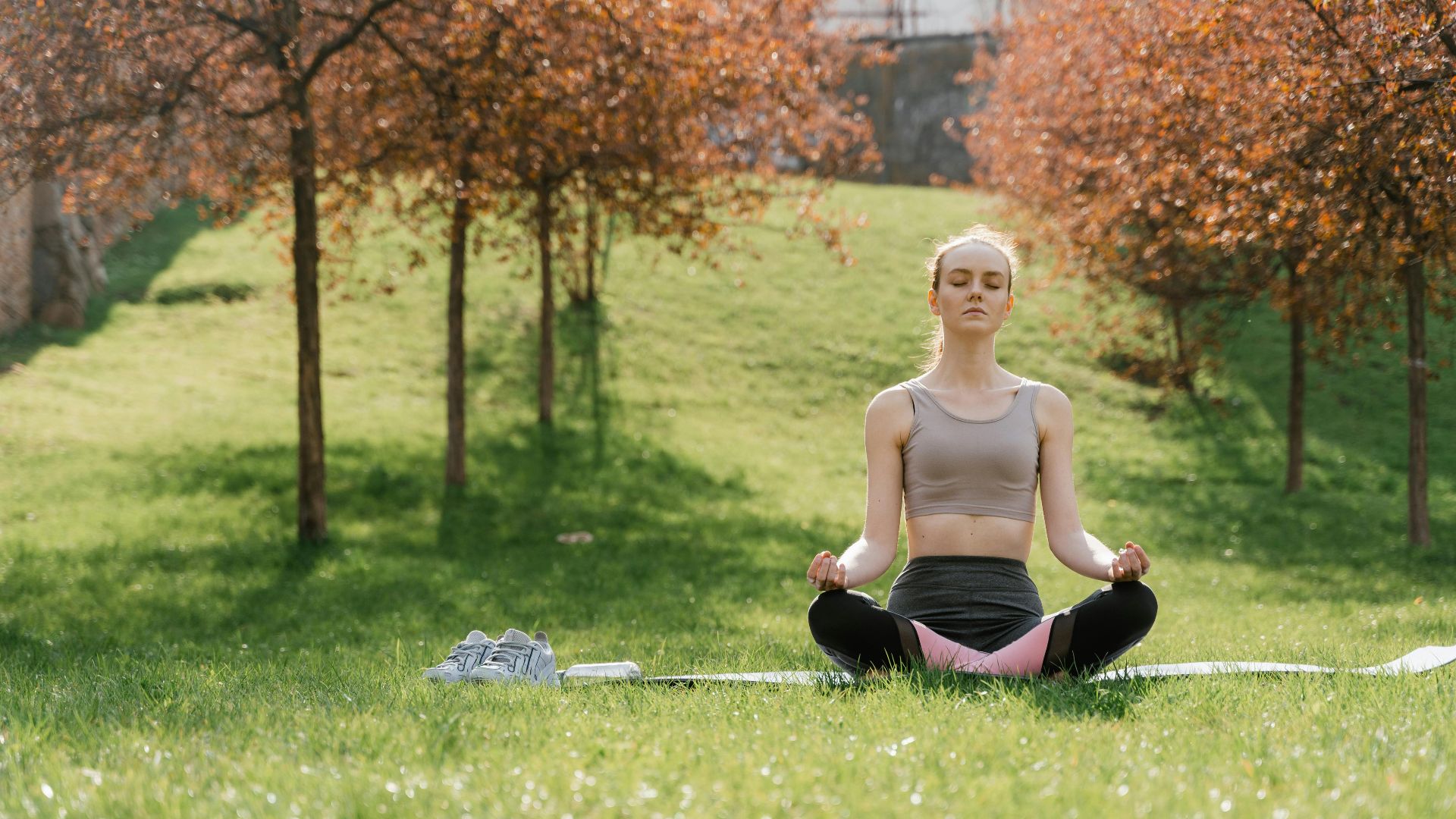
4. Alternate Nostril Breathing
This technique involves breathing through one nostril at a time while closing the other. It’s commonly used in mindfulness practices to balance the body and mind. The focus required can shift attention away from anxious thoughts and also help regulate breathing patterns.
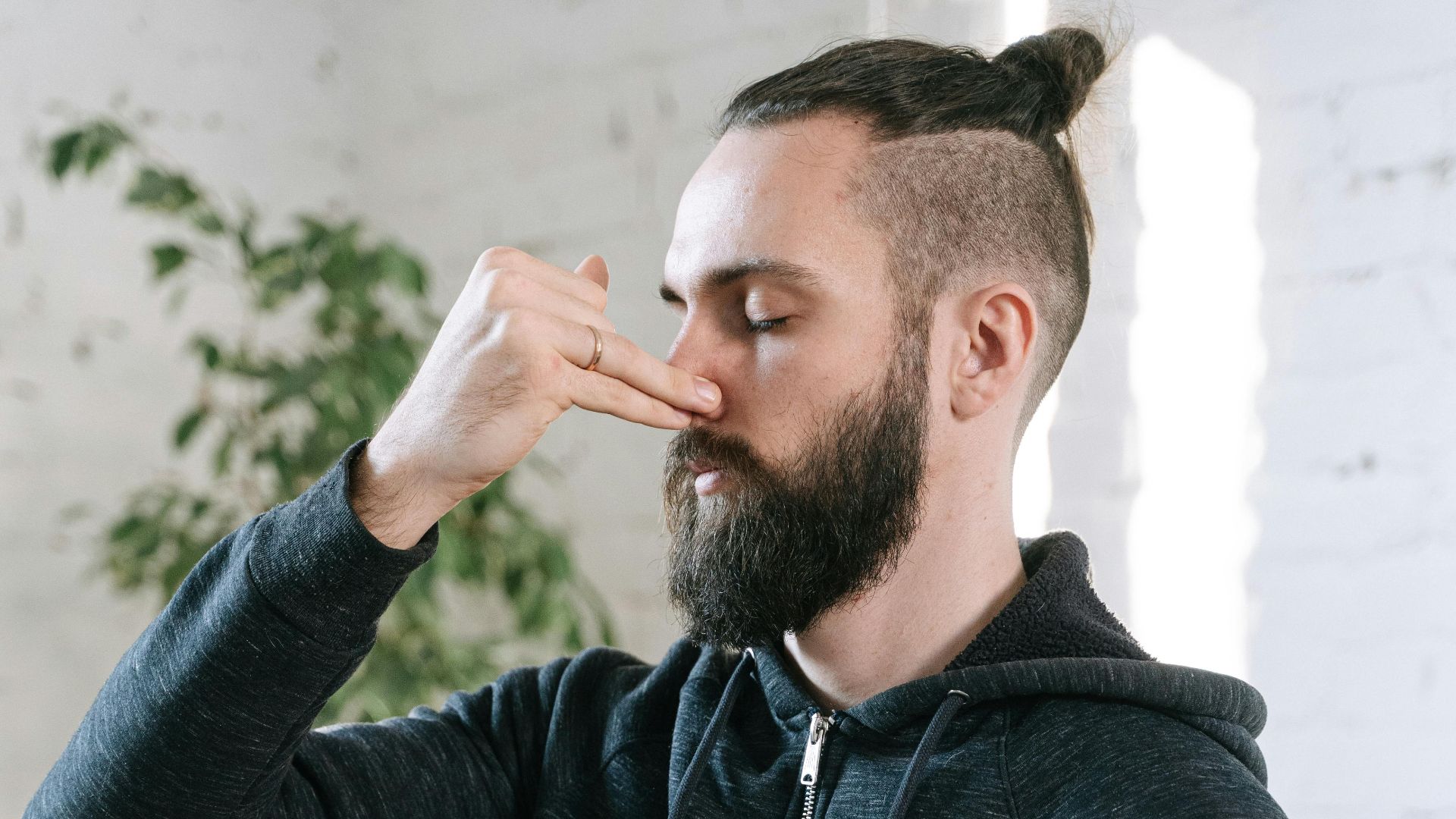
5. Pursed-Lip Breathing
Inhale through your nose and exhale slowly through pursed lips, as if gently blowing out a candle. This method helps control the pace of breathing and keeps the airways open longer. It’s often recommended for improving oxygen flow. The slower exhale naturally reduces stress.

6. Counting Breaths
Simply counting each inhale and exhale can bring awareness to your breathing. This technique helps anchor your attention in the present moment, and it’s easy to practice anywhere without drawing attention. Over time, it can improve mindfulness and reduce racing thoughts.

7. Equal Breathing
Equal breathing involves inhaling and exhaling for the same length of time. This balance helps stabilize your breathing rhythm and calm your nervous system. It’s simple enough for beginners to try without guidance. Remember, consistency is key to feeling its full benefits.
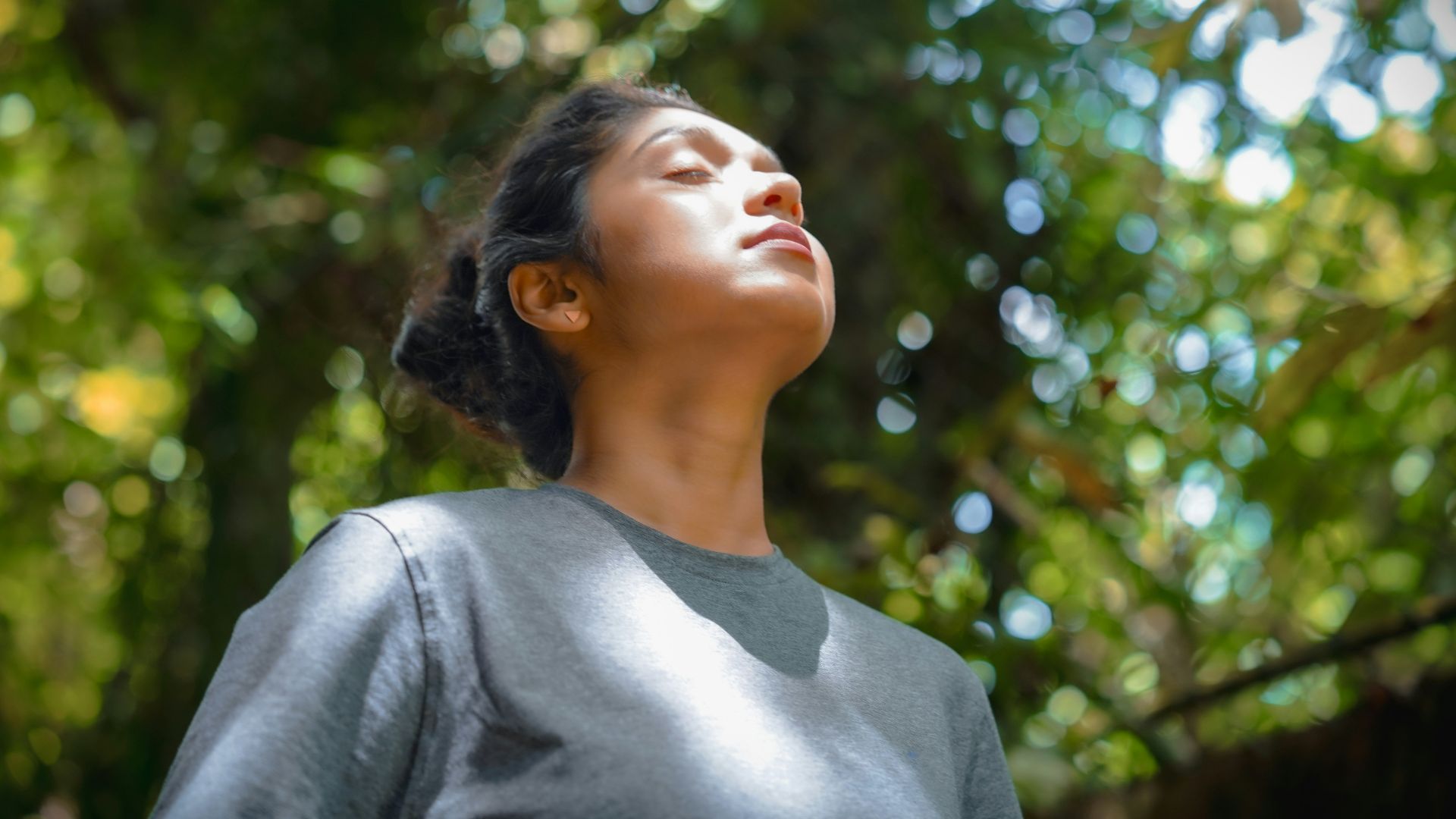
8. Guided Breathing Exercises
Using audio or visual guides can help structure your breathing practice. These tools often include pacing cues and calming instructions. They’re especially useful if you’re new to breathing techniques. Following along can make it easier to stay focused.

9. Breath Awareness Meditation
This technique focuses on observing your natural breathing without changing it. Paying attention to each inhale and exhale can reduce mental clutter and encourage acceptance rather than control. This approach can feel less demanding for beginners.
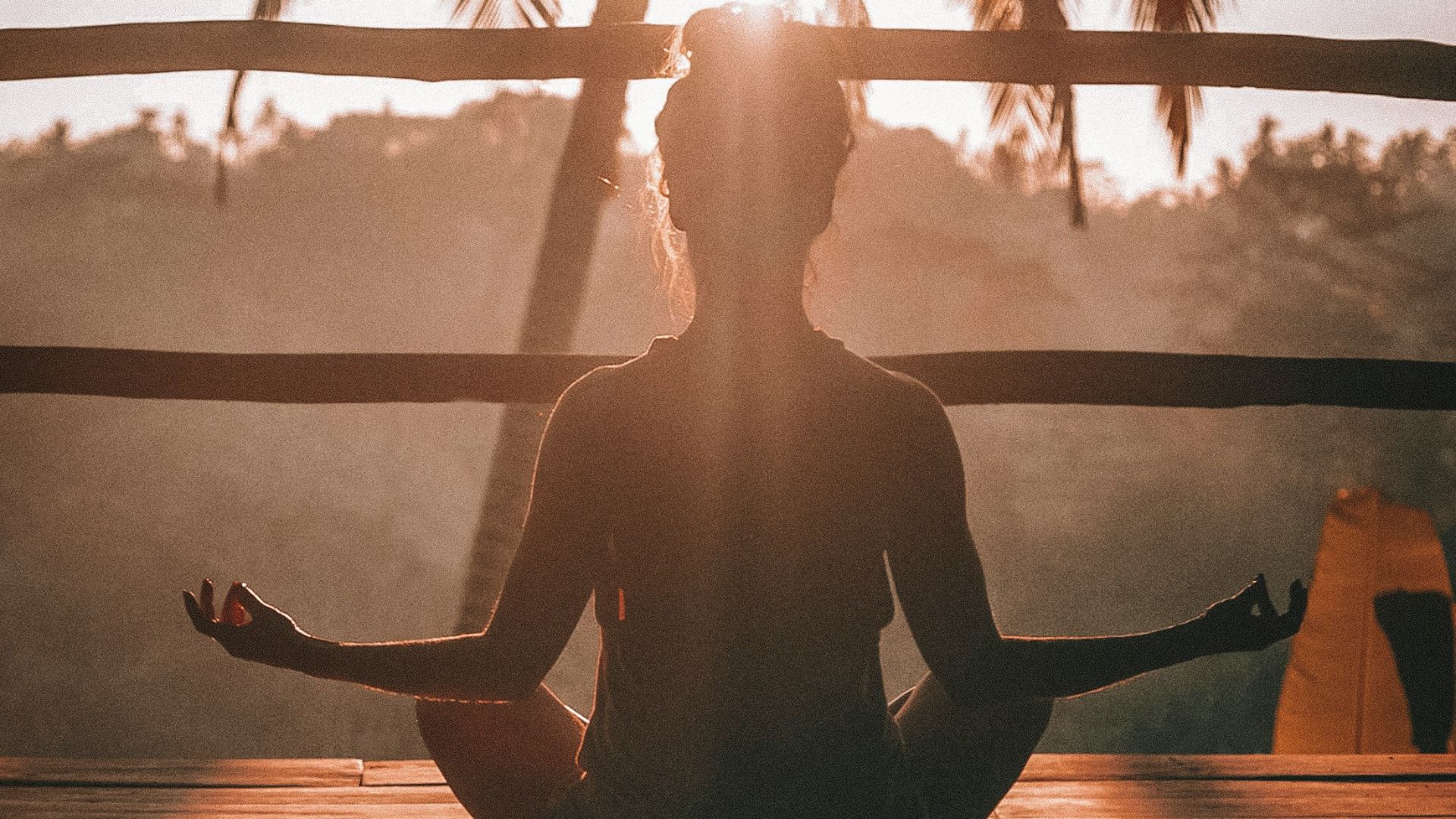
10. Extended Exhale Breathing
Lengthening your exhale compared to your inhale can activate relaxation responses. For example, inhale for four seconds and exhale for six. This pattern signals your body to slow down. It’s particularly helpful during moments of stress or worry.

11. Resonant Breathing
Resonant breathing typically involves breathing at a rate of about five to six breaths per minute. This slow pace helps synchronize heart rate and breathing. It’s been associated with improved emotional regulation. Practicing regularly can enhance overall calmness.
12. Humming Exhale Breathing
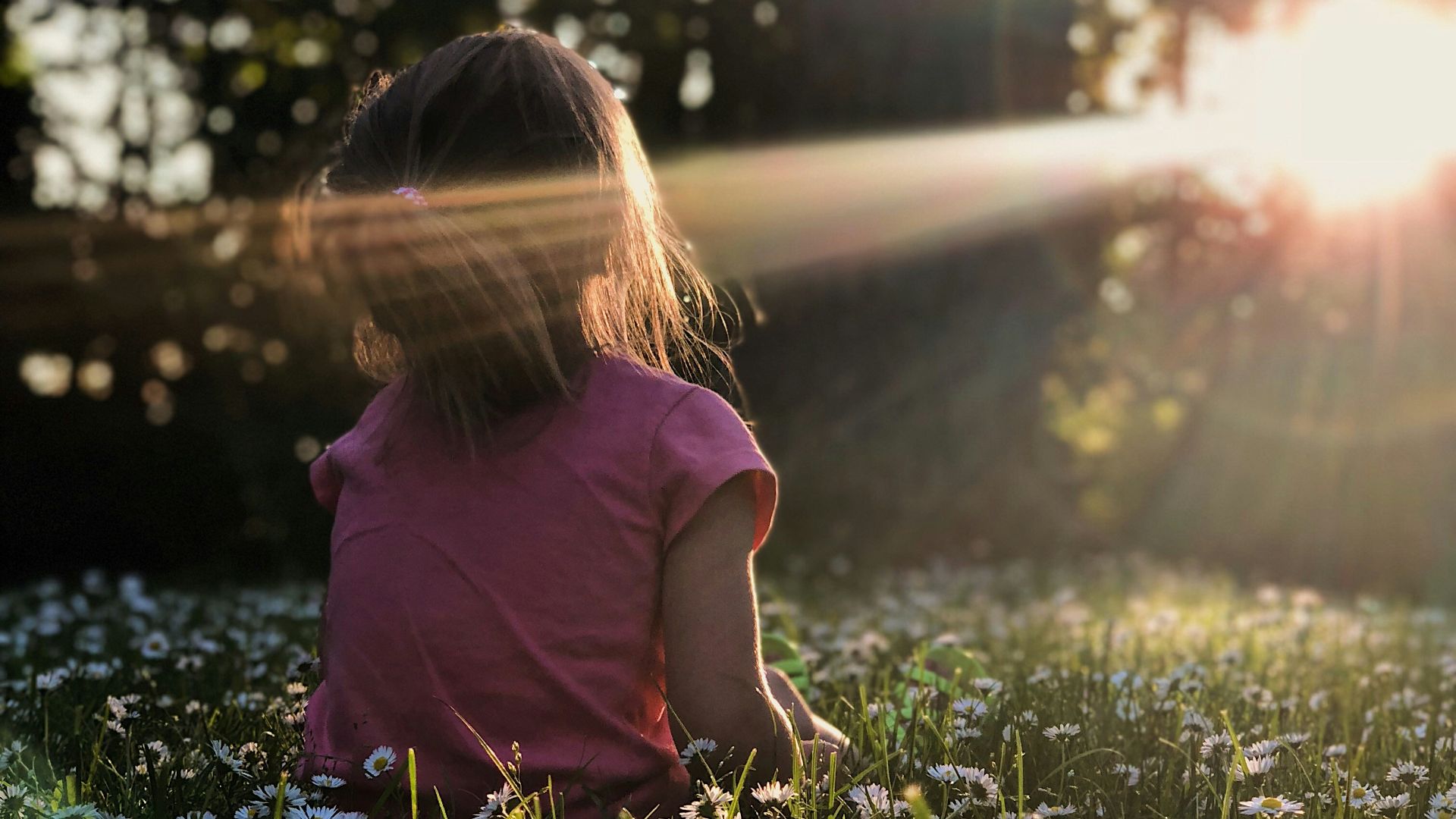
Adding a gentle hum during exhalation can create a soothing vibration. This may help reduce stress and promote relaxation. The sound also gives you something to focus on. It can make the exercise feel more engaging and less repetitive.
13. Visualization Breathing
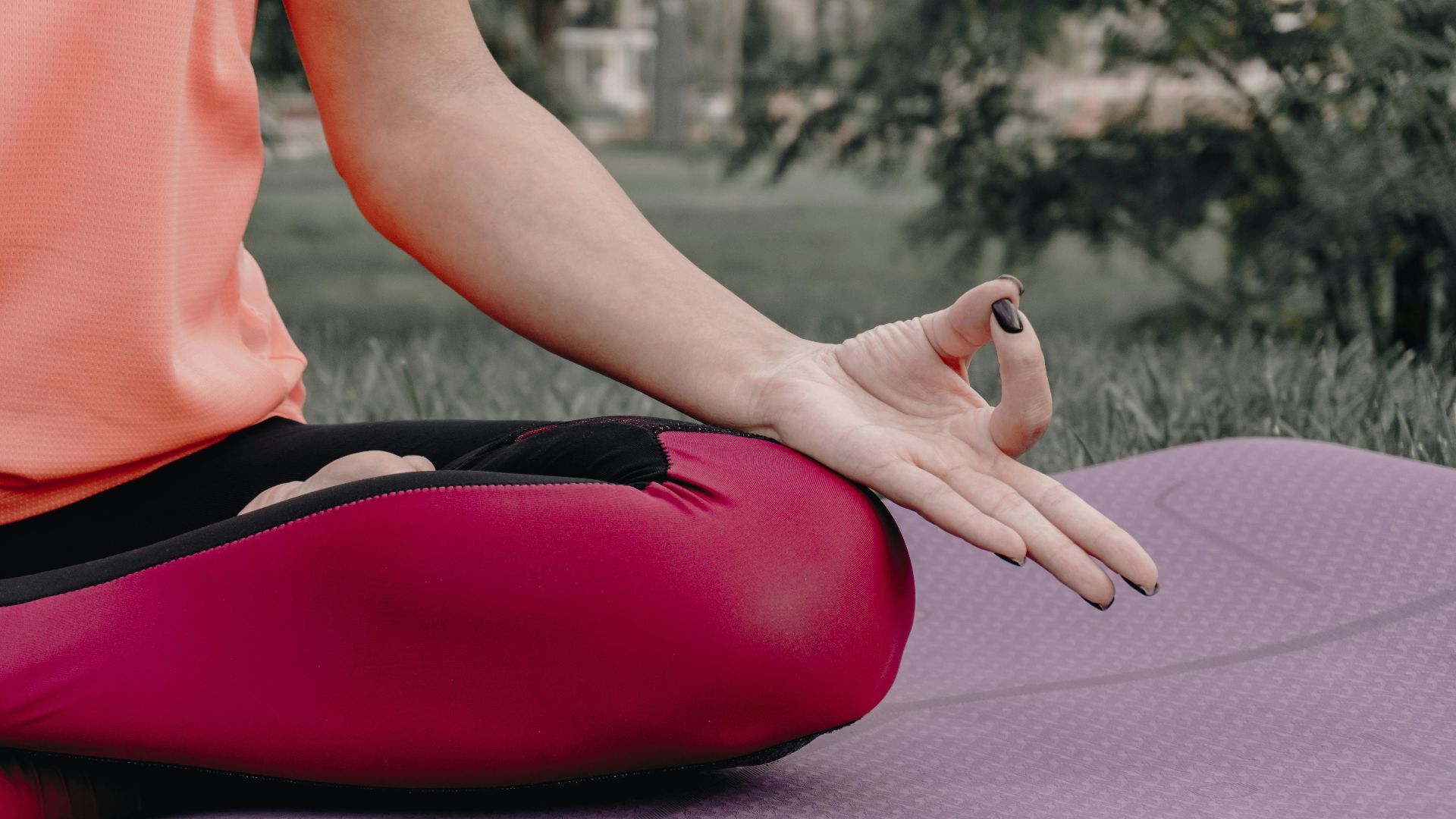
While breathing deeply, imagine a calming image, such as a quiet landscape. This combination of breath and visualization can enhance relaxation. It provides both mental and physical focus. Over time, it can become a reliable calming routine.

14. Progressive Breathing
Pair your breathing with gradual muscle relaxation. Inhale while tensing a muscle group, then exhale as you release it. This helps reduce physical tension alongside mental stress. It can be particularly useful before rest or sleep.
15. Three-Part Breathing
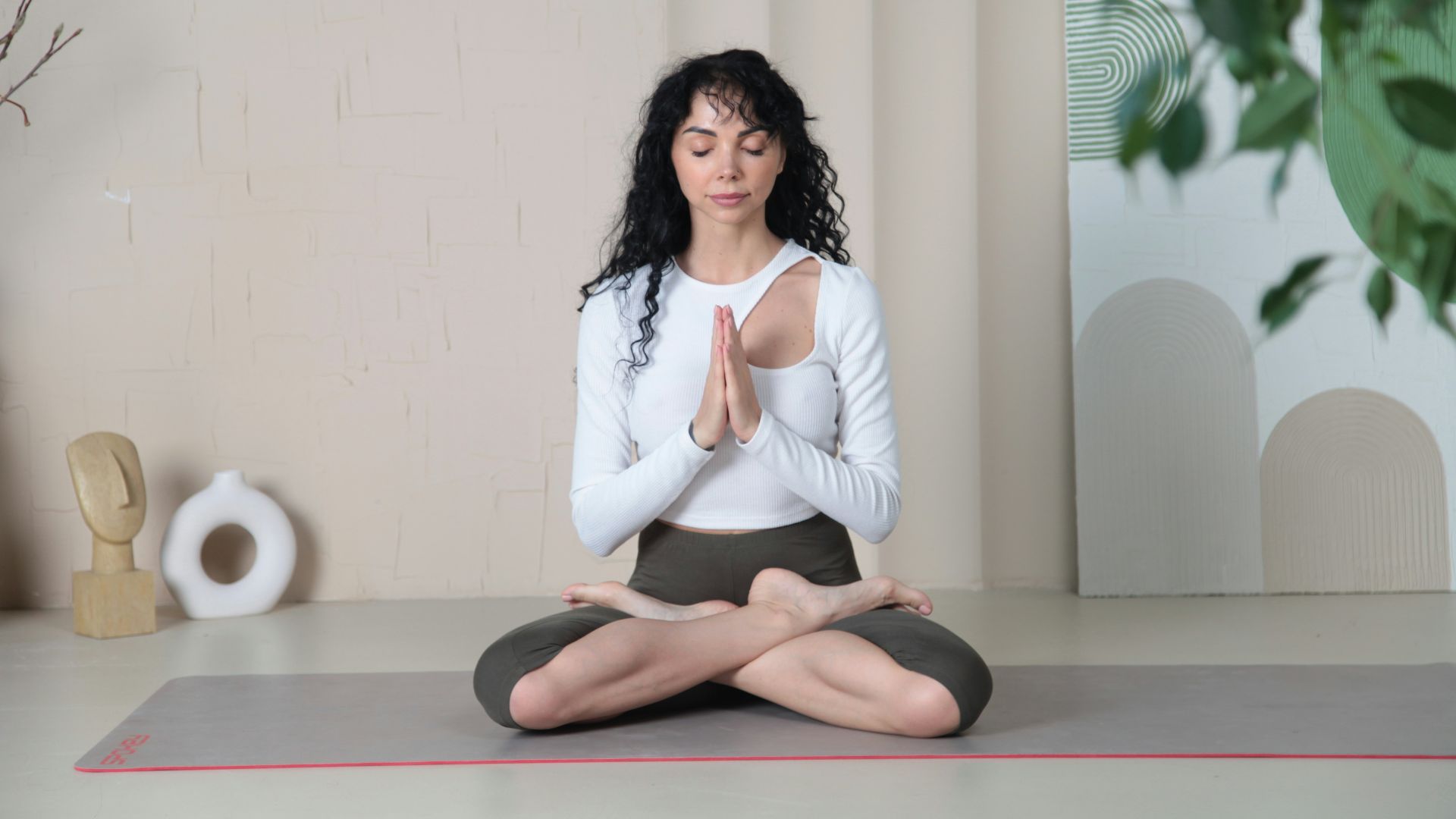
This method involves filling the lungs in three stages: abdomen, ribcage, and chest. It encourages fuller, more controlled breaths. The structured approach improves awareness of your breathing pattern. It can also help increase lung capacity over time.
16. Slow Nasal Breathing
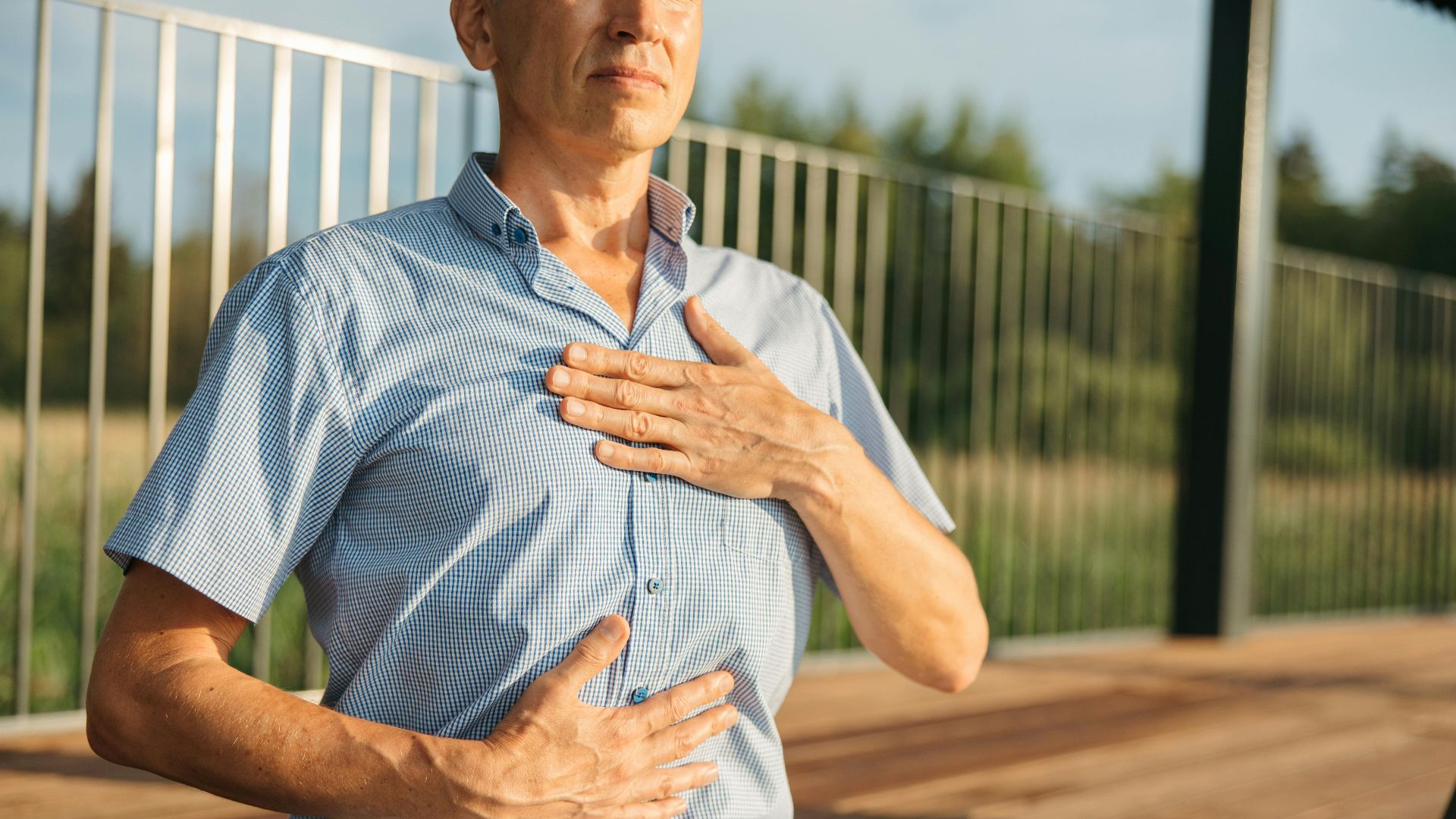
Breathing slowly through your nose helps filter and regulate airflow. It naturally encourages a calmer breathing pace. This technique can be practiced throughout the day without interruption. It’s a subtle but effective way to reduce stress.
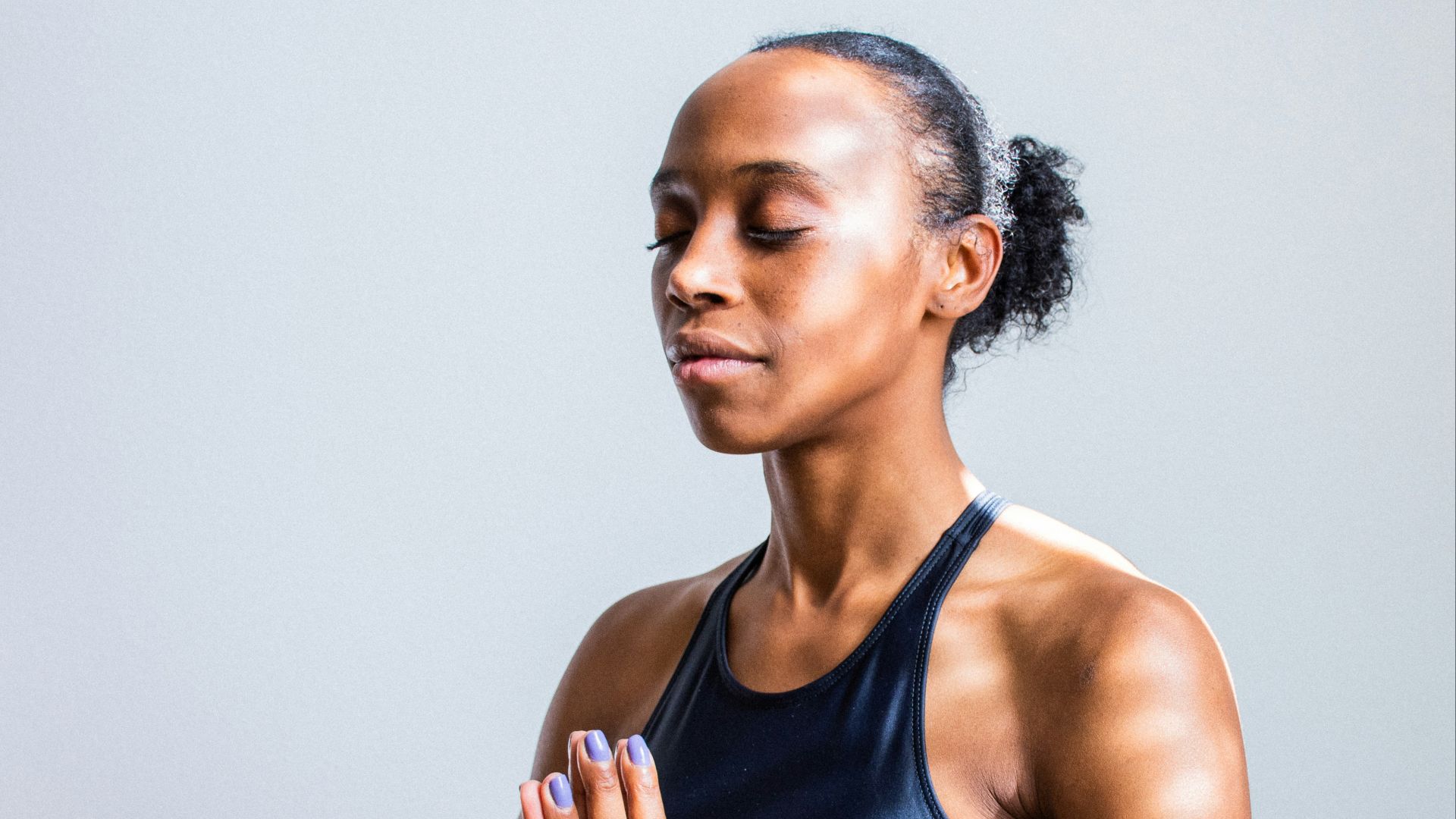
17. Rhythmic Breathing With Movement
Pairing breathing with gentle movement, such as walking, can create a steady rhythm. For example, inhale for a set number of steps and exhale for the same count. This helps coordinate body and breath and can make physical activity feel more calming.
 Hoi An and Da Nang Photographer on Unsplash
18. Silent Mantra Breathing
Repeating a calming word or phrase silently while breathing can enhance focus. The repetition helps quiet distracting thoughts, and also creates a sense of consistency during the exercise. This approach blends mental and physical relaxation.

19. Cooling Breath Technique
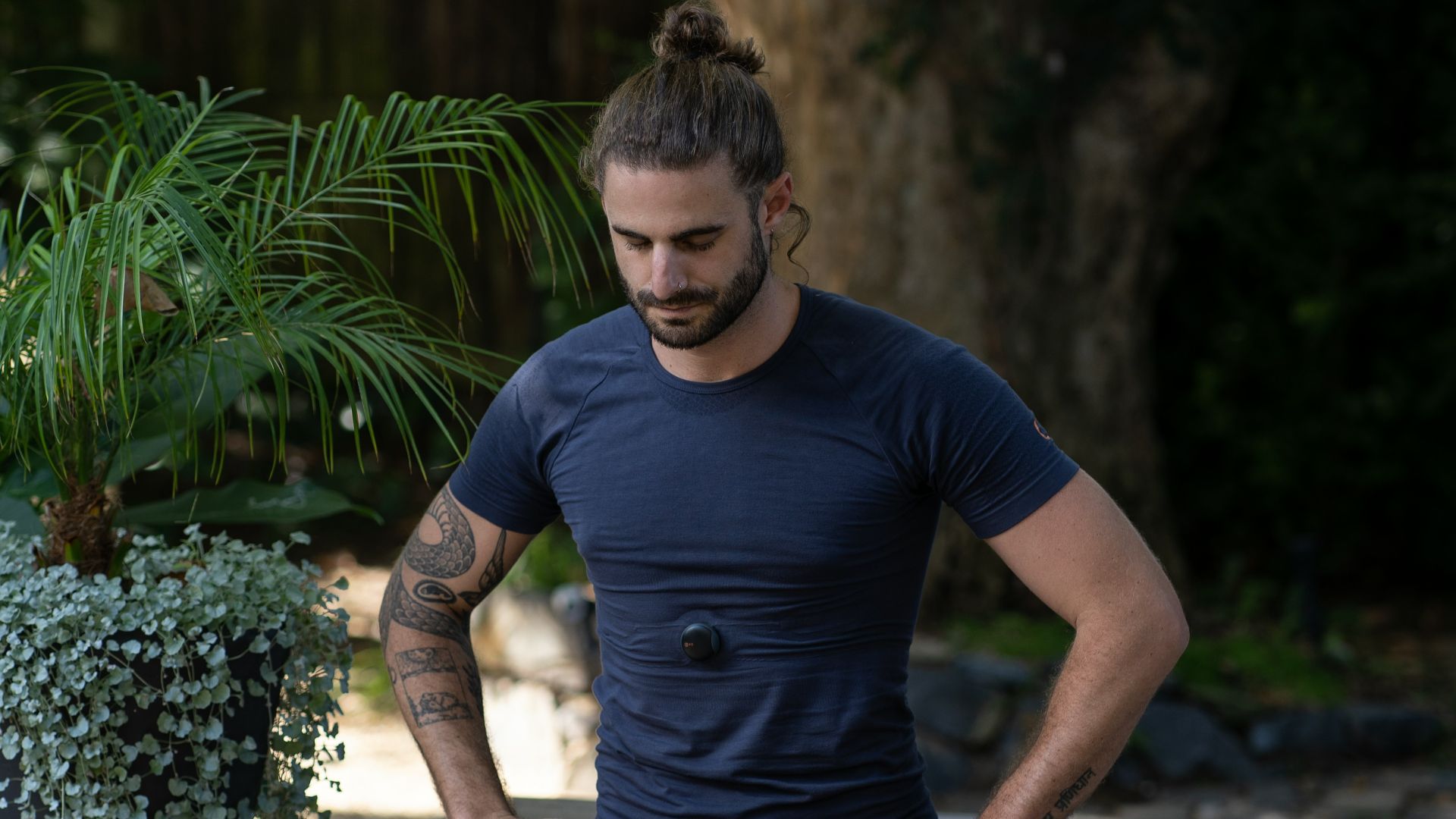
Inhale through slightly parted lips or a curled tongue, then exhale through your nose. This can create a cooling sensation that feels refreshing.
 Angelina Sarycheva on Unsplash
20. Timed Breathing Breaks
Setting aside short, regular intervals for focused breathing can build consistency. Even a few minutes at a time can have noticeable effects. Scheduled practice helps make breathing exercises part of your routine.