
Why Muscle Gain Feels Harder Than It Should
Building muscle sounds simple on paper, right? Eat some protein, lift some weights, and then stand back and watch the magic happen. But in real life, it’s slower and more frustrating than expected. People assume they just need to train harder, but a lot happens behind the scenes that plays a role in how much you gain—and how quickly. Come with us as we break down a few reasons you aren’t seeing what you want, and what you can do to fix it!

1. You're Not Eating Enough Calories
Muscle growth takes energy, and if you're not eating enough, your body won't have much to build new tissue. Funnily enough, even with solid food choices, staying at maintenance calories or dipping below it can keep progress painfully slow.

2. Your Protein Intake Is Too Low
You’ve heard all the hullabaloo around protein, but there’s a good reason for it! Protein gives your body the raw material it needs to repair and grow muscle after training. If you're only getting a small amount here and there, you're making the process harder.

3. You're Training Hard, Not Smart
Make no mistake: a workout can feel intense without actually being effective. If your plan lacks structure or enough total volume, you may be working hard without giving your muscles the right reason to adapt. Effort matters, yes, but it helps more when it's pointed in the right direction.

4. You're Not Progressively Overloading
Your body gets used to what you ask of it, which means repeating the same workouts won't lead to much change. To keep building muscle, you need progression, whether that's more weight, more reps, better control, or extra sets over time.

5. You're Not Recovering
Muscle isn't built only while you're lifting barbells! A lot of the actual rebuilding happens afterward, so if you're undersleeping, constantly stressed, or going all-out without enough rest, recovery becomes the very thing that stalls you.

6. You Switch Programs Too Often
Trying a new routine every other week might keep things exciting, but it also makes progress harder. Most plans need time to work, and your body needs repeated exposure before strength and muscle really start to build.
7. You Ignore Technique
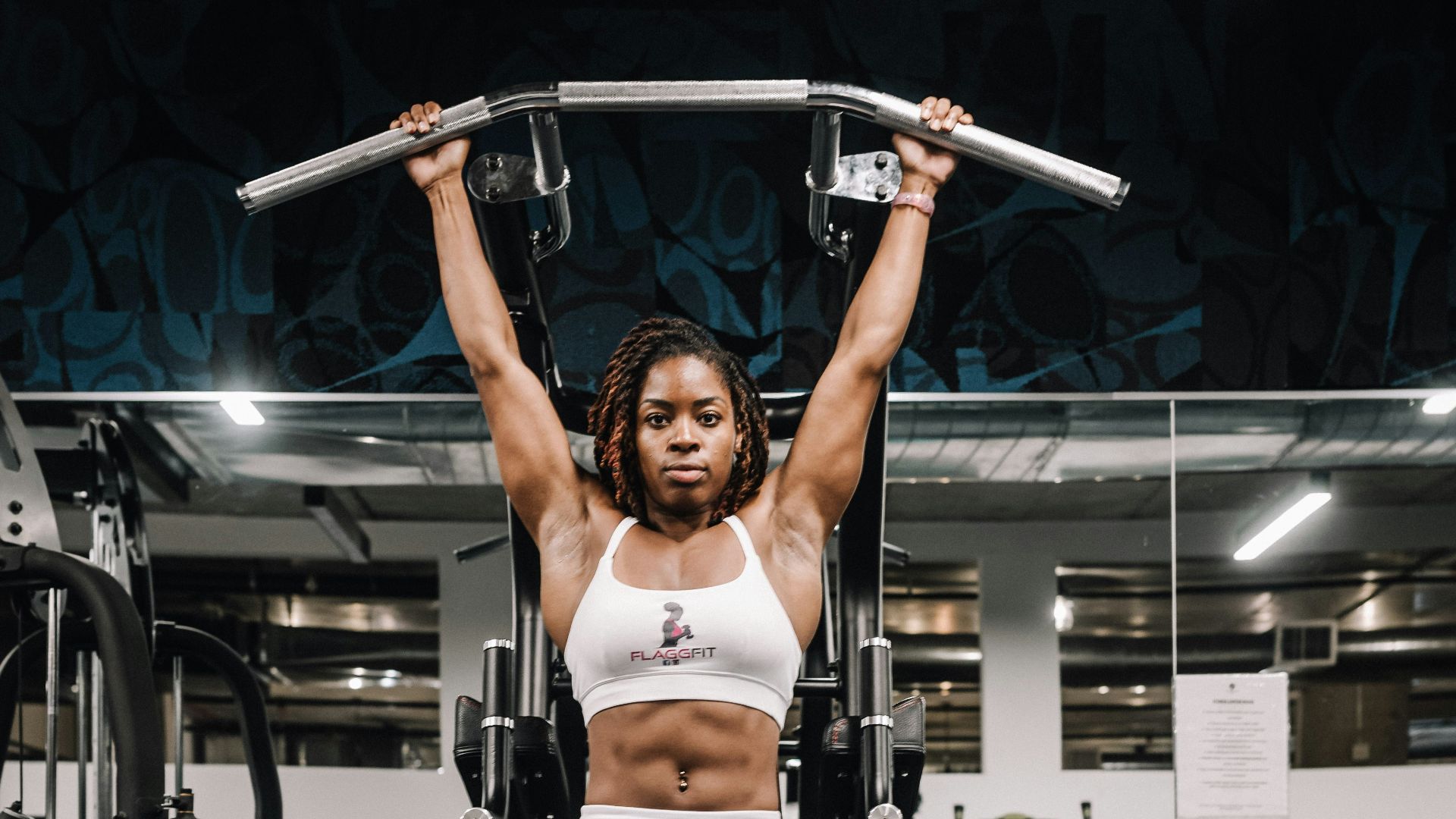
Poor form does a lot more than just raise injury risk—it shifts tension away from the muscles you're trying to train. When reps have sloppy form, the target muscle does less work than you think. Believe it or not, cleaning up your technique can make moderate weights far more productive than heavy ones.

8. You Expect Results Quickly
Muscle gain is a slower process than people want it to be, especially if you're past the beginner stage. We all know that social media presents major changes overnight, but that facade only sets you up for failure. But you’re not failing! Your timeline is just more realistic than your expectations.

9. Your Lifestyle Works Against You
Training for an hour doesn't do much if the other twenty-three are full of missed meals, poor sleep, and inconsistency. Bad habits and worse vices undo a lot of solid gym effort, so while you don't need a perfect lifestyle, your daily habits need to support the goal.

10. You're Inconsistent
One of the biggest reasons people struggle to put on muscle is that they stop and restart before progress can bloom. A few good weeks here and there won't beat months of steady training, healthy eating, and recovery done well.

As we mentioned, putting on muscle only sounds more straightforward than it is. Training matters, of course, but so do all the small habits that shape your results over time. With that, let’s dive into a few things you can do to lock in those gains.
1. Eat More Than You Currently Need
If you want to build muscle, your body needs enough energy to support that process regularly. Staying in a small calorie surplus gives you a better chance of adding size instead of simply maintaining where you are. That doesn't mean you need to eat everything in sight, but it does mean your current intake should be discussed with your nutritionist!

2. Make Protein a Priority
Your muscles rely on protein to repair and grow, so spread it across the day instead of treating it as an afterthought. Meals that consistently include a good source make the whole process easier to manage. Don’t worry, you don't need to become obsessive—you just need a dependable intake.

3. Follow a Structured Plan
Walking into the gym without an idea rarely works as well as clear directions. A structured program helps you balance exercises, manage volume, and stay focused on steady progress. Just remember: when your training has purpose, it's easier to tell whether it's actually helping.

4. Focus on Progressive Overload
Muscle growth needs a reason to happen, and that reason often comes from gradually asking more of your body. Adding weight or squeezing out extra reps can move you forward safely! The goal isn't to force progress every session; it’s to make sure your training doesn't stay frozen.

5. Build Your Routine Around Compound Lifts
With muscle building, it’s all about the right exercises. So, things like squats, presses, rows, and deadlift variations train multiple muscle groups at once. Best of all, they also give you a lot of value for your effort.

6. Sleep Like It Matters
Muscle gain doesn't just depend on what happens during your workouts—as discussed, recovery plays a major role in how well your body adapts. Without good sleep hygiene, training can start to feel harder while progress feels slower.

7. Be Consistent With Meals
Eating well once in a while won't do much if the rest of the week is a write-off. Regular meals make it easier to hit your calorie and protein goals without cramming everything in at the end of the day. Better consistency with food is the actual upgrade that finally gets things moving.

8. Train With Better Technique
Good form helps the right muscles do the work instead of letting momentum take over. That means slowing things down a little and paying attention to execution, both of which improve results more than rushing.

9. Give Your Body Time
Muscle gain is a gradual process, so stop expecting changes after a few productive weeks! Keep an eye on the little things; small improvements in strength and performance show up before obvious visual changes. Don’t worry, you’re on the right track.

10. Track What You're Actually Doing
Trust us, it's much easier to improve your training and nutrition when you know what you've been doing. No more guesswork! Keeping an eye on your lifts, body weight, and food can show you whether your plan is working or just sounds good in theory. Once you have real numbers, useful adjustments become a lot less frustrating.

KEEP ON READING




20 Health Clues Hidden in How You Handle Stairs