
Working Out Your Relationship By Working Out
In order to have a healthy relationship, you need to be healthy yourself! Keeping your physical well-being goes beyond just looking fit, it's about maintaining your energy, patience, mood, and positive interactions. It doesn't mean you need to participate in marathons or become a gym rat, but paying attention to your daily exercise can do wonders for you and your partner. Don't believe us? Here are just 10 ways poor fitness can negatively affect your relationship, and 10 ways to fix it.

1. Low Energy Can Make You Less Present
When you don't stay active, your energy levels tend to be low, which can make you feel far more drained by the end of the day than you should be. As a result, when dinner time comes around, you may struggle to stay engaged in conversations, make social plans, or simply be present with your partner.
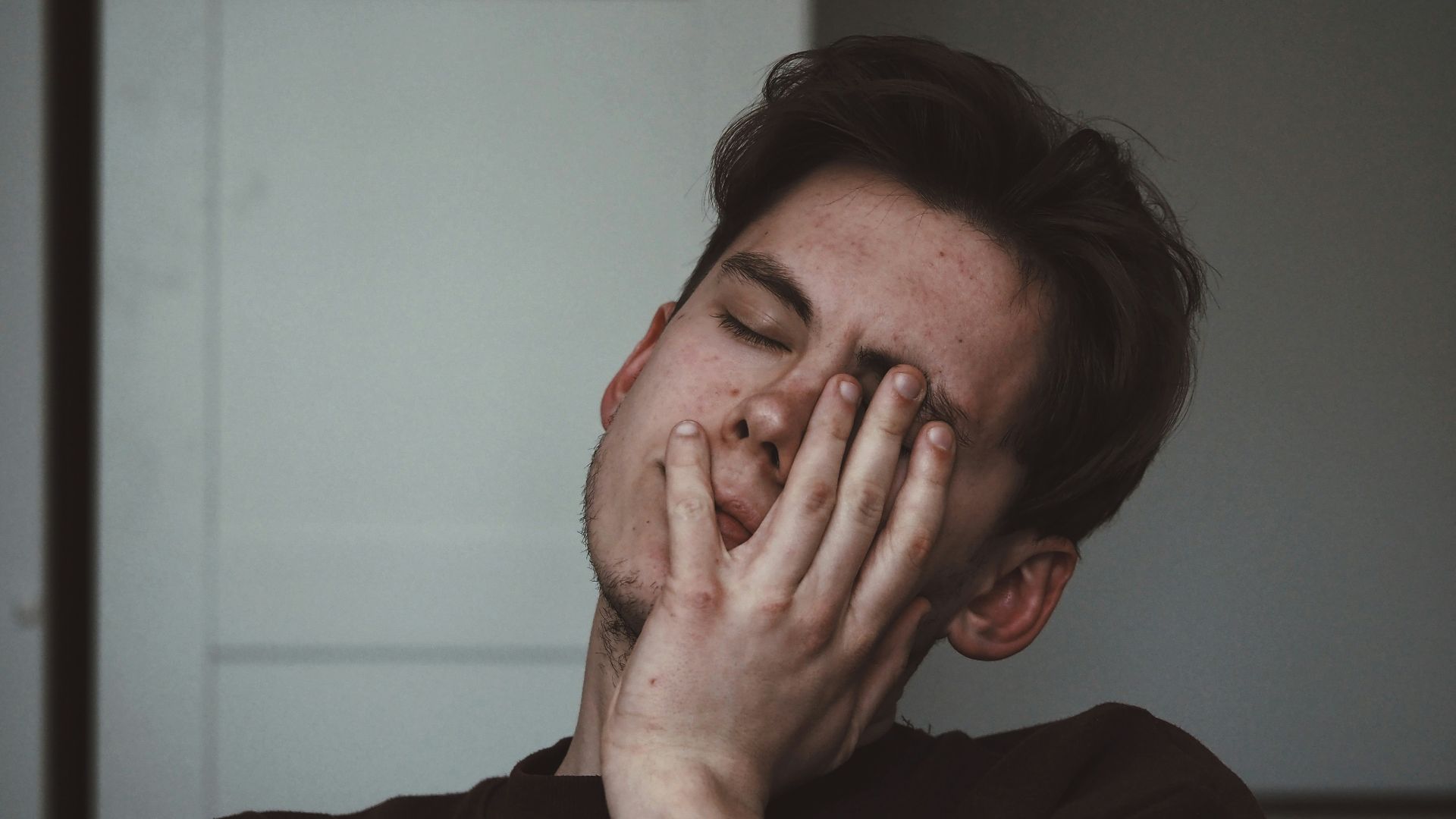
2. Poor Fitness Can Shorten Your Patience
We all know how important it is to be patient and understanding with your partner, but unfortunately, when your body is constantly feeling sluggish, your mood fluctuates more than you want it to. As a result, small disagreements may feel bigger, and minor annoyances can turn into unnecessary tension.

3. Reduced Confidence Can Change How You Connect
Sadly, sometimes having poor fitness can affect your self-confidence, which can show up in your relationship in unwanted ways. You might pull back from affection, avoid certain social situations, or feel self-conscious at times. This can lead to creating distance without the other person fully understanding why it's happening.

4. Physical Discomfort Can Limit Shared Activities
If moving around leaves you sore, winded, or uncomfortable, you may start saying no to things you once enjoyed together. Walks, hikes, and even simple errands can start to feel more like work than fun. As those shared experiences become less frequent, the relationship can feel narrower and more limited over time.

5. Stress Levels Often Rise
Did you know exercise can help you regulate stress? So if you're not staying active, you might be building up more pent-up frustration than you realize. You may even be channeling it into conversations and interactions without realizing it! That kind of emotional spillover can really damage a relationship.

6. Sleep Problems Can Affect the Relationship
Poor fitness is tied to more problems than you may have realized, including weaker sleep quality. And if you're not getting good sleep at night, that has a way of making every day that much more difficult. If you're feeling irritable, distracted, and less emotionally flexible, it's your partner that'll have to deal with those negative emotions.

7. Intimacy May Start to Feel More Complicated
Physical intimacy is incredibly important in relationships, and that feeling is often tied to your energy, confidence, comfort, and overall health, which is why fitness matters more than people sometimes admit. If you feel sluggish, uneasy in your body, or low on stamina, intimacy can begin to feel stressful instead of enjoyable.
8. Motivation Can Become a Shared Problem
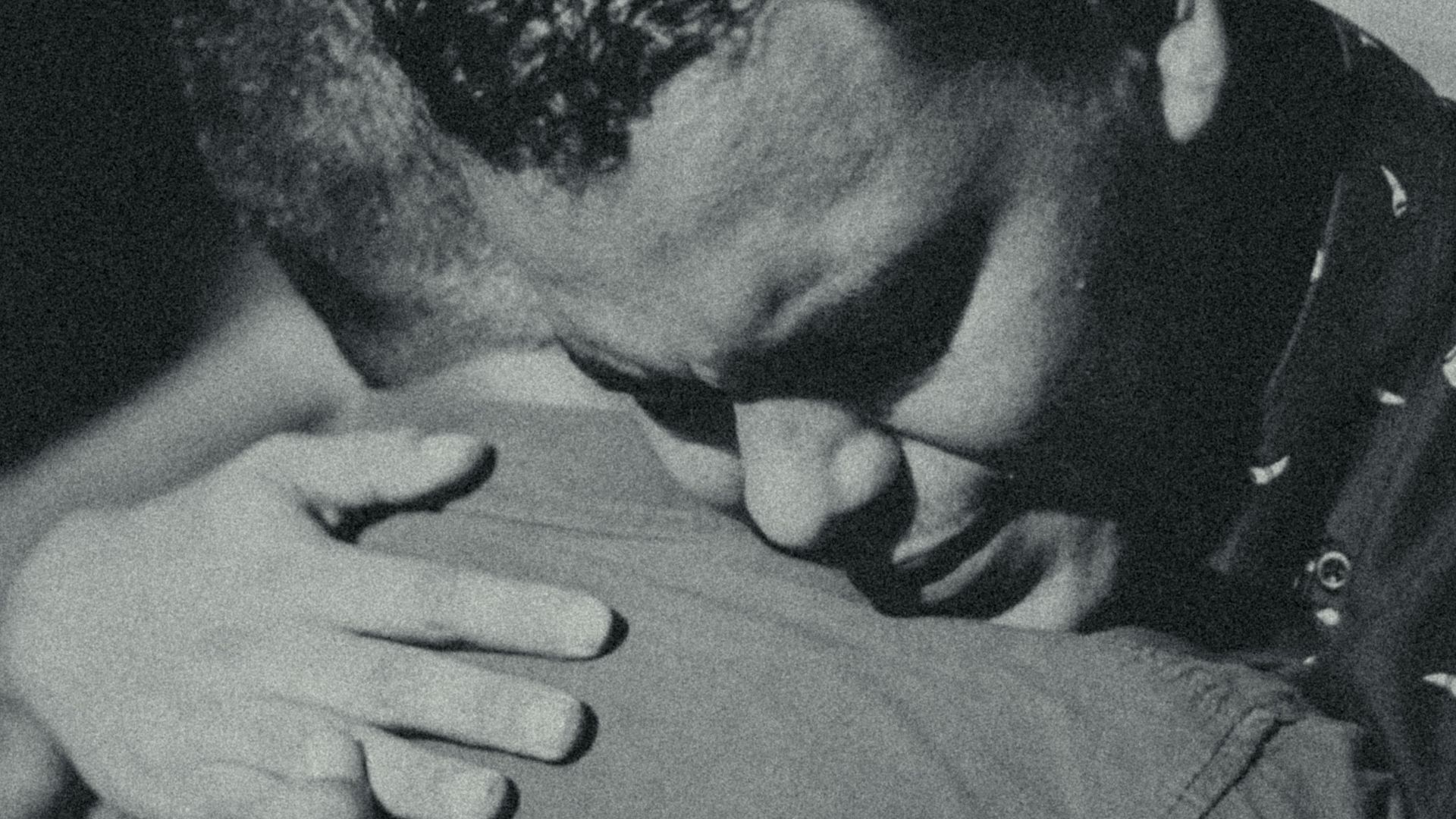
If fitness is important to one party in the relationship, if the other person falls into inactive habits, it can influence the overall rhythm of the relationship. After all, plans might become more sedentary, routines less structured, and both may feel less motivated as a result. No relationship should reinforce unhealthy choices!

9. Health Worries Can Add Pressure
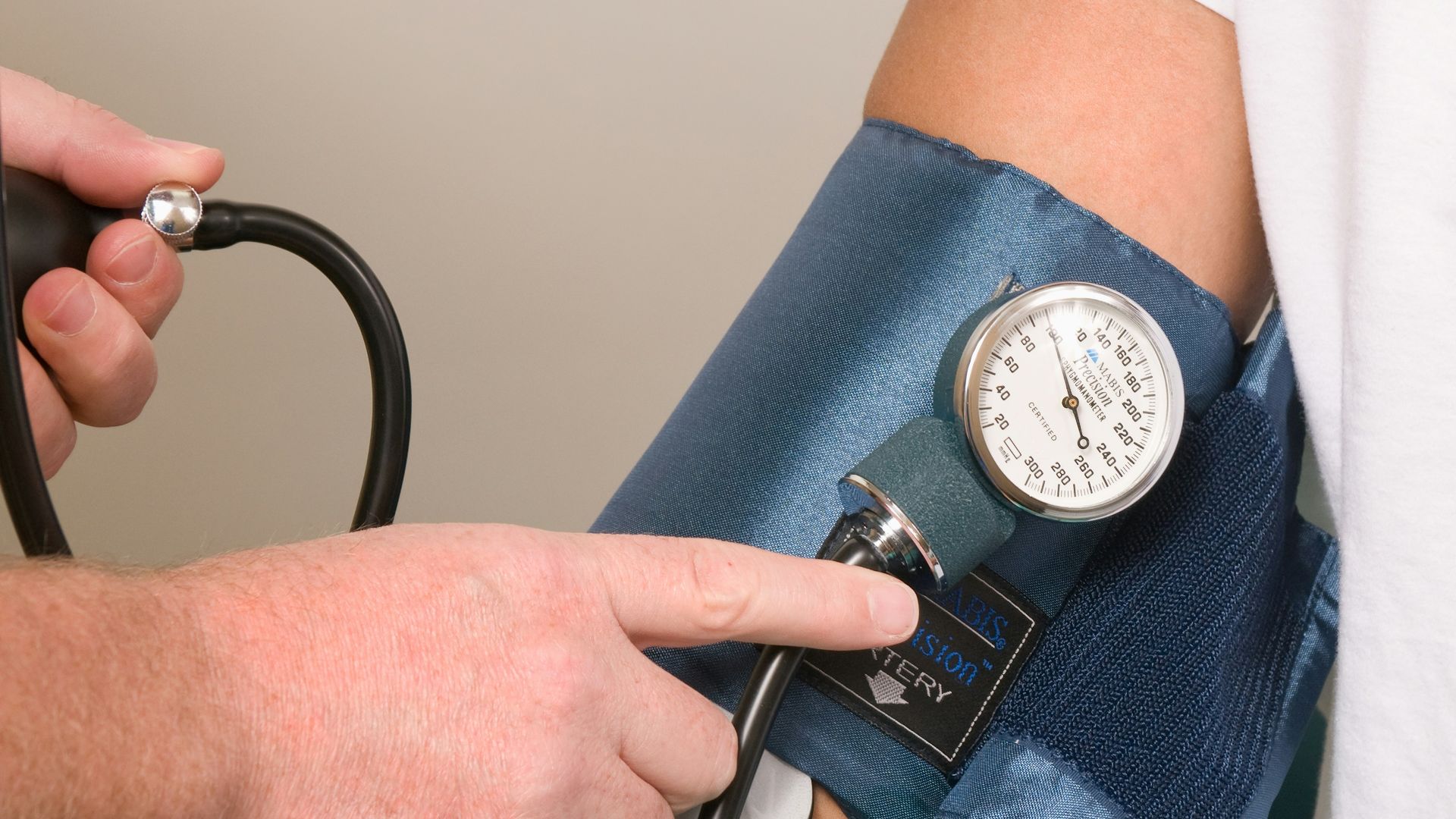
As you get older, you and your partner's health become more and more of a worry. If your inactivity begins affecting blood pressure, mobility, stamina, or general wellness, it'll become a big concern in the relationship. And it's the heavy kind that can affect dynamics a great deal.
10. It Can Affect How You Handle Life’s Demands
We all know effort is the most important part of any relationship, which means you both need the energy in order to manage these practical demands of daily life. A lack of fitness can make chores, parenting, and busy schedules feel more overwhelming than they need to. When one person struggles more with basic stamina, the other may end up carrying extra responsibilities, and that imbalance can lead to resentment.

1. Start With One Realistic Habit
Never try to fix everything all at once; it's much easier to start small and let things build naturally! The best approach to take here is to pick one habit you can actually stick with, like a 20-minute walk or stretching in the morning. Consistency is key!

2. Make Movement Part of Your Routine Together
Everything feels easier when you've got your partner's support. So if you want to make improvements to your fitness to support your relationship, why not do it together? Taking evening walks together, doing a beginner workout video, or even planning active weekend outings can make the whole thing so much more manageable.

3. Focus on Energy, Not Just Appearance
It can be easy to get distracted by physical goals, but remember, daily fitness improves plenty of other relationship benefits that are better to focus on instead. Keep your eyes set on improving your stamina, mood, sleep, and patience instead of appearance which can cause more stress than relief.
4. Be Honest About What’s Been Affected
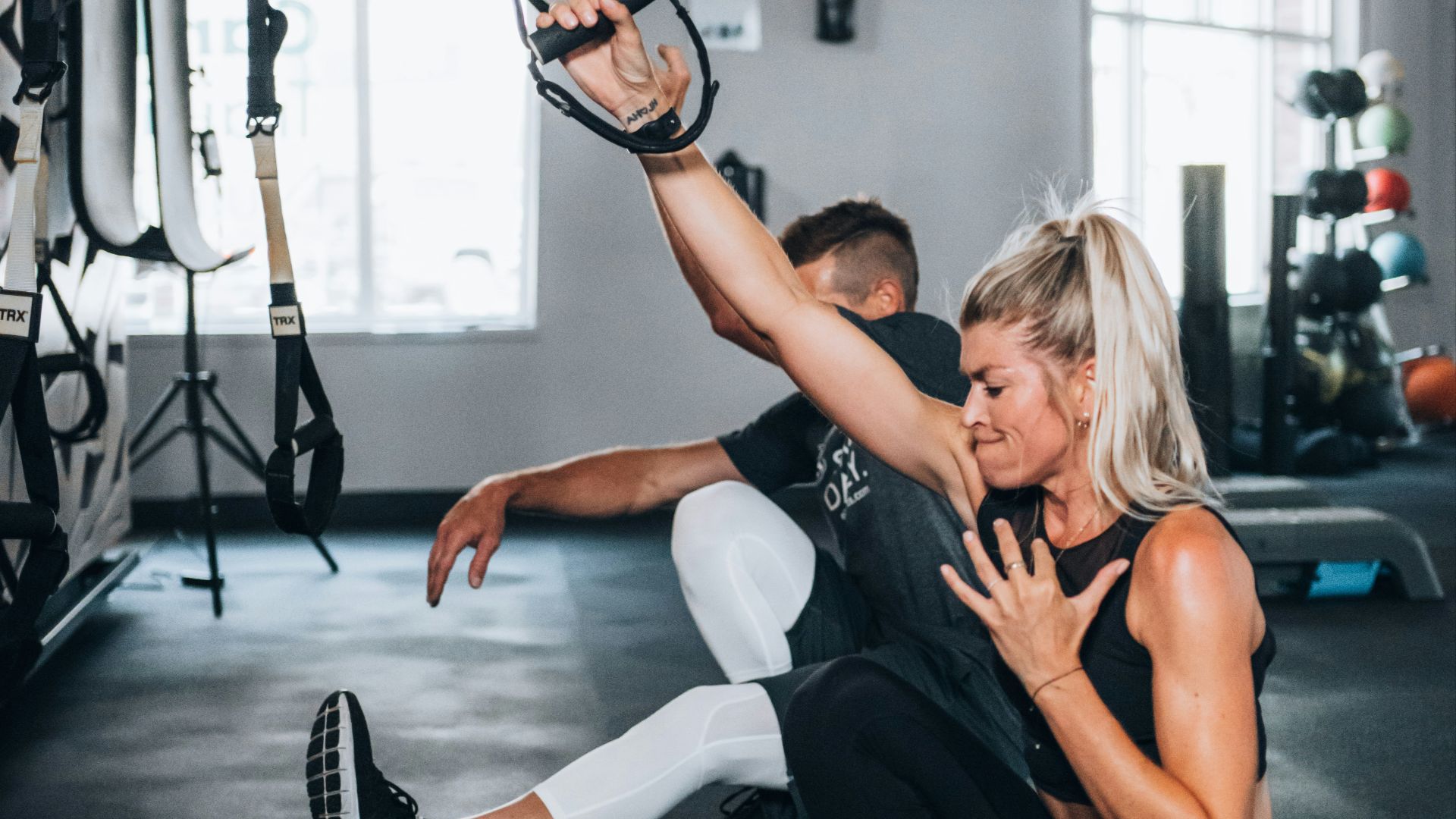
If poor fitness has changed your mood, confidence, or intimacy, tell your partner clearly instead of pretending nothing’s going on. A simple, honest conversation can prevent your partner from making the wrong assumptions about your feelings or level of interest.
 Aarón Blanco Tejedor on Unsplash
5. Improve Your Sleep Habits Alongside Exercise
Fitness and sleep go hand-in-hand together, so to improve your well-being, make sure you work on both habits. Keeping active supports deeper rest, while better sleep gives you the energy to participate in daily exercise!

6. Choose Activities You Don’t Hate
You don't need to fall in love with burpees, running, or lifting weights, but if you hate doing them every single time, it can make it harder to maintain your daily workout. Focus on activities that you actually enjoy, like walking, swimming, cycling, or more. Remember, there are plenty of physical activities that exist outside the gym!

7. Pay Attention to Food Without Becoming Extreme
Improving your health and fitness isn't just about exercise, it's about your eating habits, too. Because what you put into your body affects your energy, mood, and overall well-being! You don't need to go into strict dieting mode, but it does help to be more mindful.

8. Track Progress in Practical Ways
Don't get caught up in numbers when tracking your progress. It's always best to look at tangible improvements like noticing you feel less winded on stairs, feel more cheerful in the morning, or have more energy by the end of the day. These are the changes that matter anyway!

9. Give Yourself Time to Improve
If you've had poor fitness habits for a while, give yourself time to develop a better routine. Don't expect immediate results and changes because that's just an easy way to get discouraged. Instead, be realistic and understand that your body will need repetition, recovery, and patience.
 LOGAN WEAVER | @LGNWVR on Unsplash
10. Treat Fitness as Relationship Support, Not Just Self-Improvement
At the end of the day, remember this isn't just about you, it's about your partner too! Doing this can help keep you motivated when you're feeling down. Your efforts aren't just benefiting you, they're helping the one you love as well.
KEEP ON READING



20 Natural Ways You Can Boost Your Immune System

20 Ways To De-stress & Relax After Work

The 10 Most Common Diseases & The 10 Most Rare