
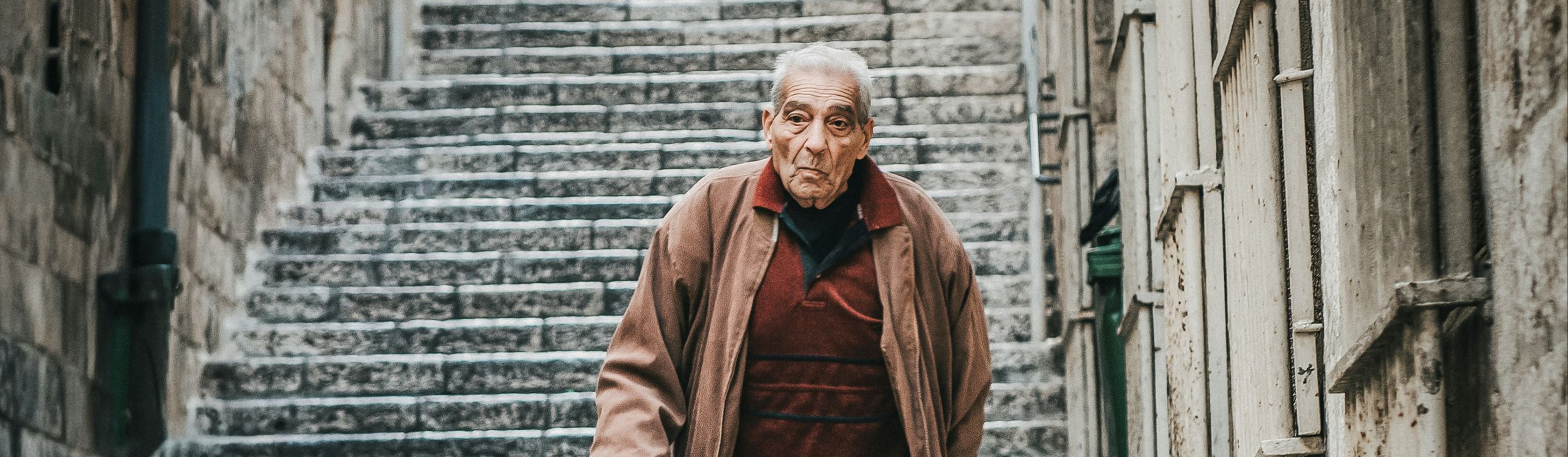
What That One Flight Might Be Telling You
Sure, you can feel mostly fine walking across a parking lot or wandering through Target, then one flight of stairs in an office building or apartment hallway suddenly tells a much more honest story. Maybe you’re breathing harder than expected by the second landing, maybe one knee feels unreliable on the way down, or maybe you’re reaching for the rail every single time now and pretending not to notice. That doesn’t always mean something serious is wrong, though it can mean your heart, lungs, joints, muscles, balance, or circulation aren’t working as smoothly as they used to. These 20 stair clues are the ones worth paying attention to when a basic climb starts feeling harder, shakier, or just plain different.
1. You’re Out Of Breath After One Flight
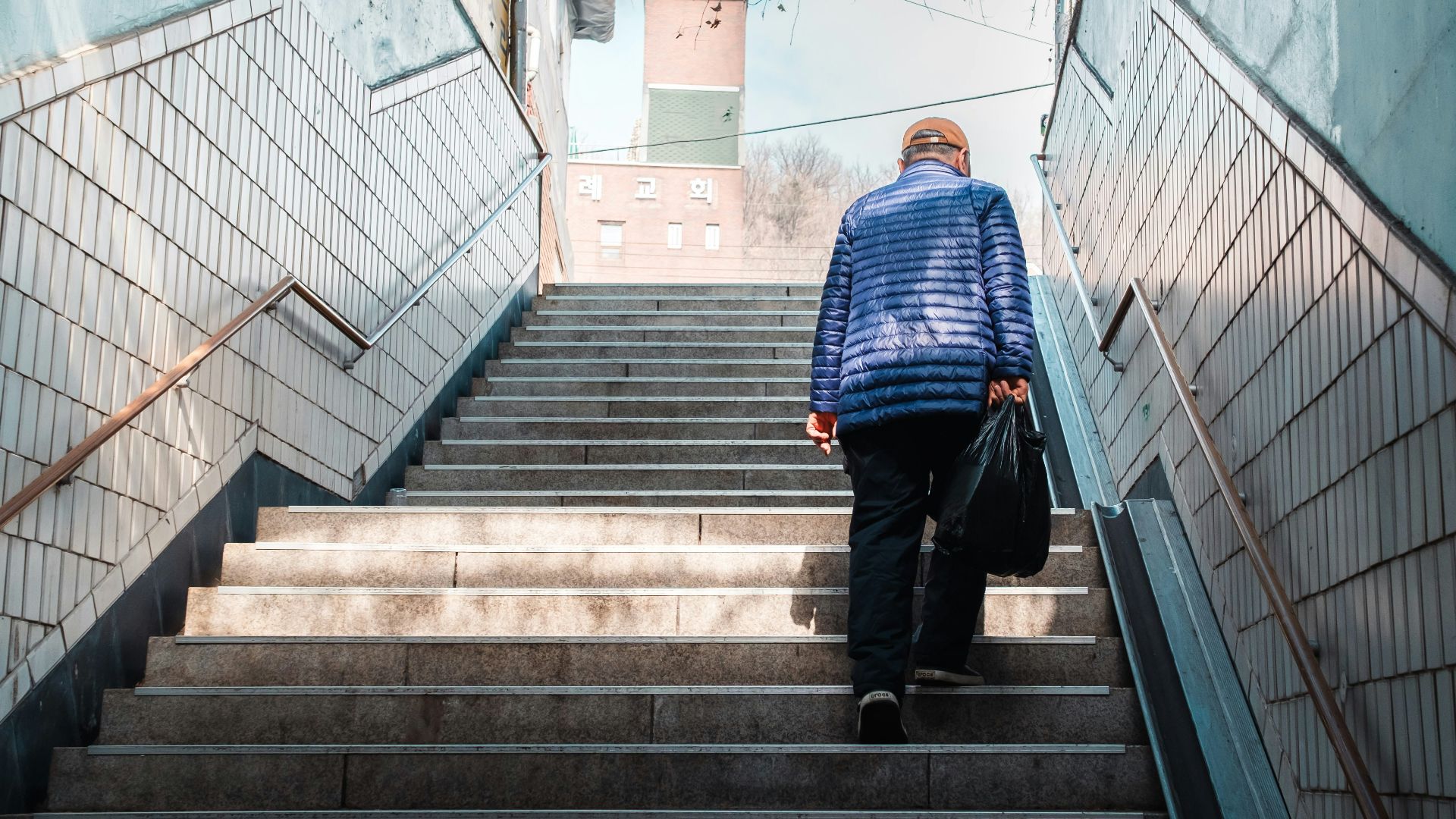
If one normal flight leaves you winded, that can be more than a rough morning or a week of bad workouts. Shortness of breath with exertion can show up with deconditioning, anemia, lung problems, or heart issues, which is why sudden changes here are worth noticing.
2. You Have To Stop Midway
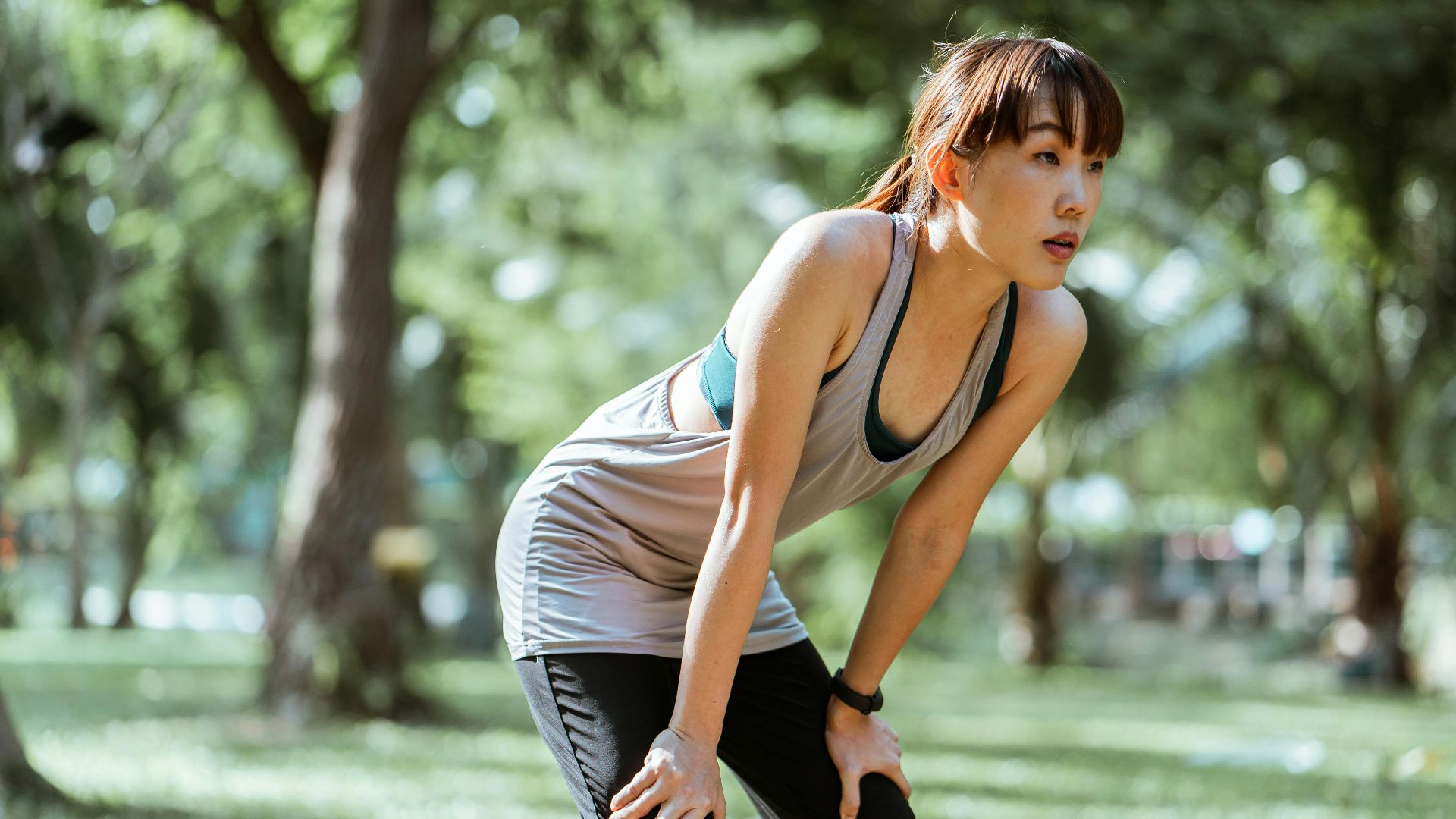
Pausing once because you were carrying groceries is one thing. Needing a break halfway up the same office stairs or apartment stairs over and over can point to reduced exercise tolerance, and that’s often where heart, lung, or endurance problems start making themselves obvious.
3. Your Chest Feels Tight
Chest pressure on stairs shouldn’t get filed under “probably nothing” and forgotten by lunch. If climbing brings on tightness, squeezing, burning, or pain, that can be a warning sign that your heart isn’t getting what it needs during exertion.
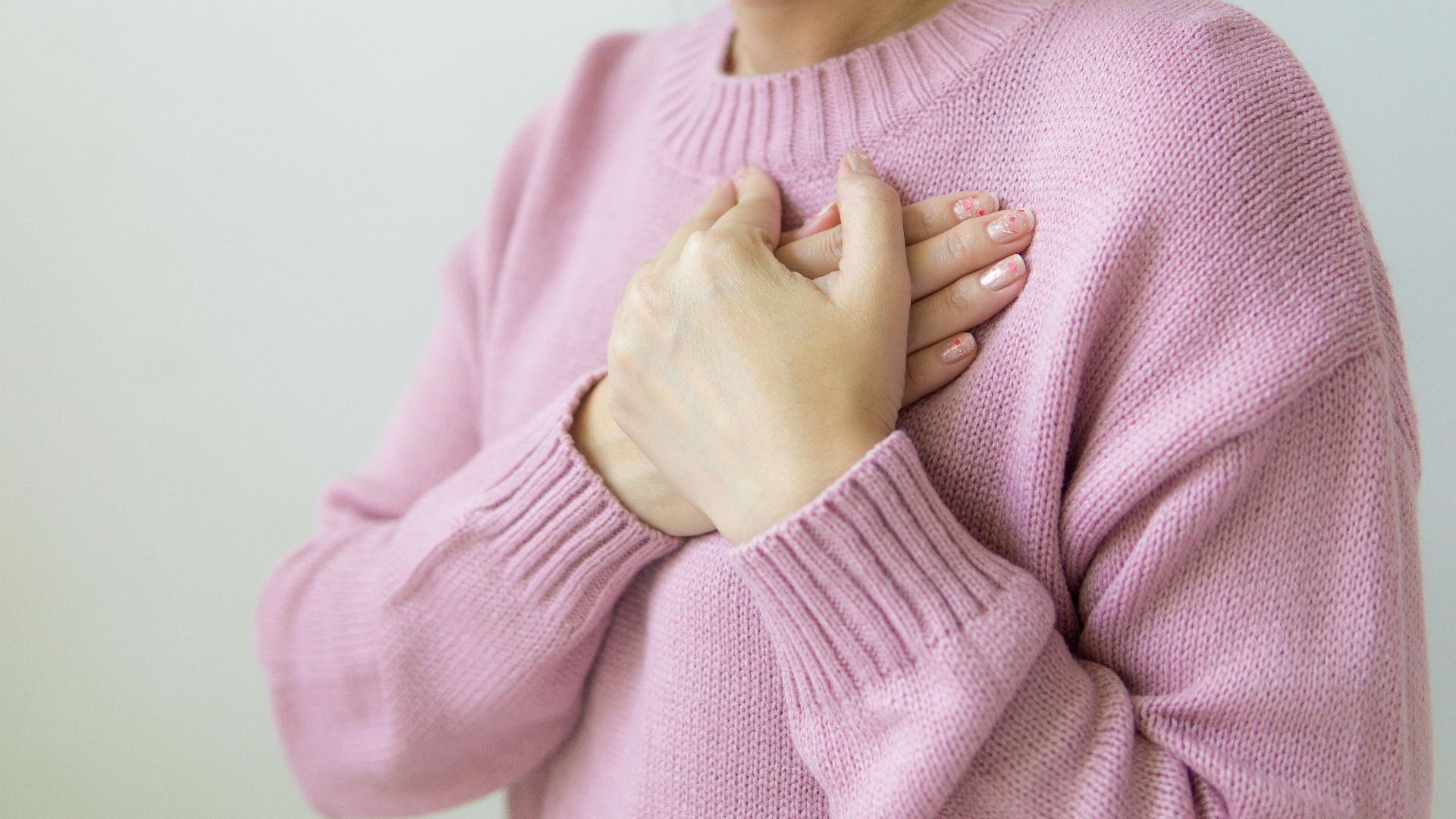
4. Heavy Breathing Stays Longer Than It Should
Breathing hard during the climb is normal enough. Still feeling wiped out at the top, long after you’ve stopped moving, can suggest your cardiovascular fitness is lower than it should be or that your body is struggling more than it used to with a short burst of effort.
5. Your Legs Feel Heavy
If your calves feel loaded, achy, or oddly tired halfway up, that can be a circulation clue as much as a fitness one. Poor blood flow to the legs can show up during stair climbing because the muscles are asking for more oxygen right when the body has trouble delivering it.

6. One Leg Clearly Feels Weaker
You know that feeling when one leg is doing the job and the other is just there for moral support. Uneven weakness can happen with old injuries, nerve problems, knee trouble, or circulation issues, and stairs usually make that imbalance very obvious.
7. Your Calves Or Ankles Swell Afterward
If your socks leave deeper marks than usual after a day with lots of stairs, or your ankles look puffier by evening, pay attention to that. Repeated swelling can point to circulation problems, fluid buildup, or veins that aren’t moving blood back up the legs as well as they should.
8. You Get Dizzy At The Top
Feeling lightheaded when you hit the landing is something worth paying attention to. Dizziness after climbing can happen when blood pressure regulation is off, and it’s one of those symptoms that’s easy to brush aside until it keeps happening.
9. You Grab The Handrail
A handrail is there for a reason, and using it sometimes is nothing. Needing it on every single staircase, even familiar ones, can suggest weakness, balance trouble, or a body that doesn’t feel especially steady anymore.
10. You Sway Side To Side
If you drift a little while climbing or feel like you’re correcting yourself step by step, your balance system may be working harder than you realize. Stairs ask quite a lot from vision, nerves, muscles, joints, and the inner ear all at once, so side-to-side swaying is worth paying attention to.

11. Your Knees Collapse Inward
If your knees cave in while climbing, especially when you’re tired, that can point to poor control through the hips and thighs. It often shows up with knee pain and instability, and stairs are one of the first places people notice it because the movement is so repetitive and loaded.
12. Going Down Hurts More Than Going Up
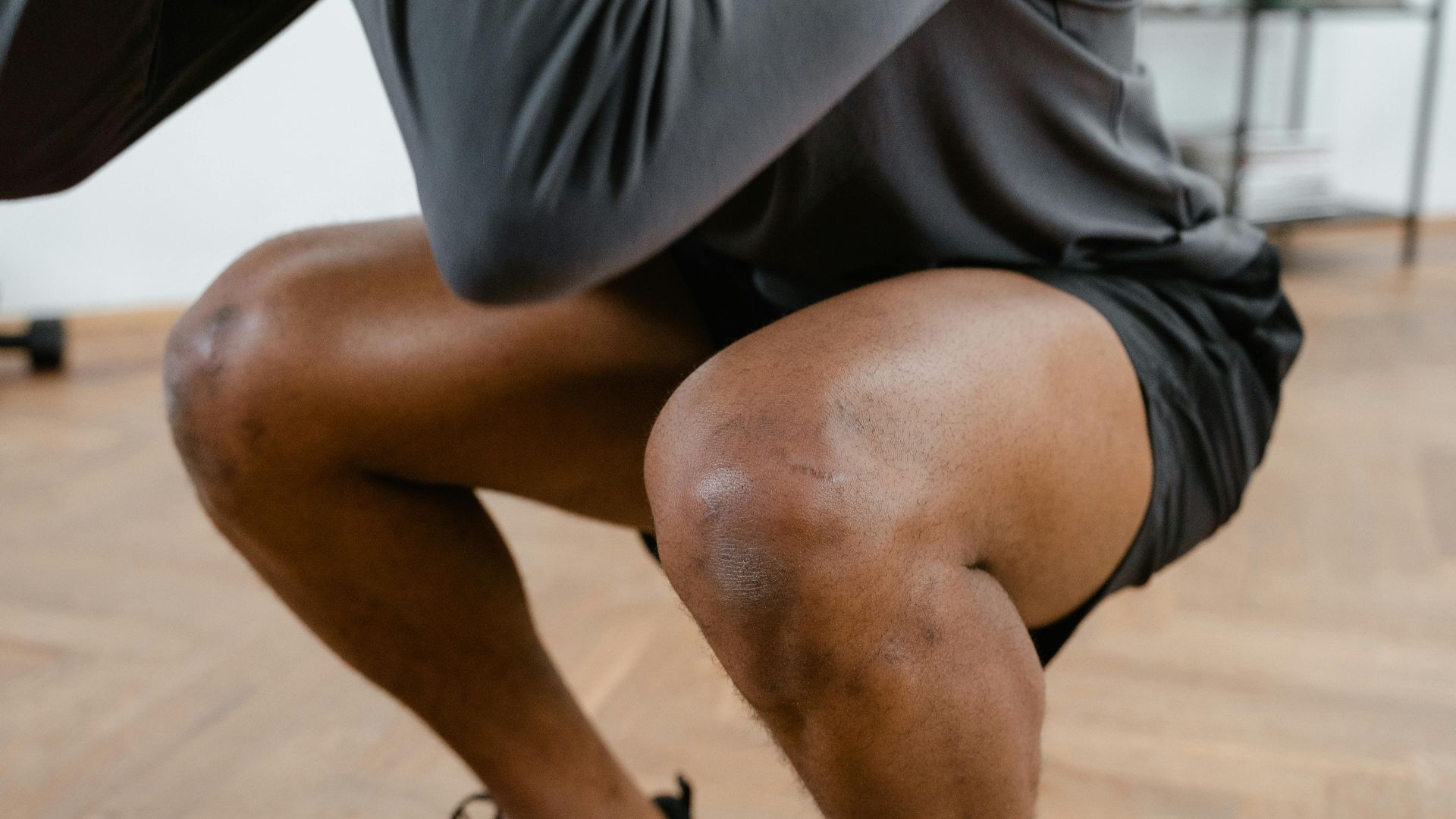
This one is common, and it’s miserable. Pain on the way down often shows up with kneecap tracking problems, cartilage wear, or irritated knee joints because descending asks your quads to control the landing over and over.
13. Your Legs Shake On The Way Down
A shaky descent can feel unsettling in a very specific way, especially when you suddenly don’t trust the next step. That can happen when the muscles in the thighs are weak, tired, or not controlling the lowering phase well, and it can also show up with knee instability.
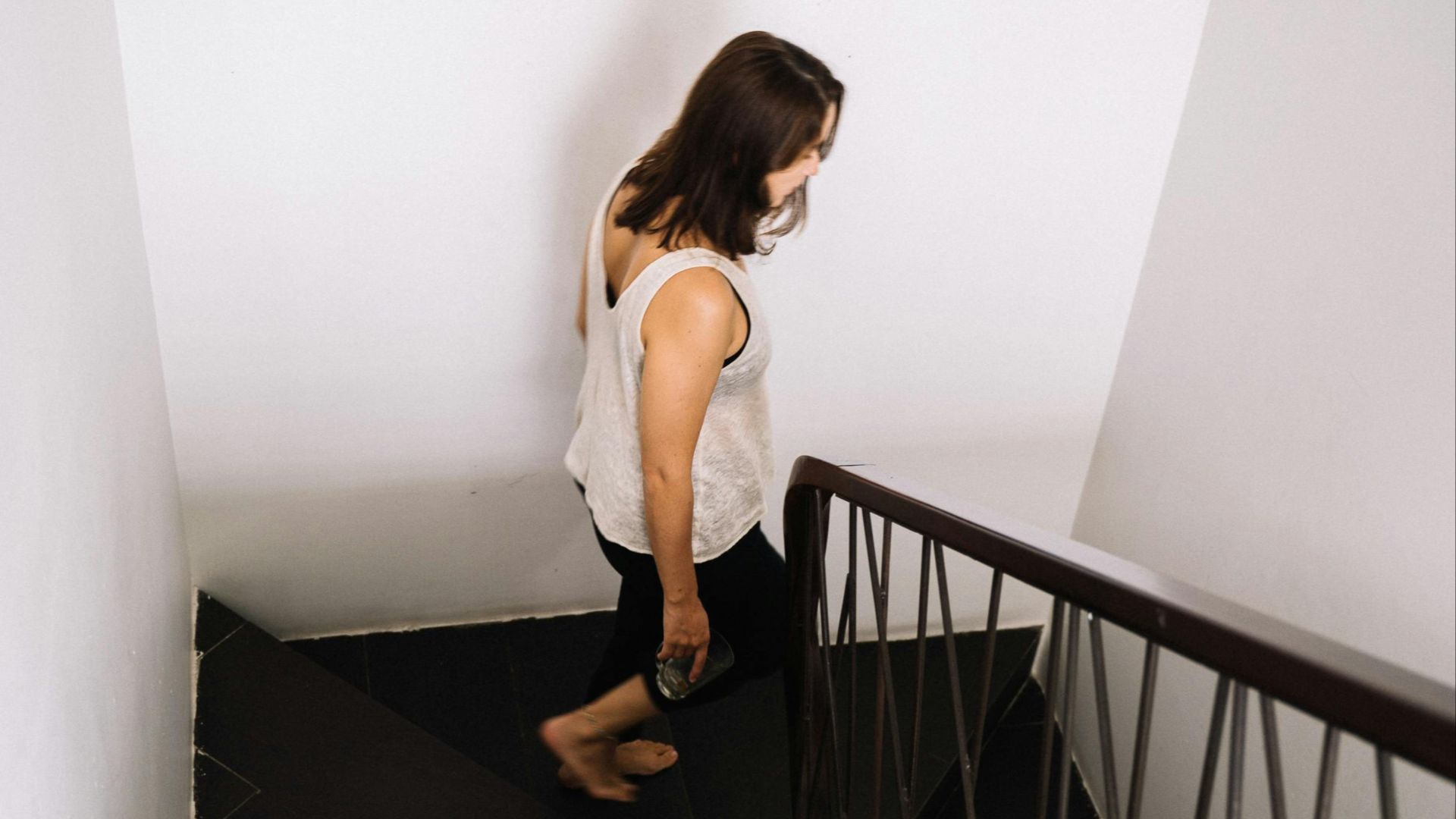
14. Your Feet Go Numb Halfway Up
Numbness or tingling during stair climbing isn’t something to laugh off. Nerves, blood flow, or both can be involved, and stairs tend to bring that out because they put quick, repeated demands on the legs and feet.
15. Your Back Starts Hurting Mid-Climb
Low back pain on stairs can be a sign that your body is compensating for weakness somewhere else, often in the hips, core, or legs. If your back starts doing the work your lower body should be doing, stairs will expose it fast.
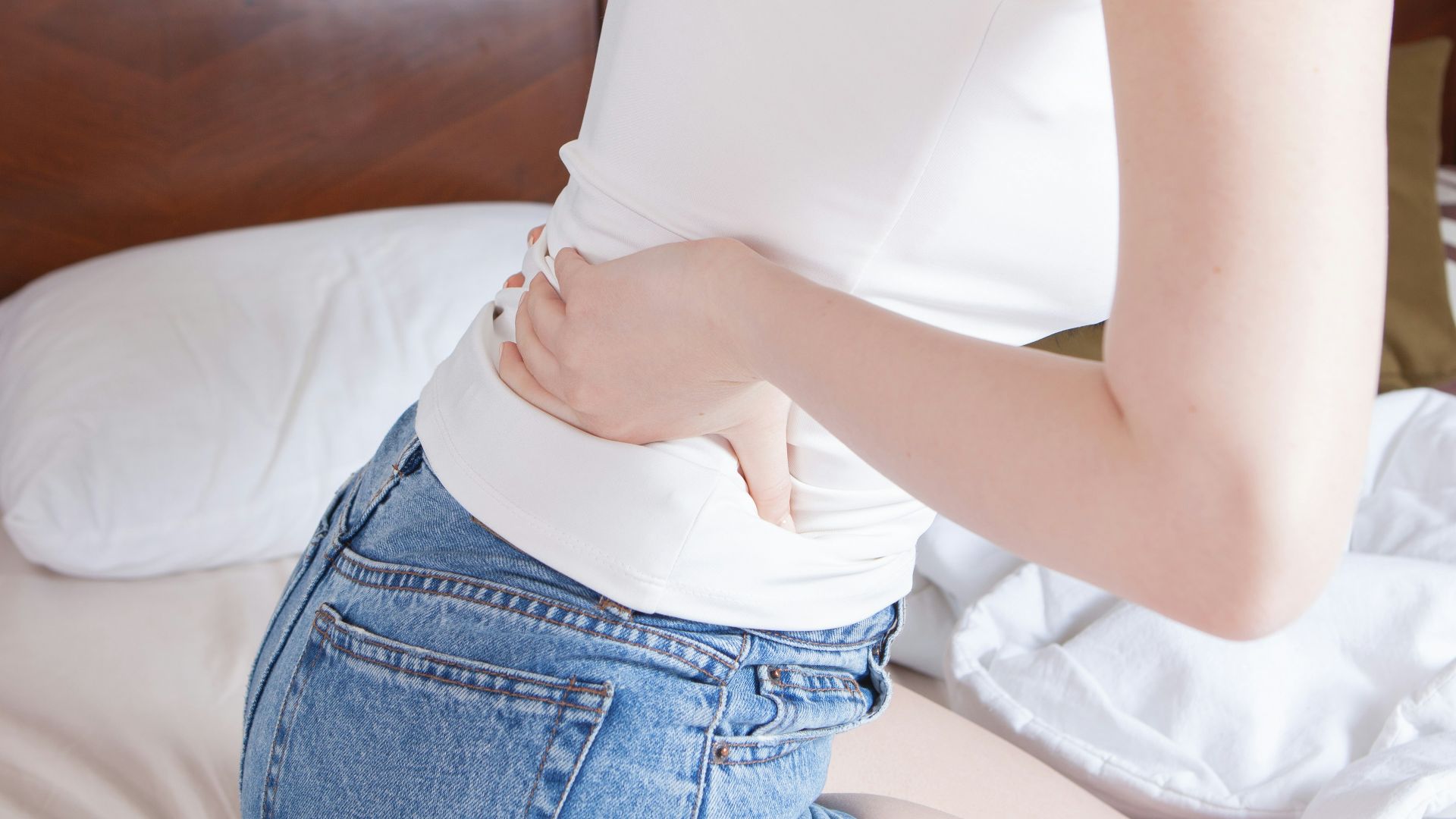
16. Your Arms Get Tired On The Rail
If your arms feel worked just from helping you get upstairs, your upper body may be stepping in because your legs aren’t carrying enough of the load. That can happen with overall deconditioning, leg weakness, or a simple drop in strength that’s been easy to ignore on flat ground.
17. Your Joints Crack And Hurt
Popping by itself is common and often harmless. Crackling that comes with pain, stiffness, swelling, or reduced motion is more telling, especially on stairs where knees and hips have to bend and load repeatedly.
18. You Look Pale
If you go pale and are washed out climbing stairs, especially with shortness of breath or a racing heart, that can be worth mentioning to a doctor. Anemia is one possible reason, and stairs tend to bring it into view because the body suddenly has to move more oxygen around quickly.

19. A Headache Starts
A headache that kicks in during or right after stairs is one of those things people dismiss until it becomes a pattern. Exertion can trigger headaches, and if it keeps happening, it deserves more attention than a quick glass of water and wishful thinking.
20. You Need To Sit Down Right Away
Wanting a breather is normal sometimes. Feeling like you need to sit immediately after a short climb can point to low cardiovascular reserve, weakness, poor conditioning, or a body that’s having a harder time managing everyday exertion than it used to.
KEEP ON READING


20 Natural Ways You Can Boost Your Immune System
20 Ways To De-stress & Relax After Work
The 10 Most Common Diseases & The 10 Most Rare