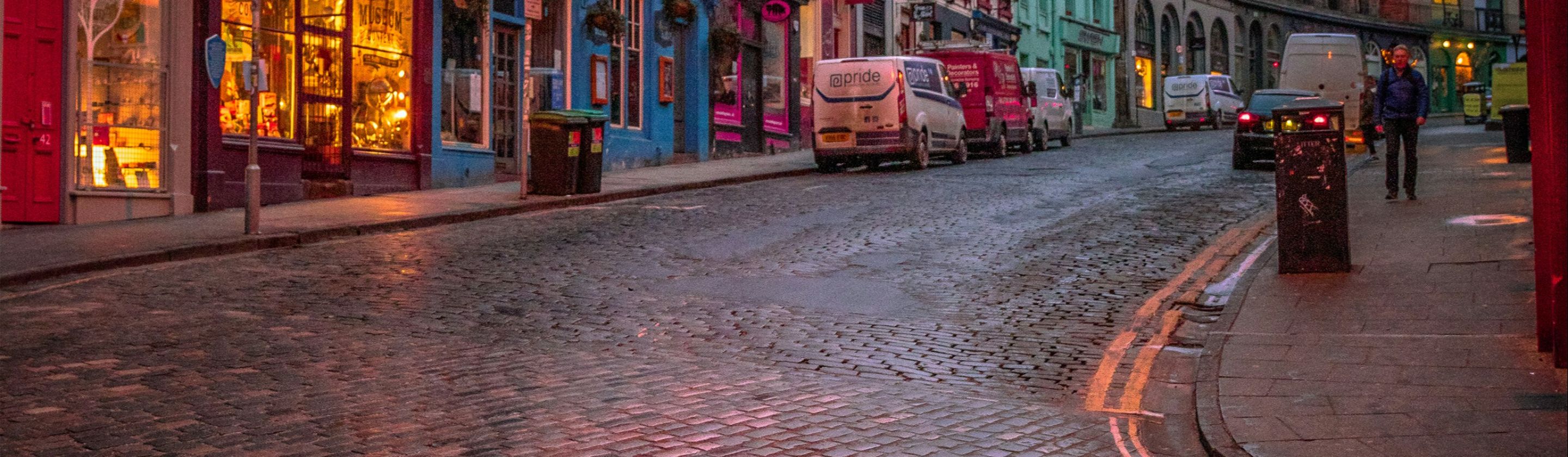
Relaxed Destinations Perfect for Slower-Paced Exploration
Travel doesn’t have to involve packed itineraries or physically demanding activities to be enjoyable. Many destinations around the world are ideal for gentle walkers, offering flat terrain, accessible paths, and plenty of places to pause and take in the surroundings. Whether you prefer scenic waterfronts, charming towns, or peaceful parks, these locations make it easy to explore at your own pace. Here are 20 travel spots where you can enjoy comfortable, low-impact walking experiences.

1. Charleston, South Carolina (USA)
Charleston offers flat streets, historic charm, and a relaxed pace that suits gentle walkers. The downtown area is compact, making it easy to explore without covering long distances. Waterfront parks provide benches and shaded areas for breaks. It’s a comfortable place to enjoy history without physical strain.
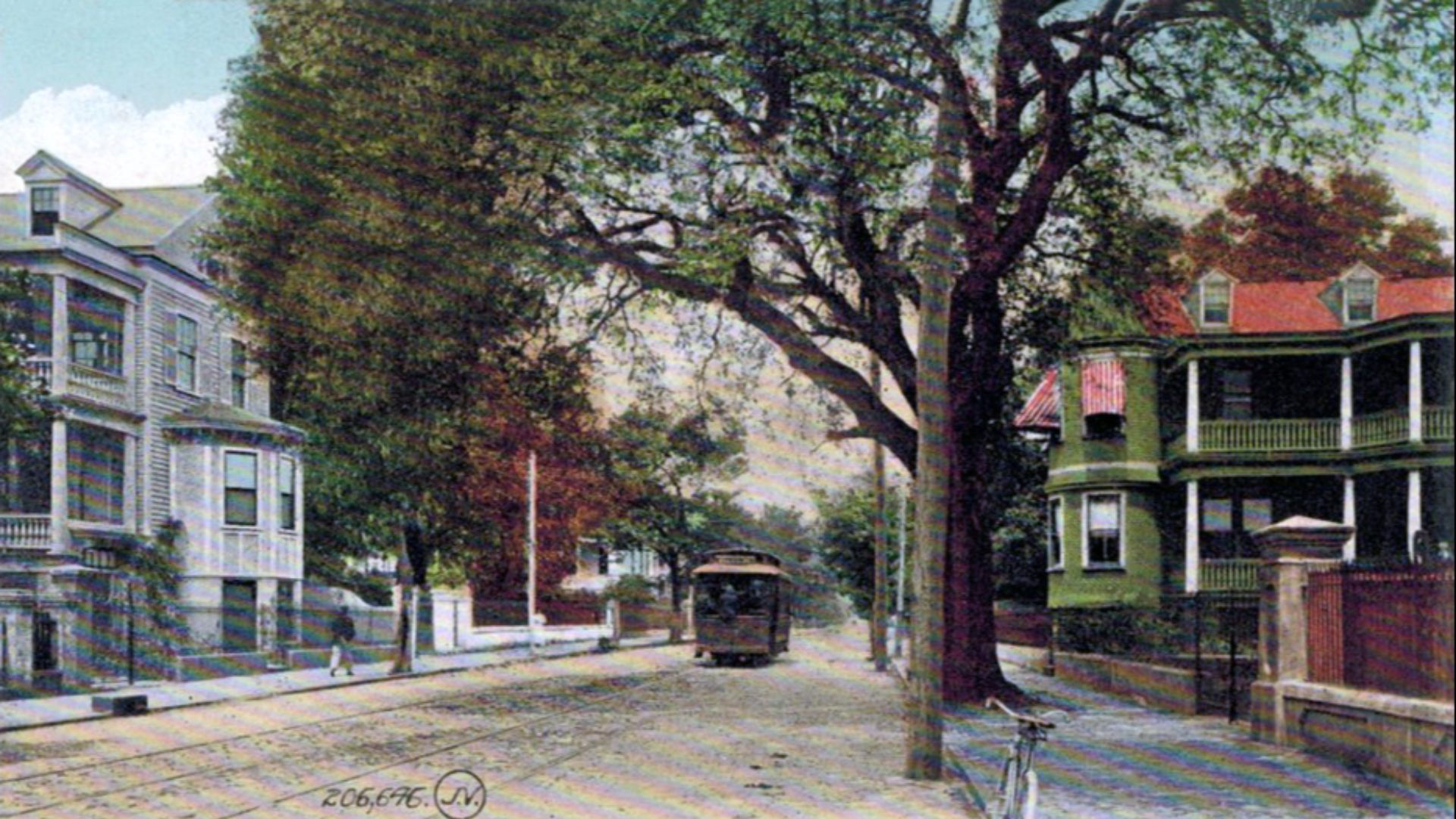 The Valentine & Sons Publishing Co. on Wikimedia
2. Savannah, Georgia (USA)
Savannah is known for its walkable layout and shaded public squares. The terrain is flat, and the grid-style streets make navigation simple. You can move from one square to another with plenty of opportunities to rest. The slower pace of the city adds to its appeal.
 U.S. Dept. of Housing and Urban Development (HUD) on Wikimedia
3. Victoria, British Columbia (Canada)
Victoria combines coastal scenery with accessible walking paths. The Inner Harbour area is especially easy to navigate and offers smooth sidewalks. Gardens and waterfront trails provide gentle walking options. It’s a peaceful destination with plenty of seating along the way.
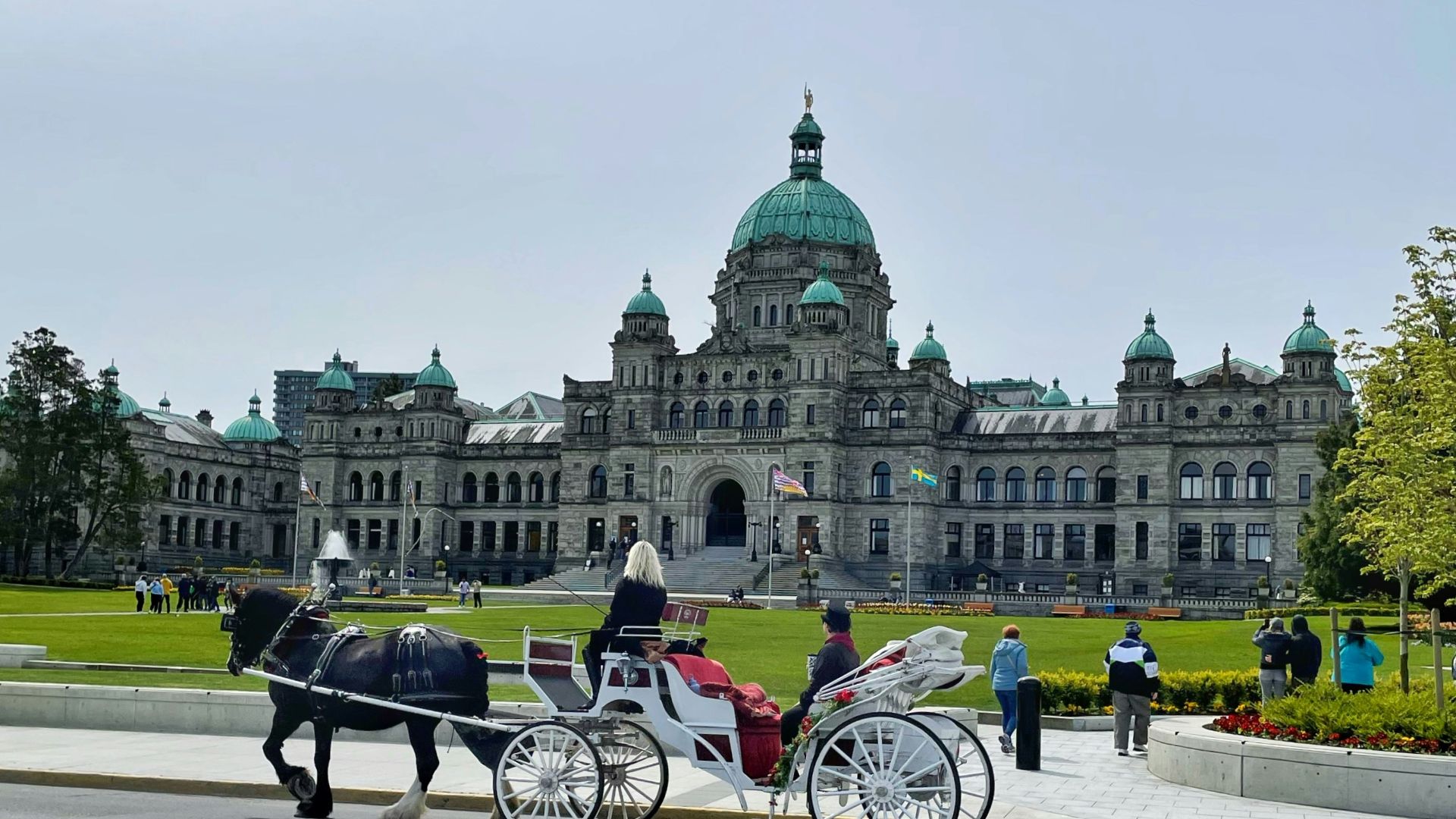 Tomas Gonzalez de Rosenzweig on Unsplash
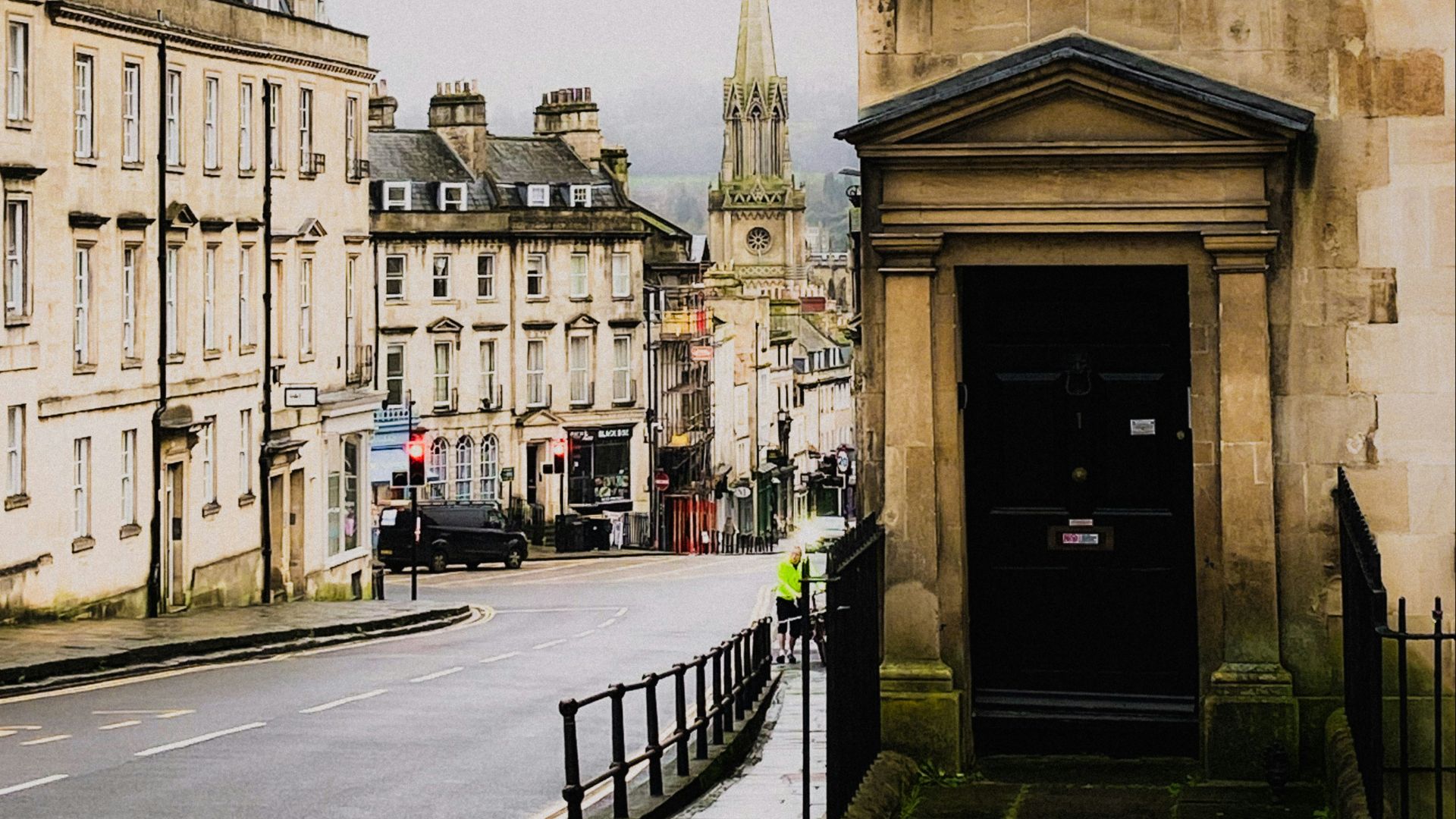
4. Bath (England)
Bath’s historic center is compact and easy to explore on foot. Many of the main attractions are located close together, reducing the need for long walks. The streets are generally well-maintained and manageable. It’s ideal for those who want culture without excessive effort.
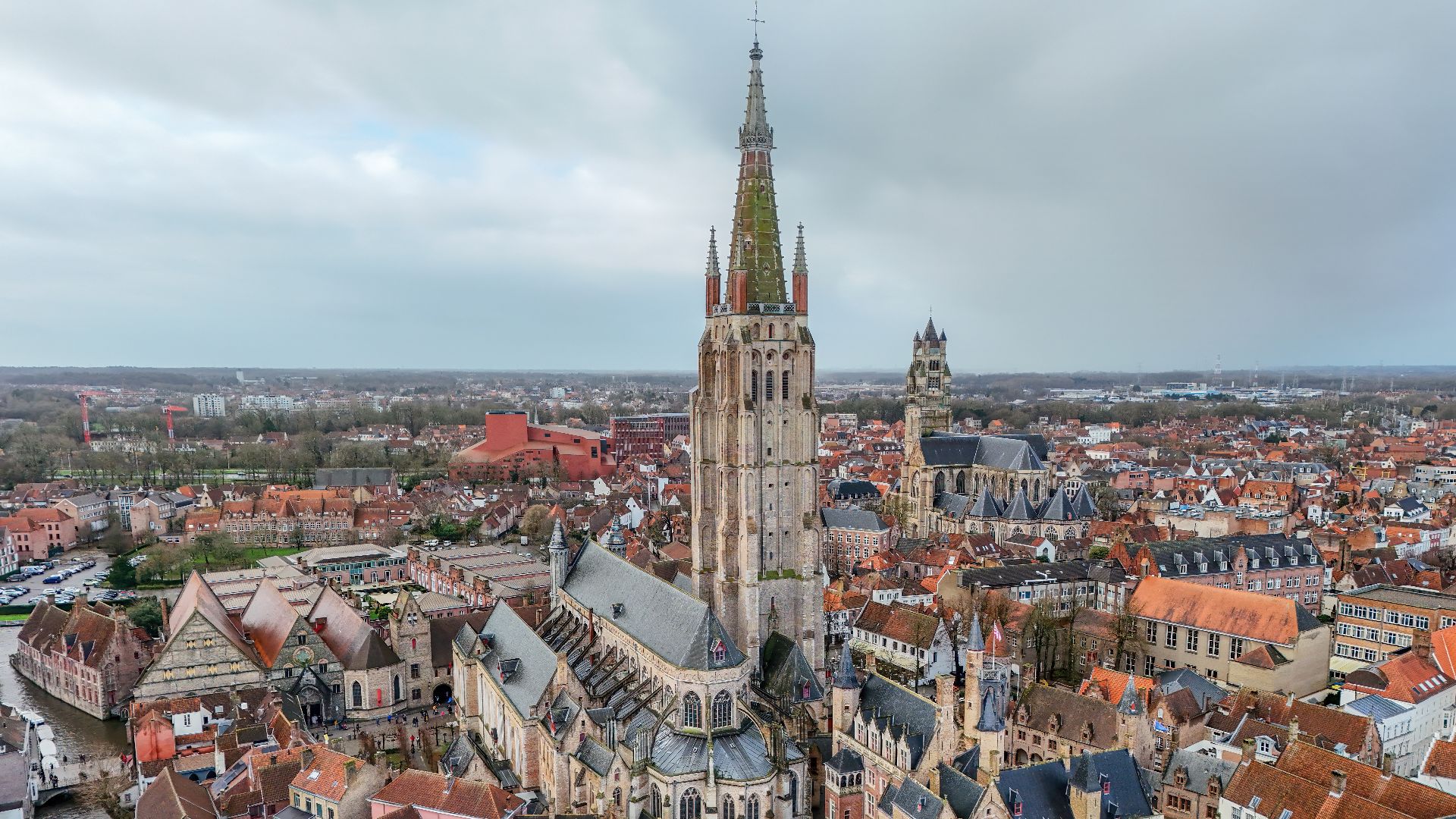
5. Bruges (Belgium)
Bruges is a small, flat city with picturesque canals and cobblestone streets. While some surfaces can be uneven, distances between attractions are short. There are many cafés where you can stop and rest. The relaxed atmosphere makes it easy to explore at your own pace.
6. Kyoto (Japan)
Kyoto offers a mix of gentle walking areas and scenic surroundings. Many temples and gardens have accessible paths that don’t require strenuous movement. Public transportation also helps reduce walking distances when needed. It’s a good balance of culture and comfort.

7. San Diego, California (USA)
San Diego features coastal paths and mild weather that support easy walking. Areas like La Jolla and the waterfront provide smooth, flat routes. There are plenty of benches and scenic stops along the way. It’s a comfortable option for relaxed outdoor exploration.

8. Quebec City (Canada)
Quebec City offers historic charm with manageable walking areas, especially in the lower town. While some sections are hilly, you can focus on flatter routes near the river. The compact layout helps reduce long distances. It’s a rewarding destination with flexible pacing.

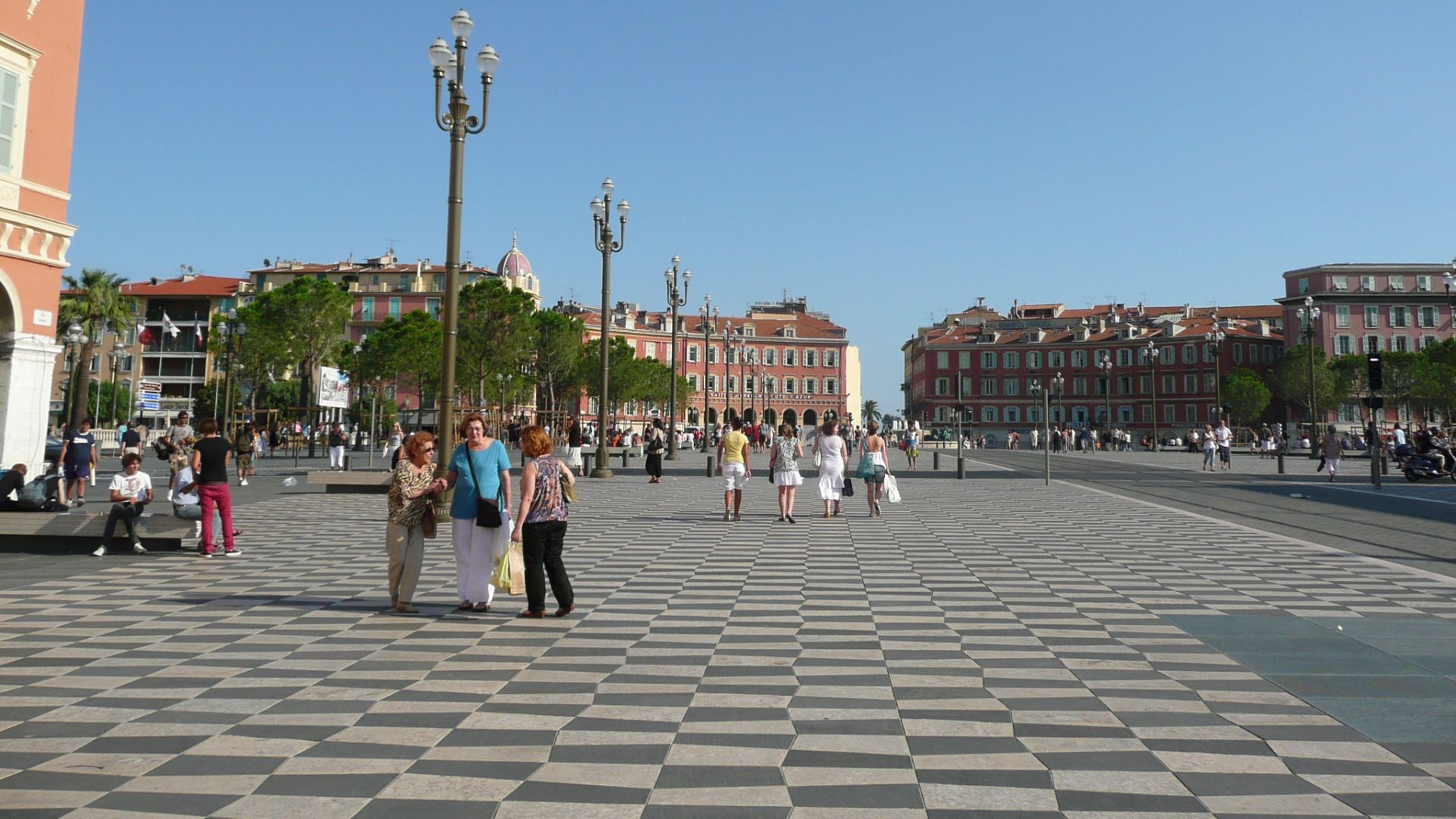
9. Copenhagen (Denmark)
Copenhagen is known for its accessibility and well-maintained pedestrian areas. The city is largely flat, making it easy to walk without strain. Parks, canals, and public spaces are designed with comfort in mind. It’s an excellent destination for slow, steady exploration.
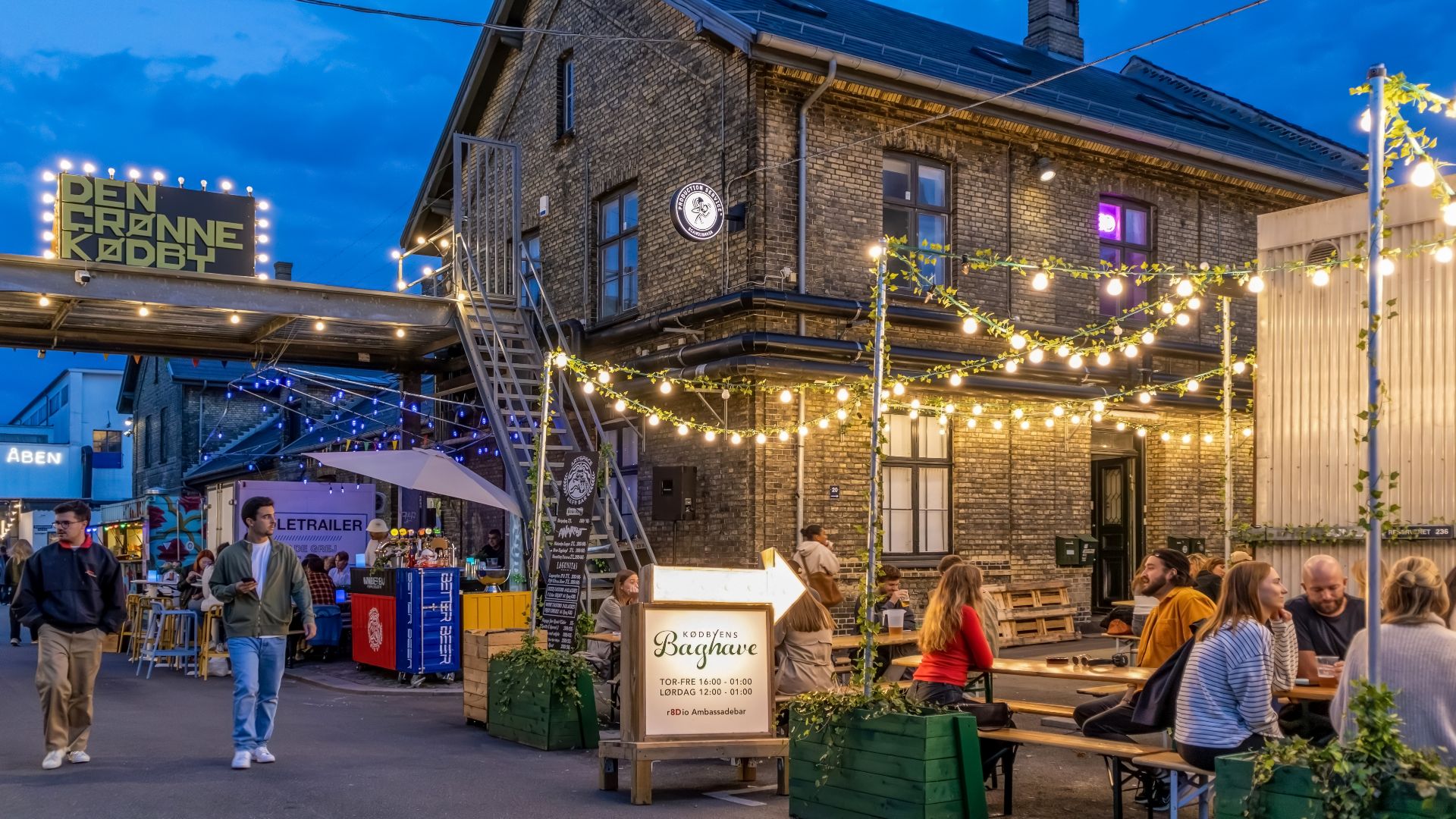
10. Honolulu, Hawaii (USA)
Honolulu offers easy walking along Waikiki Beach and nearby areas. The terrain is mostly flat, and the sidewalks are well-kept. You can enjoy ocean views without needing to walk far. It’s a relaxing destination with plenty of places to pause.
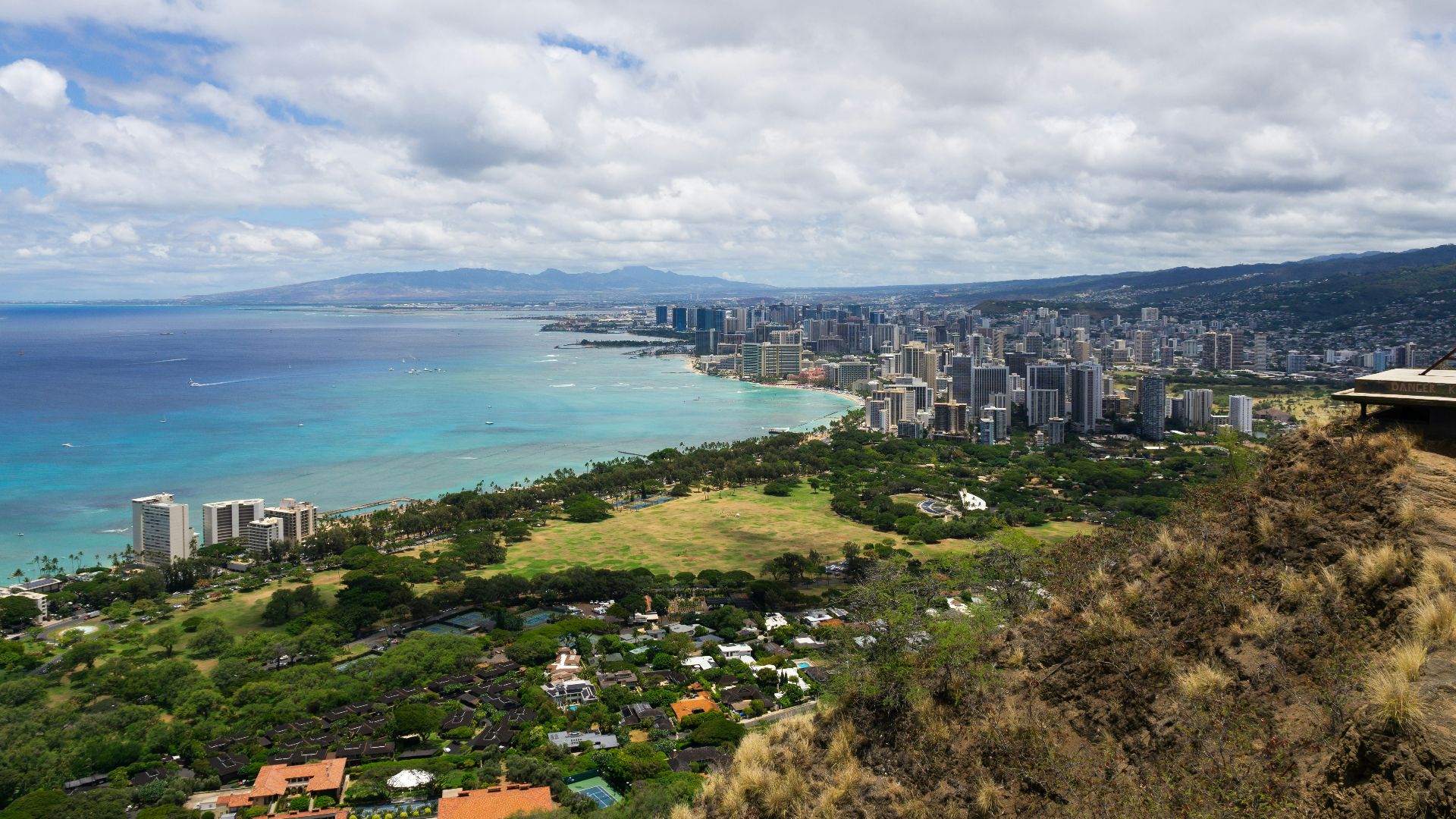
11. Nice (France)
Nice features a long, flat seaside promenade that’s perfect for gentle walking. The Promenade des Anglais offers smooth paths and scenic views. Benches and shaded areas make it easy to take breaks. The mild climate adds to its comfort.
12. Dublin (Ireland)
Dublin’s city center is compact and relatively easy to navigate on foot. Many attractions are within short walking distances of each other. Parks and public spaces provide places to rest. It’s a manageable city for those who prefer shorter walks.
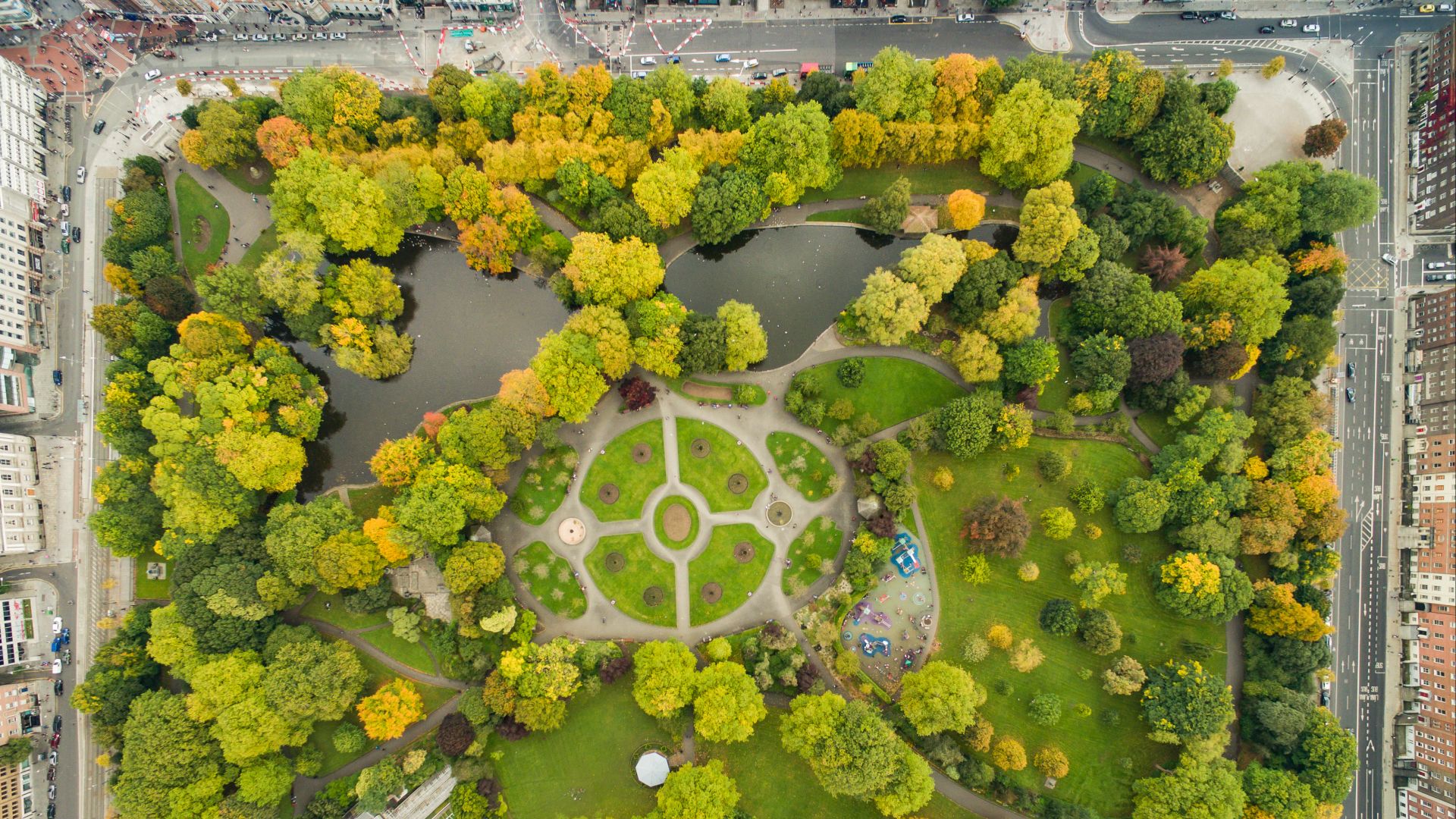 Dronepicr (edited by King of Hearts) Edit corrects CA and sharpens image on Wikimedia
13. Amsterdam (Netherlands)
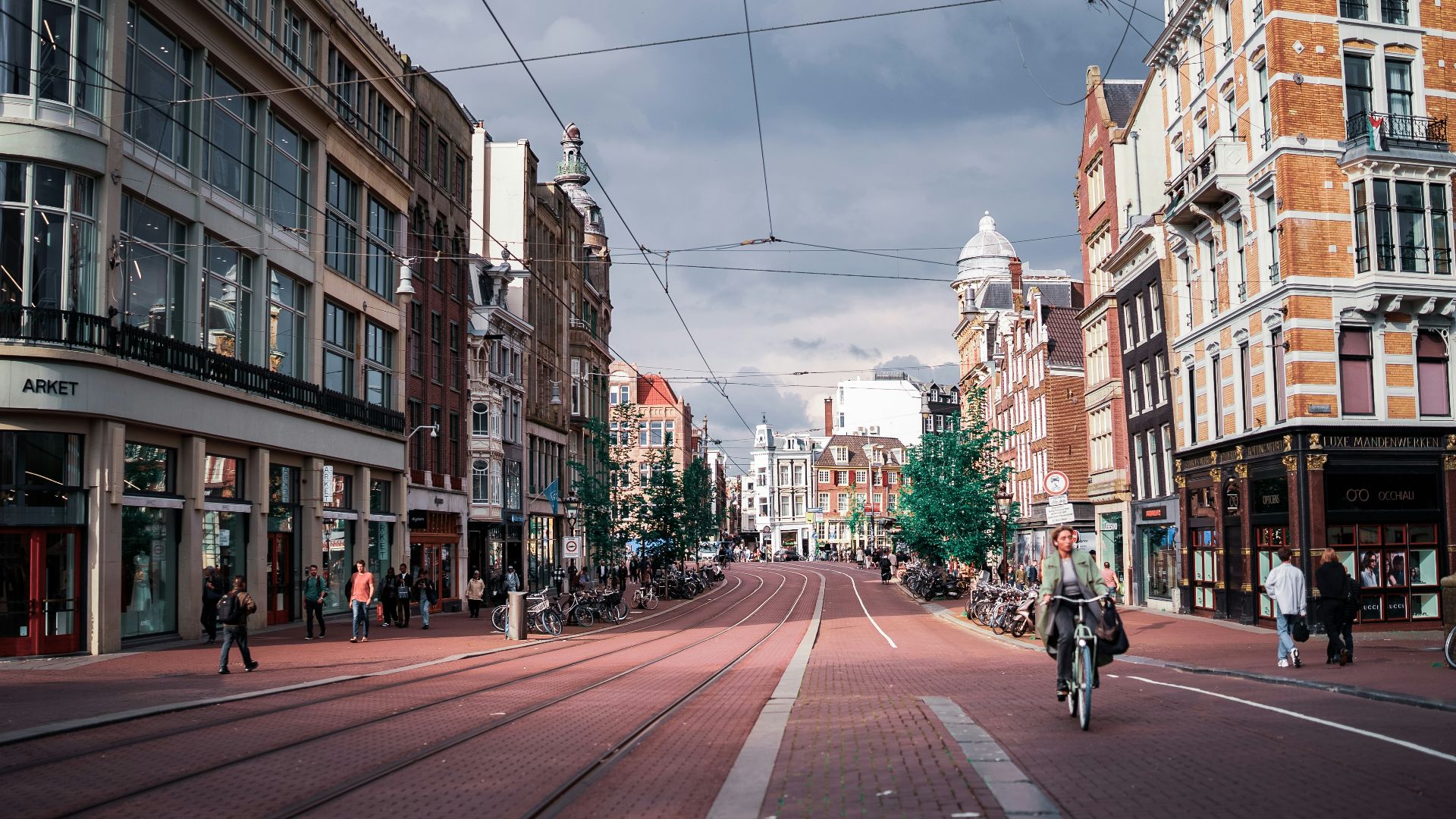
Amsterdam is mostly flat and well-suited for gentle walking. The canal-side paths are smooth and scenic, though you’ll want to stay aware of cyclists. Distances between major sights are reasonable. It’s a visually engaging city that doesn’t require strenuous movement.
14. Lisbon (Portugal – waterfront areas)
Lisbon is known for hills, but the waterfront and certain neighborhoods offer flatter routes. Areas like Belém provide accessible walking paths with scenic views.

15. Vancouver, British Columbia (Canada)
Vancouver offers scenic, flat walking paths like the Seawall. This route provides beautiful views while remaining easy to navigate. There are frequent places to stop and rest along the way. It’s ideal for those who enjoy nature without difficulty.
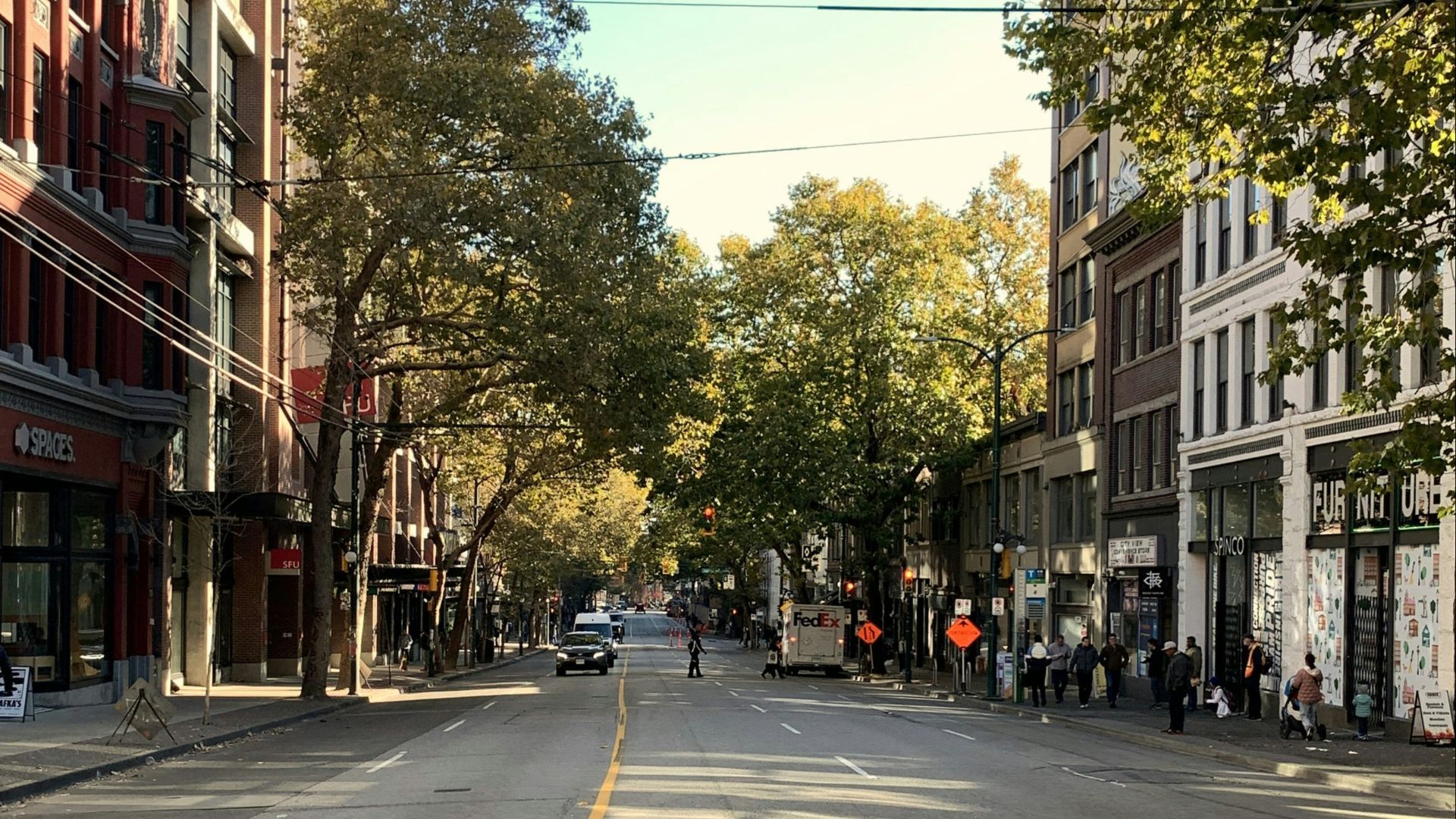 Nicholas Laurenzio on Unsplash
16. Rome (Italy – select areas)
Rome can be busy, but certain areas are manageable for gentle walkers. Places like Villa Borghese offer flat paths and open space.
 Claudio Hirschberger on Unsplash
17. Sydney (Australia)
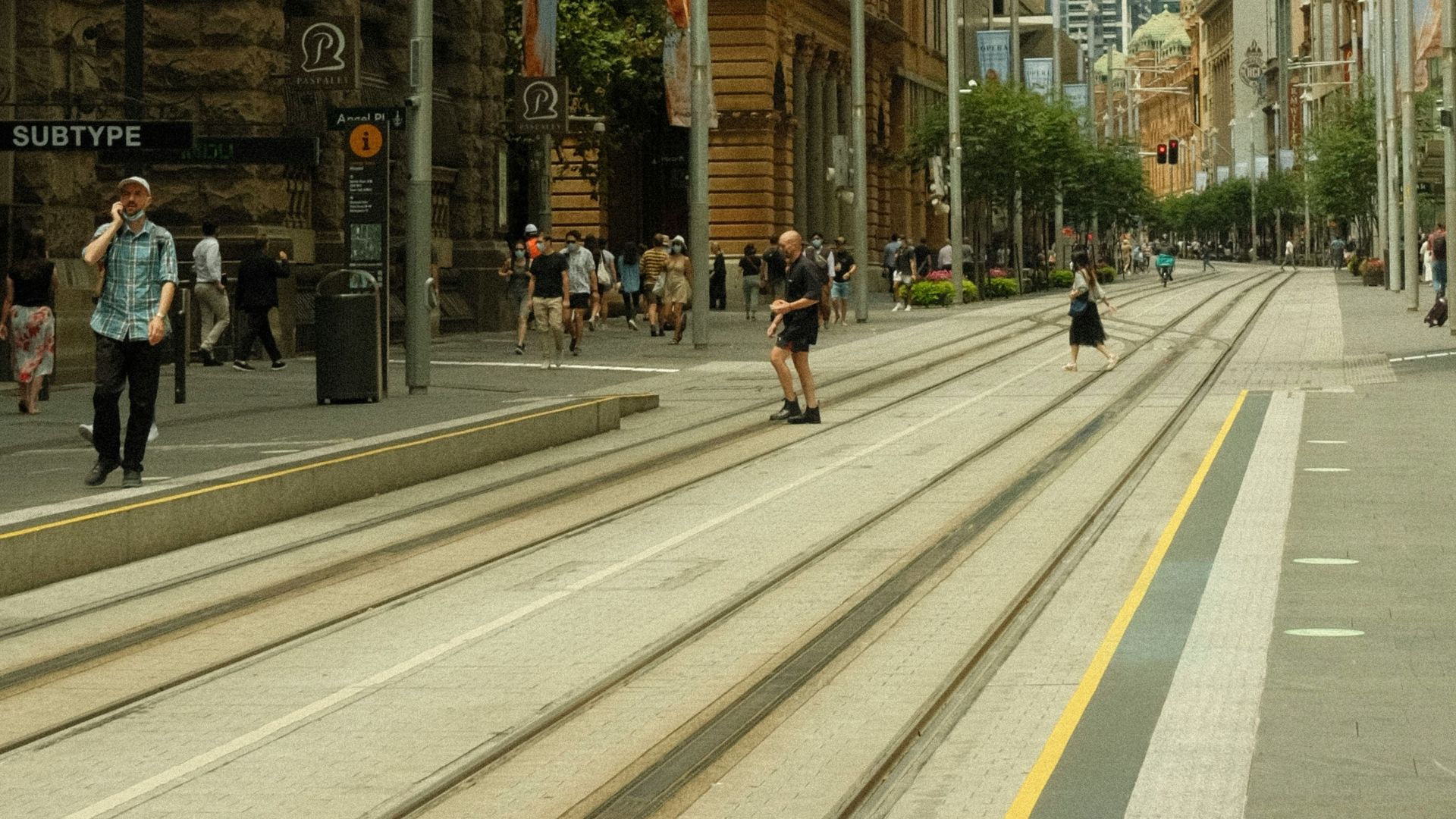
Sydney provides accessible walking along the harbor and coastal areas. Paths like Darling Harbour are flat and well-maintained. There are plenty of seating areas and scenic viewpoints. It’s a good mix of city and waterfront walking.
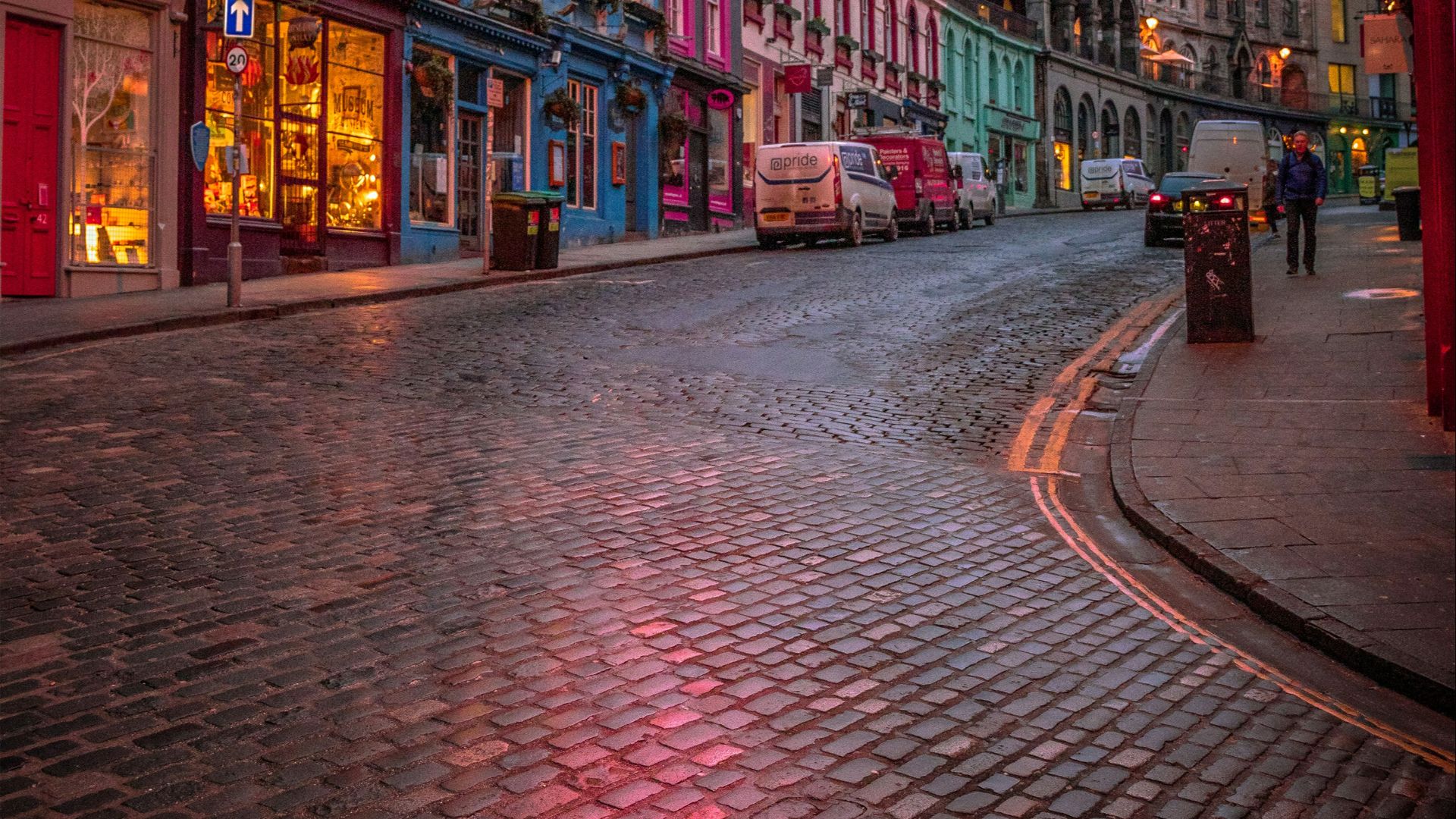
18. Edinburgh (Scotland – New Town)
Edinburgh’s Old Town is hilly, but the New Town offers flatter streets and easier walking. Wide sidewalks and organized streets make navigation simple. You can still enjoy the city’s character without steep climbs. It’s a practical compromise.
19. Singapore
Singapore is exceptionally clean and easy to navigate on foot. Many walking paths are shaded and well-maintained.

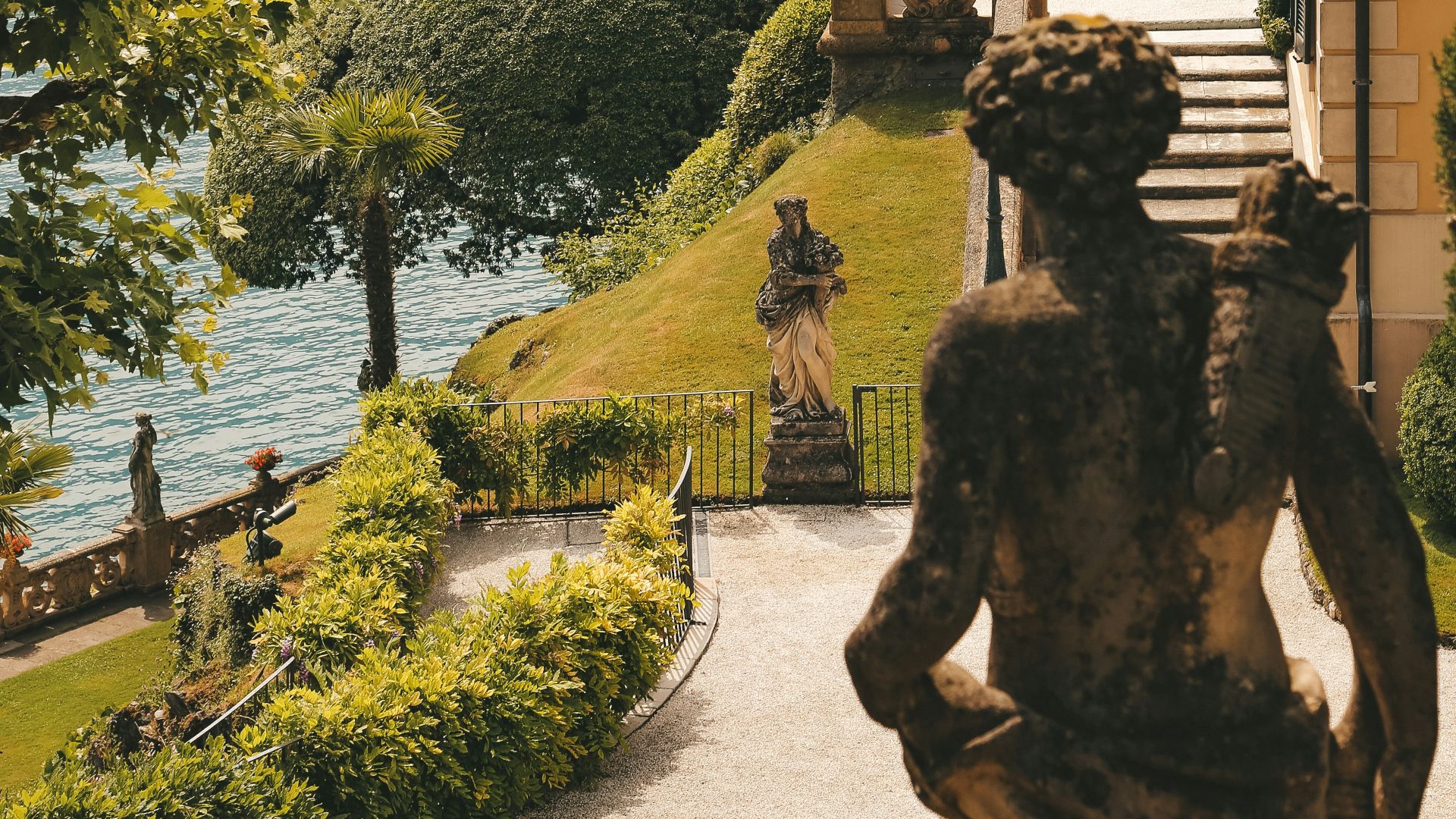
20. Lake Como (Italy – towns like Bellagio)
Lake Como’s small towns provide short, scenic walking routes. While some areas have inclines, many waterfront paths are flat and manageable. Ferries help reduce the need for long walks between towns.
KEEP ON READING



20 Ways To Get Your Vitamins And Minerals

20 Ways Doing Less Can Actually Improve Your Health