
Don't Let Bad Advice Shape Your Diet
Once men reach their 40s, nutrition advice seems to come from every direction. Some recommendations are based on outdated science, while others are designed to sell supplements, meal plans, or miracle foods. The reality is that healthy aging depends far more on consistent eating habits than on trendy rules, and understanding which myths to ignore can help you make better decisions for the long term. Here are 20 nutrition myths men over 40 should ignore.

1. Carbohydrates Are the Enemy
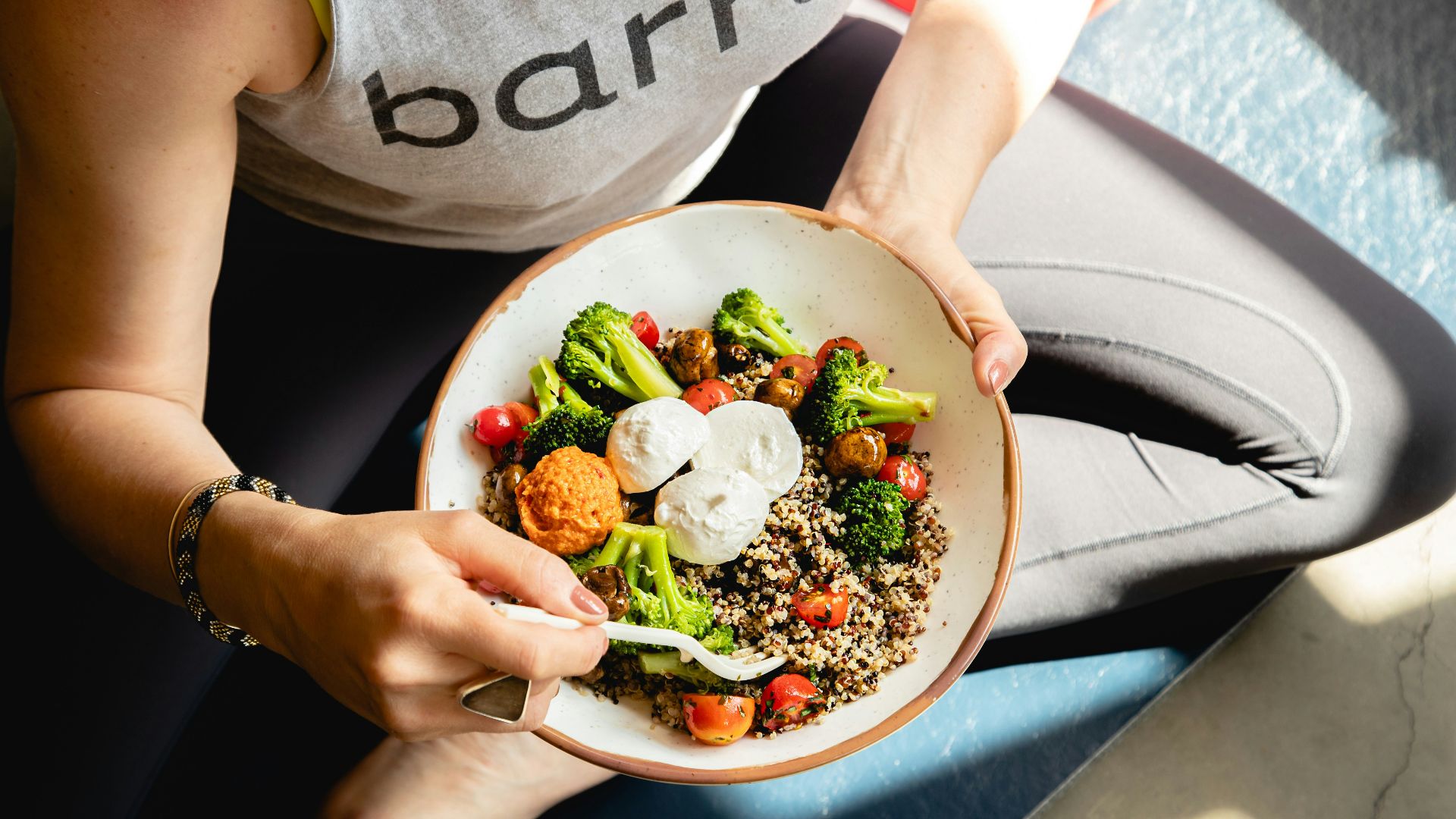
Carbohydrates often get blamed for weight gain, but they're an important source of energy. Whole grains, fruits, vegetables, and legumes provide nutrients that support overall health. The quality of carbohydrates matters far more than eliminating them.
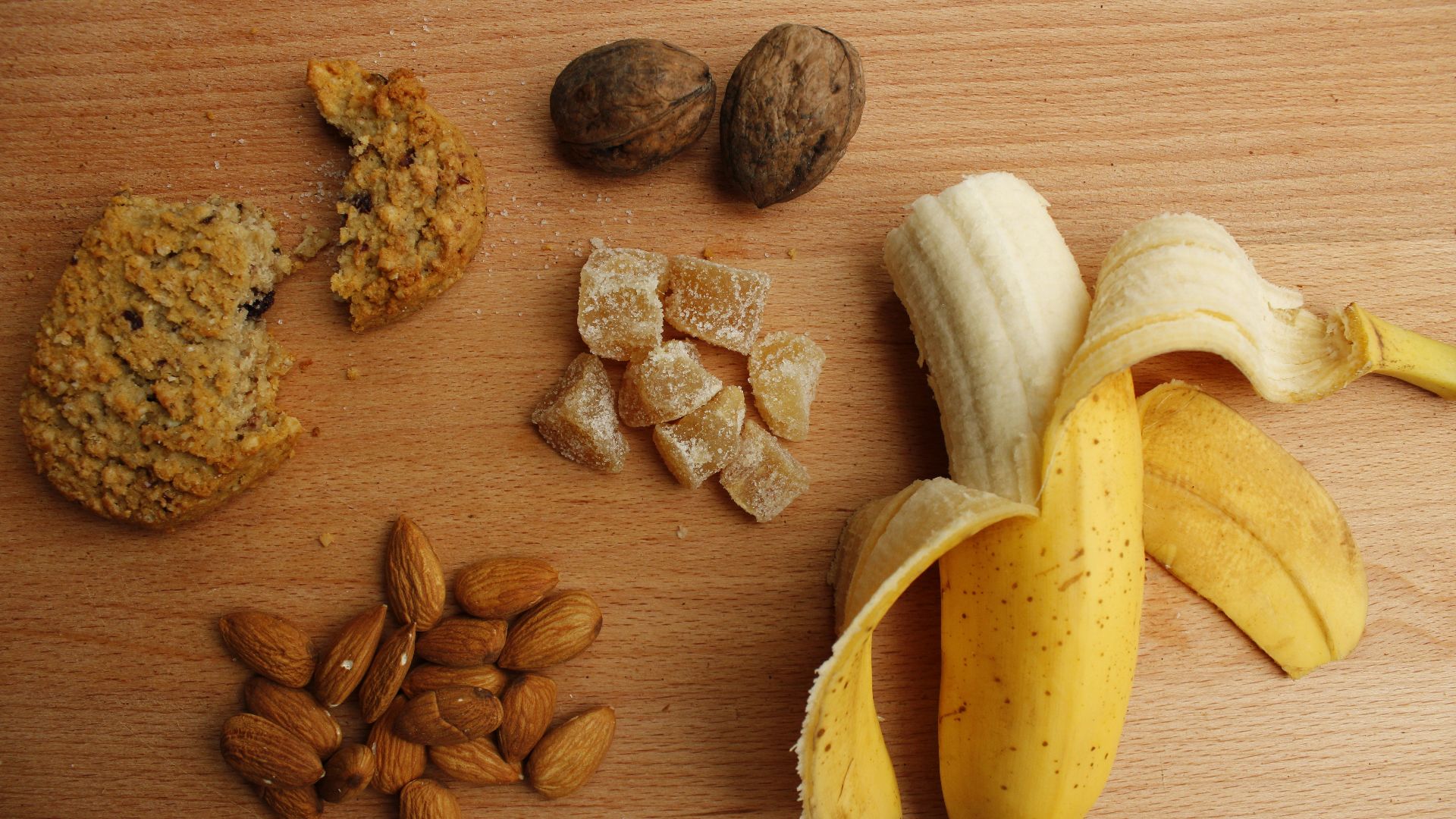 Merve Sehirli Nasir on Unsplash
2. You Need Much Less Protein After 40
Many people assume protein becomes less important with age. In reality, maintaining muscle mass becomes increasingly important as men get older. Adequate protein intake can help support strength, mobility, and recovery.

3. Eating Fat Makes You Fat
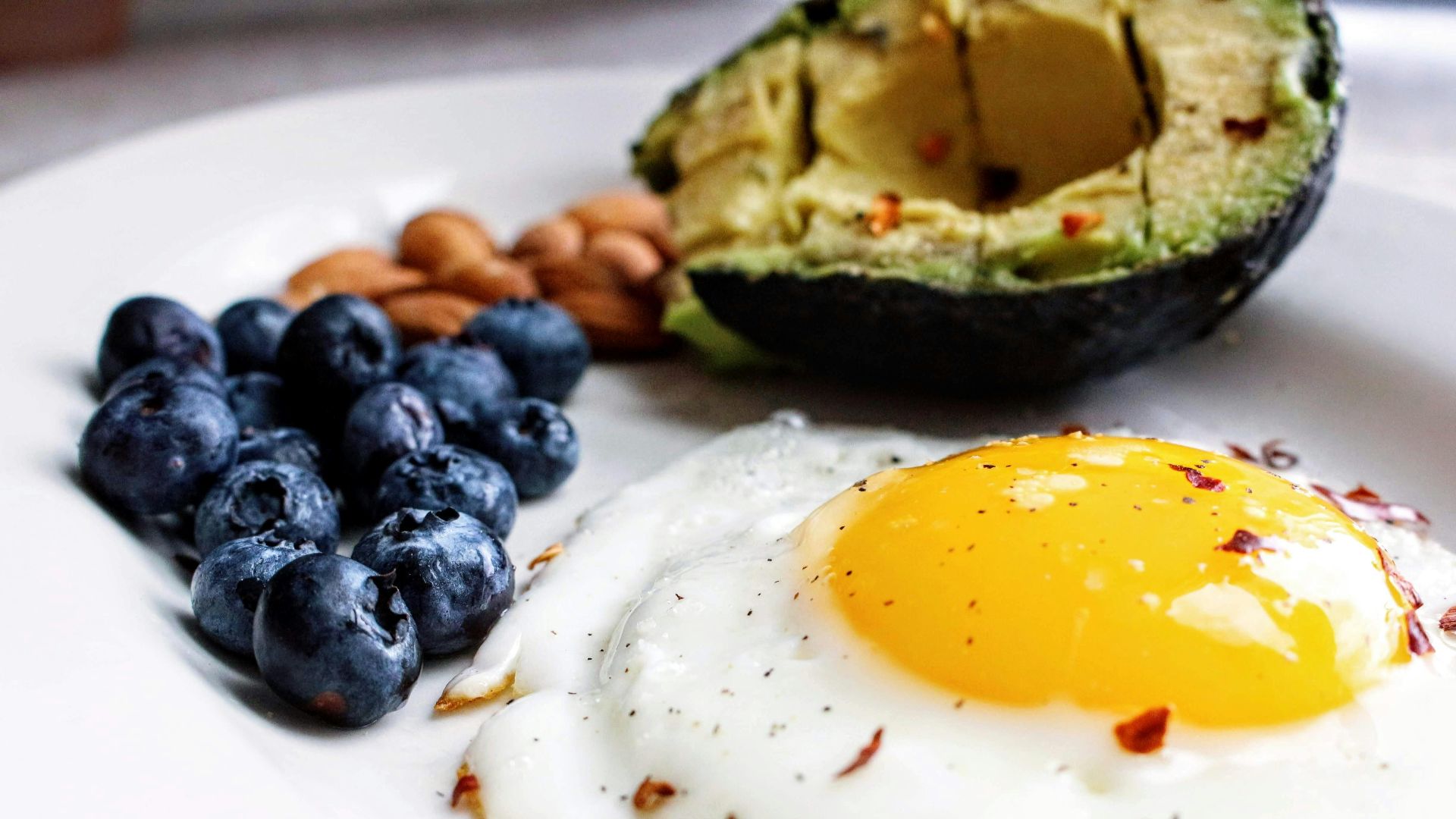
Body weight is influenced by overall calorie balance rather than any single nutrient. Healthy fats from foods like nuts, avocados, and olive oil can be part of a balanced diet. These foods also contribute important nutrients and help promote satiety.
4. You Have to Give Up Red Meat Completely
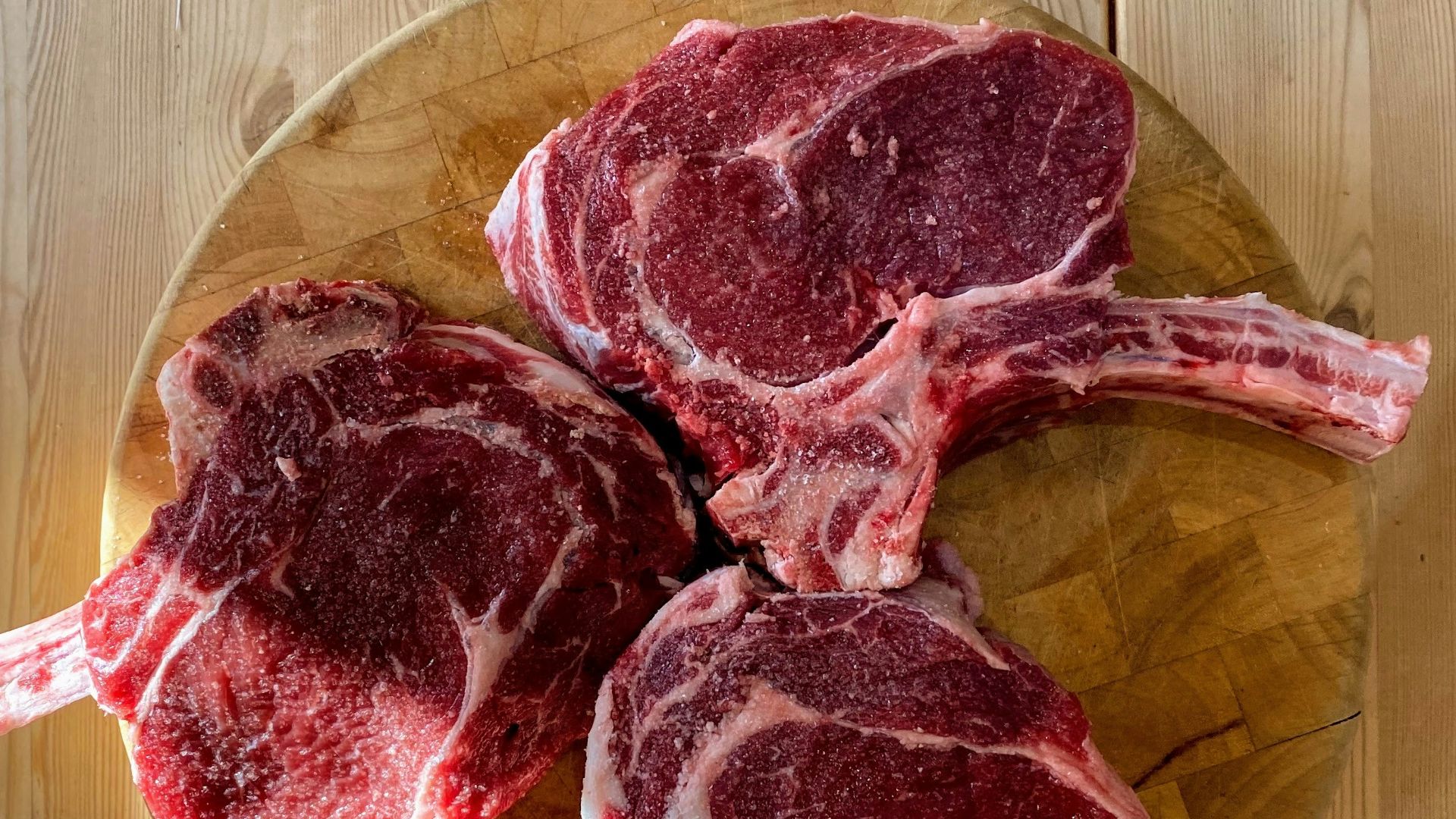
Lean red meat can fit into a healthy eating pattern when consumed in moderation. It provides protein, iron, zinc, and several B vitamins. The key is balancing it with plenty of plant foods and other protein sources.
5. Metabolism Falls Off a Cliff at 40
Metabolism does change with age, but not nearly as dramatically as many people believe. Factors such as activity level, muscle mass, and eating habits often play a larger role. Staying active can help maintain energy expenditure over time.
6. All Calories Are the Same
While calories matter, foods affect hunger, fullness, and nutrition differently. A few hundred calories from vegetables and lean protein won't have the same effect as the same number from sugary snacks. Food quality remains an important consideration.
7. Supplements Can Replace a Healthy Diet
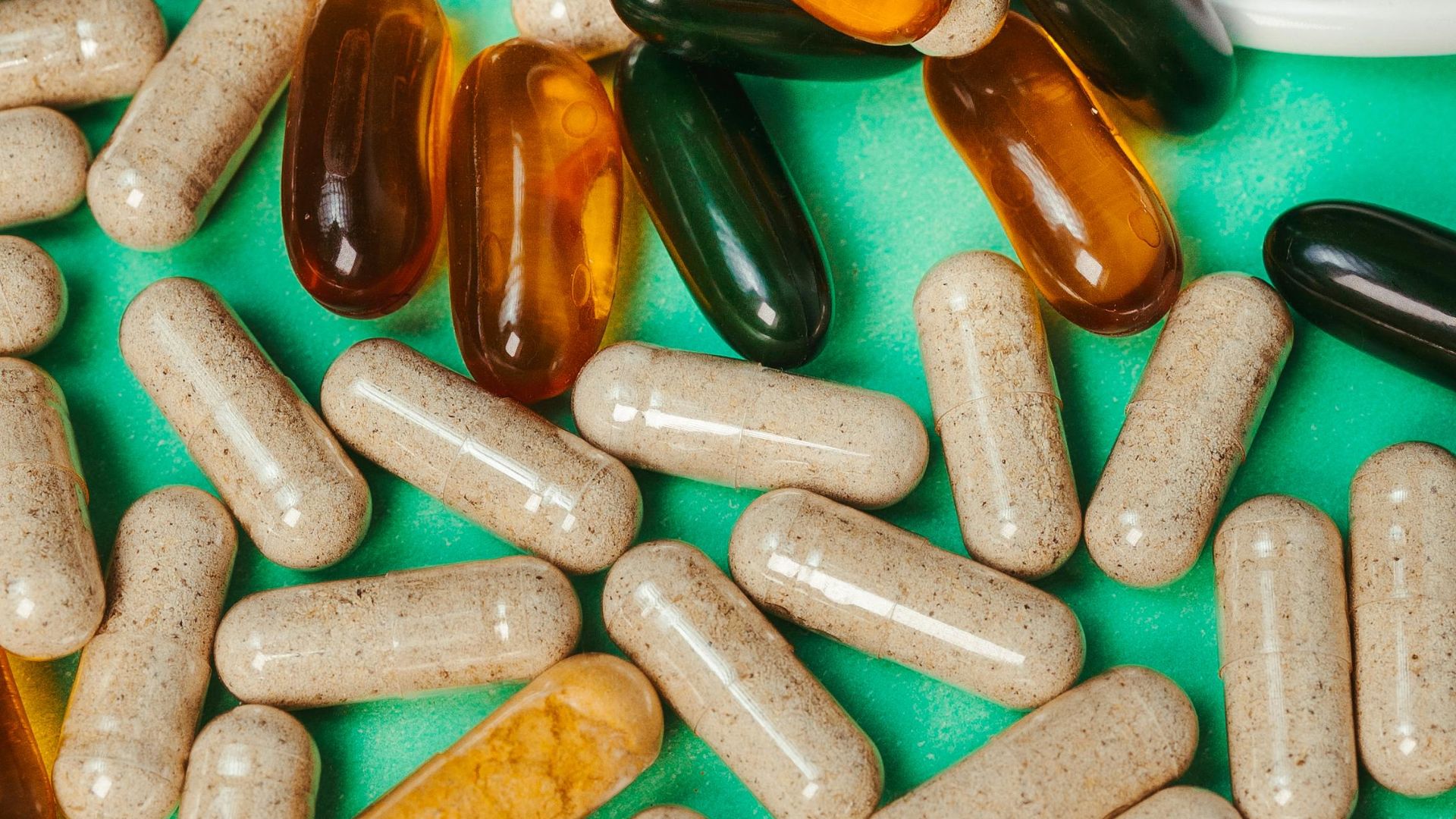
Supplements can help address specific deficiencies, but they aren't substitutes for balanced eating. Whole foods provide fiber, antioxidants, and other compounds that supplements often can't fully replicate. Most nutrition experts recommend getting nutrients from food whenever possible.
8. You Should Avoid Fruit Because of Sugar
Fruit contains natural sugars, but it also provides fiber, vitamins, minerals, and antioxidants. Research consistently supports fruit as part of a healthy diet. For most people, fruit consumption is associated with positive health outcomes rather than negative ones.

9. Eating Late at Night Automatically Causes Weight Gain
Weight gain occurs when calorie intake consistently exceeds calorie expenditure. The timing of meals matters less than the overall amount and quality of food consumed. A healthy evening snack isn't automatically problematic.

10. Men's Nutritional Needs Never Change
Nutritional priorities can shift as men age. Protein, fiber, calcium, and certain vitamins may become more important depending on individual circumstances. Paying attention to changing needs helps support long-term health.

11. Gluten Is Bad for Everyone
People with celiac disease or certain sensitivities need to avoid gluten, but most people tolerate it perfectly well. Whole-grain products containing gluten can provide valuable nutrients and fiber. Eliminating them unnecessarily may make healthy eating more difficult.

12. Healthy Foods Have to Be Expensive
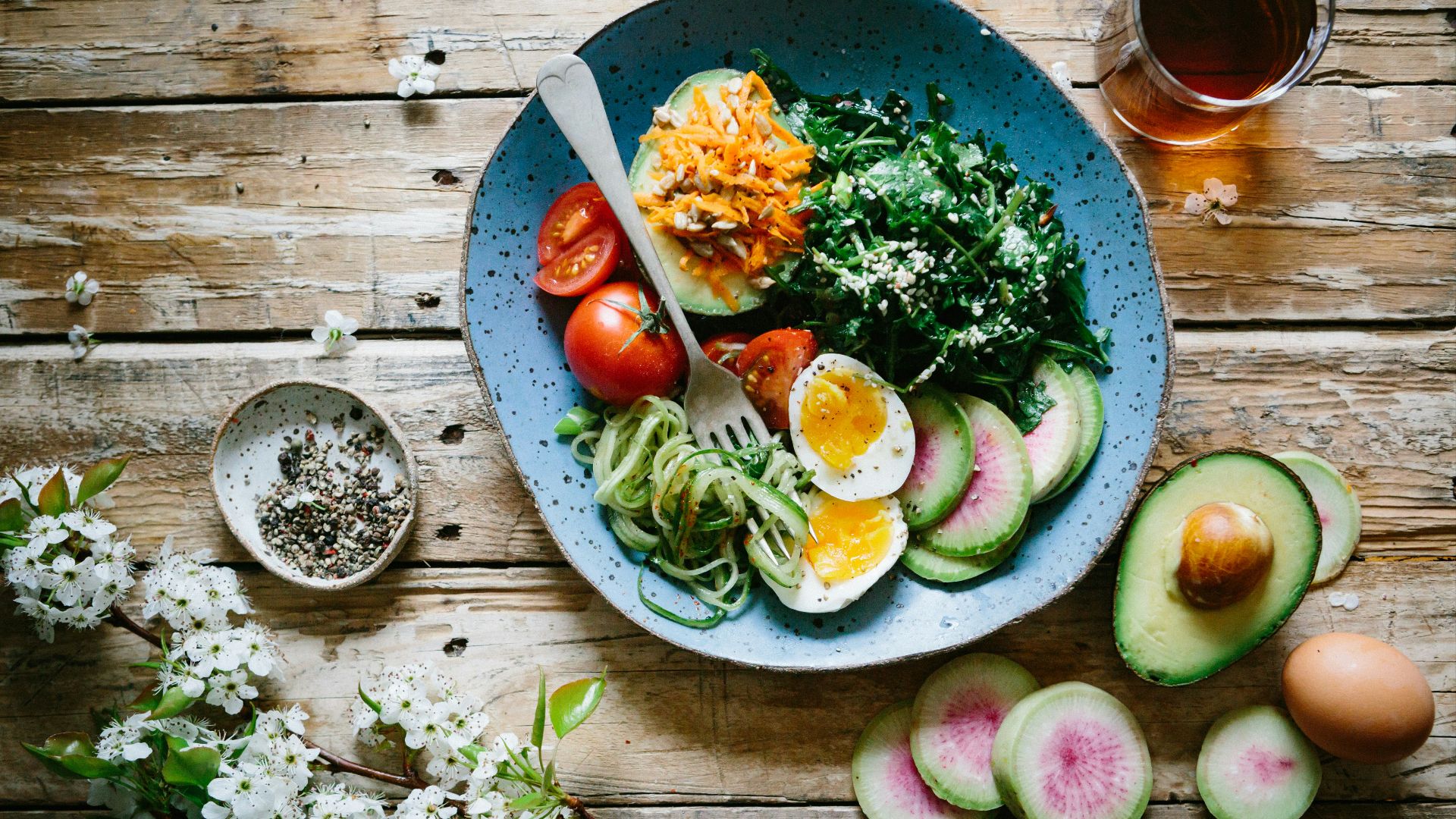
Nutritious foods aren't limited to specialty stores or premium brands. Beans, oats, frozen vegetables, eggs, and canned fish can be both affordable and nutrient-dense. Good nutrition often costs less than people expect.
13. You Need Detox Diets to Cleanse Your Body
The body already has highly effective systems for removing waste products. The liver, kidneys, lungs, and digestive system perform this function continuously. Most detox diets lack scientific support and often provide little benefit.
14. Skipping Meals Speeds Up Weight Loss
Skipping meals may lead to increased hunger later in the day. Many people end up eating more than they intended as a result. Consistent eating habits are often easier to maintain over the long term.

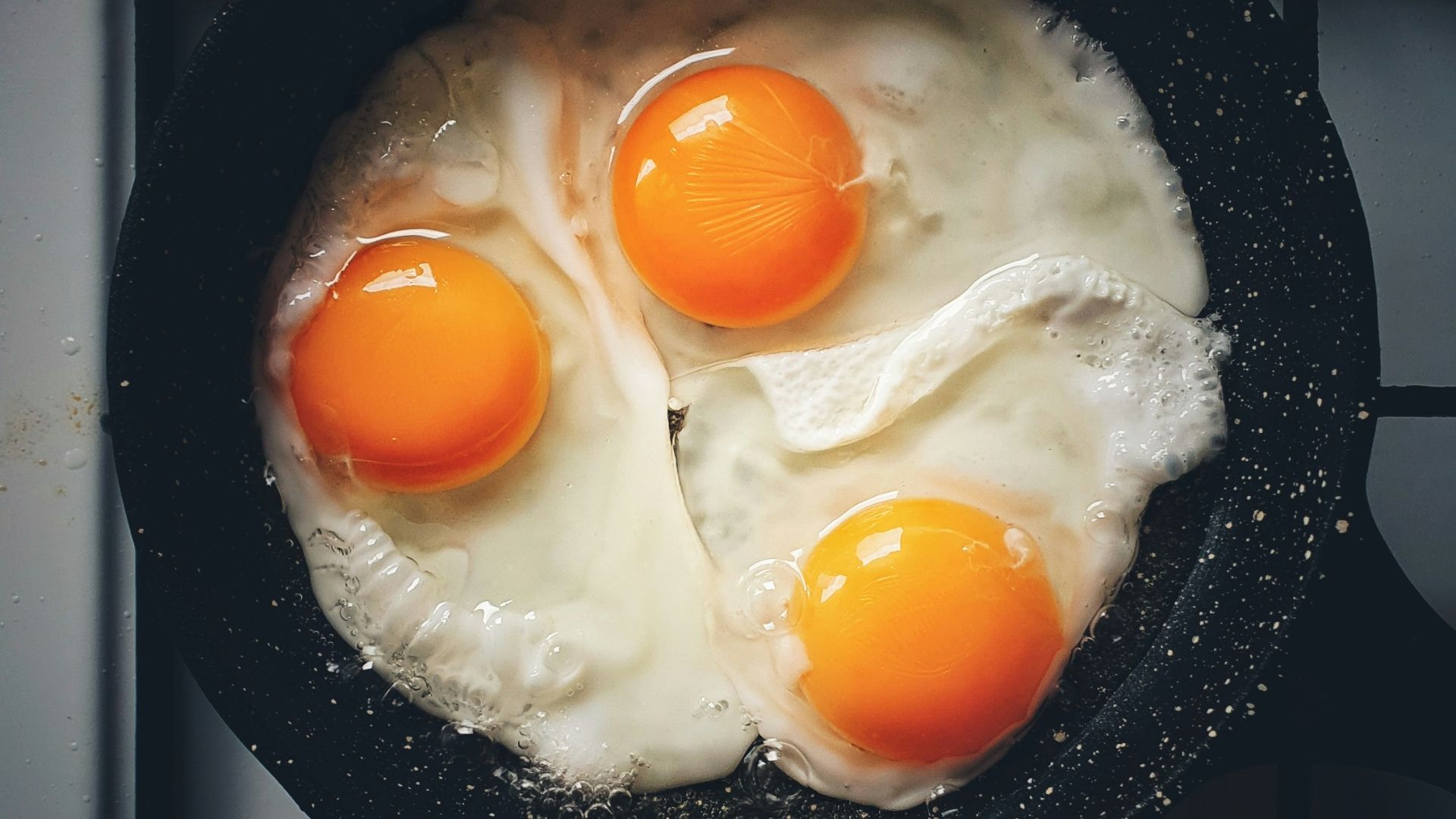
15. Egg Yolks Should Always Be Avoided
Egg yolks contain many of the nutrients found in eggs, including vitamins and minerals. For most healthy individuals, moderate egg consumption can be part of a balanced diet. Current nutrition guidance no longer treats egg yolks as a food that must be routinely avoided.
16. Protein Shakes Are Only for Bodybuilders
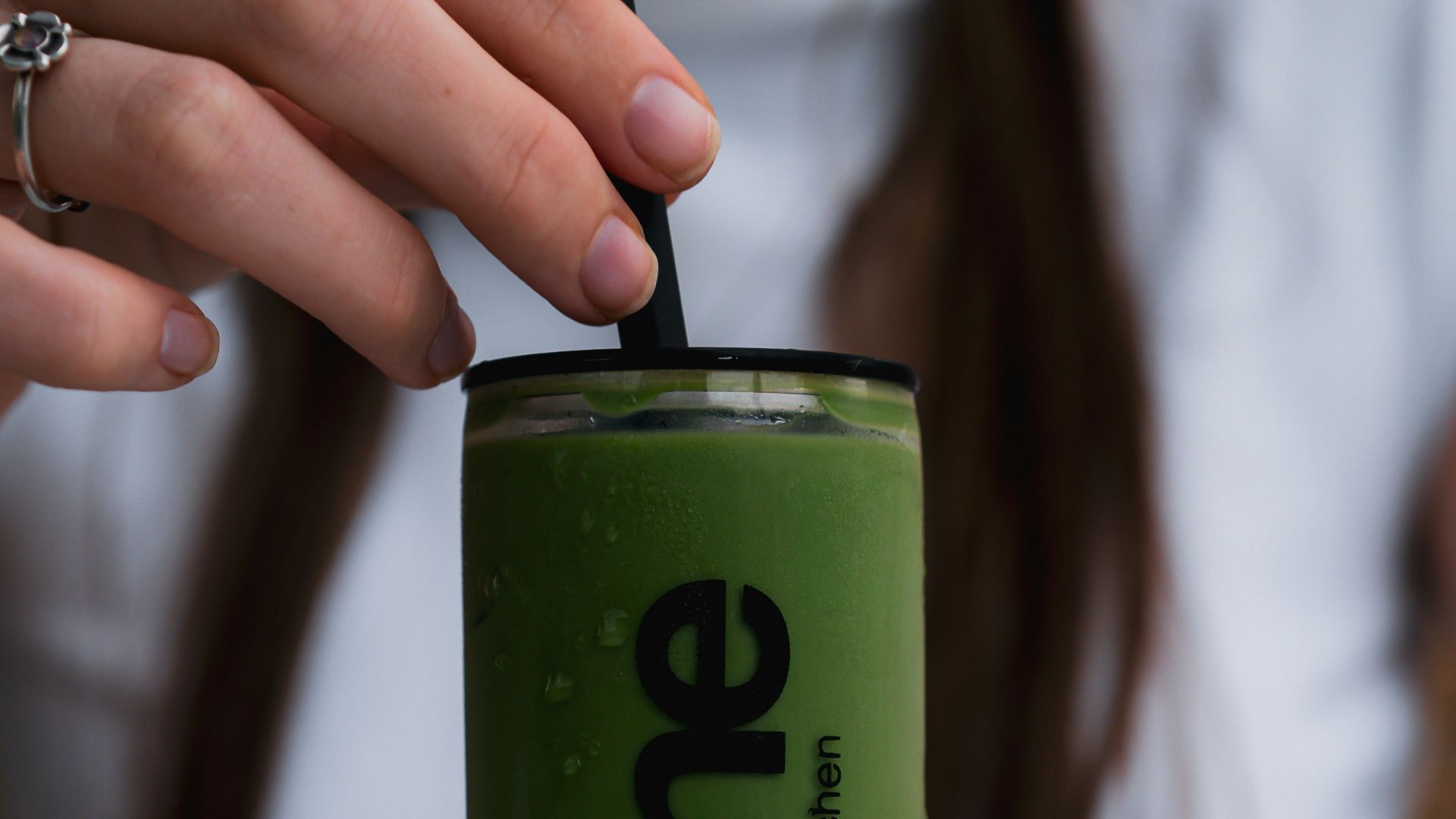
Protein shakes can be useful for many people, not just athletes. They may help individuals meet protein goals when whole-food options aren't convenient. They're a tool, not a requirement or a sign of serious training.

17. Frozen Vegetables Are Less Nutritious Than Fresh Ones
Frozen vegetables are often processed shortly after harvest. In many cases, they retain nutrient levels comparable to fresh produce. They can also be a practical way to increase vegetable intake year-round.
 Muhammed A. Mustapha on Unsplash
18. Healthy Eating Means Giving Up Favorite Foods
A sustainable diet usually includes flexibility. Completely banning favorite foods can make healthy eating harder to maintain. Moderation often works better than strict restriction.
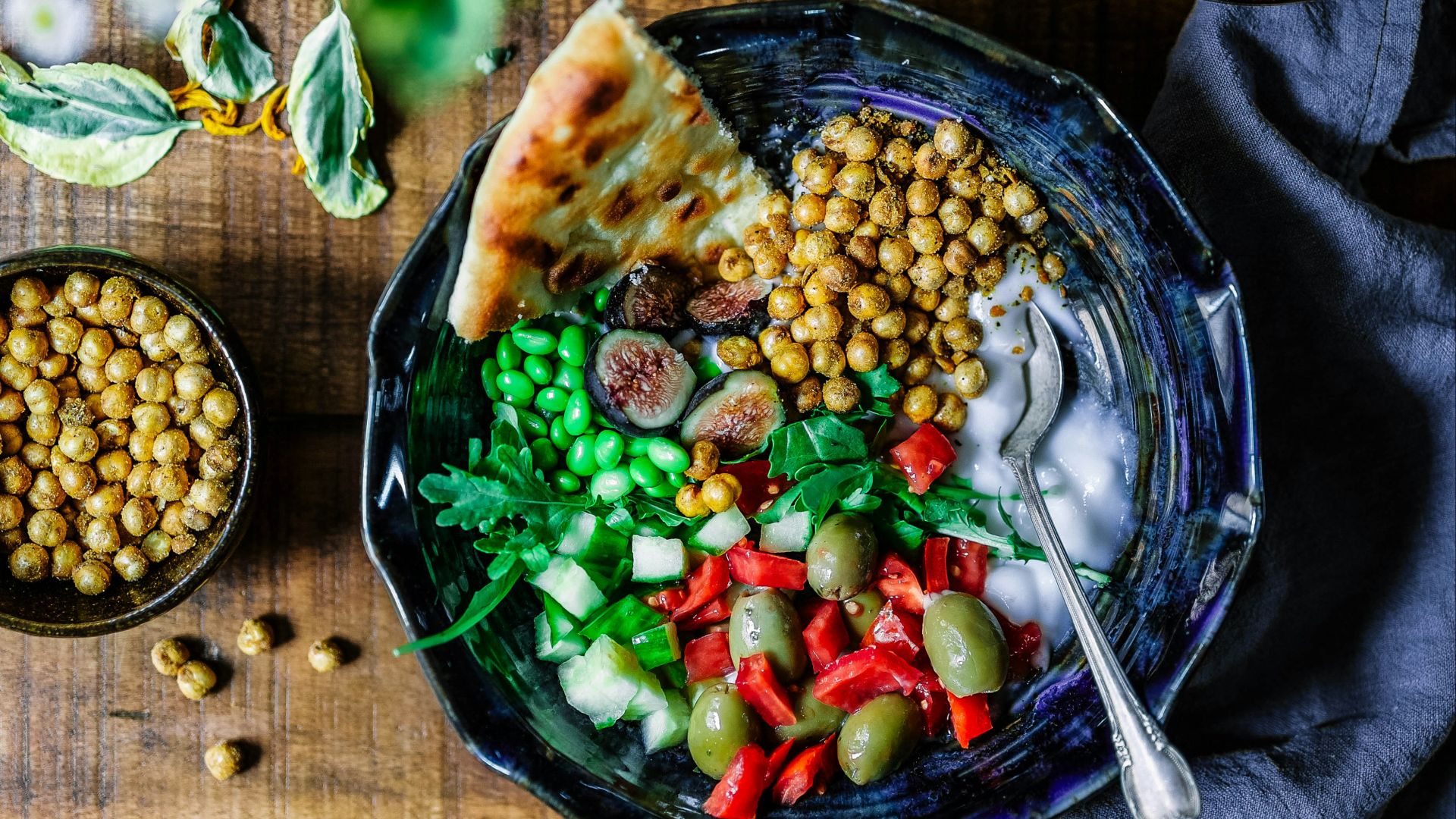
19. More Protein Is Always Better
Protein is important, but more isn't automatically better. Nutritional balance still matters, and carbohydrates, fats, vitamins, and minerals all play essential roles. Focusing exclusively on protein can lead to an unbalanced diet.

20. It's Too Late to Improve Your Diet After 40
Positive dietary changes can provide benefits at virtually any age. Improvements in nutrition may support heart health, weight management, energy levels, and overall well-being. It's never too late to develop healthier habits that can make a meaningful difference.