
Your Joints Might Be Taking a Big Hit
Hear that crackling noise every time you squat or jump? Don't ignore it—your knees might be trying to tell you something. In fact, it's not just your knees at risk; your hips, shoulders, elbows, neck, and back can all be affected by repeated strain, poor conditioning, and movement patterns that seem harmless at first. Before you hop into your next workout routine, here are 20 mistakes you don't want to be making if you want your joints to stay healthy.
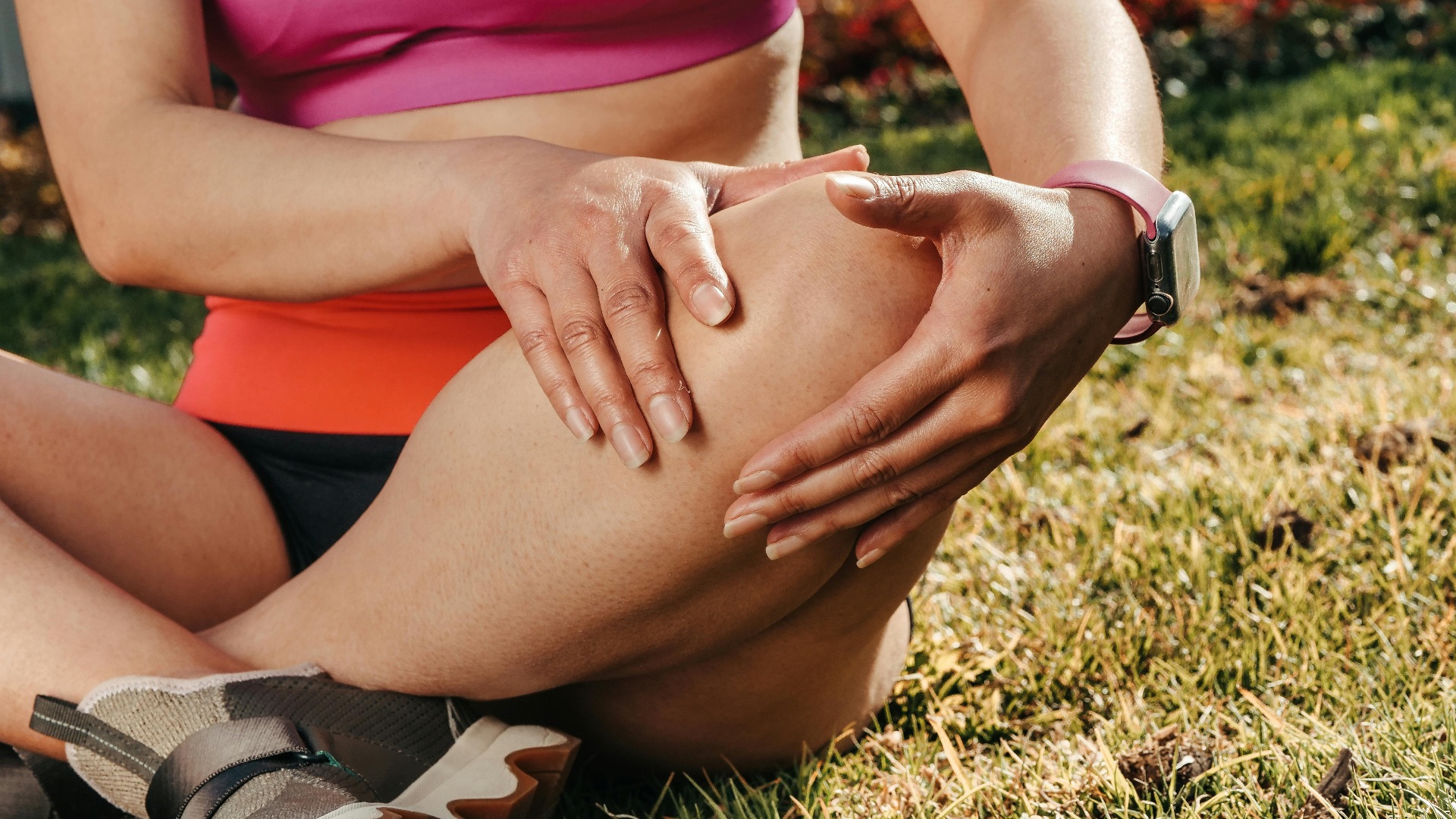
1. Increasing Your Workouts Too Quickly
Your joints need time to adapt when you start a new exercise routine or raise your intensity. If you suddenly double your mileage, add too many jumping exercises, or push through several hard sessions in a row, your knees may take on more stress than the surrounding muscles can manage. A gradual build gives your joints, tendons, and ligaments a better chance to keep up with your motivation.
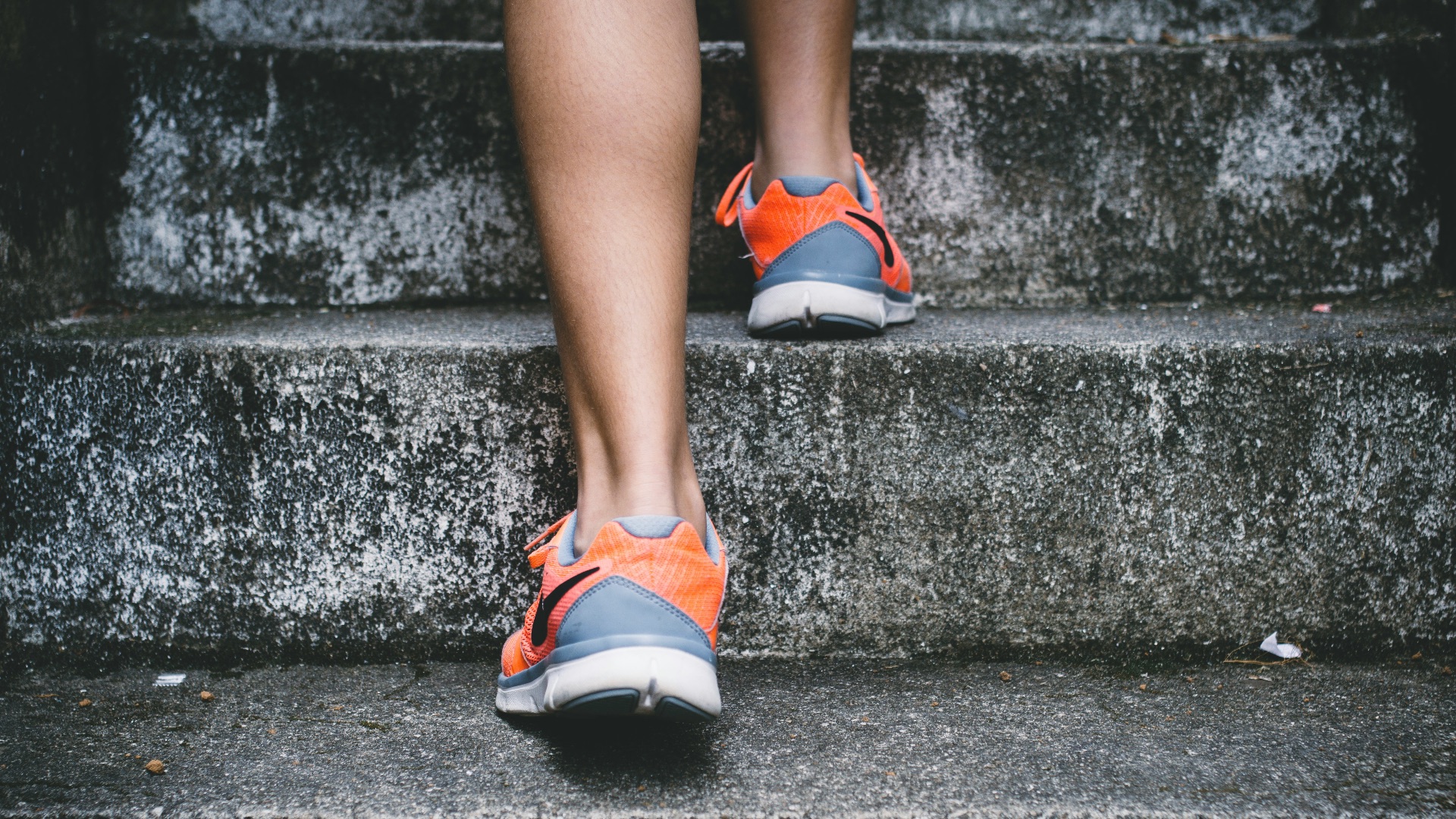
2. Letting Your Knees Cave in During Movement
When your knees drift inward during lunges, jumps, step-downs, or even getting out of a chair, the joint may not track as well as it should. That inward collapse can increase strain around the kneecap and may contribute to knee pain over time. Strengthening your hips, glutes, and thighs can help your knees stay better aligned during movement.
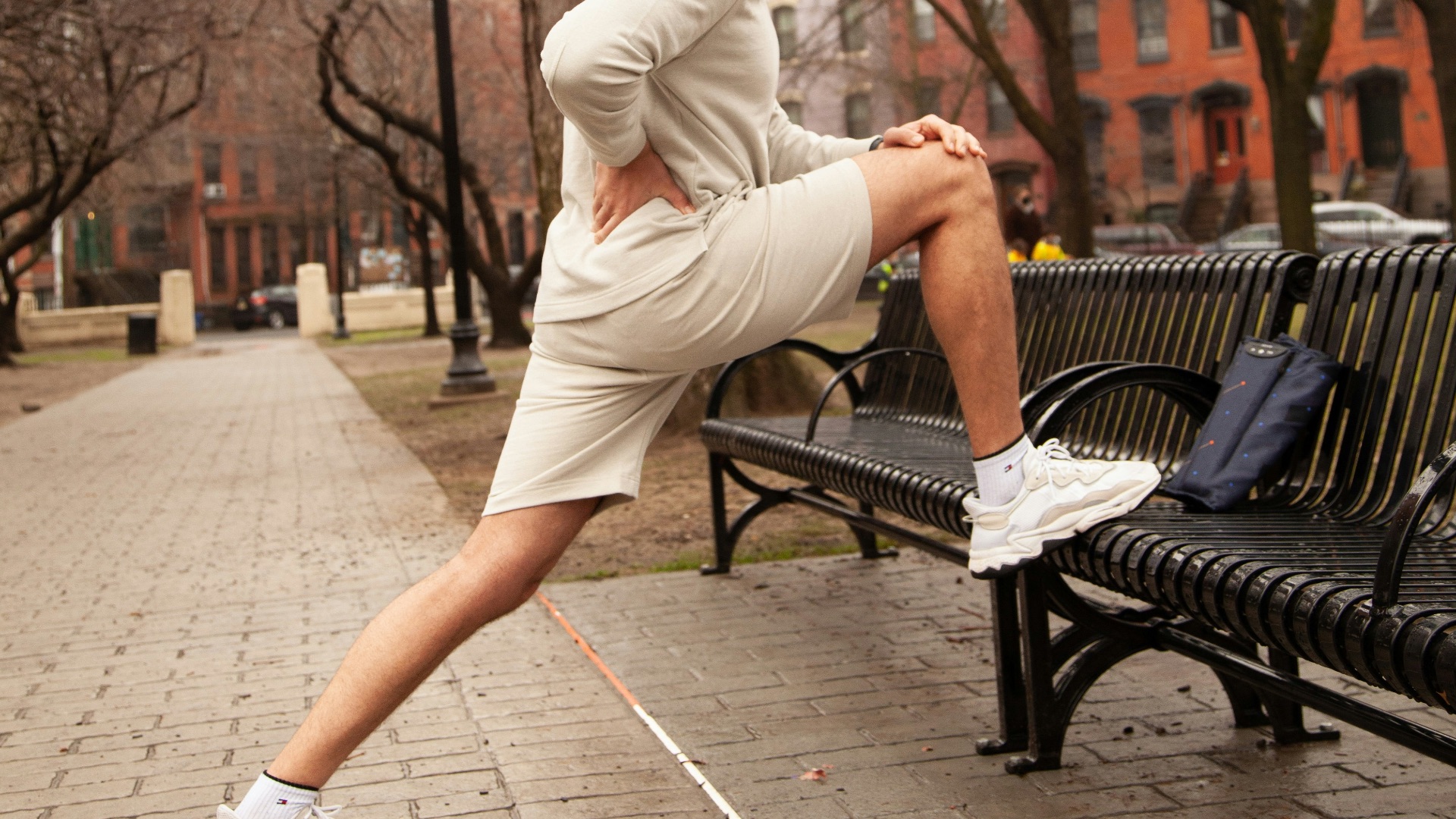
3. Avoiding Leg Strength Because Your Knees Hurt
It’s understandable to skip leg exercises when your knees feel sensitive, but avoiding strength work entirely can make the joint less stable. The muscles around the knee help absorb force and guide movement, so weakness may leave the joint doing more of the work. A physical therapist or qualified trainer can help you choose knee-friendly exercises that build support without aggravating pain.
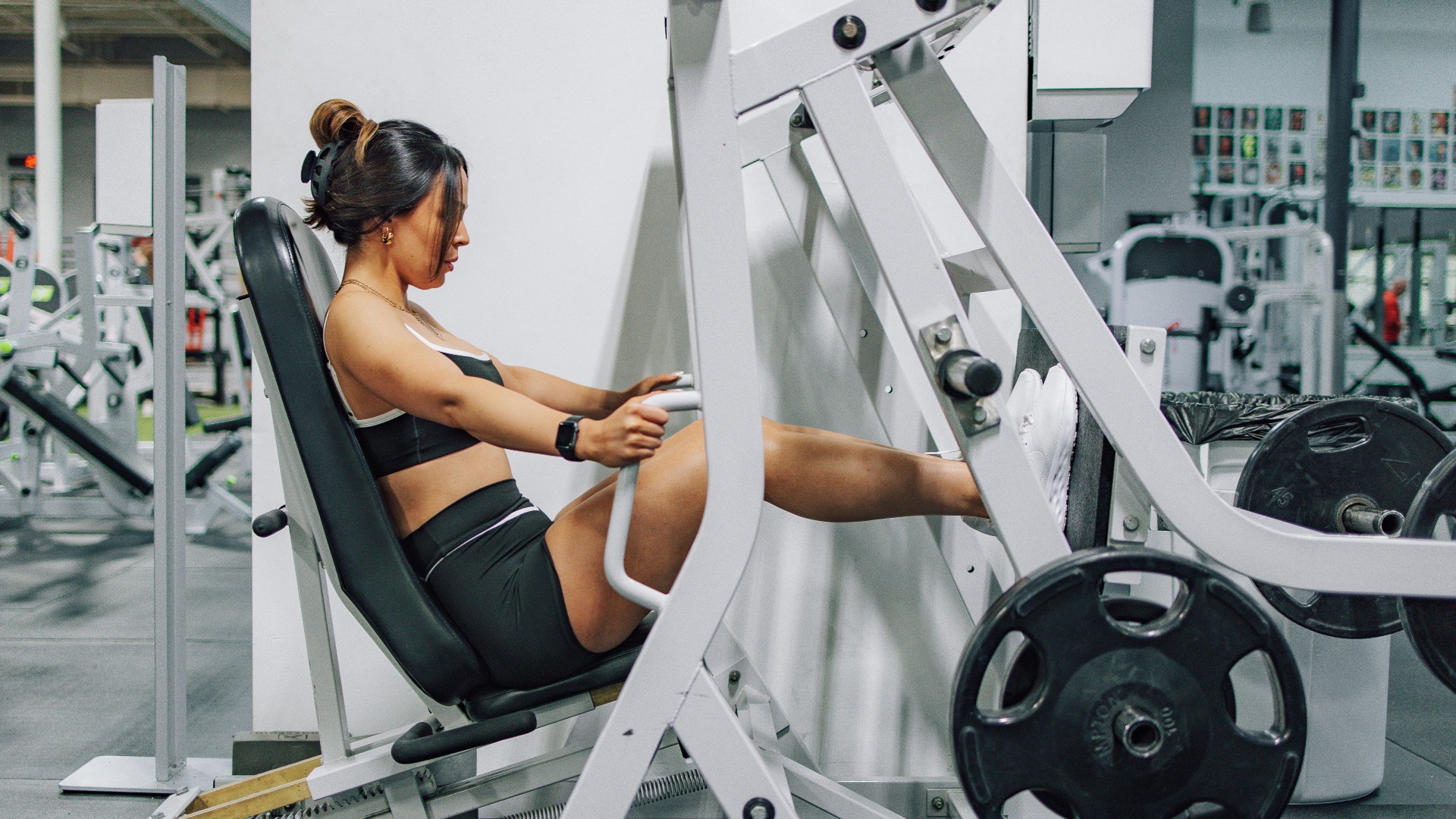
4. Forgetting About Your Hips
Your knees don’t move in isolation, and weak hips can affect how your legs line up when you walk, run, squat, or climb. If your hip muscles aren’t controlling the thigh well, the knee may rotate or shift in ways that add irritation. Strengthening the outer hips and glutes can improve lower-body mechanics and reduce unnecessary strain.
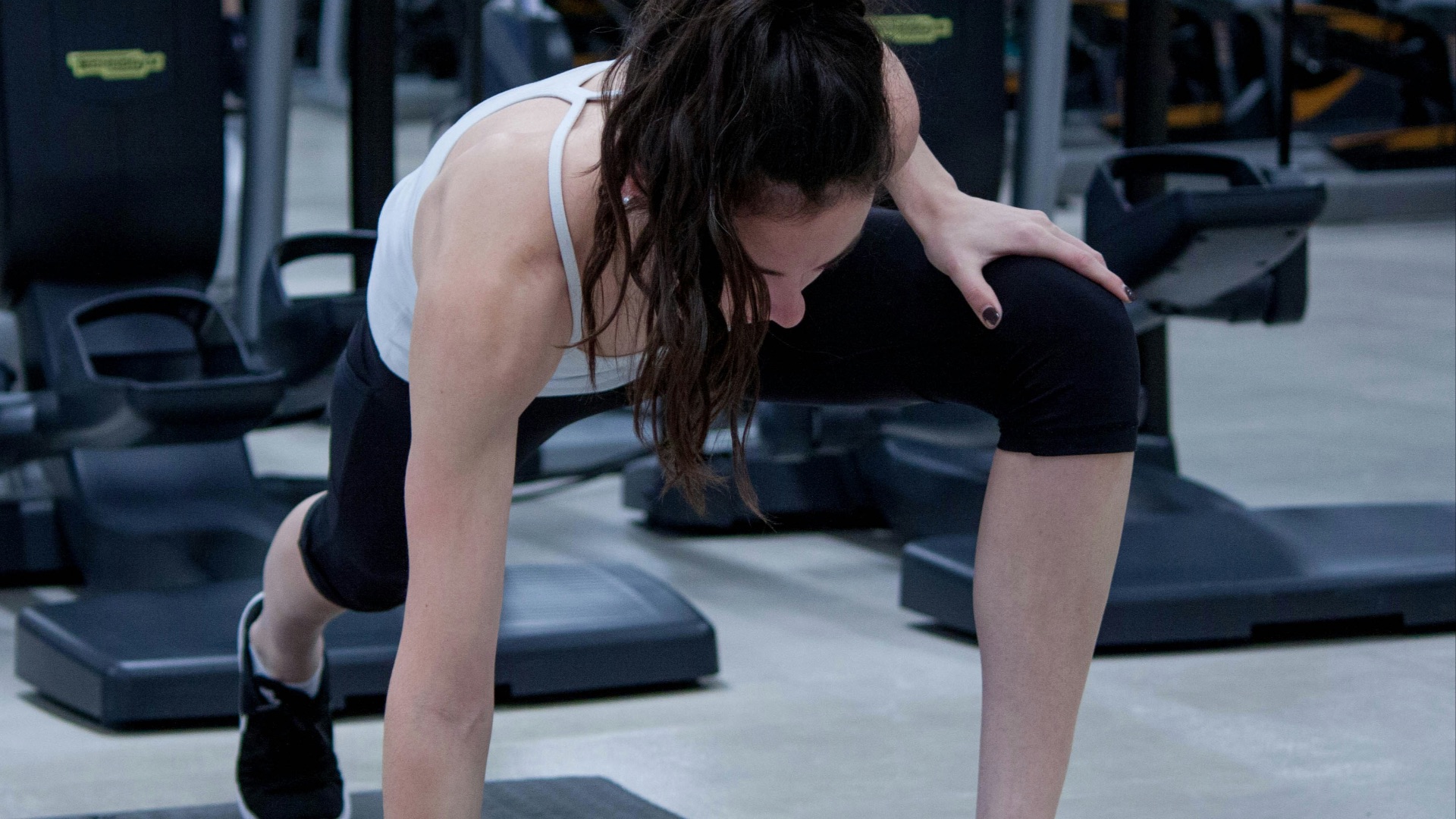
5. Training Hard Without Recovery Days
Exercise is good for joint health, but your tissues still need time to recover from repeated loading. When every workout is intense, sore joints may stay inflamed and more vulnerable to overuse problems. Alternating harder sessions with lighter movement, mobility work, or rest can help you stay active without wearing yourself down.

6. Ignoring Balance and Stability Work
Balance exercises may not look intense, but they help train the muscles that keep your ankles, knees, hips, and spine steady. Poor balance can make small missteps more likely, and a sudden twist or awkward landing can injure a joint quickly. Simple movements like single-leg stands, controlled step-downs, or stability drills can make your lower body more resilient.
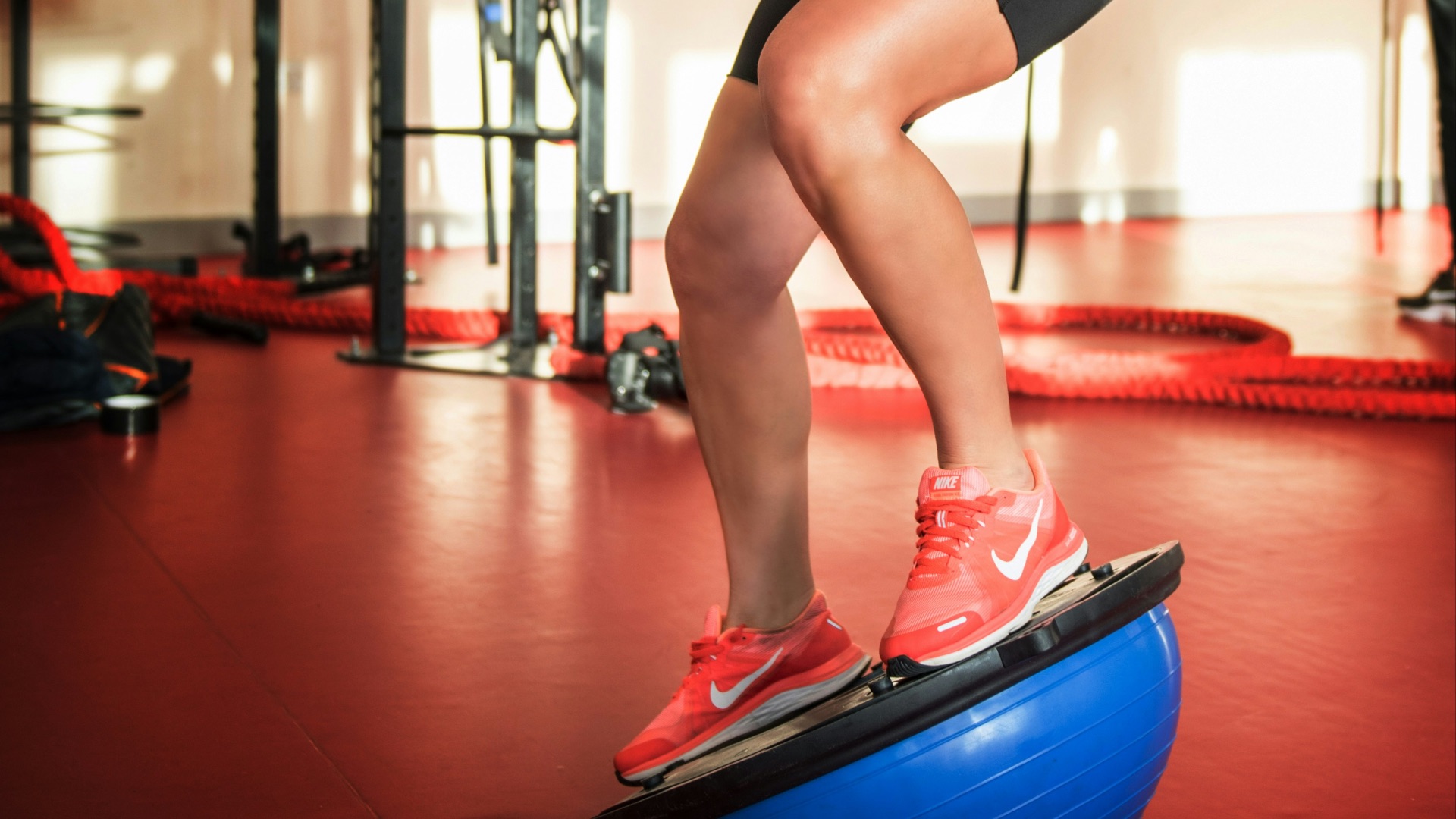
7. Returning to Sports Too Soon After an Injury
A knee, ankle, shoulder, or elbow injury can feel better before the joint has fully regained strength and control. If you return to running, court sports, lifting, or overhead activity too quickly, you may raise the risk of reinjury or long-term joint problems. Rehab matters because pain relief alone doesn’t always mean the joint is ready for full stress again.

8. Letting Extra Weight Add Pressure to Your Knees
The knees and hips are weight-bearing joints, so added body weight can increase the load they absorb during everyday movement. This doesn’t mean joint pain is anyone’s fault, but it does mean that even modest weight changes can matter for some people. Supporting a healthy weight through realistic nutrition and movement habits can reduce strain and may improve comfort.
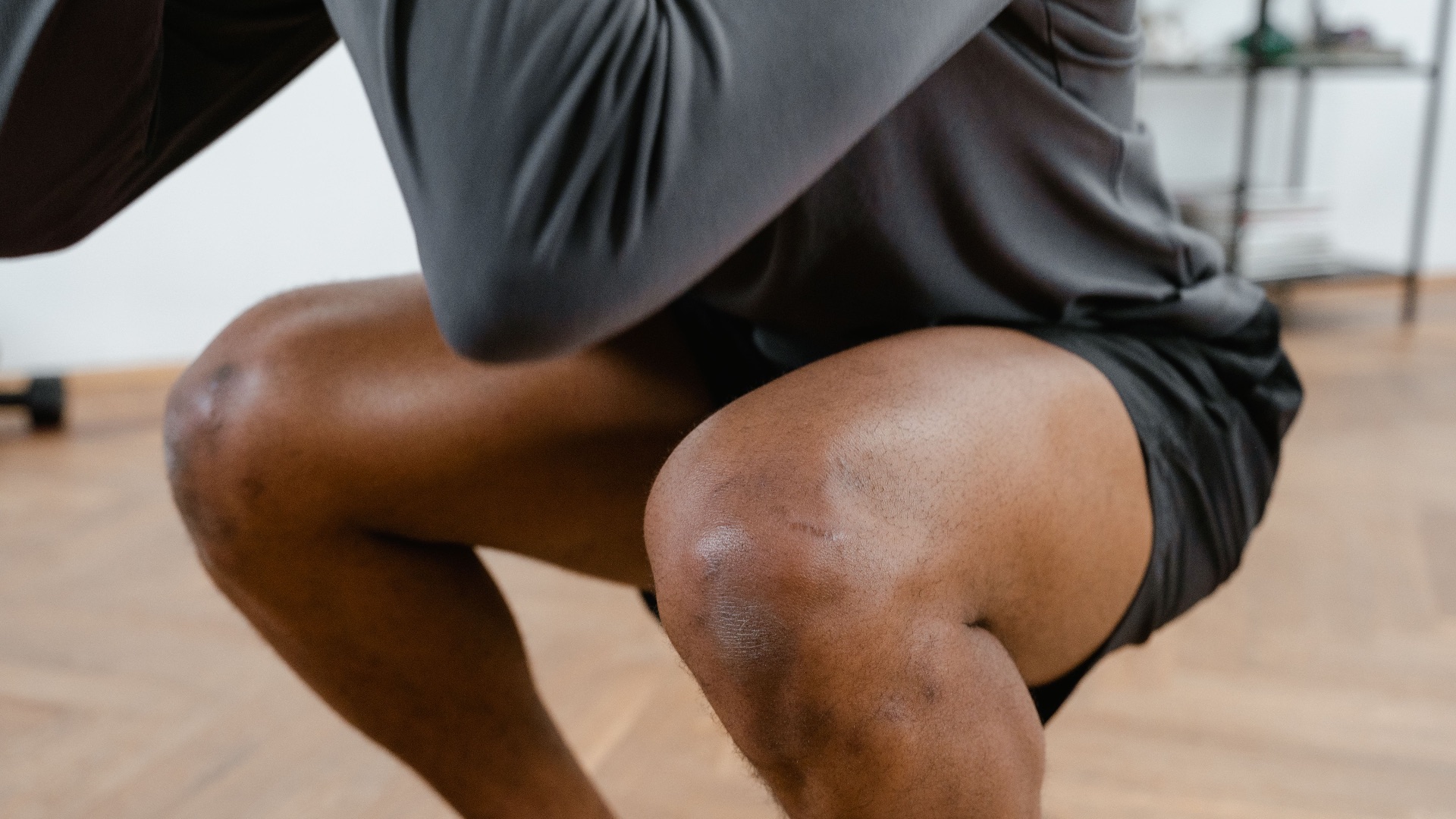
9. Skipping Low-Impact Cardio
If all your activity is high-impact, your knees may get more pounding than they need. Low-impact options like cycling with proper setup, swimming, water exercise, walking, or using an elliptical can keep you moving while reducing joint stress. These activities can be especially useful when you want fitness benefits without constantly irritating sore knees or hips.

10. Letting Your Ankles Stay Stiff
Stiff ankles can change the way your knees and hips move, especially during squats, stairs, running, and quick changes in direction. When your ankle can’t bend well, your knee may compensate by shifting forward, inward, or outward more than it should. Calf stretching, ankle mobility work, and proper footwear for your activity can help your lower body move more smoothly.
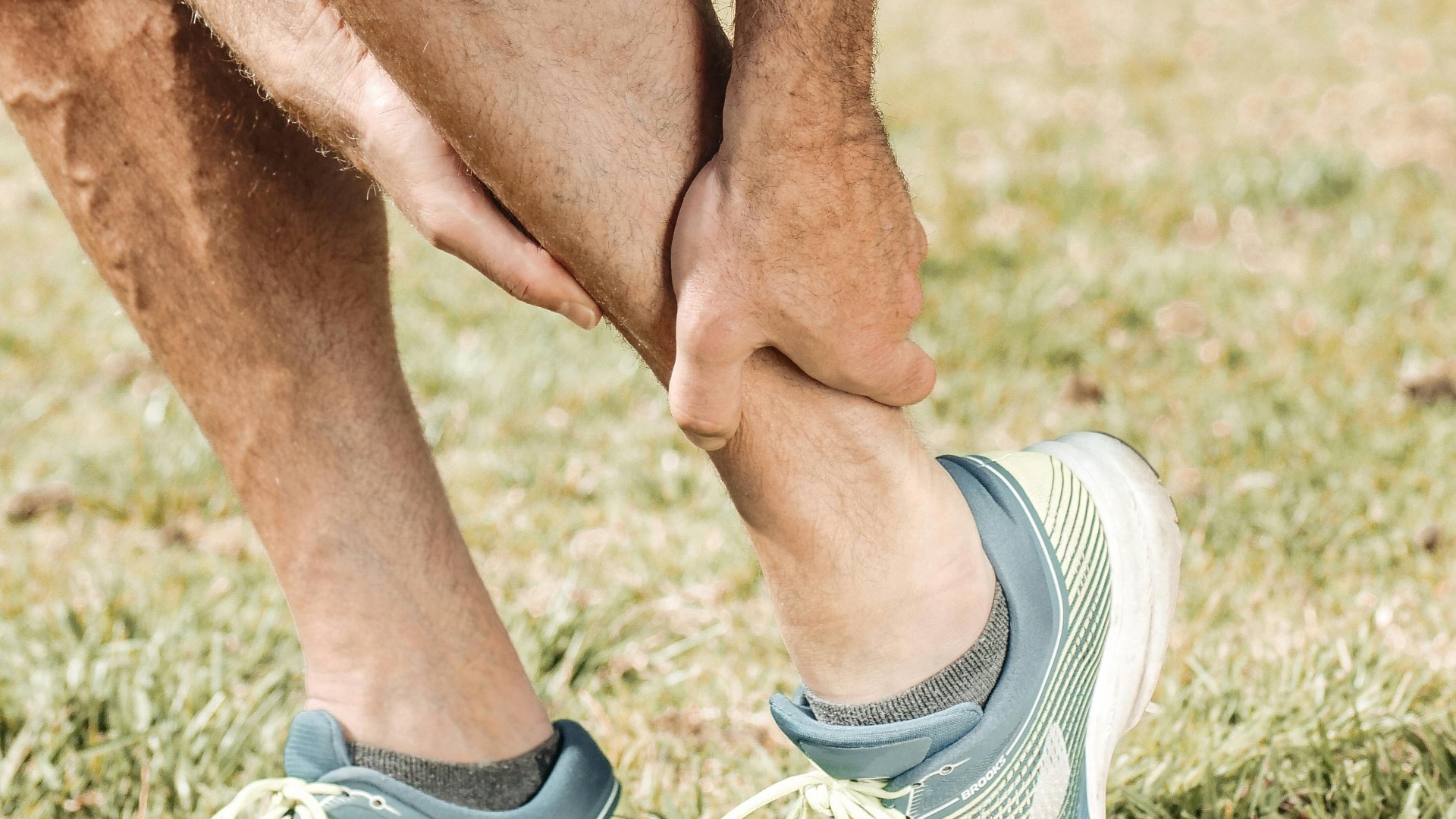
11. Doing Too Much Downhill Walking or Running
Downhill movement can be harder on the knees because your muscles have to control your body as gravity pulls you forward. That braking action may increase stress around the kneecap and thighs, especially if you’re fatigued or on uneven ground. Shorter downhill stretches, slower pacing, and stronger quadriceps can help reduce the impact.
12. Treating Swelling Like It’s No Big Deal
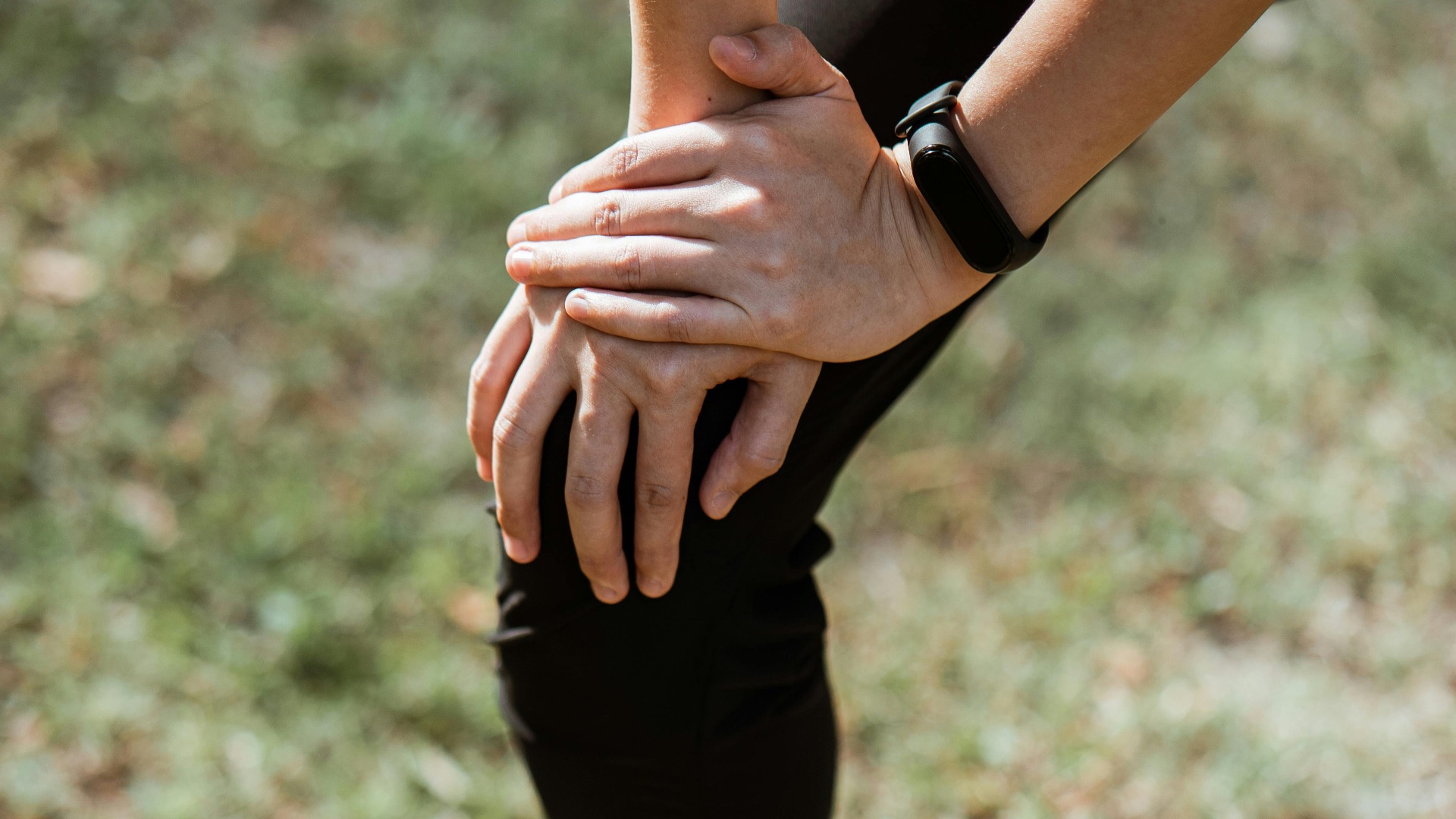
Swelling is a sign that something in or around the joint is irritated. If your knee, elbow, shoulder, or ankle swells after activity and you keep repeating the same routine, the problem may linger or worsen. Recurring swelling deserves attention, especially if it comes with warmth, instability, sharp pain, or limited movement.
13. Relying on Pain Relievers to Keep Going
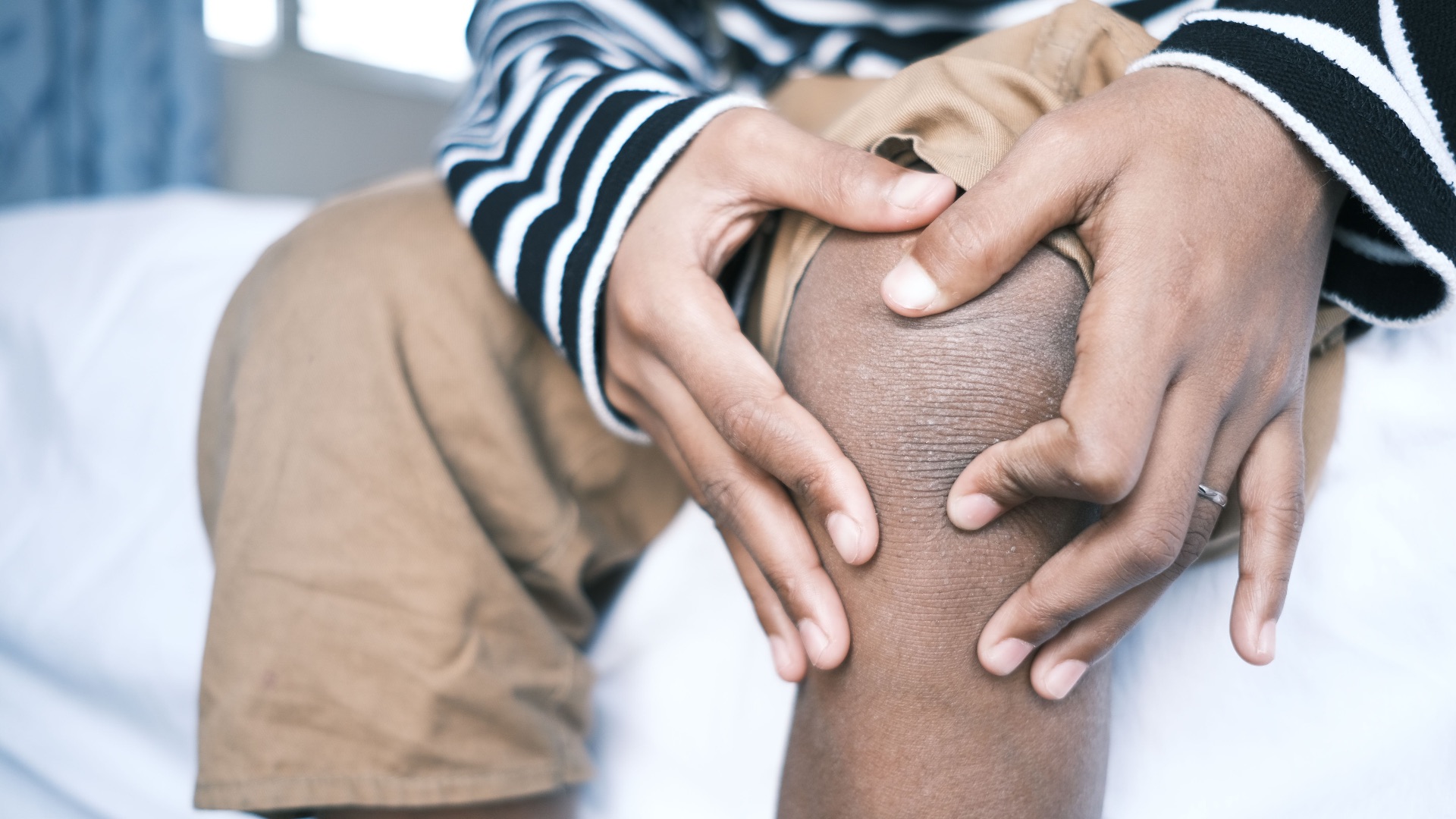
Medication can help manage discomfort, but it shouldn’t become a way to ignore what your joints are telling you. If you need pain relievers just to complete normal workouts or daily activities, there may be an underlying issue that needs adjustment or evaluation. Masking symptoms while continuing the same stress can make it harder to recognize when a joint needs rest, rehab, or medical care.

14. Neglecting Shoulder Blade Strength
Shoulder pain isn’t always about the shoulder joint alone. Weakness around the shoulder blades can affect how the shoulder moves during lifting, reaching, throwing, or pressing exercises. When those stabilizing muscles aren’t doing their job, the shoulder and neck may absorb more stress than they should.
15. Lifting Overhead When Your Shoulder Mobility Is Limited
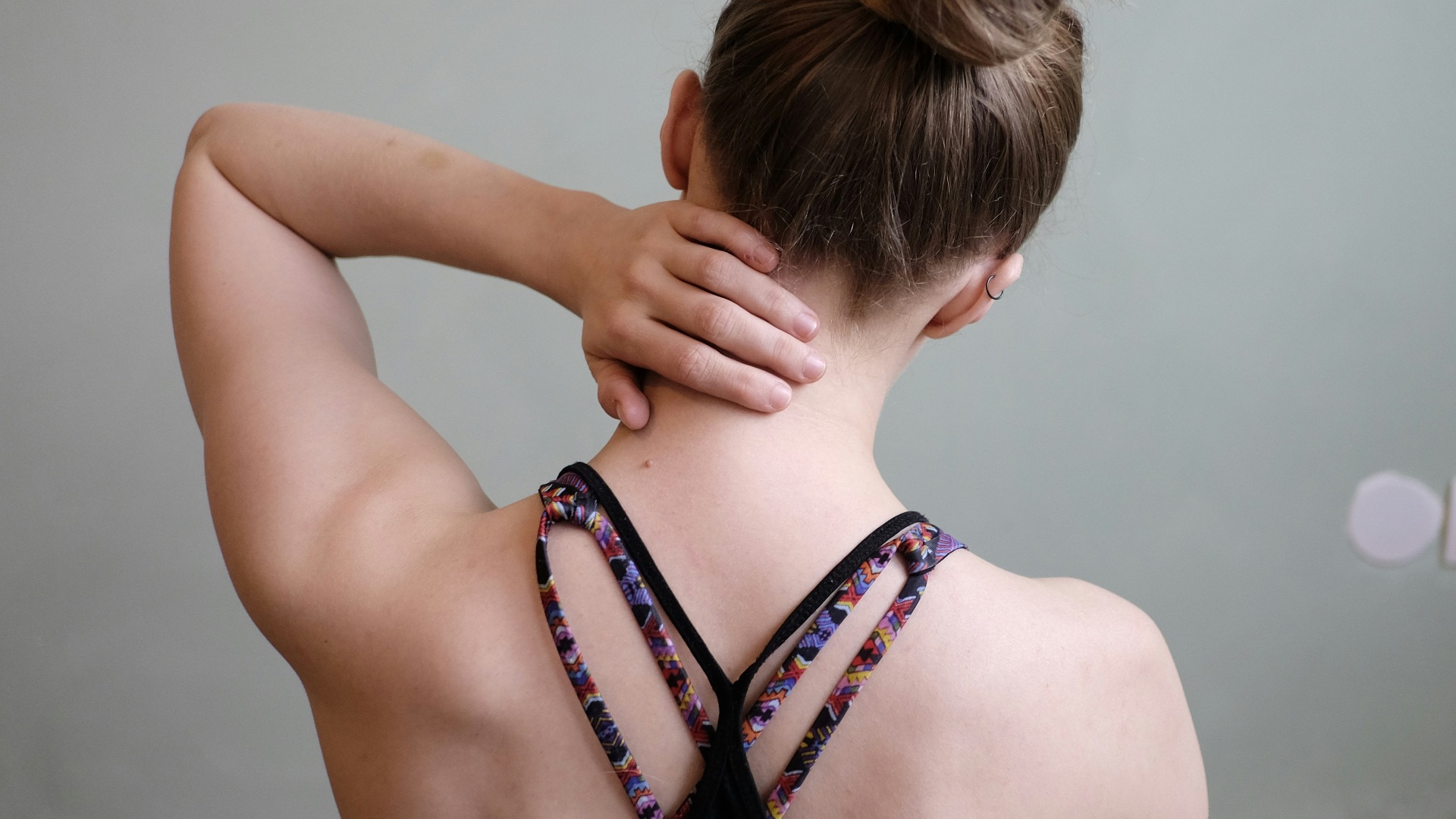
Overhead presses, pull-ups, and repeated reaching can aggravate the shoulder if you don’t have enough mobility or control. When the shoulder can’t move freely, the neck, upper back, and elbow may compensate. Improving range of motion and using lighter, controlled movements can make overhead activity safer and more comfortable.

16. Repeating Elbow-Heavy Movements Without Variation
Your elbows can become irritated from repeated pulling, gripping, throwing, pressing, or twisting motions. Tennis elbow and golfer’s elbow aren’t limited to sports; they can also come from work tasks, lifting routines, and hobbies that overload the forearm tendons. Varying your movements, building forearm strength, and taking breaks from repetitive strain can help protect the joint.

17. Letting Your Neck Do the Work During Exercise
Neck tension can creep into planks, crunches, cycling, lifting, and even running when your posture or breathing gets sloppy. If you clench your jaw, shrug your shoulders, or crane your head during effort, the joints and muscles in your neck may become irritated. Keeping your head aligned and relaxing your shoulders can reduce unnecessary upper-body strain.
18. Not Training Through a Full, Comfortable Range of Motion
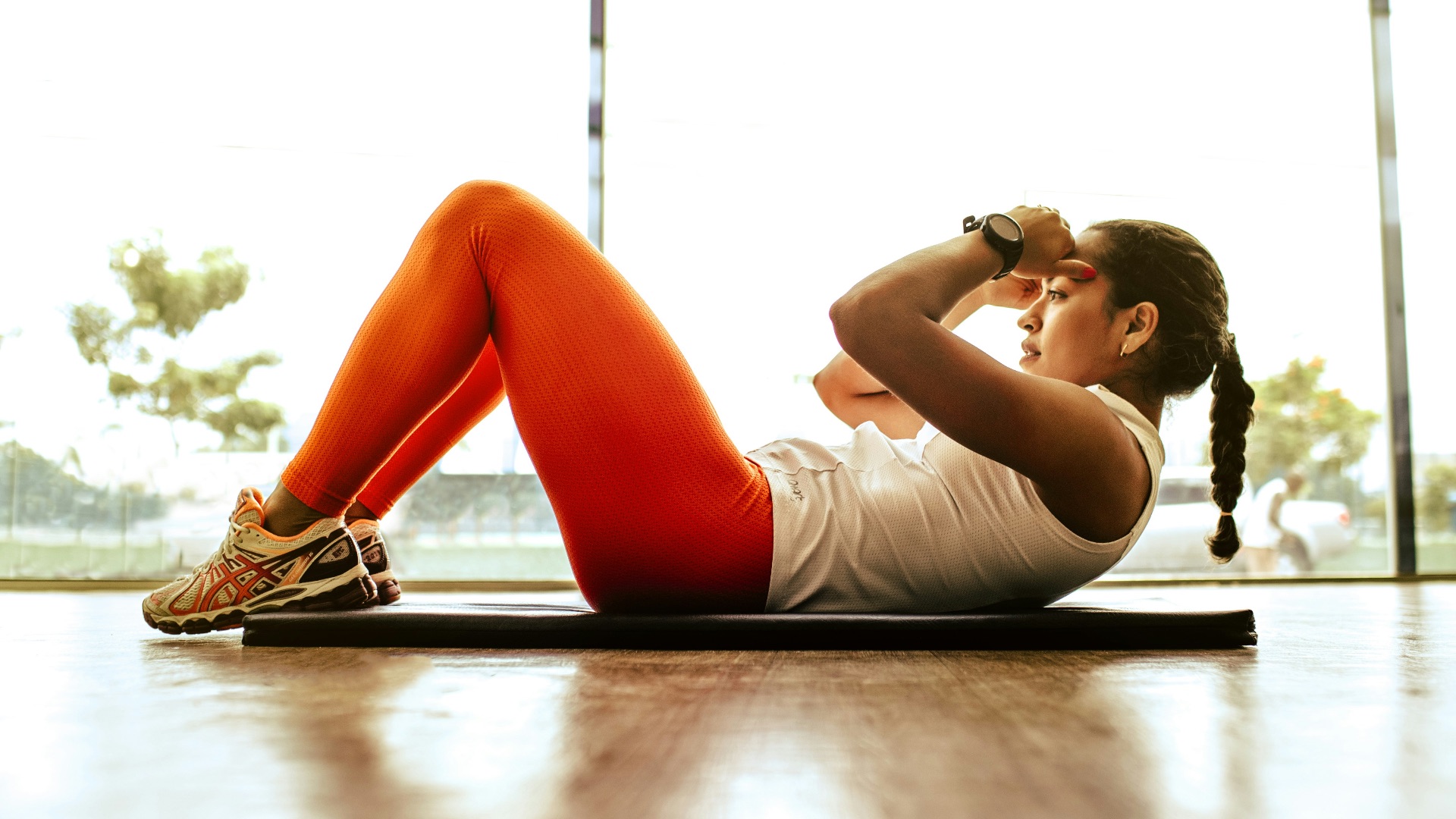
Joints generally benefit from movement, but many people only move through the small ranges they use every day. Over time, that can leave certain positions feeling stiff, weak, or unstable. Controlled mobility and strength work through a comfortable range can help maintain joint function without forcing painful positions.
19. Underestimating Inflammation
Joint health isn’t only mechanical; inflammation can also influence pain, stiffness, and recovery. Smoking, poor sleep, excessive alcohol, and a low-nutrient diet may all make it harder for your body to manage stress and repair tissues well. You don’t need a perfect lifestyle, but consistent habits that support recovery can make your joints less reactive.

20. Waiting Until Your Movement Is Severely Limited
A small joint problem is often easier to address before it changes how you walk, lift, sleep, exercise, or work. If knee pain changes your stride, shoulder pain limits your reach, or elbow pain affects your grip, your body may start compensating in ways that create new problems. Getting help earlier can clarify what’s going on and give you a plan before the issue becomes more disruptive.
KEEP ON READING


20 Things Your Body Is Secretly Doing Right Now


20 Ways To Tell If Someone Is Lying To You