Remarkably Old Roots
Wellness culture has a habit of making very old practices feel brand new. Meditation apps, sauna circuits, facial tools, cold plunges, and breathwork classes may come with modern branding, but their roots stretch back through generations of cultural, religious, communal, and healing traditions. The rooms, tools, and language may have changed, but the basic ideas remain easy to recognize. These 20 ancient health rituals still have a clear place in modern wellness culture.
 CRYSTALWEED cannabis on Unsplash
1. Yoga
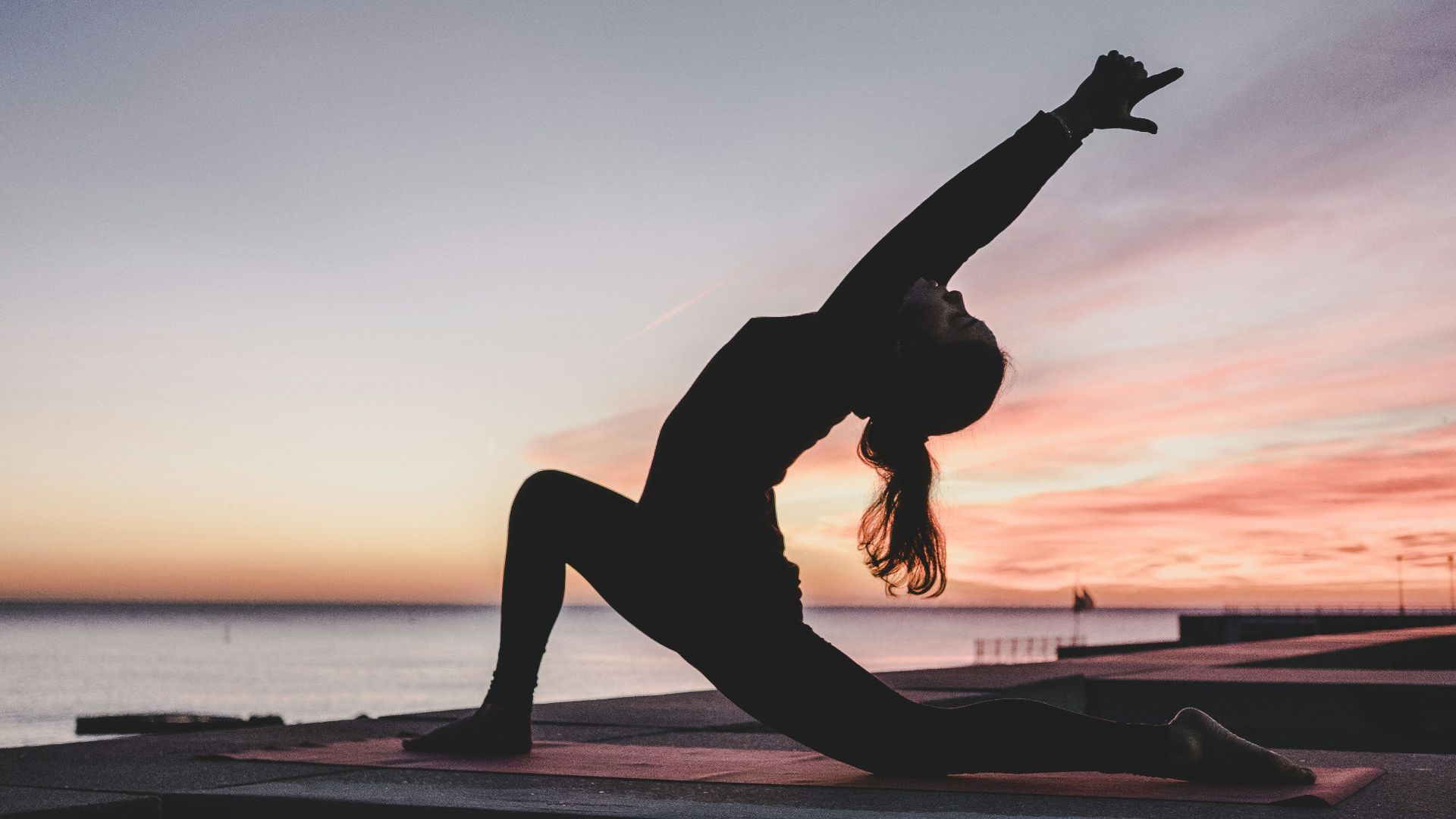
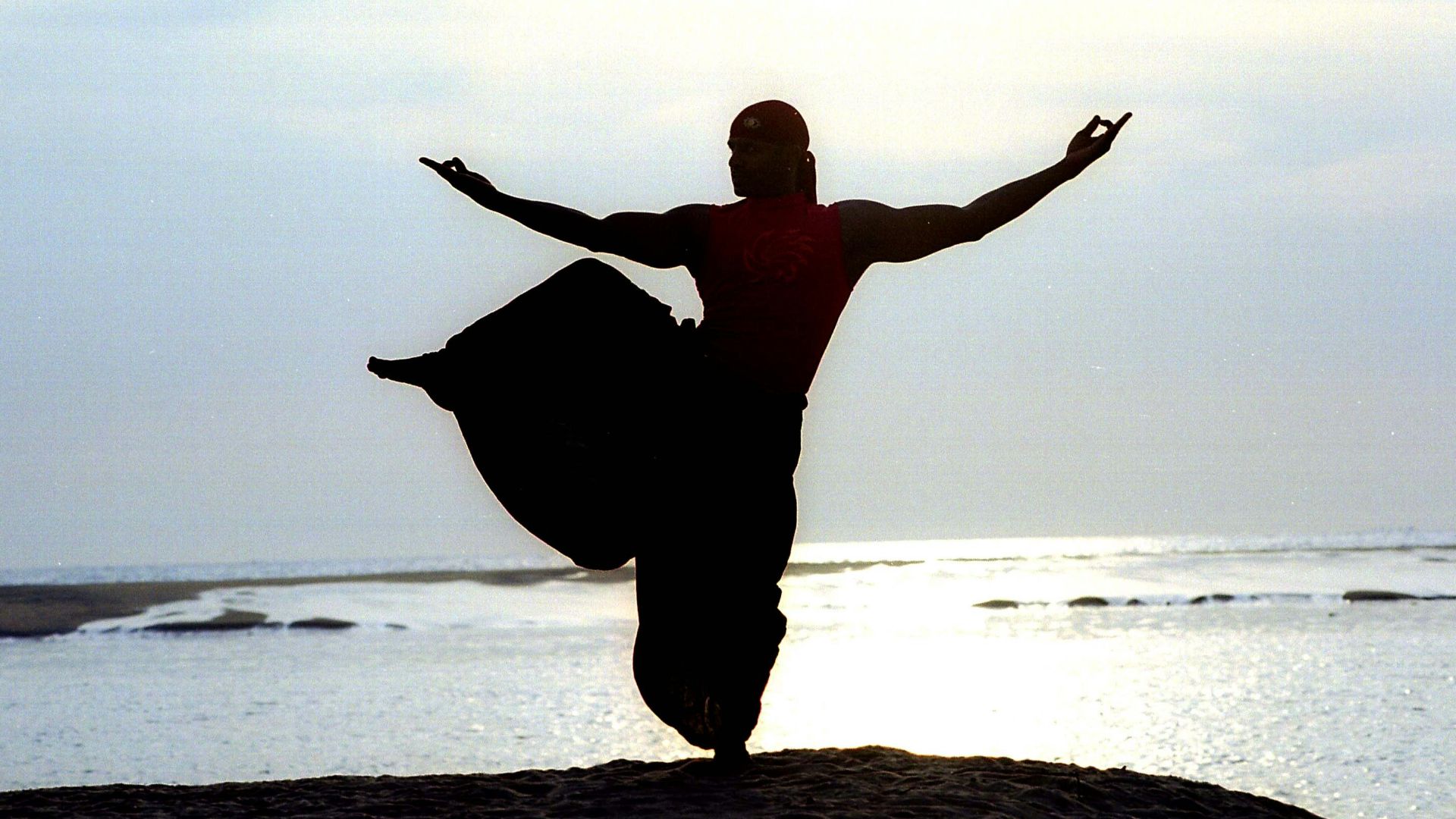
Yoga is an ancient practice rooted in Indian philosophy. It began as a spiritual tradition that brings physical postures, breathing, relaxation, and meditation together as parts of a larger practice. Modern studio classes often spend most of their time on movement, flexibility, and challenging poses, but the breathing exercises, periods of stillness, and quiet ending found in many sessions still connect to yoga’s broader roots.
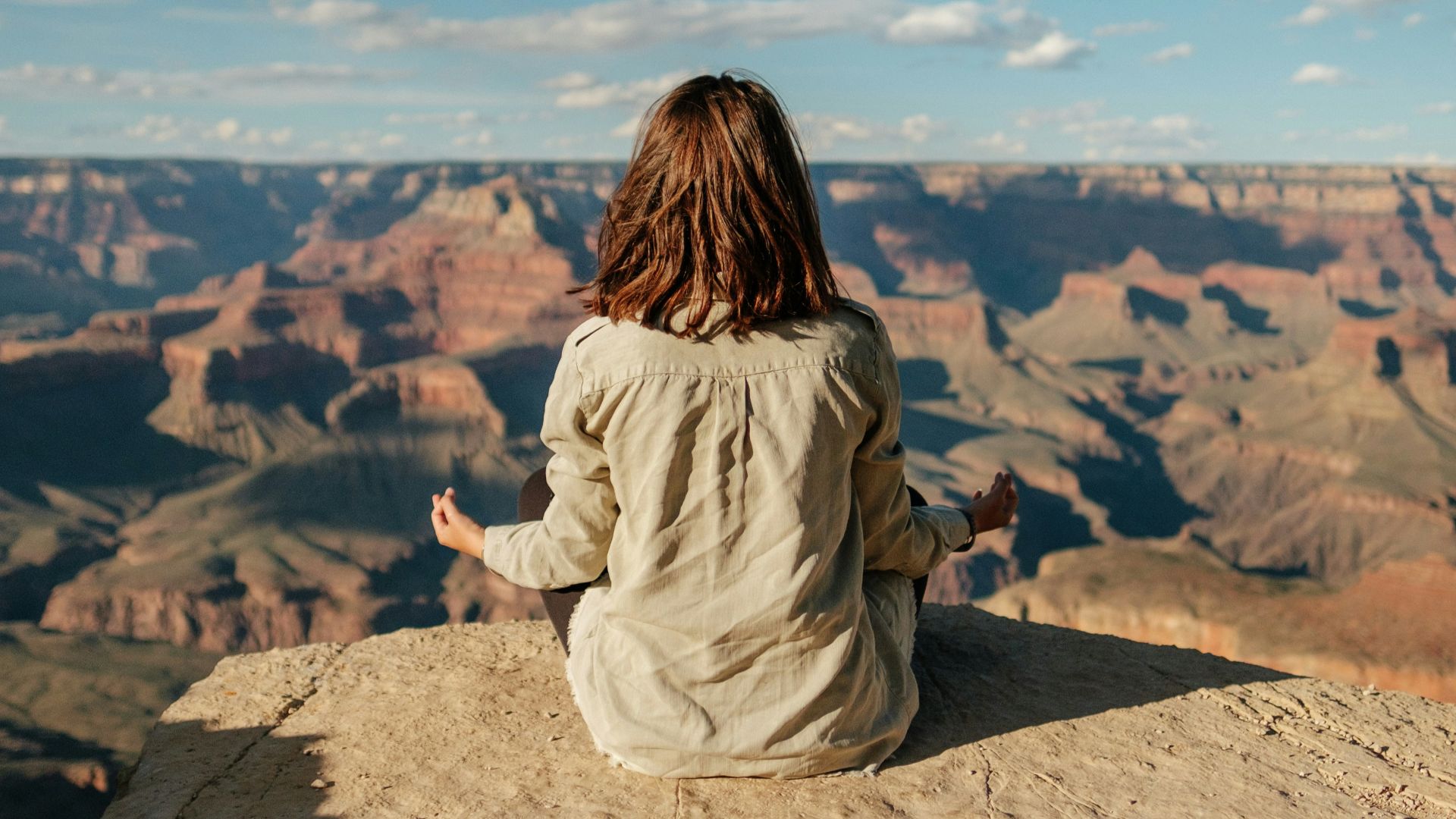
2. Seated Meditation
Meditation goes back thousands of years, and many of its techniques began in Eastern traditions. These days, it’s just as likely to appear in a phone app, workplace wellness program, weekend retreat, or someone’s morning routine. The setting has changed quite a bit, but the main action remains familiar.
3. Pranayama
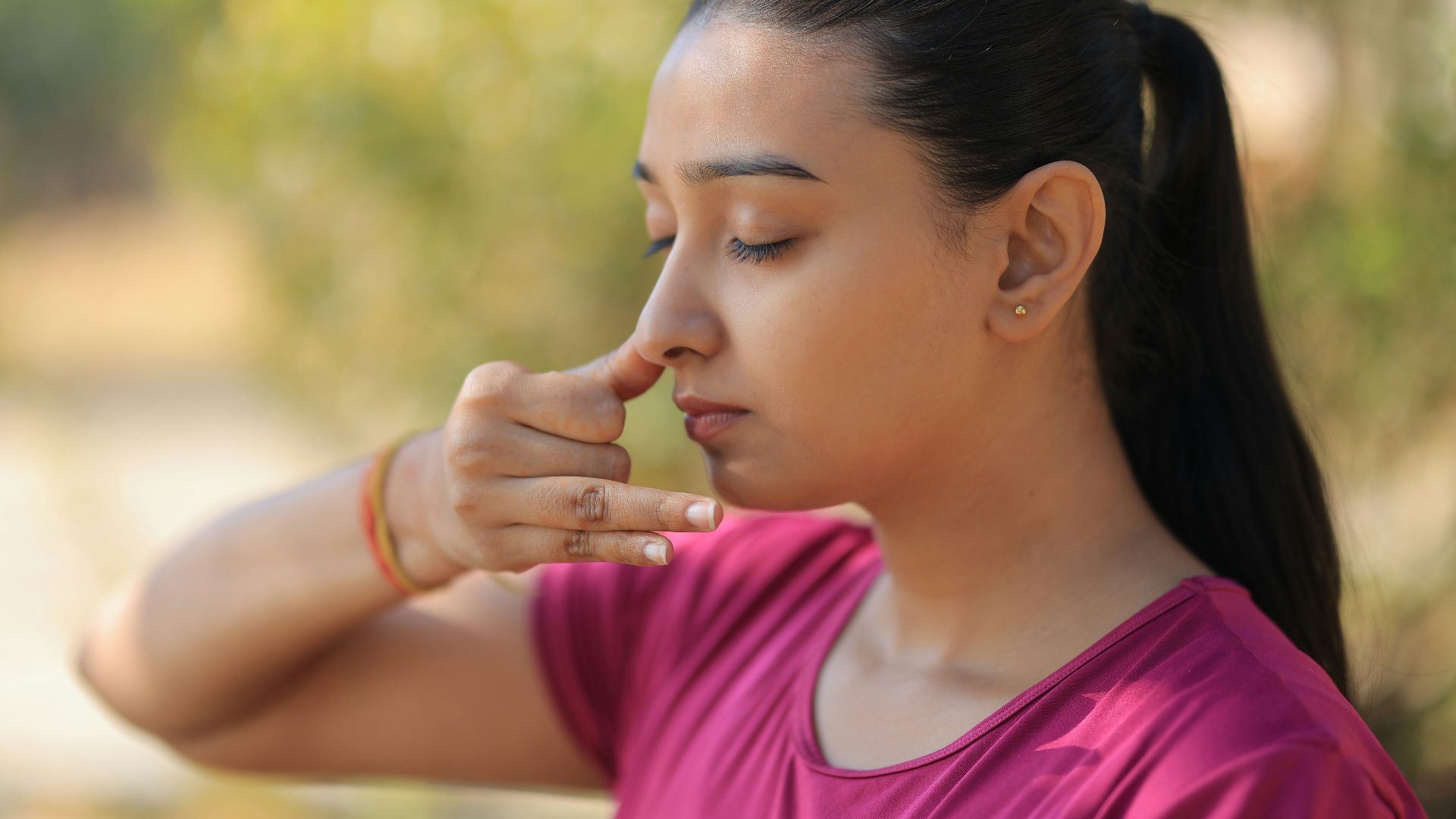
Pranayama is the name for yoga’s breathing practices, which can include measured inhales, deliberate pauses, controlled breathing patterns, and longer exhales. It remains one major example of an old practice that gives breathing a central role.
4. Mantra Chanting
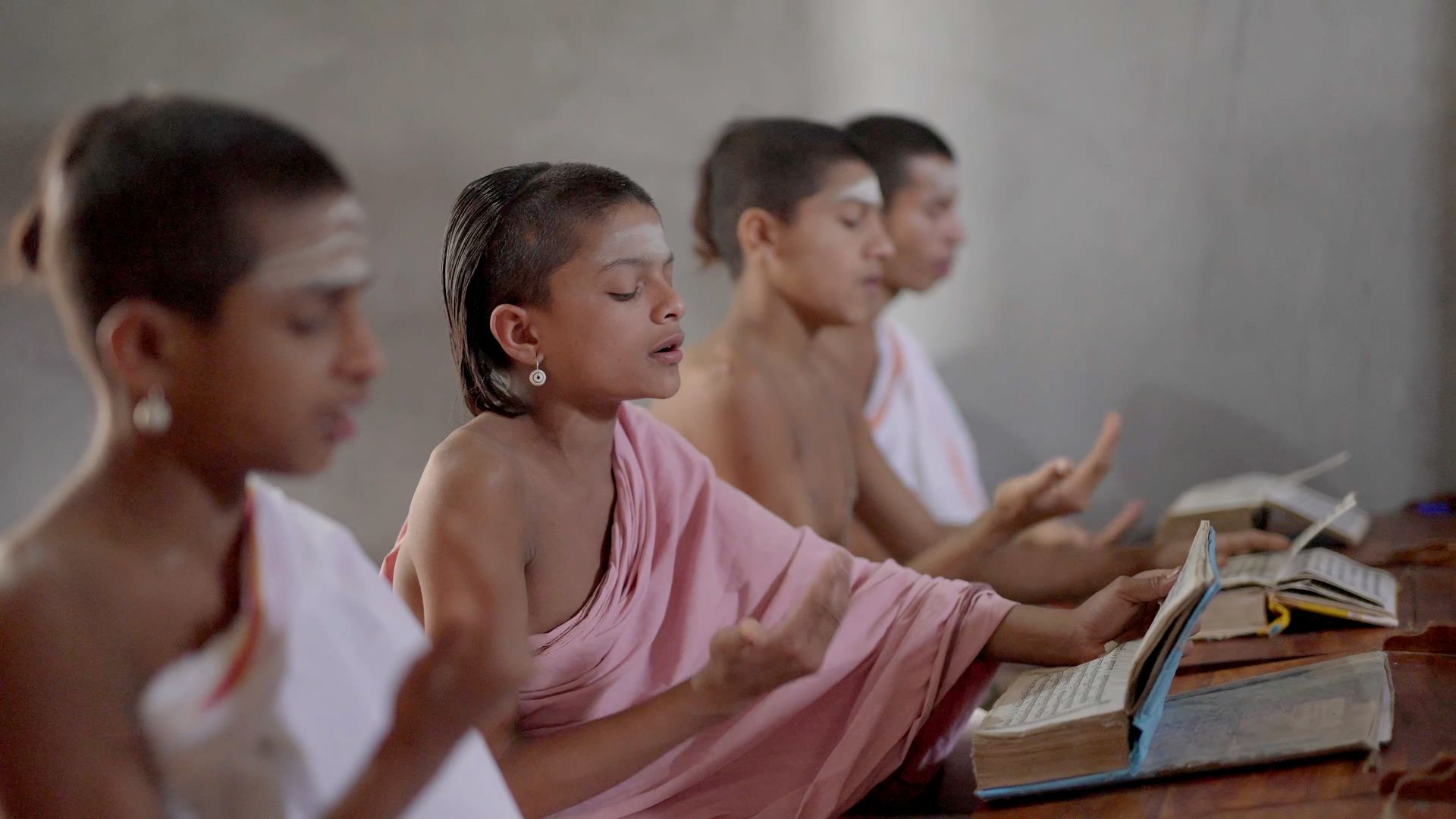
Mantras come from early Indian religious traditions and have long been used in ritual and meditation. A word or phrase may be spoken aloud, repeated silently, chanted with a group, or simply held in the mind. Modern yoga classes and group chanting sessions sometimes present the practice in a polished wellness setting, but the tradition behind it runs much deeper.
5. Abhyanga
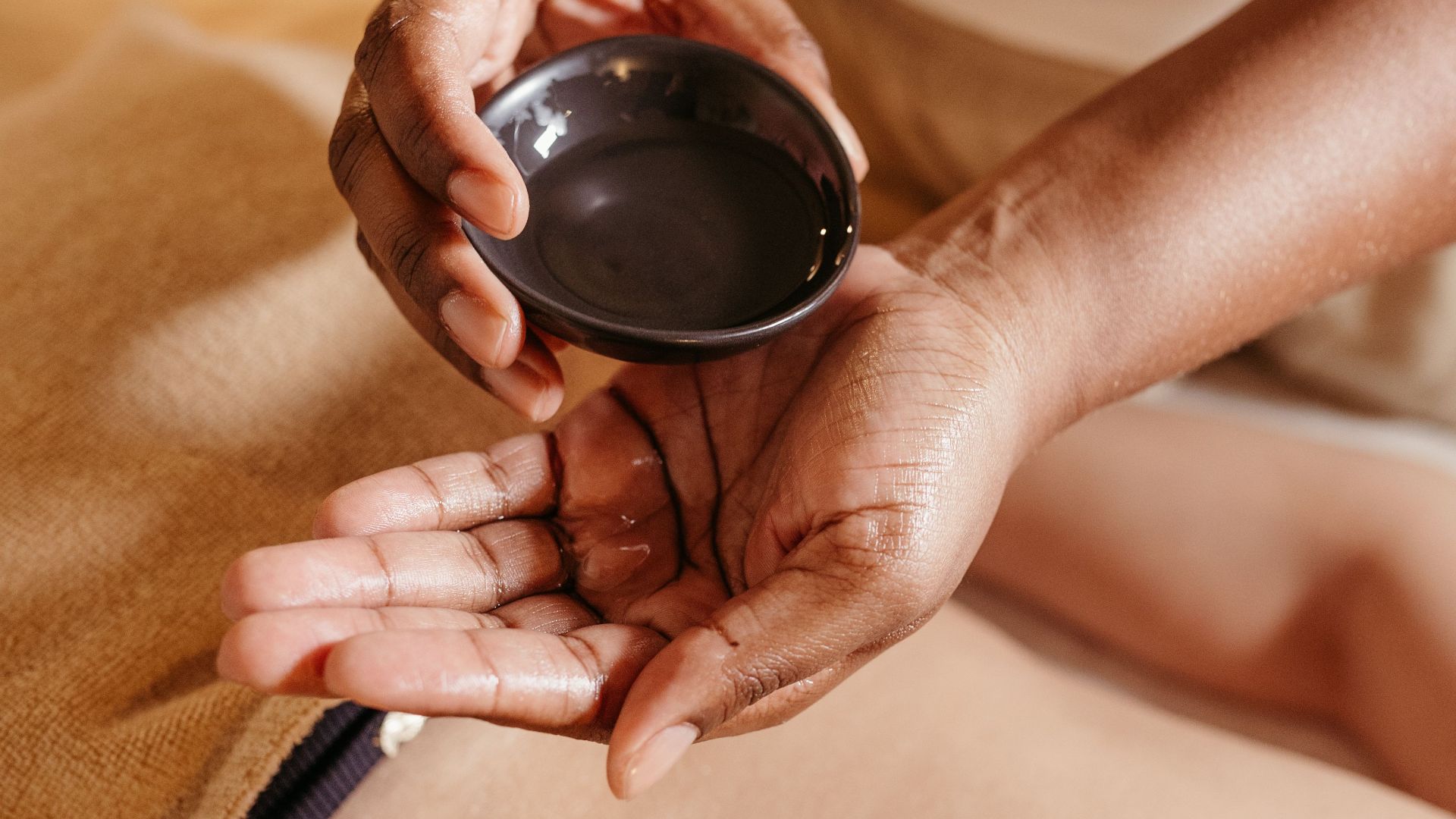
Abhyanga is a warm-oil massage practice found in Ayurvedic daily routines. Its influence now shows up in spa treatments and at-home rituals centered on slowly massaging the body before bathing. The appeal isn’t hard to understand. It’s a simple rhythm that encourages people to slow down rather than race through another part of the day.
6. Oil Pulling
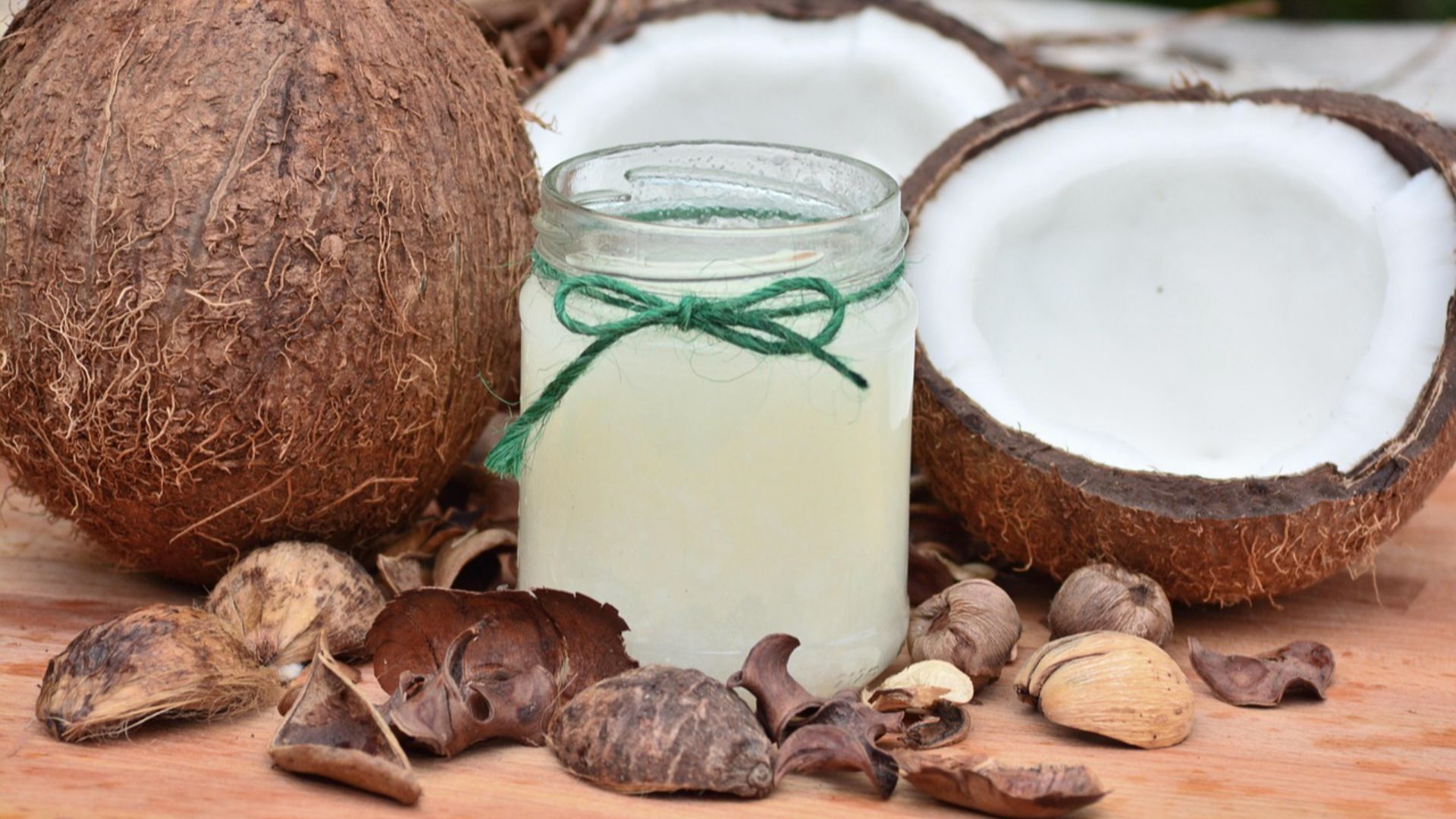
Oil pulling is a traditional Ayurvedic oral practice that involves swishing edible oil around the mouth. Coconut oil has helped turn it into a repeating social media trend, often alongside big promises about whiter teeth or better dental health.
7. Neti Nasal Cleansing
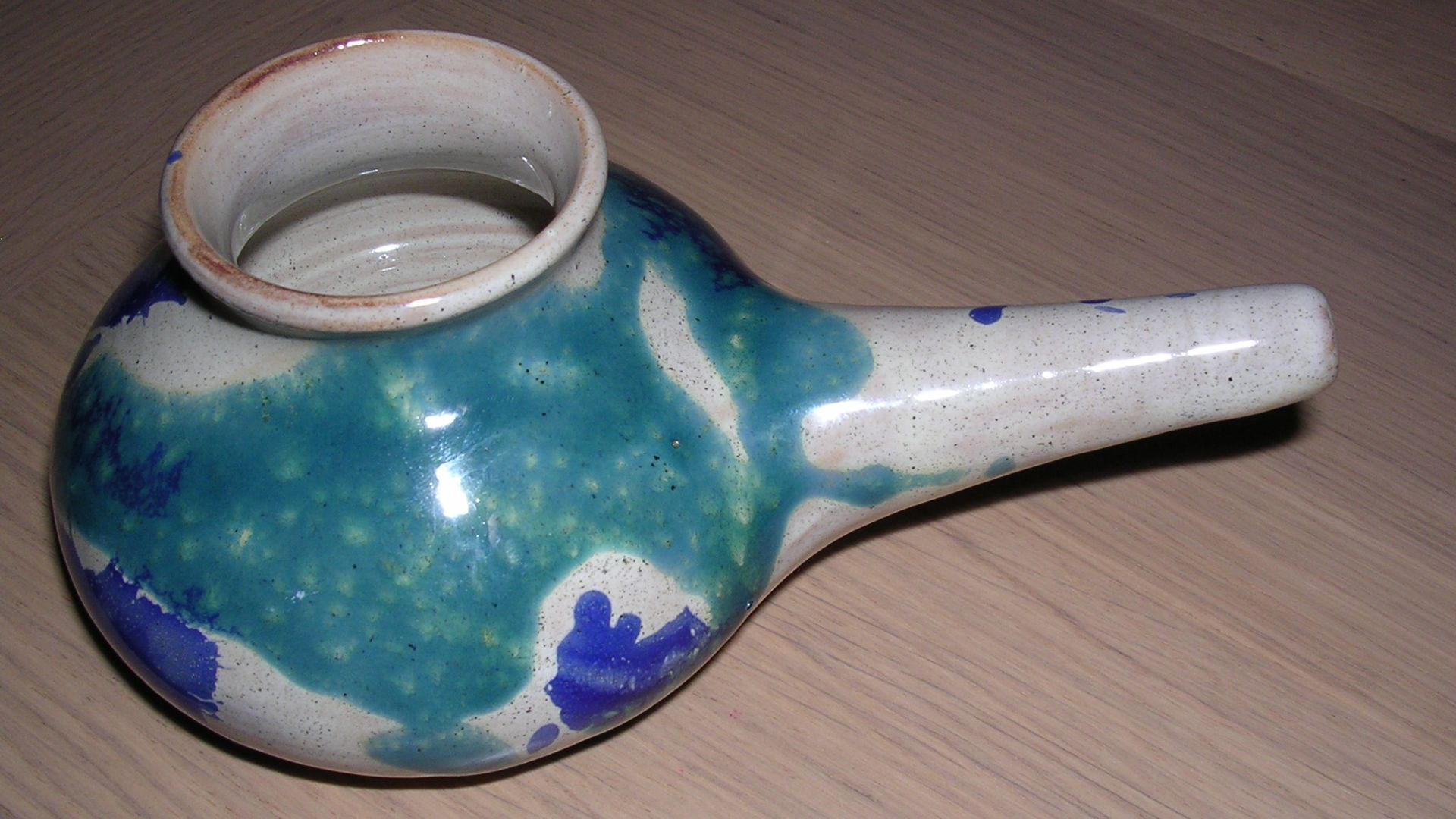
Jala neti is a yogic approach to nasal cleansing that helped make the neti pot a familiar bathroom item. Modern nasal rinsing follows the same main idea of moving saline through the nose.
8. Acupuncture
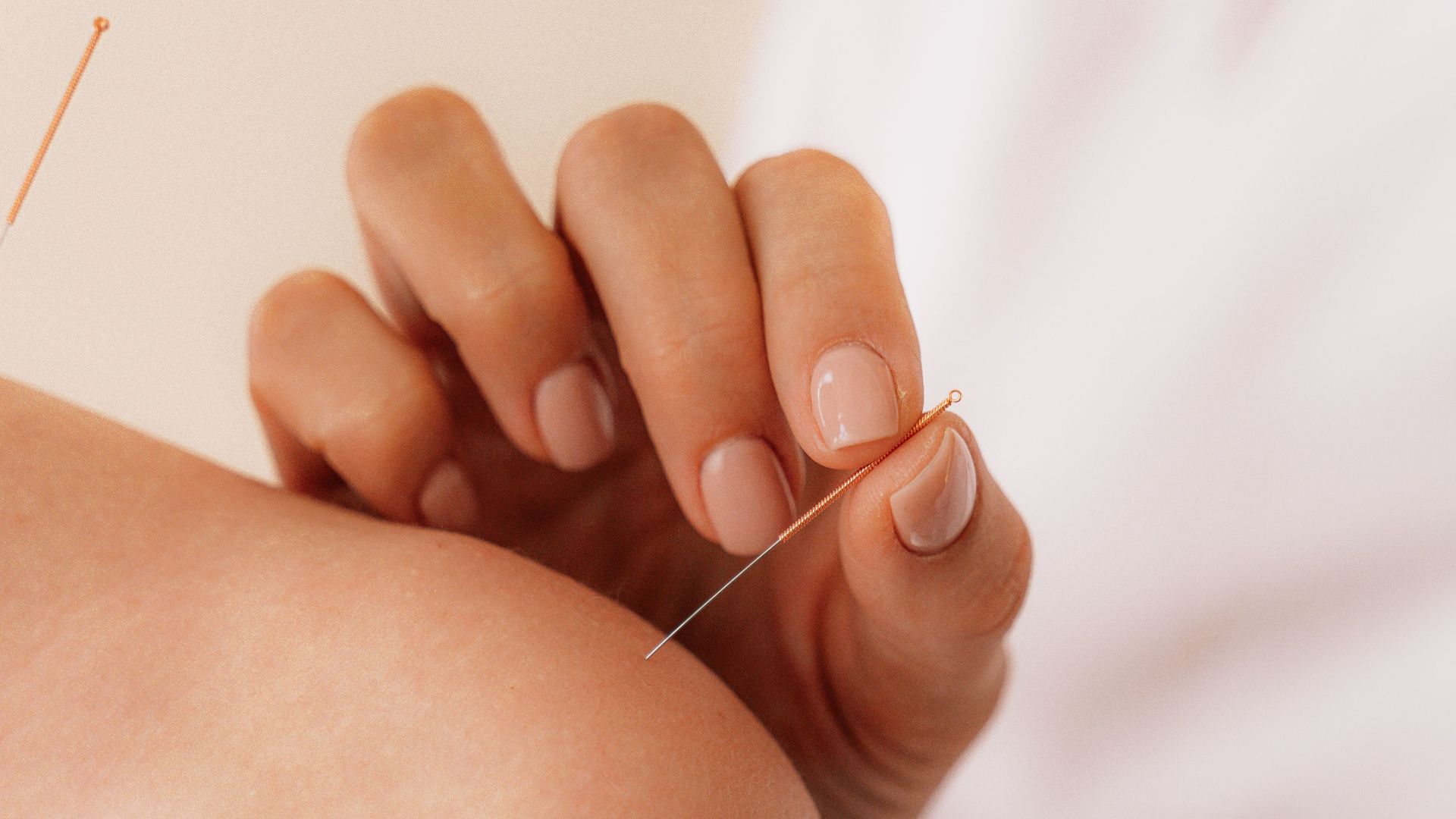
Acupuncture is one of the best-known practices within traditional Chinese medicine. Practitioners stimulate specific points on the body, usually with thin needles, and the practice is now offered far beyond its place of origin. Many modern treatment rooms use low lighting, soft music, and other spa-like touches to help clients relax.
9. Moxibustion
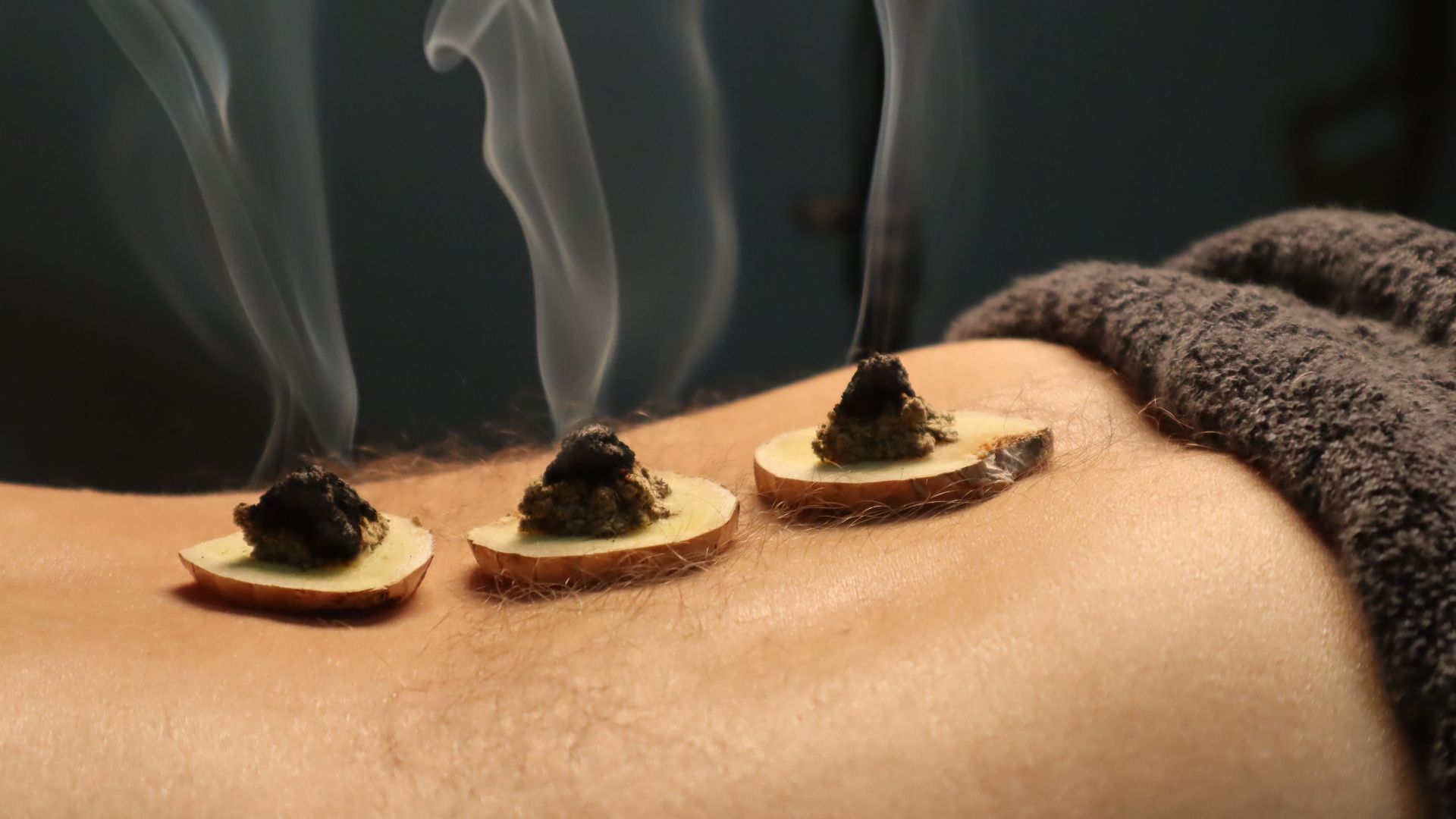
Moxibustion uses moxa, usually made from dried mugwort, to warm selected points on the body. It has long been practiced alongside acupuncture and remains part of the work done by trained practitioners.
 Chinese Medicine Podcast Podcast on Pexels
10. Cupping
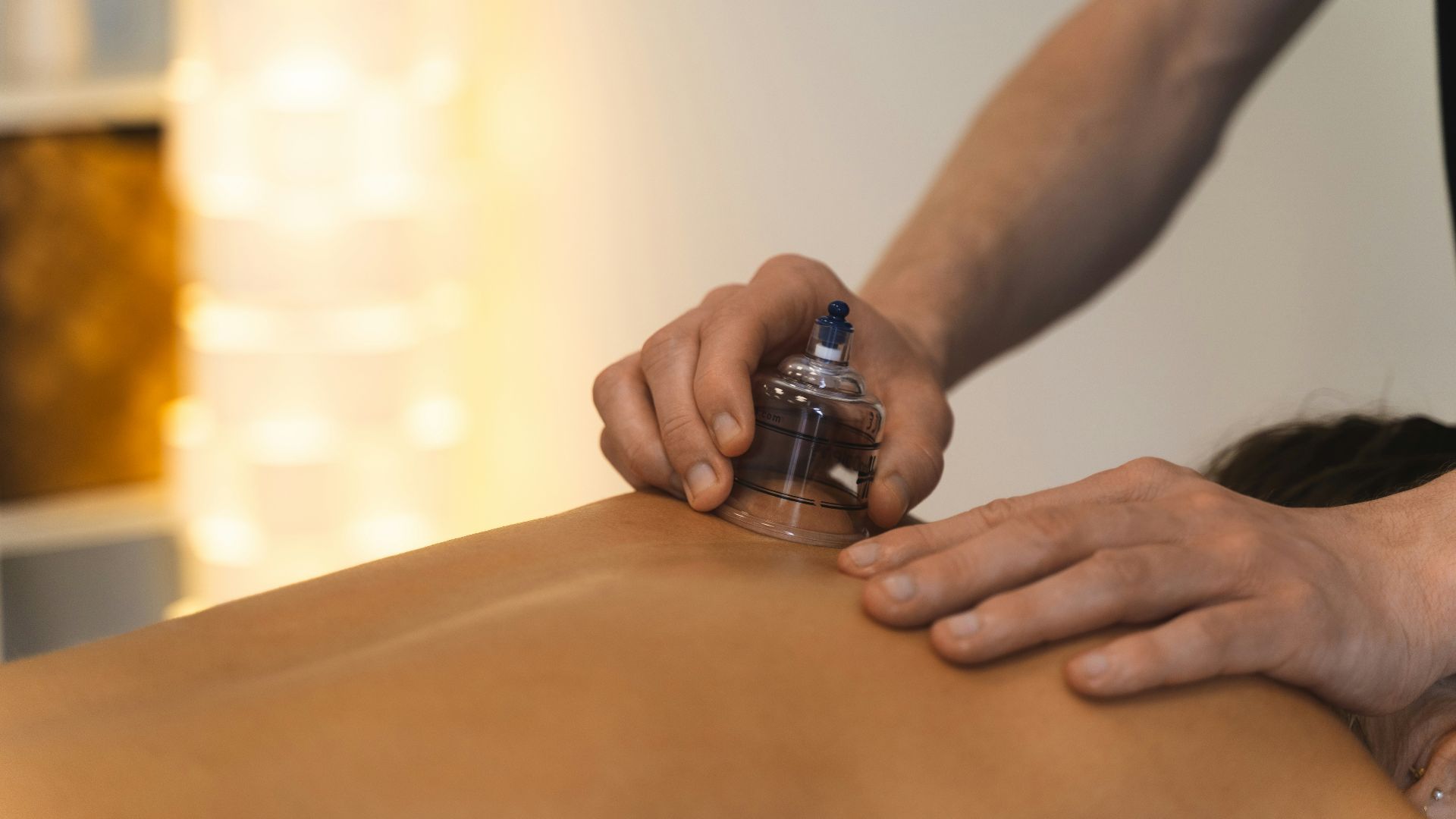
Cupping appears in traditional medicine across several parts of the world, including China and the Middle East. During a session, cups create suction against the skin and can leave temporary circular marks. Those marks have become a familiar sight in sports and wellness culture, especially when athletes or public figures appear with dark circles across their backs or shoulders.
11. Gua Sha
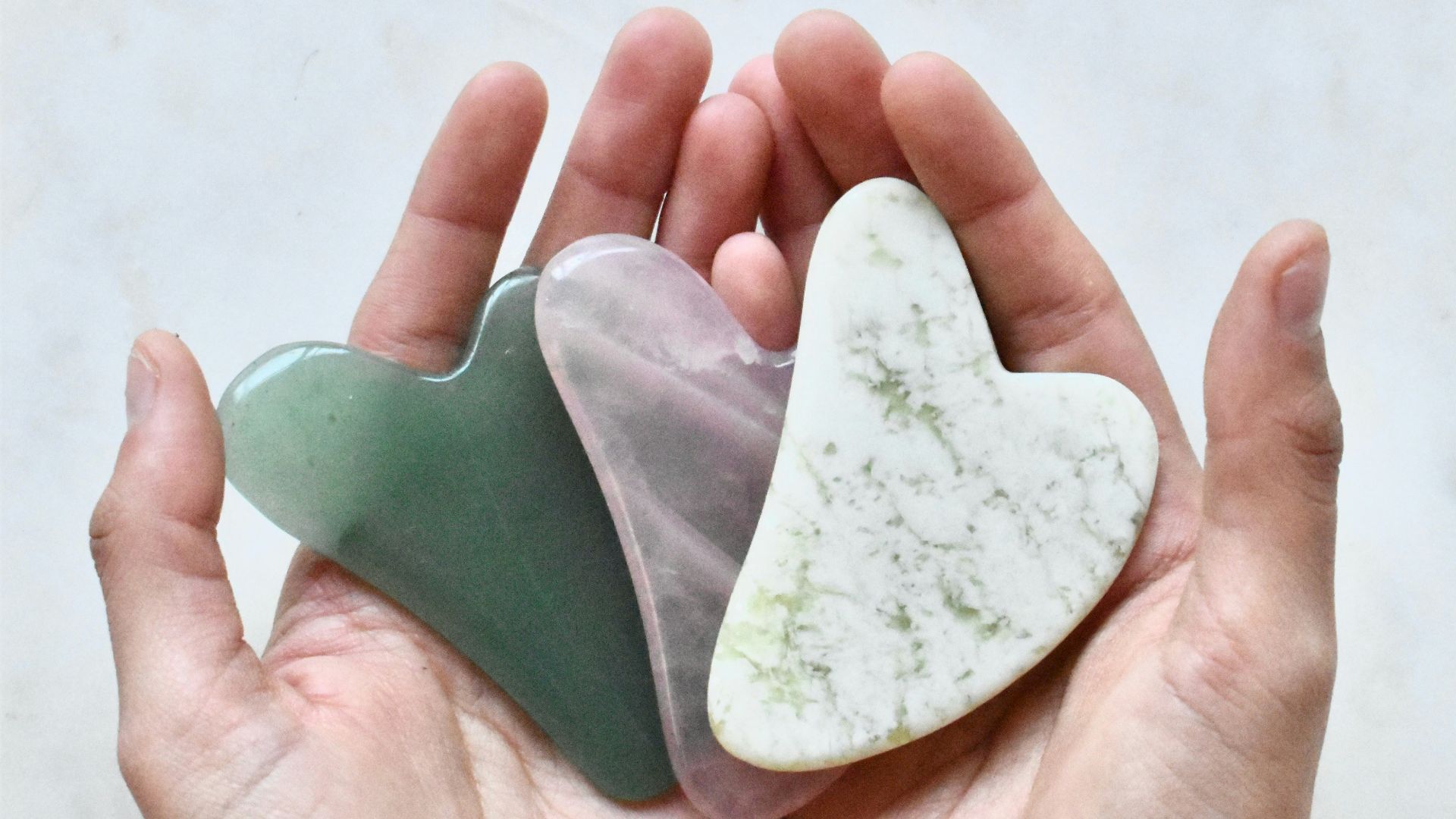
Gua sha is a traditional Chinese scraping technique that has become a regular feature in facial wellness routines. Facial use usually involves gentle pressure and a smooth-edged tool, while work done on the body can be much stronger.
12. Tai Chi
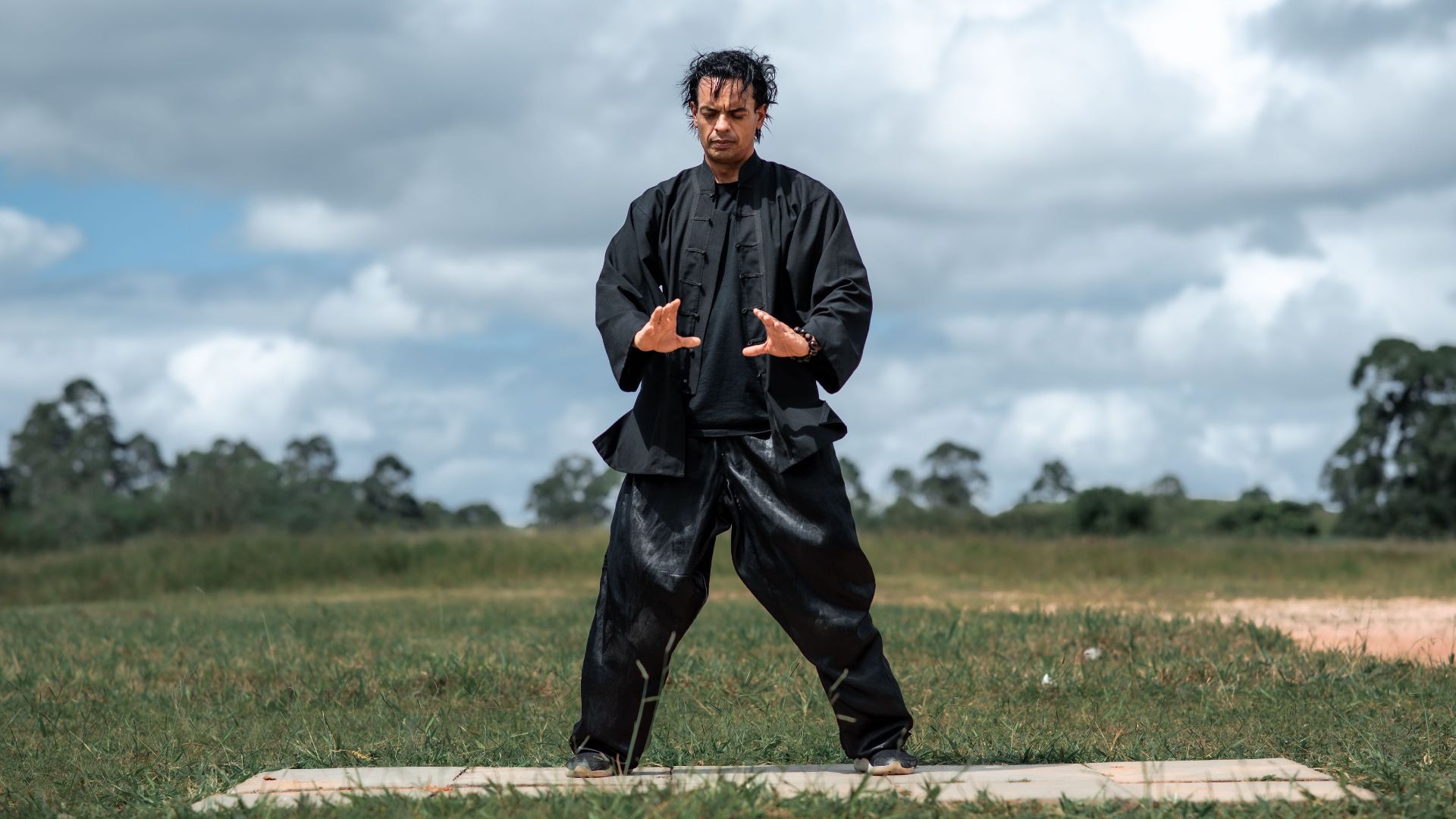
Tai chi is a centuries-old mind-body practice that combines postures, gentle movement, mental attention, breathing, and relaxation. Its martial arts roots remain part of the tradition. The movements are controlled and deliberate, and the pace gives people time to pay attention to posture and breathing. Tai chi can look simple, but each movement is part of a wider practice that brings together physical control, concentration, breath, and calm.
 MASTER KAMAL SRINIVAS on Unsplash
13. Qigong
Qigong is related to tai chi, though it includes its own range of movements, breathing practices, and exercises that require concentration. Modern qigong classes often appear alongside yoga, meditation, and tai chi in studios, community centers, or group wellness programs.
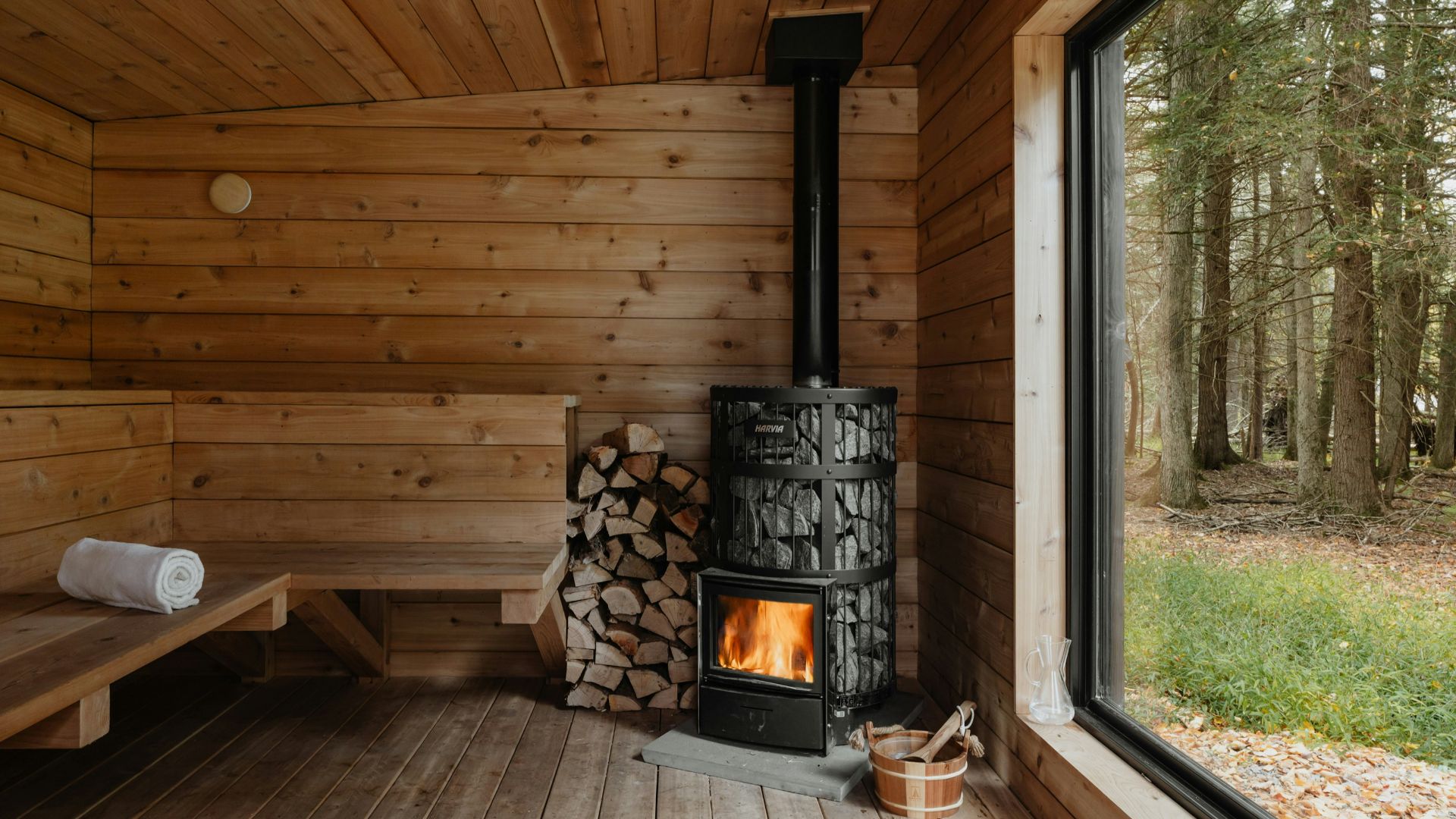
14. Finnish Sauna Bathing
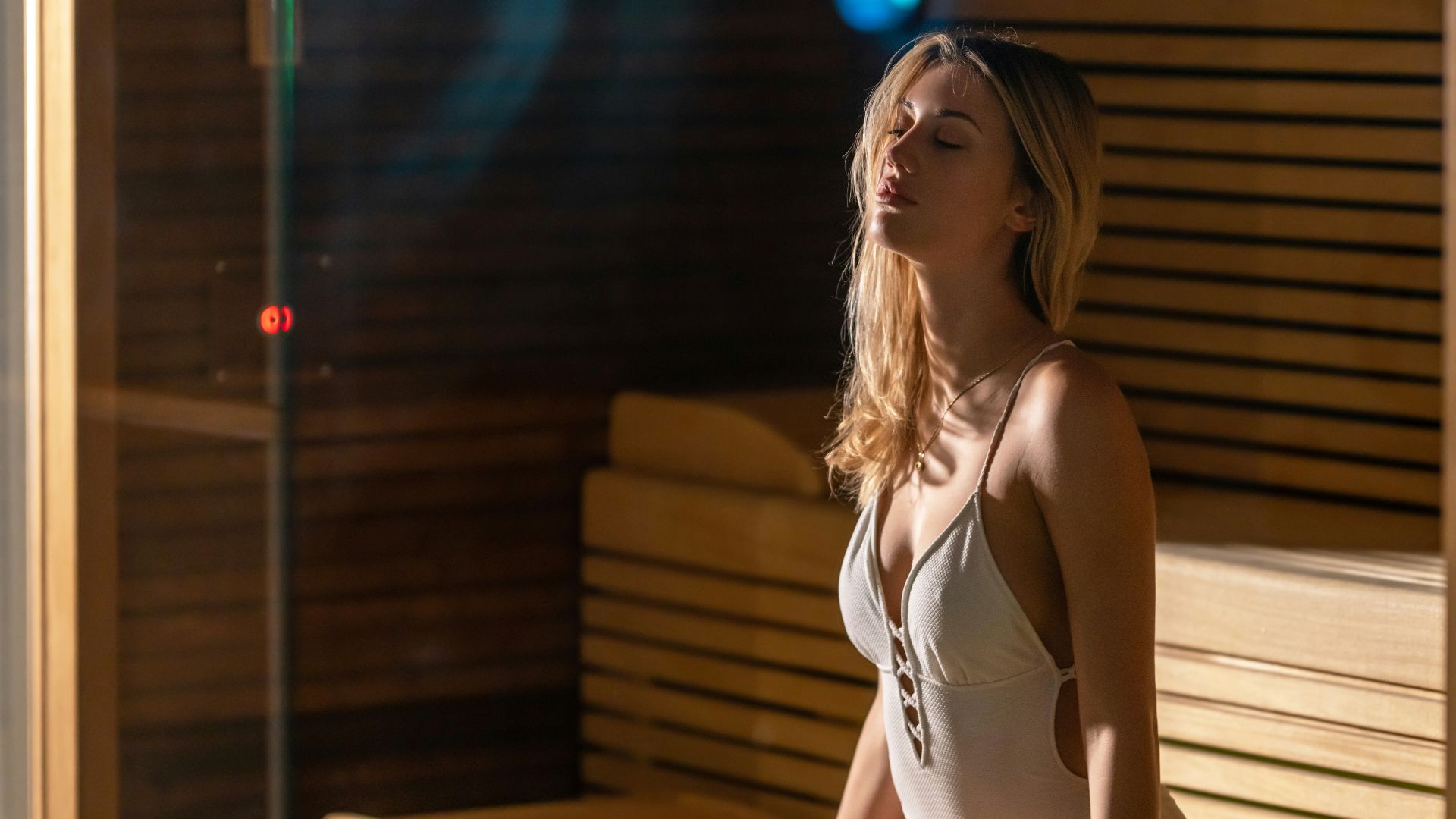
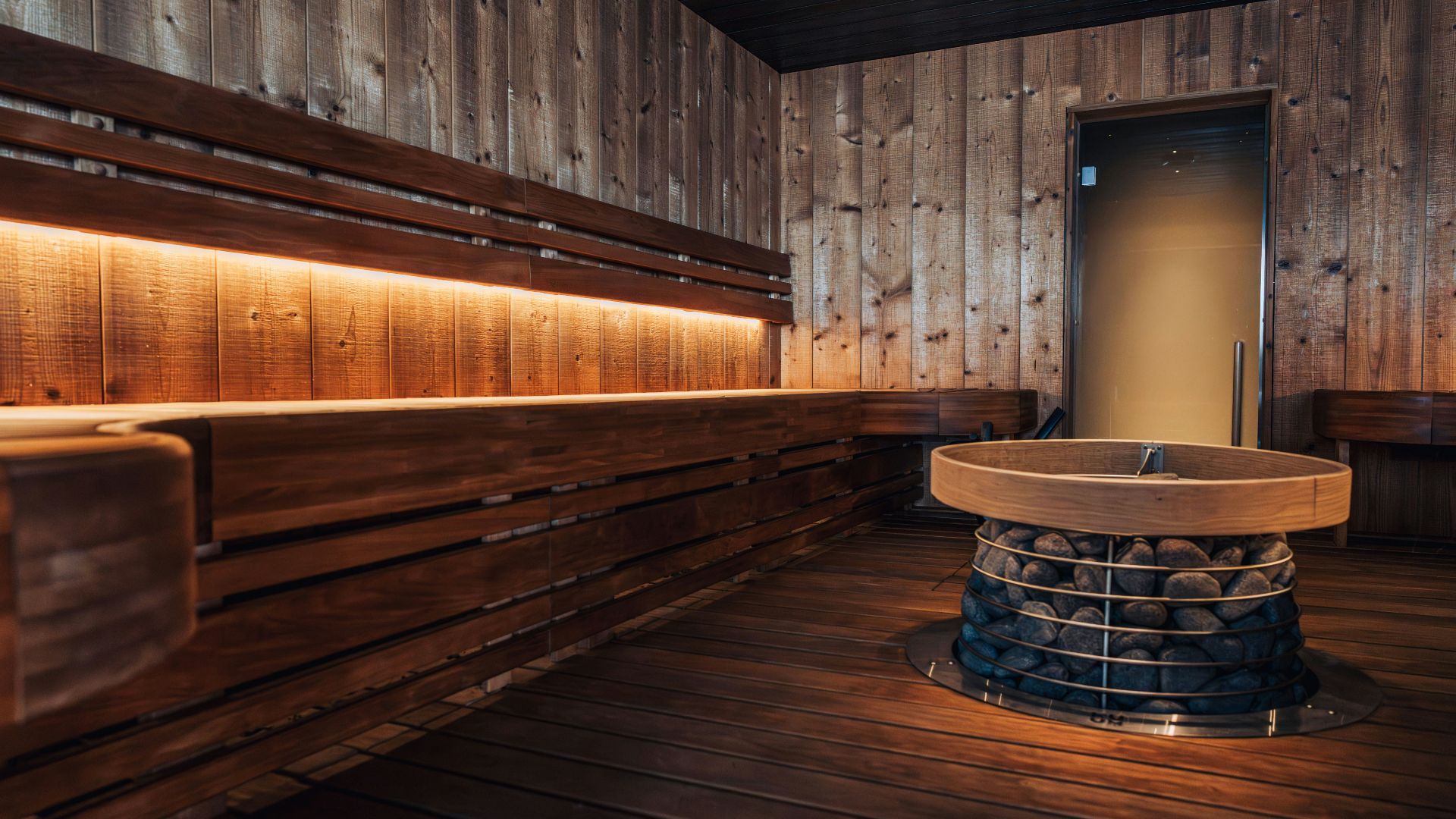
Finnish sauna culture involves much more than sitting in a hot room. Finnish sauna tradition has long connected heat with routine, cleanliness, conversation, rest, and time spent with other people. Today’s sauna-and-plunge trend may come with sleek rooms, booking apps, and matching towels, but the basic combination is much older and much more social.
15. The Roman Bath Circuit
Roman bath complexes included different rooms for hot, warm, and cold bathing. Visitors moved through the caldarium, tepidarium, and frigidarium as part of the larger bathing experience. Modern spa circuits follow a very old pattern when they guide guests through heated rooms, warm spaces, cold pools, and rest areas.
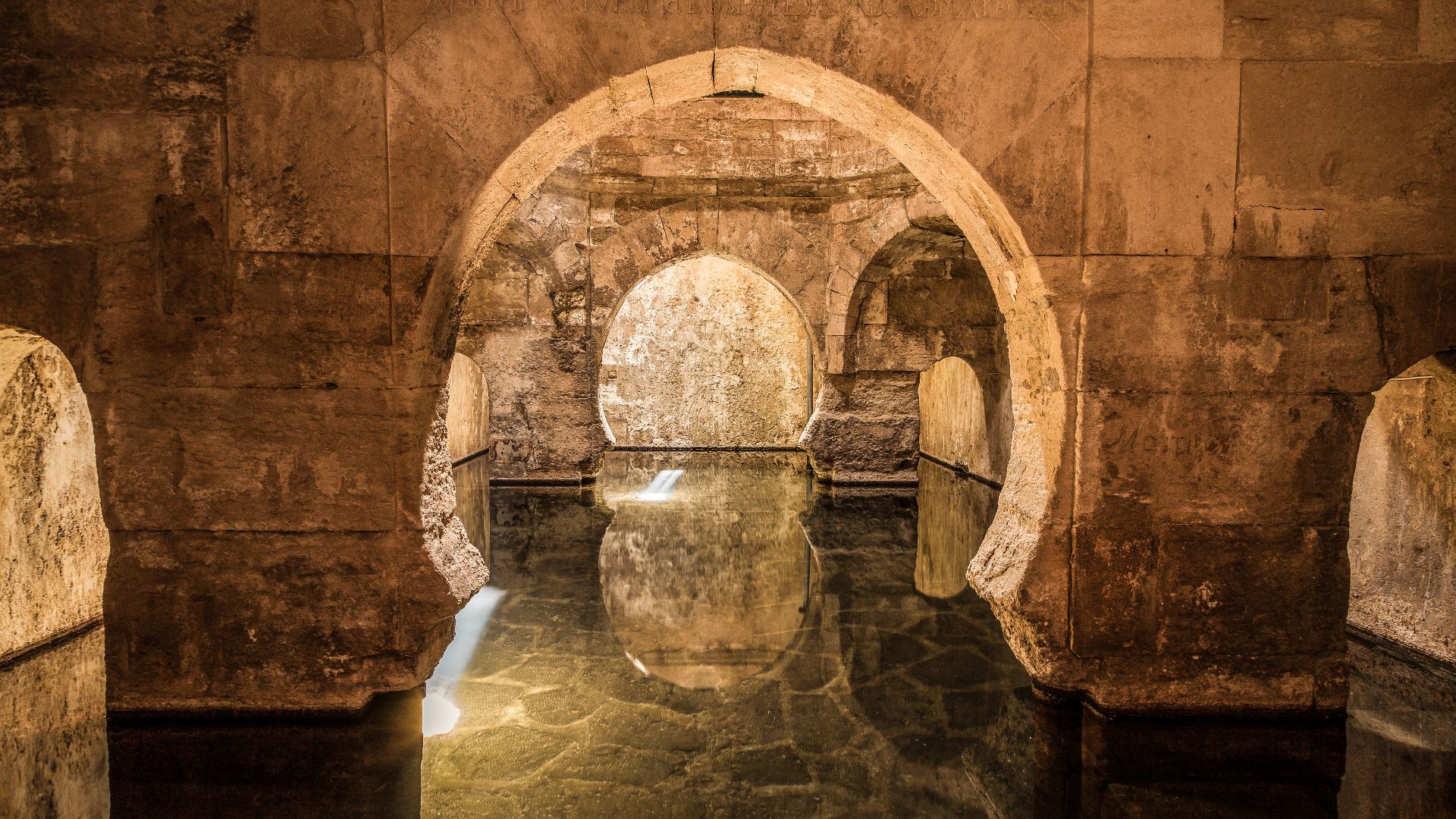 SuperCar-RoadTrip.fr from Bordeaux, France on Wikimedia
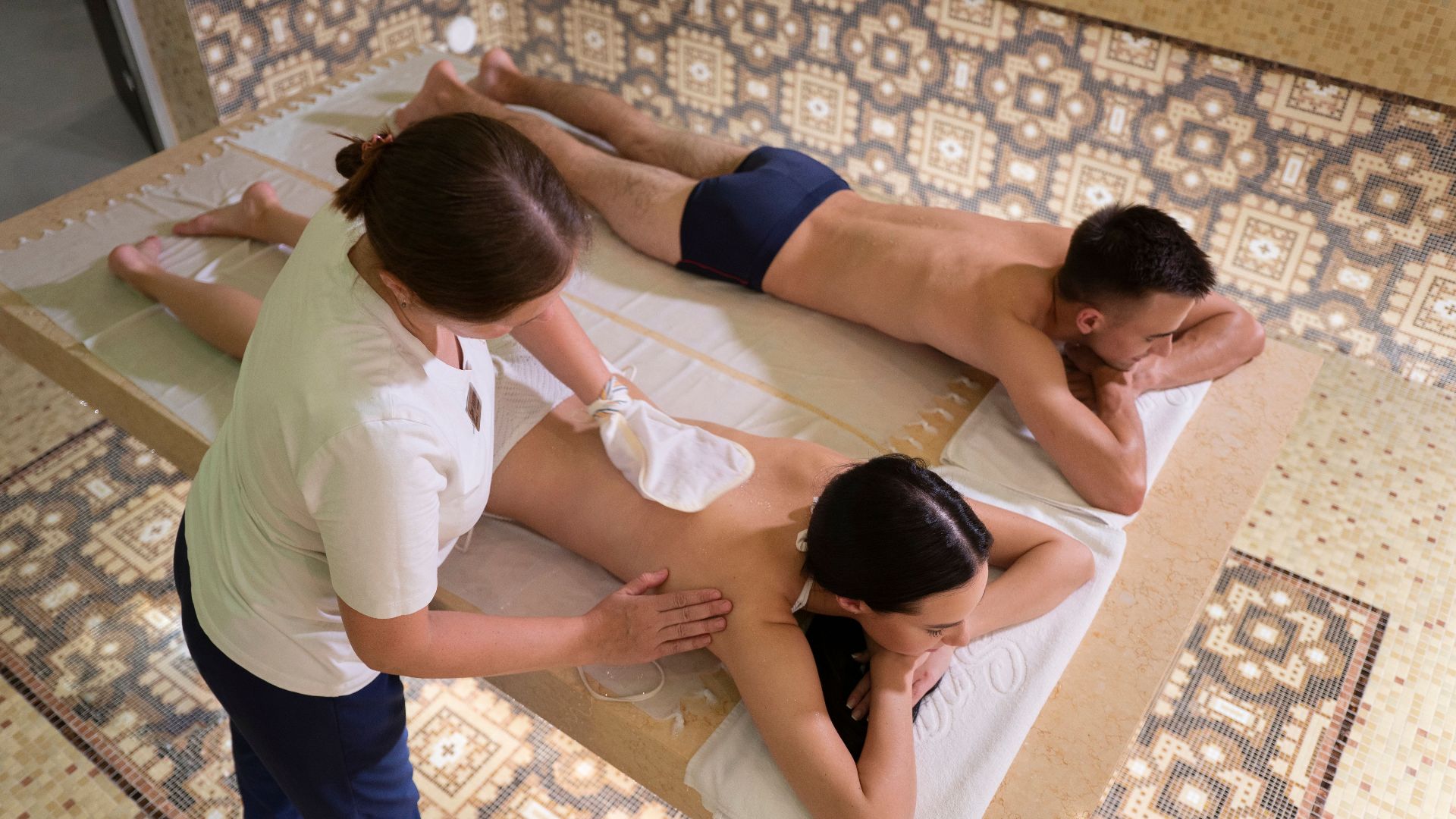
16. The Hammam Scrub
The hammam grew out of Mediterranean public bathing and became an important social institution across the Middle East. Modern spa treatments may borrow the steam, cleansing, and exfoliation, but a hammam has a cultural role that reaches far beyond skin care. It has long been tied to public bathing, shared spaces, social life, and regular routines.
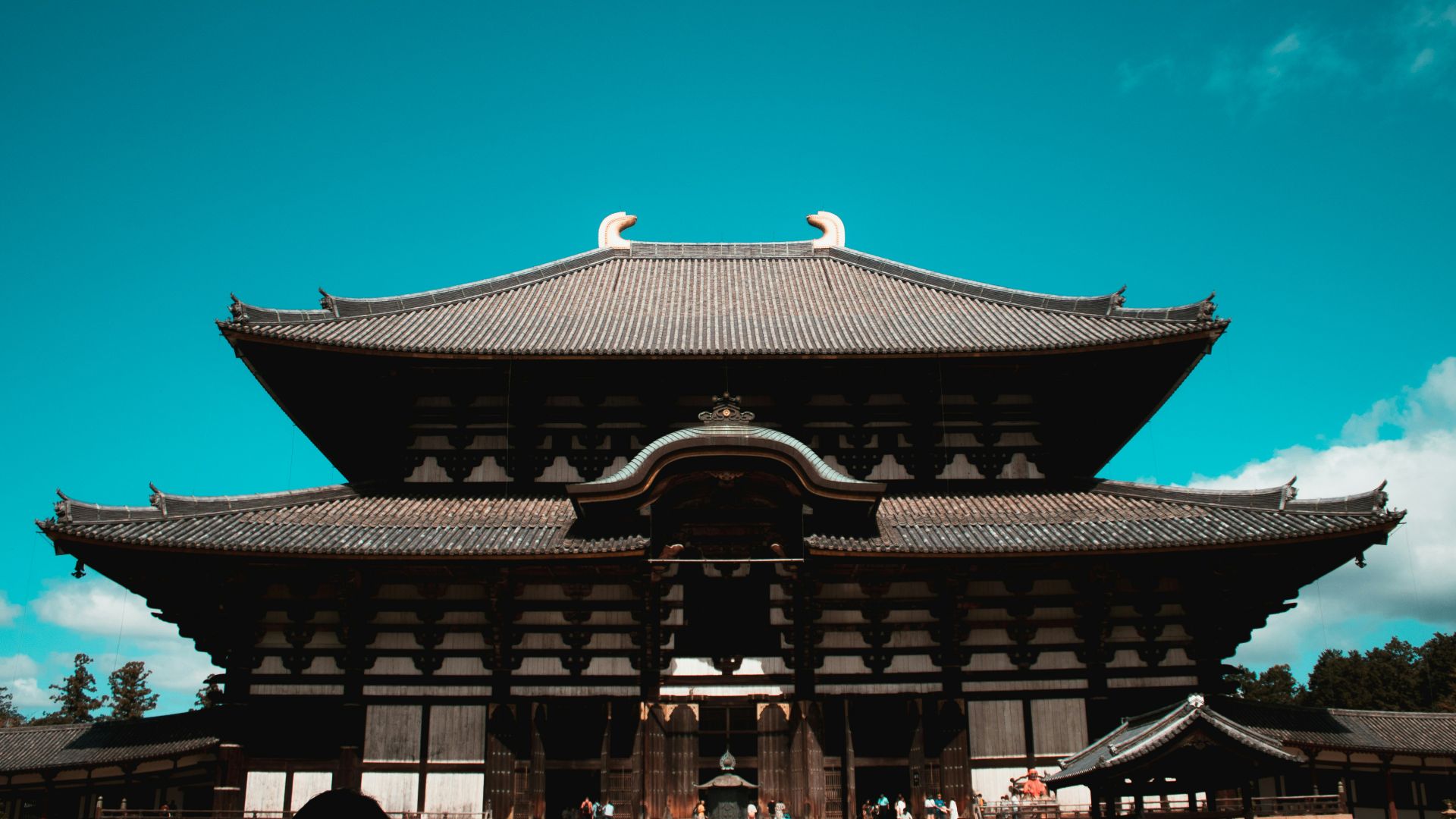
17. Toji
Toji is the Japanese custom of staying at a hot-spring resort for days or weeks to restore health. Traditional stays centered on repeated bathing, rest, simple meals, and a shared daily routine. A quick visit to an onsen can offer a small glimpse of that experience, but toji places much more value on time and repetition.
18. Maya Sweat Baths
Ancient Maya sweat baths have long been connected with ritual, purification, healing, and transformation. Sweat-bath ceremonies in other parts of Mesoamerica carry cultural and community meanings of their own. Calling these practices a general detox ritual strips away much of their history and setting, and overlooks the people who continue to practice them.
19. Cold Baths
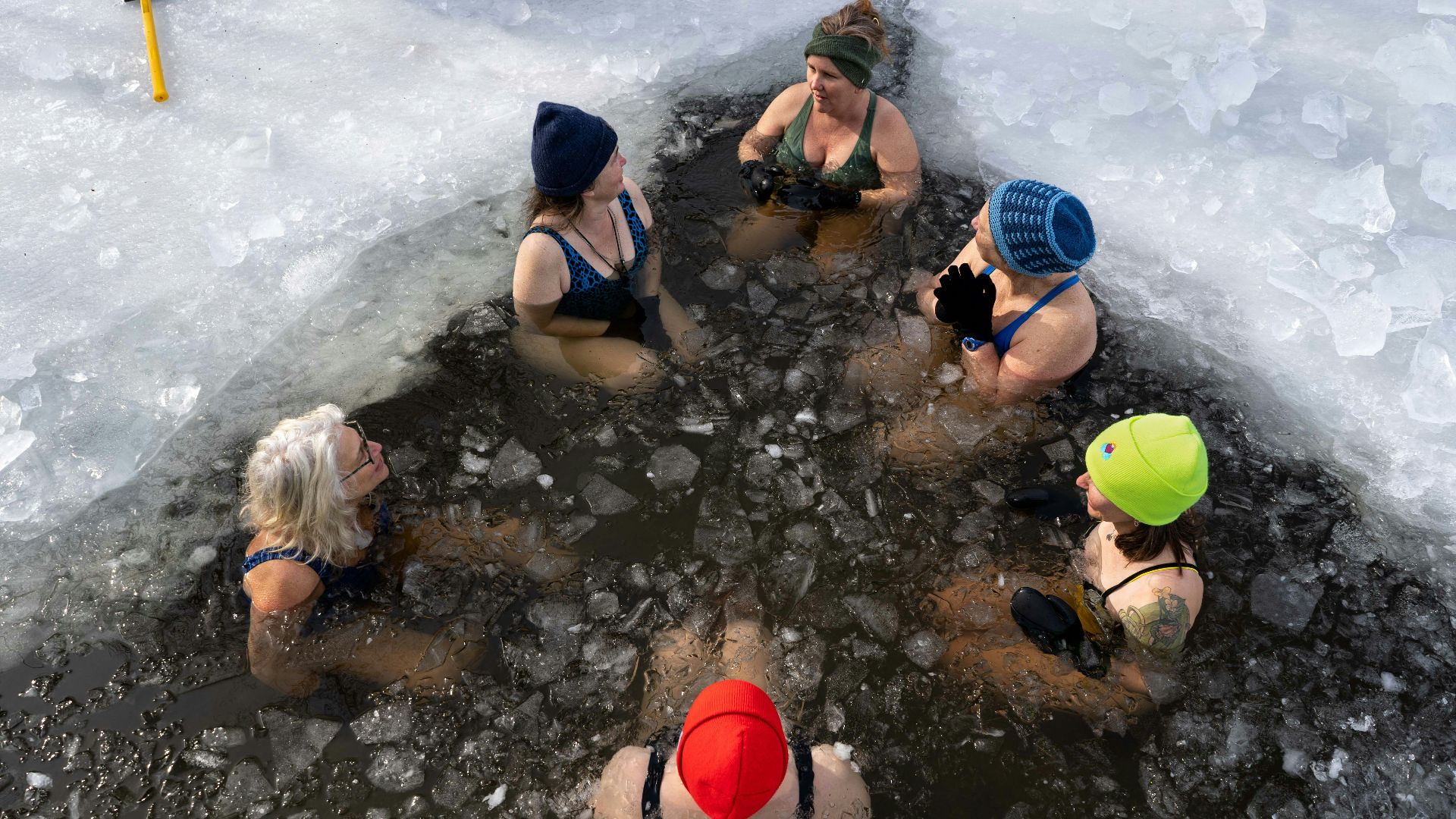
Cold bathing didn’t begin with the backyard ice tub. Roman bathers used the frigidarium, a cold room within a larger bathing circuit, and modern plunge pools repeat that sudden shift in temperature. Today’s versions are often paired with saunas or offered as stand-alone wellness experiences.
20. Fasting
Fasting has ancient spiritual, cultural, and philosophical roots, while intermittent fasting is often promoted as an eating schedule. Both involve going without food for a period, though the purpose and setting can be quite different. Traditional fasting may be connected to religious, cultural, or philosophical practices, while intermittent fasting is usually described through meal timing and eating windows.
KEEP ON READING
20 Ways to Become a Morning Person

20 Red Flag Signs You Retired Before You Were Ready