
Retirement Doesn't Always Arrive at the Right Time
Walking away from work can sound wonderful when you're tired of meetings and alarm clocks, but wanting to retire isn't the same as being ready for it. Some people discover within a few months that they underestimated their expenses, overestimated how much they'd enjoy unlimited free time, or simply hadn't figured out what life would look like. The grass isn’t always greener, and we’re here to reveal a few glaring red flags that you might have jumped the gun.
 https://kaboompics.com/ on Pexels
1. You're Already Looking for Another Job
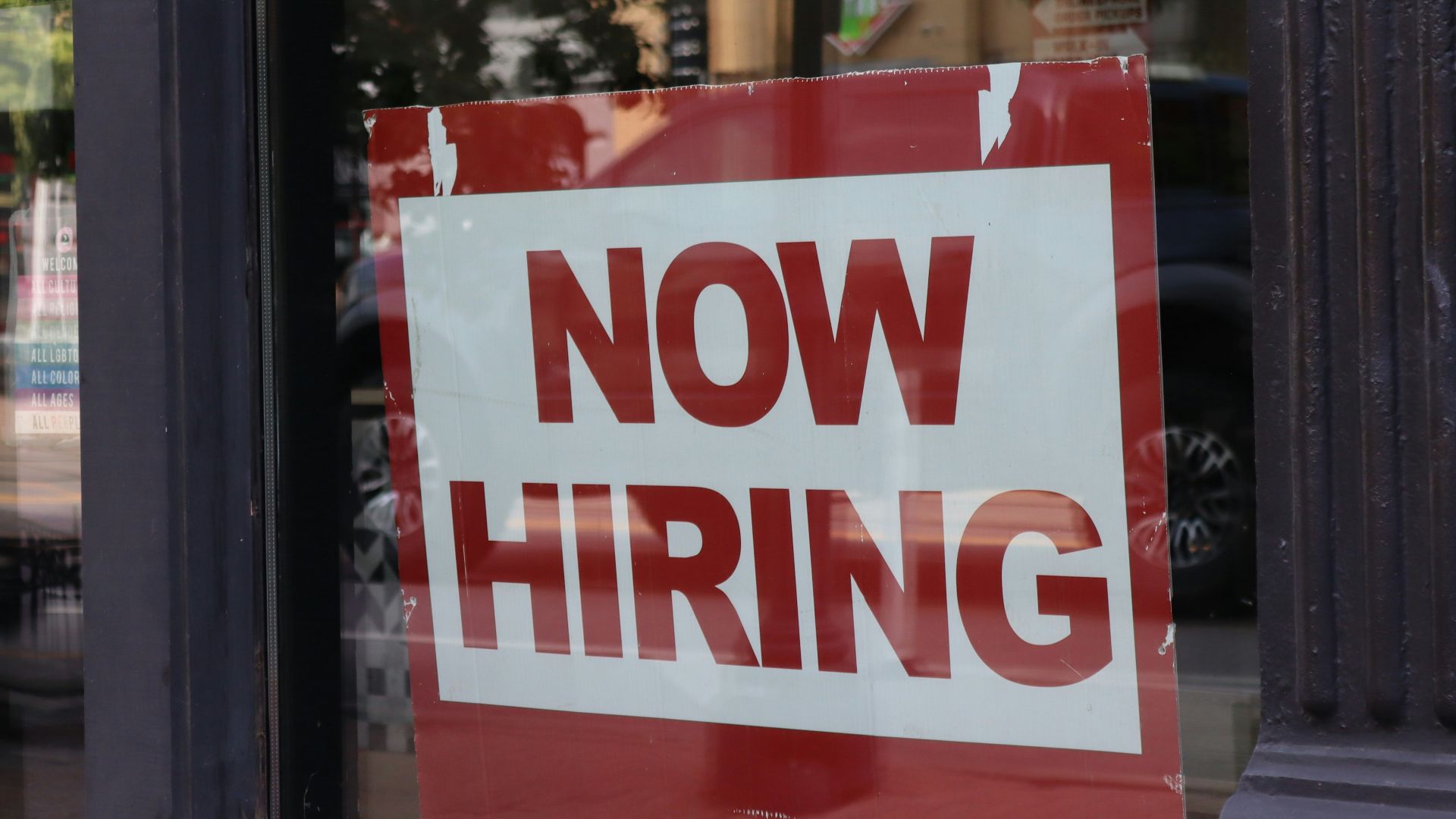
Perusing through job listings after retirement is a pretty strong clue that something didn't go according to plan. Maybe you miss earning a paycheck, or maybe you just discovered that having every weekday free isn't as exciting as you’d hoped. There's nothing wrong with working again, but immediately wanting your old routine back suggests you weren't quite finished with it.
2. Every Bill Feels Like a Crisis
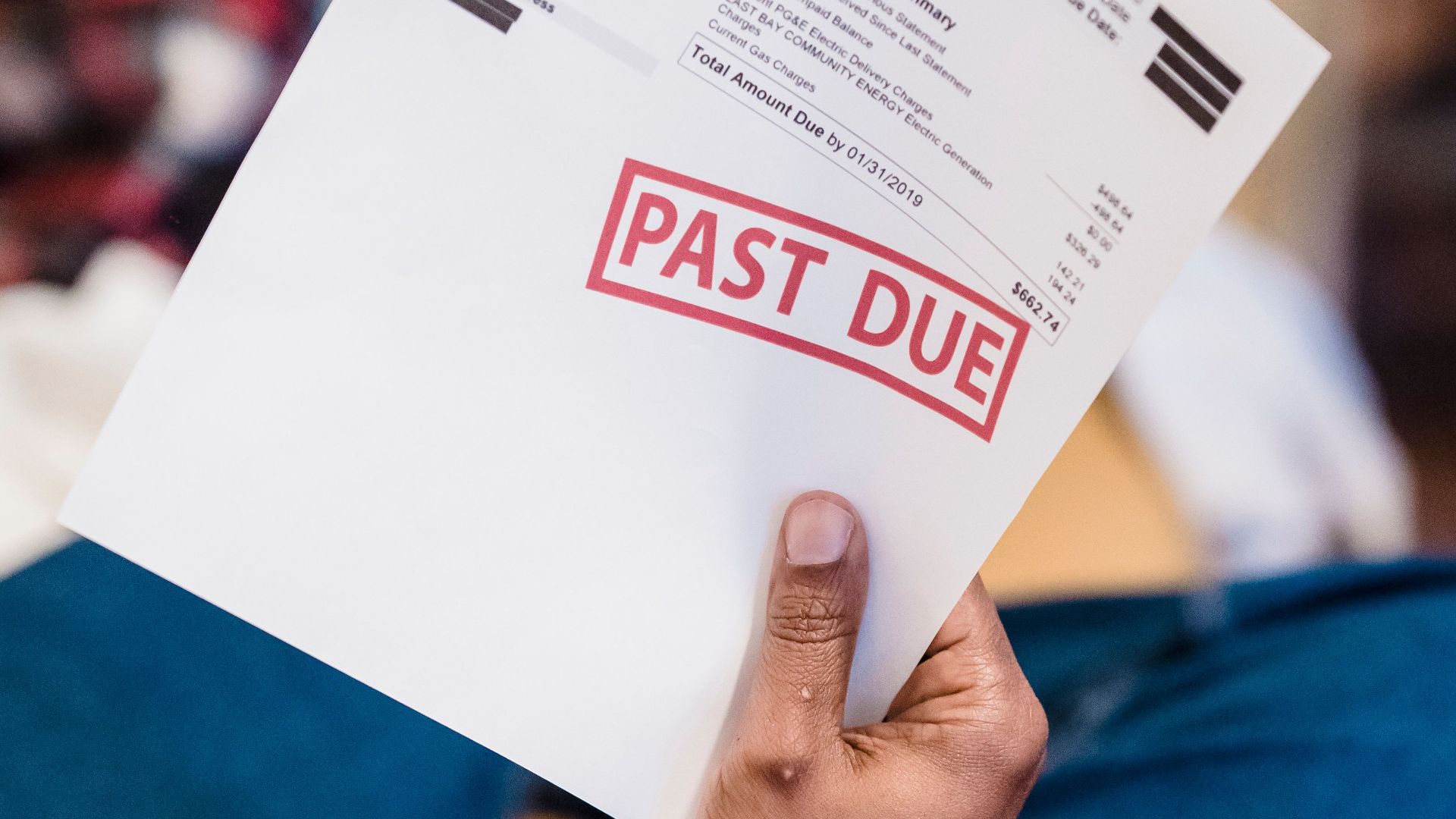
Life gets in the way, and it won’t stop during retirement. You could still easily run into a broken furnace, dental procedure, or major car repair—the only difference is that they shouldn't turn into emergencies. If a $2,000 surprise sends you scrambling between credit cards and savings accounts, your financial cushion may have been too thin when you stopped working.
3. You're Taking Money From Savings Faster Than Planned
That carefully calculated monthly withdrawal can disappear quickly once real life shows up. Restaurant meals, home repairs, gifts for grandchildren, and weekend trips might push you hundreds of dollars beyond your expected spending every month. Consistently pulling out more than you'd budgeted is worth paying attention to.
4. You Retired Because You Hated Your Job
Escaping a terrible boss can feel like freedom, but it also shouldn’t be your only reason to walk away. Someone who leaves an unbearable office at 58 might later realize they would've happily worked another five years somewhere else. If a career change could’ve solved the problem, you should look at all your options.

5. You Had No Real Plan
Saturday sounds good when you've worked Monday through Friday for decades, but seven Saturdays in a row? Those can get strange. To make it through your day-to-day, you’ll need hobbies, volunteering, and social activities, so make sure you have your schedule thought out.

6. You've Started Avoiding Bank Statements
Retirement finances don't improve because you stop checking them! Someone who nervously ignores investment balances or monthly spending habits may already suspect the numbers aren't working as comfortably as expected. That anxiety can be an important warning—the decision to stop earning came before a realistic budget was made.
7. Your Spouse Wasn't Ready for You to Retire
You may have retired from your job, but did your partner follow suit? Maybe you're suddenly together from breakfast through bedtime, or one person expected quiet days at home while the other planned constant outings. Frequent arguments about schedules and spending can actually reveal that retirement wasn’t always in the cards for both parties at the same time.

8. You're Saying No to Everything Because of Money
A reasonable budget involves limits, but it shouldn't eliminate every enjoyable activity. If dinners with friends or even modest hobbies feel unaffordable, you may have retired with less disposable income than you budgeted for. Constantly dodging plans isn’t how you want to spend your golden years.

9. You Miss Having a Paycheck More Than You Expected
Watching a bountiful bank account is a lot more fun when you expect a bi-weekly paycheck. Once that income stops, however, spending $100 can feel very different. If every purchase now creates anxiety, you may not have been prepared for the switch.
10. You Claimed Benefits Without Thinking Ahead
Some people start retirement income as soon as they're eligible, but that’s not always the smartest move. Later, they may discover that waiting or coordinating different income sources could have offered a better arrangement. If you're already wishing you'd spent more time comparing your options, you likely got too excited about retirement to plan the nitty-gritty.

11. You Check in on Your Old Workplace
An occasional lunch with old coworkers is one thing, but asking for office gossip every morning is something else. You’re retired now, which means you shouldn’t still follow projects or message old colleagues about meetings. Retirement’s a lot harder to enjoy when your attention remains firmly parked at your old desk.

12. Your Budget Only Worked on Paper
Spreadsheets can’t anticipate everyday expenses, and they definitely can’t prepare for big expenses. Don’t forget that hobbies, travel, insurance, or simply being home more often can also skyrocket your cost of living. When your carefully planned budget starts failing almost immediately, your assumptions may have been too optimistic.

13. You're Using Credit Cards
Retirement usually requires some adjustment when regular income disappears. It’s not the end of the world to use credit, but continuing the same expensive habits can hide a serious gap between the lifestyle you want and the one your retirement income supports. Debt shouldn't have to become the substitute for the paycheck you gave up.

14. You Feel Jealous of People Who Still Work
Complaining about work is practically tradition, so it's revealing when other people's jobs weirdly sound enticing. Do you envy a neighbor's business trip? Are you jealous of a friend's promotion? That could mean you left behind more stimulation and satisfaction than you realized.

15. You Never Tested Living on Your Retirement Income
One useful reality check is seeing whether you can actually live on the amount you'll have afterward. If your household went from two comfortable salaries to a smaller fixed monthly income, the adjustment may have been sharper than expected. That’s the kind of stuff you should figure out before you literally call it quits.

16. You're Selling Things Just to Cover Expenses
Don’t get us wrong, selling an unused boat or downsizing a large collection makes sense in retirement. However, it's more concerning when you unload jewelry and furniture to keep up with groceries. Regular living expenses shouldn't mean a household clearance sale.

17. You Thought Retirement Would Fix Everything
Leaving work can remove job stress, but it doesn't fix strained relationships, poor routines, or dissatisfaction. Someone who expected retirement to create happiness will probably be disappointed. Unresolved problems follow you home, and you may have retired before figuring out what actually needed to change.
18. You're Financially Supporting Adult Children
There’s no shame in helping family, and plenty of retired couples shell out a few bucks for their adult kids. The thing is, regular rent payments, car bills, tuition costs, or emergency loans can alter a retirement budget quickly. Parents sometimes retire assuming that financial responsibilities are done with, only to discover that grown children still depend on them.

19. You're Considering Going Back Full-Time
Plenty of retirees take a small part-time job because they enjoy staying active—and that’s okay. Feeling that you need another full-time salary, however, could signal something else. When retirement turns into an urgent search for forty-hour workweeks, it may be telling you the first departure happened prematurely.
20. You Keep Thinking, "I Should've Waited"
Sometimes the clearest red flag is the thought you can't shake. Maybe another two or three working years would have increased your savings or paid off the mortgage. Maybe it would’ve given you more freedom. Either way, retirement doesn't have to unfold perfectly, but wishing you'd delayed it deserves more attention than pretending everything went as planned.

KEEP ON READING


20 Natural Ways You Can Boost Your Immune System

20 Ways To De-stress & Relax After Work

The 10 Most Common Diseases & The 10 Most Rare