Pitter-Patter
If you fly through five flights of stairs, it wouldn't be a surprise to anyone that your heart rate will soar. But it's not just physical activity that can get your body's most important muscle to work overtime. In fact, everything from your emotions to your hydration levels can affect just how fast your heart beats. And while many brief episodes are harmless, you should always speak with your doctor if you experience new or persistent symptoms. With that said, here are 20 things other than exercise that can make your heart race.
1. Getting Anxious or Stressed
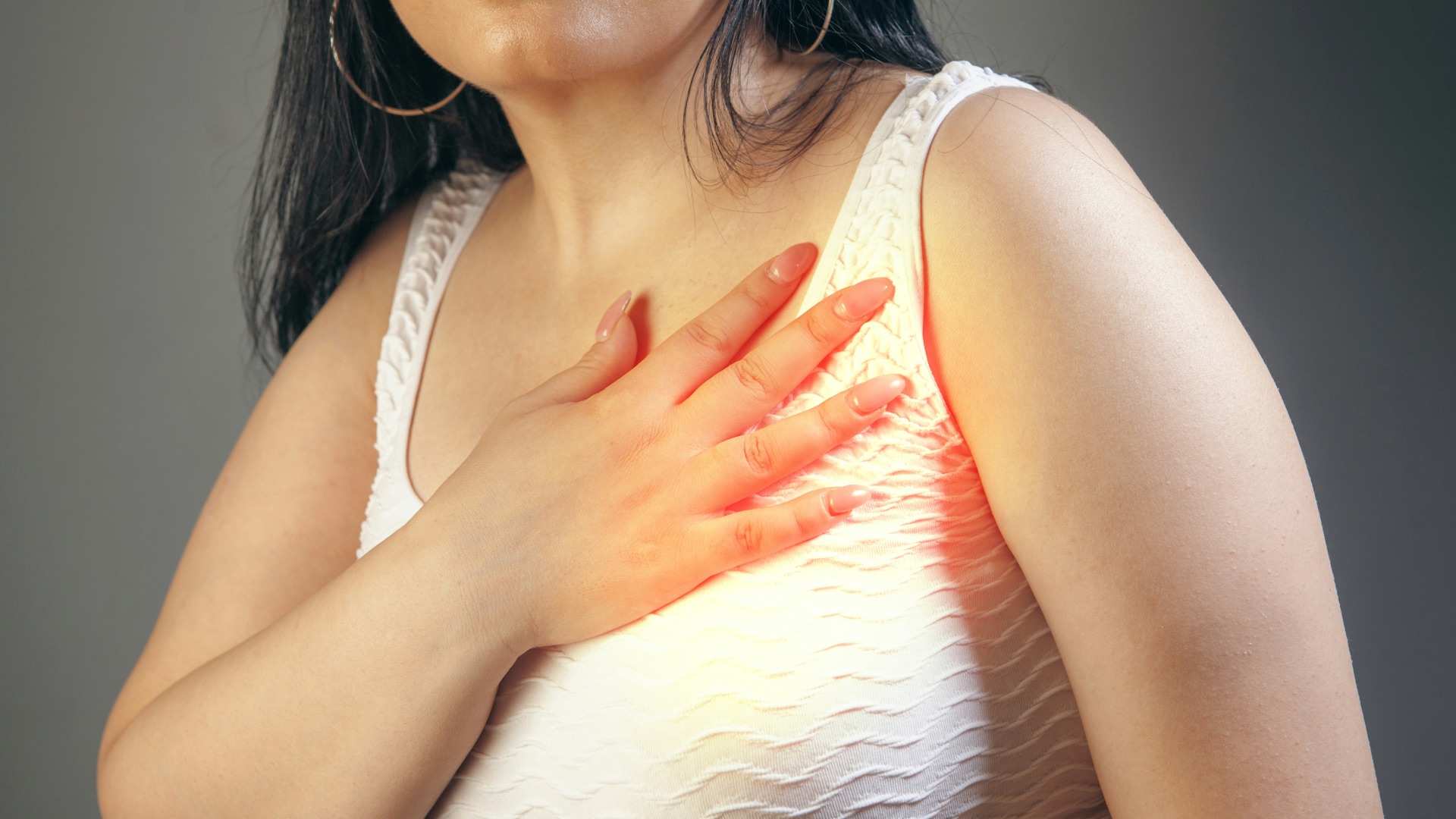
You've probably noticed that, when you're under pressure, your heart beats 10 times faster. That's your stress hormones at work: they're preparing you to respond to whatever your brain has marked as a threat, and as a result, your heart pumps overtime to make sure you're ready to fight or flee.
2. Getting Suddenly Scared
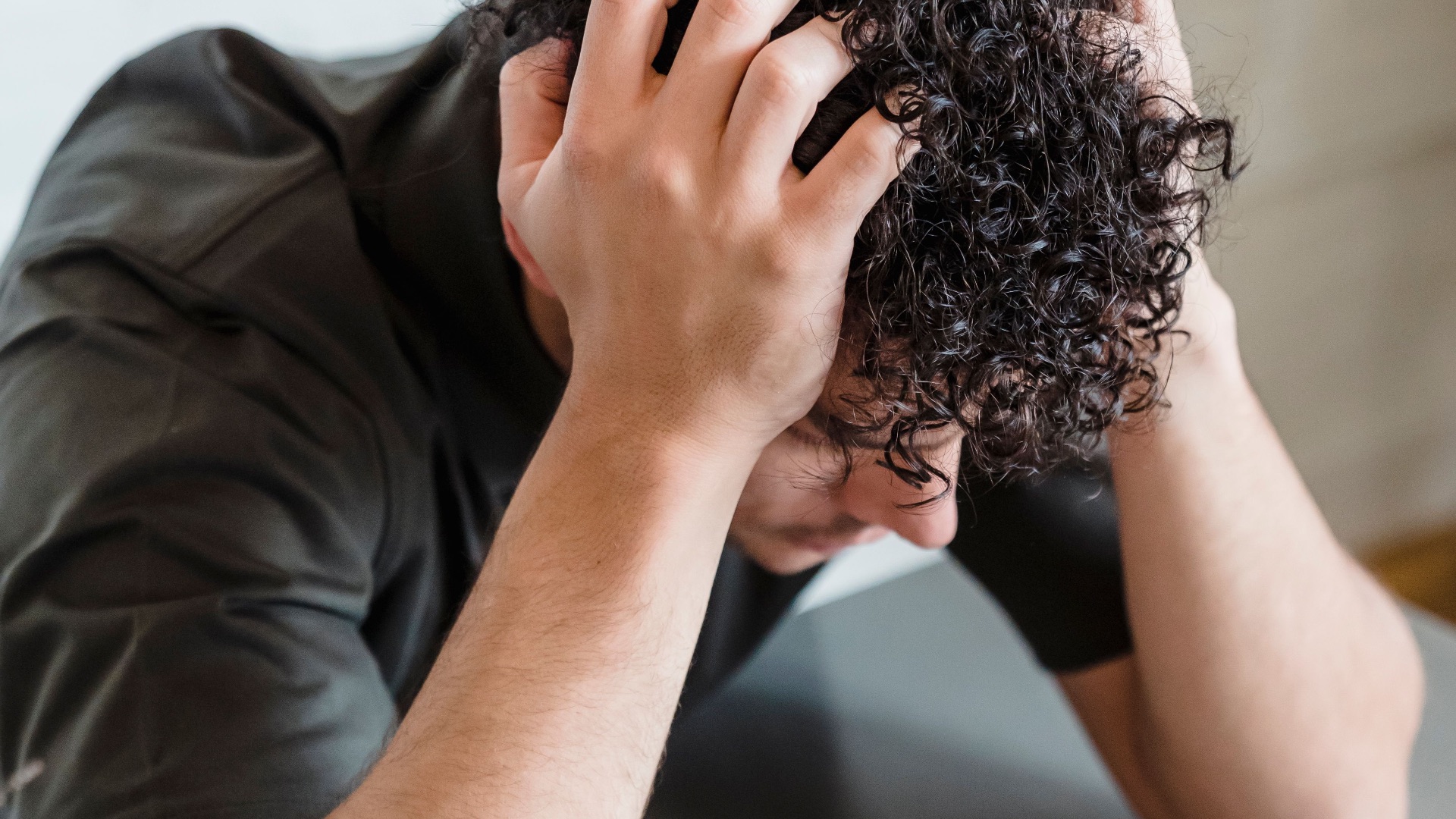
Fear can also cause your pulse to spike, and that's because it activates the body's fight-or-flight response the same way anxiety or stress does. Thankfully, once the threat or scare passes, your pulse will steadily go back down again.
3. Having a Panic Attack
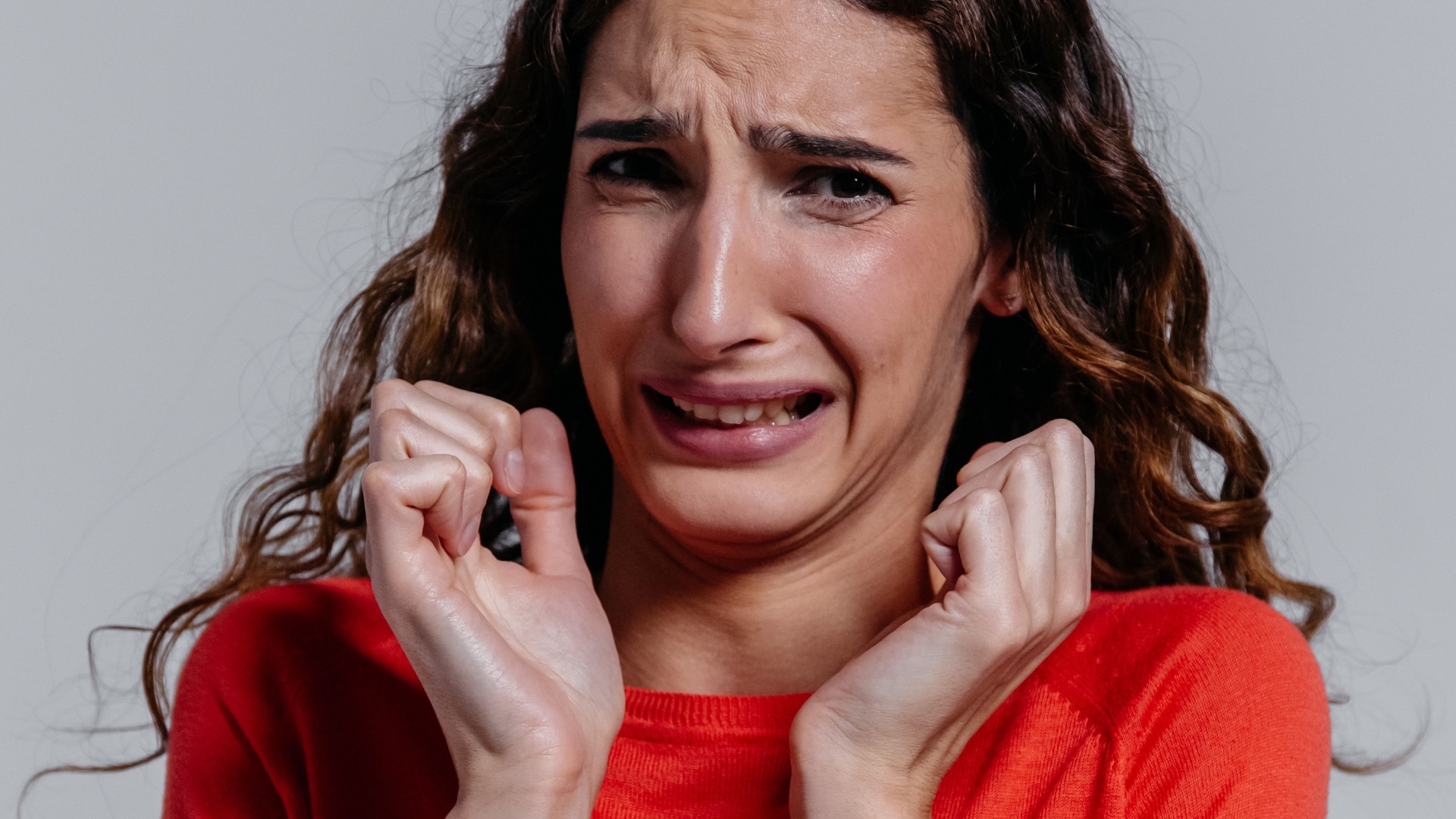
Panic attacks are a bit different from brief anxiety episodes. When you're anxious, you're often able to categorize it as just anxiety; when you're having a panic attack, it can sometimes come on so suddenly that you're completely convinced something bad will happen. That combined stress and fear can produce an intense racing or pounding heartbeat, and some people may even experience palpitations, or skipped beats.

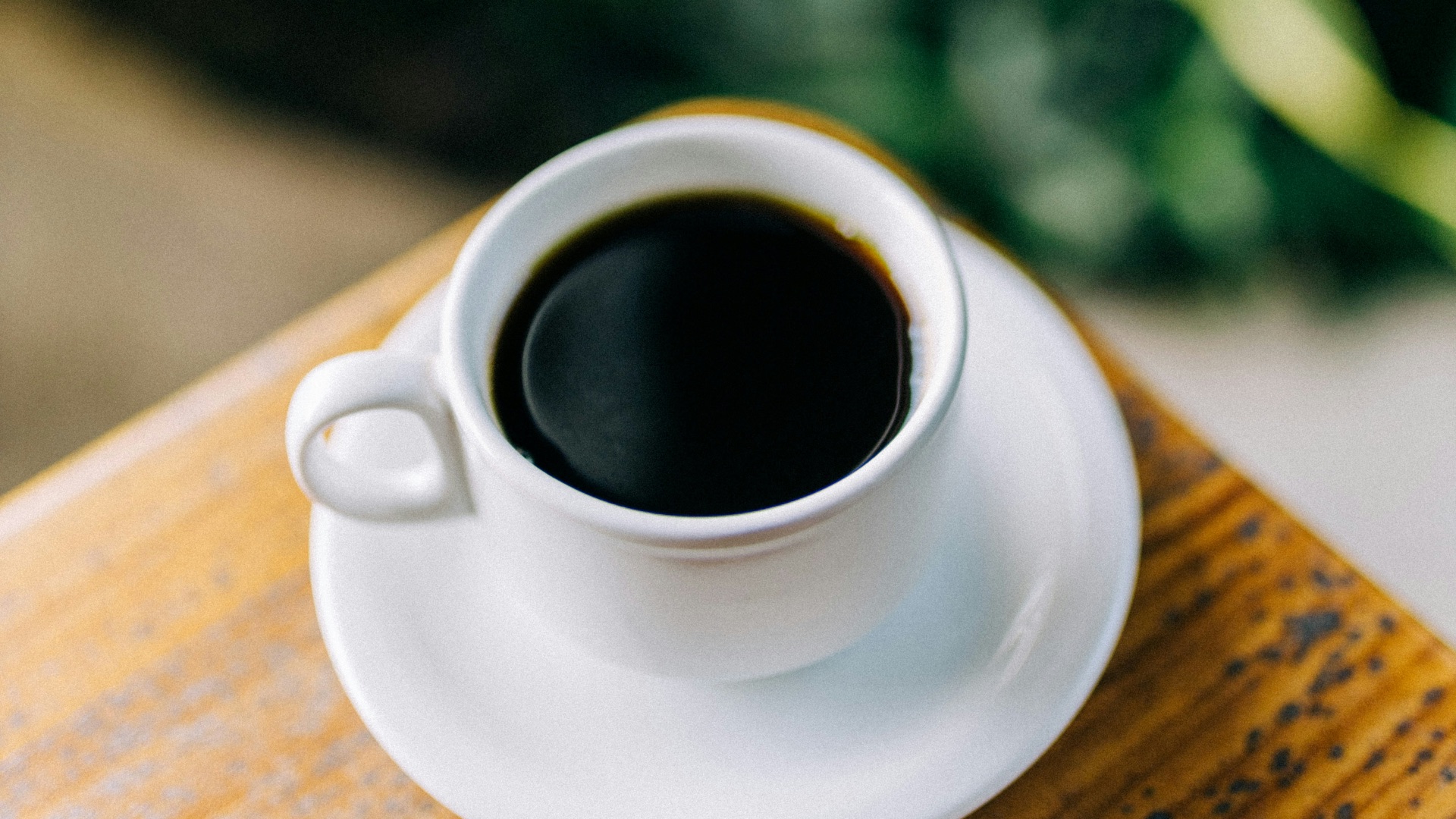
4. Drinking Too Much Coffee
Caffeine stimulates the nervous system, which means the more you drink, the more jittery you'll feel. Of course, you should bear in mind that sensitivity varies considerably: one person might tolerate several cups while you might have palpitations after a few sips. Other caffeinated snacks and drinks can produce similar effects, too.
5. Using Nicotine
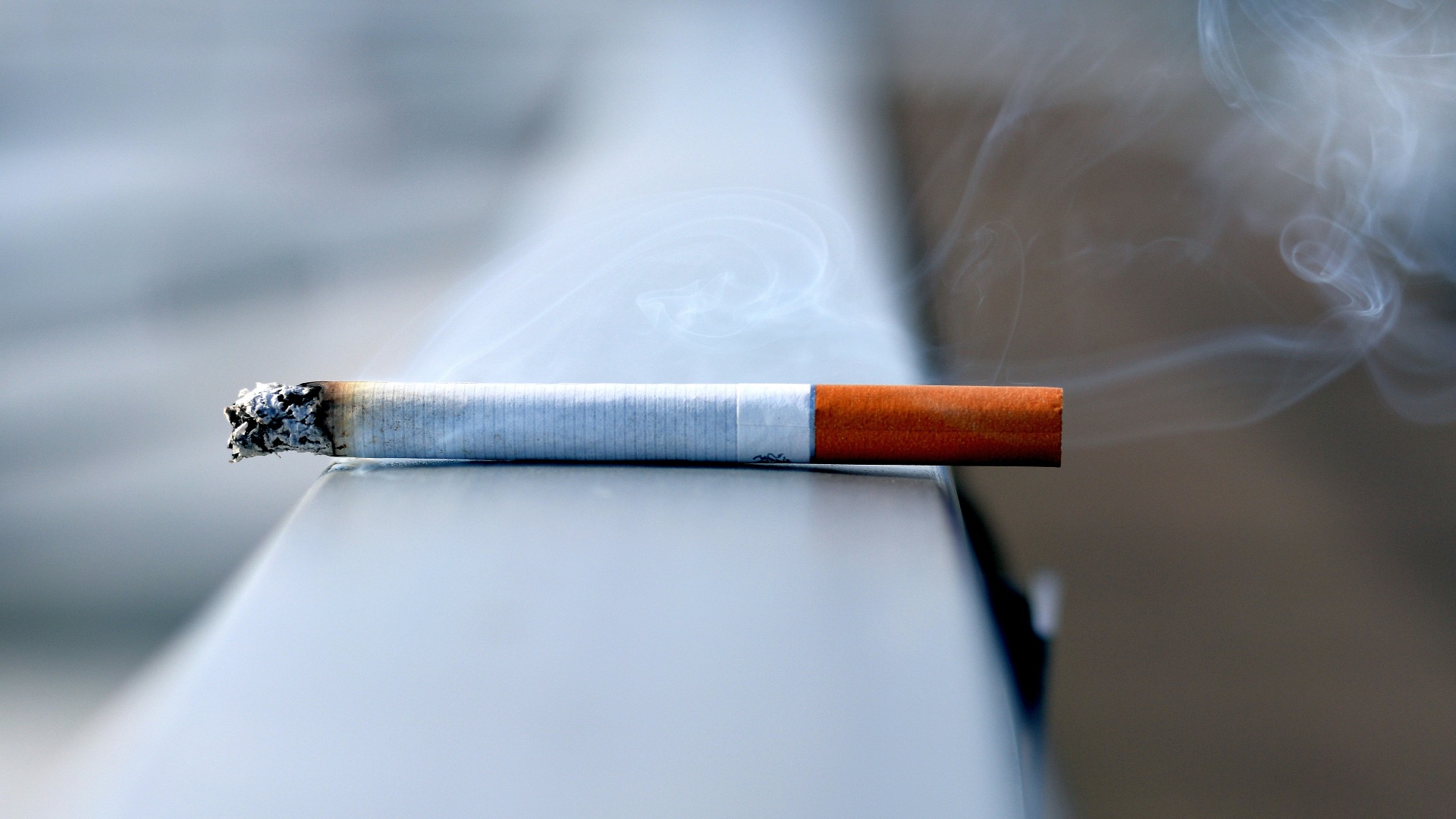
Are you a smoker? Nicotine-containing products are stimulants, which means they'll activate processes in the body that not only make your heart beat faster, but make the feeling more pronounced. For those who are especially prone, they may get those sudden skipped beats as well.
6. Drinking Alcohol
Just like nicotine, alcohol can affect your heart's electrical activity, which means you're more likely to experience pounding or fluttering beats after a drink or two. Heavy consumption can also increase the likelihood of certain arrhythmias.

7. Being Dehydrated
When you don't drink enough fluids, your blood can turn like sludge, and that can affect how effectively it circulates through your body. To compensate, your heart will need to beat more frequently to ensure proper flow. It's also worth noting that dehydration can disrupt your electrolyte levels, which can trigger palpitations.

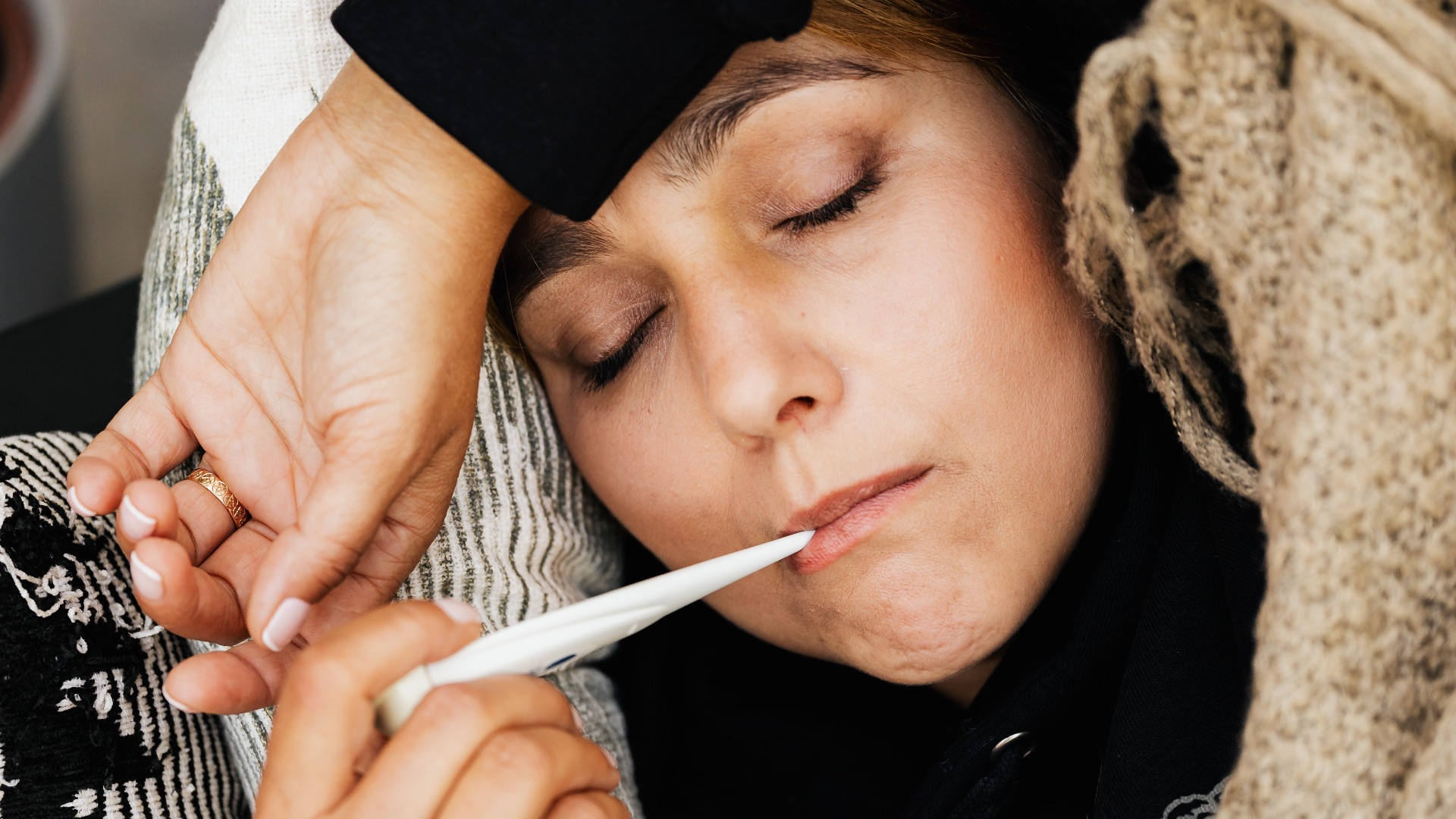
8. Running a Fever
Caught a cold? If your body is heating up, you may also notice your pulse becoming noticeably faster. After all, fever increases your body's metabolic demands, requiring the heart to work harder even though all you're doing is resting in bed. It's one reason why illness can leave you feeling hot and drained.
 https://kaboompics.com/ on Pexels
9. Not Getting Enough Sleep
If you've ever tried pushing yourself through a full work shift after getting less than eight hours of sleep the night before, you're likely familiar with how sapped of energy you feel. But more than just affecting your energy and concentration, sleep loss can influence how hard your heart needs to push, too, and you might notice your heartbeats more.
10. Letting Your Blood Sugar Drop
Going too long without eating can sometimes leave you shaky, and that can also make you more aware of how fast your heart is beating. The reason for this is that, in order to raise your blood sugar back up, your body is prompted to release hormones to bring those levels back to normal, thus increasing heart rate.
11. Becoming Excited
It's not just fear and anxiety that can get your heart pumping—getting excited about something can spike your pulse, too. Whether it's receiving fantastic news or experiencing intense anticipation, strong emotional responses can activate similar physiological systems that trigger fight or flight.

12. Taking Certain Cold Medicines
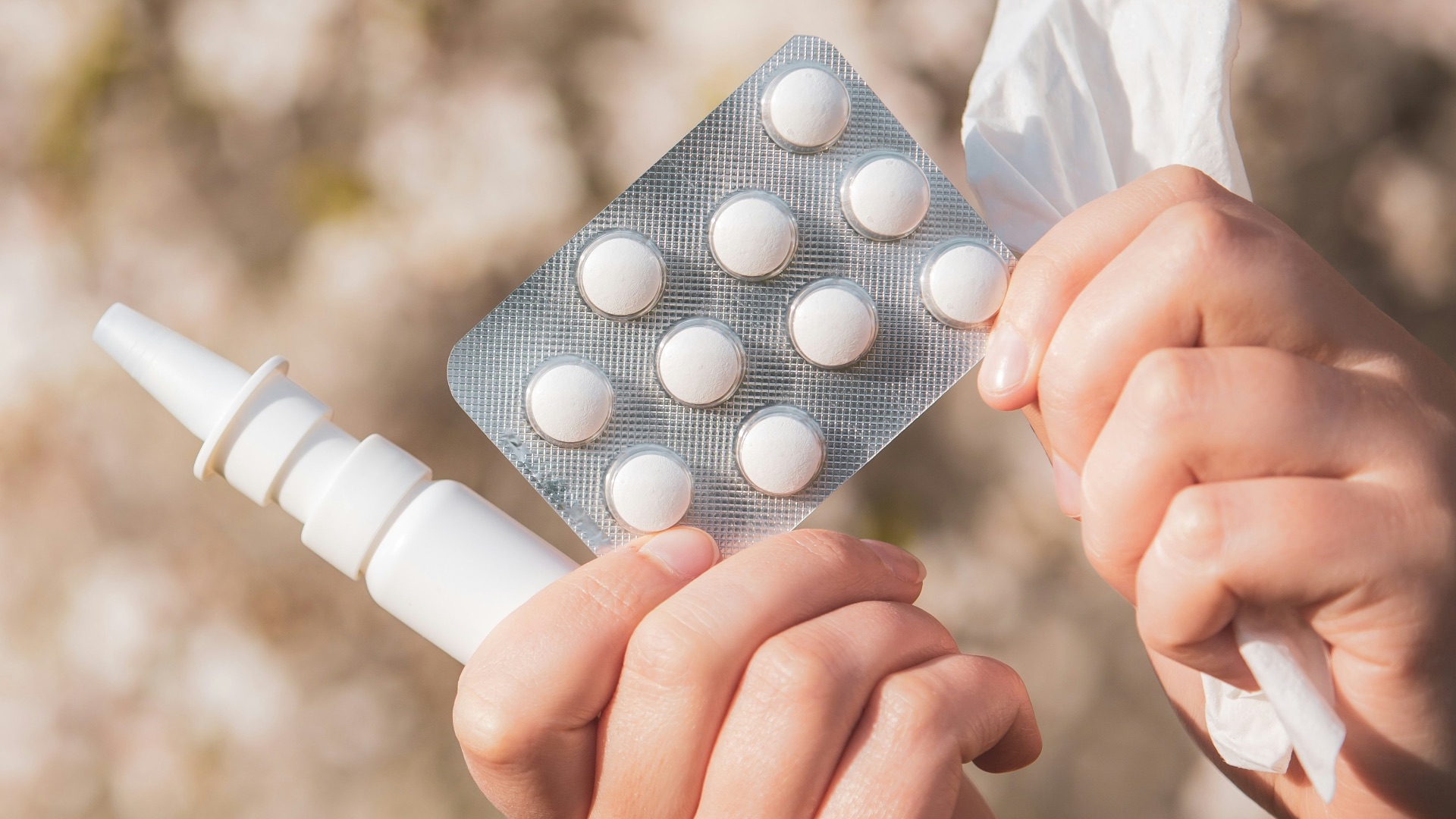
Fever isn't the only thing that pushes your heart rate. Decongestants that contain certain stimulants, such as pseudoephedrine, can affect your pulse or cause palpitations as well. If you're prone to palpitations or deal with other medical conditions, it's worth discussing different medications with your doctor.
13. Having an Overactive Thyroid
You might not think too much about what your thyroid does (or even know what it does), but it actually helps regulate many processes that determine how your body operates. When it's overactive, your resting heart rate may spike, and it might be accompanied by palpitations.

14. Being Low in Iron
If you're iron-deficient, you might have greater difficulty carrying enough oxygen around the body. That lack of oxygen can trigger your cardiovascular system to compensate. Along with palpitations, you may also experience symptoms like persistent tiredness, weakness, or breathlessness, so it's key to bring it up with your doctor.
 https://kaboompics.com/ on Pexels
15. Going Through Hormonal Changes
Changes in hormone levels can affect the heartbeat at several stages of life. People who menstruate, are pregnant, or are in menopause may therefore notice more palpitations than others. However, any fluctuations in your heart rhythm should always be discussed with a medical professional, so don't self-diagnose.

16. Having an Electrolyte Imbalance
Your heart is a muscle, but it also depends on electrical signals—that's where electrolytes come in. That means having too much or too little of certain minerals, such as potassium, calcium, or magnesium, can interfere with how your heart normally beats, sometimes resulting in an unusual rhythm.
17. Eating a Very Heavy Meal
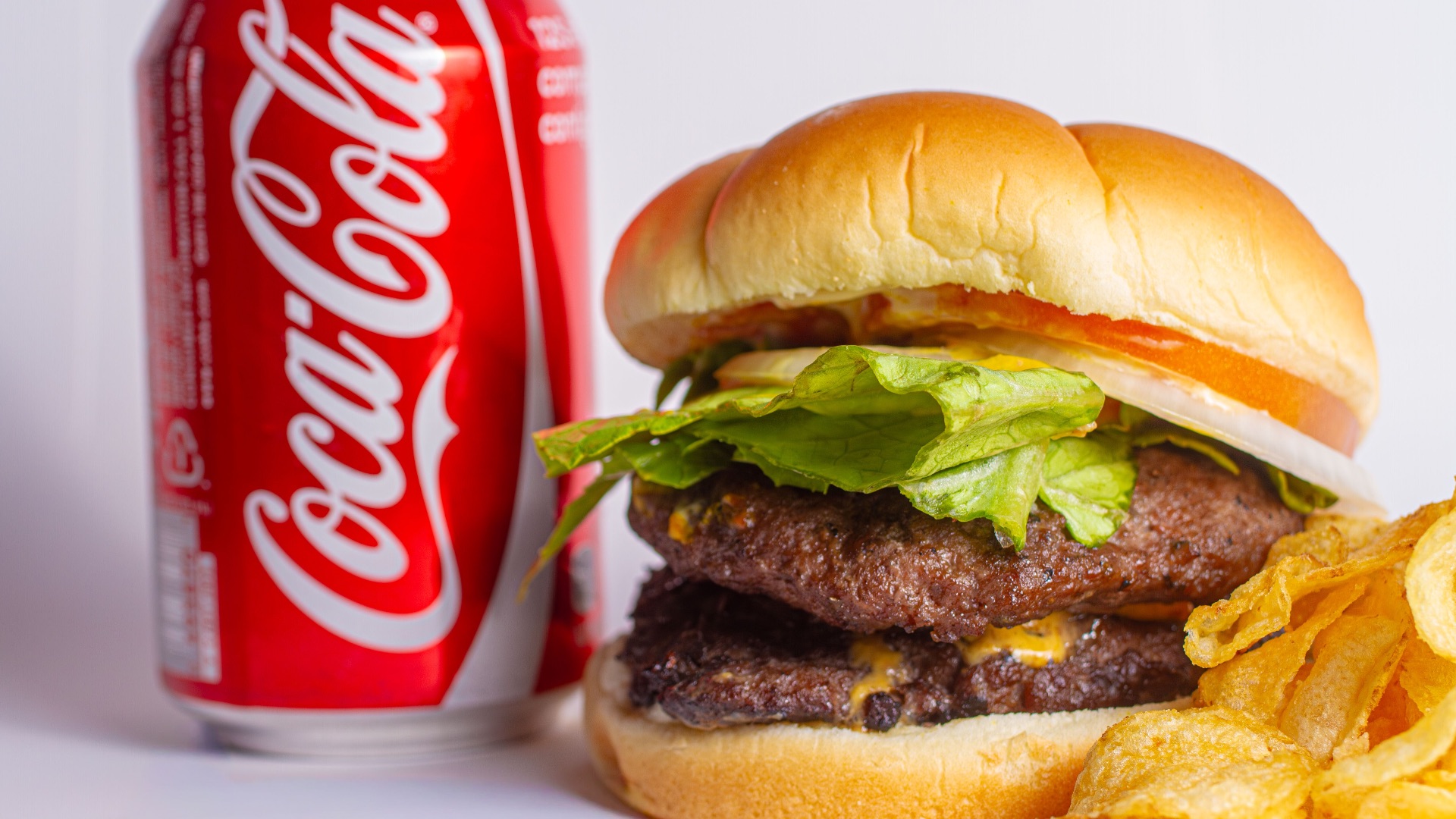
Eating too little may lead to low blood sugar, but eating too much or consuming very heavy foods can also affect how your heart pumps. If this sounds like you, make sure to keep a food journal to track down any potential triggers.
18. Being in Pain
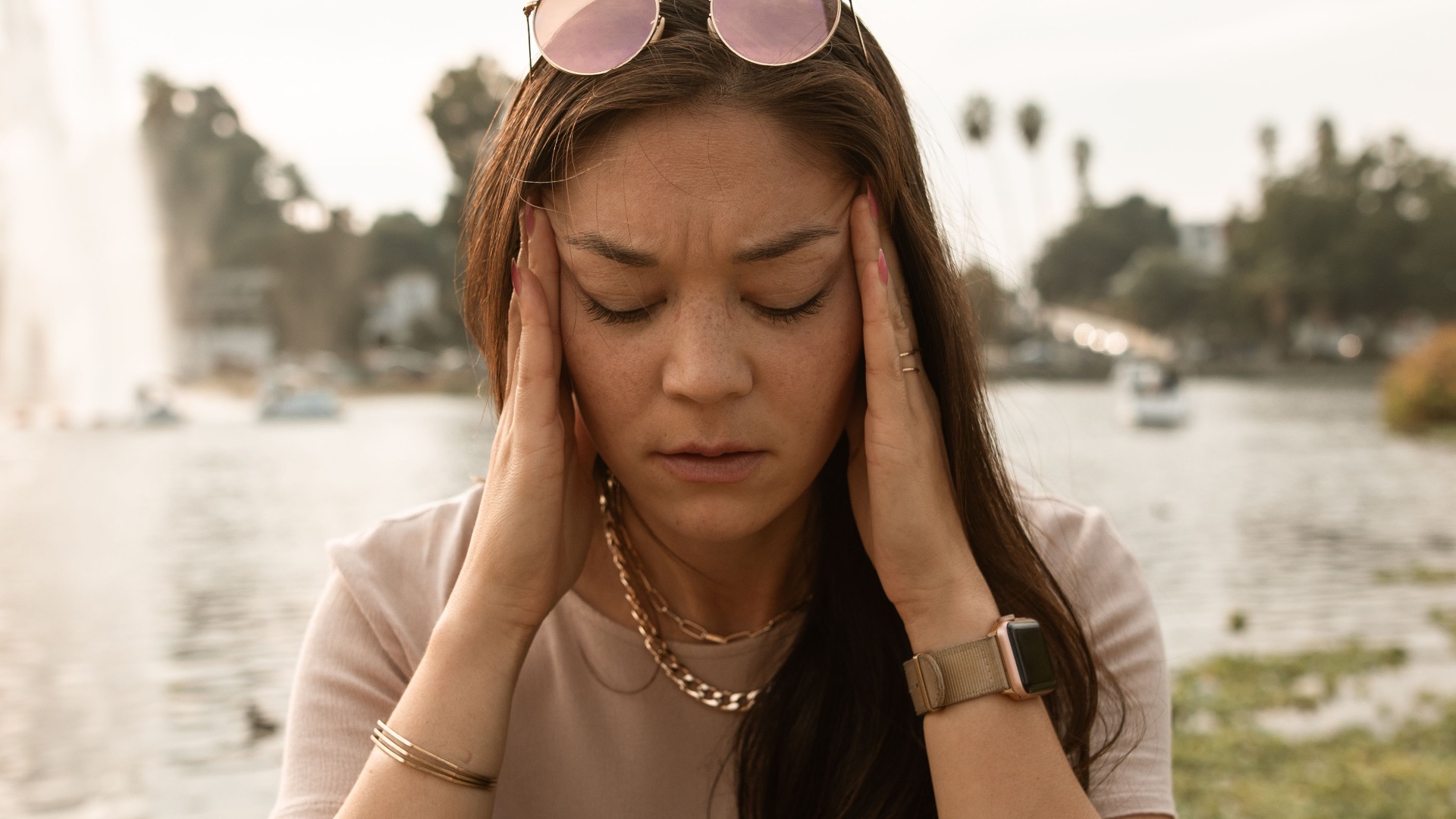
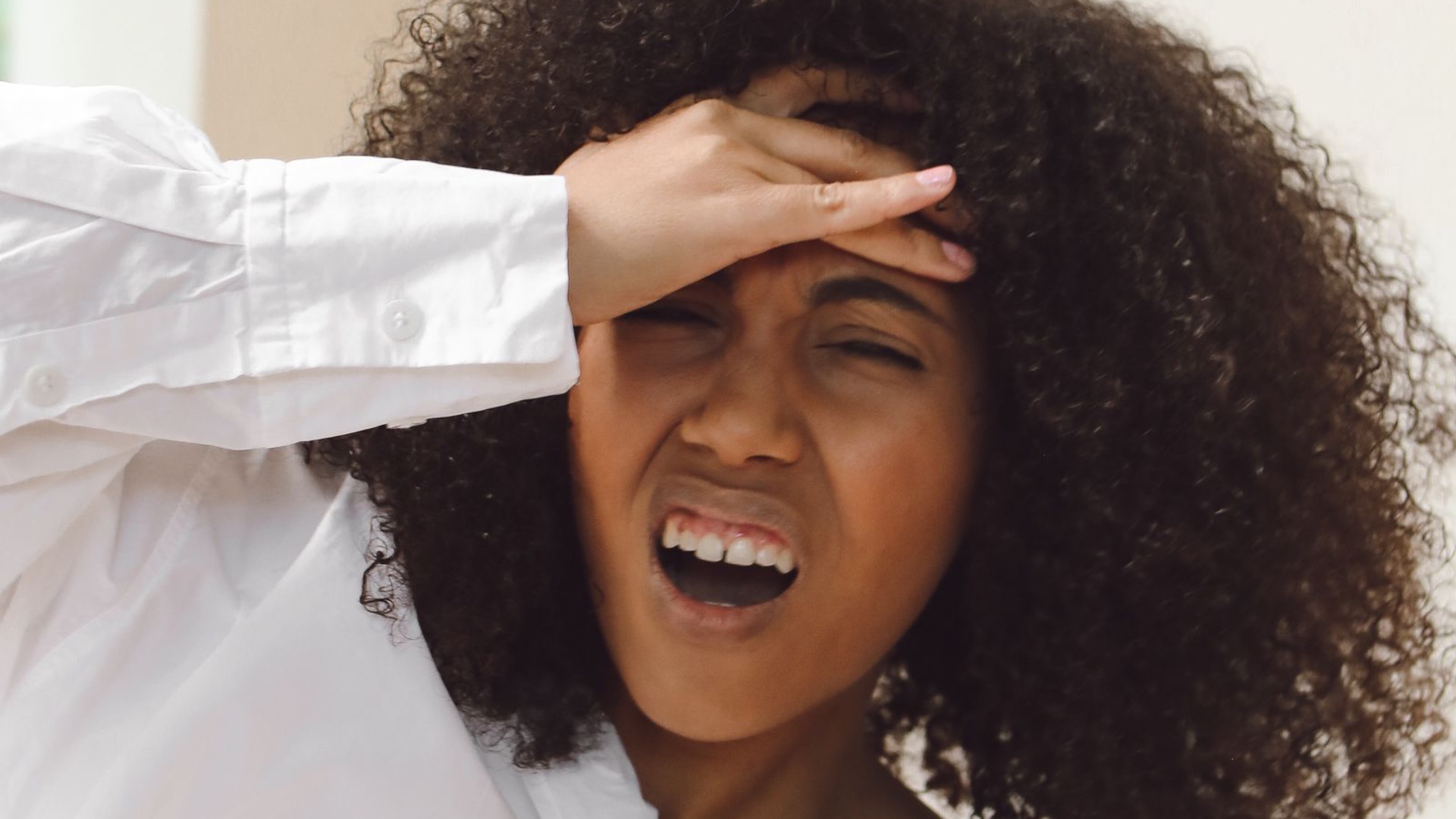
Significant pain puts stress on your body, which can affect your sympathetic nervous system and kick up your pulse, along with changing your breathing patterns and elevating your blood pressure. Consequently, your heart can race no matter if it's a severe headache or a small cut.
19. Having Low Blood Pressure
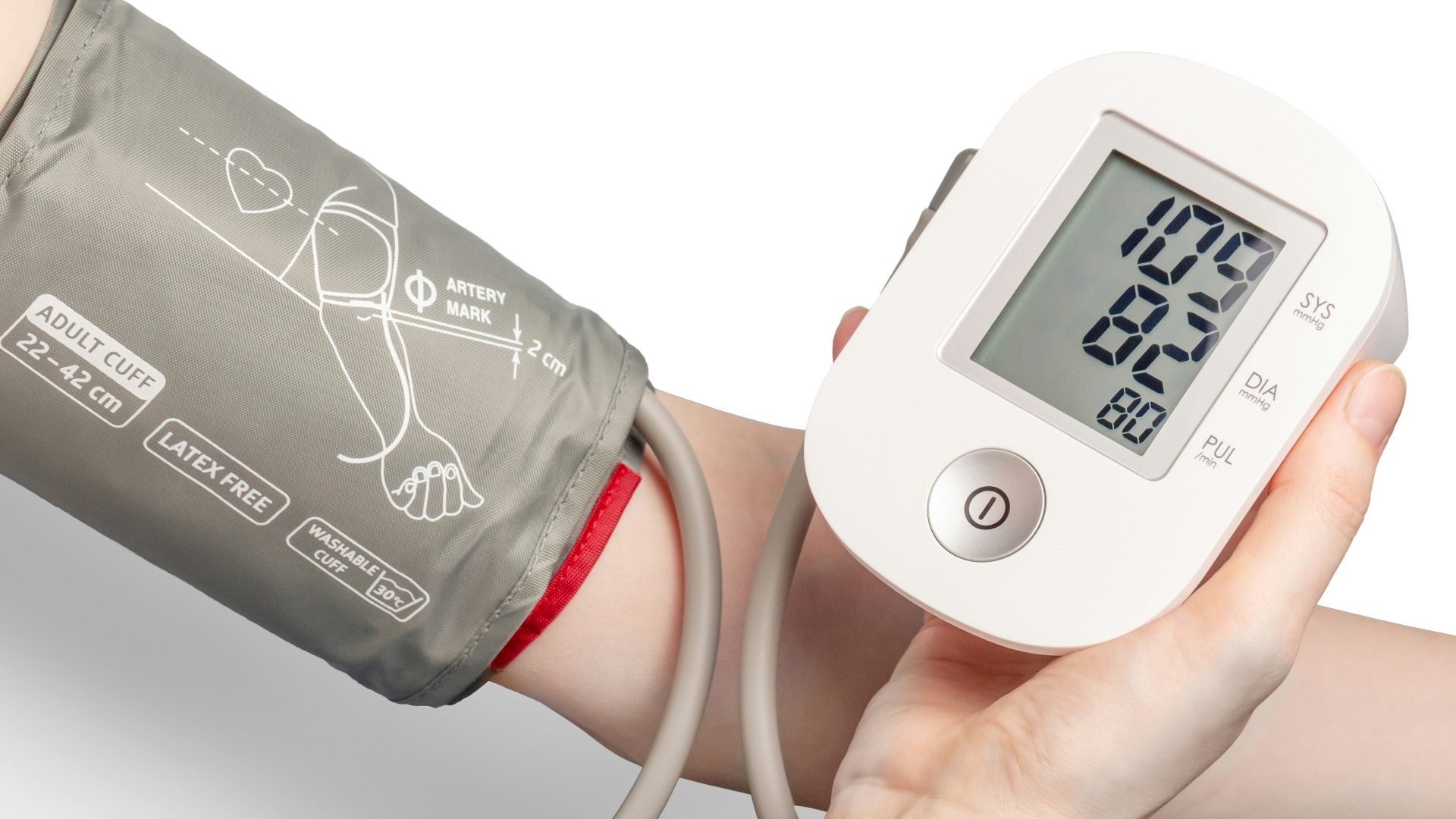
Like low blood sugar, when your blood pressure drops, your heart will pump faster to preserve circulation. This can happen with any condition that affects your blood pressure, and hypotension may trigger heart palpitations, too.
20. Developing an Abnormal Heart Rhythm
Sometimes, a fast heartbeat is actually the problem rather than merely a response to something else. If you experience frequent palpitations, arrhythmias, or any other symptoms or conditions that involve the heart, always make sure to speak with a doctor to determine the root cause.
KEEP ON READING


20 Ways to Deal With Your Sweet Tooth
20 Low-Impact Exercise Ideas For People Over 50