
Sometimes Science Gets a Lucky Break
Medical breakthroughs usually bring to mind years of careful experiments, complicated equipment, and researchers following a detailed plan. While plenty of major discoveries happened that way, some of medicine’s biggest advances began with researchers noticing something they weren’t actually looking for. A contaminated experiment, an unexpected side effect, or a strangely behaved patient could suddenly point science in a completely different direction. These 20 discoveries show that in medicine, paying attention to surprises can be just as important as sticking to the original plan.
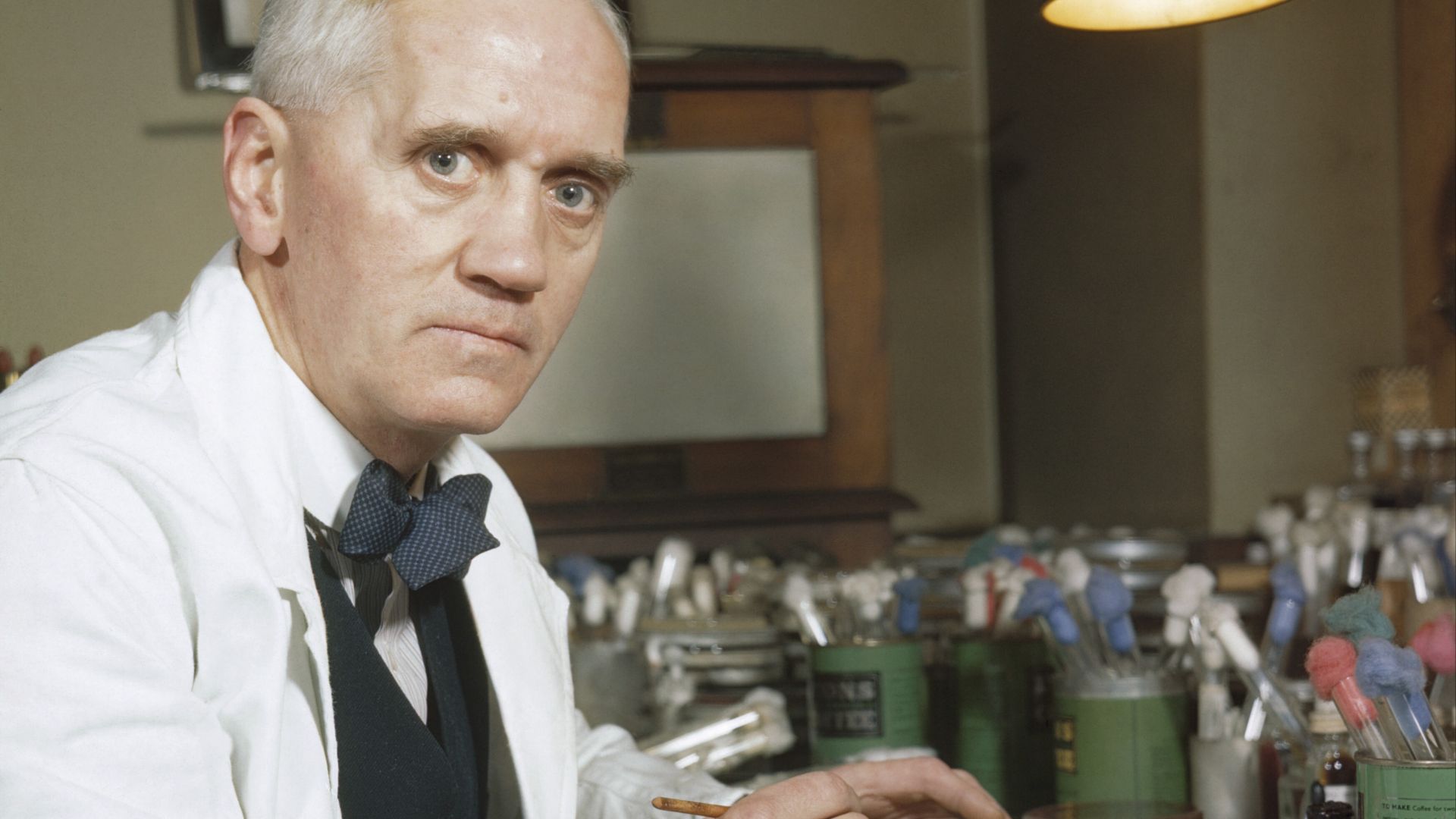 Official photographer on Wikimedia
1. Penicillin
Perhaps science's most famous accident was the groundbreaking discovery of penicillin. Alexander Fleming returned from vacation in 1928 to find that mold had contaminated one of his dishes of Staphylococcus, a common disease-causing bacterium, and that the bacteria right next to the mold had been killed. Although other scientists later had to figure out how to turn Fleming’s observation into a practical medicine, it eventually became one of the most important antibiotics ever developed.
2. X-Rays
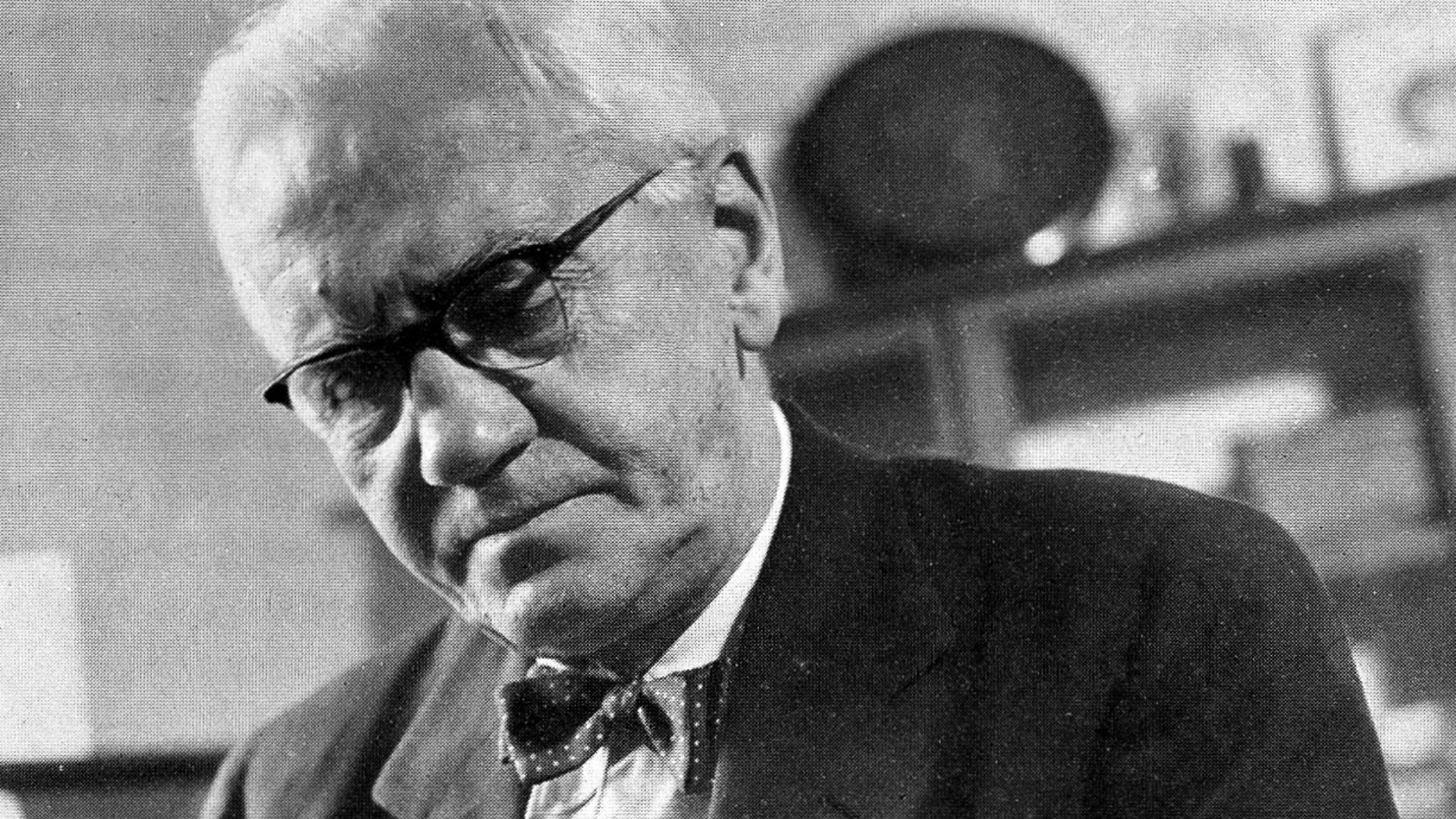
Wilhelm Röntgen was experimenting with cathode rays in 1895 when he noticed a fluorescent screen glowing some distance away from his equipment. Something invisible was passing through materials and making the screen light up, even though that wasn’t what he had set out to study. Röntgen soon discovered that these mysterious rays could pass through soft tissue while showing bones, and medicine suddenly had a way to look inside the body without cutting someone open.
3. Viagra
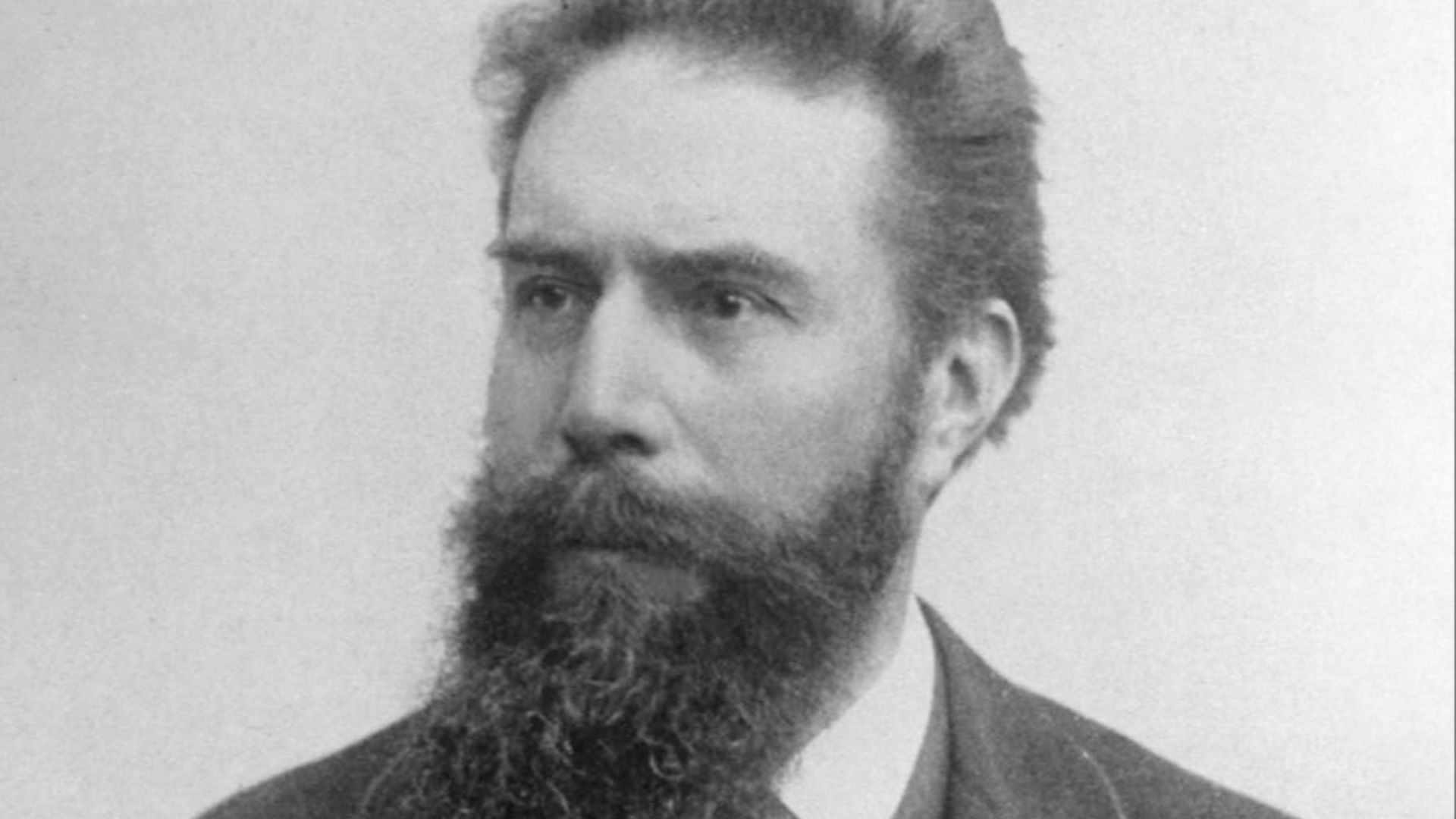
Sildenafil wasn't originally supposed to become an erectile dysfunction treatment. Pfizer researchers were testing the drug for angina and other cardiovascular problems when trial participants reported an unexpected side effect involving erections. The cardiovascular results weren't especially impressive, but that other effect certainly got attention.
4. The Pacemaker
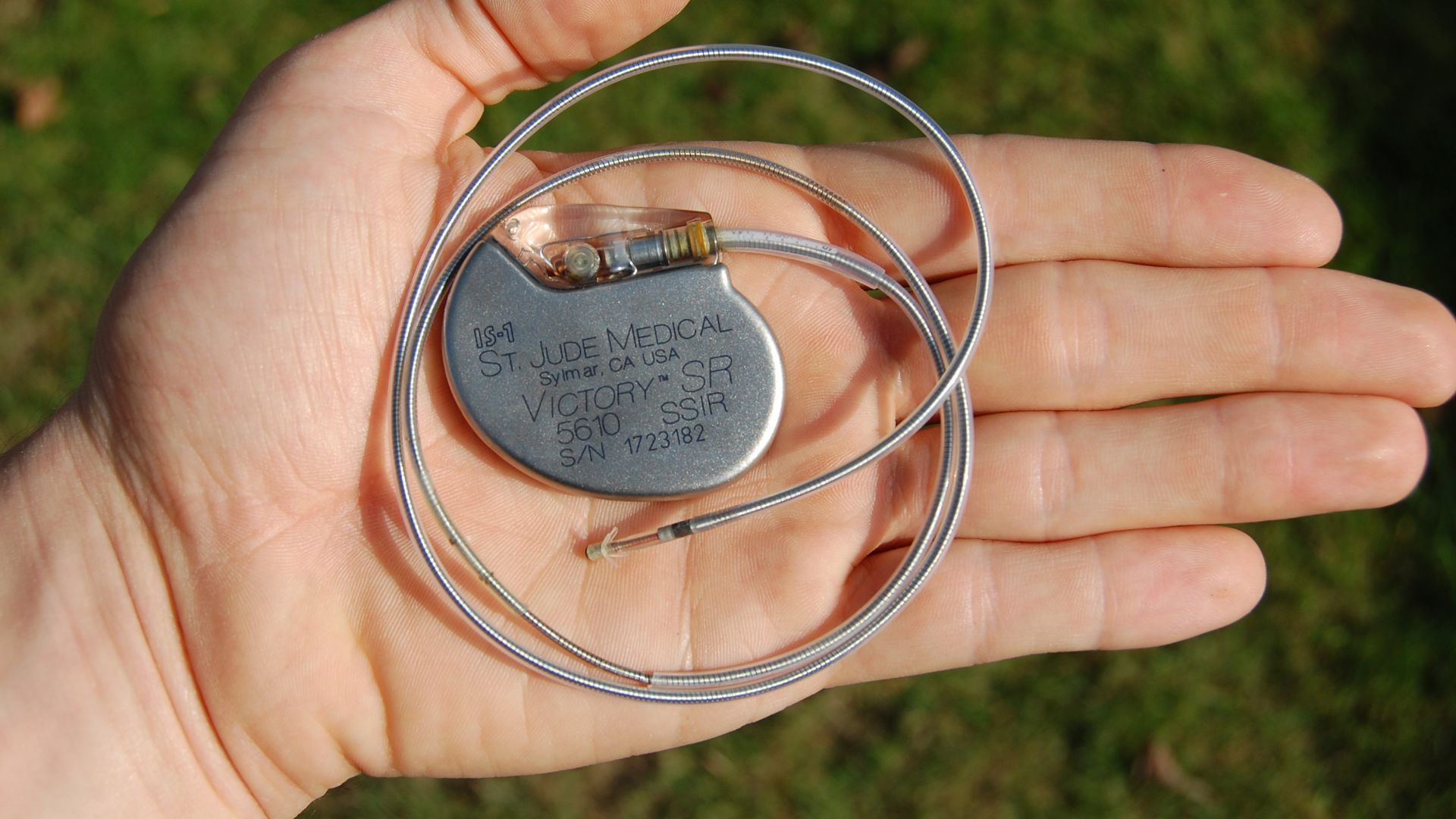
Electrical engineer Wilson Greatbatch was working on a device intended to record heart rhythms when he reportedly installed the wrong resistor. Instead of simply recording electrical activity, the resulting circuit produced regular electrical pulses. Greatbatch realized those pulses resembled the rhythm needed to stimulate a heartbeat, and his mistake led to the development of the implantable cardiac pacemaker.
 Steven Fruitsmaak on Wikimedia
5. Cisplatin
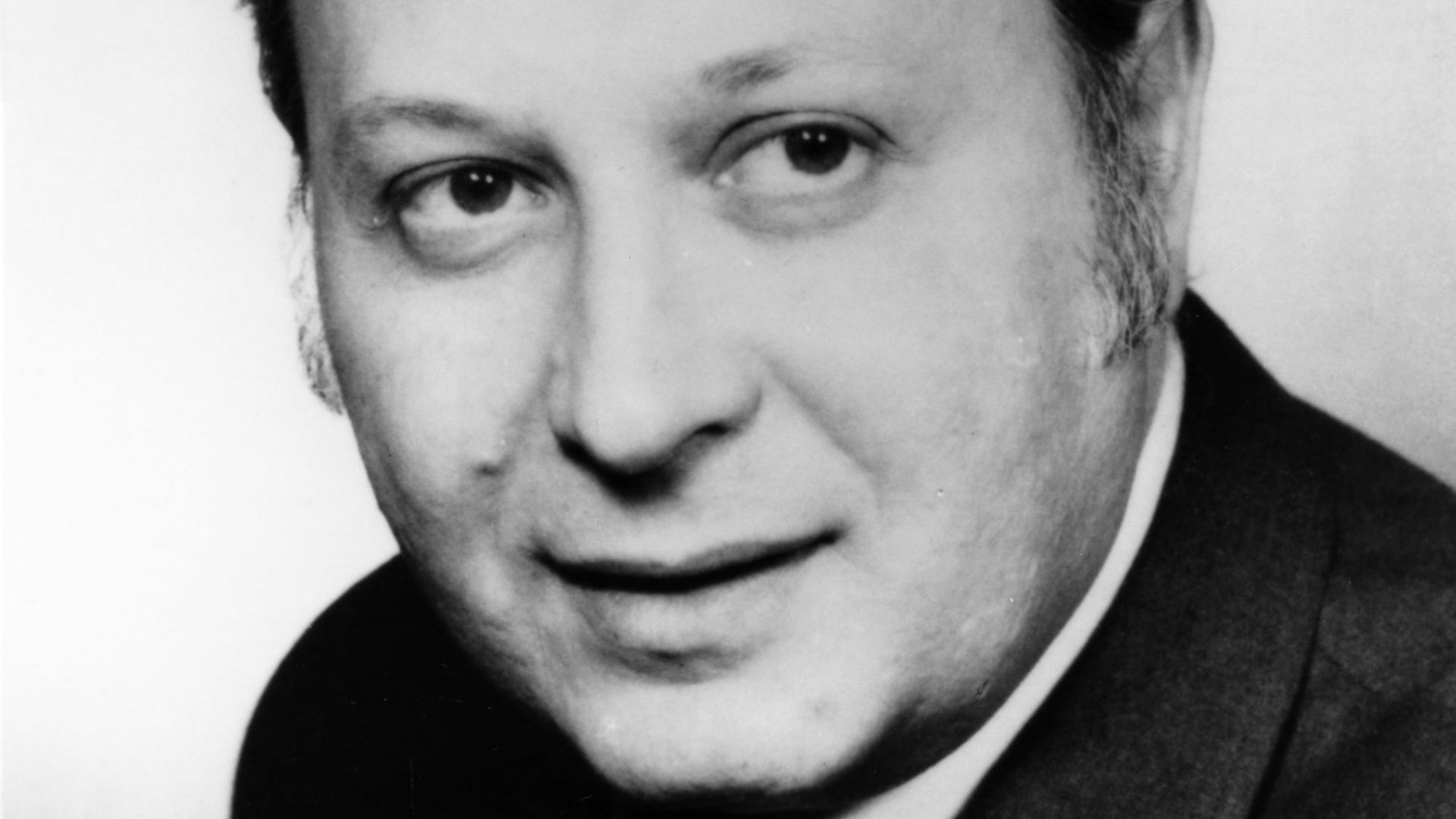
Barnett Rosenberg wasn't trying to create a cancer drug when he began studying how electric fields affected bacterial growth. His team noticed that bacteria exposed to platinum electrodes stopped dividing, eventually tracing the effect to platinum-containing compounds produced during the experiment. Researchers then investigated whether those compounds could also interfere with rapidly dividing cancer cells. That work led to cisplatin, which became an important chemotherapy drug.
 General Motors Cancer Research Foundation on Wikimedia
6. Minoxidil for Hair Loss
Minoxidil was originally developed as a medication for high blood pressure, but doctors soon noticed that some patients taking it developed unusually heavy hair growth. Researchers realized that the side effect might be useful for people experiencing hair loss, and a drug designed for blood pressure eventually became a familiar treatment for thinning hair.

7. Warfarin
The road to warfarin began when cattle in North America started suffering mysterious internal bleeding after eating spoiled sweet clover. Researchers eventually traced the problem to an anticoagulant chemical formed in the moldy feed. Scientists initially explored related compounds as rat poison before recognizing their usefulness in controlled doses as human blood thinners, and thus, the life-saving medicine Warfarin was born.
8. Iproniazid as an Antidepressant
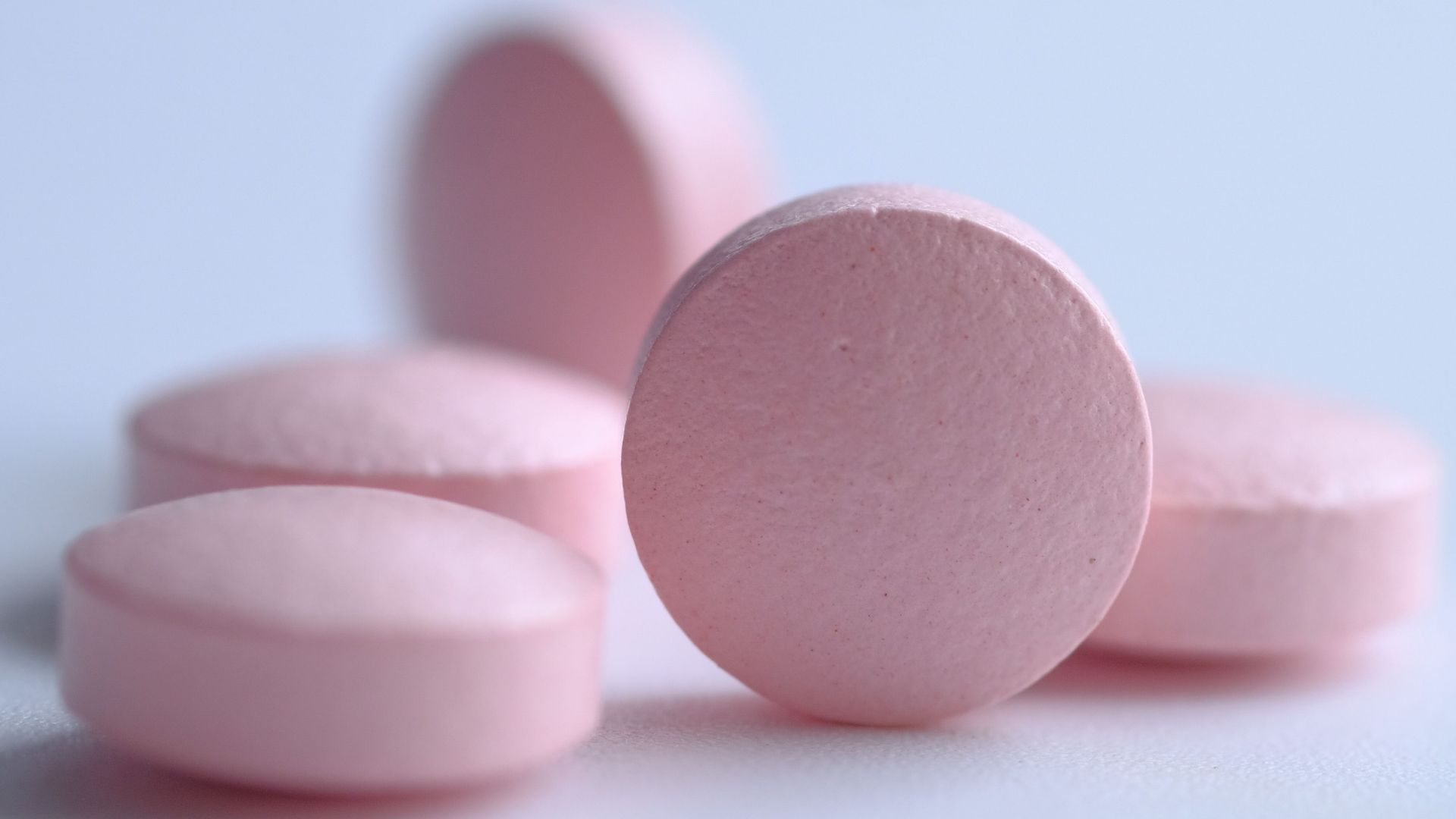
Iproniazid was introduced as a treatment for tuberculosis rather than depression. Doctors treating tuberculosis patients noticed that some became unusually energetic and cheerful while taking it. That observation encouraged researchers to investigate the drug's effects on mood. Iproniazid became one of the early antidepressants and helped establish monoamine oxidase inhibitors as a new class of psychiatric medication.
 Christina Victoria Craft on Unsplash
9. Chlorpromazine
Chlorpromazine's psychiatric effects weren't its original selling point. The drug was initially investigated partly because doctors hoped it could help with anesthesia and reduce the body's reaction to surgery. Physicians noticed that patients given it became calmer without necessarily losing consciousness. Further investigation helped establish chlorpromazine as one of the first widely used antipsychotic medications.
10. Imipramine
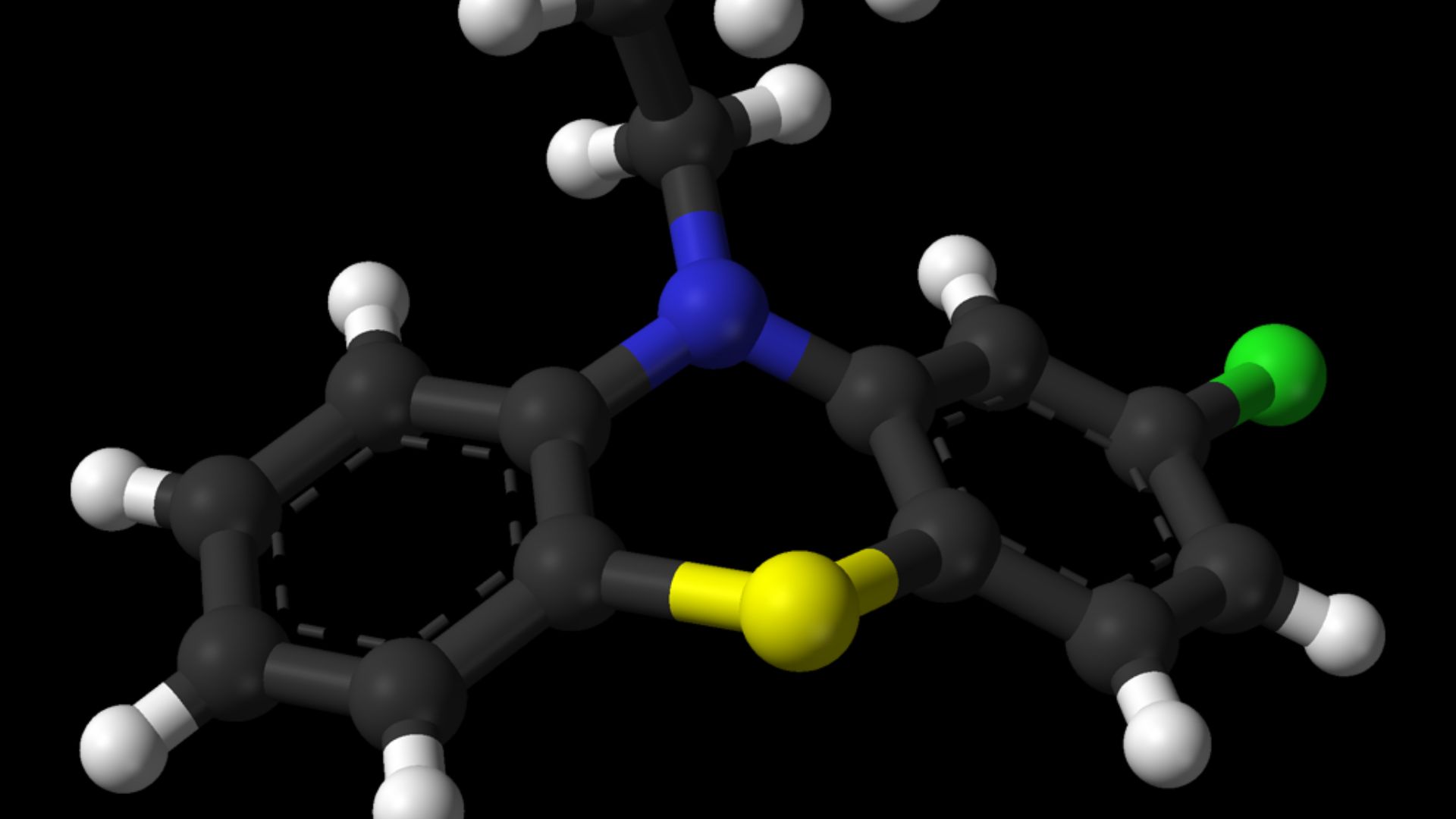
Researchers hoped imipramine might work as a treatment for schizophrenia because its chemical structure resembled other psychiatric drugs. It wasn't especially useful for that purpose, but psychiatrist Roland Kuhn noticed that it improved the mood and energy in patients experiencing depression. That unexpected result helped introduce the tricyclic antidepressant era.
 Jaroslav A. Polák on Wikimedia
11. Lithium for Mania
Australian psychiatrist John Cade was investigating a theory about substances in the urine of psychiatric patients when lithium entered the experiment. His original theory turned out to be wrong, but he noticed that lithium compounds produced striking calming effects in his animal tests. Cade eventually tried lithium in patients experiencing mania, and that became one of psychiatry's most important treatments.

12. Nitrogen Mustard Chemotherapy
During World War II, researchers studying the effects of mustard agents noticed that exposed people could develop severely reduced white blood cell counts. That destructive effect suggested the chemicals might also attack rapidly multiplying cancer cells. Scientists began investigating related nitrogen mustard compounds against cancers such as lymphoma, and the observation helped establish one of the earliest forms of modern chemotherapy.
 Rhoda Baer (Photographer) on Wikimedia
13. Disulfiram for Alcohol Dependence
Workers exposed to chemicals related to disulfiram noticed that drinking alcohol afterward could make them extremely sick. Researchers eventually recognized that the drug interfered with the body's normal processing of alcohol, producing unpleasant symptoms after drinking. Rather than dismissing the reaction, scientists saw a possible therapeutic purpose and began using it to treat alcoholics.

14. Dimenhydrinate for Motion Sickness
Dimenhydrinate was being used as an antihistamine when doctors noticed something unexpected in a patient who also suffered from severe motion sickness. Her symptoms reportedly improved dramatically while taking the medication. Researchers followed up on the observation, and dimenhydrinate eventually became widely known as Dramamine, a common motion sickness treatment.

15. Griseofulvin
The story of griseofulvin began far from a hospital. Researchers investigating why young conifer trees weren't growing properly in certain soil discovered that a fungus was producing a substance that inhibited other fungi. Scientists eventually identified griseofulvin and recognized its potential as an antifungal medication. It later became one of the first oral treatments available for certain fungal infections.

16. Chlordiazepoxide
Chemist Leo Sternbach had synthesized compounds while searching for new medications, but one of them was initially put aside because it didn't appear especially promising. Years later, the forgotten compound was tested almost as an afterthought and turned out to have notable calming and muscle-relaxing effects. It became chlordiazepoxide, sold as Librium, which continues to be used to treat alcohol withdrawal and anxiety.
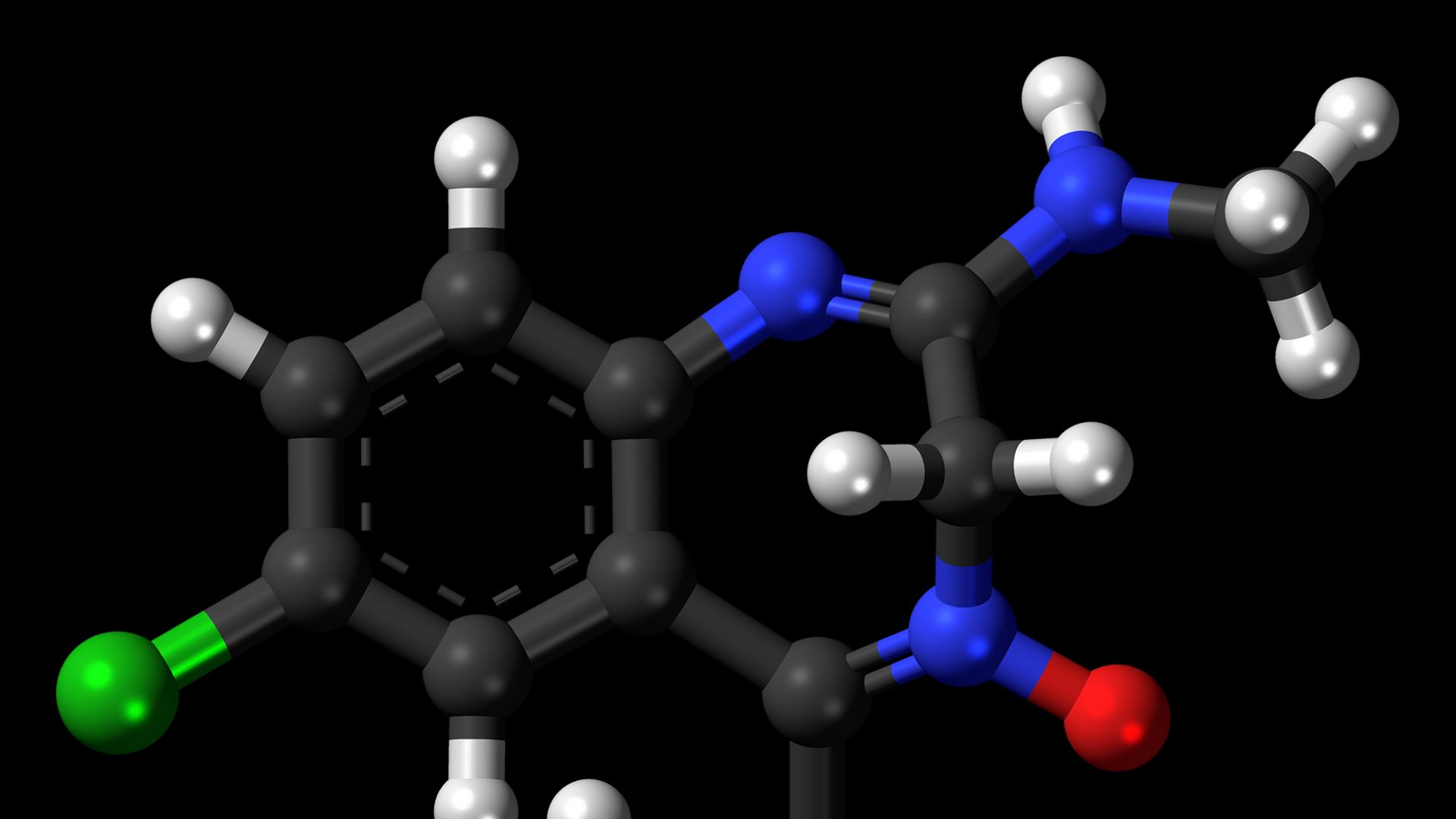 Jynto (more from this user) on Wikimedia
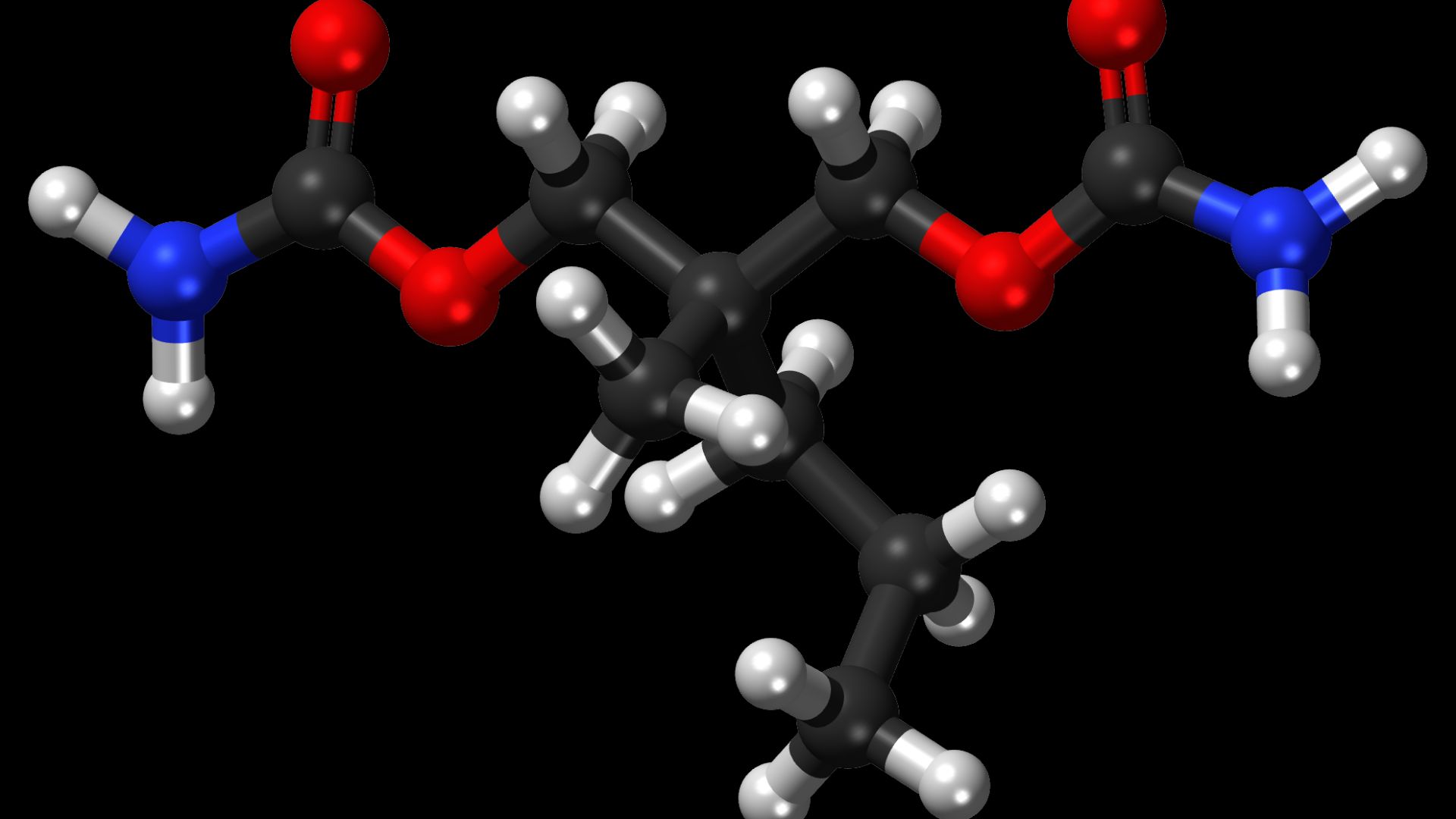
17. Meprobamate
Meprobamate emerged from research that wasn't originally aimed at anxiety at all. Chemists were investigating compounds related to substances that could potentially interfere with enzymes involved in breaking down penicillin. During that work, researchers noticed that certain compounds had calming and muscle-relaxing effects. Further development produced meprobamate, which became a widely prescribed anxiety medication during the 1950s.
18. Tamoxifen
Tamoxifen was initially investigated as a possible contraceptive rather than a cancer medication. It didn't work as intended for preventing pregnancy, but researchers discovered that its effects on estrogen could be valuable in treating certain breast cancers. Further studies turned that unexpected direction into a major medical application, and Tamoxifen went on to become an important therapy for hormone-sensitive breast cancer.

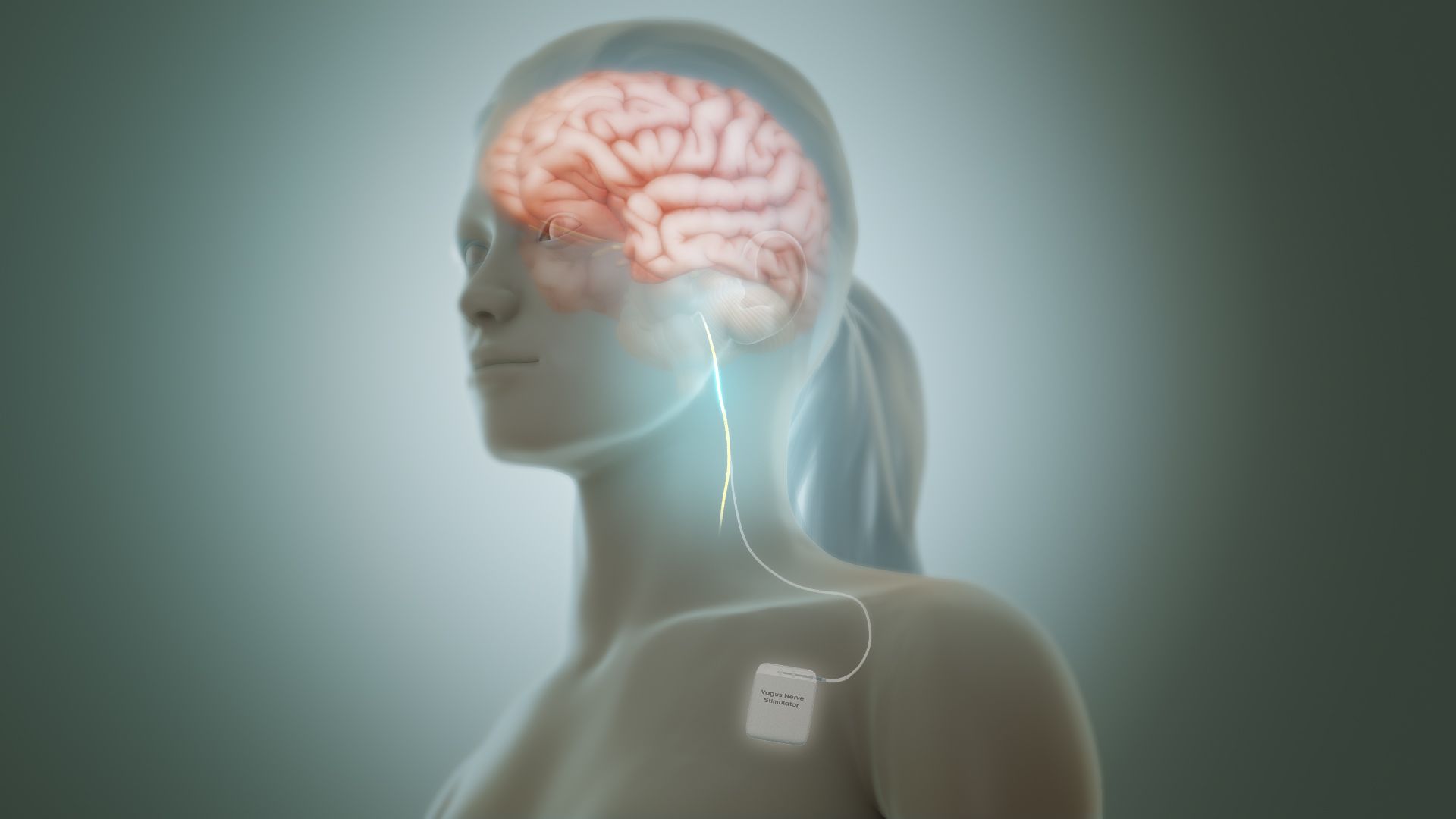
19. Vagus Nerve Stimulation for Depression
Vagus nerve stimulation was originally developed as a treatment for epilepsy. While studying people receiving the therapy, clinicians noticed that some patients appeared to experience improvements in mood that couldn't be explained simply by fewer seizures. Researchers began investigating whether the same treatment could benefit people with severe depression, and that observation eventually led to its use for certain cases of treatment-resistant depression.
20. The Antidepressant Effects of Lamotrigine
Lamotrigine was developed and approved primarily as an anti-seizure medication. Doctors treating people with epilepsy began noticing that some patients experienced improvements in mood while taking it. Those observations encouraged researchers to study the drug's psychiatric effects more carefully. Lamotrigine eventually became an established treatment used particularly in bipolar disorder.
KEEP ON READING



20 Natural Ways You Can Boost Your Immune System

20 Ways To De-stress & Relax After Work

The 10 Most Common Diseases & The 10 Most Rare