Where The Trip Works And Where It Fights You
Retirement travel gets sold as a single category, which is strange given that a 62-year-old marathon runner and an 82-year-old with a replaced hip need completely different vacations. Age is the least useful thing to plan around. What matters is how many stairs a place expects of you, and how far the nearest decent hospital sits from the hotel. Some cities handle all of that without anyone noticing, and others punish a knee that was fine at forty. Here are 10 destinations that tend to work beautifully, and 10 to maybe rethink.

1. Valencia, Spain
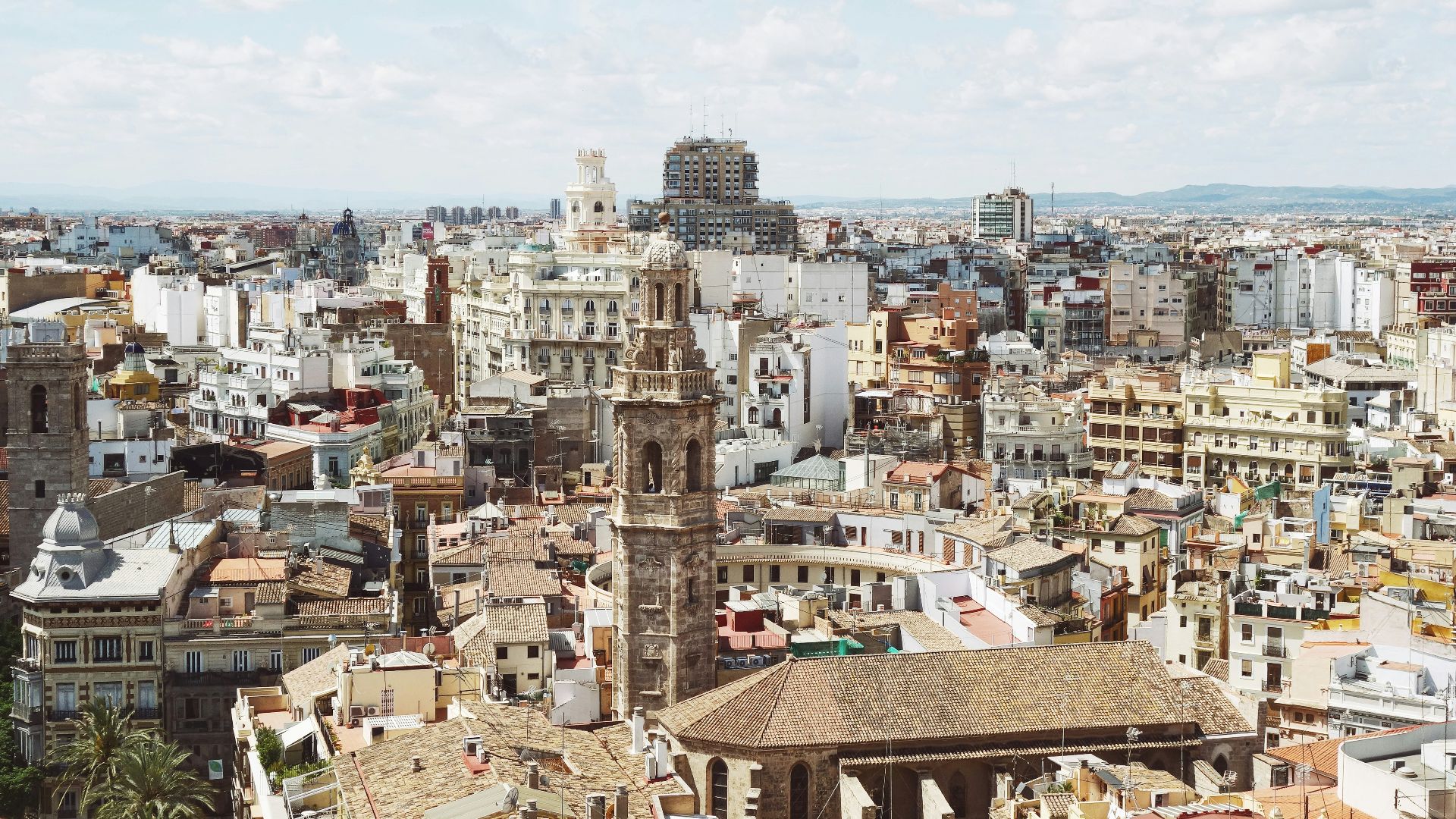
The old riverbed was turned into a five-mile park that runs through the middle of the city, paved flat the whole way with benches every hundred yards. A public hospital sits at either end of it. Restaurants stop serving lunch at four and start dinner again at eight, which suits anyone who naps through the middle of the afternoon.
 travelnow.or.crylater on Unsplash
2. Vienna, Austria
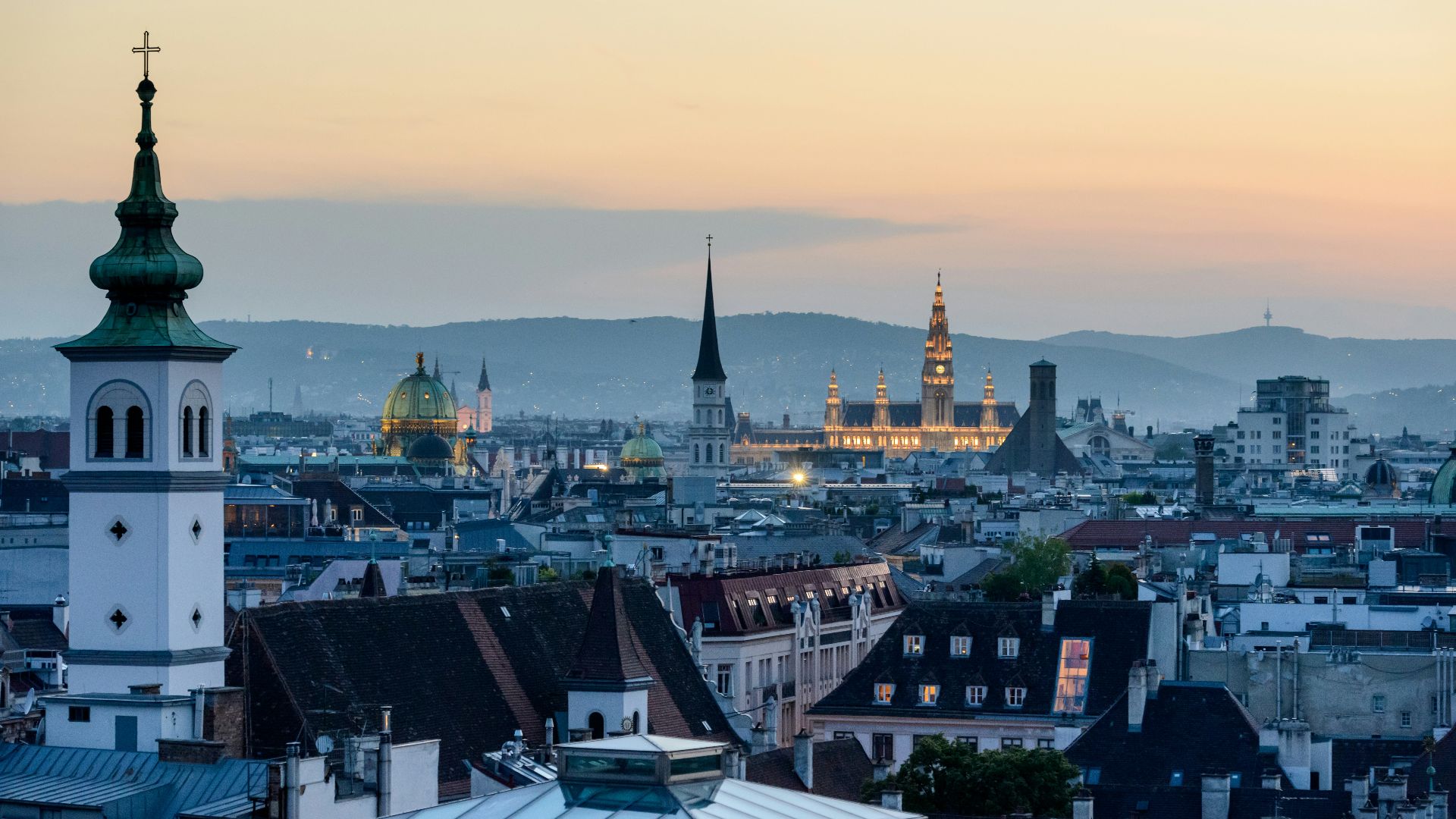
A tram circles the Ringstrasse and stops every few hundred meters, so almost nothing in the center requires more than a four-minute walk. Coffee houses expect you to sit for three hours on one order and the waiters will not come back to hurry you. The sidewalks are smooth enough that a cane never catches on anything.
3. Japan By Train
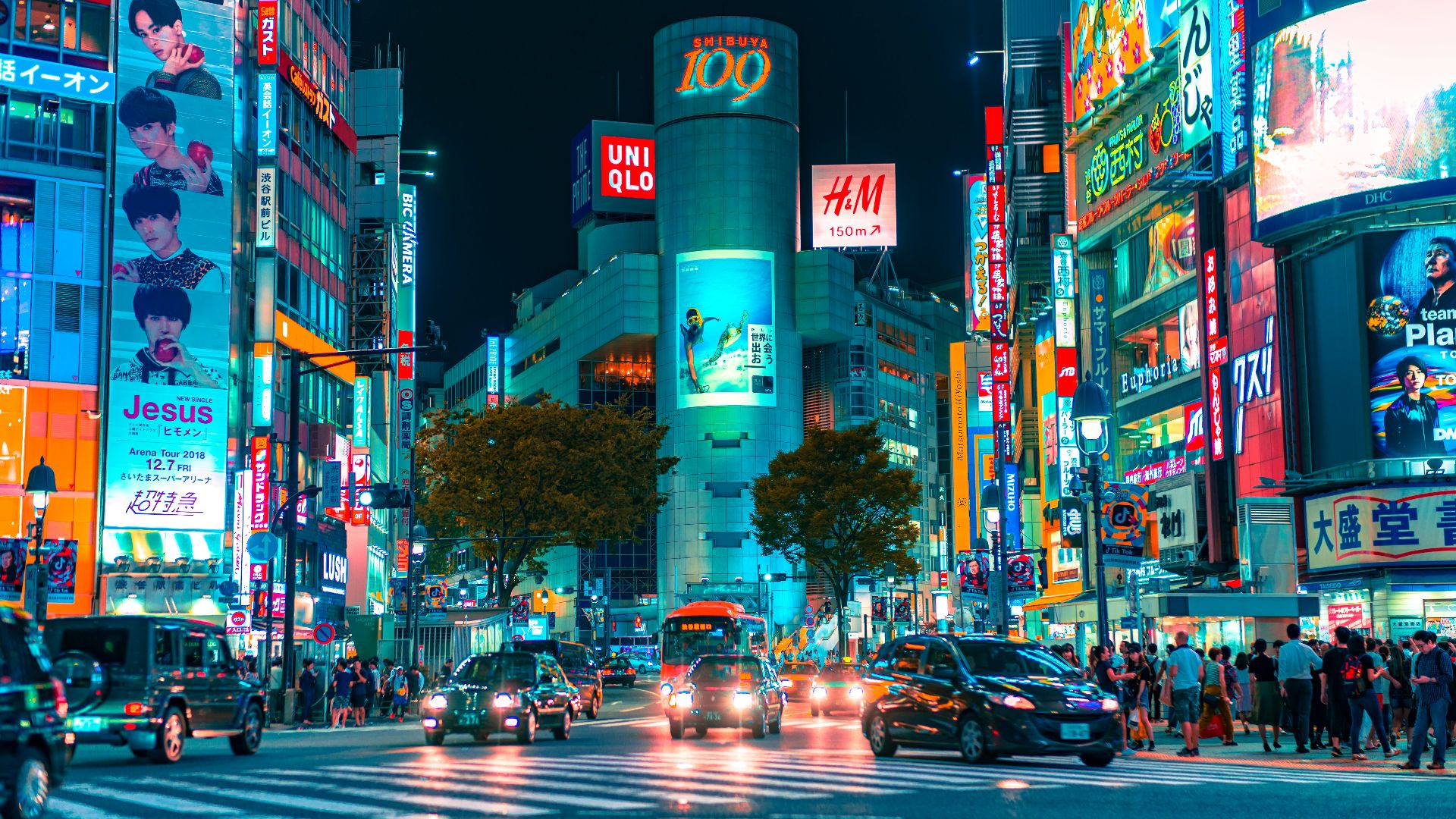
For about two thousand yen, a service will collect your suitcase at one hotel and deliver it to the next one, so you board the bullet train carrying a handbag. Every major station has elevators and staff who walk you to the right platform without being asked. You can cover six cities in two weeks and never once lift a suitcase onto an overhead rack.
4. The Algarve, Portugal
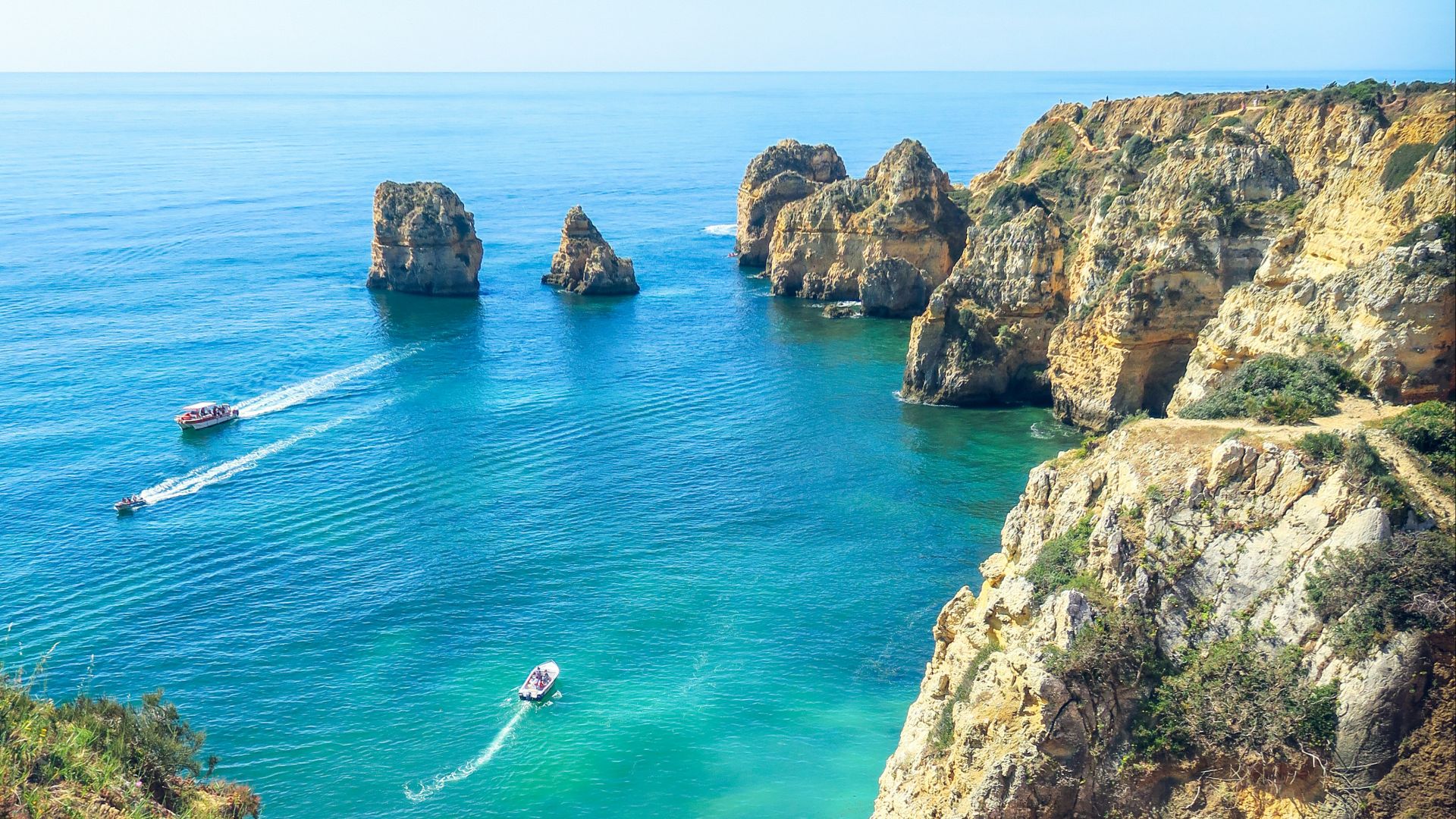
Winters run around 17 degrees Celsius, and the English-speaking community is large enough to support its own newspapers and lawn bowls clubs. A private clinic consultation costs between fifty and eighty euros without insurance. Tavira sits flat along its river and the whole town center is walkable in twenty minutes.
5. Singapore
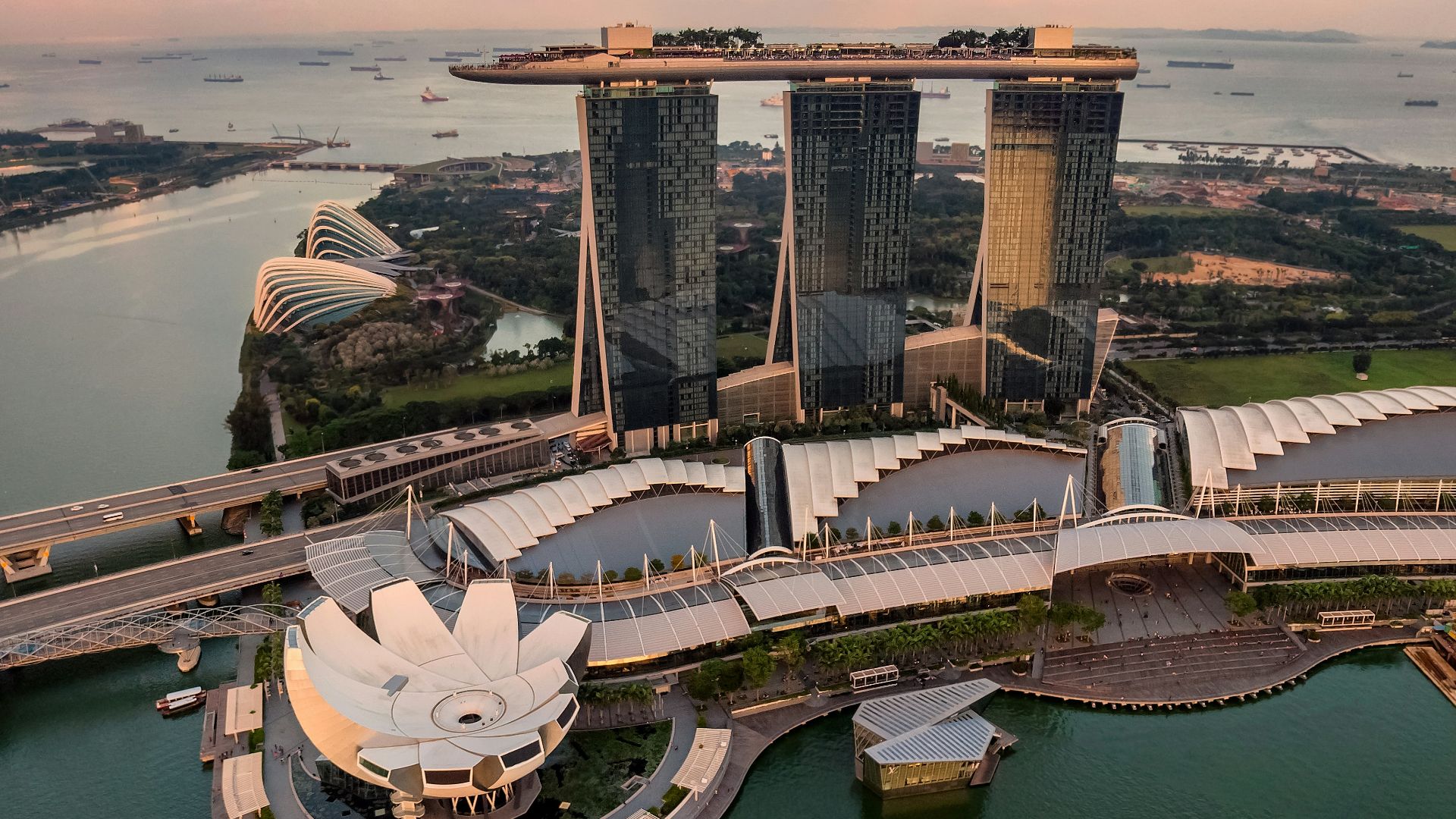
Covered walkways connect most of the city, and every MRT station has an elevator down to the platform. Hospitals run in English and taxis cost a fraction of what they do in London or New York. A hawker center dinner runs about six dollars and every one of them has seats.
6. Victoria, British Columbia
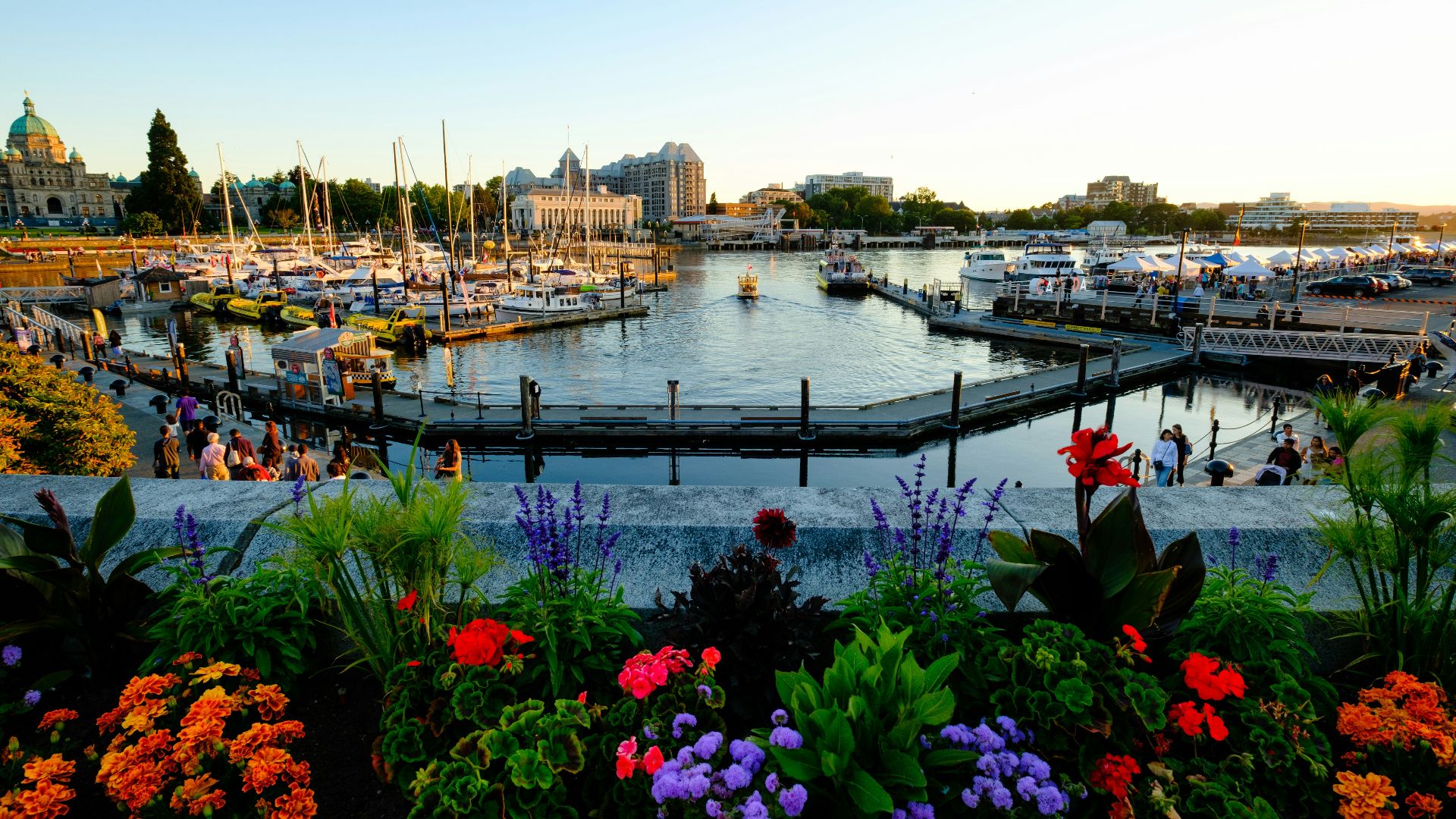
The Inner Harbour causeway runs flat and paved, with benches every fifty feet facing the water. Butchart Gardens runs paved loops through the whole property and rents mobility scooters at the gate. Winter here means rain at six degrees rather than the ice that puts people on the ground in Ottawa.
7. A Danube River Cruise
You unpack once and the hotel moves overnight, which removes the hardest part of European travel. The ships tie up in the center of Budapest and Vienna rather than at a container terminal an hour out. Every port offers a gentle walking option alongside the standard one, and staying aboard with a book costs nothing.
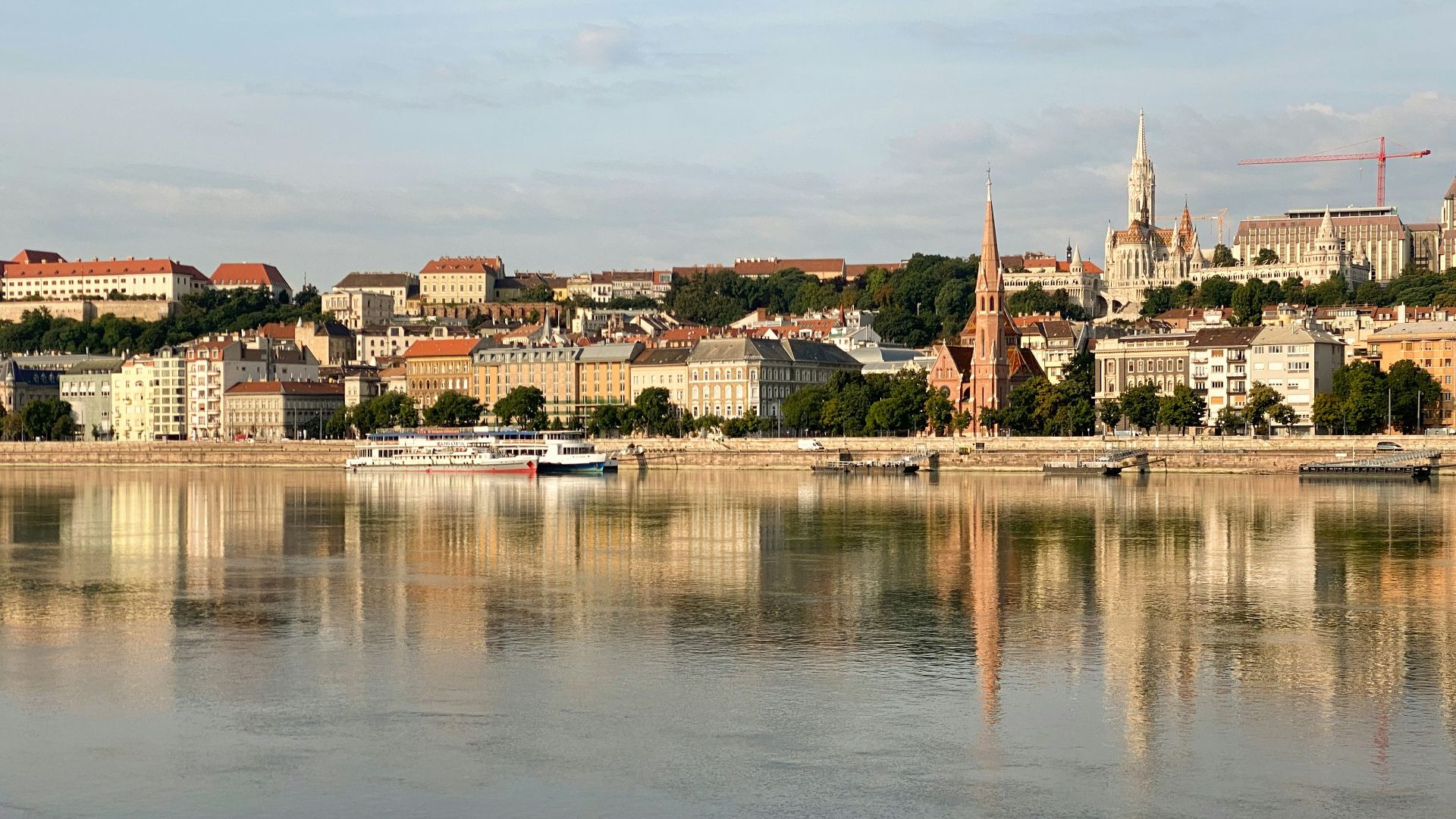
8. Charleston, South Carolina
The historic peninsula is flat, and the medical university hospital sits about a mile from the main tourist streets. Chalmers Street and a few blocks nearby still have their original cobblestones, and those are the only real hazard downtown. Go in April or late October, because August runs near 95 degrees with matching humidity.
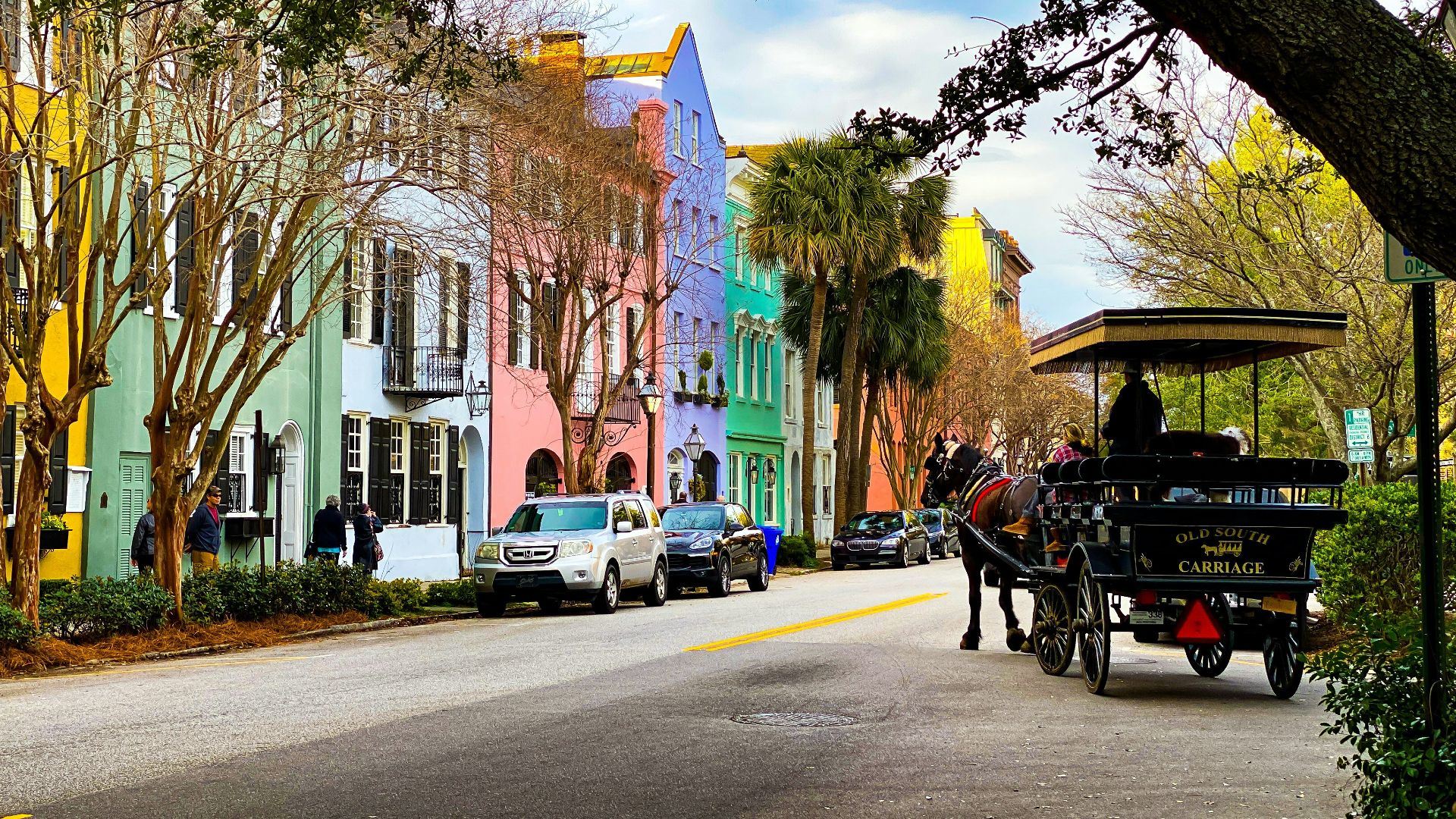
9. Ljubljana, Slovenia
The center has been closed to cars since 2007, and the city runs small electric carts called Kavaliri that give free rides to older passengers inside the pedestrian zone. You flag one down like a taxi and nobody asks for money. Crossing the entire old town on foot takes about thirty minutes, with a cafe terrace every forty steps.
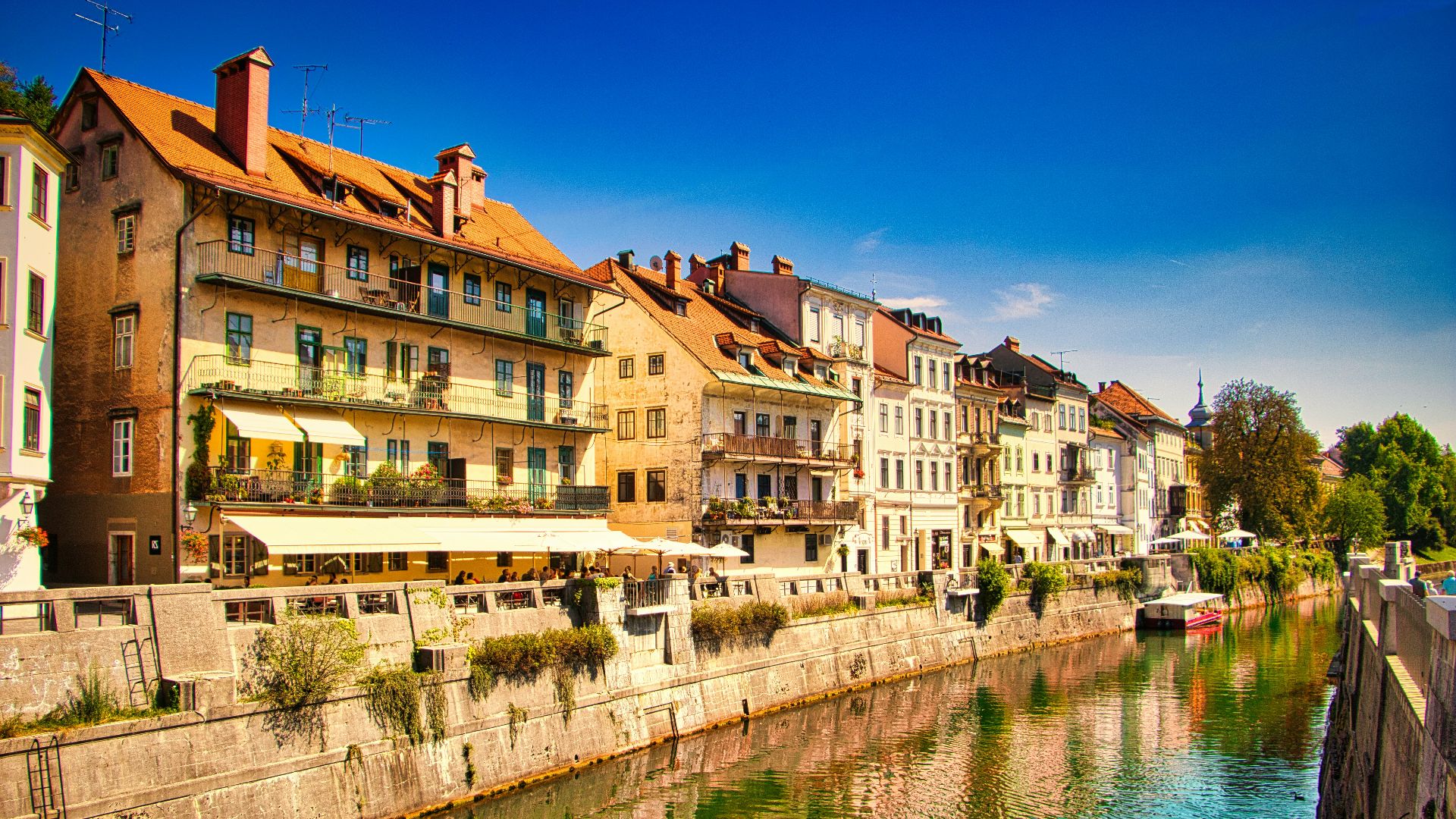
10. Taipei, Taiwan
Every metro station has elevators, and a senior EasyCard cuts the fare to almost nothing. Hospitals are excellent and a walk-in consultation costs a fraction of the American equivalent. There is a 7-Eleven on nearly every block selling hot food at three in the afternoon when energy runs out.
Now, here's 10 destinations worth thinking twice about.
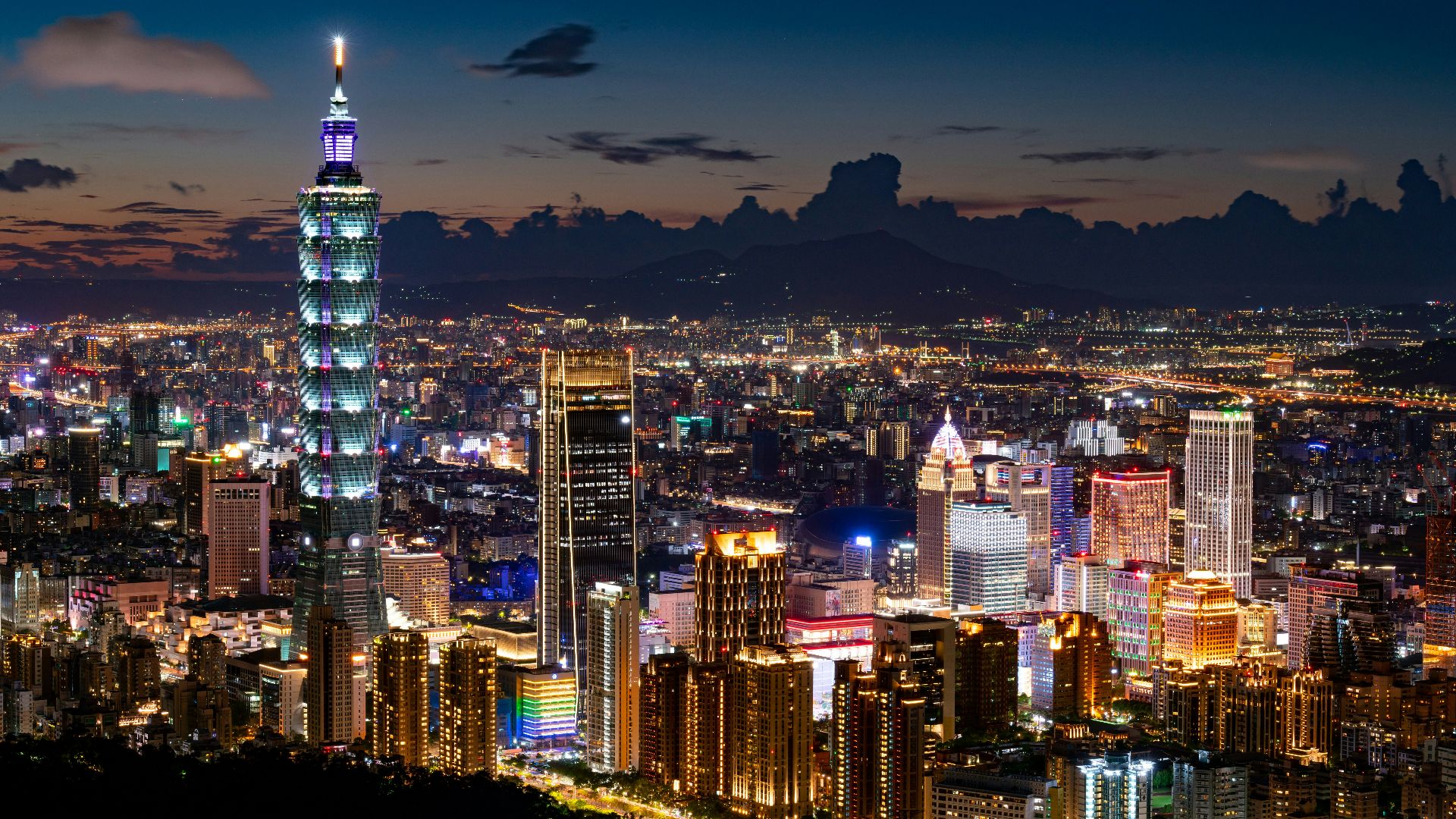
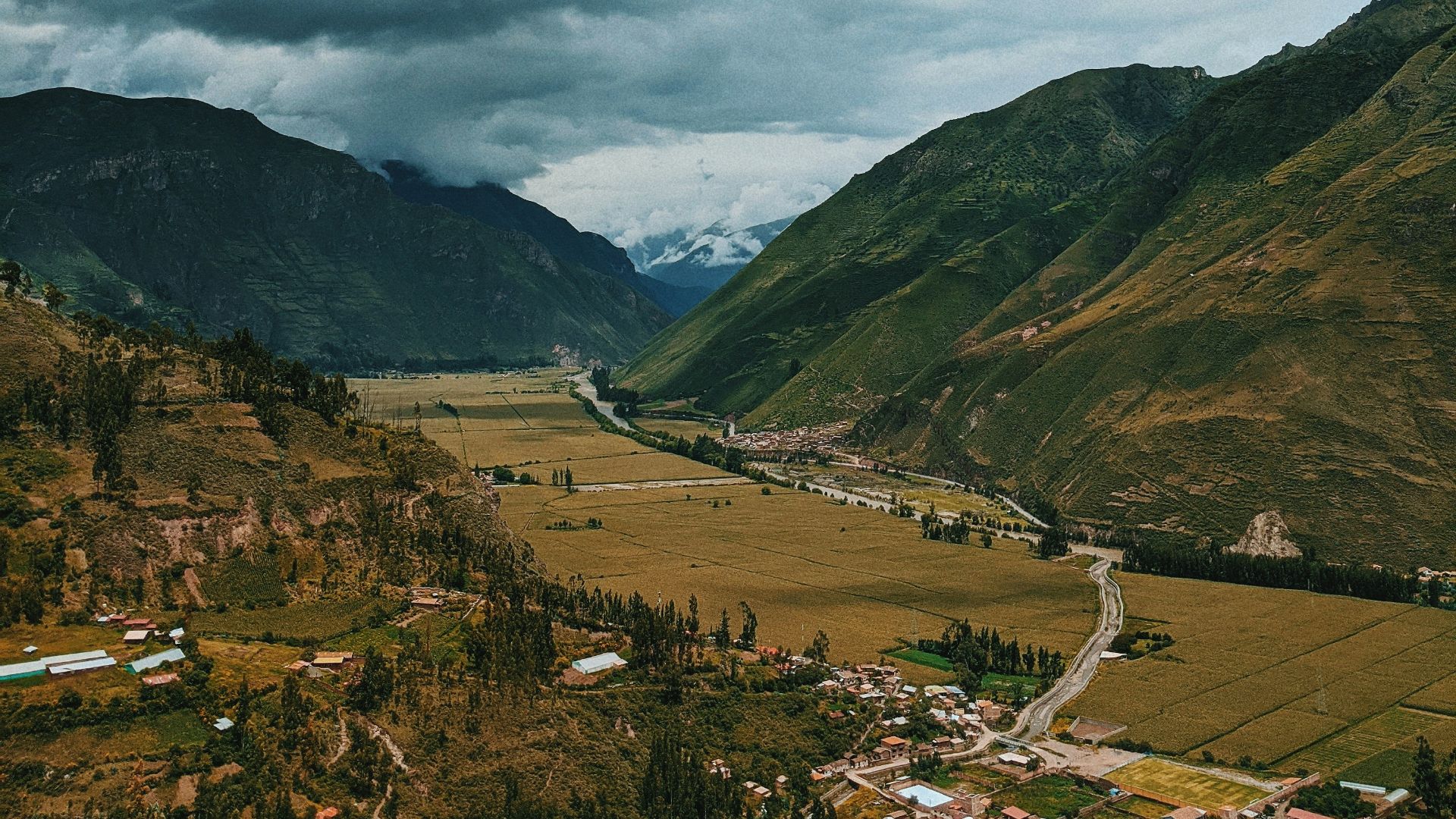
1. Cusco And The Sacred Valley
The city sits at 11,150 feet, and altitude sickness ignores fitness entirely. Anyone on heart or lung medication should talk to a doctor before booking, since the thin air puts real strain on both. Sleeping down in Urubamba at 9,400 feet and visiting Cusco during the day makes the whole trip more manageable.
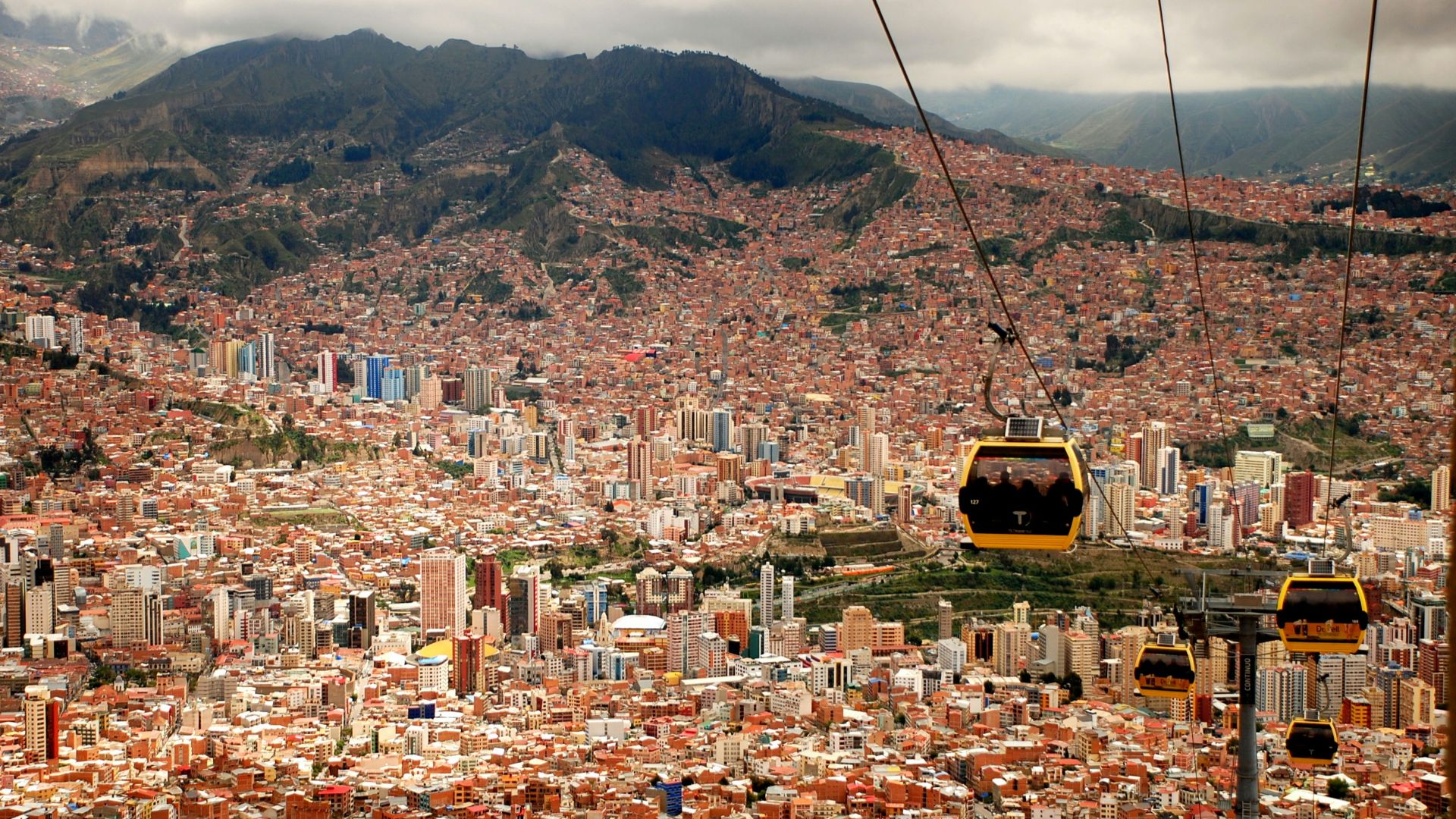
2. La Paz, Bolivia
The airport at El Alto sits above 13,000 feet, so the altitude arrives before your luggage does. The cable car network handles the hills well, and it does nothing about the air. Serious medical care means a flight out, which is a long way to go from that elevation.
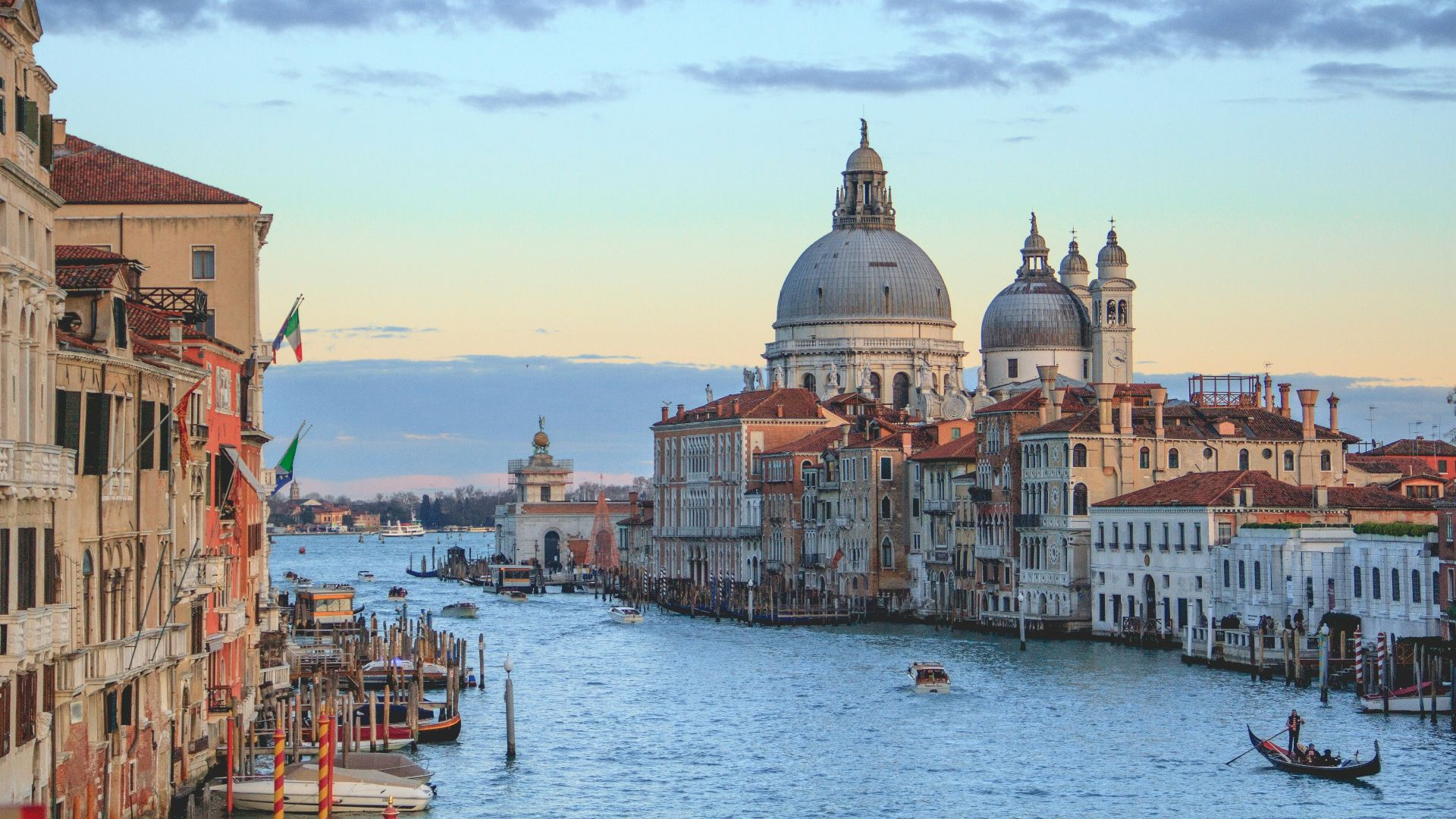
3. Venice
There are no cars in Venice and roughly four hundred bridges, nearly all of them with steps. A porter to move your bags from the water taxi to the hotel costs around twenty-five euros each way, and most narrow lanes have nowhere to stop and rest. The alternative is dragging a suitcase up and down those steps yourself.
4. Santorini
Five hundred and eighty-eight steps connect the old port to Fira, cut into volcanic rock and polished smooth by two centuries of foot traffic. The cable car runs, though the queue in high season stretches past an hour. Moving between the cliff towns means several hundred more steps with no handrail on either side.

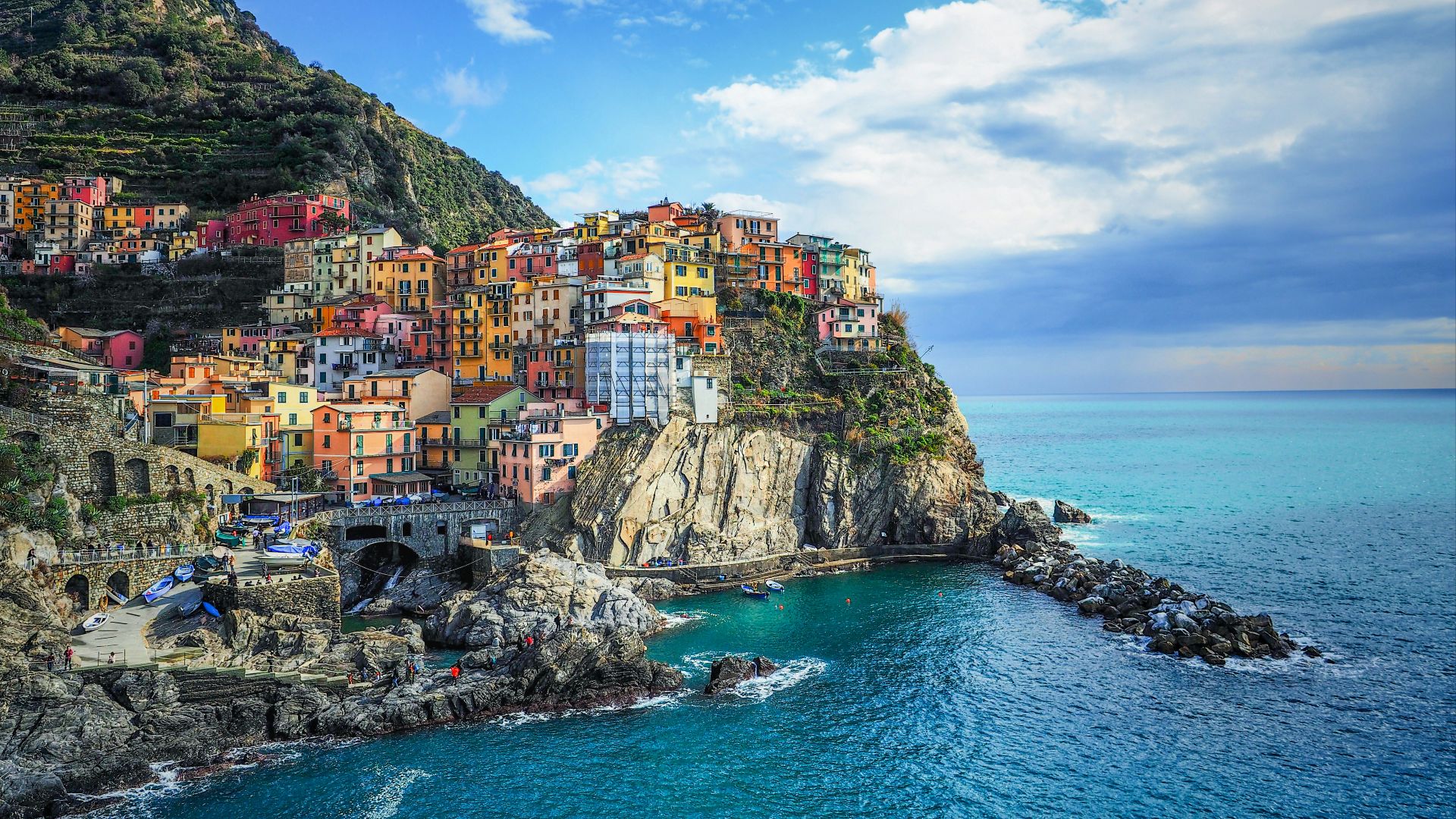
5. Cinque Terre
Every one of the five villages requires a climb from the train platform to anywhere you would want to be, and the platforms themselves involve stairs. Summer trains run standing room only between towns. Monterosso is the only one of the five with a flat waterfront, and it fills up first for exactly that reason.
6. The Persian Gulf In Summer
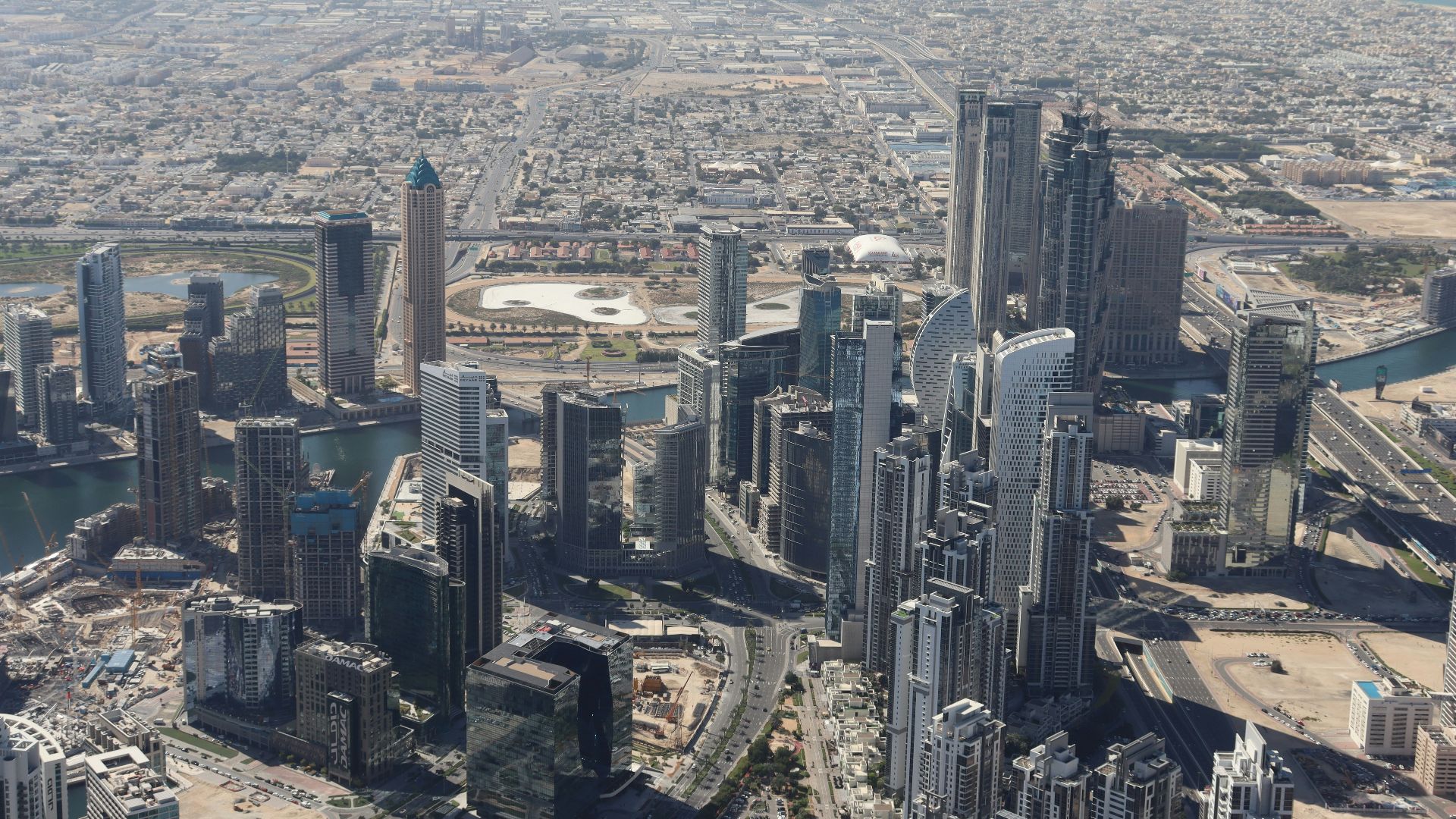
Dubai holds above 40 degrees Celsius from June through September, often hitting 45 in August. Heat like that is dangerous for anyone on blood pressure medication or a diuretic, and both are common after sixty. The same city sits around 24 degrees in January, which is when to book.
7. The Marrakech Medina
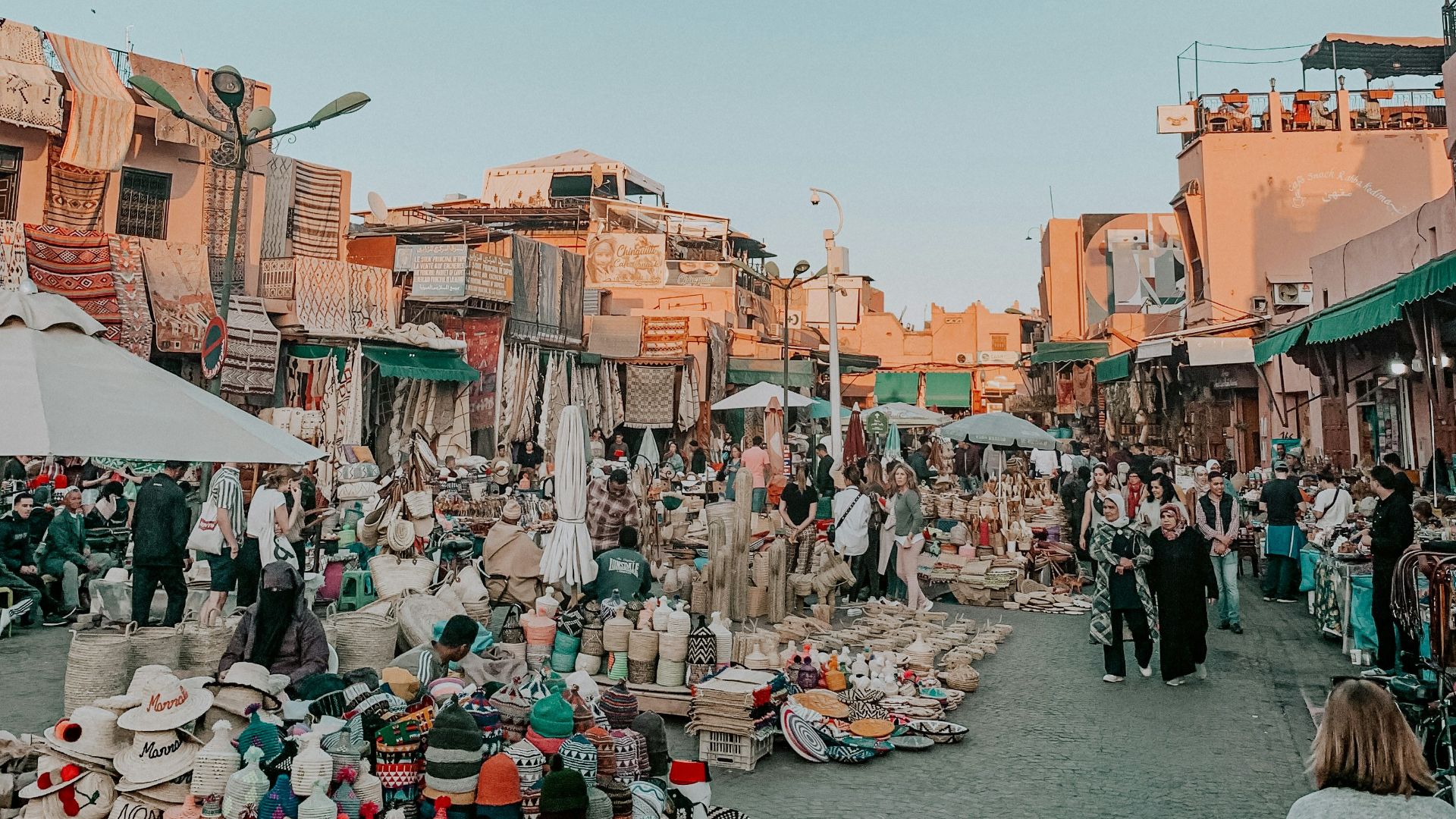
The old city has no street signs and motorbikes move through the pedestrian lanes at speed, which is a difficult combination on uneven paving. Getting lost is part of the design and stops being charming around the second hour. Most riads are beautiful and reached by a staircase with no elevator in the building.
8. Angkor Wat
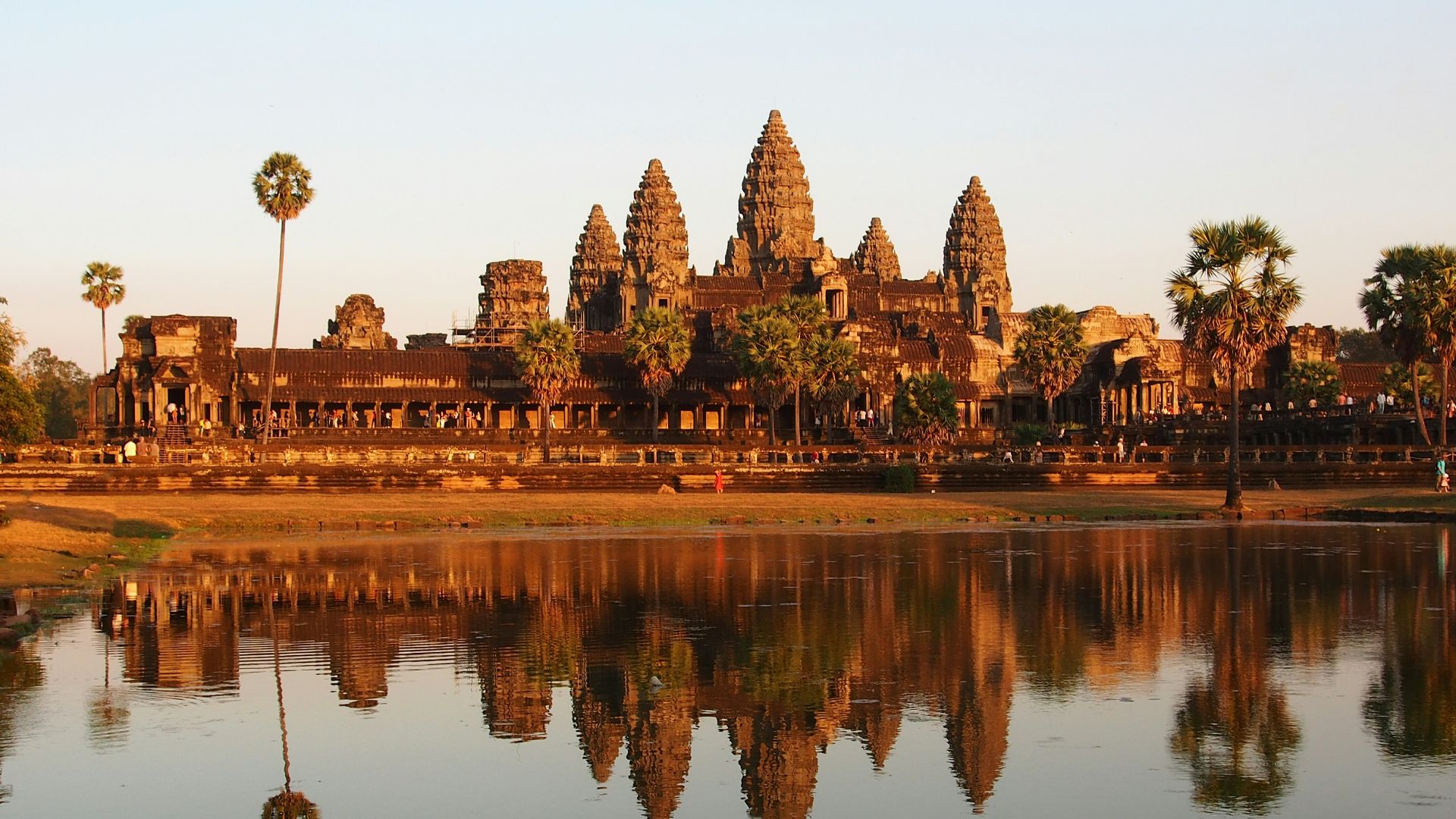
The stairs at Ta Keo and the upper level of Angkor Wat run close to vertical, built for priests rather than visitors. The park covers roughly 150 square miles and seeing it properly takes three days in 35-degree heat. Shade runs out fast past the trees near the main temple, and the tuk-tuk drivers wait at the far gates rather than where you started.
9. Antarctica
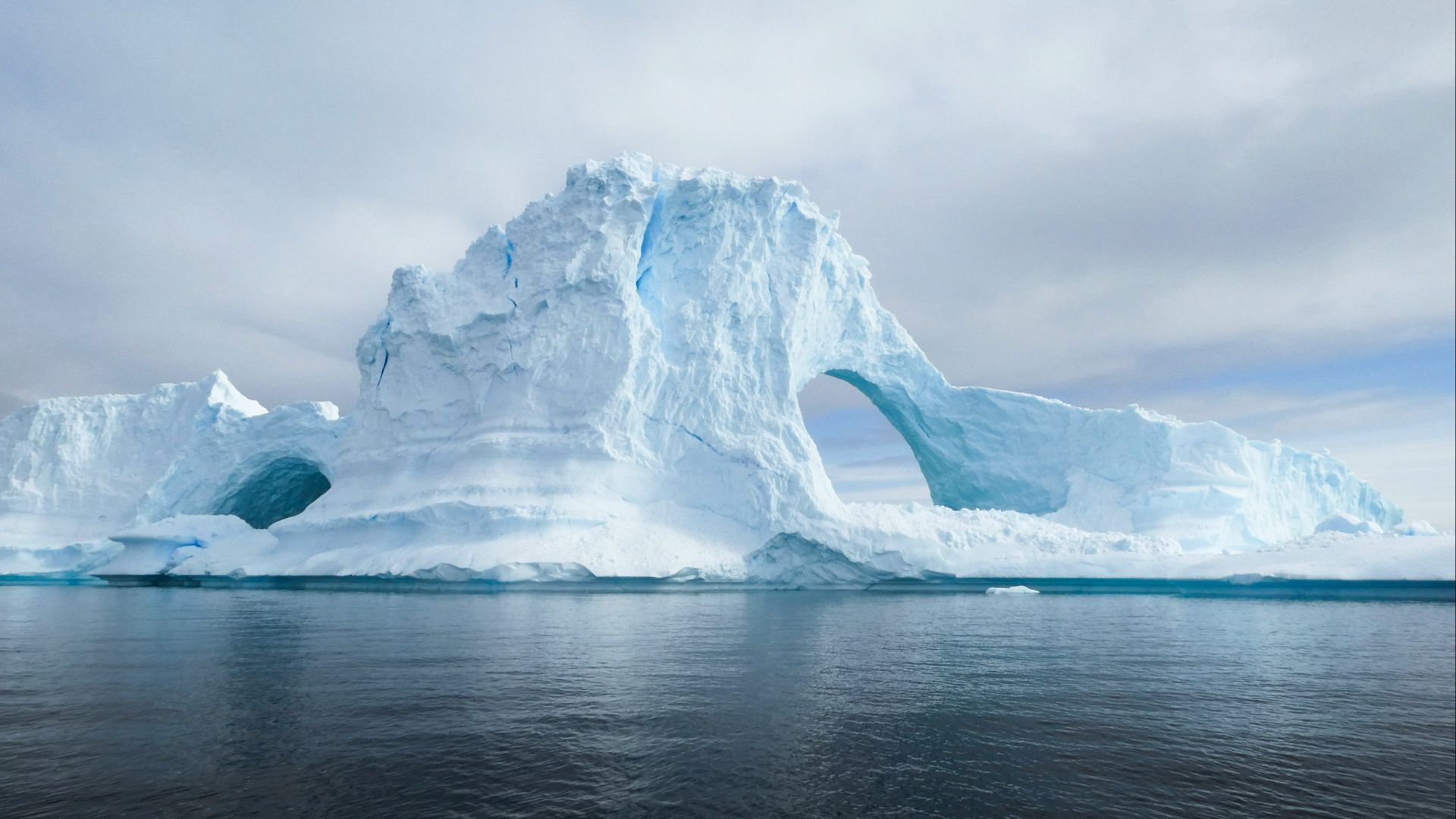
Every landing happens by inflatable boat, boarded down a moving gangway and exited by stepping into surf and climbing onto wet rock. Operators require a medical form because the nearest hospital is two days away by ship. The Drake Passage crossing takes about two days in each direction and is famously rough.
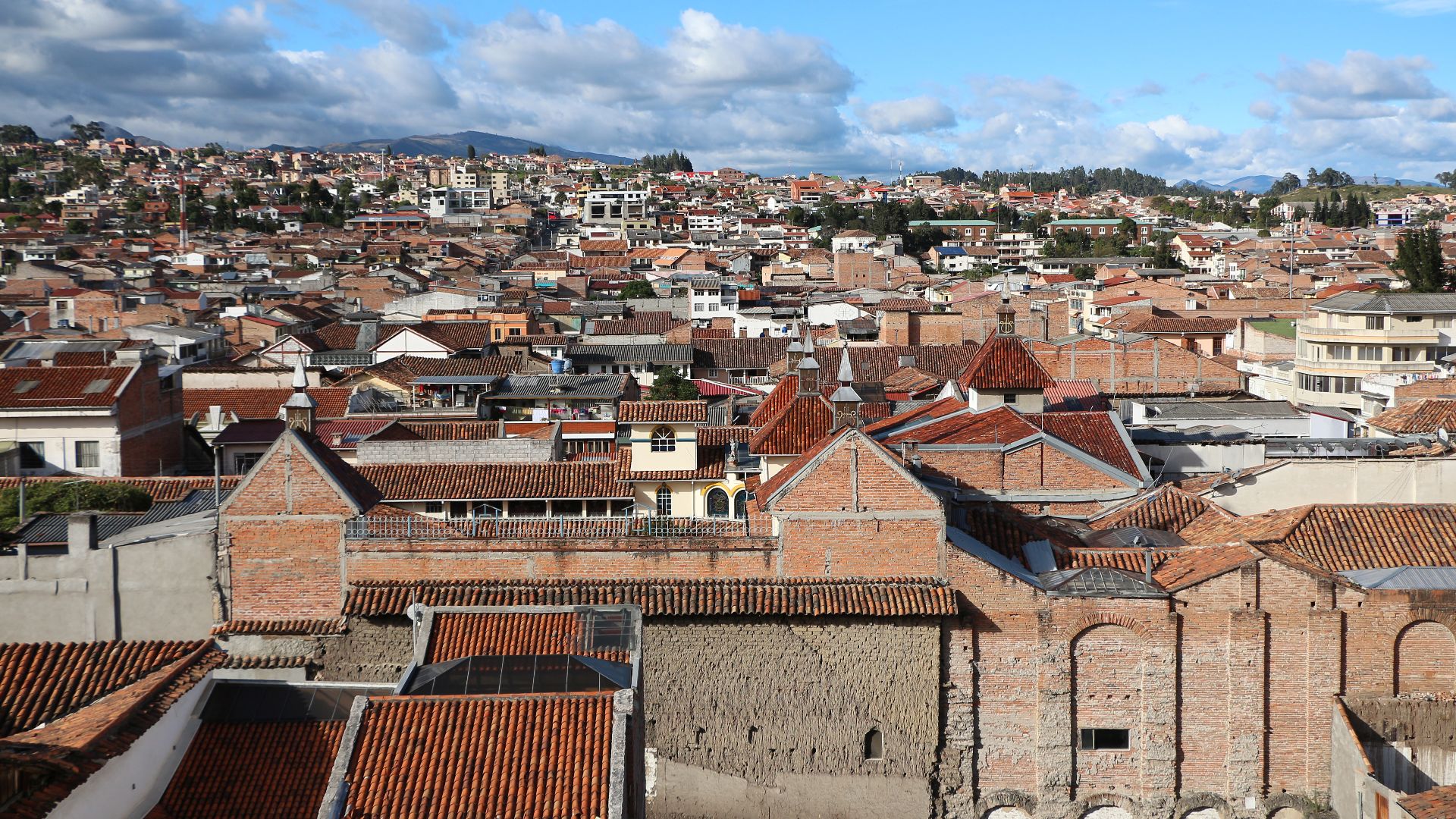
10. Cuenca, Ecuador
Retirement magazines have ranked it a top destination for a decade without mentioning that it sits at 8,400 feet in the Andes. Anyone arriving from sea level spends the first few days winded on ordinary stairs. The historic center is cobblestone with narrow sidewalks, and the steps down to the Tomebamba river are steep and wet most mornings.
KEEP ON READING



20 Ways to Deal With Your Sweet Tooth

20 Low-Impact Exercise Ideas For People Over 50