Getting Older Doesn't Mean Getting Weaker
Though we’ve all been sold this bill of goods, let us be the first to tell you something: aging doesn't take away your ability to improve. You might not be as flexible as you were before, but older adults can still build muscle, sharpen balance, and become noticeably better at everyday movements when they stay active. In fact, some of the strength you develop later in life comes from finally knowing how to look after your body instead of expecting it to recover overnight! Come with us as we explore a few ways your body only strengthens as it ages.
1. Your Muscles Can Still Grow
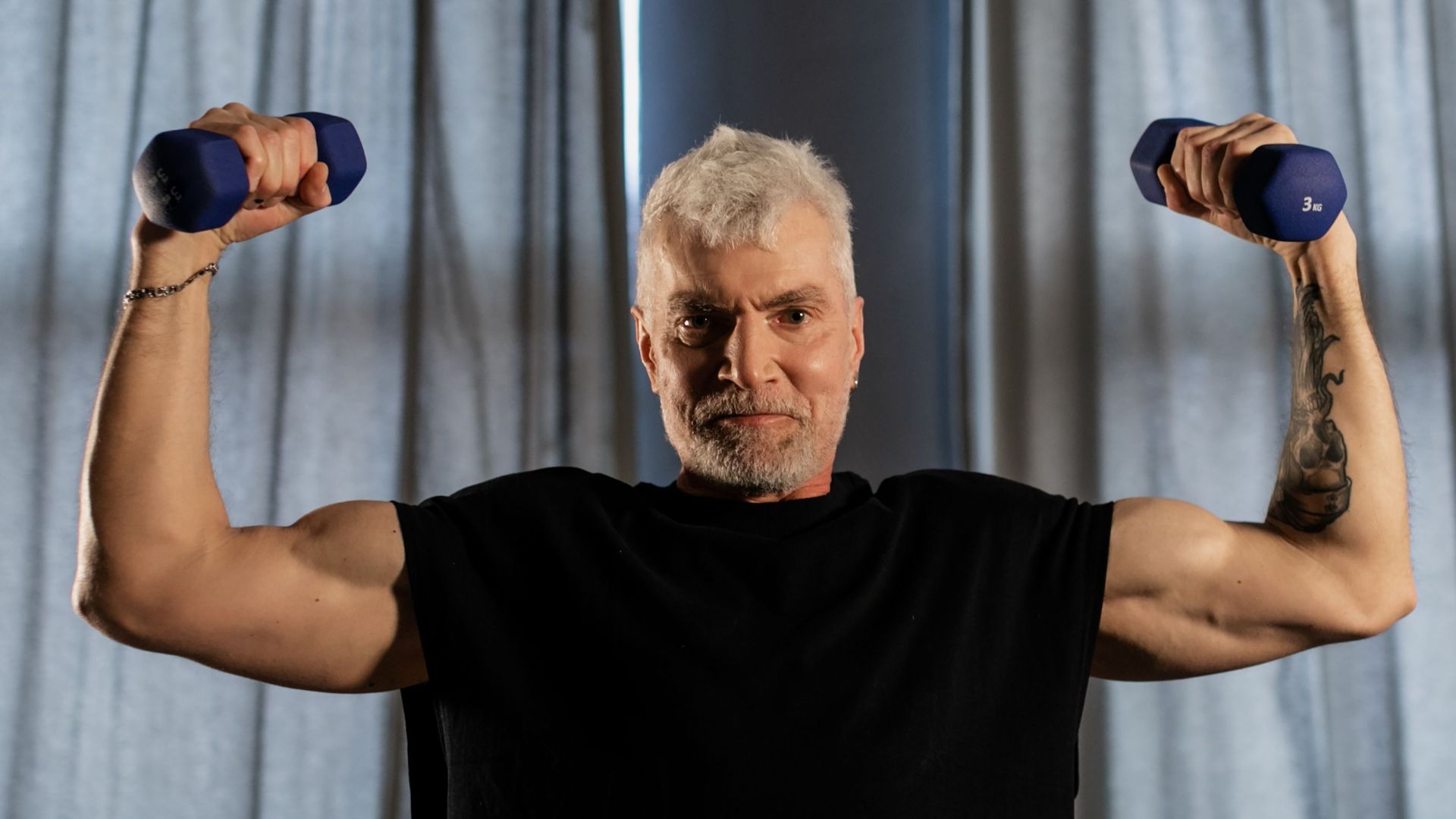
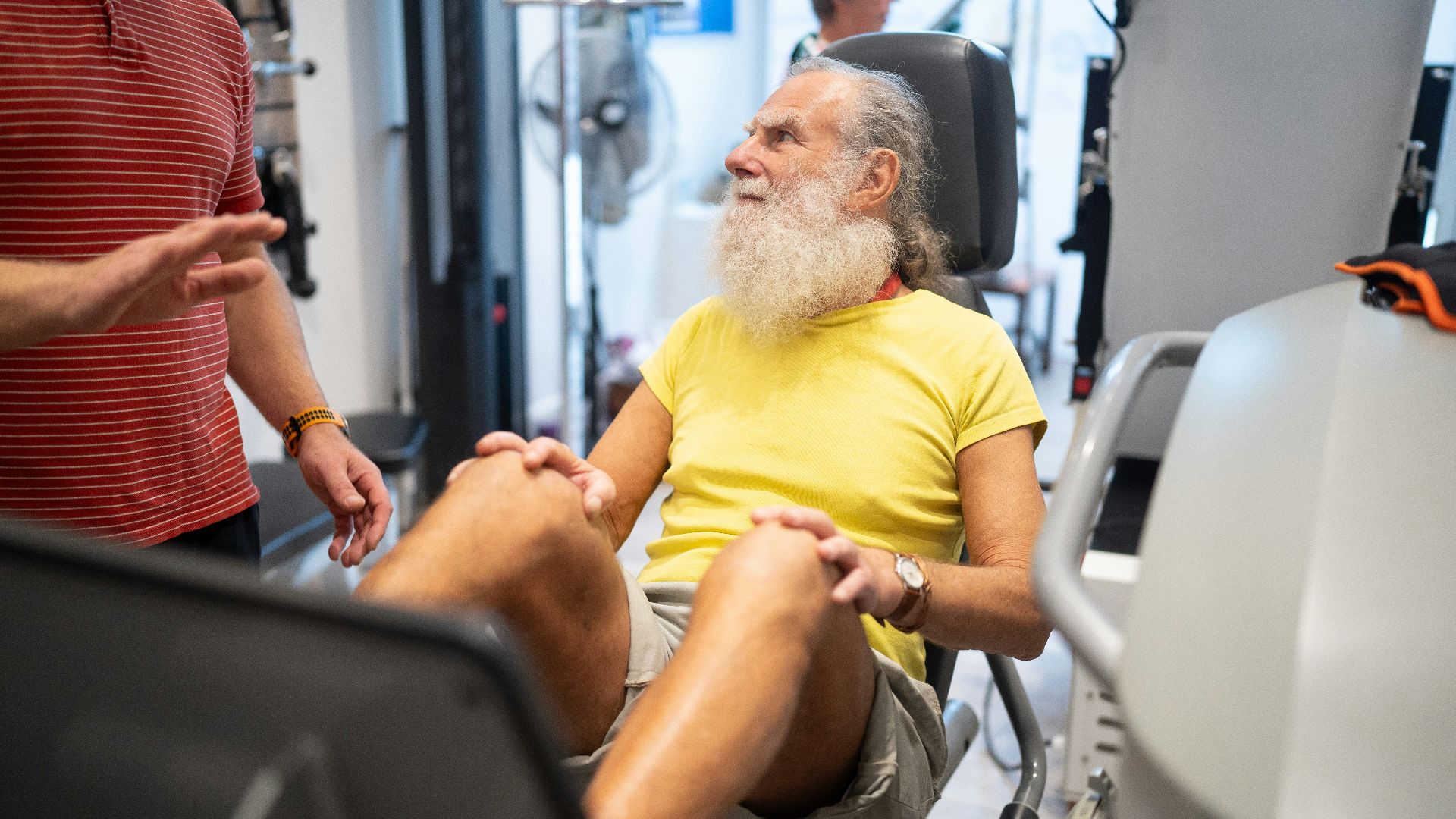
Muscle growth isn't reserved for people in their 20s, and adults well past retirement age can still add muscle. Studies have found measurable improvements in both muscle strength and muscle size after training, so resistance training is a good way to boost those gains. Squats or dumbbell sessions can also help.
 Centre for Ageing Better on Unsplash
2. Your Legs Can Become Stronger
Getting out of a low chair without pushing off the armrests is one of those little abilities you don't appreciate until it gets harder. Fortunately, older adults can significantly improve lower-body strength with leg presses, step-ups, and weighted sit-to-stands. Progressive resistance training can seriously improve strength gains in the legs of adults over 65.
3. Your Brain Gets Better at Using Muscles
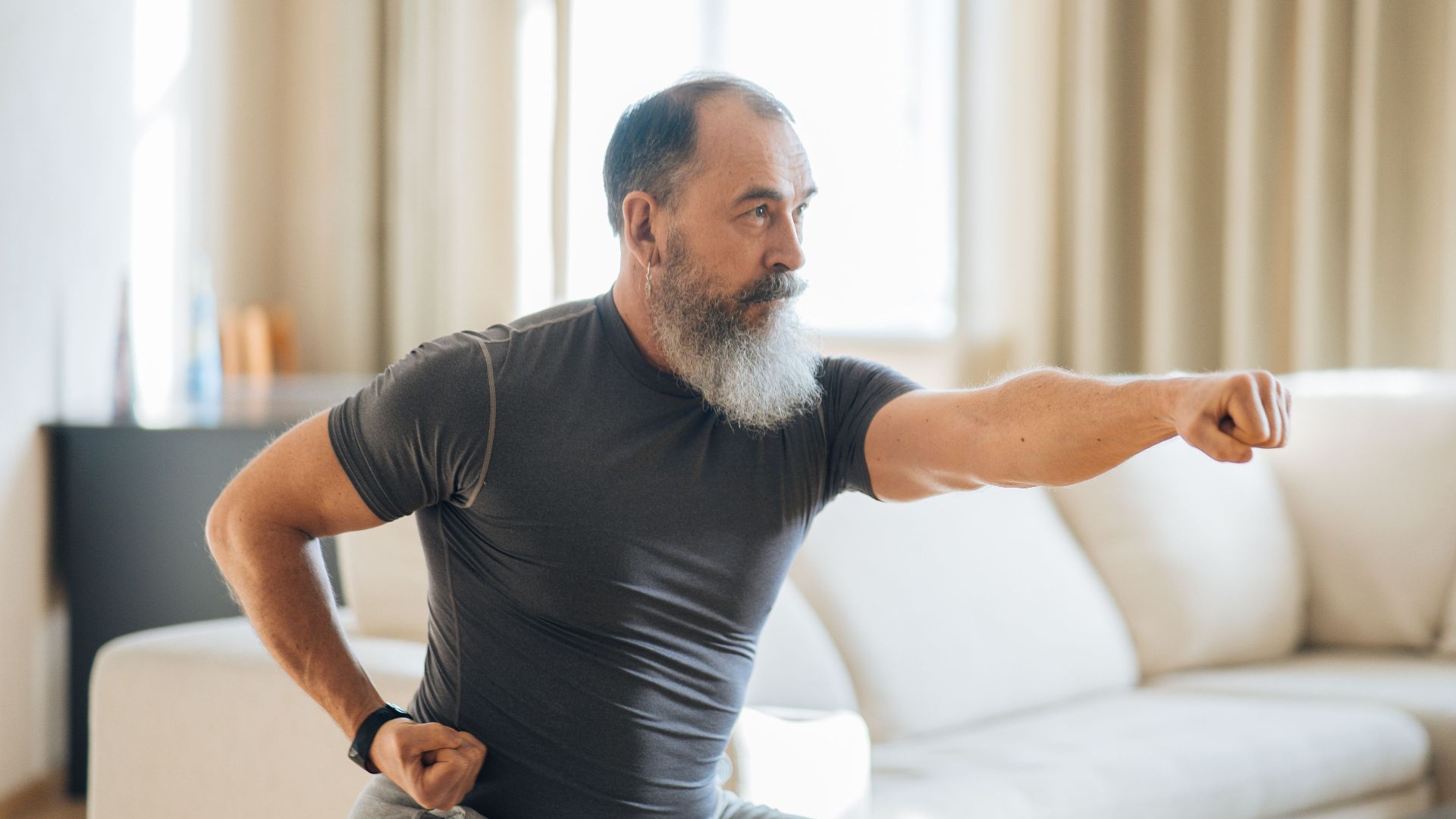
You’ve likely heard it before, but strength isn't actually determined by muscle size alone. Your nervous system also has to recruit those muscles efficiently, too. Strength training is exactly what helps muscle activation and the body's ability to recruit motor units, so don’t be afraid to pick up those fives.
 Centre for Ageing Better on Unsplash
4. You Can Produce Force More Quickly
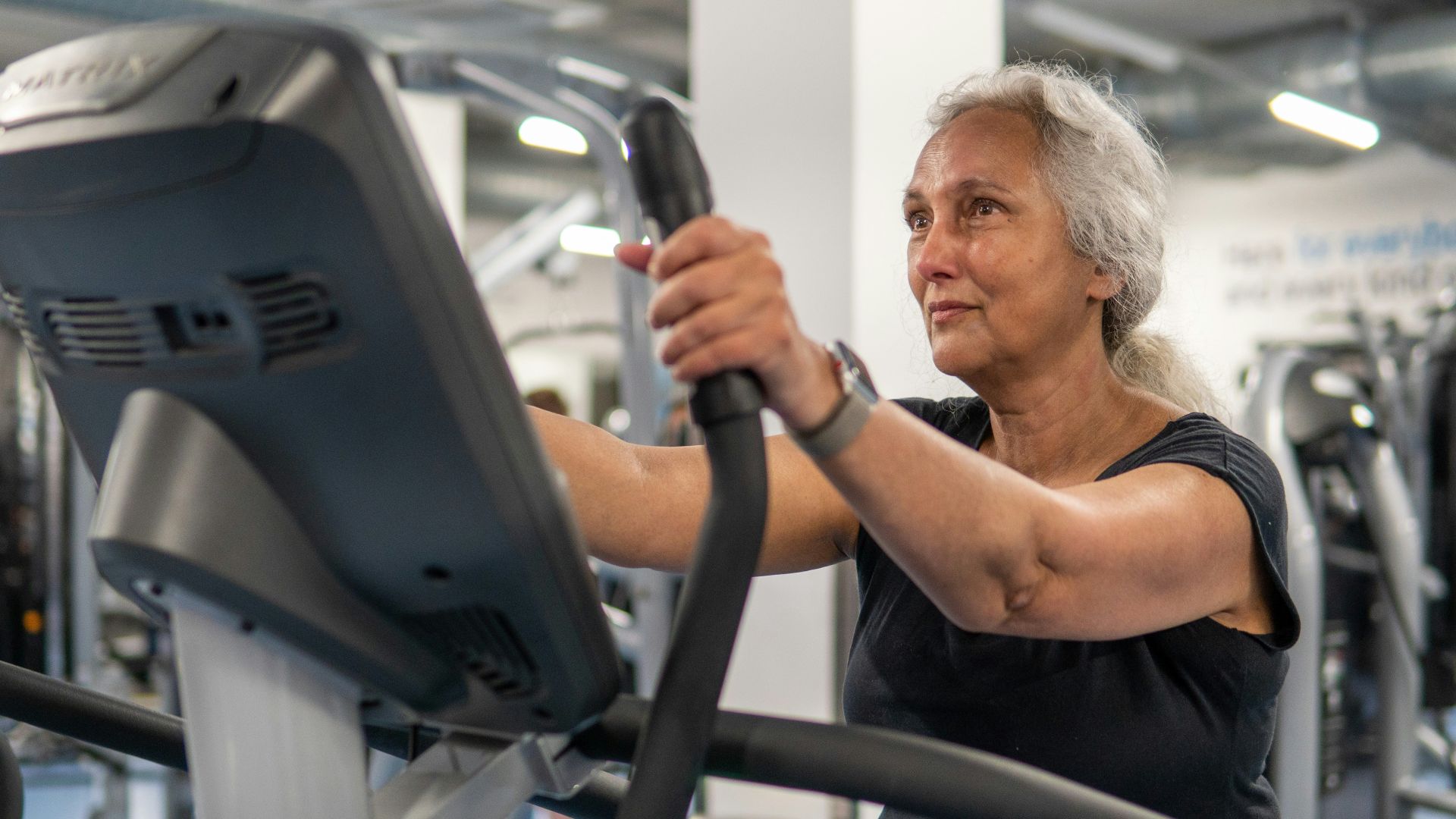
Being strong is useful, but being able to use it is what actually matters. Research shows that strength training can improve the rate at which older adults develop force, not just how much force they produce overall. That extra responsiveness is a big deal during ordinary moments such as stepping off a curb or recovering when you trip on a rug.
 Centre for Ageing Better on Unsplash
5. Your Hips Can Respond to Weight-Bearing Exercise
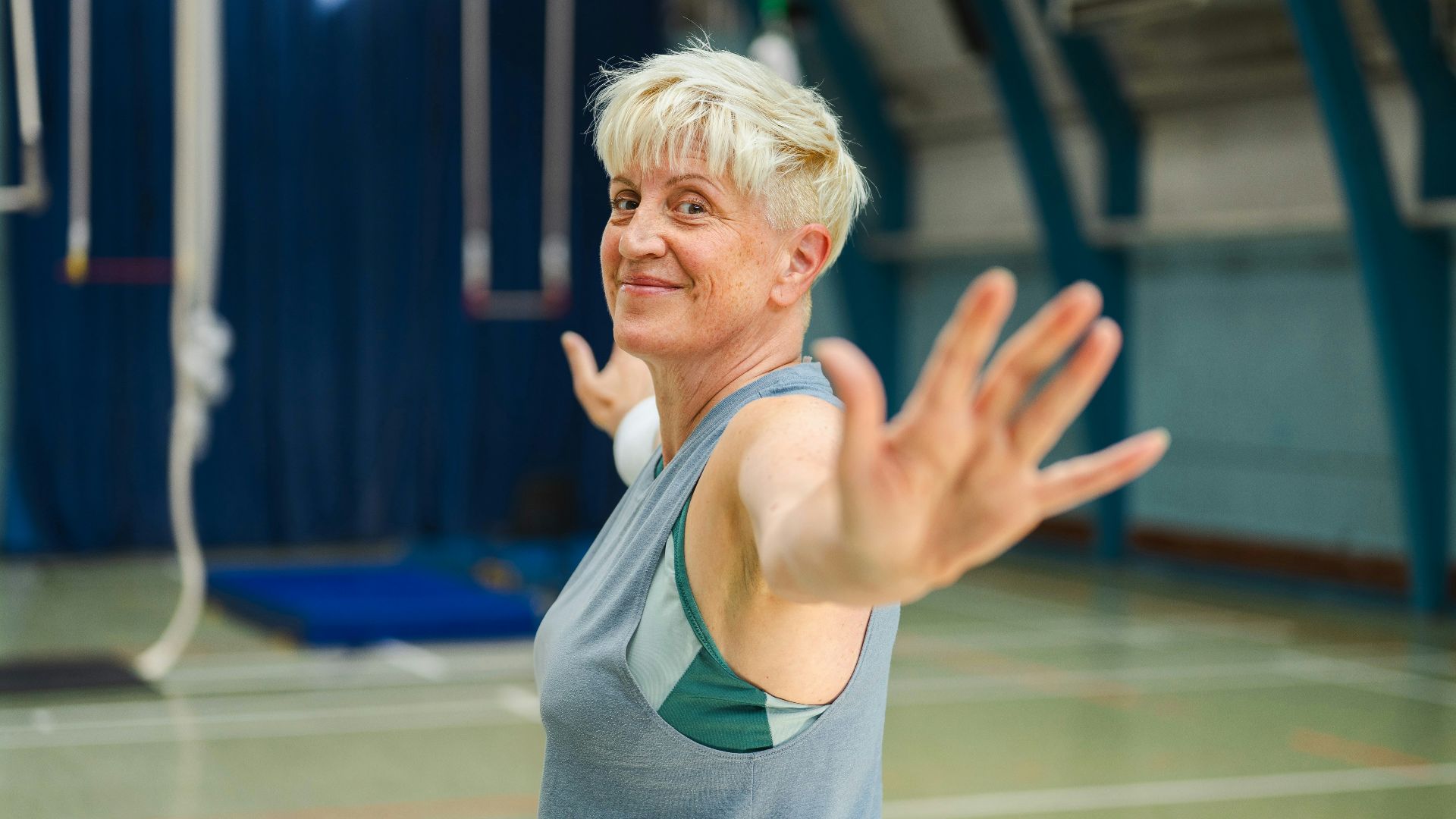
Bone density unfortunately gets a lot harder to maintain with age, which makes any positive response worth paying attention to. Progressive resistance training increases bone density at the hip, though, so exercises that make your skeleton work against resistance can do more than strengthen the muscles surrounding it.
6. Everyday Lifting Can Get Easier
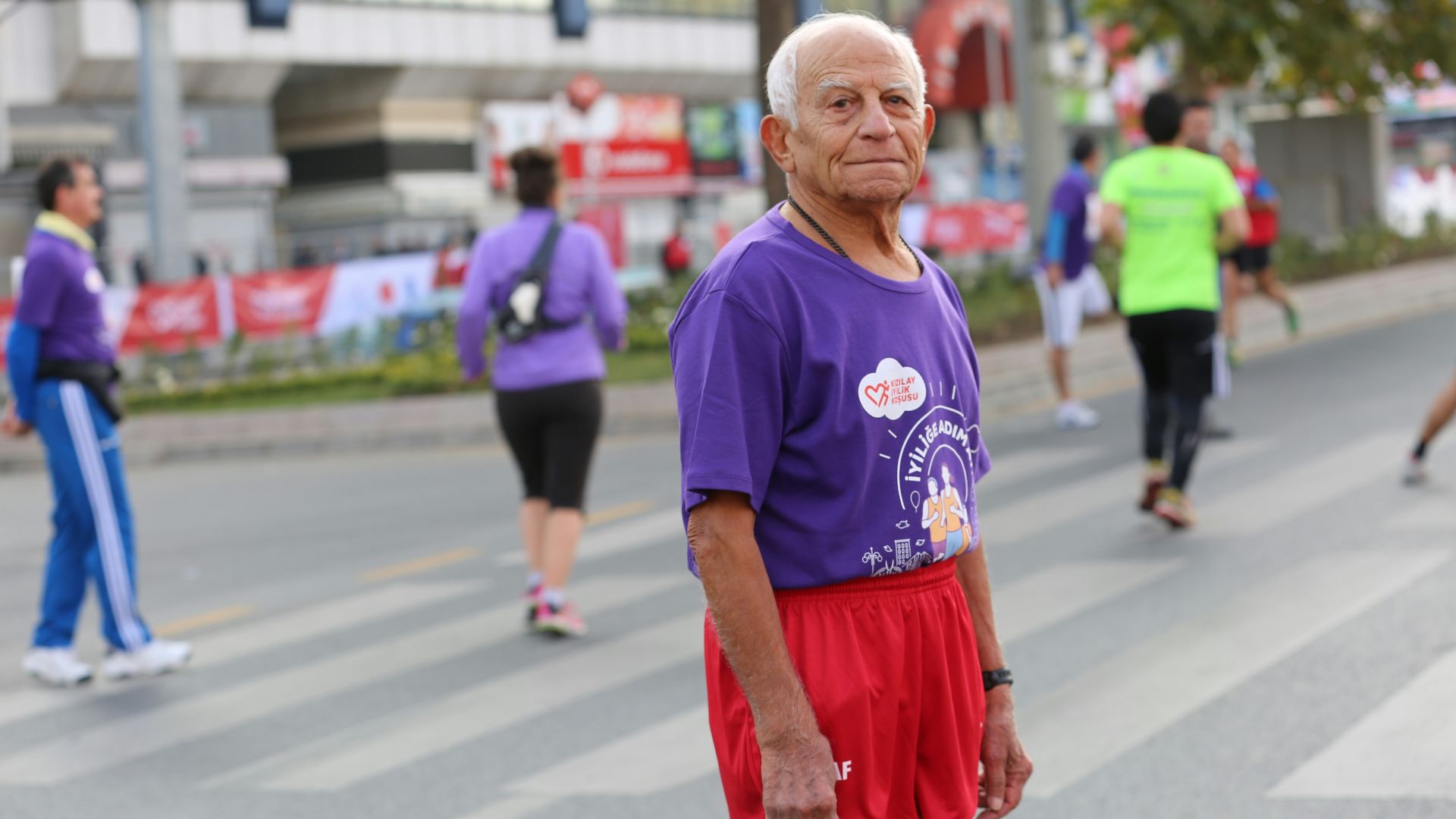
We always think that the point of working out is to build muscle, but that’s not always the case. Resistance training does a lot to improve the strength you use every day, whether you're moving a laundry basket or lifting a grandchild. The payoff shows up in those little gestures, not as abs in the mirror, so any small win is a good one!

7. Standing Up Can Get Easier Again
Chair rises are commonly used to measure physical function because they demand strength from the hips and legs. That’s precisely why resistance-training programs and controlled sit-to-stands can make one of the most basic movements feel less demanding. The more you do it, the stronger those gams become.

8. Your Balance Can Become More Reliable
Balance isn't something you're destined to lose as the years pass. Regularly practicing balance-focused exercises can improve what helps keep you steady. Don’t turn your nose up at those abilities, either. Stronger legs make walking, turning, or navigating uneven ground much easier.
9. Your Body Can Handle Resistance
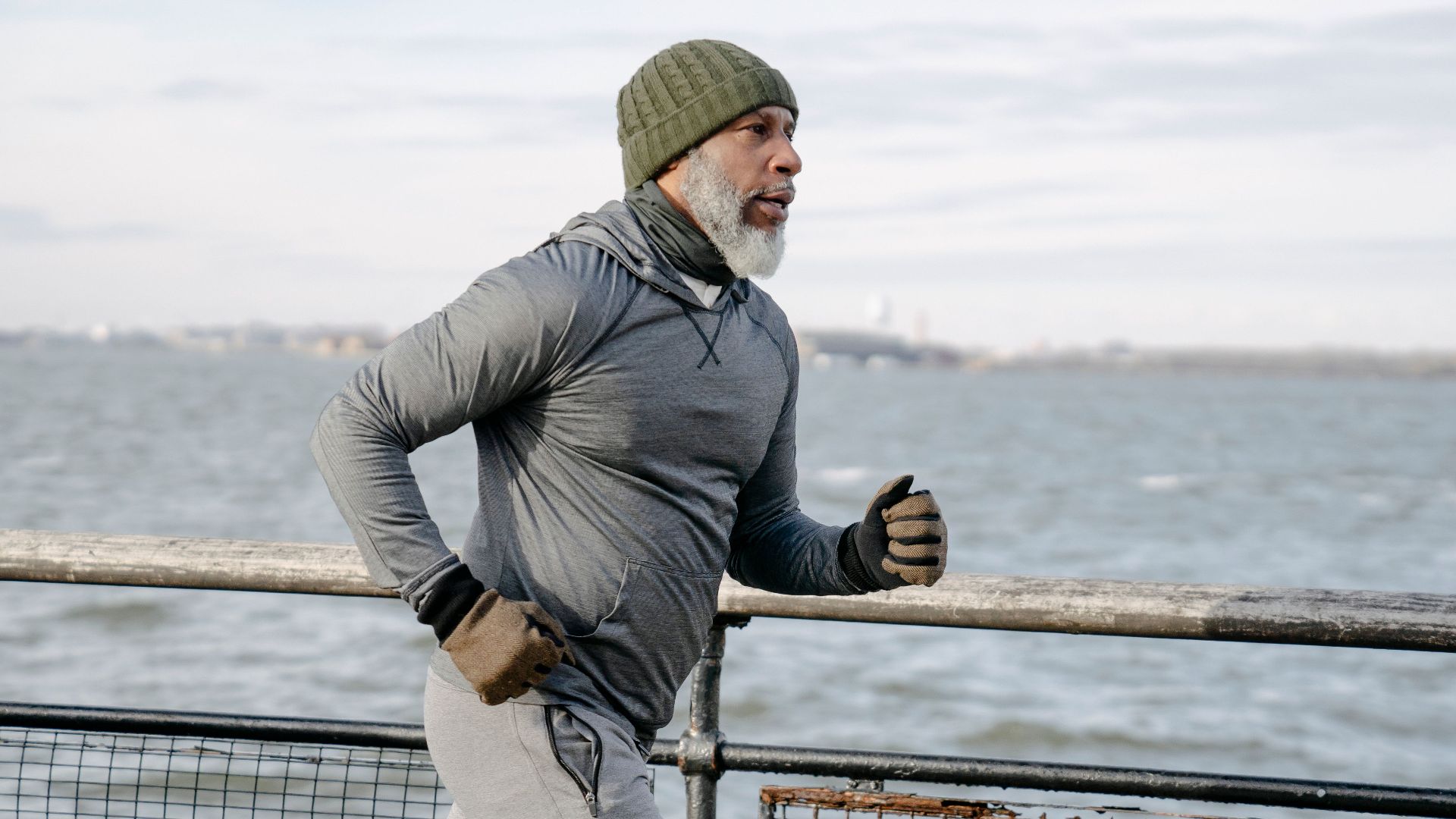
Starting with five-pound dumbbells doesn't mean you'll be stuck with them forever. Older muscles still adapt when resistance is gradually increased. You obviously don’t want to strain yourself too quickly, but over time, yesterday's challenging weight may become the one you automatically grab for a warm-up.
10. Your Core Can Become More Useful
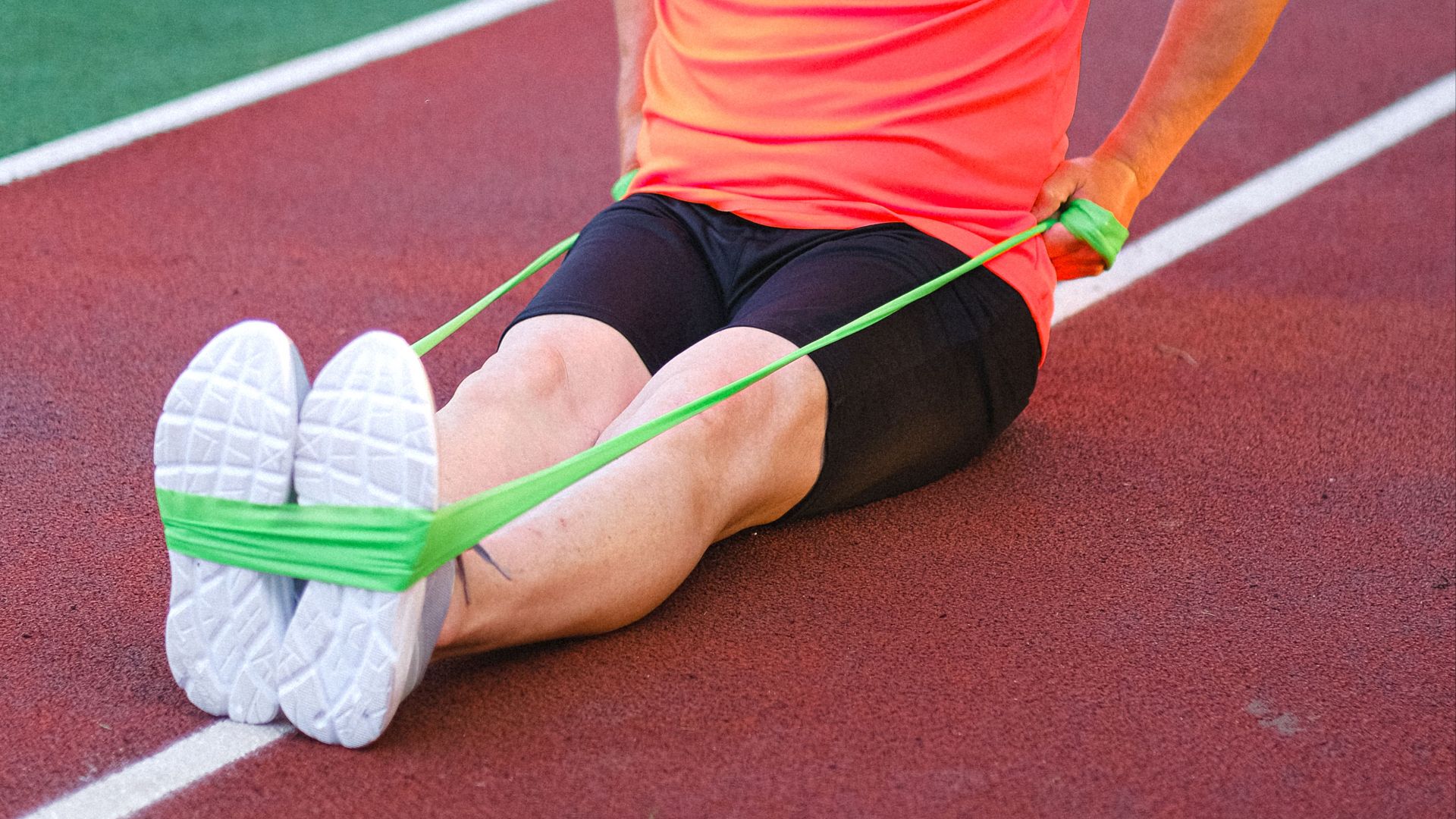
Sometimes, we’re so preoccupied with our arms that we forget about what actually keeps us steady: our core! The muscles around your trunk help stabilize you while you walk, lift, reach, and change direction, so you need to show it some love. Training movements such as carries, bridges, controlled rotations, and properly scaled resistance exercises can give those muscles more work to do.
11. Your Walking Can Improve
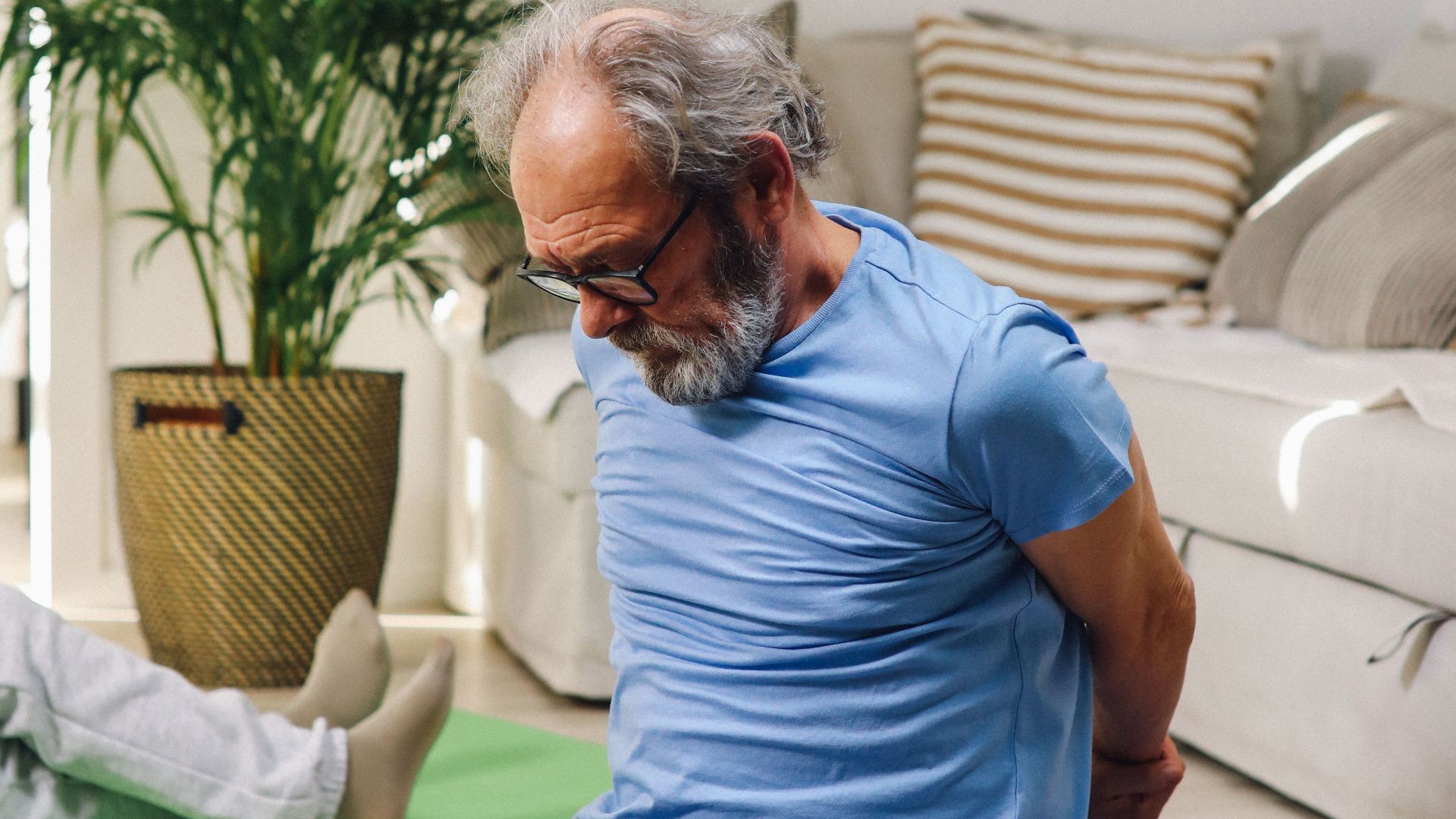
Walking often gets harder when muscle strength declines, but that decline doesn’t have to be permanent. Strength training has been associated with improved mobility and physical function in older adults, especially when it’s part of a consistently active lifestyle. Next thing you know, a route that once left you tired can easily become your new normal.
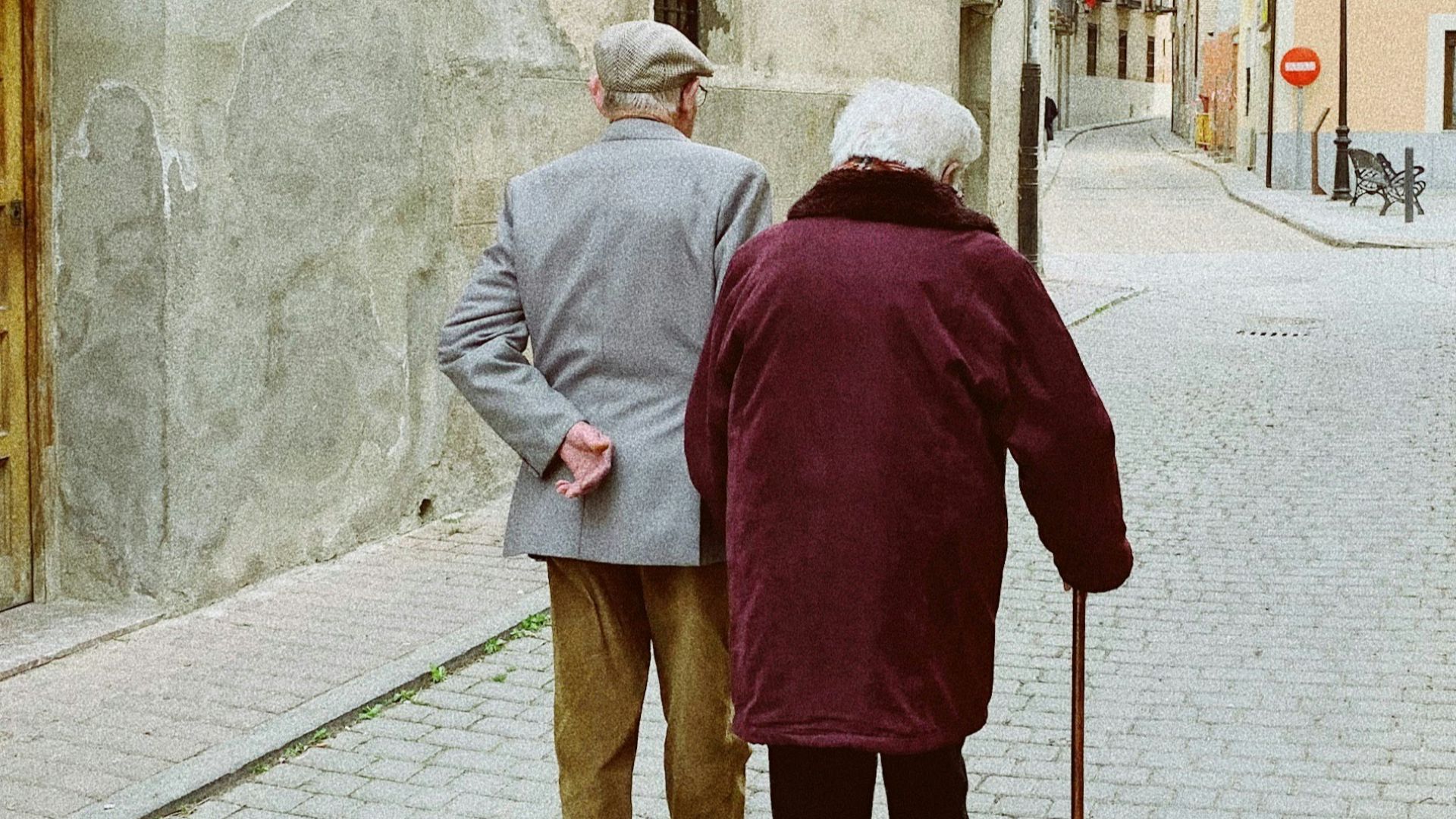
12. You Can Rebuild Strength After Losing It
A period of inactivity can make you feel a little worse for wear, especially after months of sitting around. Not to worry! Older adults nevertheless retain the ability to respond to resistance exercise, including people who begin training with relatively low levels of muscle strength. Starting again won’t be easy, but your body will adapt.
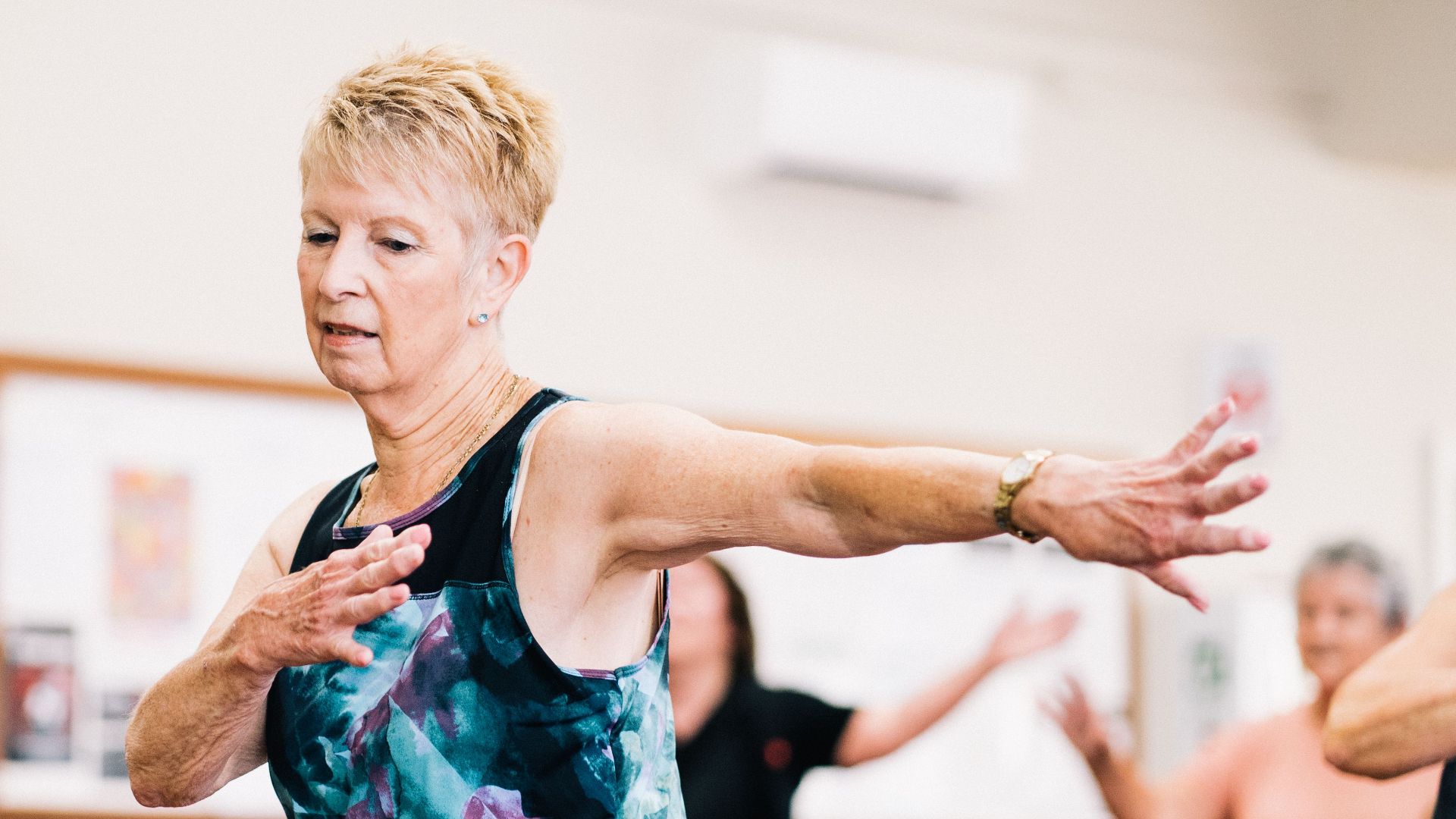 Wellness Gallery Catalyst Foundation on Pexels
13. Your Muscles Can Become Bigger After 80
It’s time to do away with expiration dates on muscle growth. Research has found that resistance training can increase strength in adults over 80, so don’t just assume that more birthday candles mean less strength. You may not recover exactly as you did at 25, but your muscles can still respond when you give them a reason to.
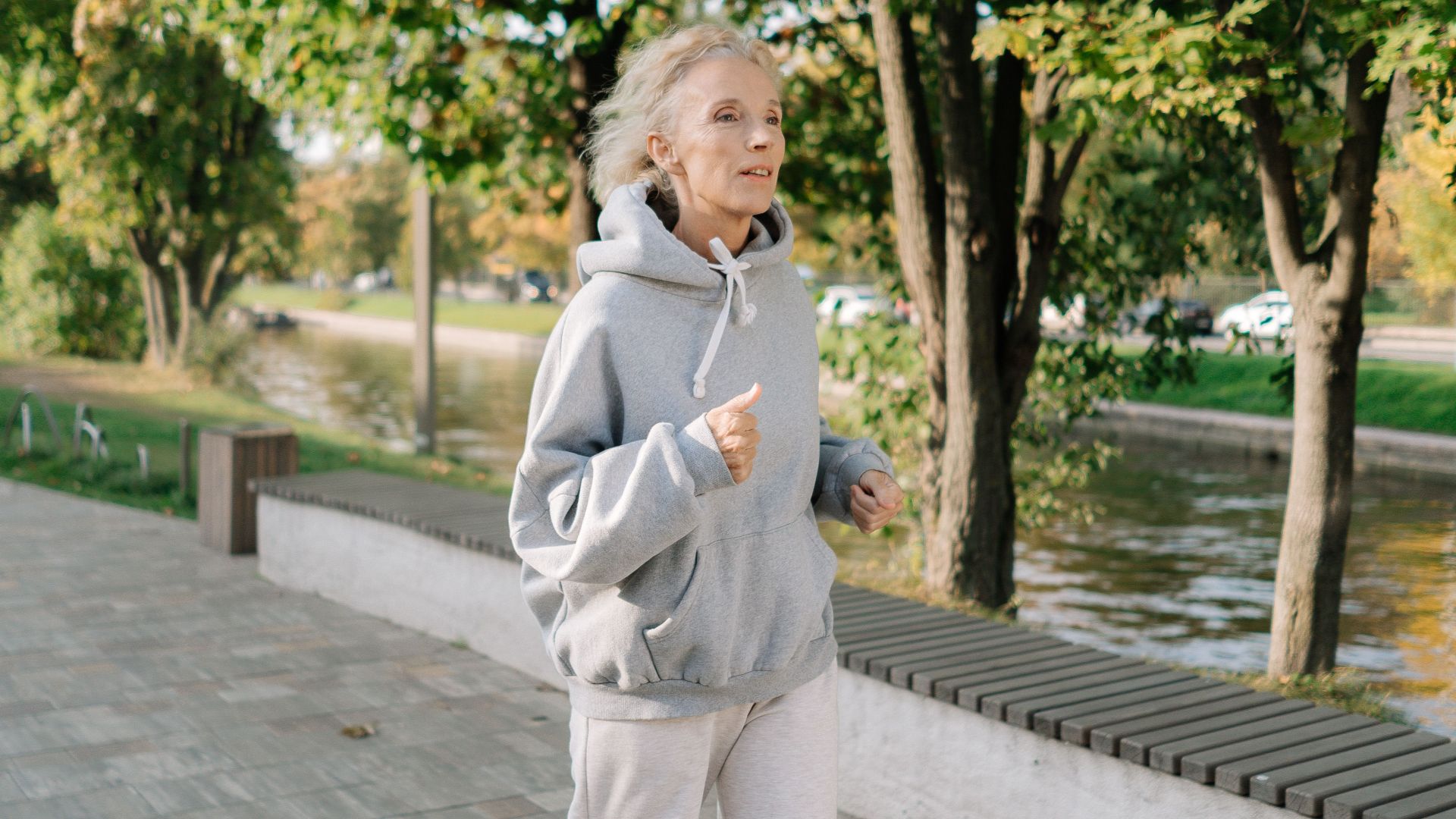
14. Your Body Becomes Better at Movements
Repeatedly training a movement teaches more than the muscle involved—your nervous system becomes more accustomed to it. Older adults show both muscular and cognitive adaptations to strength training, which explains why an exercise can start feeling smoother even before major growth occurs. Stick with it; a shaky first set of step-ups can become a controlled movement.
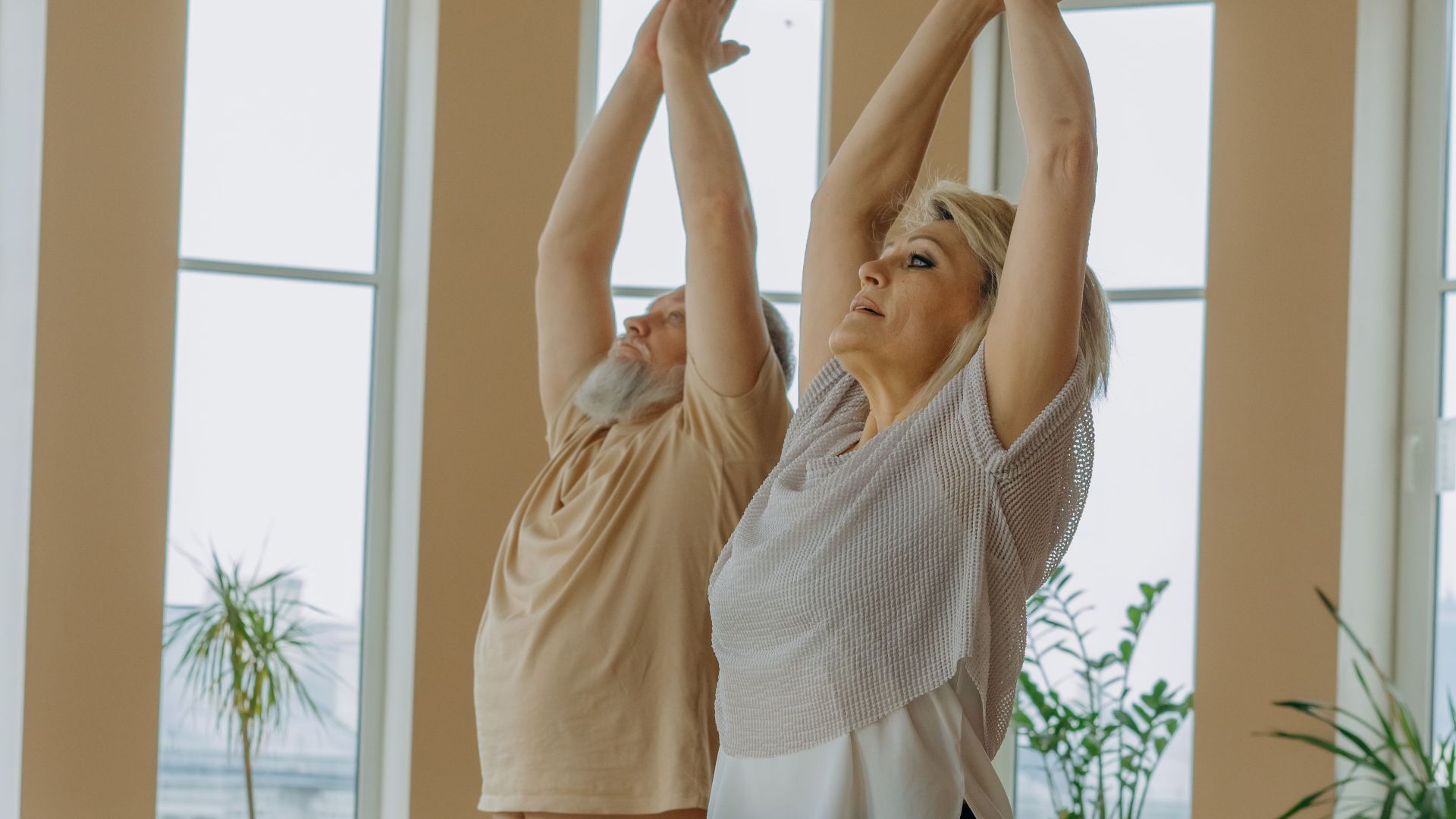
15. Your Physical Function Can Bounce Back
Age-related changes can make stairs and longer walks more difficult, but it doesn’t have to be that way. Reviews have found improvements in physical performance alongside gains in strength and muscle mass, which is important because being stronger is far more useful when it translates to getting around your home comfortably.
16. You Can Add Muscle
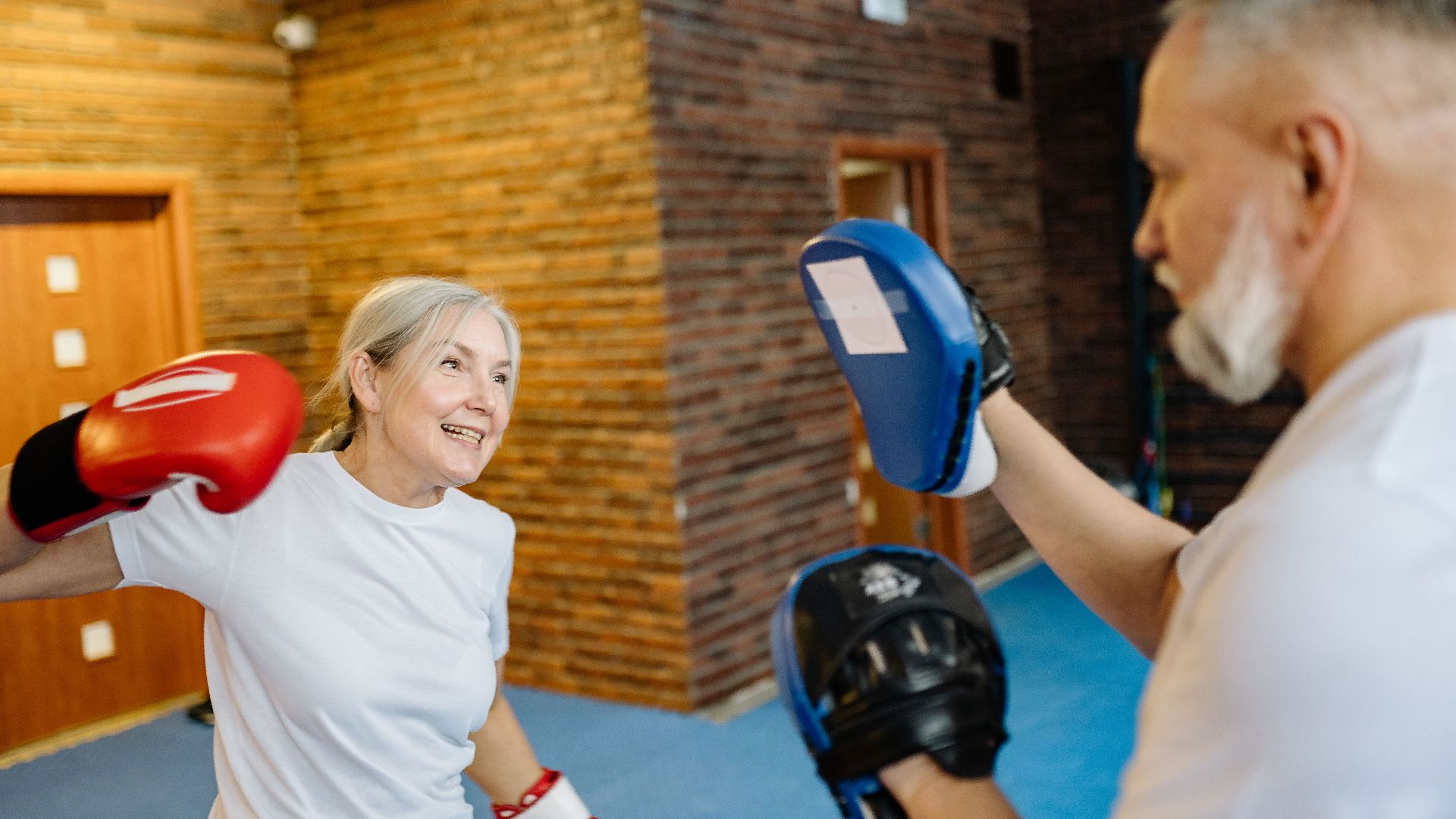
Building strength doesn’t mean you need to become a gym rat, so don’t worry about changing your entire life. You score plenty of benefits from resistance exercise performed just a few times per week, provided you actually challenge your muscles. Two or three purposeful sessions can accomplish more than assuming you're too old to get stronger.

17. Your Body Can Become More Capable
Your age doesn't guarantee that today's body is weaker than the one you had a decade ago. Someone who starts strength training at 60 after years of inactivity can become stronger than they were at 50. Why? Because they're finally training consistently!
18. Your Independence Can Get Stronger
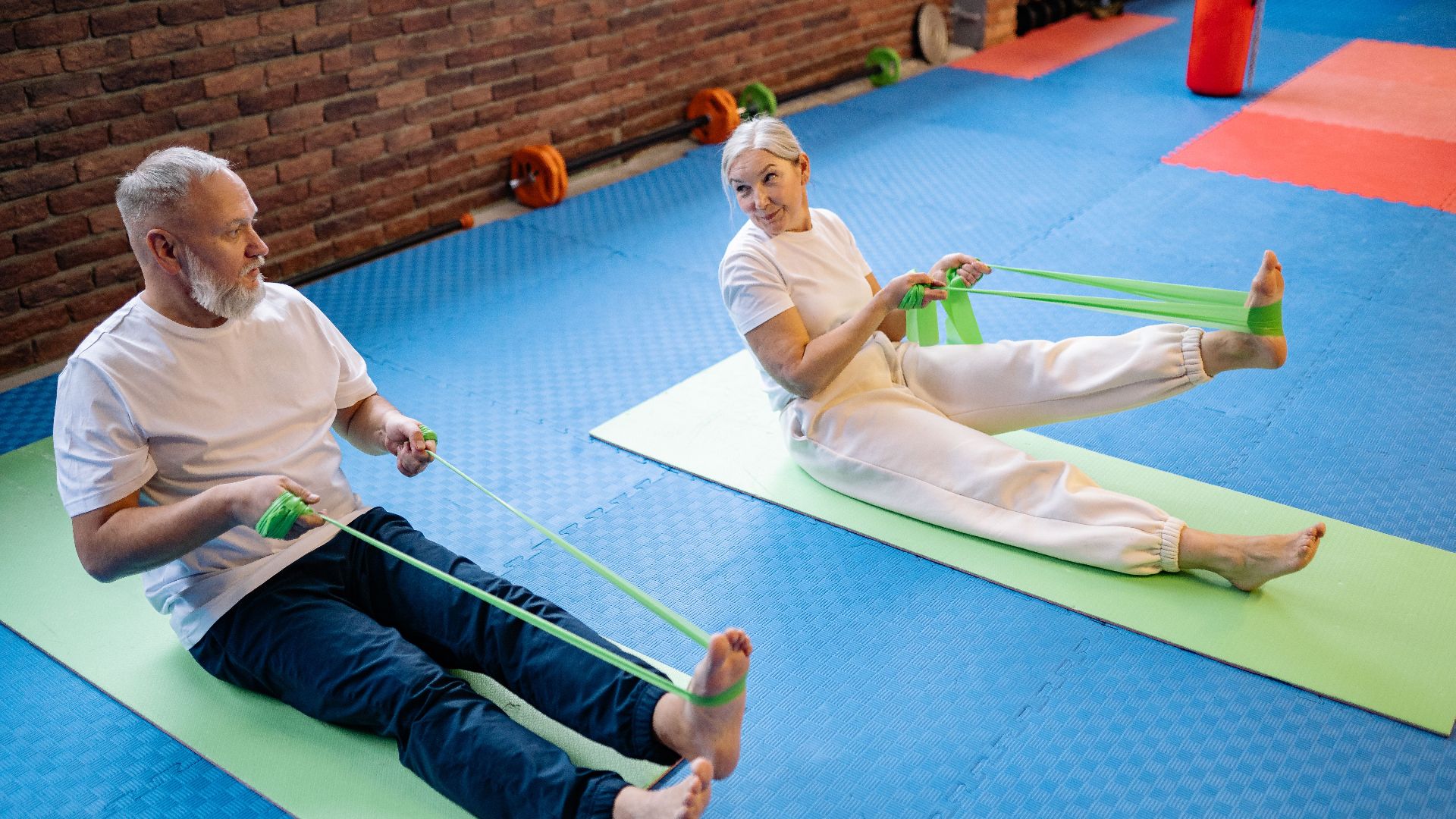
Physical strength is most valuable once it allows you to do basic things without thinking. Maintaining muscle strength supports mobility and can make climbing stairs, getting out of a car, and getting up from the floor easier. The more independence you have, the better you’ll feel.
19. Your Body Can Surprise You
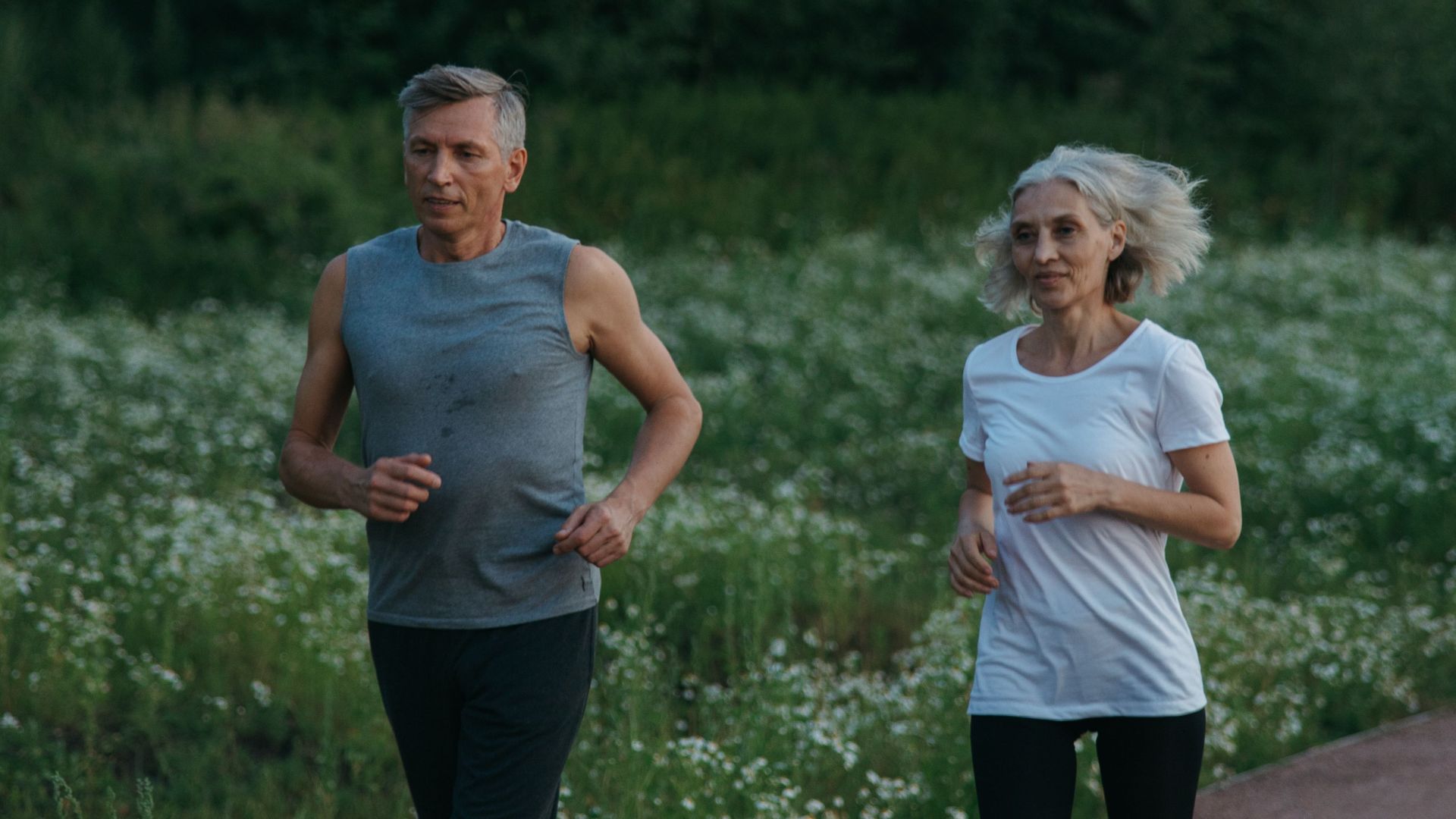
People sometimes assume exercise has little point once they've reached a certain age, but don’t forget that even older adults have demonstrated measurable improvements after resistance training. Starting later may require more patience, but "late" doesn't mean "pointless."
 Centre for Ageing Better on Unsplash
20. You’re Better at Knowing What Makes You Strong
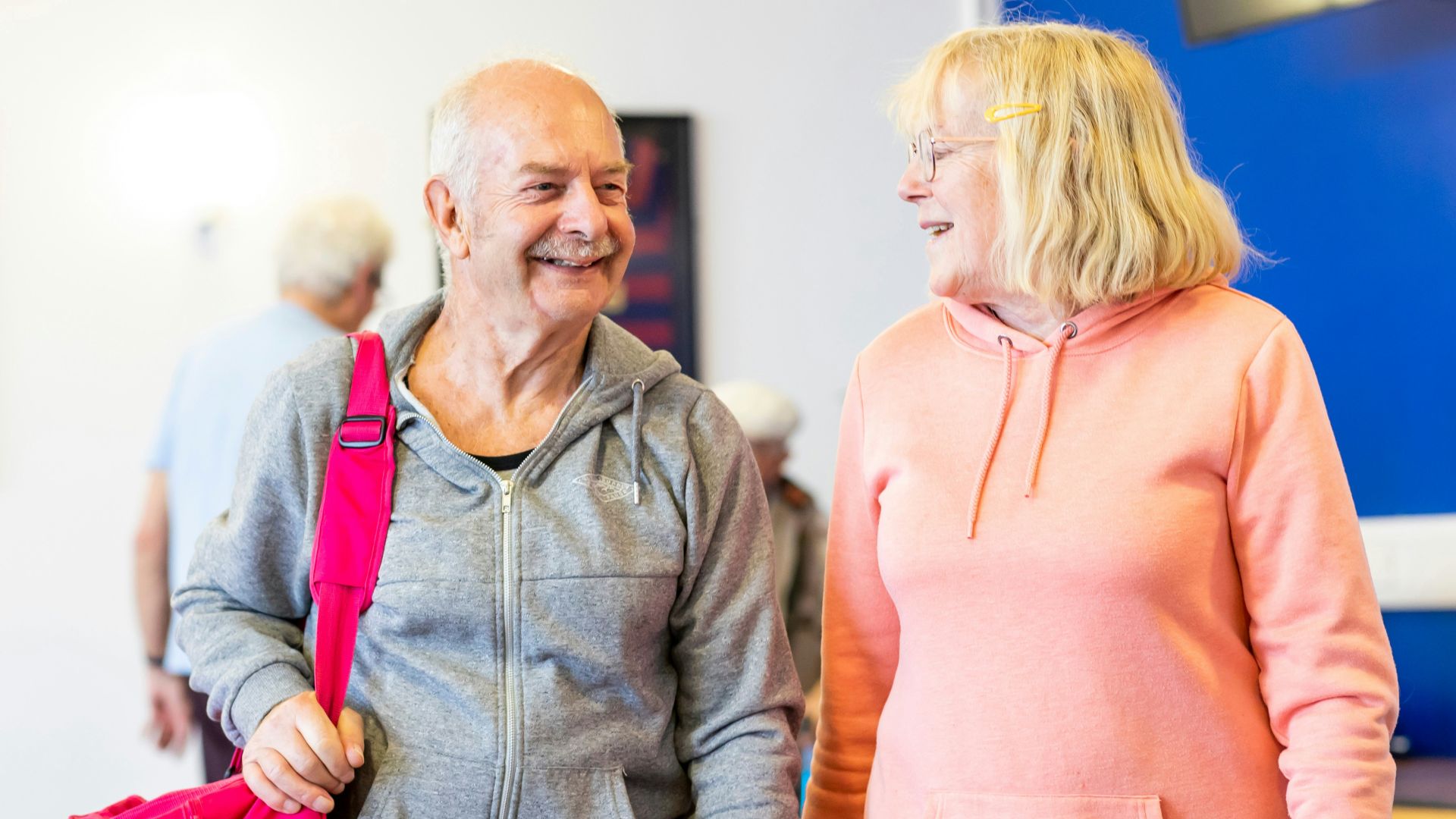
One advantage of getting older is having enough experience to recognize that wrecking yourself during a workout isn't the same as progress. Many people learn to value consistent movement and exercises they can actually keep doing rather than chasing whatever routine’s fashionable. Your body may change with age, but becoming smarter about how you use it can leave you stronger and more capable than you expected.
KEEP ON READING



20 Ways to Deal With Your Sweet Tooth
20 Low-Impact Exercise Ideas For People Over 50