
Changes Can Be Easy to Miss
Hearing loss often develops so gradually that you might actually adapt to it before realizing any changes, especially as you get older. Fortunately, recognizing the early clues gives you a chance to get your hearing checked, find out what's causing the problem, and explore options that can make everyday conversations easier. Come with us as we explore a few signs your hearing isn’t what it used to be, and what you can do about it.
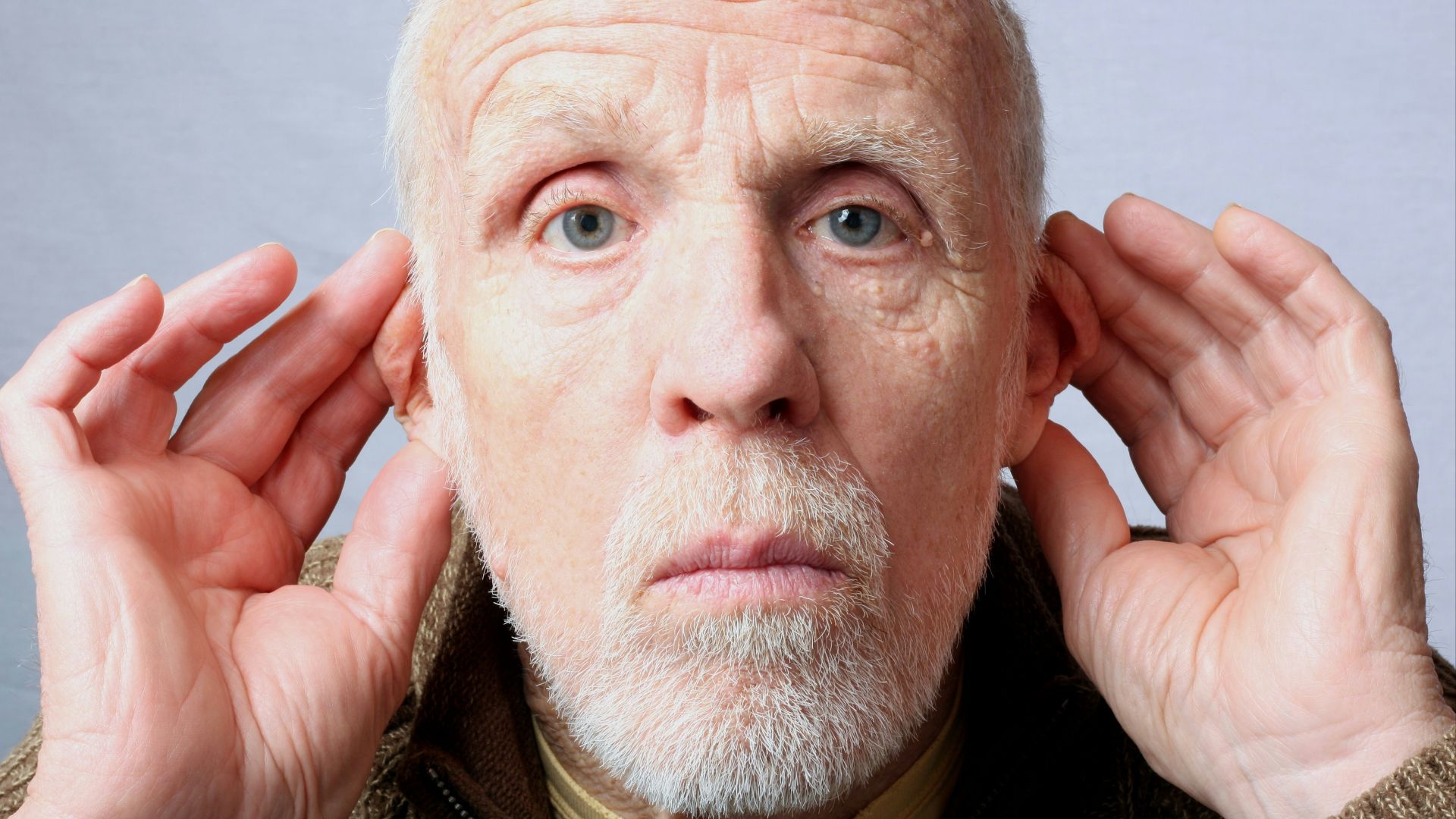
1. Everyone Seems to Be Mumbling
You can hear that someone’s talking, but individual words aren't as clear as they once were. Conversations may start sounding slightly muffled, and it only worsens when people speak softly. If they turn their faces away from you, forget about it. Whatever the case, if you've recently noticed that half your family has gotten quieter, your hearing deserves attention.
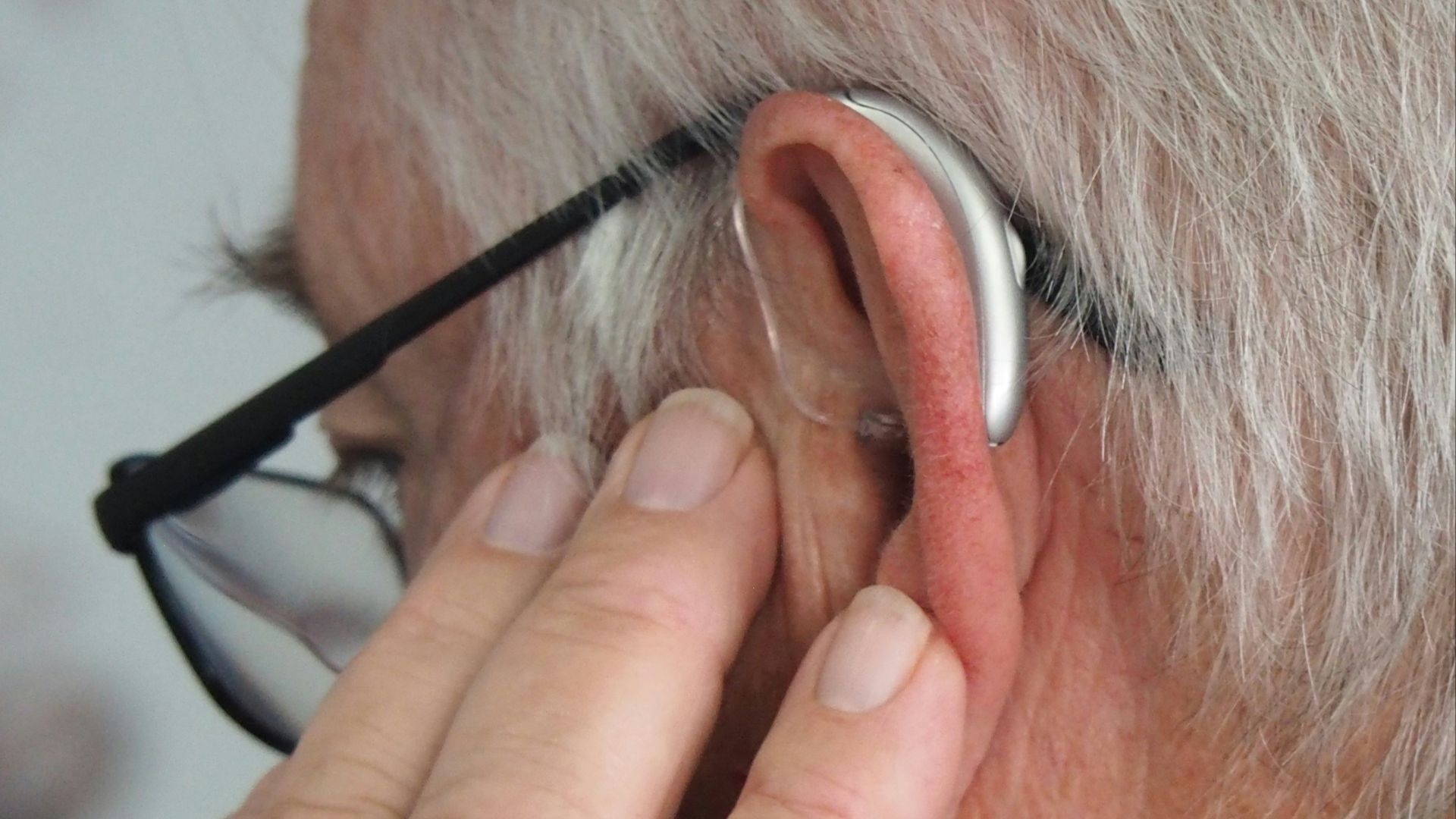
2. Restaurants Have Become Hard Work
A busy restaurant can expose hearing difficulties that aren't obvious in your peaceful living room. Busy spots are filled with music, clattering dishes, and nearby conversations, which only make it harder to follow the person sitting across from you. Struggling to separate speech from surrounding noise is a common complaint among those experiencing hearing loss.

3. Certain Voices Are Harder to Understand
Don’t forget that hearing loss affects frequency in different ways. Some voices may become more difficult to understand than others. Higher-pitched speech can hit. Words containing an “s” and “f” sound may get less distinct, too.

4. The TV Volume Creeps Up
Your favorite show hasn't become quieter, even if you find yourself reaching for the remote more often. Do you gradually raise the volume to a level that hurts everyone else, but not you? That’s worth seeing someone for.

5. Phone Conversations Aren't As Easy
Without facial expressions or lip movements for extra clues, telephone calls make hearing problems more noticeable. Names, addresses, appointment times, and unfamiliar words may suddenly require several repetitions before you're confident. You might even favor texting simply because calls are more tiring.

6. You Ask People to Repeat Themselves
An occasional “What did you say?” happens to everyone, but frequency matters. Though it may be tough, listen to your loved ones if they point out that your hearing’s on a downward spiral. Hearing loss develops over time for many people, which makes other people's observations surprisingly useful.

7. Group Conversations Are Confusing
Following one person is fine, but following several? That’s suddenly an issue. You may lose the thread when speakers change quickly, particularly if someone talks from the other end of a table or interrupts someone. Next thing you know, smiling along is easier than asking what was said.

8. You Don't Notice Everyday Sounds
Small noises reveal changes that conversation alone doesn't. Maybe you no longer hear the microwave beep. Maybe you miss a phone notification. Maybe you can’t tell if someone’s approaching. Missing sounds that were once familiar deserves more attention than assuming you're distracted.

9. Ringing Is the Norm
Tinnitus can sound like a few different things: ringing, buzzing, humming, or another phantom noise. It doesn't mean you're losing your hearing, but tinnitus does occur alongside hearing loss, and it’s worth mentioning during an evaluation. Persistent or changing tinnitus is an even bigger red flag.

10. Socializing Leaves You Exhausted
A conversation can become genuinely tiring when you're constantly concentrating on incomplete sounds. Keep an ear out the next time you’re at a party or a family dinner; anything that requires more mental effort than before is worth noting. Some people even start avoiding those situations altogether, which is one reason hearing difficulties can affect social lives, too.

Now that we know some signs to look out for, let’s dive into a few things you can do about them.
1. Book a Proper Hearing Test
Guessing how well you can hear isn't nearly as useful as having it measured. An audiologist can evaluate the type and degree of hearing loss and help determine what treatment may benefit you. Even relatively mild concerns are worth testing sooner rather than later.
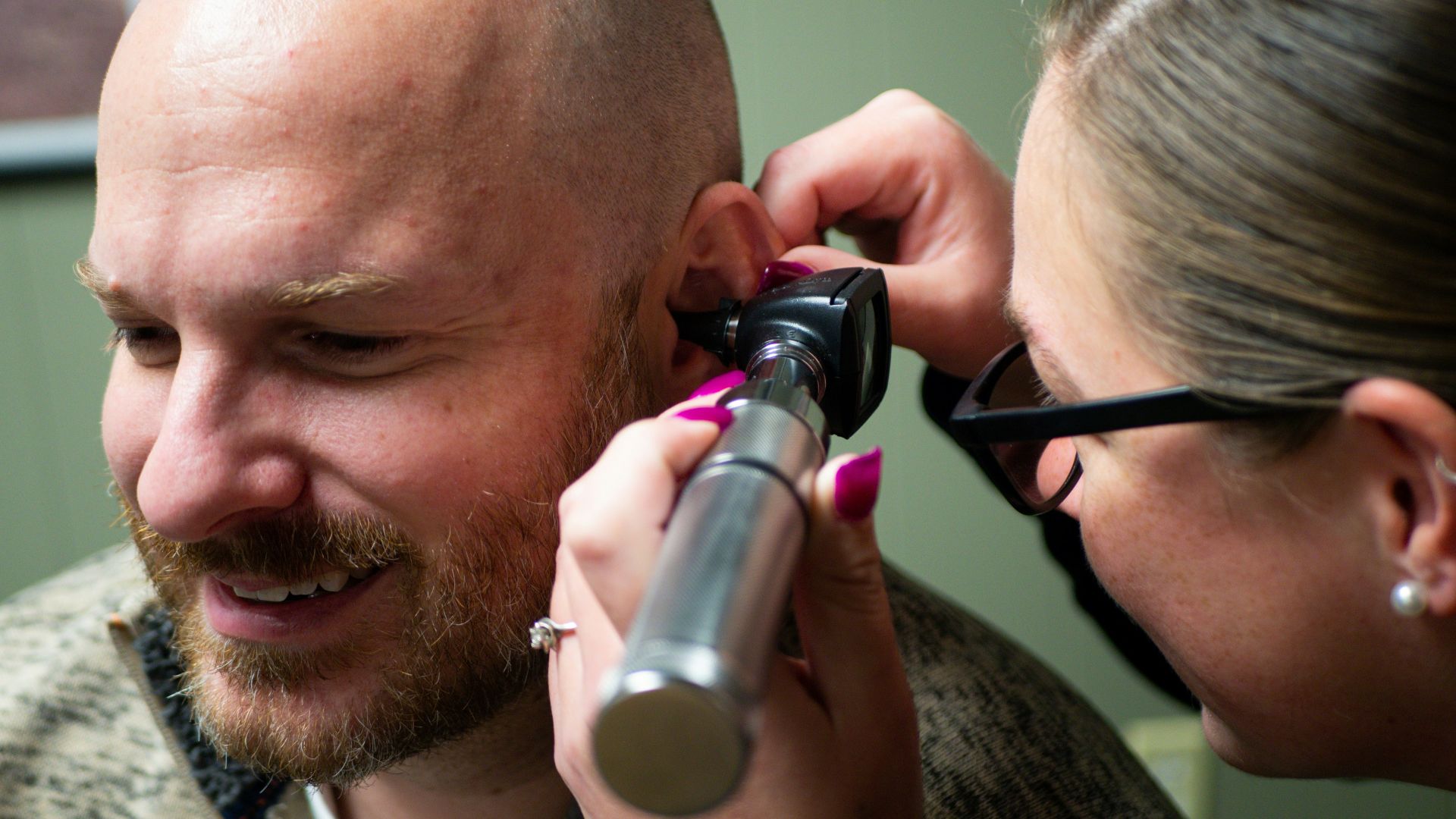
2. Have Your Ears Checked
Not every decline in hearing means permanent damage. Earwax buildup is more common than you think, so a professional might need to poke around your ears for any obstruction. Ear pain, drainage, severe dizziness, or suspected blockage are particularly good reasons to seek medical attention rather than self-treating.
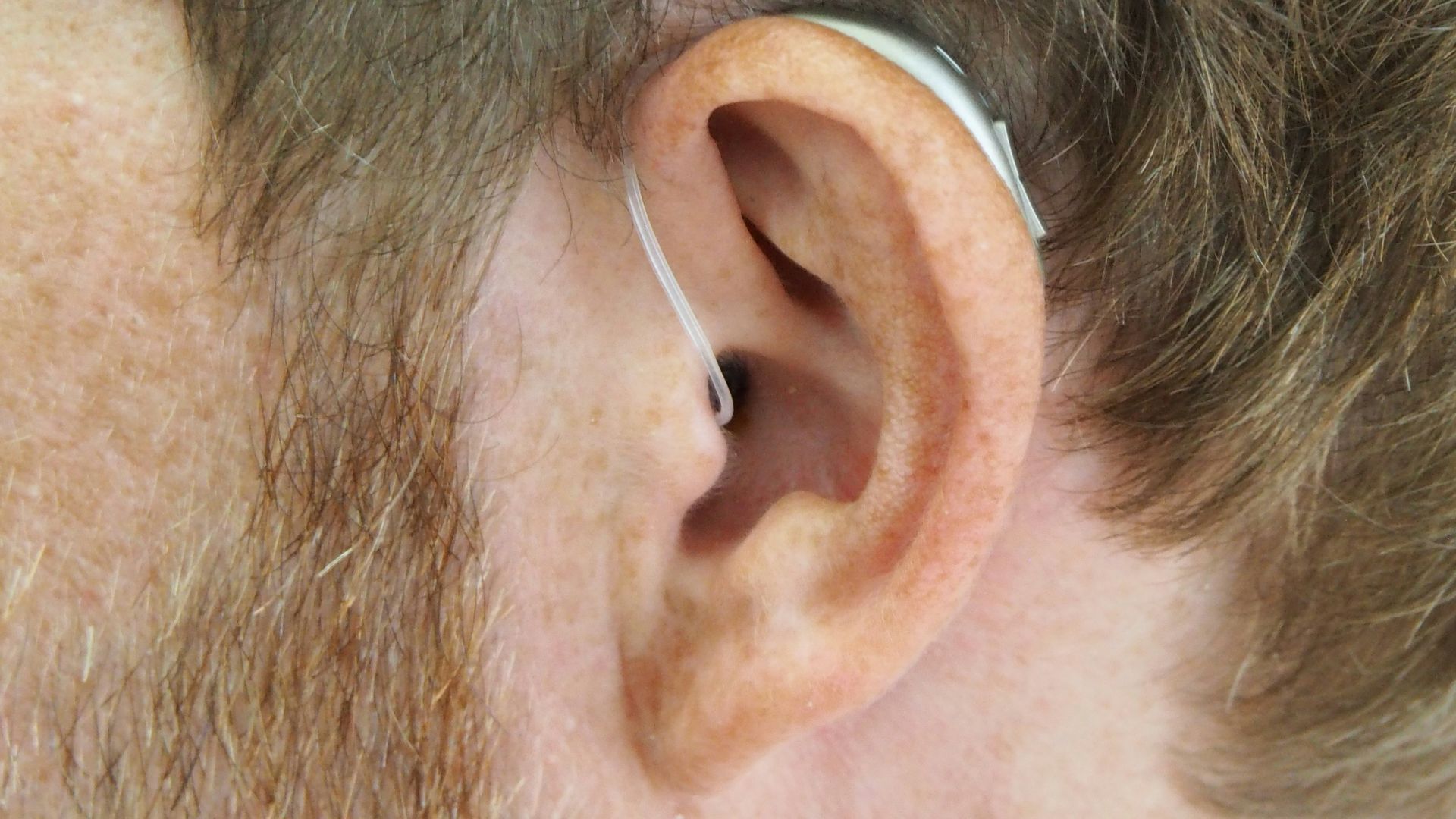
3. Protect the Hearing You Still Have
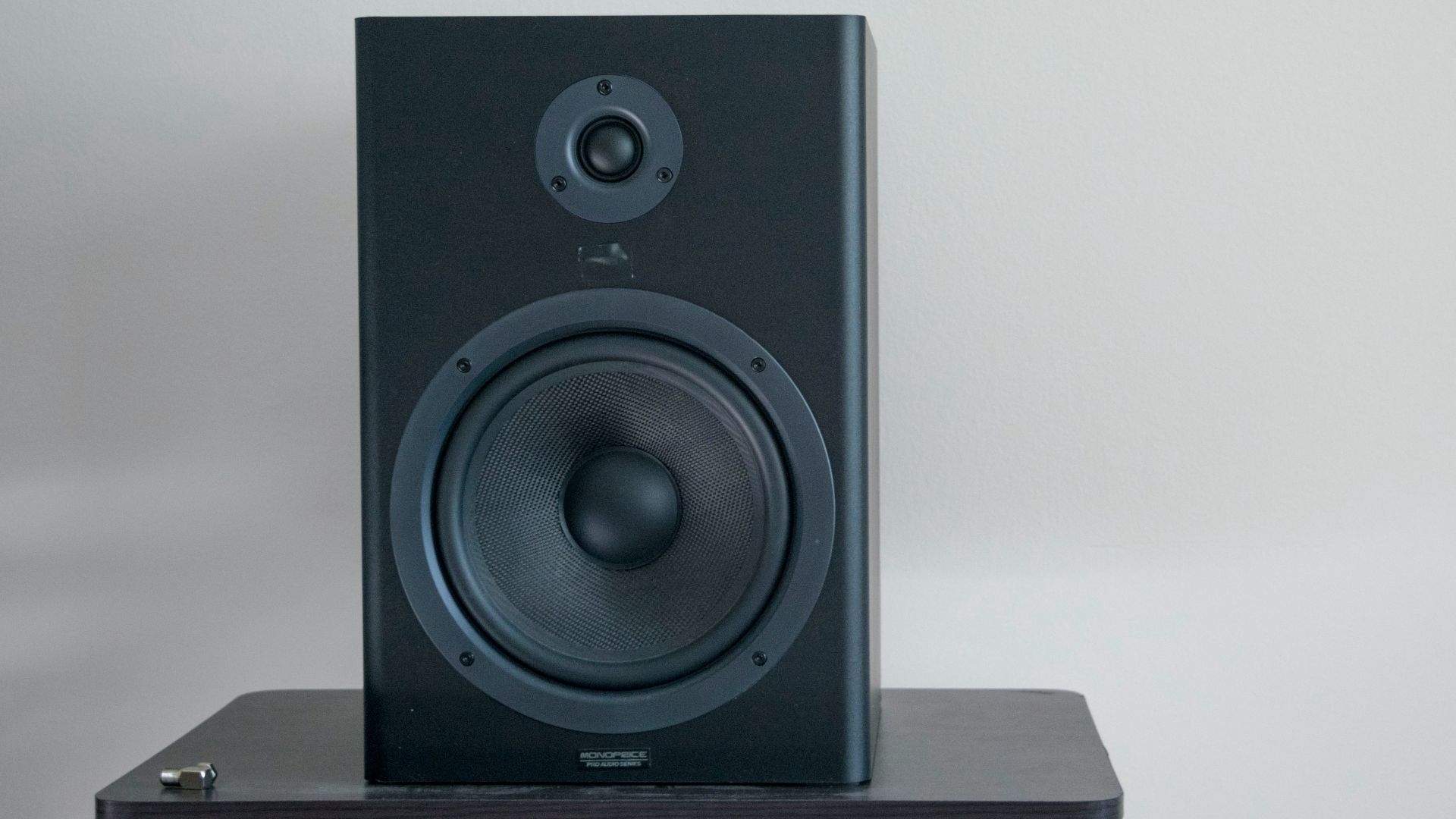
Existing difficulties make prevention more important, not less. Do yourself a favor and make adjustments. Turn down loud music. Move away from speakers. Take breaks when you're stuck somewhere noisy for a while. Properly fitted earplugs can also reduce harmful noise exposure.
4. Review Your Medications
Believe it or not, certain meds can affect hearing, too. That’s not to say you should stop taking a prescribed drug, but it is worth bringing up to your doctor. That conversation is especially important if symptoms appeared after starting a new medicine or changing a dose.

5. Consider Hearing Aids
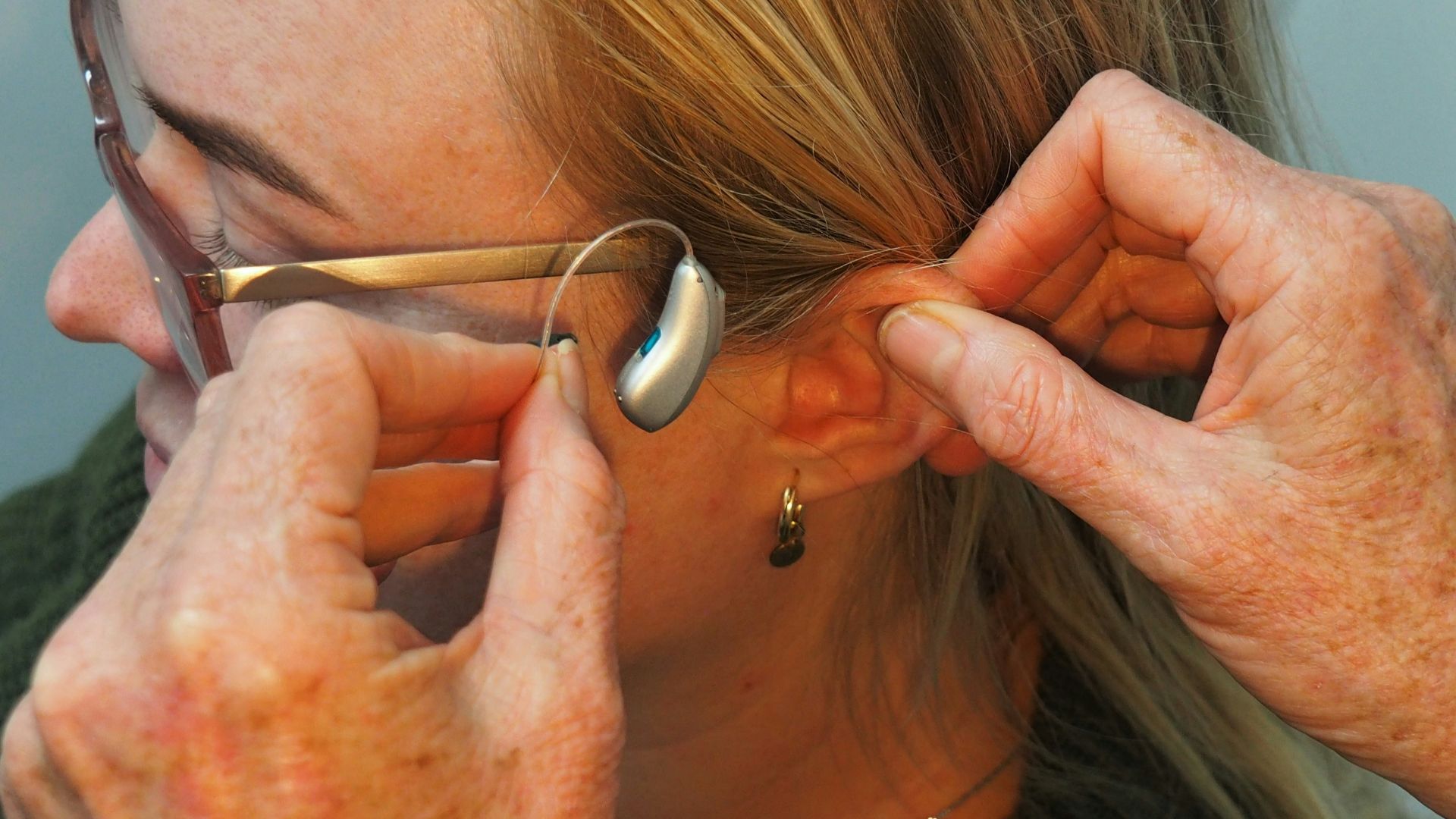
Modern hearing aids aren't reserved for people with profound hearing loss. They can improve sound and speech understanding for people with sensorineural hearing loss as well. The appropriate device depends on the severity and nature of the problem, but that’s all the more reason to ask your doctor!
6. Make Your Home More Hearing-Friendly
A few practical changes can make everyday conversations easier while you still address the problem. There’s no shame in reducing background noise during conversations or sitting where you can clearly see people's faces. Even at home, captioning can make televisions and phones easier to manage.

7. Tell People What Helps
It’s not always easy to admit when we’re struggling, but your loved ones want to help! Friends and relatives can't adjust their communication if they don't know you're struggling. Ask people to face you, speak at a normal pace, and get your attention before jumping into a conversation. Those small changes can improve an impressive number of conversations.

8. Don't Confuse Amplification Products With Hearing Aids
Plenty of devices promise to make sounds louder, but they aren't all designed to treat hearing loss. Personal sound amplification products are intended for people without hearing loss, while FDA-regulated OTC hearing aids are specifically for adults with perceived mild-to-moderate hearing loss. That’s an important distinction, and it can ensure you get the right product.

9. Take Sudden Changes Seriously
Age-related hearing loss happens, but don’t just fluff off a dramatic change. If hearing drops, especially in one ear, or hearing problems arrive alongside pain or dizziness, it’s time to get a medical evaluation. A new problem deserves an explanation.

10. Monitor Your Hearing Over Time
One hearing test doesn't have to be the final word on your health. Keeping previous results gives a professional something concrete to compare if you notice changes later. Follow-up appointments can also determine whether existing devices still meet your needs. Keep all that paperwork in a folder so you can bring it up whenever a physician needs it!

KEEP ON READING



20 Natural Ways You Can Boost Your Immune System

20 Ways To De-stress & Relax After Work

The 10 Most Common Diseases & The 10 Most Rare