

10 Reasons Your Ears Start Ringing More With Age & 10 Things That Can Make It Louder
Why The Sound Shows Up Later
Tinnitus is the ringing or buzzing you hear when nothing around you is making the noise. It becomes more common with age, largely because the tiny cells in your inner ear that detect sound gradually wear out and don't grow back. As hearing weakens, the brain may compensate by becoming more sensitive to sound, making the ringing harder to ignore. But getting older doesn't explain every case, and some symptoms need medical attention sooner rather than later. Here are 10 reasons tinnitus becomes more common with age and 10 things that can make it louder.
 https://kaboompics.com/ on Pexels
1. Hair Cells That Do Not Grow Back
Tiny hair cells in your inner ear are what turn sound into a signal your brain can read. You are born with every one you will ever have, and loud noise, certain drugs and plain age kill them off. By the time the ringing starts the cells behind it have gone for good, so treatment works on your hearing and on your reaction to the sound instead.

2. A Brain Turning Up Its Own Volume
Think of an old radio tuned to a weak station. Push the volume up far enough and you stop hearing the music clearly and start hearing hiss, because the set is amplifying whatever reaches it. A 2014 review described the same thing in the hearing system, where the brain answers a weaker signal from the inner ear by raising its sensitivity until its own background activity becomes audible.

3. The High Notes Go First
Age takes the top of your hearing range first, so consonants start blurring while vowels still come through. Most people's tinnitus sits in that same high range, somewhere between a kettle and a cricket. Those two line up more often than not, with the ringing sitting where the hearing has worn thin.

4. A Lifetime Of Noise Adding Up
Factory floors, power tools, concerts and headphones all leave damage that never reverses. Someone turning sixty is carrying the sum of every loud afternoon of their life. Thirty years near machinery usually leaves someone with both the deafness and the ringing.
5. Drugs That Affect The Ear
Some medicines can set off ringing, and older people take more medicines in the first place. Very high doses of aspirin, quinine, some injected antibiotics, platinum chemotherapy drugs and large doses of water tablets can contribute. For everyday medicines such as blood pressure drugs and statins, fewer than one person in a thousand gets tinnitus from them.

6. Diabetes And Thyroid Disease
The NHS links tinnitus to diabetes, thyroid problems and multiple sclerosis among other conditions. None of them causes ringing in everyone who has them, and all of them get more likely as you age. New ringing is worth mentioning at your next appointment for that reason alone.

7. Ménière's Disease
Ménière's brings ringing along with dizzy spells and a feeling of fullness in the ear. Attacks usually hit one ear and can last for hours. It tends to start in middle age, so people often meet it at the point they are already expecting their hearing to change.

8. Hearing Loss Nobody Treated
Years often pass between noticing you cannot follow a conversation and doing anything about it. Hearing aids feed the brain more of what it has been straining for, and fitting them is a normal part of tinnitus care when there is measurable loss. Left alone, the straining carries on and so does the ringing.

9. Anxiety And Low Mood
Anxiety and depression both appear on the list of things tinnitus is linked to, and it works in both directions. Sound you cannot switch off grinds people down, and someone already worn out notices it far more. Clinics treat the mood and the sound together because of that.

10. Ringing That Pulses Or Affects One Ear
Some kinds of tinnitus need a doctor to look at them. Medical guidance calls for an urgent appointment if the sound beats in time with your pulse, and to seek emergency care if it follows a head injury or arrives with sudden hearing loss, facial weakness or dizziness. Ringing in one ear only is worth raising at any age.
Now, here's 10 things that make an existing ringing louder.

1. Rooms With Nothing Playing
In a silent room your ears have nothing else to work on, and no other sound is competing. Self-help advice points to soft music or another background sound in place of silence. Fans, radios and white noise apps all work, kept low enough to sit underneath the ringing.

2. Lying Awake At Night
Most people say the ringing is at its worst once the house goes still. Nothing has changed inside your ears, and the traffic and talking that covered the sound all day have stopped. Running a low sound through the night is the usual fix, and sound pillows and bedside maskers are sold for it.

3. Stress
Of everything on this list, stress has the most consistent link to tinnitus getting worse, and many doctors list it as a trigger to avoid. The volume does not actually change; your attention does. That is the reason relaxation methods come up in almost every piece of tinnitus advice.

4. Checking Whether It Is Still There
Testing the sound to see how bad it is today is a reliable way to notice it more. Official advice says this plainly, suggesting you do not dwell on it and use hobbies or activity to pull your attention elsewhere. Most people form the habit without deciding to, which makes it worth catching early.

5. Loud Noise
One loud night out can leave the ringing worse for a day or more. Do it often and you add permanent damage to whatever is already there. Earplugs at gigs and around power tools are the cheapest thing you can do, and the foam ones cost pennies.

6. Headphones Turned Up
High volume over long stretches does the same damage as a loud room, delivered straight into your ear. People also push the level higher to drown out the ringing, which worsens the hearing loss underneath it. Your phone already has a volume limiter in its settings, and switching it on costs nothing.

7. A Bad Night's Sleep
The ringing makes it harder to drop off, and a short night leaves you less able to tolerate the ringing the next day. Standard advice includes a regular bedtime routine and less caffeine, aimed at the sleep end of that loop. Fixing the sleep is usually more achievable than ignoring the sound.

8. Caffeine Late In The Day
Evidence that caffeine changes tinnitus directly is thin. What it does do is cost you sleep and leave you jittery, and both of those make the sound harder to ignore. That effect is real enough, and it reaches you by way of your sleep.

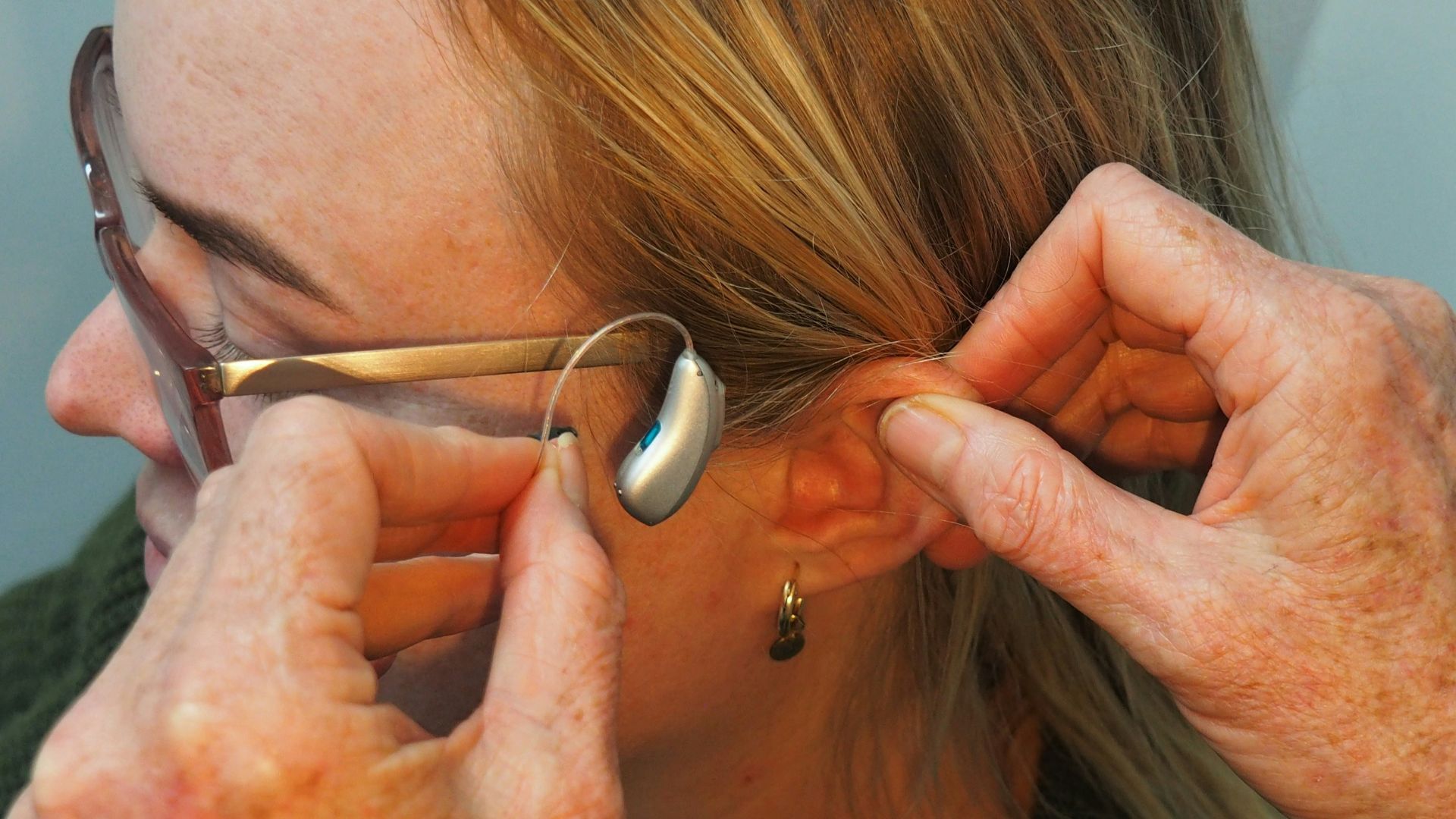
9. Leaving Hearing Aids In The Drawer
Aids only help on the days they go in, and reasons to skip them are easy to find. Without them your brain goes back to straining at a thin signal, so the ringing comes forward again. Going back for a refit usually sorts out whatever discomfort sent them to the drawer.
10. Cannabis
Tinnitus guidance says cannabis may increase tinnitus, and flags hallucinogens and inhalants as possible risks too. The same leaflet found no evidence that cocaine or heroin raises it. Any change in the ringing after you start something new is worth telling a doctor about.
 National Cancer Institute on Unsplash