
When a Healthy Fat Gets Out of Balance
Omega-3 fatty acids are essential nutrients, but “more” isn't always better. It’s rarely an issue when you score omega-3s in your everyday diet, but supplement side effects can creep in before you realize. Come with us as we go through a few red flags that you’re overdoing it, as well as some common signs that your intake may actually be falling short.
1. Frequent Fishy Burps
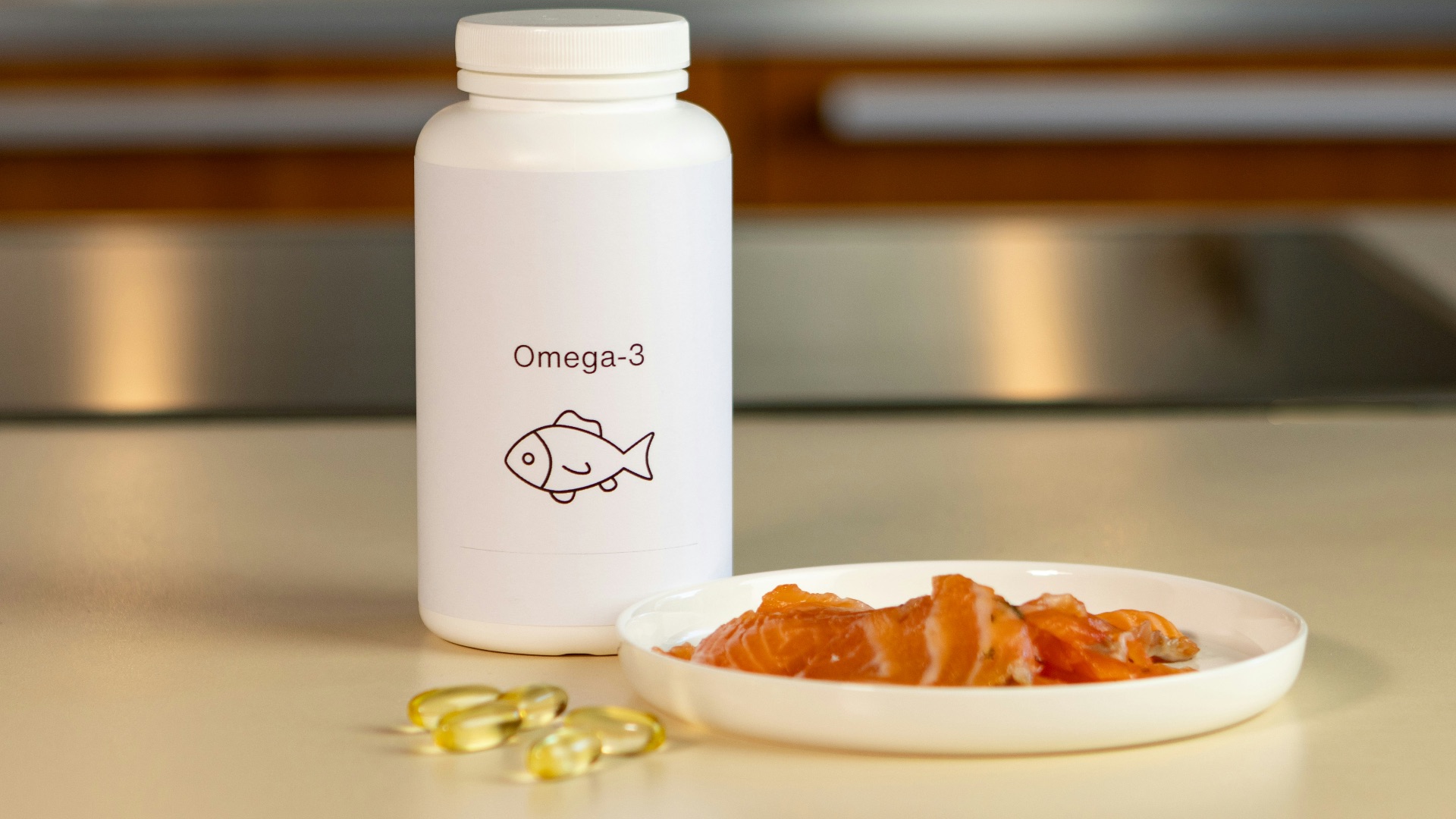
That fishy taste that keeps bubbling up after a supplement? No one said you had to tolerate it. If you experience an unpleasant taste, bad breath, or digestive discomfort, it could be a sign that you’re overdoing it with omega-3 supplements, particularly fish-oil products. Capsules shouldn’t announce themselves again an hour later.

2. Heartburn After Increasing Your Dose
A larger fish-oil dose can leave some people dealing with indigestion they didn't have to deal with before. It’s unfortunate, but heartburn is among the mild side effects reported with omega-3 supplements, so pay attention if it consistently follows your capsules.

3. You're Regularly Nauseated
No one wants to deal with queasiness during the day, and while nausea can have many causes, persistent discomfort after taking fish oil could be your stomach's way of objecting. Nausea is another recognized side effect associated with omega-3 supplements; don't assume that feeling sick is the price of getting enough healthy fat.

4. Your Stomach Has Become Unusually Unsettled
You may notice bloating, cramping, or general discomfort after starting a high-dose omega-3 routine—and that happens sometimes. The NIH includes gastrointestinal discomfort among the commonly reported effects of these supplements. If you keep experiencing it, it’s time to speak with a professional about proper doses.

5. Diarrhea Shows Up
Loose stools should signal trouble when you jump from little or no fish oil to several capsules a day. Diarrhea is a documented potential side effect, which isn’t something you want on top of all the other potential digestive complaints. If the problem began with a dose increase, that's useful information to bring to your doctor.

6. You're Bruising More Easily
Omega-3s can have antiplatelet effects at high doses, which matters more than you think—especially if you're already on other meds that affect clotting. Medication interactions require attention, so don’t be afraid to report unexplained bruising to your physician.
 Reinhard A. Deutsch on Unsplash
7. You're Combining Several Supplements
One fish-oil softgel may not look like trouble until you add a second one…and an omega-3 multivitamin, and another concentrated product. Remember what we said earlier: more isn’t always better, and the FDA concluded that supplements providing no more than 5 grams of EPA and DHA daily are enough when used as directed. Reading the actual totals on your bottle is far better than counting capsules.
 Supliful - Supplements On Demand on Unsplash
8. Your Blood Pressure is Lower Than Expected
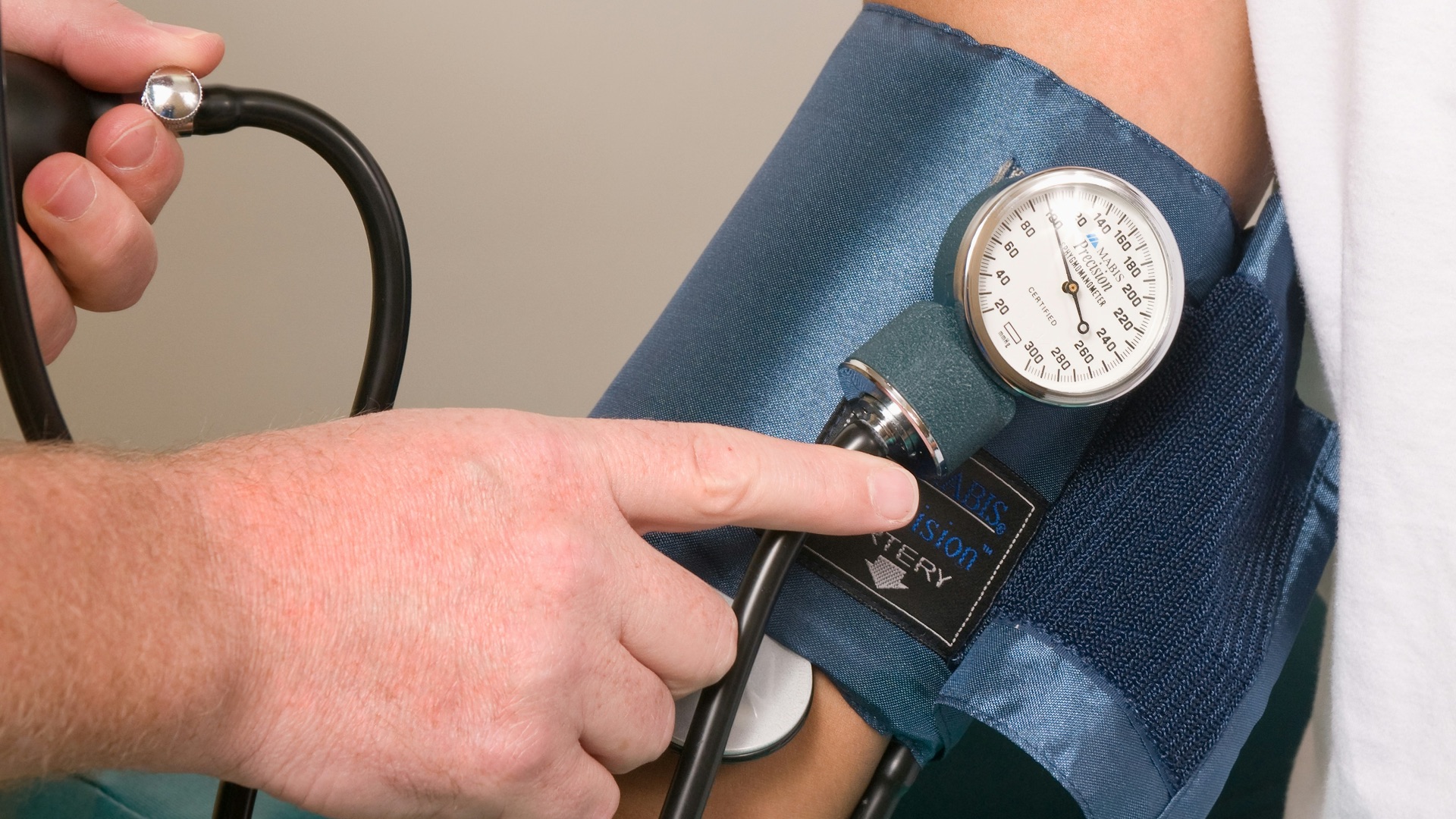
Omega-3s can modestly lower blood pressure, which usually isn't a problem but may matter if you're already taking antihypertensive medication. Omega-3 supplements could increase the risk of hypotension when combined with blood-pressure-lowering drugs. It’s a good idea to mention any dizziness to your doctor after adding a concentrated supplement to your routine.
9. You're Taking Doses Without Medical Guidance
Prescription-strength quantities aren't the same thing as another grocery-store capsule. Trials using 4 grams of omega-3s per day for several years found a small increase in atrial fibrillation among people with cardiovascular disease (or a high risk of it). High-dose regimens used for conditions such as very high triglycerides should be used under medical supervision.

10. New Palpitations Started
Much like nausea, an irregular heartbeat has many potential causes, so you can't diagnose an omega-3 problem from palpitations alone. However, they’re particularly worth reporting when you're using concentrated omega-3 products. Chest pain, fainting, shortness of breath, or a persistent irregular heartbeat requires prompt medical attention.

There’s some good news, though: true essential-fatty-acid deficiency is rare in healthy people! That being said, these signs focus on documented symptoms that make inadequate intake substantially more plausible.
1. Your Skin Has Become Rough
One of the clearest recognized signs of essential-fatty-acid deficiency is rough, scaly skin. The NIH specifically identifies the change as something that can occur when omega-3 or omega-6 essential fatty acids are far too low in your system. Of course, that doesn't mean every dry elbow points to omega-3s, but unexplained skin changes still deserve a doctor’s appointment.

2. Unexplained Dermatitis
Dermatitis is another manifestation of essential-fatty-acid deficiency. Keep an eye out for the classic symptoms, like red, irritated, or inflamed skin. That change is worth bringing to a doctor anyway, since it can have countless other causes, and diet is only one possibility.
 Barbara Krysztofiak on Unsplash
3. You Rarely Eat Fish or Seafood
Someone who never touches salmon, trout, herring, or other seafood is missing the richest common dietary sources of EPA and DHA. We know that fish isn’t up everyone’s alley, but avoiding it could cause some lower levels down the road. If you really can’t handle the taste, make sure your diet provides omega-3s through appropriate plant or fortified alternatives.

4. Your Diet is Missing ALA-Rich Foods
Skipping fish isn’t inherently the biggest issue on its own, but it matters more when walnuts, chia seeds, flaxseed, and canola oil are also absent. ALA is an essential fatty acid, meaning your body can't make it on its own—it needs to get it from food. A diet with virtually none of these sources gives your body very little omega-3s to work with.

5. You've Been Following an Extremely Low-Fat Diet
Low-fat diets aren’t always what they’re cracked up to be, and cutting virtually all dietary fat isn't the same as choosing healthier fats. Essential-fatty-acid deficiency is most likely to appear during severe dietary-fat restriction, and it only gets worse when it occurs alongside an overall shortage of calories.

6. Fat Malabsorption
Keep in mind that getting omega-3s onto your plate is only half the battle—your body needs to absorb them properly as well. The NIH notes that essential-fatty-acid deficiency can appear in situations involving fat malabsorption, especially when energy intake is also inadequate. Bear in mind that if you’re struggling with significant malabsorption, don’t try to correct suspected deficiencies without talking to a doctor first.

7. Specialized Nutrition Without Enough Fat
Some of the clearest cases of essential-fatty-acid deficiency happened in those receiving IV nutrition that didn't have enough polyunsaturated fats. Thankfully, today’s modern formulas usually have adequate amounts, so you won’t run into this roadblock as often anymore. But anyone dependent on specialized nutrition should have nutrient intake overseen by their medical team.

8. Your ALA Intake is Below Recommended Levels
For adults, the established adequate intake for ALA is 1.6 grams per day for men and 1.1 grams for women. Those numbers can also differ during pregnancy and breastfeeding. All this to say that ground flaxseed, chia seeds, and certain vegetable oils can make a substantial difference without relying on those golden capsules.

9. Testing Shows Your Levels Are Low
Sometimes, the only way to give yourself peace of mind is with an official test. Blood testing can point out potential lower concentrations, but you’ll want to take the results with a grain of salt. The NIH says there are currently no established DHA or EPA cutoffs below which specific functional problems are known to occur. In other words, a low result needs context, not another dose of fish oil!

10. Your Entire Diet Contains Almost No Essential Fats
The strongest warning sign is often the overall pattern over a single symptom. Someone eating an extremely restrictive diet with virtually no seafood or other sources of essential fatty acids has a much stronger reason to look into their intake. Don’t forget that true deficiency is also virtually nonexistent among healthy Americans, so severe symptoms should prompt a broader evaluation instead of being blamed on omega-3s alone.

KEEP ON READING


20 Things Your Body Is Secretly Doing Right Now