
The Body's Own Demolition Program
Your body kills its own cells on purpose, constantly, and it would be in serious trouble if it stopped. The process has a name, apoptosis, and it runs on a demolition program that cells carry inside them from the start. Something like a hundred billion of your cells die on schedule every day and get replaced. Some of that is routine housekeeping, and some of it built the shape of your hands. Here are 20 occasions when the body does the killing deliberately.

1. Separating Your Fingers
Your hands started out as paddles. Programmed cell death removes the tissue between the developing digits, leaving you with separate fingers instead of webbing. When the process runs incomplete, the result is syndactyly, where two or more digits stay fused.

2. One Set of Plumbing Gets Dismantled
Early embryos build both sets of reproductive ducts and then tear one down. In male fetuses a hormone signal makes the Müllerian ducts regress, and in female fetuses the Wolffian ducts break down instead. Whichever set you did not need was actively demolished rather than left unused.

3. Half the Neurons You Ever Made
The developing nervous system overproduces on purpose. More than half the neurons and glial cells generated in the central nervous system are destined to die, and the cull arrives around the time connections are being formed. Neurons that fail to wire up usefully lose the survival signals keeping their suicide program switched off.
4. Thymic Selection Kills Almost Everything
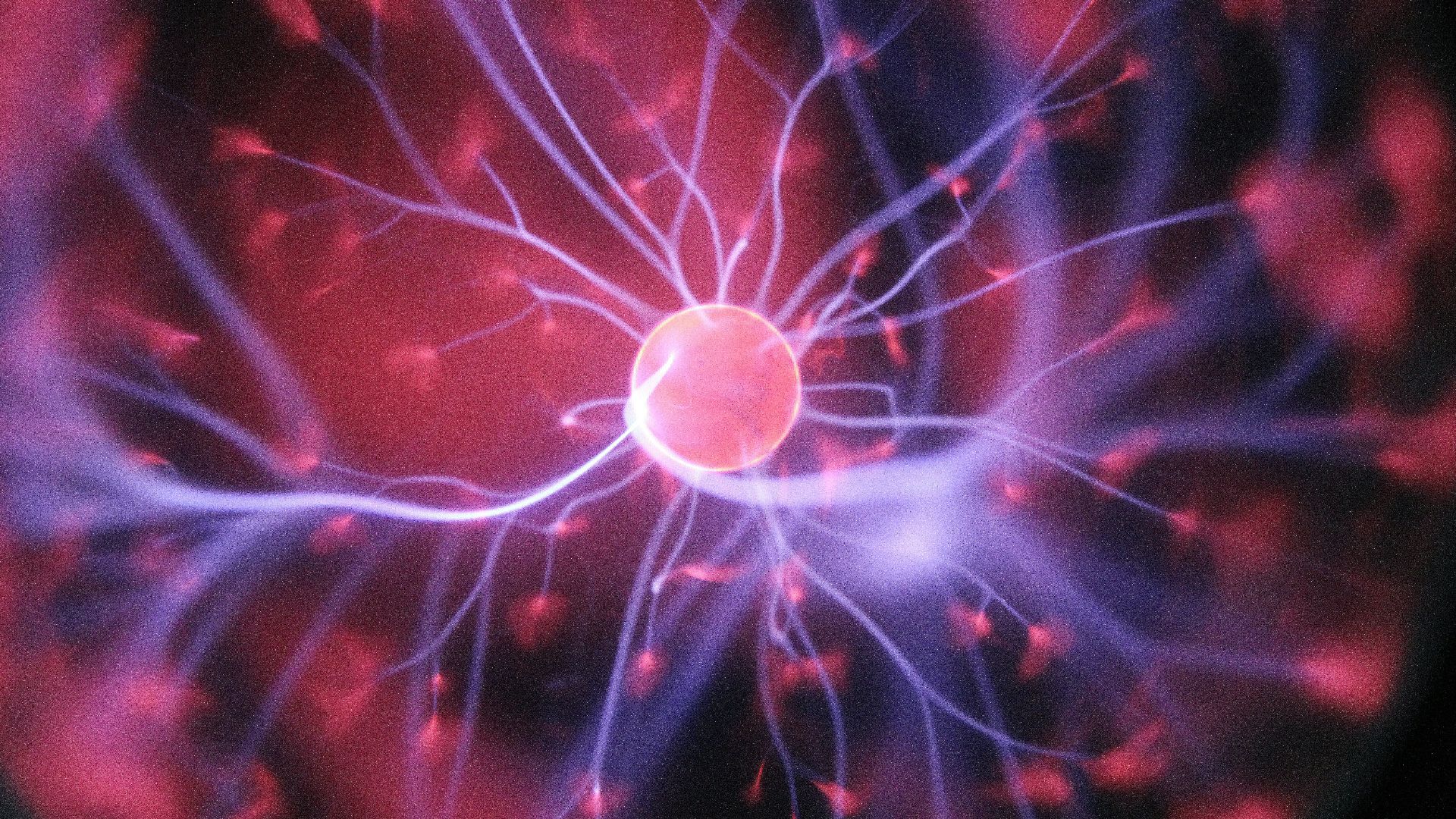
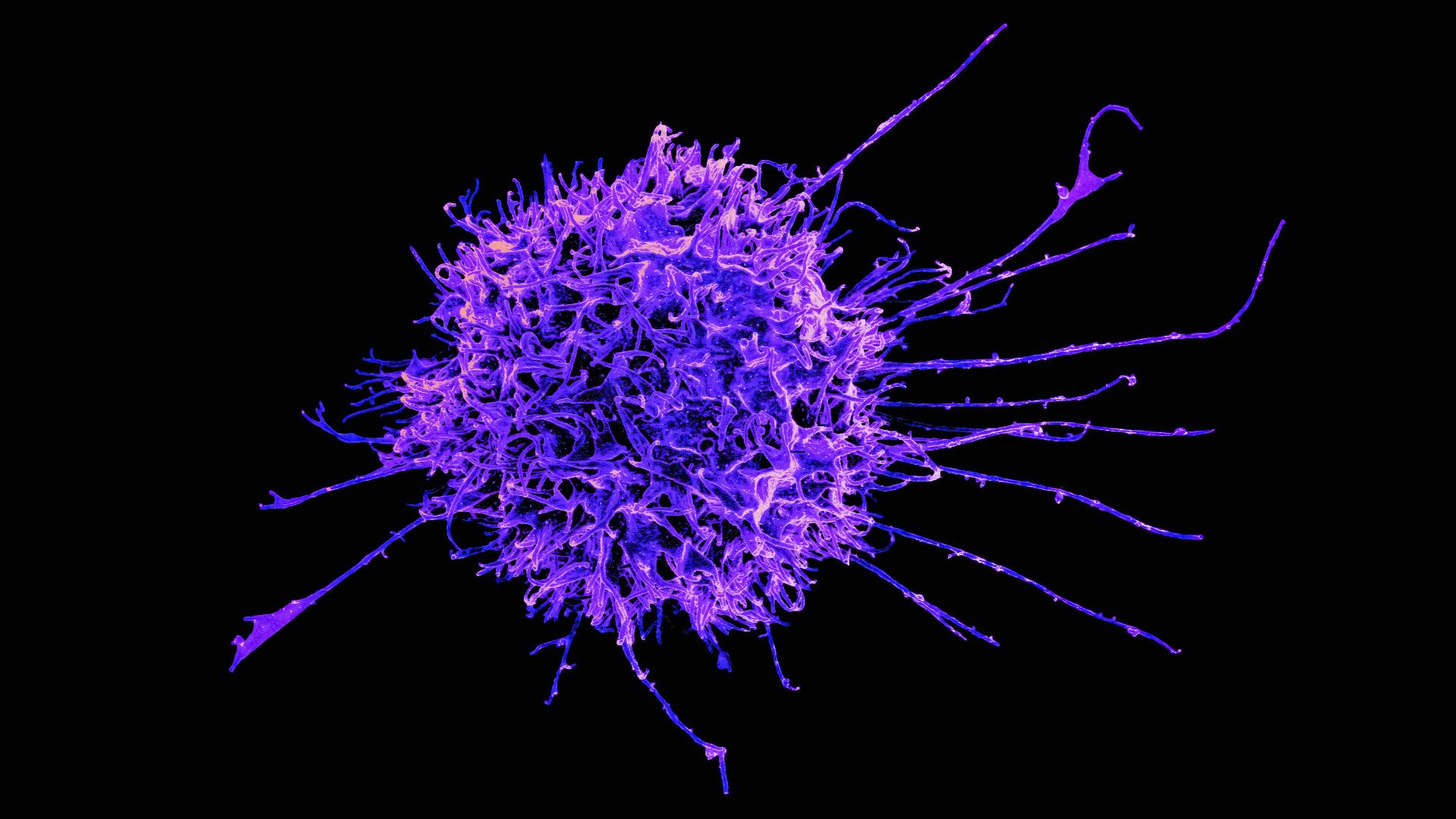
The thymus is picky about which T cells it lets out. First, developing cells have to recognize the body's own molecular ID tags. Then they have to prove they won't react so strongly that they attack healthy tissue. About 98 percent fail one test or the other and are destroyed. The surviving 2 percent go on to form the T cell population that helps defend you against infections.
 National Institute of Allergy and Infectious Diseases on Unsplash
5. The Germinal Center Audition
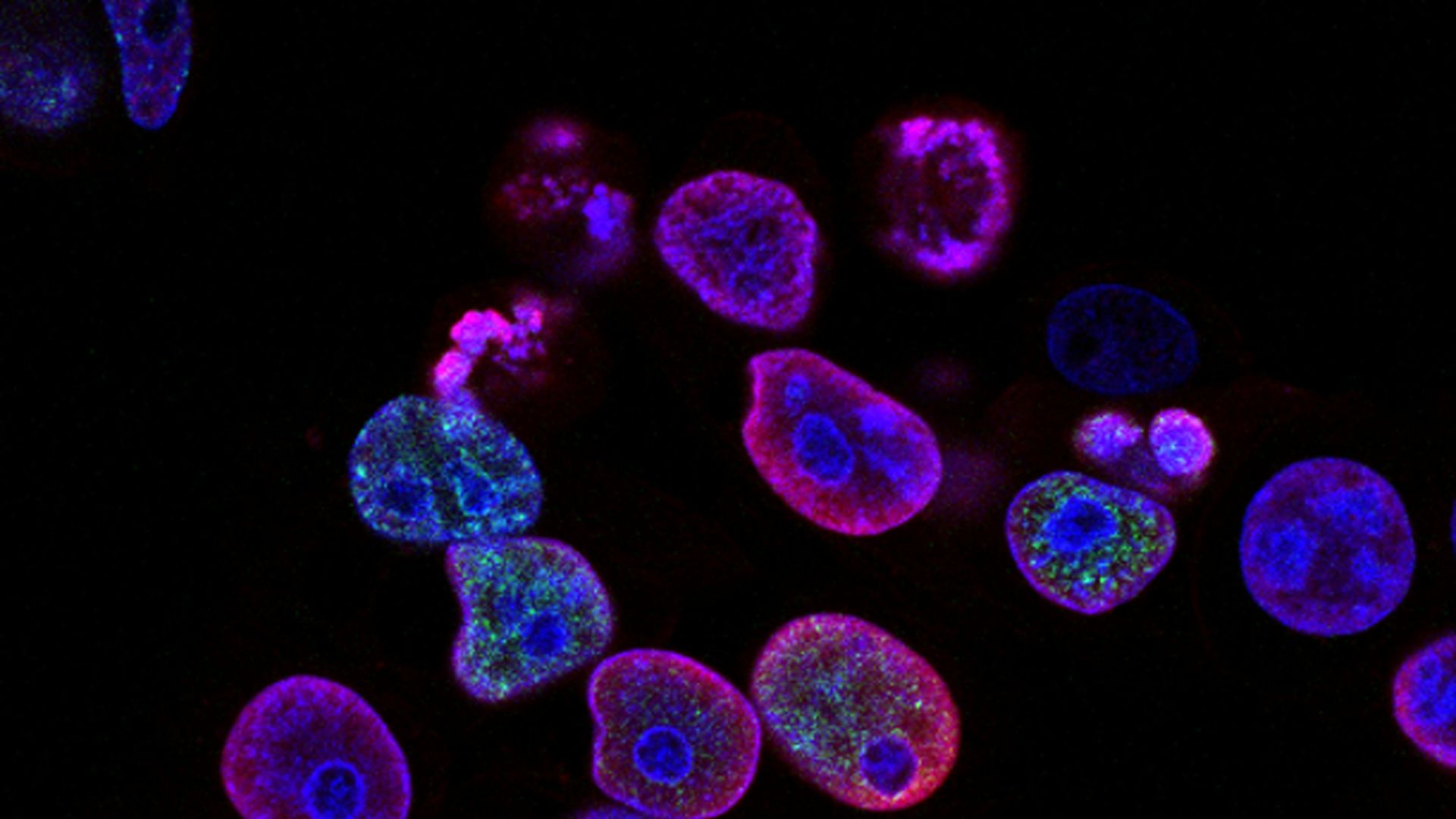
Antibody-producing B cells go through a brutal audition after an infection. They mutate their own antibody genes at random inside structures called germinal centers, and cells whose new antibodies grip the target better are kept alive while the rest are allowed to die.
 National Cancer Institute on Unsplash
6. Egg Follicles Disappear by the Million
A female fetus peaks at roughly four to seven million egg follicles around 18 to 22 weeks after conception. That falls to one or two million by birth and around 400,000 by puberty. Across an entire reproductive life, only about 400 to 500 follicles ever ovulate. Everything else is lost to atresia, which is cell death running for decades in the background.
7. The Lens Empties Itself Out
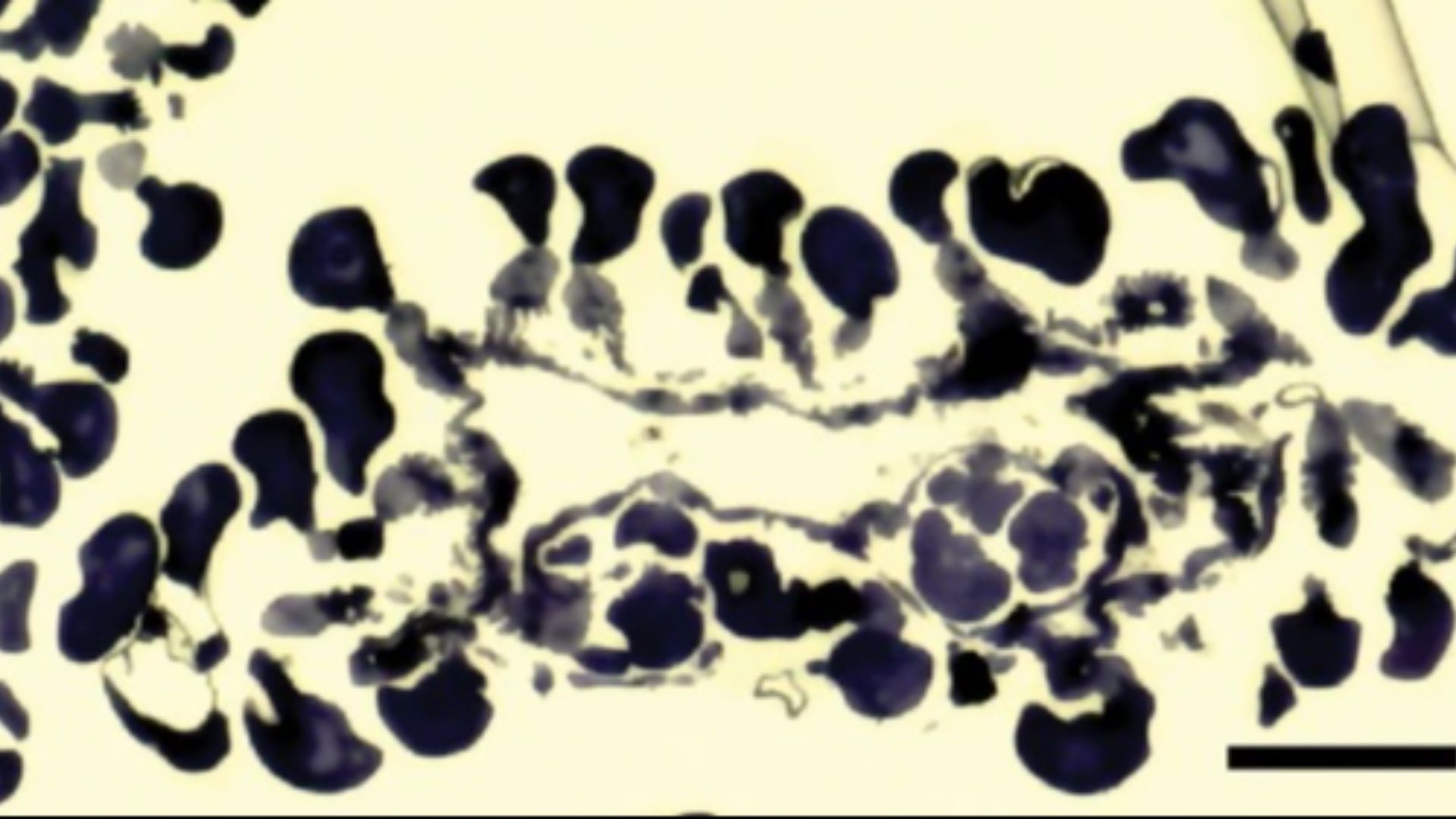
You can see because cells in your lens destroyed their own interiors. Lens fiber cells break down their nuclei and organelles, since anything that scatters light would blur the image. They then sit there in a stripped-down state for the rest of your life, unable to repair themselves.

8. Red Cells Throw Away Their Nuclei
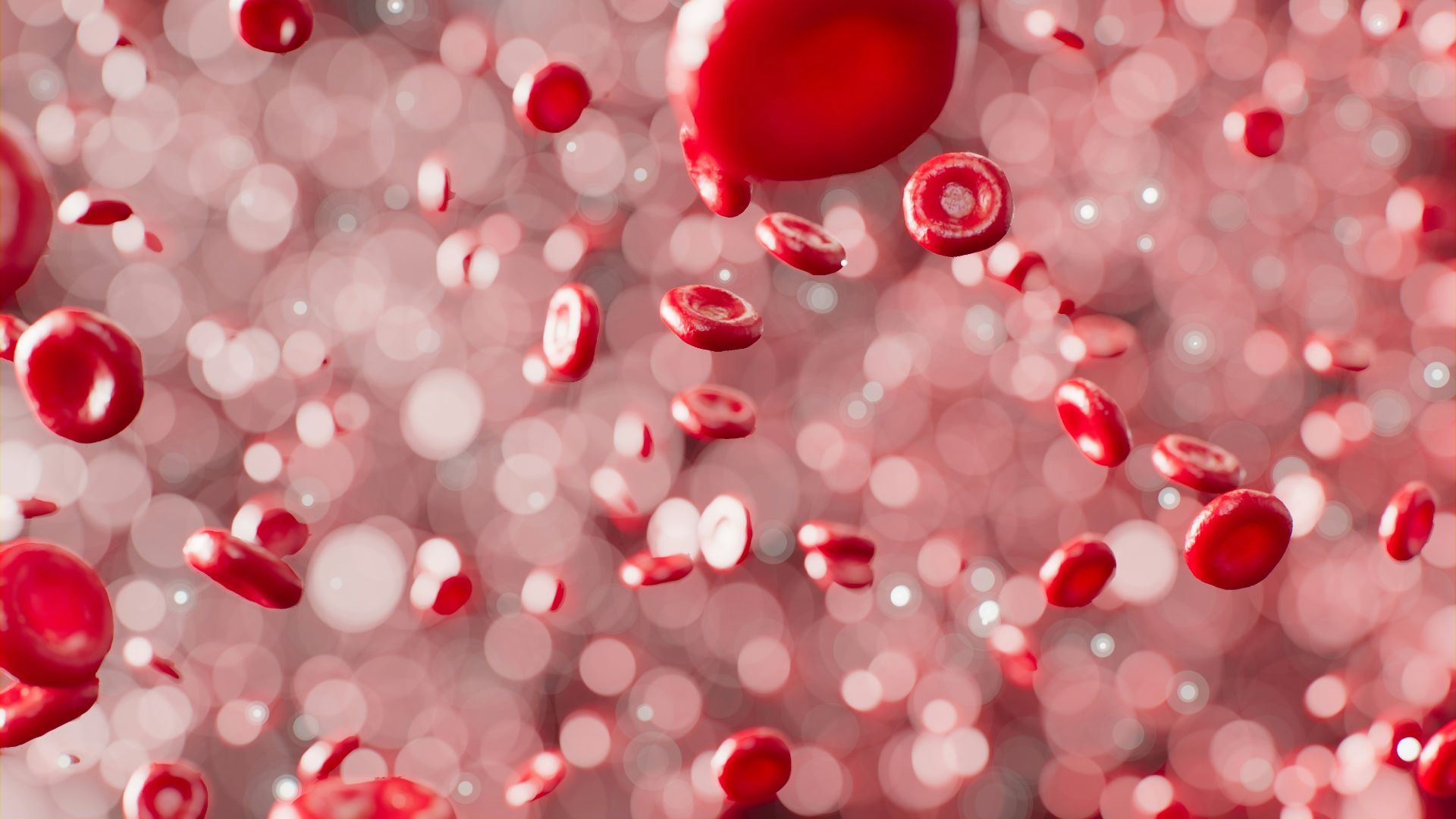
A developing red blood cell ejects its nucleus before it enters circulation. The point is cargo space, since a cell whose only job is hauling oxygen has no use for a genome taking up room. The cost is that red cells cannot build new proteins or fix damage, which is why they expire on a fixed schedule.
9. Retiring Red Cells After Four Months
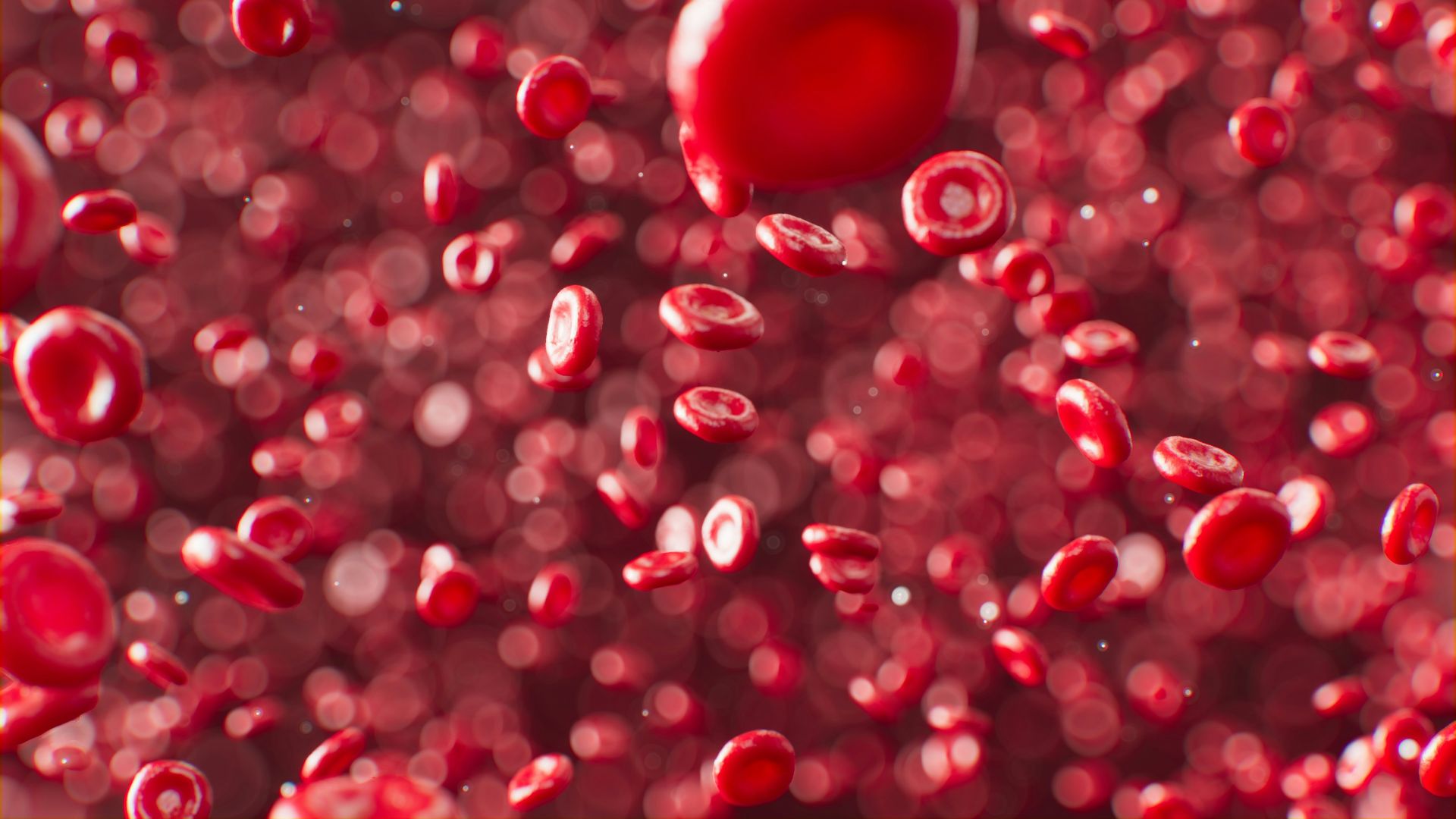
Red blood cells last about 120 days, and then macrophages eat them. Aging cells accumulate surface changes that macrophages in the spleen, liver, and bone marrow read as a signal to clear them out. Replacement runs at roughly two million cells a second, matched by destruction at the same rate.
10. The Skin You're Wearing Is Dead
The outermost layer of your skin is made entirely of dead cells, and that's exactly how it's supposed to work. As skin cells move toward the surface, they fill with keratin, lose their nuclei, and flatten into a tough protective layer. Those dead cells help keep moisture in and bacteria out. Your body constantly sheds them and makes replacements, all without you noticing.

11. Neutrophils Run on a Timer
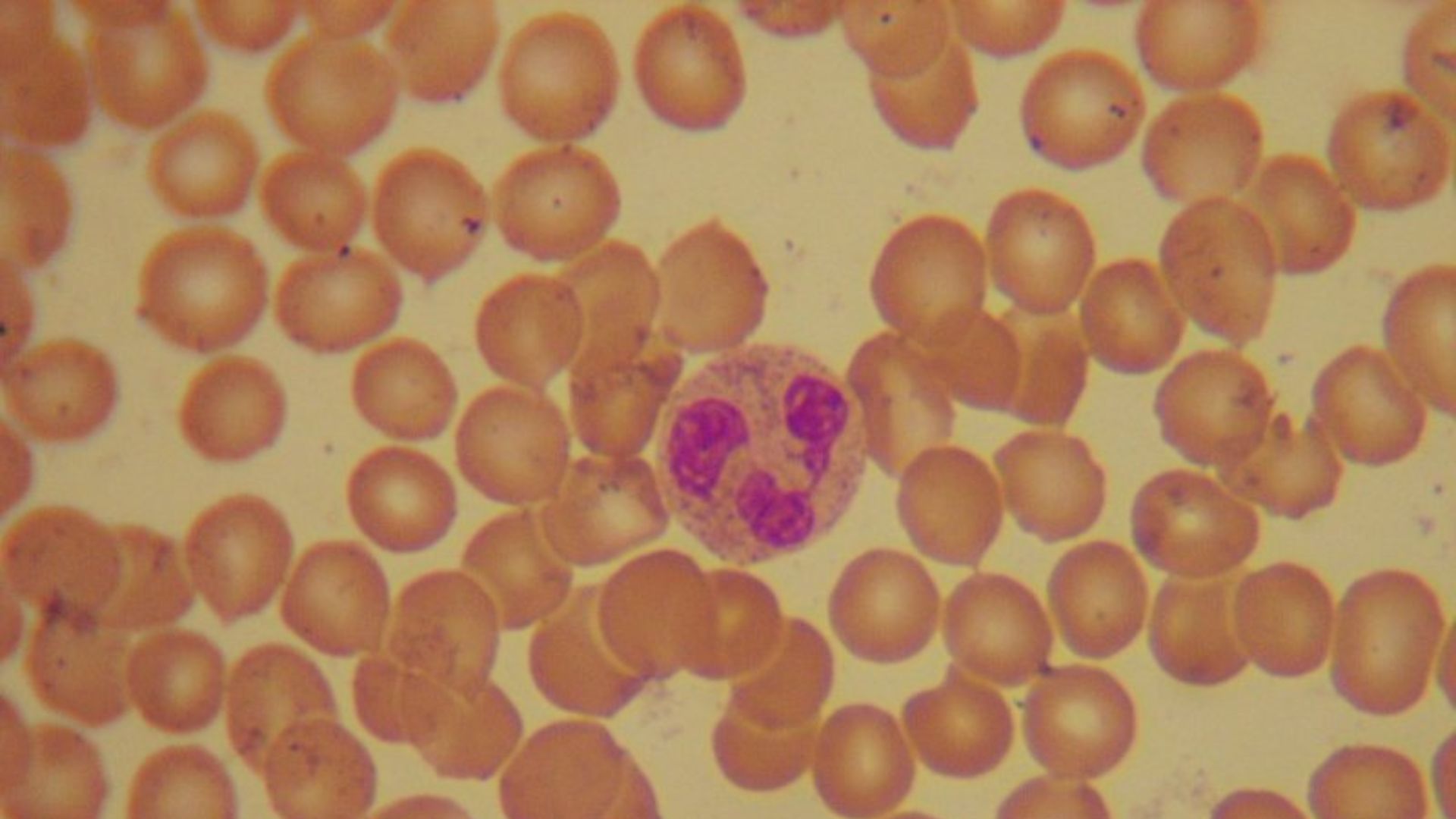
Neutrophils die by default. Your bone marrow produces roughly 100 billion a day, and aged ones undergo apoptosis on their own unless signals from an infection arrive to extend their lives. Dying on schedule matters, because a neutrophil that bursts instead spills enzymes that chew through your own tissue.
12. The Gut Lining Rebuilt Every Few Days
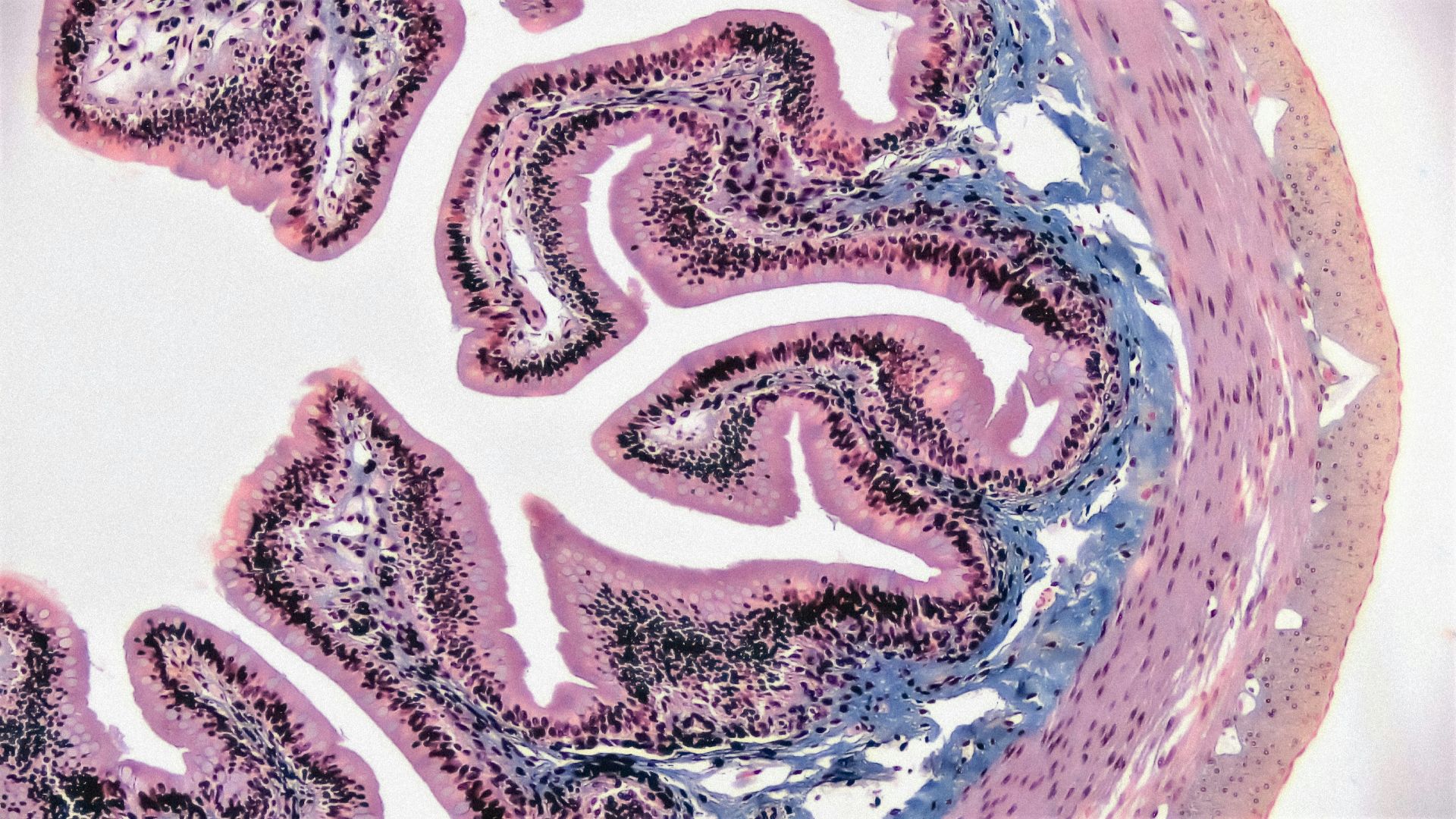
The lining of your small intestine replaces itself every three to five days. Cells are born in the crypts, ride up the villus, and die at the tip, where they are shed into the gut. Losing contact with the surrounding matrix is itself the death signal, a process called anoikis.
 Bioscience Image Library by Fayette Reynolds on Unsplash
13. Menstruation
The uterine lining gets built up and then taken apart. When no pregnancy follows, hormone withdrawal triggers the breakdown of the endometrium, which is shed and then rebuilt on the next cycle. It is the clearest routine case of the body demolishing a whole tissue on a monthly schedule.

14. Hair Follicles Shut Down on Schedule
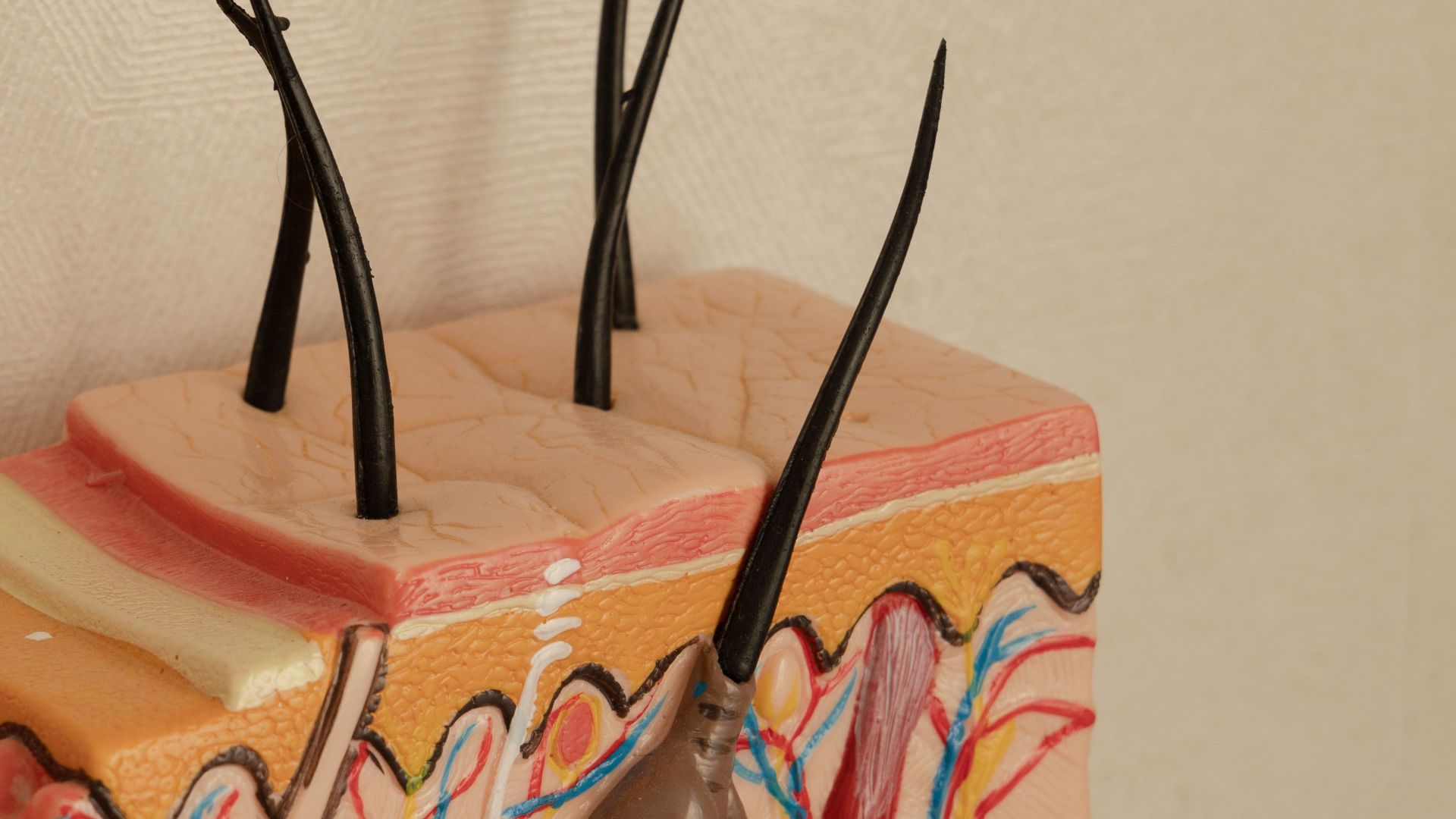
Every hair follicle cycles through growth, regression, and rest. The regression phase, called catagen, has the follicle dismantling most of its own lower structure by apoptosis before going dormant. Hair you lose in the shower is the visible end of a process that started weeks earlier.
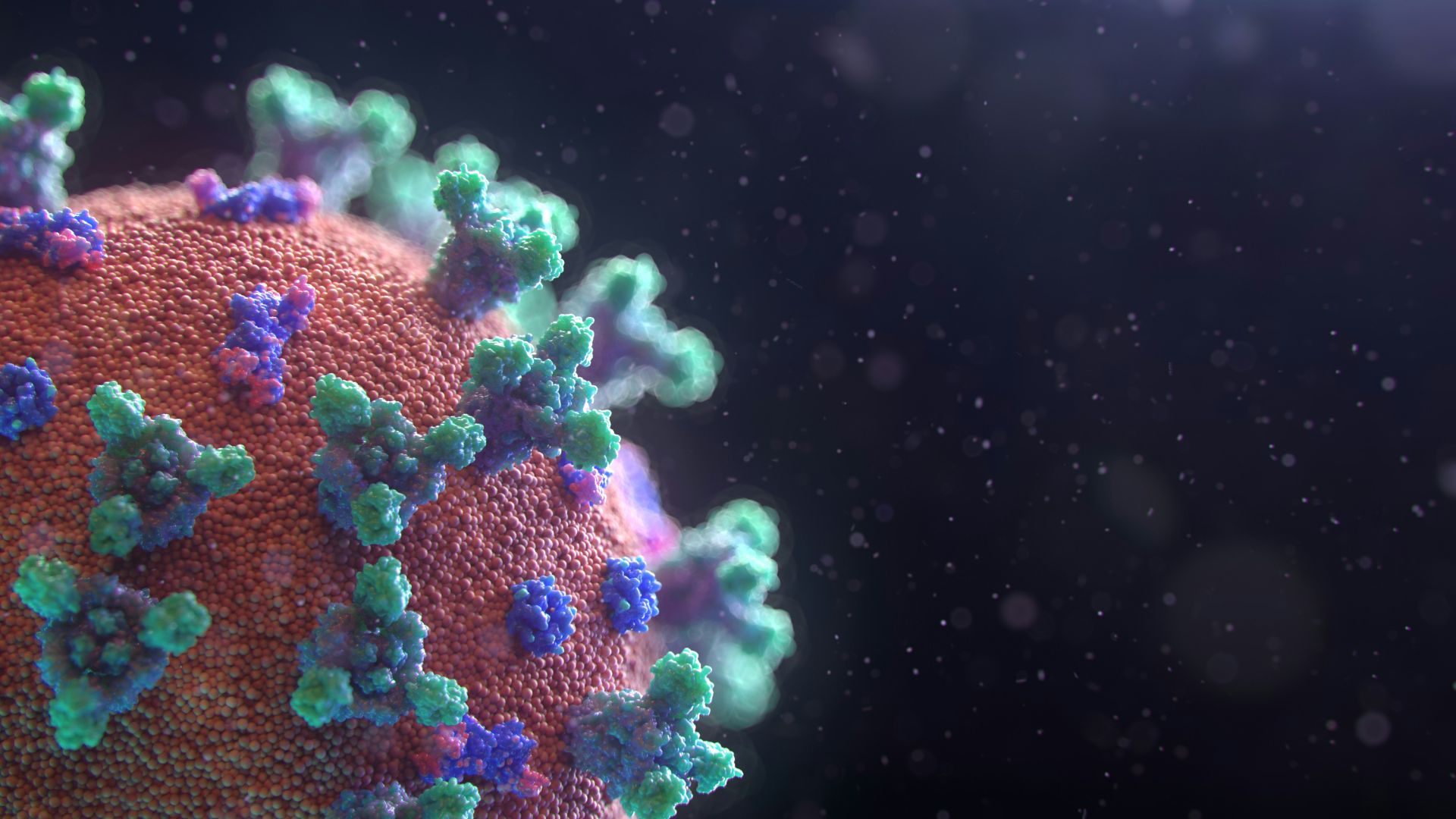
15. Killer T Cells Execute Your Own Cells
Cytotoxic T cells do not kill viruses. They kill your cells that viruses are hiding inside, by delivering proteins that trigger the target's own suicide program, which means recovering from a virus involves deliberately destroying some of your own tissue.
 Fusion Medical Animation on Unsplash
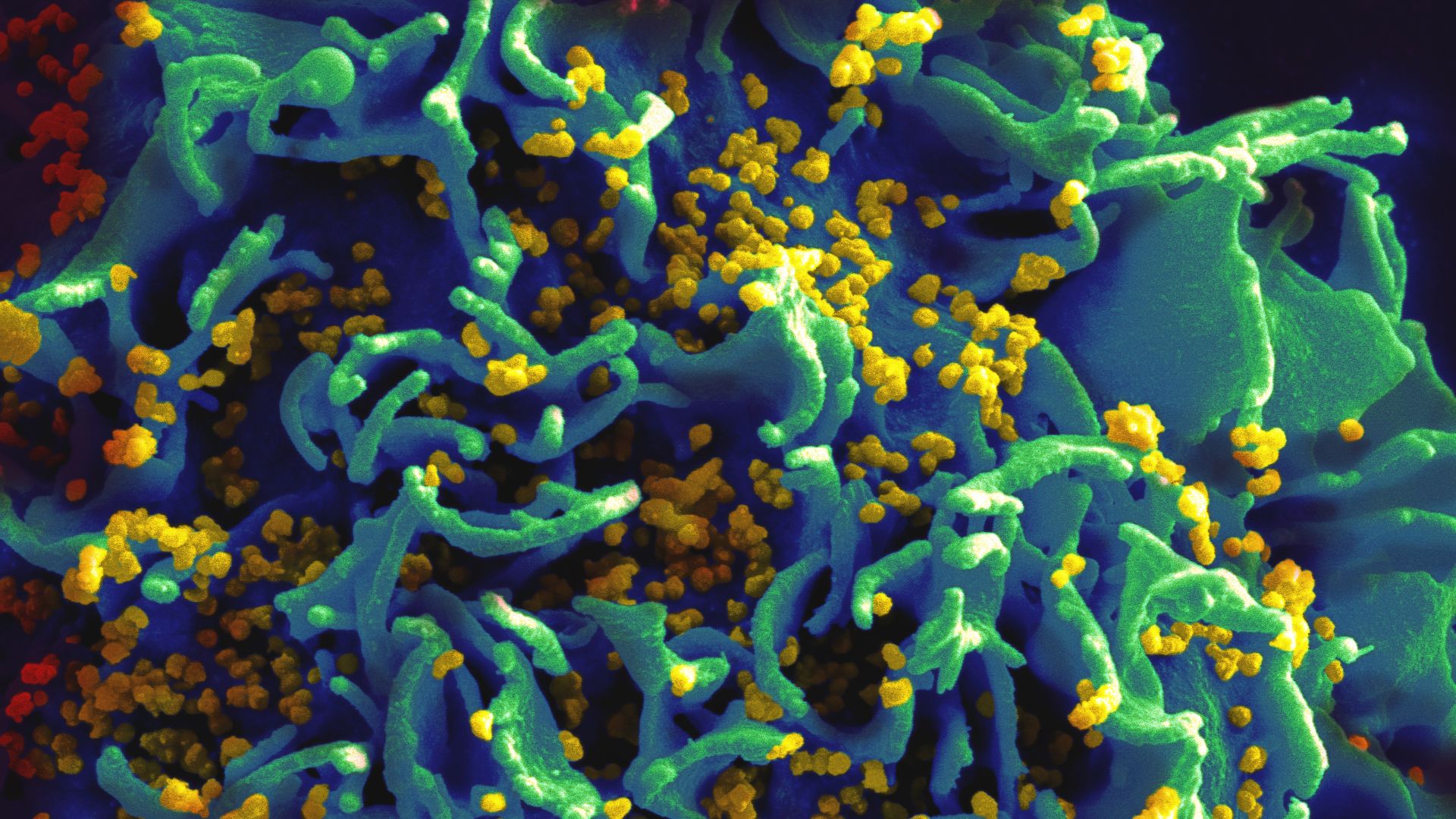
16. The Army Stands Down
An immune response expands enormously and then has to shrink again. Once an infection is cleared, the vast majority of the T cells that multiplied to fight it die off, leaving a small memory population behind. A body that kept every immune cell it ever made would have no room for anything else.
 National Institutes of Health (NIH) on Wikimedia
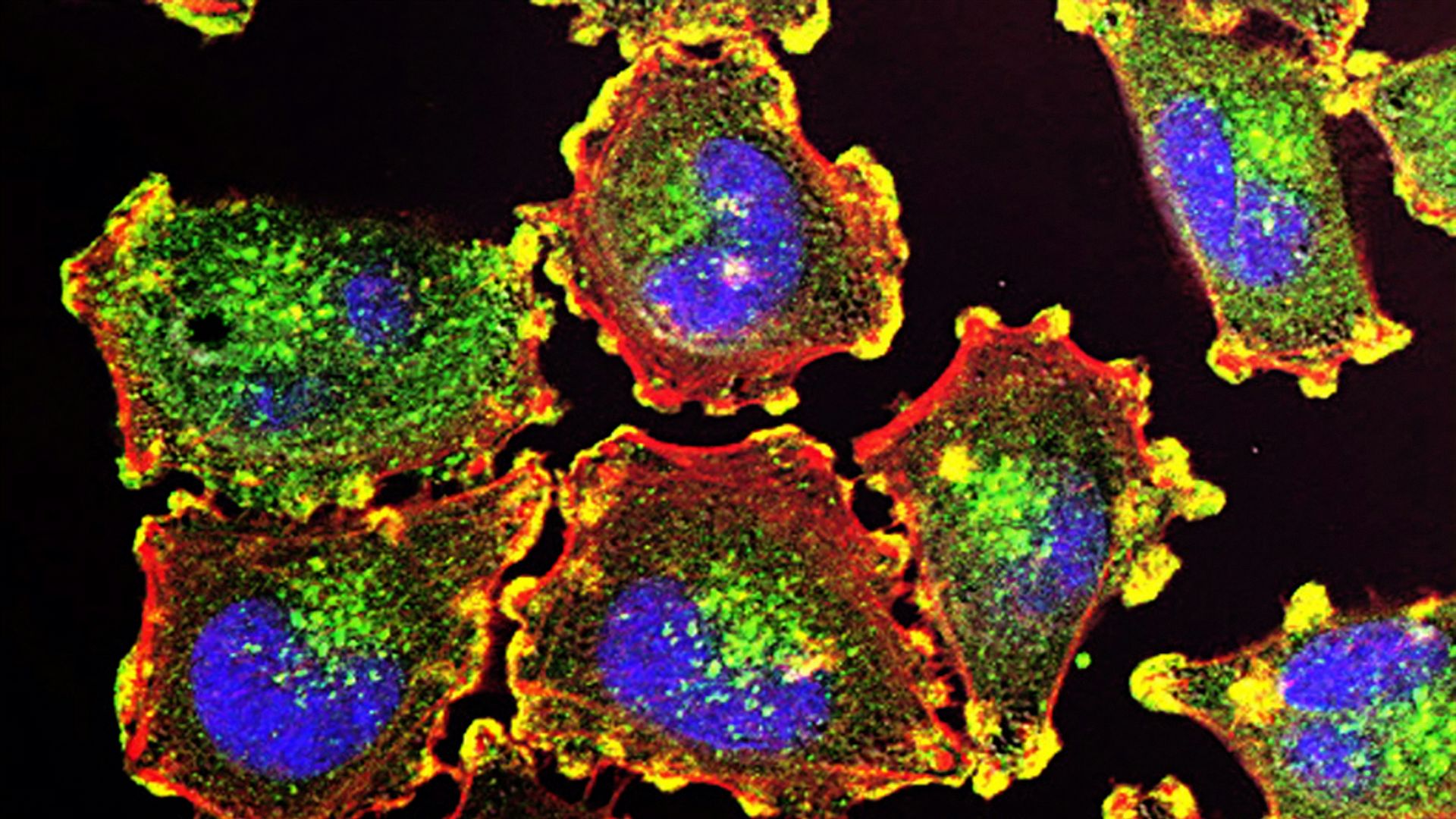
17. Sunburn Cells
Sunburn is partly a demolition response. UV damage to DNA activates a protein called p53, which can force a badly damaged skin cell to kill itself rather than risk it dividing with broken instructions. Pathologists can spot the results under a microscope, and the term for them is sunburn cells.
 National Cancer Institute on Unsplash
18. Your Cells Eat Themselves When You Skip Meals
Cells short on nutrients start digesting their own interiors. Autophagy packages up pieces of the cell, whole organelles included, and breaks them down for parts, and the same machinery clears damaged mitochondria during normal operation.

19. Weaning Shuts the Milk Factory Down
A lactating breast is largely built tissue that gets removed afterward. When milk is no longer needed, the secretory cells die off and the gland returns to its resting state, a process called involution. The whole apparatus gets rebuilt during the next pregnancy.
20. Baby Teeth Dissolve Their Own Roots
A baby tooth does not simply fall out. Specialized cells resorb the root from underneath as the permanent tooth pushes up, until almost nothing is left anchoring it. By the time it comes out, most of it has already been taken apart.

KEEP ON READING

10 Pre-Workout & 10 Post-Workout Tips To Follow