

Your Body Has Some Surprising Limitations
The human body is capable of remarkable things, but before you go skydiving or think you can lift a car, it’s important to know about all the surprising roadblocks. It's pretty easy to overwhelm your system under the wrong circumstances; you might think you’re healthy, but all it takes is skipping sleep or spending an afternoon outdoors to change the narrative. Even our strongest organs have vulnerabilities that aren't always obvious! With that, here are 20 ways your body is more fragile than you might realize.

1. Your Brain Can't Survive Long Without Oxygen
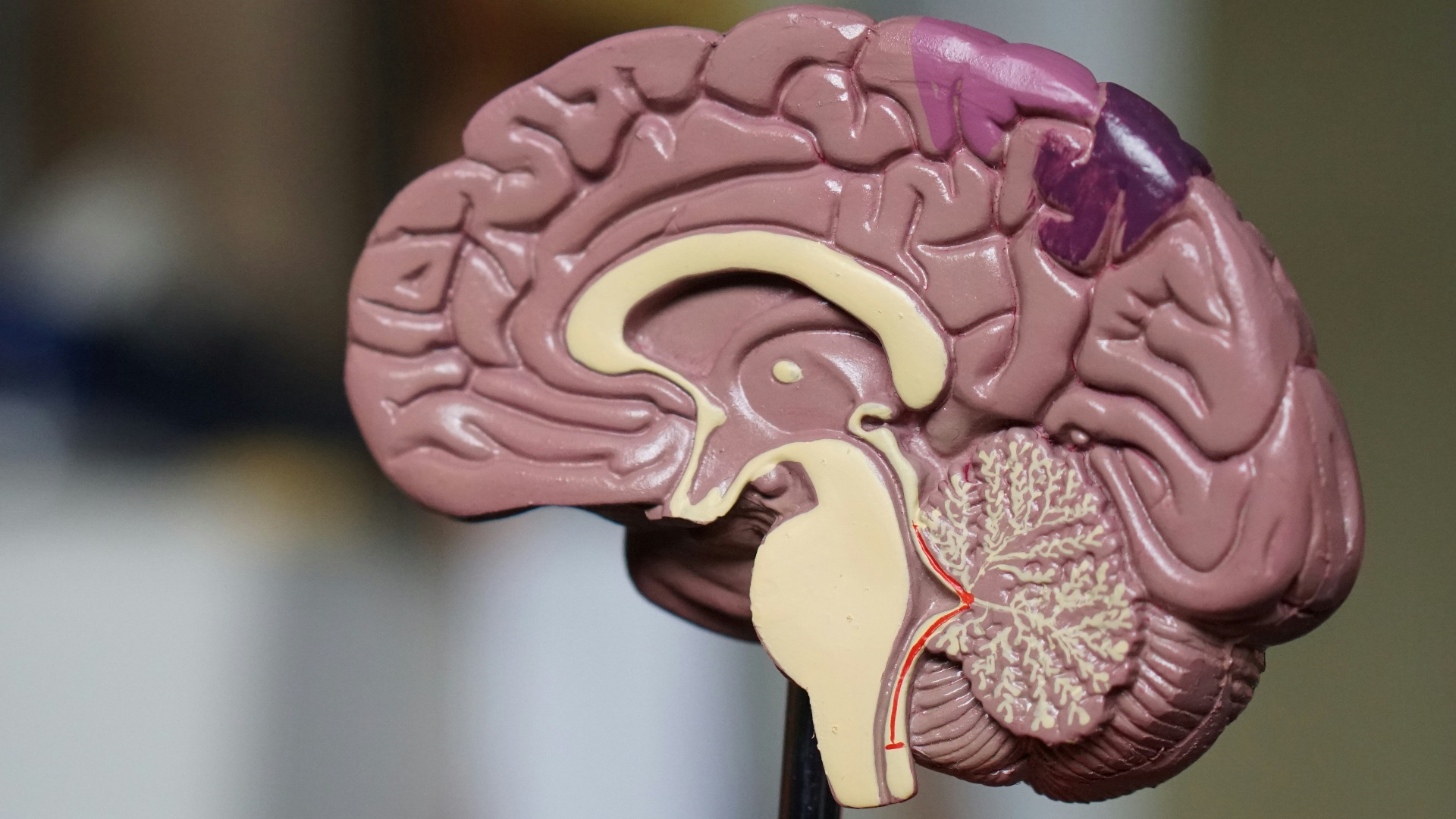
Your brain depends on a continuous supply of oxygen to stay afloat, which makes interruptions particularly dangerous. When blood flow to the brain stops, permanent injury can kick in after just a few minutes. There’s a reason doctors warn that emergencies like cardiac arrest need immediate attention, even if you were in tip-top shape before it happened.
2. Your Skin Can Burn Surprisingly Quickly
Spending a little time outdoors without sunscreen might seem harmless, but all those reminders about sunscreen really did have merit to them. Ultraviolet radiation can damage your skin before you notice anything unusual. Burns can happen in as little as ten minutes for some people, and unfortunately, the redness often doesn't appear until hours after the damage has already been done.

3. Your Muscles Lose Strength When You Stop Using Them
People sometimes assume that muscle loss takes months, but that’s not always the case. Significant changes can begin much sooner during total inactivity. Even a relatively short hospital stay can leave older adults struggling with activities they previously handled without issue.

4. Your Ears Can't Repair Certain Types of Damage
Unlike other tissues, the delicate sensory hair cells inside your inner ear don't just spring back into action once they're destroyed. Exposure to loud concerts, power tools, or repeated headphone use at excessive volumes can permanently damage these cells. What’s worse is that you might not notice the consequences immediately, but you’ll definitely notice down the line.

5. Your Body Struggles With Extreme Heat
We already know how dangerous the sun can be, but heat is just as dangerous. Though sweating helps regulate your temperature, the cooling process is a lot less effective when humidity stops perspiration from evaporating. During a severe heat wave, your internal temperature can rise dangerously even when you're resting.

6. Your Bones Can Become Fragile Without Warning
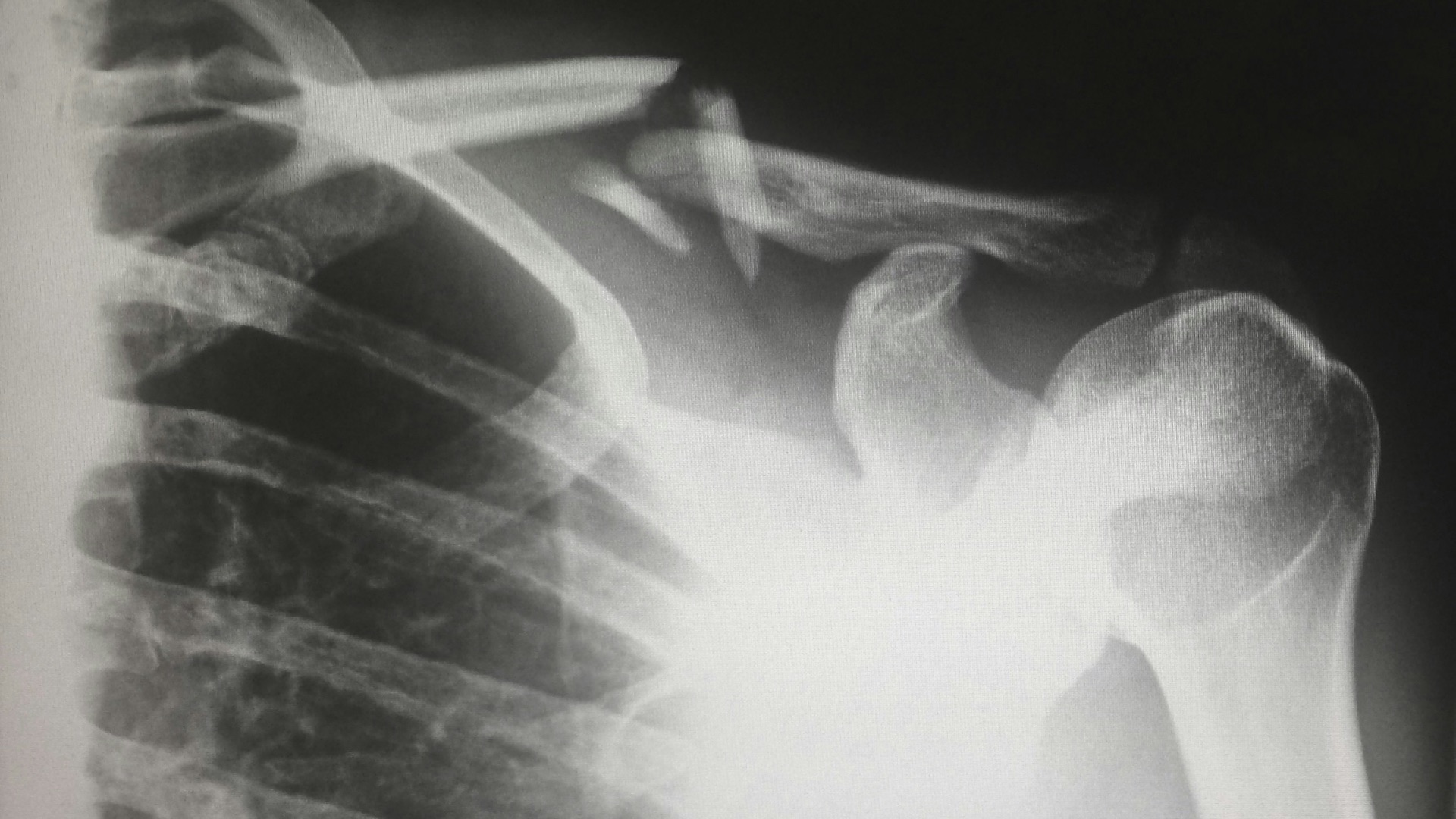
Bone tissue is constantly being broken down and rebuilt, although that balance can shift as people get older. Osteoporosis can develop without obvious symptoms, leaving you unaware of your weakened bones until you experience a fracture. In serious cases, something as ordinary as bending forward or coughing too hard can cause a fracture.
7. Your Eyes Have Almost No Protection Against Certain Injuries
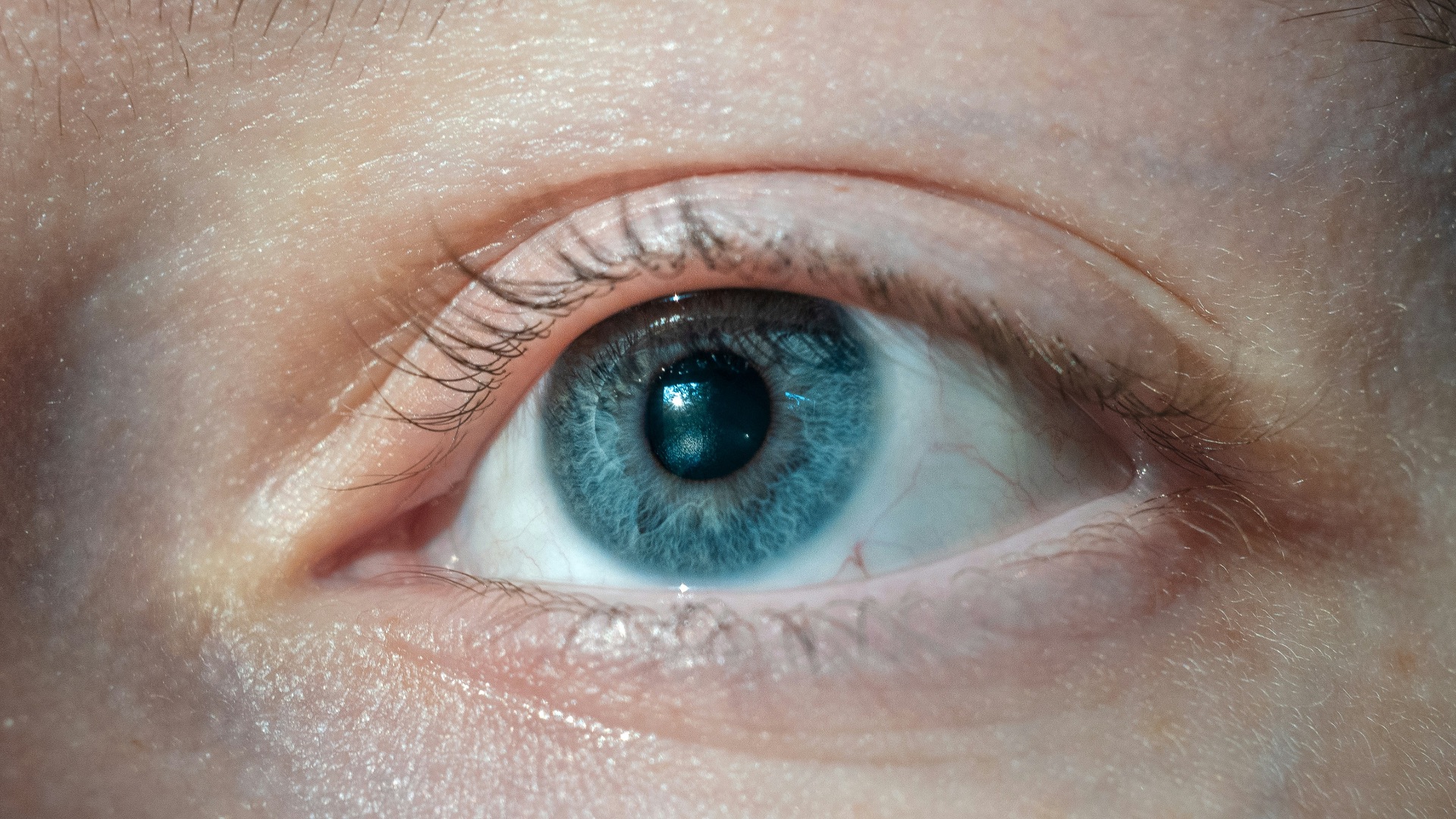
If you thought your ears were sensitive, just wait until you learn about the eyes! The cornea is extremely sensitive; it contains a dense network of nerve endings, which is why even tiny scratches can be painful. Something as small as a fingernail or a grain of sand can damage its surface and leave your eye watering uncontrollably.
8. Balance Depends on Several Systems
Balancing isn’t just about the odd exercise. Standing upright requires constant cooperation between your vision, inner ears, muscles, and nervous system. If one of those systems breaks down, something as simple as turning your head can become a nightmare.

9. Your Kidneys Can Be Damaged By Common Medications
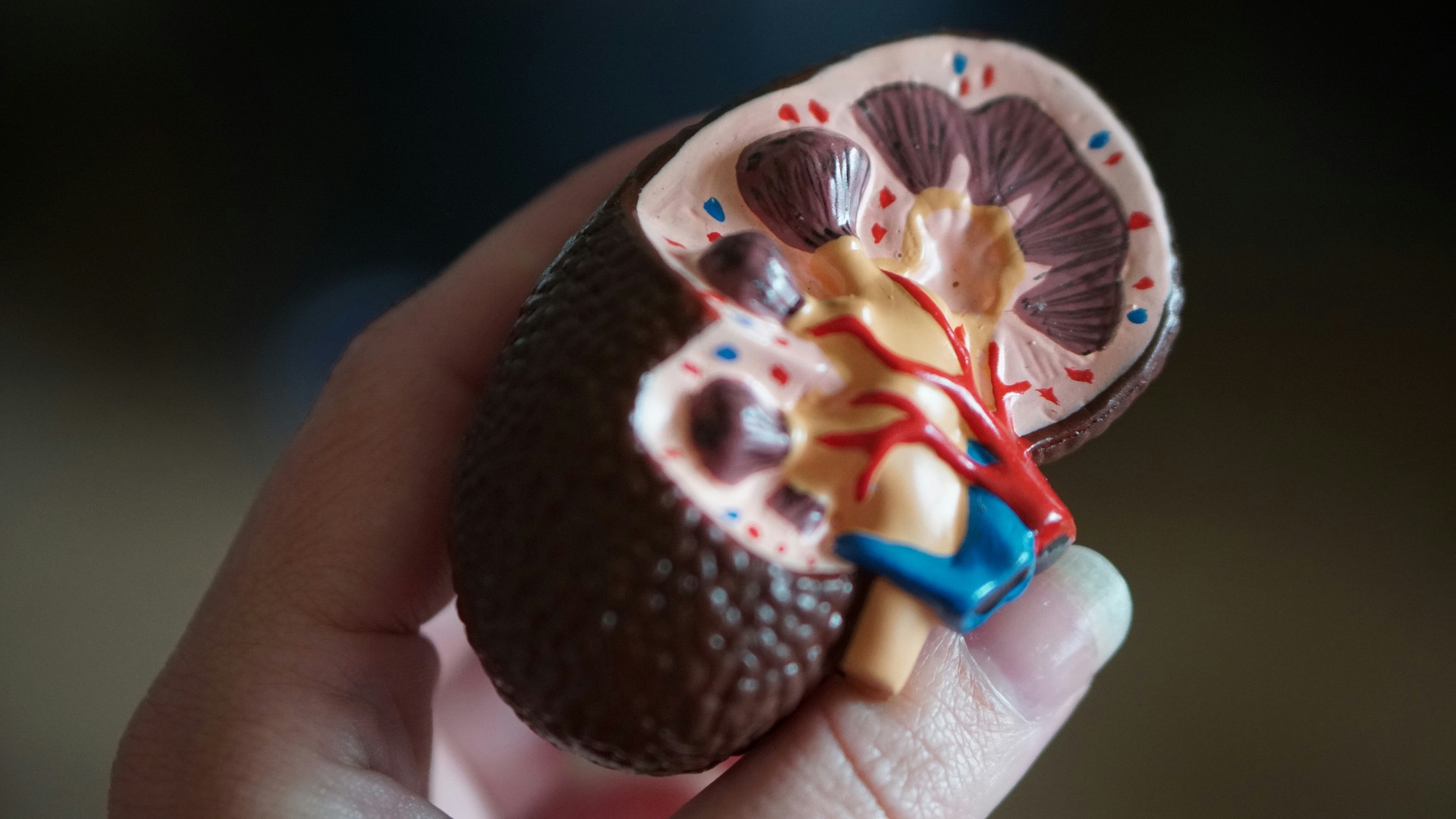
Many people assume that OTC pain relievers are harmless because they don't need a prescription. However, that’s a slippery slope, especially if you don’t read the fine print. Medications such as ibuprofen and naproxen can reduce blood flow to the kidneys, particularly in people who are dehydrated or already have kidney problems. It’s always good to speak with a professional before taking anything!
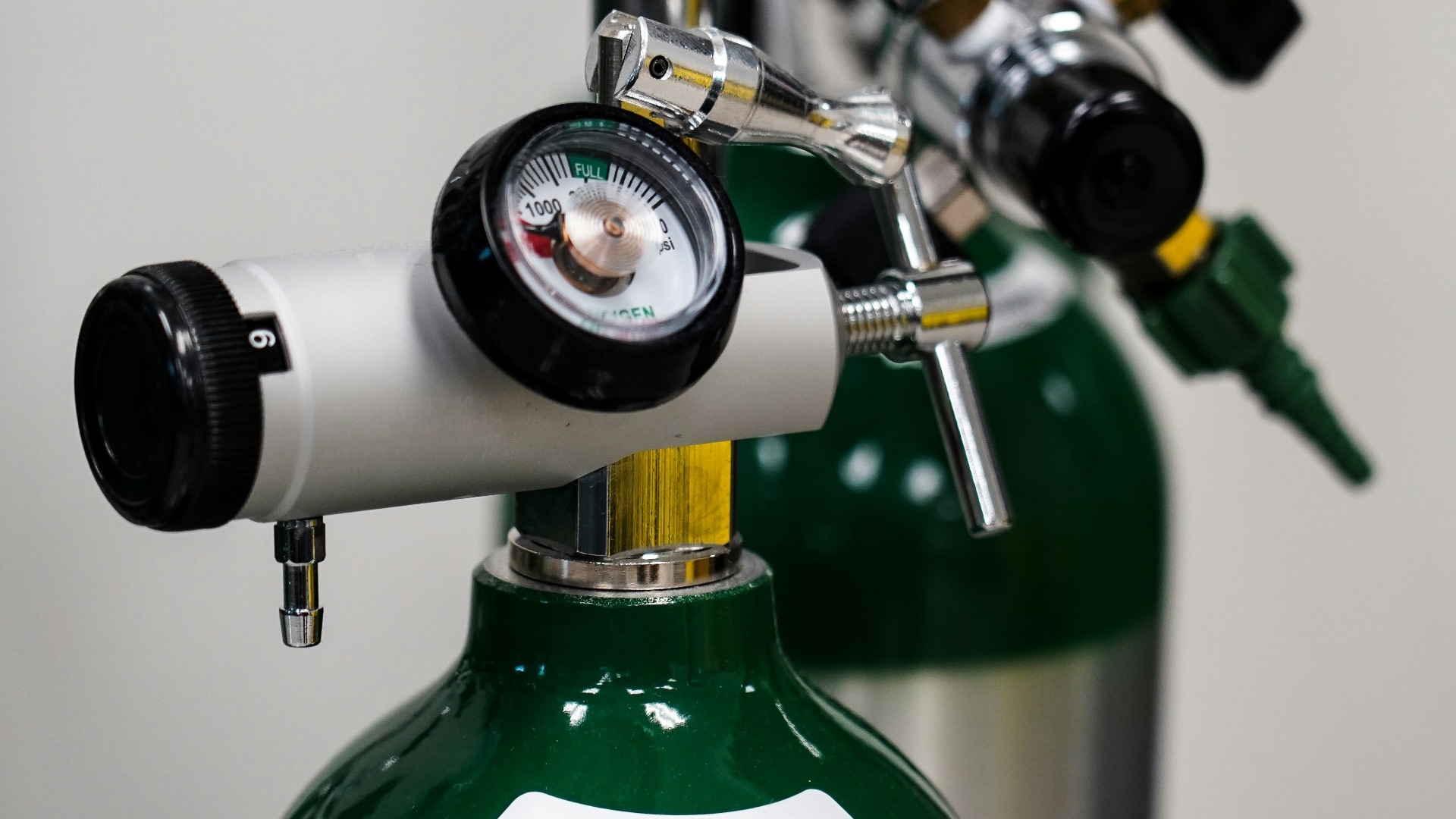
10. Your Body Can't Store Much Extra Oxygen
Oxygen requires a relatively continuous supply to support normal cellular activity. What does that mean for you? It means that your lungs, bloodstream, and muscles hold limited oxygen reserves, which is why prolonged breath-holding becomes so hard. Even experienced freedivers can lose consciousness underwater when oxygen levels fall too low.
11. Blood Vessels Can Be Damaged By High BP
You might attribute weakness to muscles or bones, but your circulatory system has vulnerabilities of its own. Persistent high blood pressure can slowly wear down the artery walls and increase your risk of heart disease and kidney problems. What's more, hypertension doesn’t even really produce noticeable symptoms until complications develop.
12. Your Body Handles Cold Water Poorly
We’ve heard all about the cold plunge at this point, but you might want to think twice before diving in. Unexpectedly cold water can trigger an involuntary gasp and rapid breathing before hypothermia even begins. That immediate response also increases the risk of drowning, especially when someone suddenly falls from a boat or dock.

13. Your Immune System Can Overreact to Harmless Substances
The immune system protects you against infections, but sometimes, it gets a little too protective of us. Whether we like it or not, the immune system often responds to substances that aren't normally dangerous. Take someone with a severe allergy: exposure to peanuts, certain medications, or an insect sting can trigger anaphylaxis.

14. Teeth Can't Regrow Lost Enamel
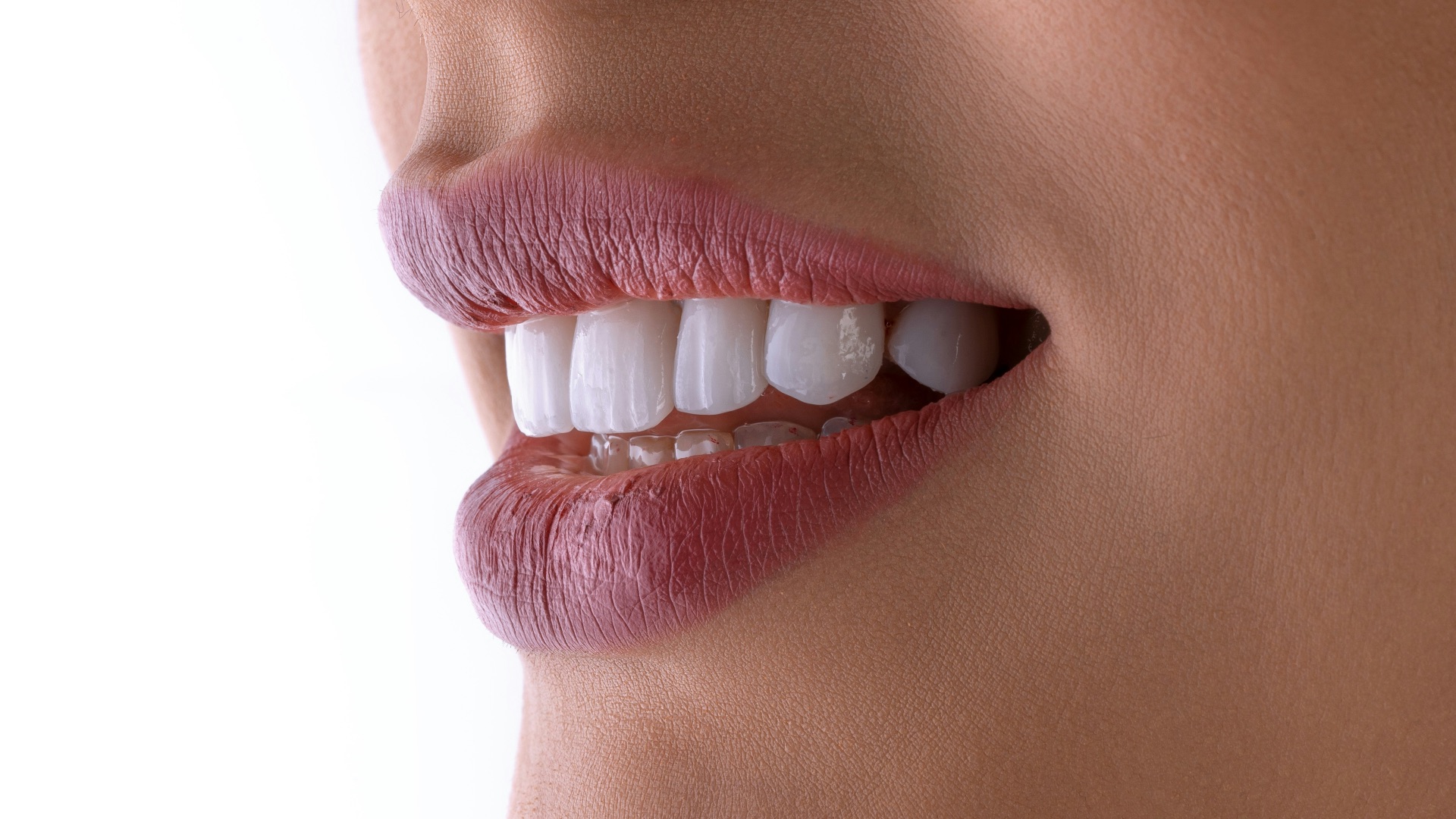
Tooth enamel is the hardest substance we have, but it’s not indestructible. In fact, it has a major limitation that we often overlook. Once substantial enamel is lost through acid erosion or physical wear, your body can't naturally replace the missing layer. Frequent exposure to acidic drinks can even leave teeth more vulnerable to sensitivity and decay over time.
 Kamal Hoseinianzade on Unsplash
15. Reaction Time Suffers When You're Tired
Sleep deprivation is no joke, and it impacts everything from your attention and decision-making right down to your reflexes. Research has shown that prolonged wakefulness can also impair performance in ways comparable to intoxication. It might not mean much for someone who only needs a good night’s sleep, but it’s pretty concerning when you're driving or operating machinery.

16. Your Body Has Limited Ways to Remove Excess Salt
Your kidneys regulate sodium levels by adjusting how much is excreted through urine, but they're not capable of correcting every imbalance right away. Consistent overconsumption can contribute to elevated blood pressure, particularly among people who were sensitive to salt to begin with.

17. Tendons Don't Always Recover Quickly
Tendons connect muscles to bones and help transfer the force needed for everyday movement. As you can imagine, an injury can really set that process back. Certain tendon injuries can take months to recover—healing and the restoration of normal tissue strength are relatively slow processes.

18. Your Body Doesn't Always Recognize Thirst
Thirst is an important warning signal, and though your body can alert you to low hydration, there are a few hiccups to worry about. Older adults may experience a reduced sensation of thirst, increasing their risk of dehydration during hot weather or illness. By the time dizziness or unusually dark urine appears, fluid loss may already be affecting normal bodily functions.

19. Your Digestive System Can Be Disrupted By Stress
Your brain and digestive tract communicate through an extensive network of nerves and chemical signals, meaning emotional stress can produce real physical symptoms. If you’re in over your head, it’s not uncommon to develop stomach cramps, nausea, diarrhea, or changes in appetite.

20. Your Body Gets Less Efficient at Regulating Blood Sugar
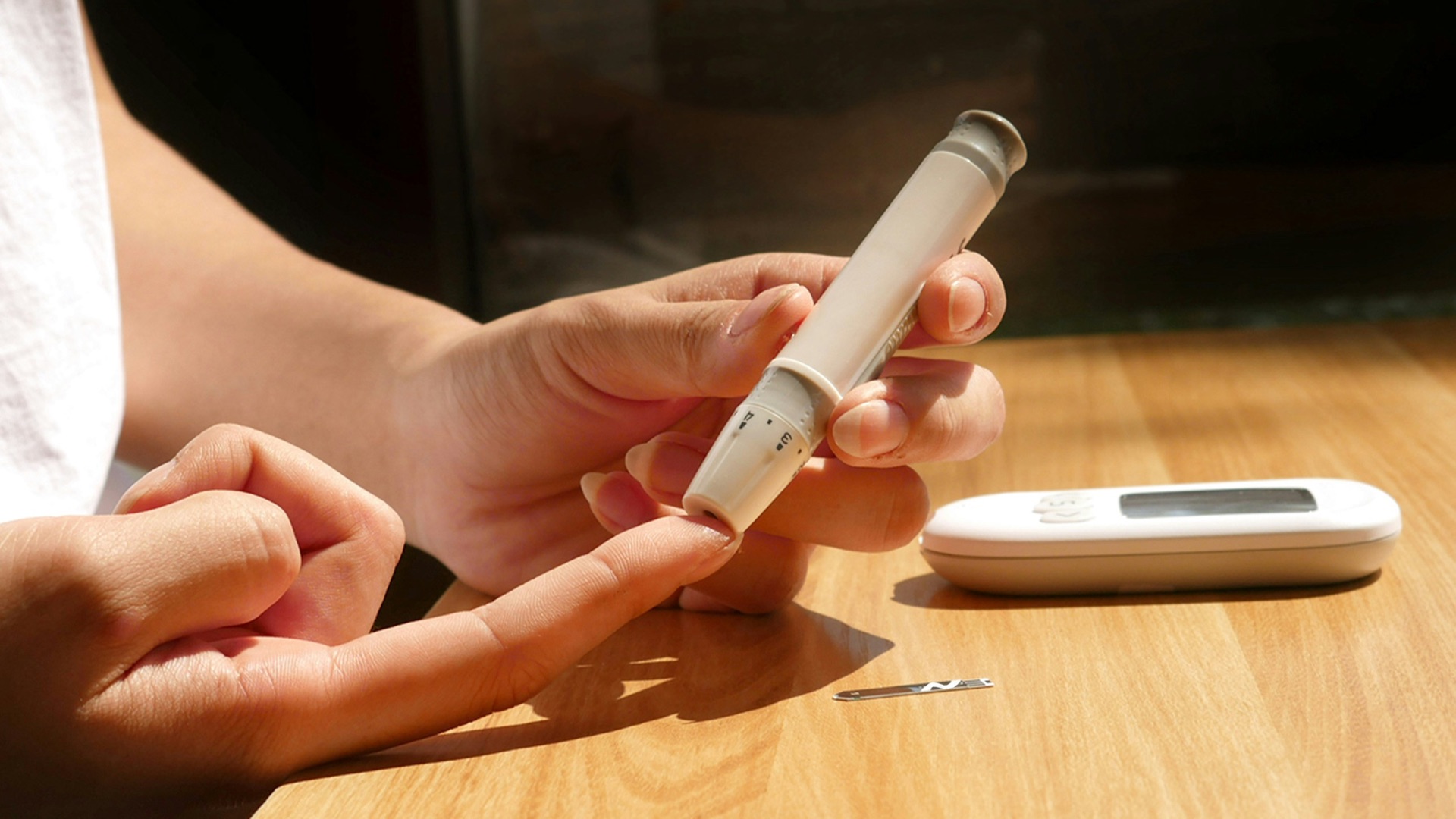
After eating, your body releases insulin to help move glucose from your bloodstream into cells where it can be used or stored. When cells become resistant to insulin, blood sugar can remain elevated and eventually contribute to the development of type 2 diabetes. This process can even progress for years without obvious symptoms.
KEEP ON READING