

What Your Plate Can Tell You
Dinner involves more physical coordination than most people realize. You're using your hands, chewing, swallowing, and carrying on a conversation, often without thinking about any of it. But when something changes, you might notice it at the dinner table before it becomes obvious elsewhere. Many of these symptoms have harmless explanations, though some can point to health problems worth checking. Here are 20 health problems you might first notice while eating dinner.

1. Food Sticking in Your Throat
Swallowing usually happens without much thought, so food getting stuck behind your breastbone is hard to ignore. Acid reflux can cause scarring that narrows the esophagus, while nerve or muscle problems can make it harder for food to move down. An occasional difficult swallow may be harmless, but if food regularly feels stuck, it's worth mentioning to a doctor.

2. Heartburn After Big Meals
A burning feeling behind the breastbone usually means stomach acid has washed up into the esophagus, and a large or fatty dinner makes that more likely. Lying down soon afterward takes gravity out of the equation. Heartburn several times a week can inflame the lining of the esophagus over time, and over-the-counter antacids only relieve it for a while.

3. Feeling Full After a Few Bites
Gastroparesis slows the stomach's emptying, so you feel stuffed while most of the plate is still there. Long-standing diabetes is the best-known cause, and ulcers can leave you full early as well. Skipping meals because of it can lead to unplanned weight loss, which gives a doctor something concrete to work with.
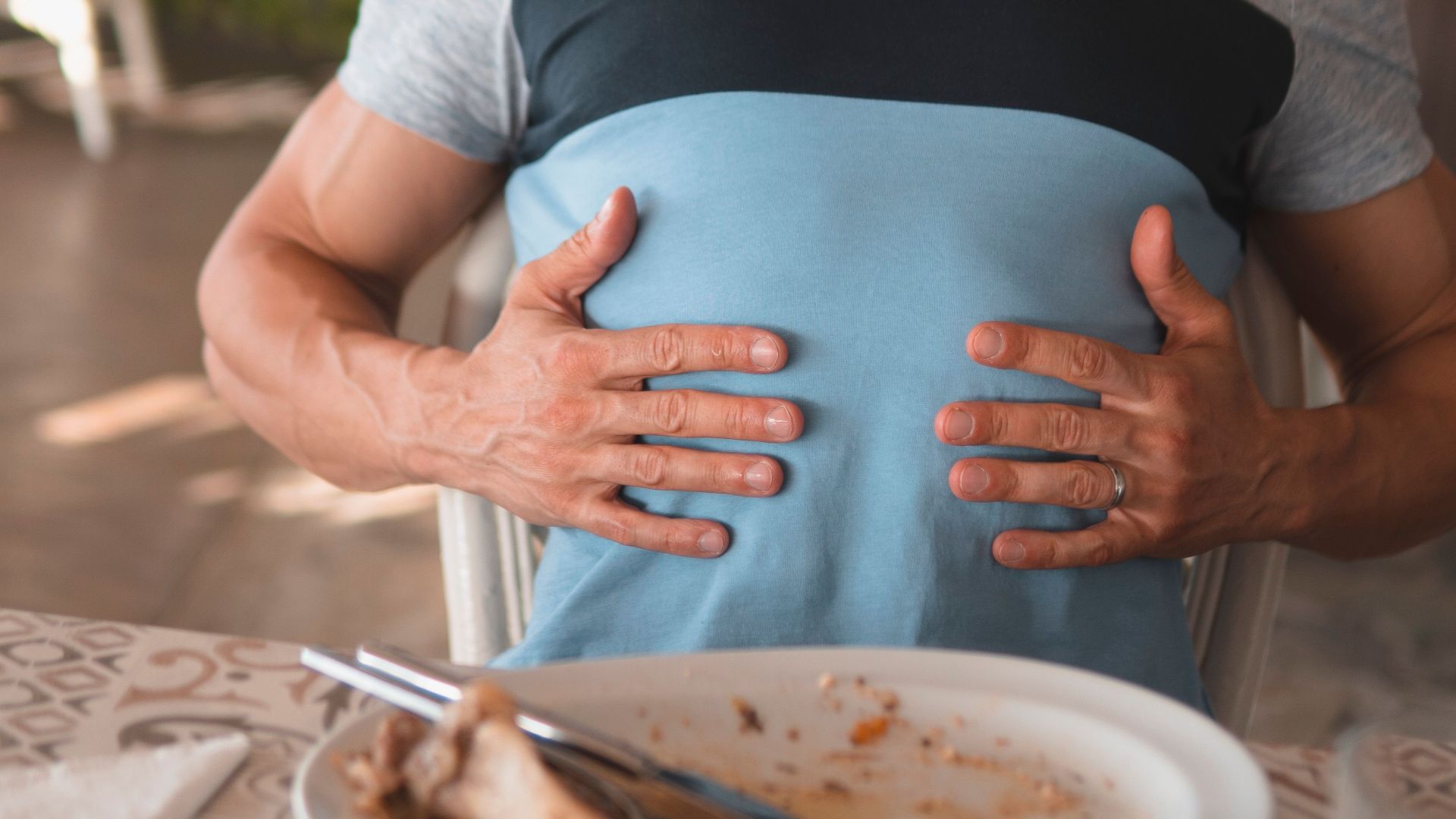
4. Coughing When You Drink
Coughing right after a sip of water suggests some of it went toward the airway instead of the esophagus. Stroke weakens the swallowing reflex, and so do Parkinson's disease and other nerve disorders. Liquid that reaches the lungs repeatedly can cause pneumonia, so a speech-language pathologist usually tests swallowing before that happens.

5. Food Tasting Flat
Smell supplies most of what we experience as flavor, so a stuffy nose from a cold or allergies can make every dish seem bland. Loss of smell became a well-known early sign of COVID-19. Low zinc and some prescription drugs can dull taste as well, and the flavor returns once the cold or the medication is out of the picture.

6. A Metallic Taste
Your mouth can taste metal with nothing metallic on the plate. Gum disease causes it, and so do certain antibiotics and chemotherapy drugs. Zinc and iron supplements are another source, and the taste usually fades once the cause is stopped or treated.

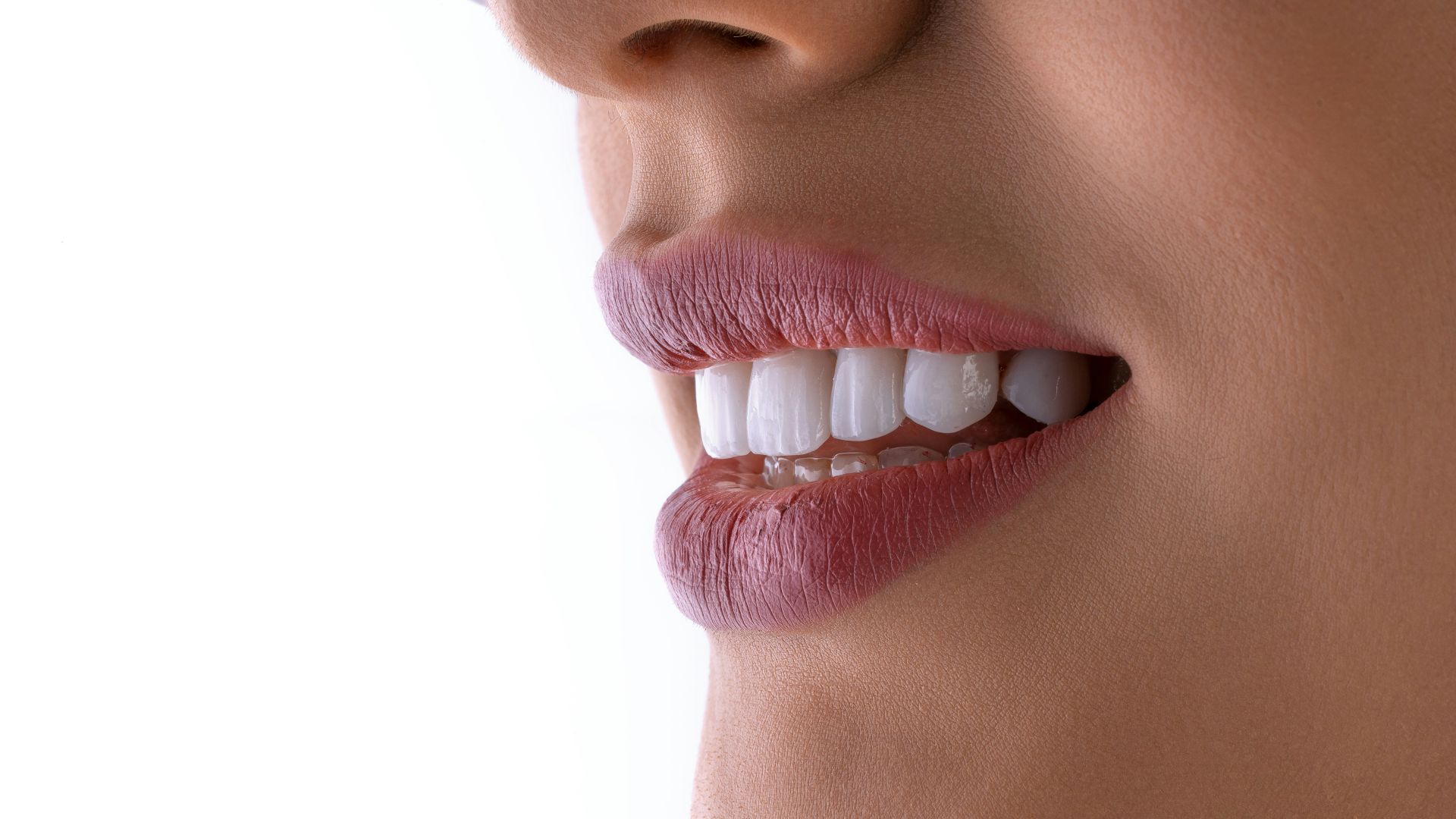
7. A Mouth That Stays Dry
Saliva moistens food and starts breaking it down, so bread and rice stick when there isn't enough. Many ordinary medicines reduce saliva, including antihistamines and some antidepressants. A dry mouth also raises the risk of cavities, which gives you a second reason to mention it to a dentist.
 Kamal Hoseinianzade on Unsplash
8. Tooth Pain With Hot or Cold Food
Ice water that sets off a sharp twinge usually means the enamel has worn thin or a cavity has exposed the softer layer beneath. Receding gums cause the same sting by uncovering the root. Only an exam shows which one you have, and the treatment differs for each.

9. A Jaw That Clicks or Aches
The joint just in front of your ear takes the load every time you chew, and a temporomandibular disorder can make it click or ache. Grinding your teeth at night contributes for many people, and a dentist can fit a guard to protect the joint while you sleep. Pain that travels to the ear or temple is a frequent pattern, and one examination can usually sort out the joint.
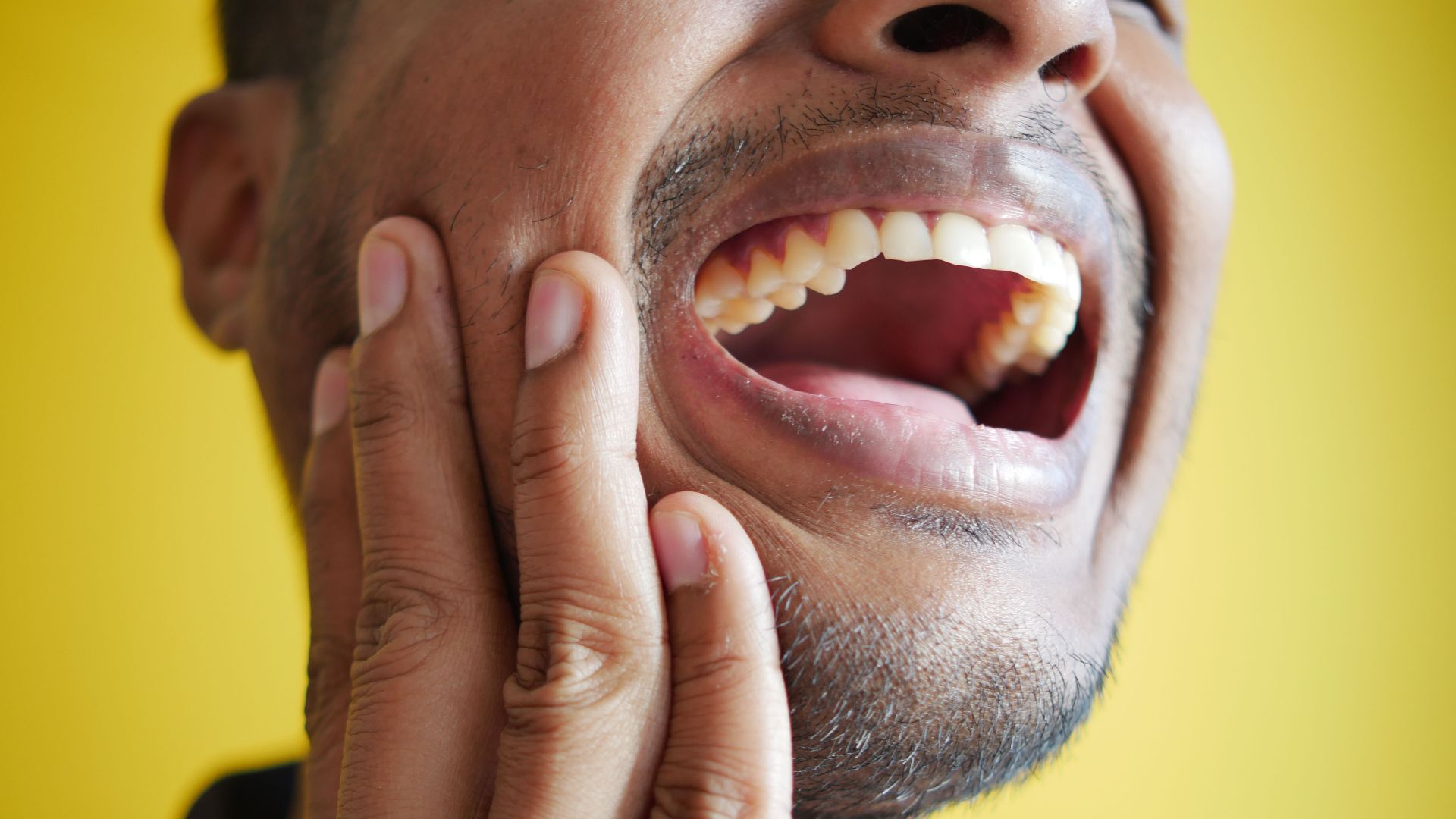
10. Trouble Chewing Firm Foods
Steak and raw carrots get harder to manage with missing teeth or loose dentures. People often stop ordering them without ever deciding to, so the diet narrows without anyone noticing. A better-fitting denture alone can bring those foods back.

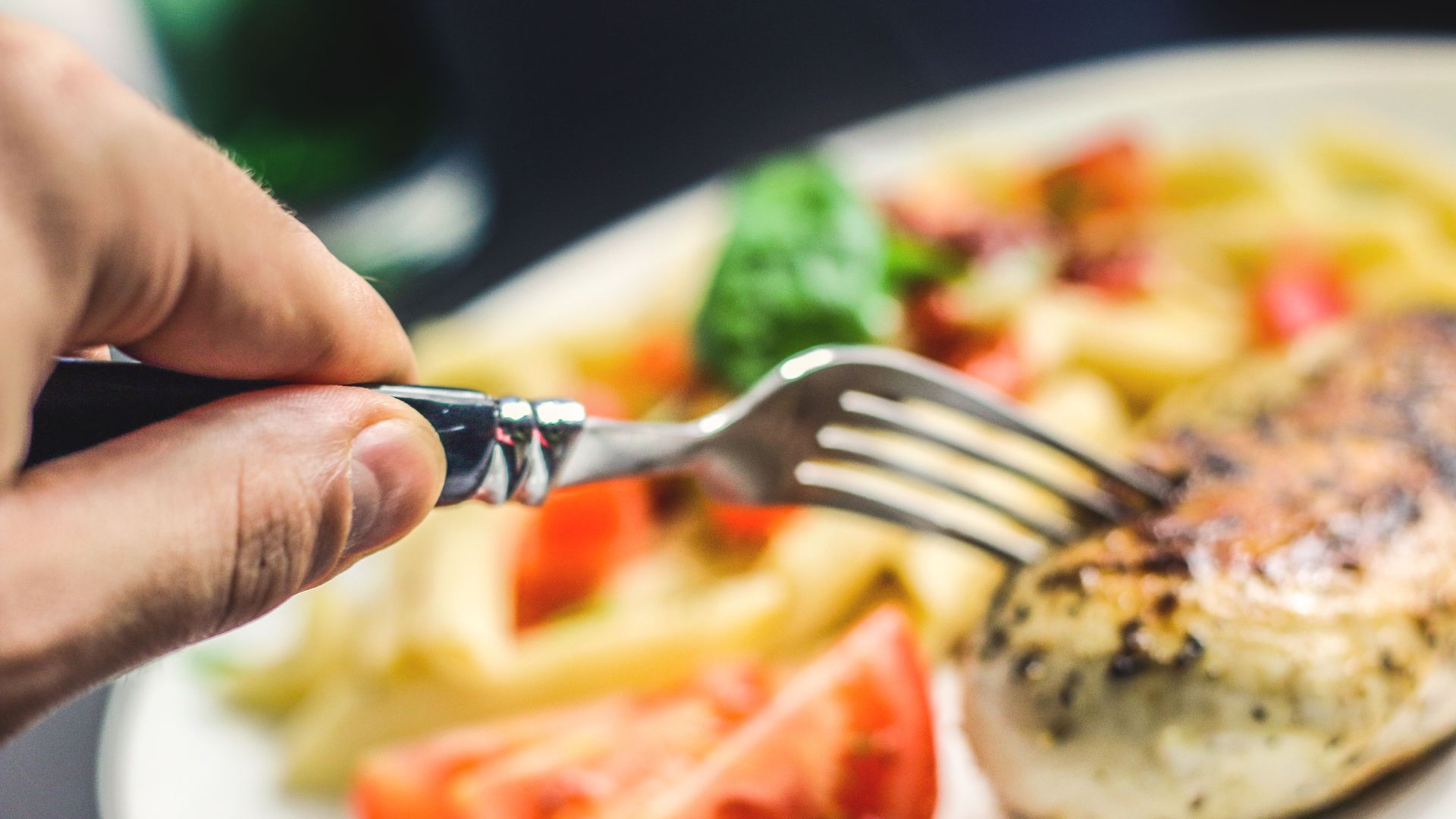
11. A Fork That Shakes
A tremor that starts when you lift a fork or a glass fits the pattern of essential tremor. Caffeine and an overactive thyroid can produce shaking too, which is why a second cup of coffee sometimes makes the fork worse. A tremor that appears while the hand is resting points more toward Parkinson's disease.
12. Dropping Utensils
A pinched nerve in the neck can weaken your grip, and so can carpal tunnel syndrome or arthritis, with numbness suggesting a nerve cause. Sudden weakness on one side is different because stroke can cause it. That calls for emergency care, particularly when speech or the face is affected too.
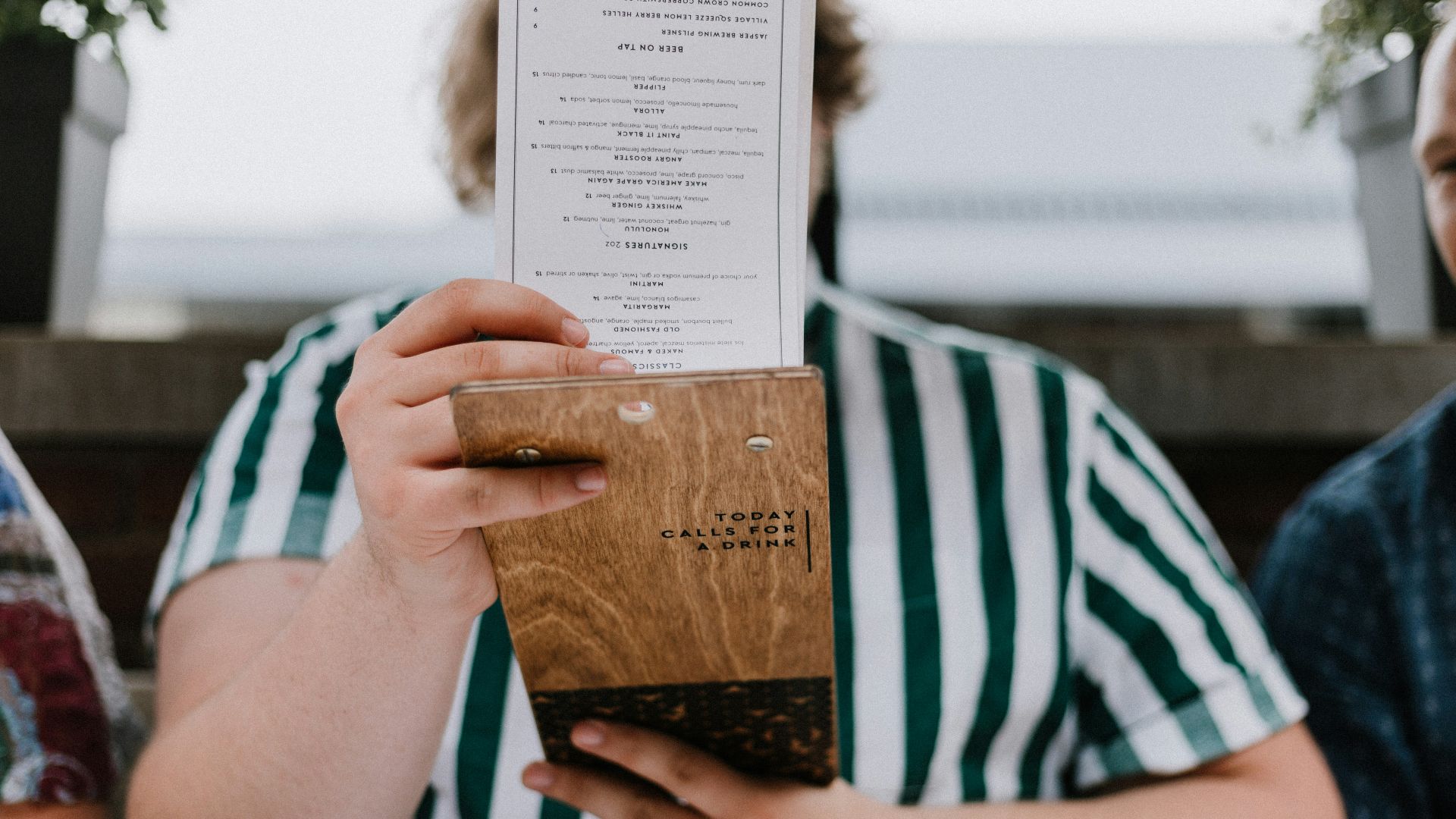
13. Holding the Menu Farther Away
Pushing the menu to arm's length signals presbyopia, the stiffening of the eye's lens that usually begins in the 40s. Dim restaurant lighting makes the effect more obvious, since small print needs more light to stay sharp as the lens loses flexibility. Reading glasses fix most of it, and the exam that prescribes them also looks for other age-related changes.
 Priscilla Du Preez 🇨🇦 on Unsplash
14. Losing the Conversation in a Loud Room
Following the person across the table gets hard in a noisy restaurant when hearing has started to fade. Background noise masks the high-pitched consonants that carry most of speech, so people hear sound without catching words. A quiet room can hide the problem for years, while a hearing test is quick.

15. Sweating During a Meal
Sweat across the forehead during a spicy dinner is ordinary, because capsaicin in chili peppers triggers the body's heat response. Sweating on one side of the face that begins with eating may be Frey syndrome, which can follow surgery near the salivary glands. Diabetes can cause a related pattern called gustatory sweating, in which damaged nerves send the wrong signals to the sweat glands.

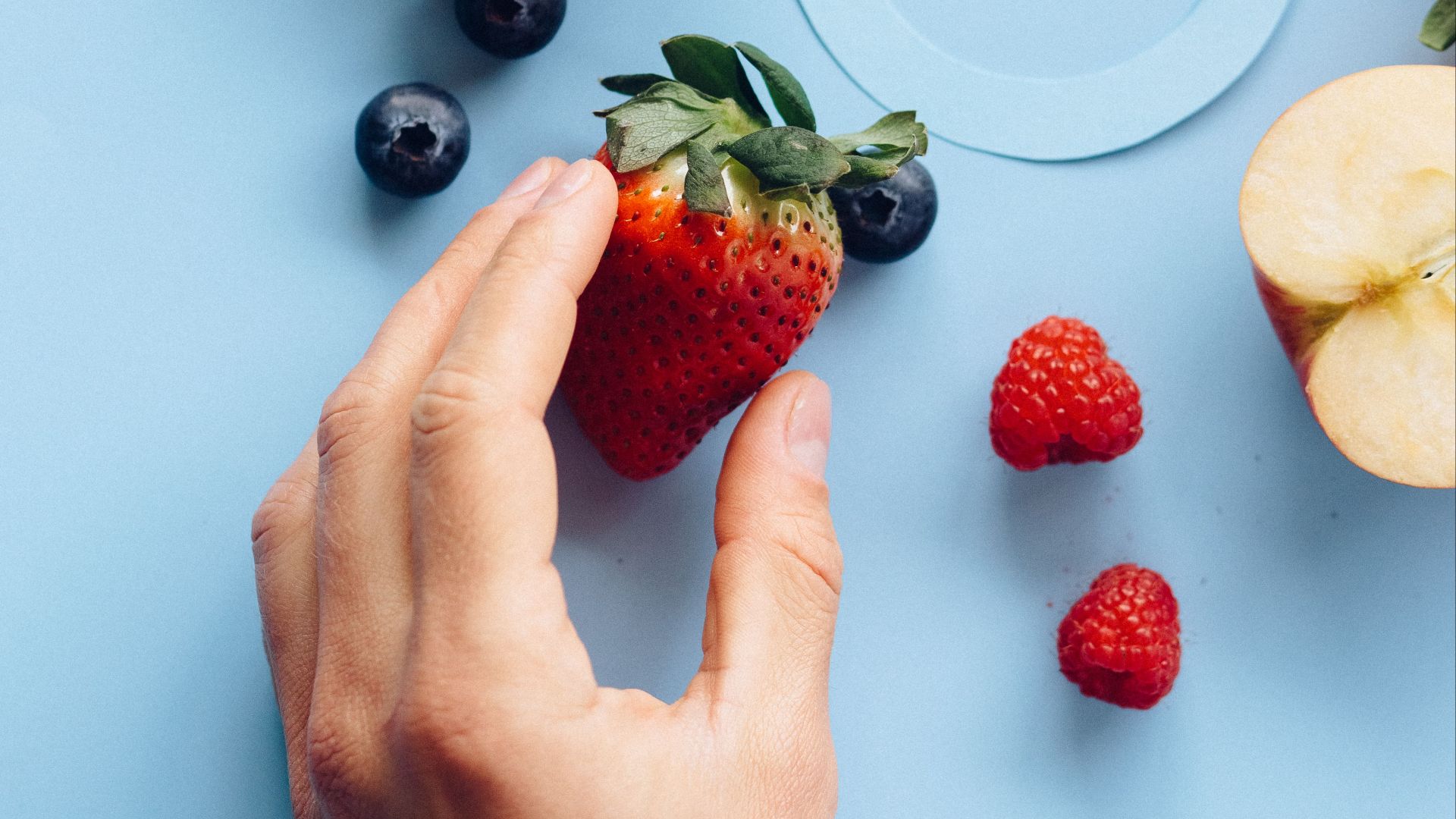
16. An Itchy Mouth After Raw Fruit
Raw apples and carrots can make the mouth itch in people with pollen allergies, a condition called oral allergy syndrome. The immune system mistakes proteins in the produce for similar proteins in pollen. Cooking usually breaks those proteins down, though hives or trouble breathing call for emergency care.
17. Bloating After Dairy
Gas and cramping a few hours after milk or ice cream point to lactose intolerance, which develops as the body makes less lactase. Adults worldwide are affected by it, and many find hard cheese and yogurt easier because they contain less lactose. Lactase tablets help some people.
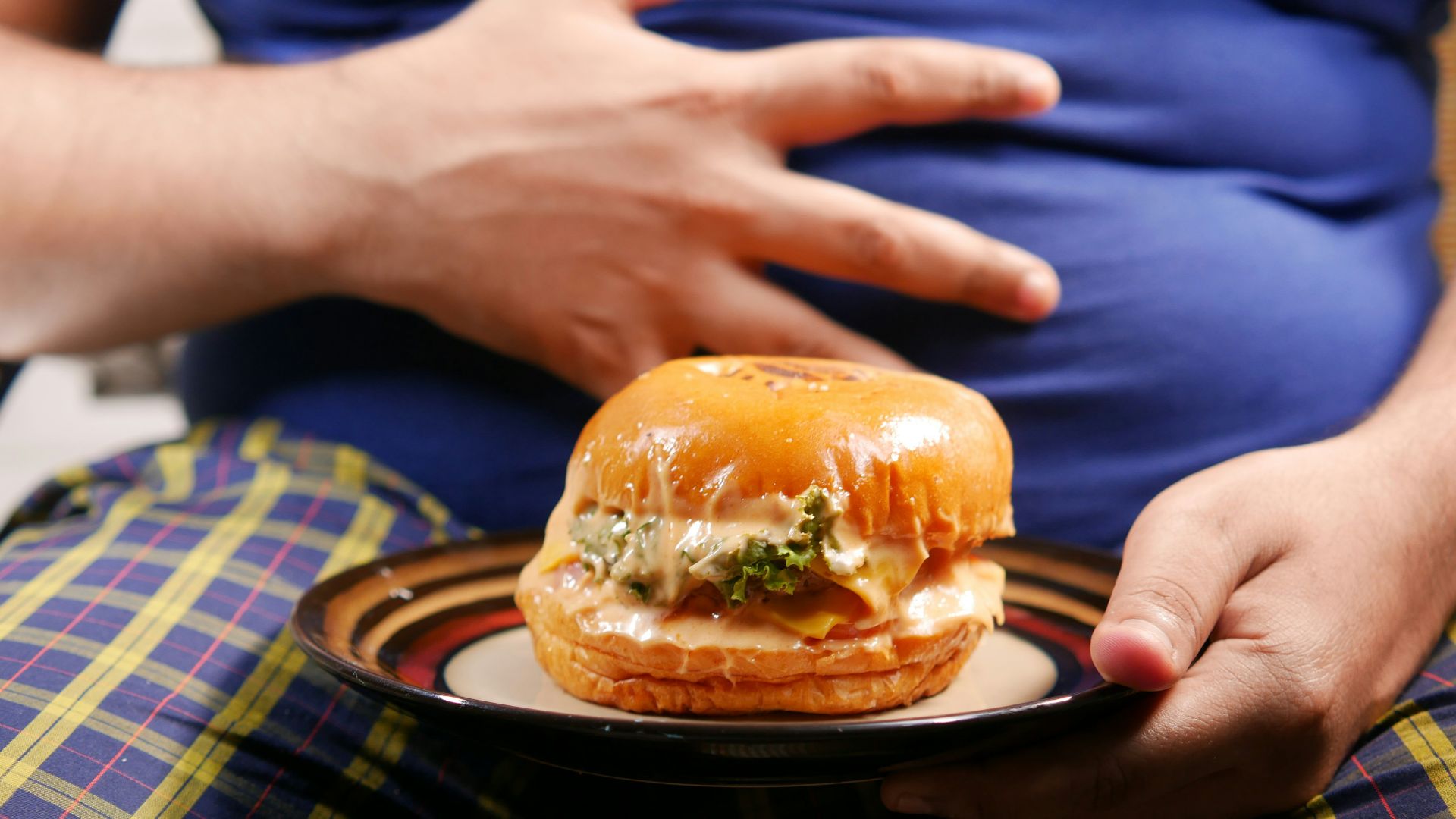
18. Pain After Fatty Meals
An ache in the upper right abdomen, sometimes reaching the shoulder, can follow a rich dinner when gallstones block the gallbladder's outlet. The gallbladder squeezes out bile to digest fat, so fried food is a frequent trigger. Pain lasting hours, or arriving with fever and yellow skin, needs prompt care.

19. Constant Thirst and Bathroom Trips
Refilling your water glass over and over, then heading to the restroom over and over, can reflect high blood sugar. The kidneys draw extra water from the body to flush out the sugar, which leaves you thirsty. A salty meal or a few drinks can cause a milder version for an evening, so a pattern across many days matters more.
20. Fingers Turning White Around a Cold Glass
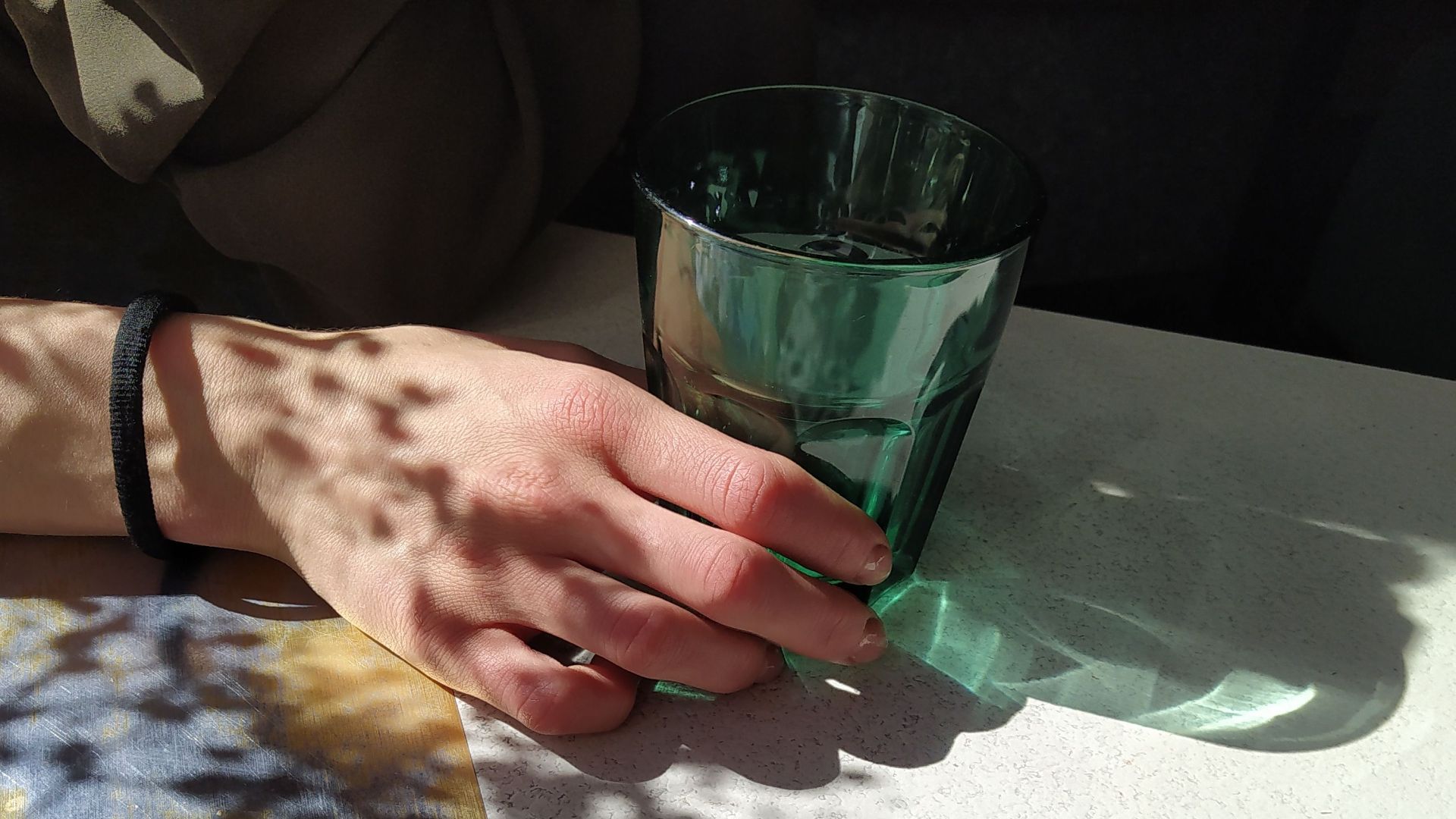
Fingers that blanch white or blue around an icy drink may be showing Raynaud's phenomenon, in which small blood vessels clamp down too hard in the cold. It occurs on its own in many people and alongside autoimmune conditions such as scleroderma in others. Color usually returns as the hands warm, and a doctor can sort out which kind you have.
KEEP ON READING

20 Things Your Body Is Secretly Doing Right Now
20 Reasons Your Dreams Can Change After Retirement