
How Hands Change as We Age
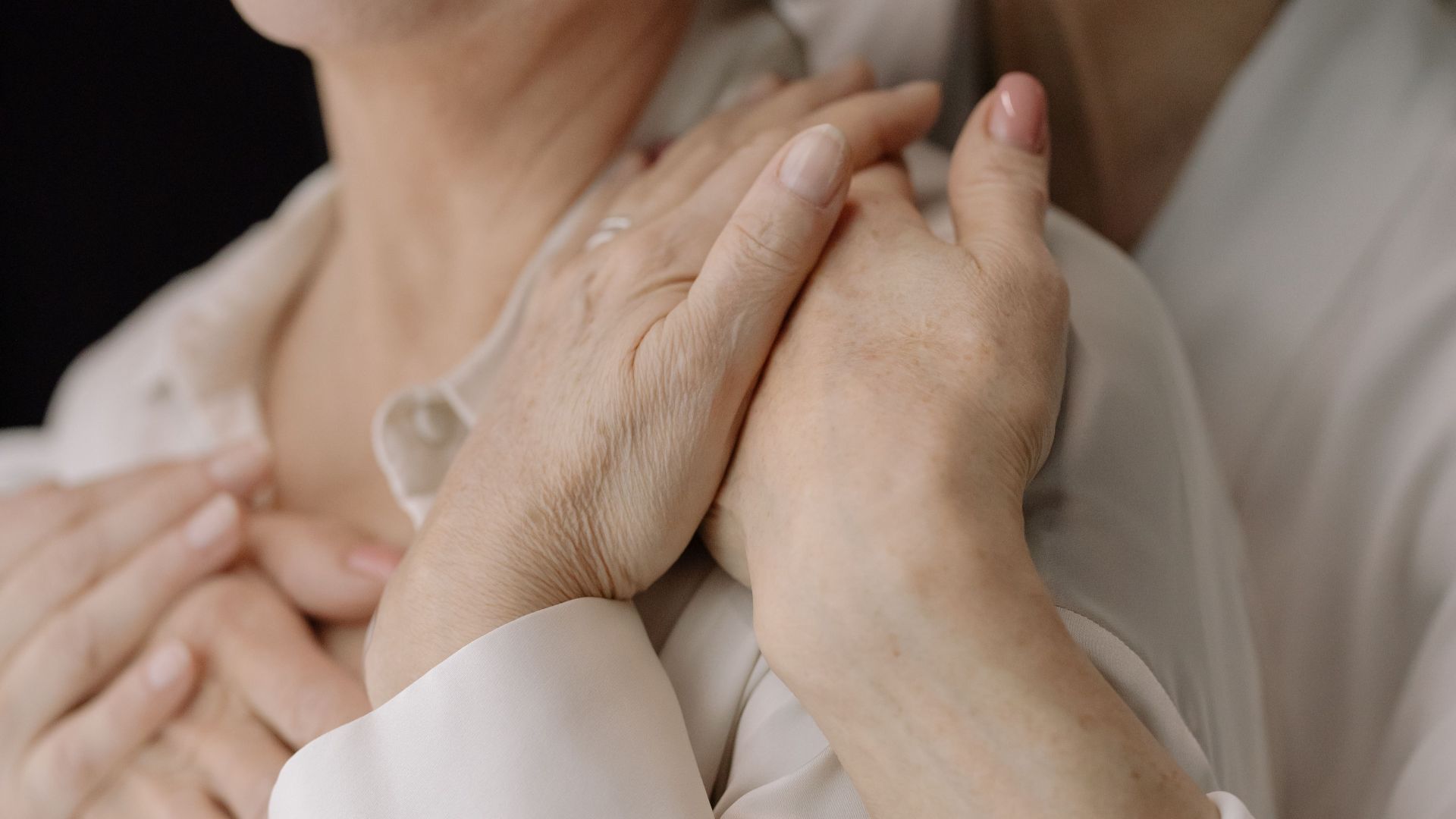
Most people look for signs of aging in the mirror, but their hands can tell a different story. Veins become more visible, and opening a stubborn jar can suddenly take more effort than it used to. Some changes are easy to spot, while others affect how well our fingers move or what they can feel. Many happen so gradually that we barely notice them. Here are 20 surprising ways hands change as we get older.

1. The Skin on the Back Gets Thinner and Drier
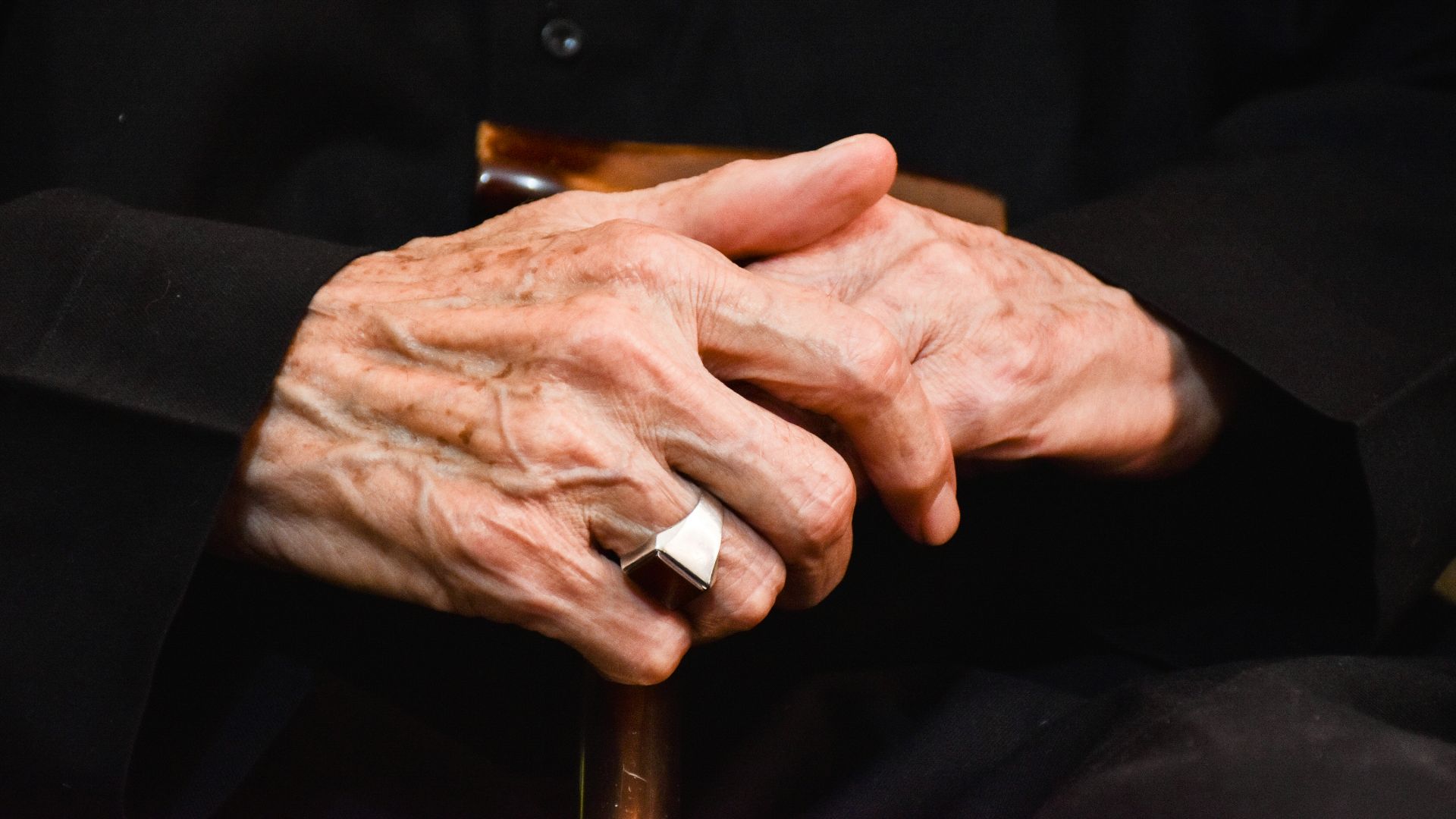
Skin on the back of the hand tends to thin with age, and it has fewer sweat and oil glands than it used to, according to a physical therapy reference on hand aging. Wrinkling and loss of stretch are common too. It also heals more slowly after an injury.
2. Brown Spots Appear and Stay Through Winter
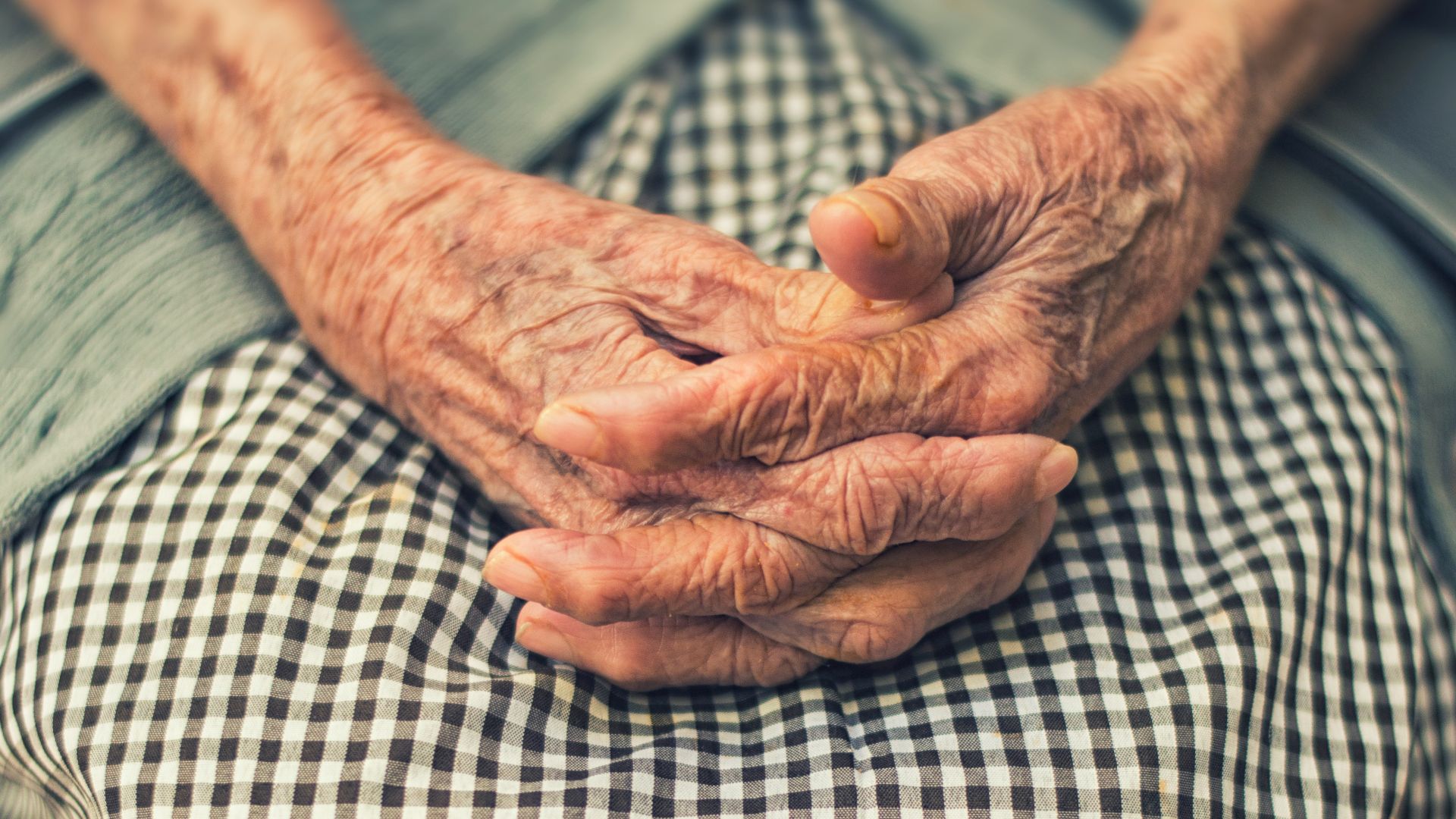
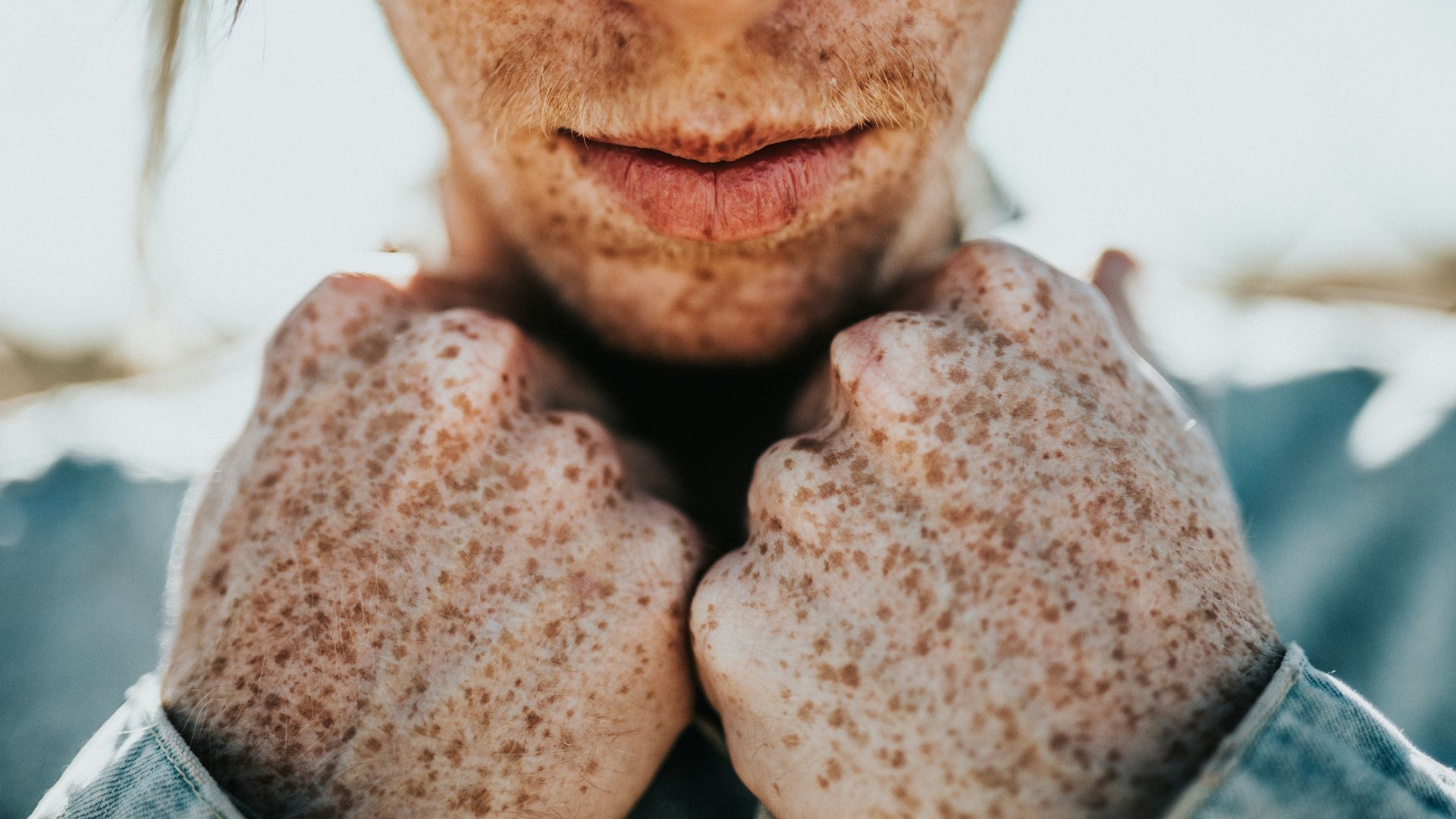
Flat brown patches called solar lentigines tend to show up on the back of the hands after years of sun, mostly in middle-aged and older adults. They may be found in up to 90 percent of Caucasians over 60. Unlike freckles, they don't fade in winter, and they don't itch or hurt.
3. The Padding Under the Skin Shrinks
The fat layer under the skin gets thinner with age, which takes away some insulation and cushioning and raises the risk of skin injury. The outer skin layer thins too, and aging skin tends to look paler and more translucent.
4. Fingernails Grow Slower and Turn Dull
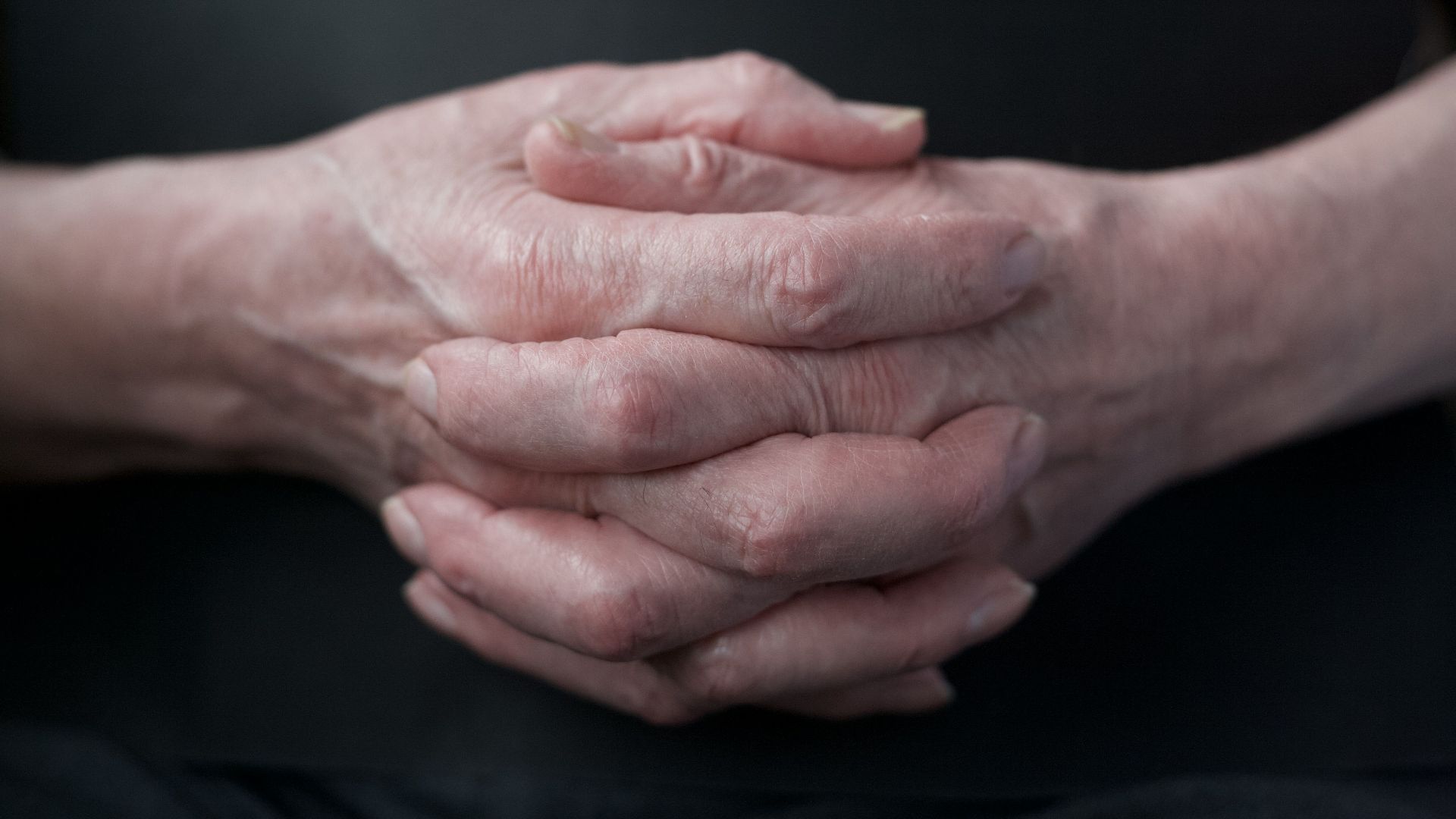
Nails grow more slowly with age and may become dull and brittle. They can also yellow and turn opaque, and the tips tend to break more easily.
 Paul Groom Photography Bristol on Pexels
5. Lengthwise Ridges Show Up in the Nails
Ridges running from the cuticle to the tip can develop on fingernails and toenails as people get older. Pits, lines, or a change in nail shape are a different matter, since they can point to a health problem such as iron deficiency or kidney disease. Anyone who notices those changes should mention them to a doctor.
6. Fingers Go Numb at Night
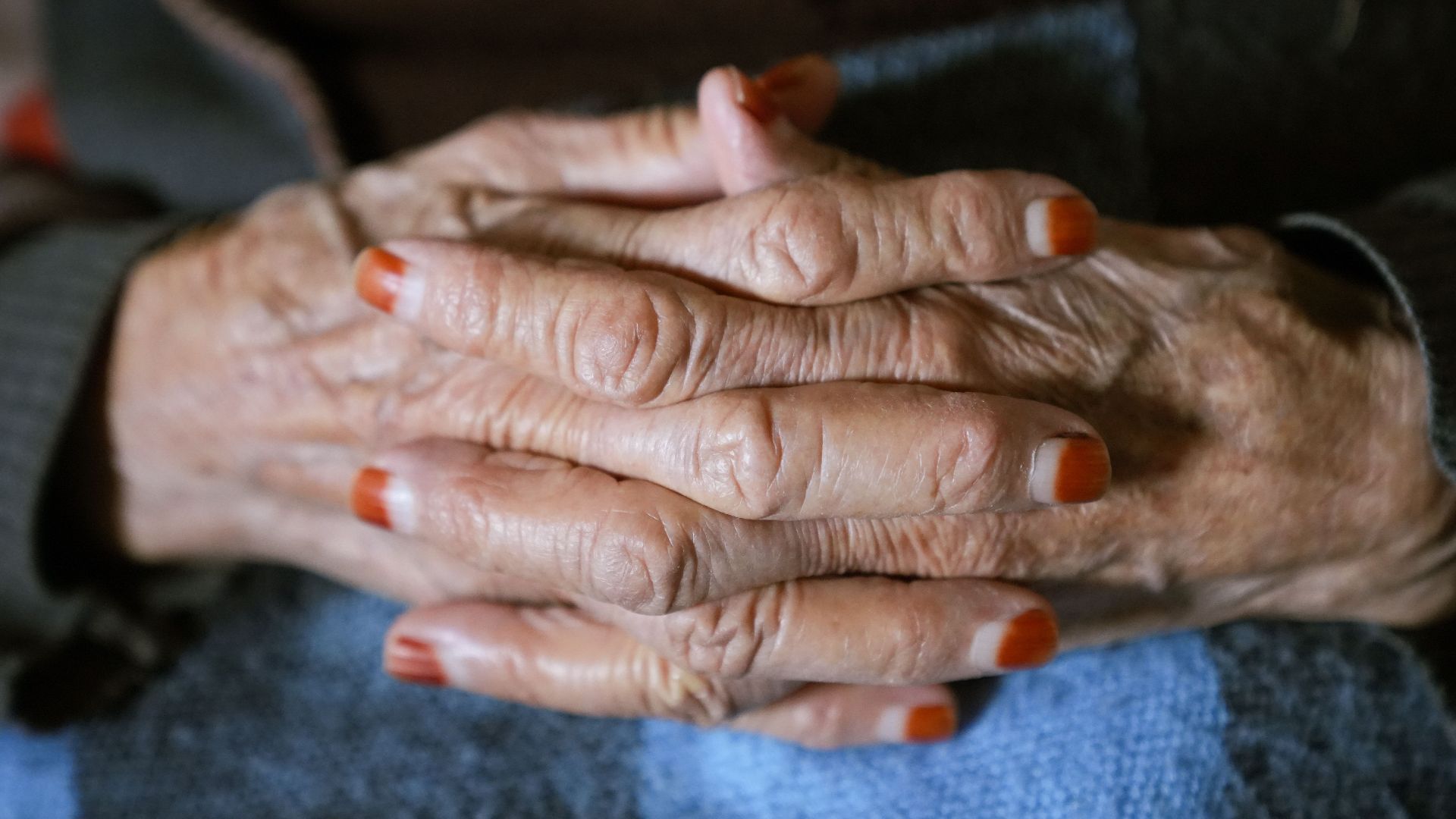
Women and older people are more likely to develop carpal tunnel syndrome. Numbness, tingling, burning, and pain at night often wake people from sleep because many sleep with their wrists bent. Moving or shaking the hands out usually helps.

7. Grip Strength Drops After 60
Grip strength falls rapidly after 60, by as much as 20 to 25 percent, as muscle fibers are lost. Muscle mass overall can fall by about a quarter to nearly half in old age, and about a quarter of the motor axons in hand muscles are lost. Fiber loss is especially noticeable in the muscle pad at the base of the thumb.
8. A Finger Catches and Locks in the Morning
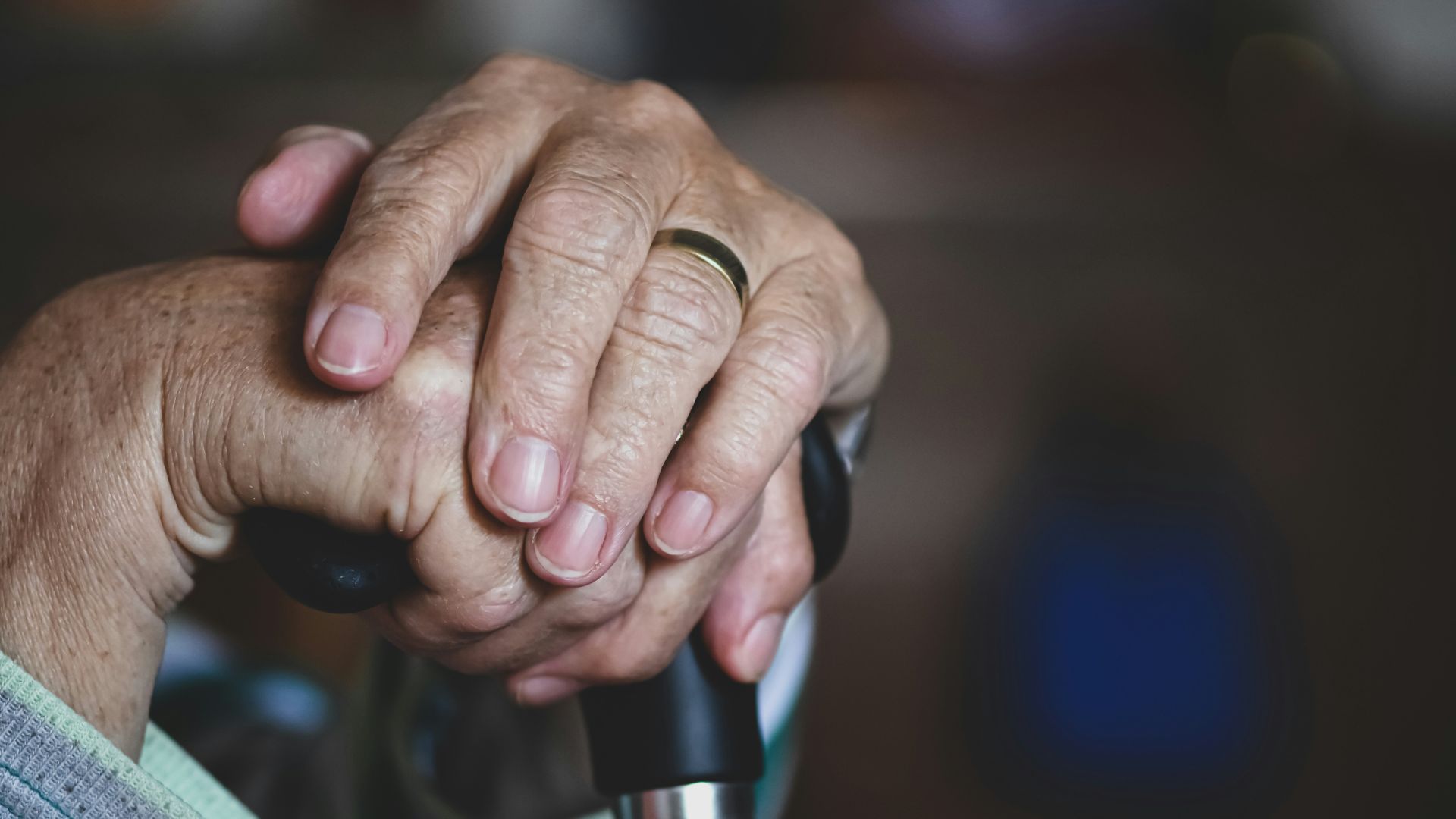
Trigger finger makes a finger or thumb catch or lock in a bent position, and the stiffness is usually worst after inactivity such as sleep. It eases with gentle use during the day. The ring finger and thumb are affected most often, women between 40 and 60 more than other groups, and diabetes raises the risk.
9. Fingertips Feel Less
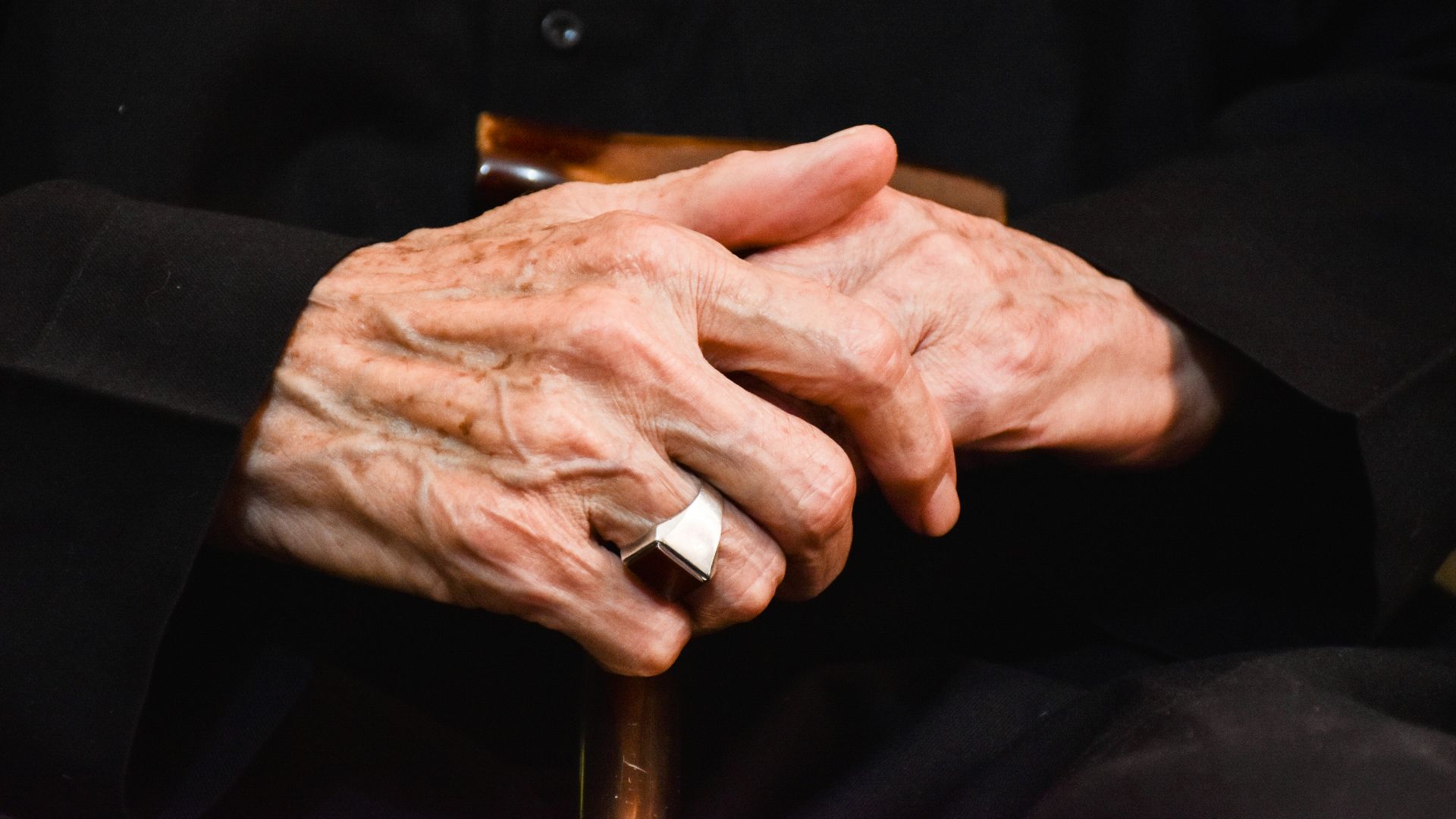
Touch sensation in the fingertips declines as the receptors that detect pressure and vibration are lost. That slows the brain's processing of information about how the hand is moving. Vibration sense is among the abilities that decline the most with age.
10. Bony Lumps Form Around Joints
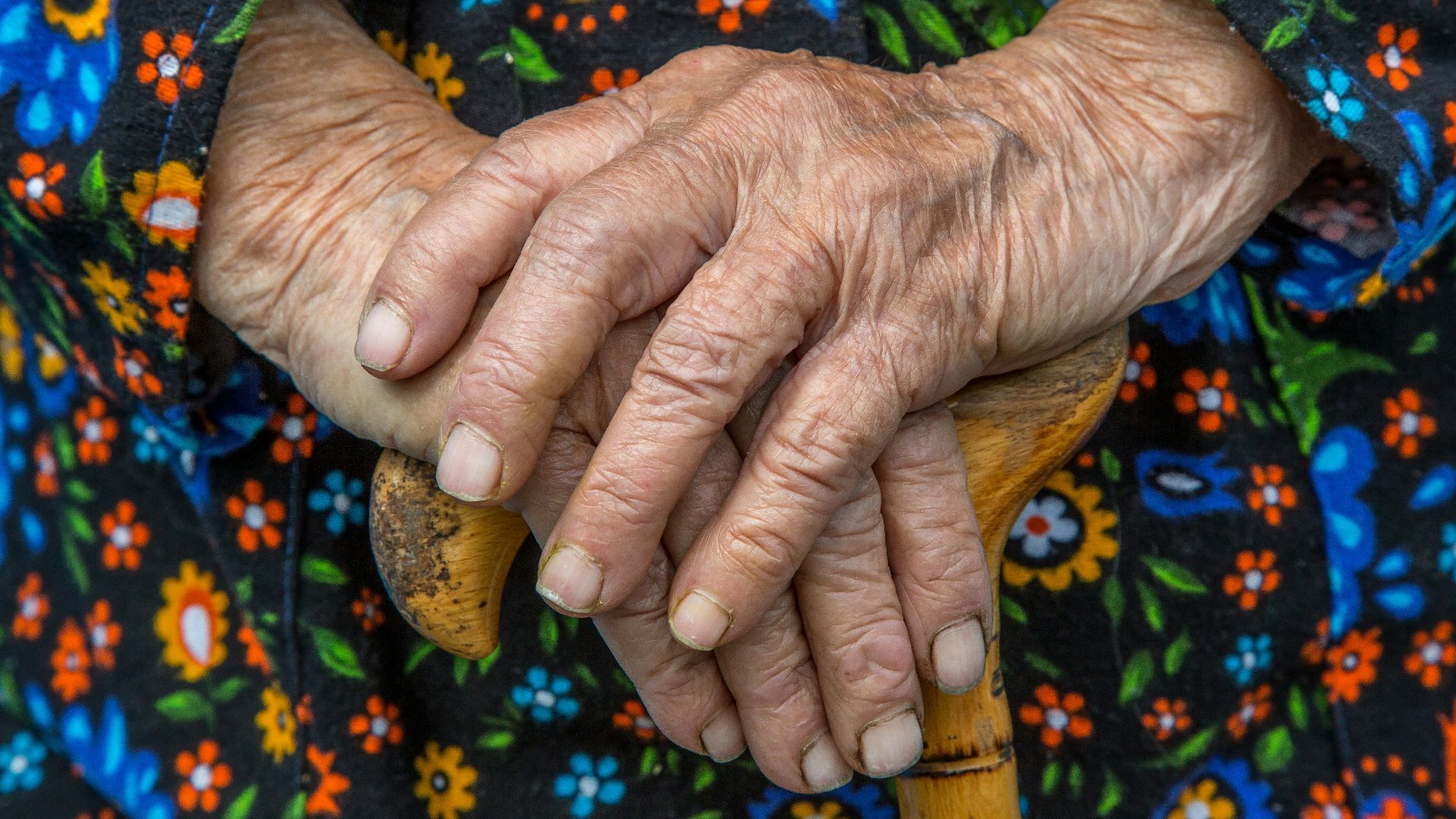
When osteoarthritis wears down cartilage, extra bone can form around a joint and feel like hard lumps. The joint may also grind or crackle when it moves. The risk rises as people get older.
11. Bone Density and Wrist Motion Both Decline
Bone density in the hand decreases by about 0.72 percent a year after 50. By age 90, wrist range of motion may be about 60 percent of what the average 30-year-old has.
12. Hands Feel Cold and Burn More Easily
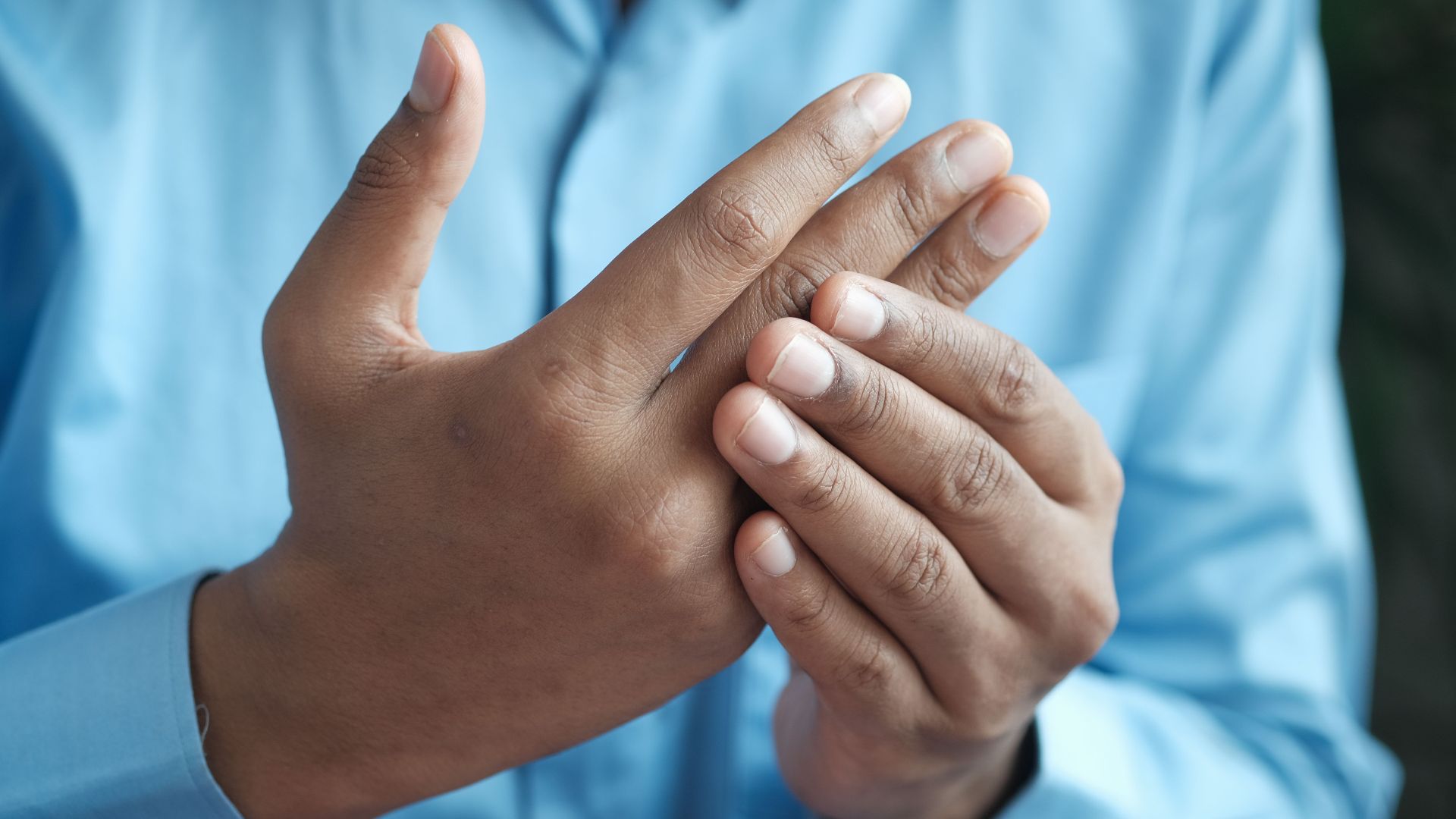
Older adults feel cold in their hands more easily and face a higher risk of hot-water burns because the hands are less sensitive. Reduced sensitivity means hot water can do damage before it registers as painful.
13. The Palm Puckers and a Finger Curls
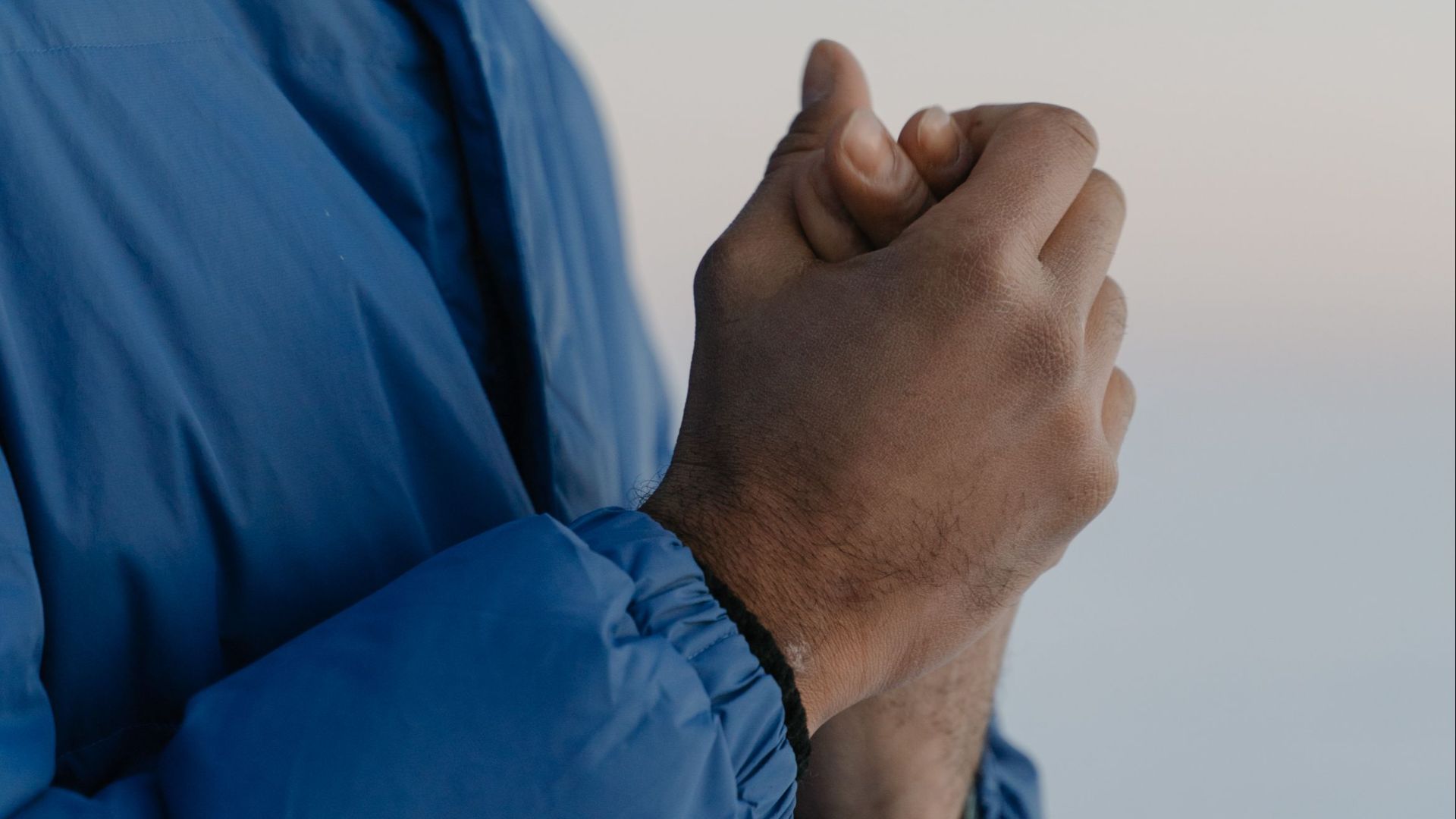
Dupuytren's contracture occurs when the connective tissue beneath the skin of the palm thickens and tightens. It often begins after age 50 as a small, firm lump or dimple, then gradually develops into a cord that pulls one or more fingers toward the palm. The ring and little fingers are most commonly affected, eventually making them difficult to straighten. The condition is more common in men and people of Northern European ancestry.
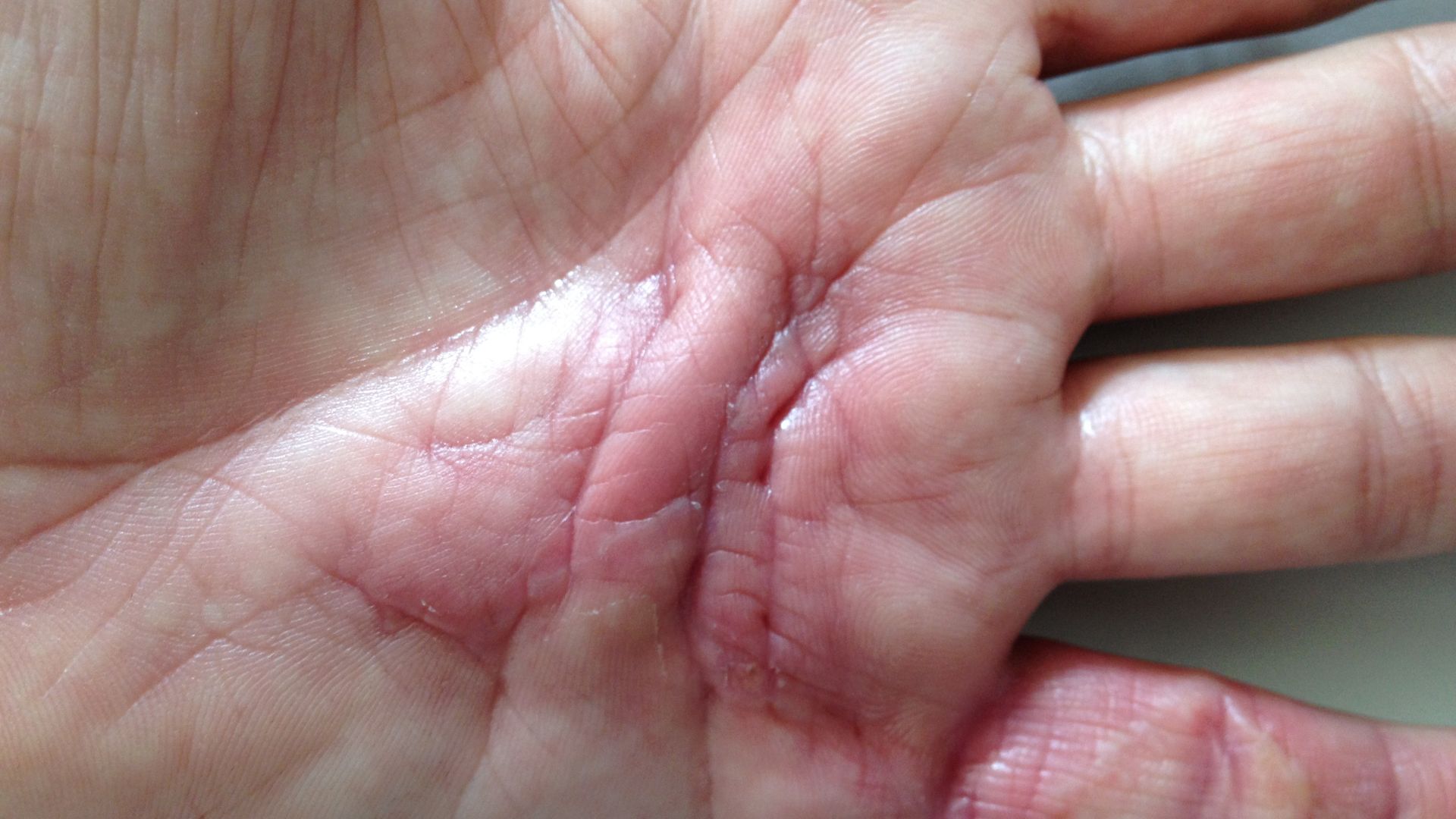 Photograph: Frank C. Müller, Baden-Baden on Wikimedia
14. Nails Get Dented Near the Fingertip
When arthritis affects the joint closest to the fingertip, a small cyst can form and press a ridge or dent into the nail. These cysts can rupture and leak a jelly-like fluid. A ruptured one can get infected.
15. Pain Shows Up the Next Day
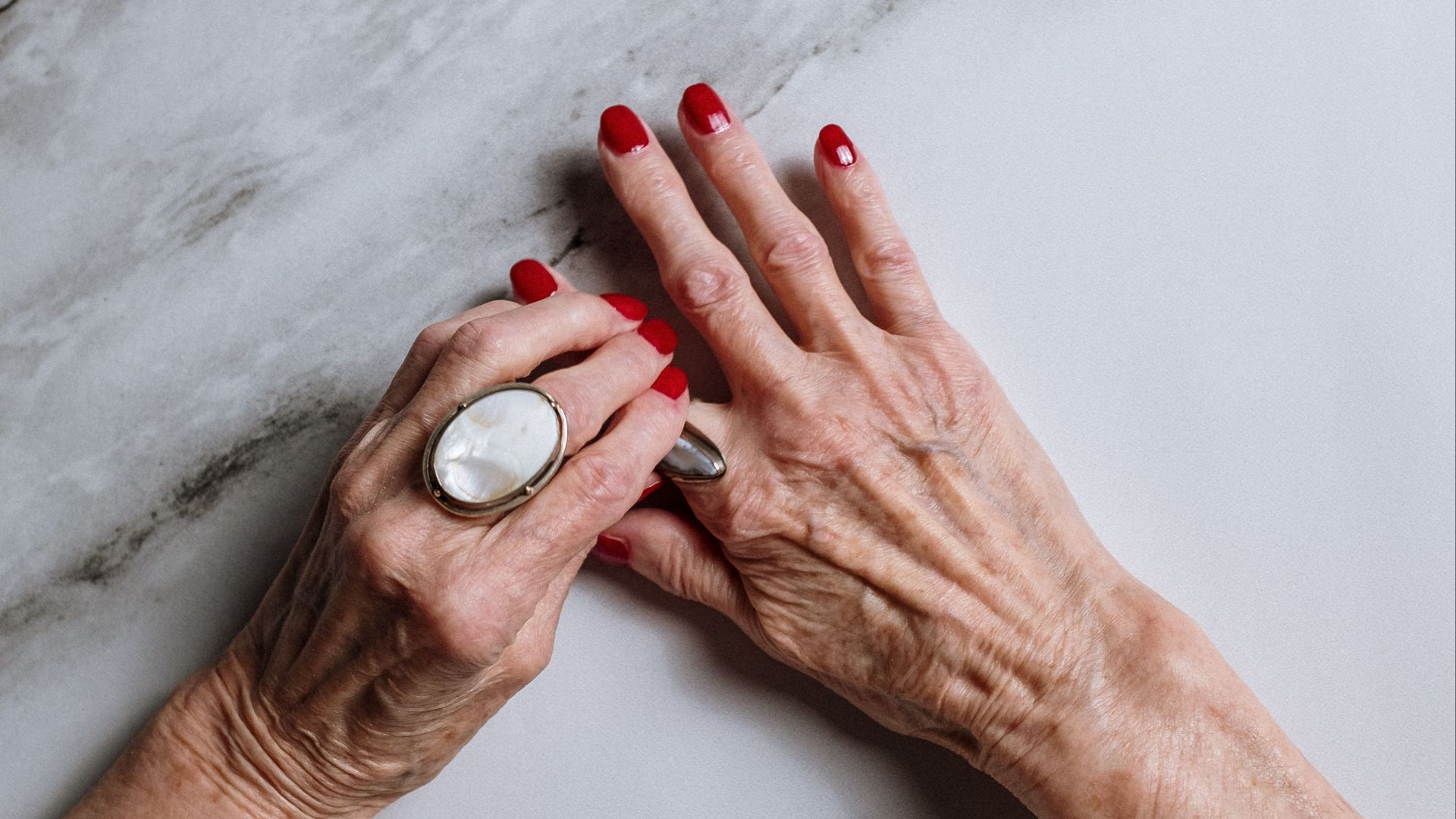
Early arthritis pain in the hand is often dull or burning and follows heavy gripping or grasping. It may not appear until hours later or the next day. Swelling tends to come on during use or several hours afterward.
16. Steadiness and Speed Decline First
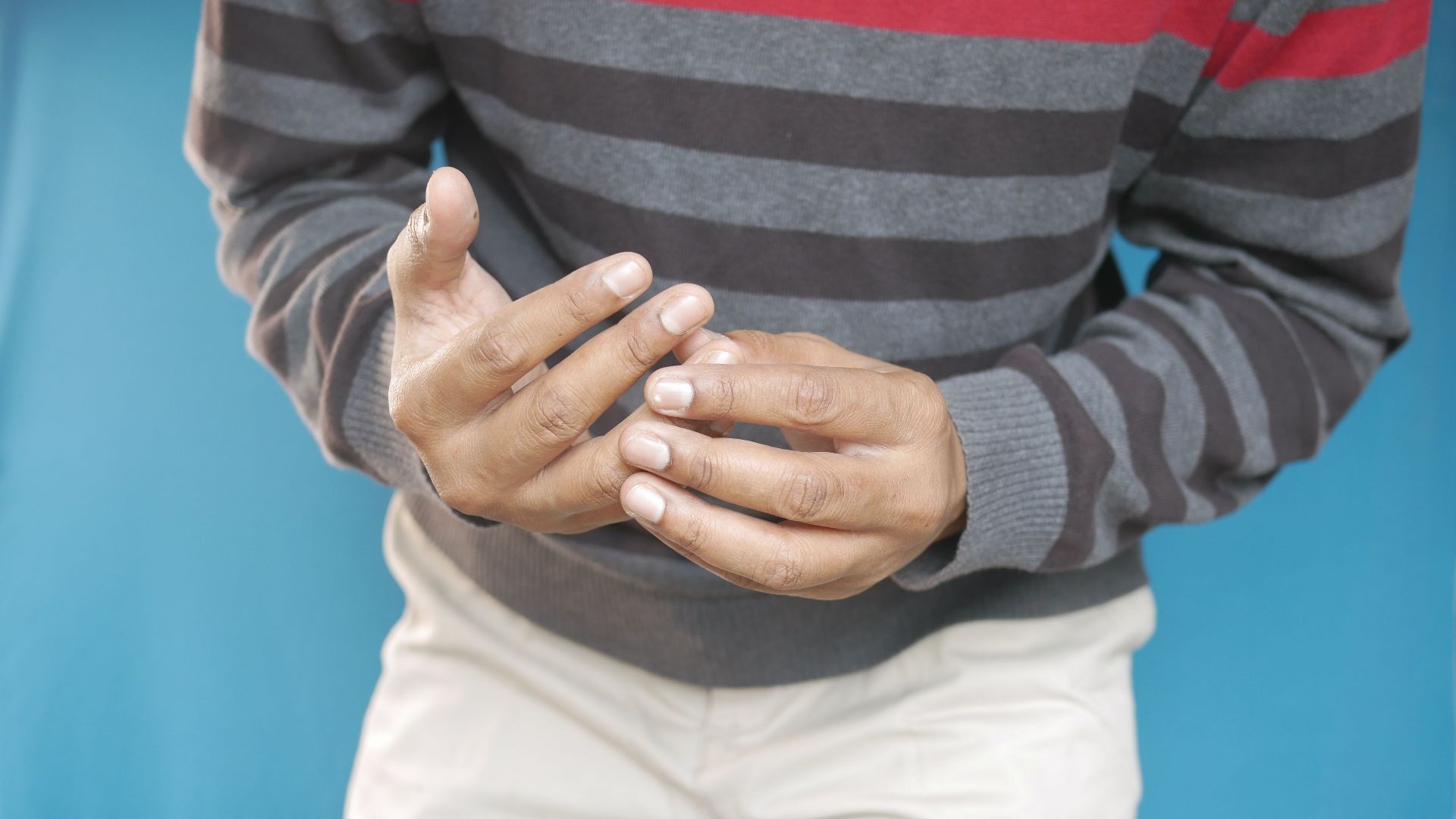
Hand function stays fairly stable until about 65 and then declines slowly, with differences clearer after 75. The biggest drops are in how steadily the hand holds a force and how fast the hand and arm move. Older women show larger declines in fine dexterity and strength than men of similar age.
17. Joints Near the Thumb Loosen Up
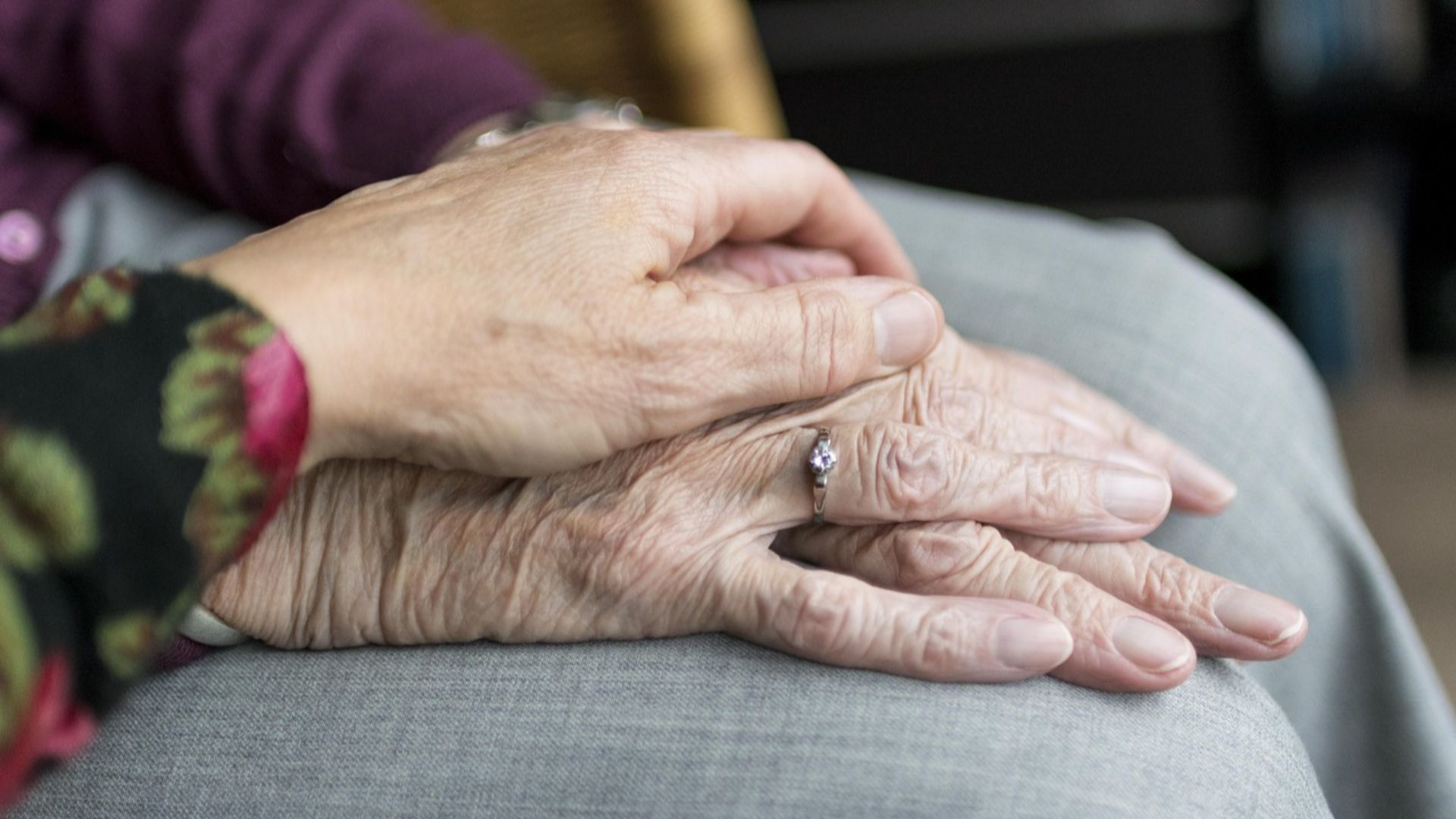
In advanced arthritis at the base of the thumb, nearby joints may become more mobile than normal to make up for the stiff one. That extra motion can cause other problems. Pain at the base of the thumb often worsens with use and eases with rest.
18. Morning Stiffness Wears Off Fast
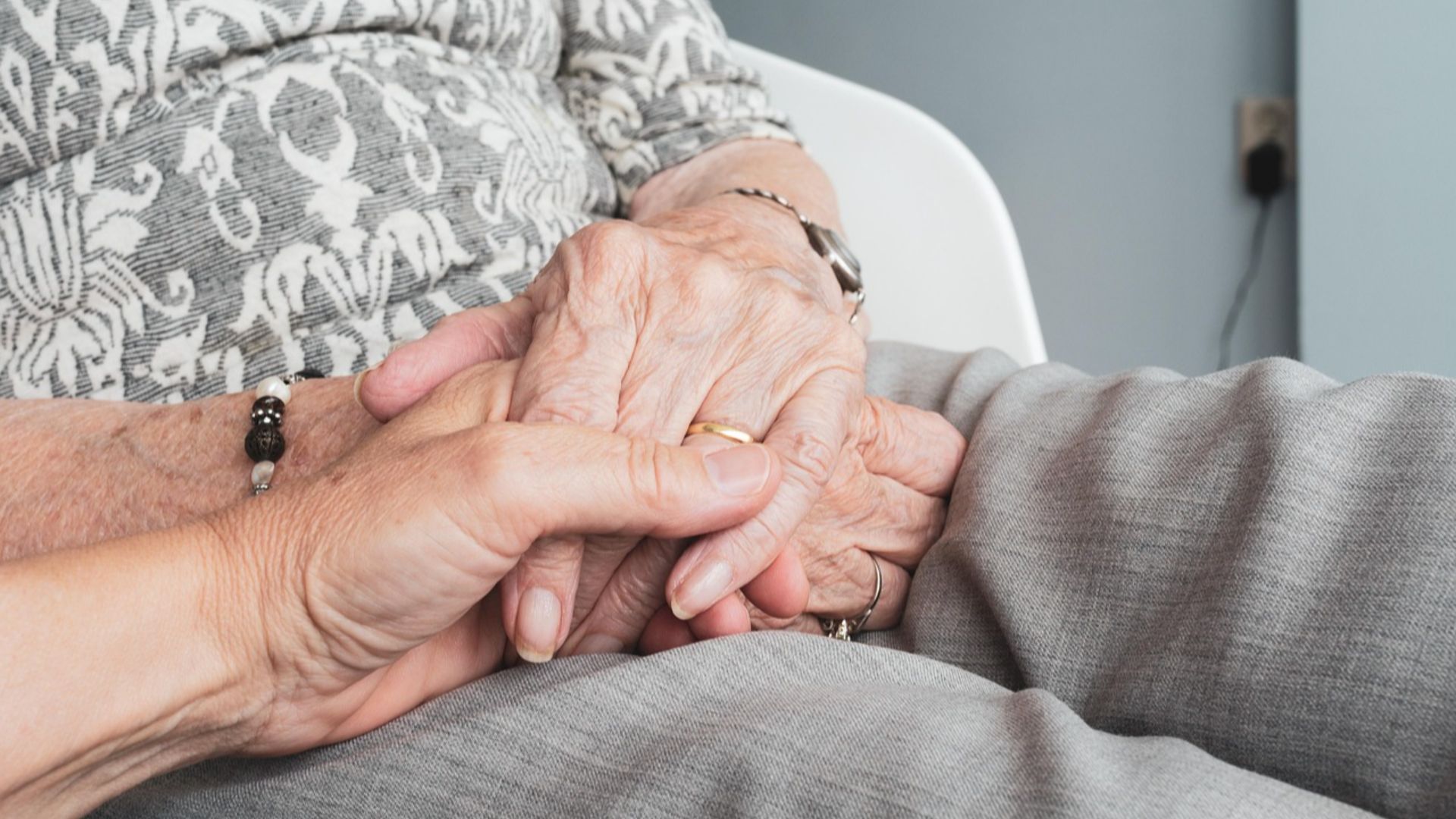
Typical osteoarthritis stiffness in the morning is absent or lasts less than 30 minutes. Stiffness that lingers longer may suggest rheumatoid arthritis instead. A doctor may suspect osteoarthritis in anyone 45 or older.
19. A Weak Grip Tracks With Health Risks
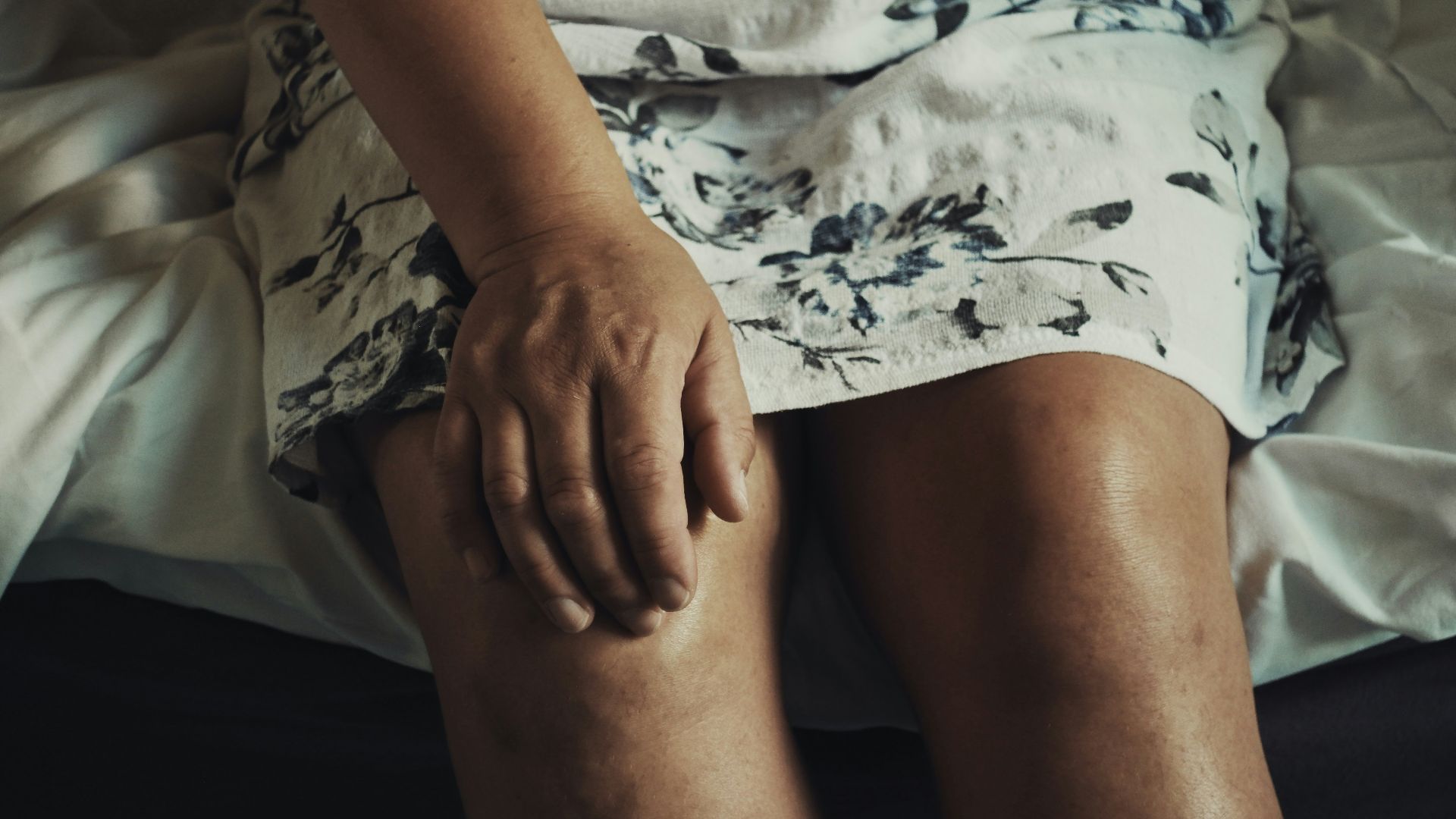
A 2015 study followed nearly 140,000 adults in 17 countries for about four years and found that weaker grip strength was linked to serious health risks. Grip strength was actually a stronger predictor of death than systolic blood pressure, though the study didn't establish that weak hands caused these health problems.
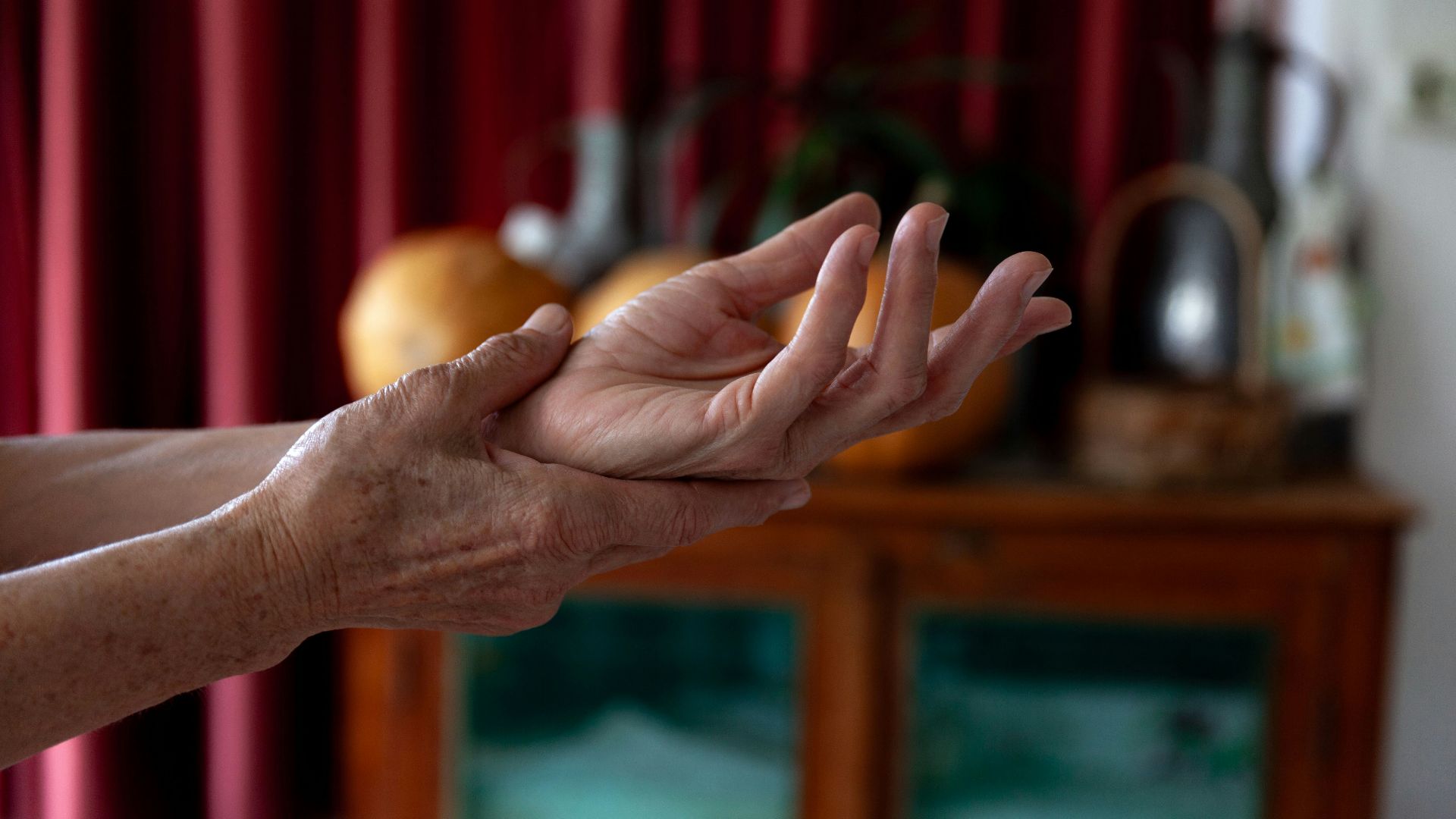
20. The Hands Shake When They're Busy
Essential tremor usually starts in the hands and is most common in people 40 and older. It shows up during tasks like holding a cup or tying shoelaces, while a Parkinson's tremor is most visible at rest. Anyone with a parent who carries the altered gene has a 50 percent chance of developing it.