

Saliva Is Doing More Than You Think
A dry mouth sounds like a minor nuisance until it isn't. Saliva keeps acid in check and protects your teeth, so a long-running shortage of it tends to show up at the dentist as decay before it ever registers as discomfort. Plenty of ordinary habits will dry you out for a few hours, and a handful of medical conditions do it for good. The most common cause of all, though, is sitting in the bathroom cabinet. Here are 10 reasons your mouth feels dry, and 10 medications that might be making it worse.

1. You're Breathing Through Your Mouth At Night
Saliva production drops off while you sleep anyway, and breathing through an open mouth all night dries out whatever's left. A blocked nose or heavy snoring will push you into it without your knowing. The giveaway is waking up with a mouth like paper and feeling fine again by mid-morning.

2. You're Not Drinking Enough
This is the obvious one and it's still worth ruling out first. Mild dehydration cuts saliva volume quite quickly, and most people underestimate how much fluid they lose in a heated room or on a long walk. If a couple of glasses of water sorts it out within the hour, you've found your answer.

3. Caffeine
Coffee and strong tea are mildly diuretic. A heavy habit can leave you a bit short of fluid without it ever registering. Whether caffeine cuts saliva flow directly is less settled, though plenty of people find that cutting back helps regardless. Reducing it at least removes the diuretic effect, and that part isn't in dispute.

4. Alcohol, Including The Mouthwash
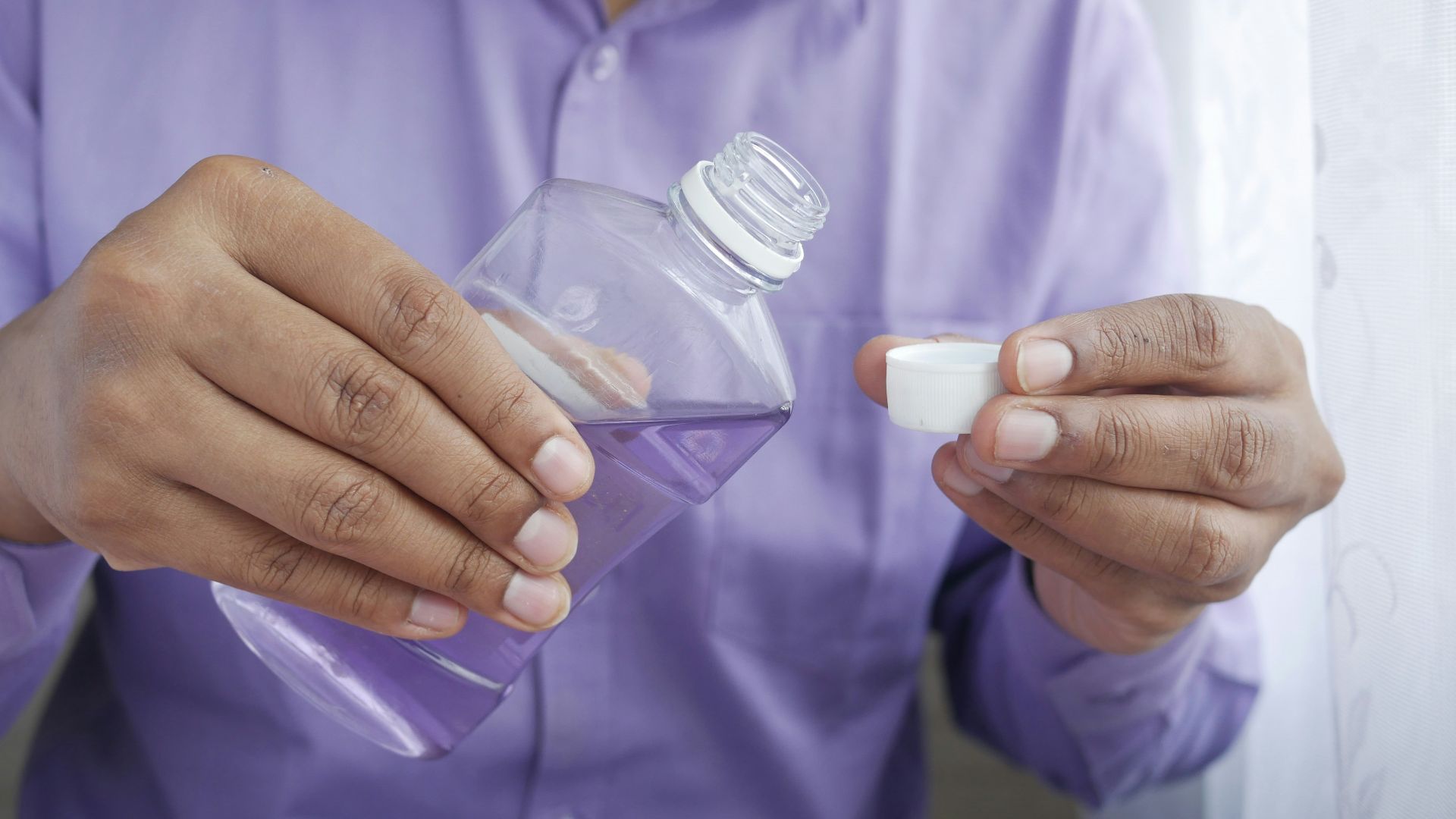
A hangover comes with a parched mouth because alcohol dehydrates you. Less obviously, some antiseptic mouthwashes carry more alcohol than wine does, so rinsing twice a day can dry out the tissue you're trying to look after. Alcohol-free versions do the same job without that.
5. Smoking And Vaping
Smoke reduces saliva flow and alters what the saliva you've got left is made of. Vaping is drier than people expect, because the propylene glycol in the liquid pulls water out of whatever it touches. Either habit compounds with anything else on this list. Stopping restores some flow, though how much seems to depend on how long the habit ran.

6. Anxiety
Fight-or-flight shuts saliva down. That's the sandpaper feeling you get before speaking in public. Anxiety that never quite switches off keeps the tap half closed all day instead. The clue is that it usually arrives with a tight chest or a churning stomach for company.

7. Diabetes
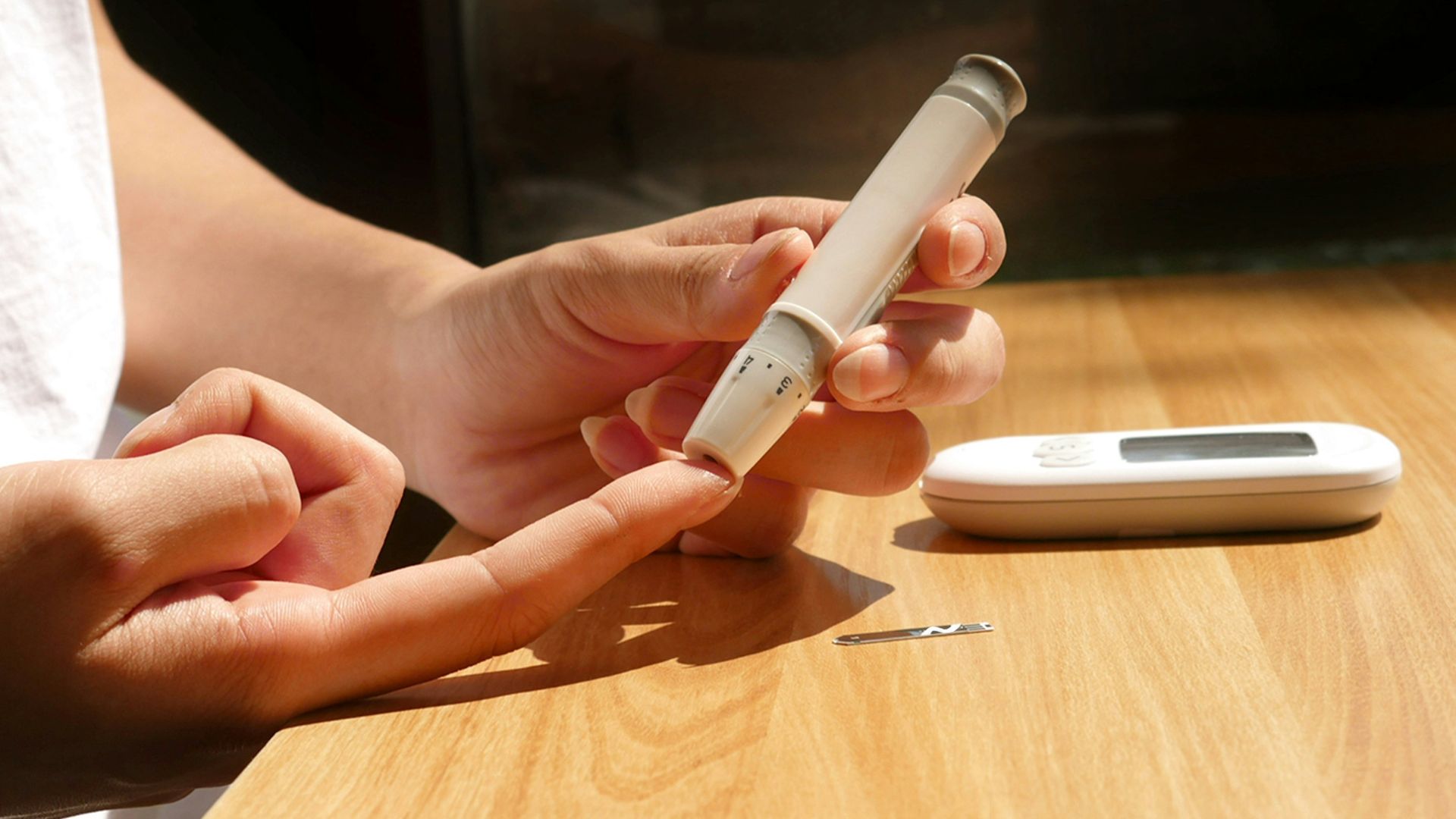
High blood sugar draws fluid out of the tissues and sends you to the bathroom more often, and both of those will dry your mouth. It's a common early sign in people who don't yet know they're diabetic. Turning up alongside constant thirst and unexplained weight loss, that combination is worth a blood test.
8. Sjögren's Syndrome
This is an autoimmune condition in which the immune system attacks the glands that make saliva and tears, so the mouth and the eyes dry out together. The Sjögren's Foundation puts the number affected in the United States at as many as four million, around 90 percent of them women. Diagnosis often takes years, since dry eyes and a dry mouth get handled as two separate small complaints.
 Centre for Ageing Better on Unsplash
9. Radiotherapy To The Head Or Neck
Salivary glands sit right in the firing line for a lot of head and neck cancer treatment, and they don't tolerate it well. The Merck Manual notes that high doses cause severe permanent dryness, while lower doses tend to produce something temporary. Treatment planning now tries to spare at least one parotid gland for that reason.
 National Cancer Institute on Unsplash
10. A Salivary Stone Blocking The Duct
Calcium deposits can build up inside a salivary duct and dam it, so the gland works fine and the saliva has nowhere to go. The tell is swelling under the jaw or in front of the ear that worsens at mealtimes and then settles down again. It's usually treatable, and smaller stones sometimes work their way out on their own.
Now, here's 10 classes of medication worth knowing about that can cause dryness.

1. Antihistamines
Blocking histamine for hay fever also blocks some of the signalling that tells your salivary glands to get on with it, since the older antihistamines hit plenty of receptors they weren't aiming at. Diphenhydramine and chlorphenamine are the usual offenders. Newer ones such as loratadine and cetirizine are gentler, if not entirely innocent. Sedating antihistamines taken as sleep aids do their work overnight, when saliva output is already at its lowest.

2. Decongestants
Pseudoephedrine and its relatives work by drying secretions up. That's the whole point when your nose is streaming, and a nuisance everywhere else. A week of it during a cold is survivable. People who run them through an entire hay fever season tend to notice the difference.
 https://kaboompics.com/ on Pexels
3. Antidepressants
The older tricyclics like amitriptyline are strongly drying, and amitriptyline gets prescribed at low doses for nerve pain and migraine as well as for depression. SSRIs are milder on this front, though they still make the list. If one is drying you out badly, there's often another in the same family worth asking about.

4. Antipsychotics
Clozapine is the odd one out, because it tends to cause drooling. Olanzapine and quetiapine go the usual drying way. These aren't drugs to adjust on your own account, so the dryness normally gets managed alongside them. It also raises decay risk at a point when dental appointments tend to slip.

5. Overactive Bladder Drugs
Oxybutynin and solifenacin block the muscarinic receptors that make the bladder contract. Those same receptors switch your salivary glands on, so the drug is doing an identical job in the wrong place. Reviews that rank medications by how drying they are tend to put this class at the top.

6. Diuretics
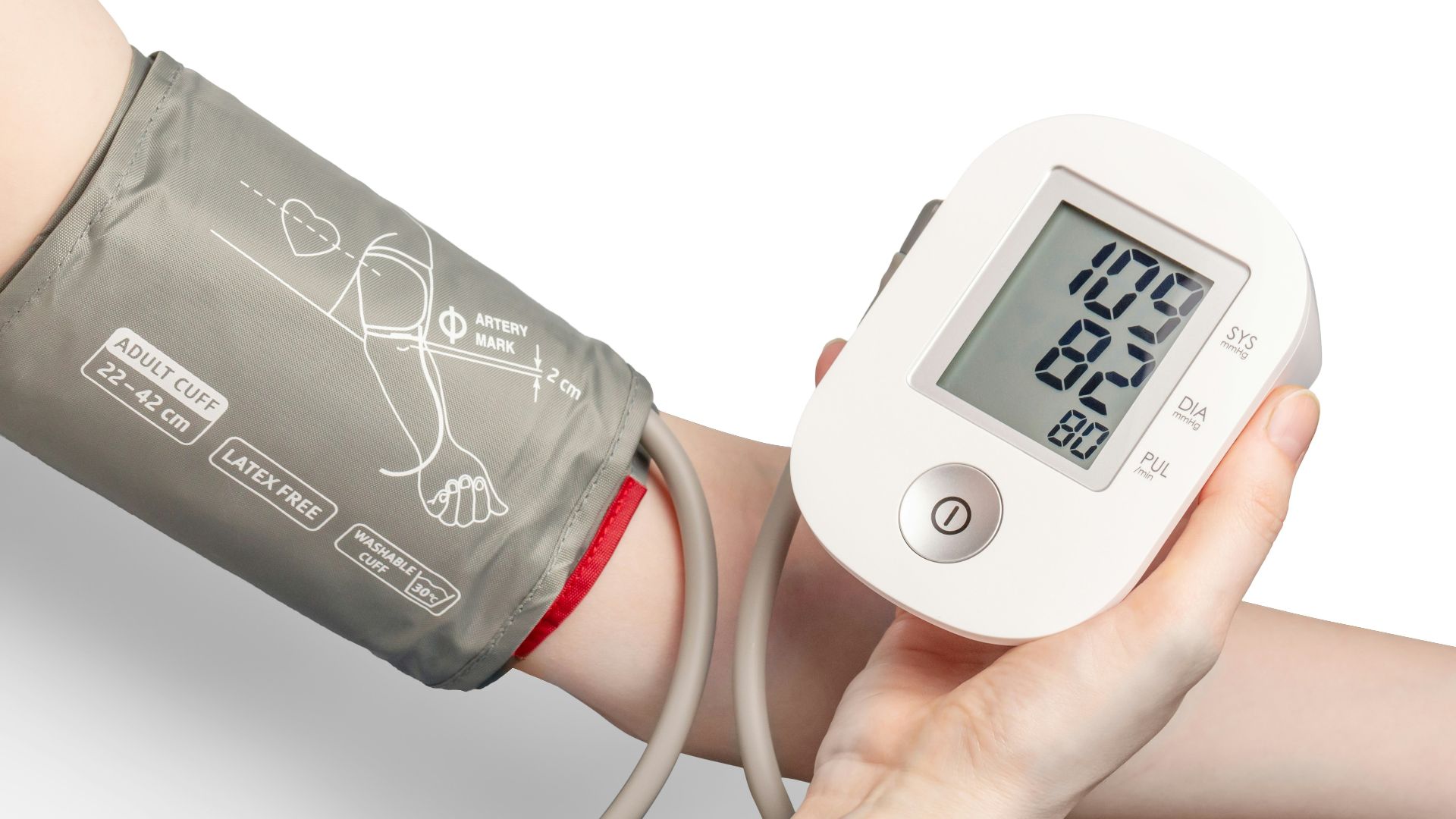
Water tablets for blood pressure or heart failure work by making you pass more fluid, and a drier mouth follows directly from that. Taking them in the morning rather than the evening helps some people get through the night without waking up parched. Drinking a lot more to compensate partly defeats the object, so it's worth raising with a doctor before trying it.
7. Opioid Painkillers
Codeine and morphine slow secretions down along with everything else they slow. The effect tracks the dose and shows up most in people managing long-term pain. Sugar-free gum between doses is the standard suggestion, and it does help. Dentists tend to spot the consequences in long-term pain patients as decay along the gumline.

8. Inhalers For Asthma And COPD
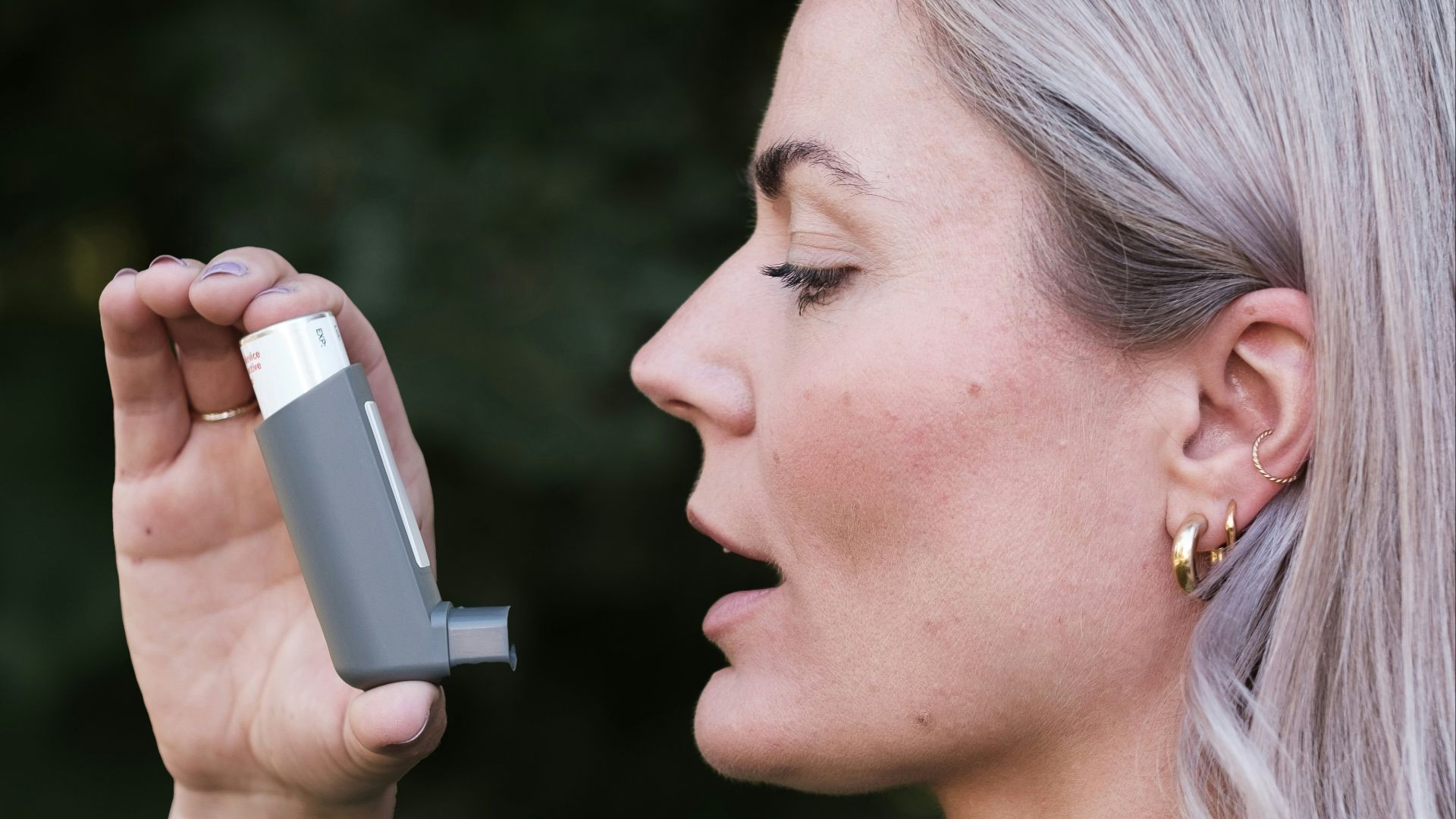
Anticholinergic inhalers such as ipratropium and tiotropium dry the mouth by the same receptor-blocking route as the bladder drugs. Steroid inhalers add to it. Rinsing after a steroid inhaler is advised anyway to avoid thrush, and a dry mouth pushes that risk up further. A spacer cuts how much of the dose lands in your mouth to begin with.
9. Parkinson's Medication
Drugs for Parkinson's sit among the most drying of all, particularly older anticholinergics like trihexyphenidyl and benztropine. Levodopa contributes as well. The picture gets muddled by the condition itself, which can cause drooling, so the two effects sometimes cancel out on paper. Swallowing trouble alongside it makes the dryness harder to live with than it sounds.
 Rollz International on Unsplash
10. Travel Sickness Patches
Hyoscine patches worn behind the ear are potent anticholinergics, and a dry mouth is the complaint people report most often with them. Promethazine and cyclizine for nausea do something similar. A patch for a few days on a boat is one thing, and reaching for them routinely is another. They're also easy to forget about once they're stuck on.

KEEP ON READING

20 Ways Perimenopause Changes Fitness and Appetite


20 Unhealthy Obsessions People Have

20 Gut-Friendly Fermented Foods For Everyday Meals