

20 Common Halloween Makeup Ingredients That Can Irritate Sensitive Skin
When Your Halloween Makeup Causes More Than a Scare
Halloween makeup is a fun way to finish off your costume, whether you're going for something spooky, glamorous, or completely ridiculous. Unfortunately, some ingredients found in face paints, fake blood, and special-effects products aren't exactly friendly to sensitive skin. Even products advertised as gentle can contain substances that cause redness, itching, or allergic reactions in certain people. Before covering your face in elaborate designs this Halloween, it's worth knowing which ingredients could give you trouble. Here are 20 common Halloween makeup ingredients that are common irritants.

1. Fragrance
Fragrance is one of the most common triggers of allergic reactions to cosmetics, and it's often added to Halloween makeup to make products smell nicer. Unfortunately, even a little can cause itching, redness, or a rash if you're sensitive to it. Opting for fragrance-free face paint is usually a safer bet if your skin doesn't respond well to scented products.

2. Methylisothiazolinone
This preservative, sometimes called MI or MIT, helps stop bacteria and other microorganisms from growing in water-based cosmetics. Although it has a useful purpose, it's also a known cause of allergic contact dermatitis. If your skin is particularly sensitive to preservatives, taking a moment to check your face paint's ingredient list could spare you some discomfort.
3. Propylene Glycol
Many liquid cosmetics contain propylene glycol because it helps hold moisture and dissolve other ingredients. Most people can use it without any issues, but some experience burning, stinging, or allergic skin reactions. It's something to keep an eye out for if you already deal with eczema or a damaged skin barrier.
4. Lanolin
Lanolin comes from sheep's wool and is used in some creamy makeup products to soften skin and lock in moisture. While it's known for its moisturizing properties, it can also cause allergic contact dermatitis in people who are sensitive to it. If you have an existing skin condition, you may want to think twice before adding lanolin-containing products to your Halloween routine.
5. Denatured Alcohol
Some quick-drying makeup formulas contain denatured alcohol to make application easier and help everything set faster. The downside is that higher concentrations can remove surface oils, leaving sensitive skin dry or irritated. If your costume calls for several layers of alcohol-based makeup, you might start feeling some uncomfortable tightness before the night is over.
6. DMDM Hydantoin
DMDM hydantoin is a preservative that gradually releases small amounts of formaldehyde to prevent microbial growth. If you have a formaldehyde allergy, this ingredient may cause redness, itching, or inflammation when it comes into contact with your skin. You won't find it in every cosmetic product, but it's worth looking for when buying unfamiliar Halloween makeup.
7. Paraphenylenediamine (PPD)
Commonly associated with permanent hair dyes, paraphenylenediamine can also be found in some temporary black henna products used for elaborate costume designs. It's a well-known allergen that can cause serious skin reactions, including swelling and blistering. Black henna body art containing PPD is especially concerning because these reactions can sometimes result in lasting skin changes.

8. Phenoxyethanol
Phenoxyethanol appears in many cosmetics because it helps prevent harmful microorganisms from growing inside the product. Although most people tolerate it well at permitted concentrations, some can develop irritation or allergic reactions. If preserved makeup formulas repeatedly cause problems for your skin, a dermatologist may be able to help identify the ingredient responsible.
 Vince Mariel Conlu on Unsplash
9. Limonene
Limonene is a fragrance ingredient often derived from citrus fruits that gives cosmetics a fresh, pleasant scent. When exposed to air over time, it can break down into substances that are more likely to cause allergic contact dermatitis. As a result, that older scented makeup sitting in your drawer could be especially irritating if you're sensitive to oxidized fragrance ingredients.
10. Diazolidinyl Urea
Diazolidinyl urea is another preservative used to keep cosmetic products free from unwanted microbial growth. Since it releases formaldehyde, anyone with a formaldehyde allergy could experience a reaction after using makeup that contains it. The tricky part is that a rash may take some time to appear, so you might not immediately realize your Halloween makeup is responsible.
11. Benzophenone-3
Better known as oxybenzone, benzophenone-3 is a UV-filtering ingredient used in certain cosmetics and makeup products containing sunscreen. For some individuals, exposure can lead to allergic or photoallergic contact dermatitis. If makeup containing sun-protection ingredients regularly irritates your skin, oxybenzone may be worth looking into.
 Andrey Zvyagintsev on Unsplash
12. Essential Oils
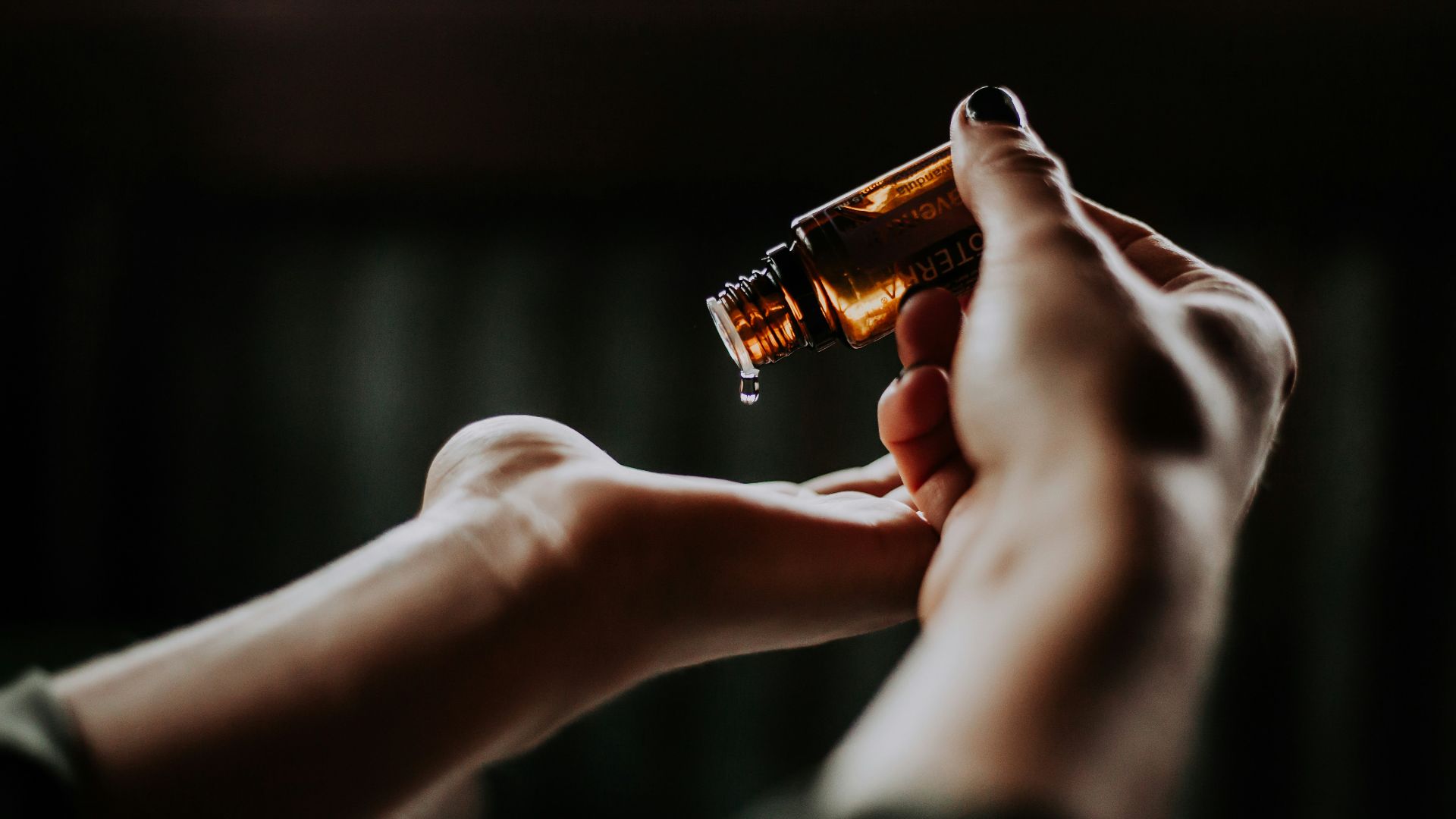
Essential oils might seem like a gentler option than synthetic fragrances, but natural doesn't always mean safe for your skin. Lavender, peppermint, and citrus oils can contain compounds that cause irritation or allergic reactions in certain people. Highly concentrated oils deserve extra caution, so don't assume Halloween makeup is harmless simply because the packaging mentions botanical ingredients.
13. Rosin
Rosin, sometimes called colophony, is made from pine resin and appears in certain cosmetic adhesives and specialty makeup products. This ingredient is particularly relevant if your Halloween costume involves a fake beard, theatrical prosthetics, or accessories attached directly to your skin. Anyone with a rosin allergy may develop itchy, irritated patches wherever the adhesive has been applied.

14. Shellac
Some long-lasting makeup formulas contain shellac to help the product stick to your skin and stay in place. That's helpful when you want your Halloween look to last all night, but shellac can also trigger contact allergies in some people. If mascara or other cosmetics containing shellac have irritated your skin before, checking theatrical makeup labels is a smart precaution.
15. Cinnamal
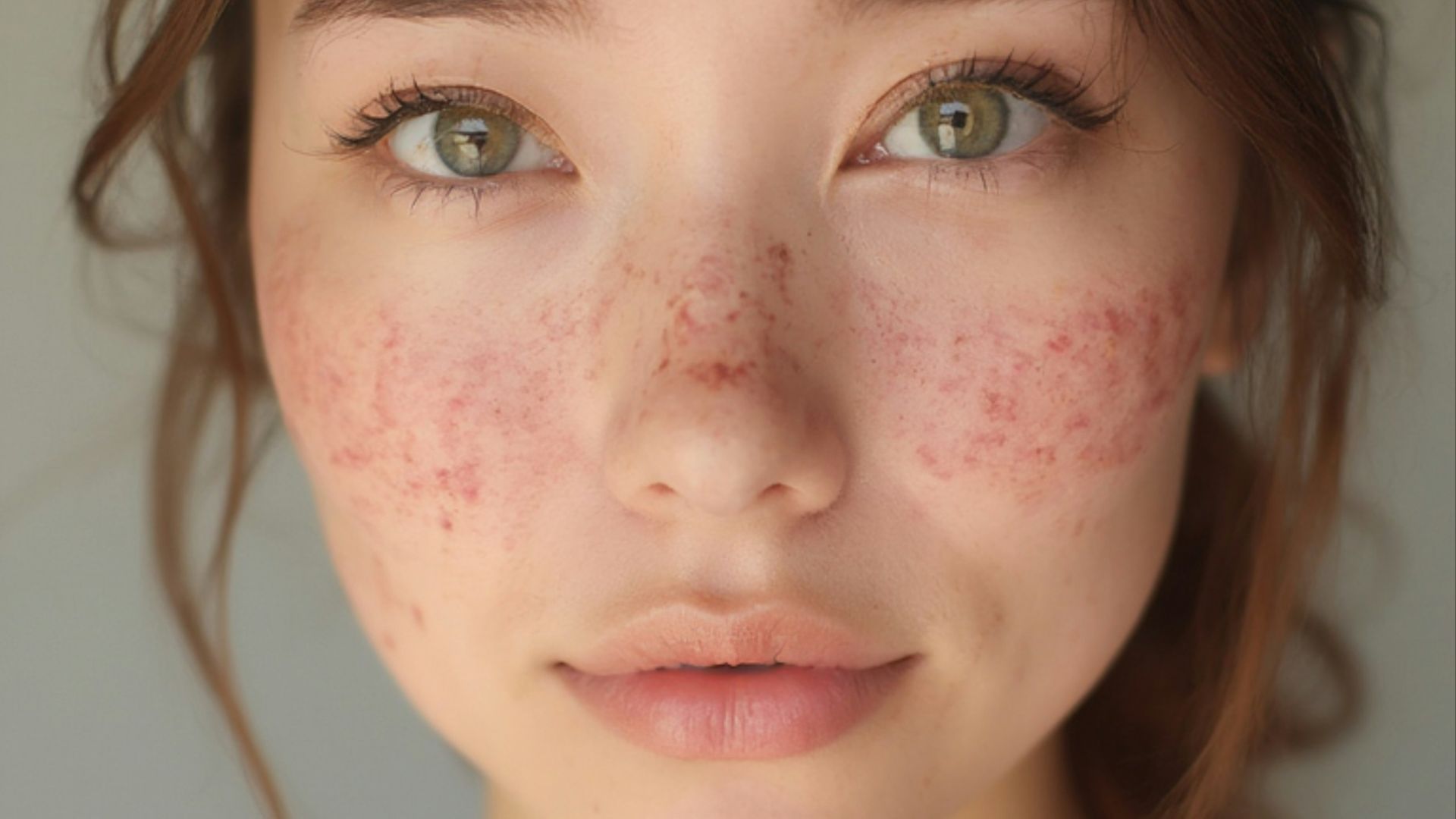
Cinnamal, also called cinnamaldehyde, is a fragrance compound responsible for cinnamon's familiar scent. It can be found in scented cosmetics and is one of the substances dermatologists look for when testing for fragrance allergies. If you're sensitive to cinnamal, even a relatively small amount could leave your skin feeling itchy or looking red.
 MUTHIA ASHIFA SALSABELLA on Unsplash
16. Acrylates
Certain cosmetic adhesives and film-forming products contain acrylates, including some materials used for special-effects makeup. Uncured acrylate compounds can be especially irritating and may lead to allergic contact dermatitis, while fully cured polymers are generally less likely to cause problems. When working with professional prosthetic products, it's important to follow the manufacturer's instructions for mixing, curing, and application.
17. Carmine
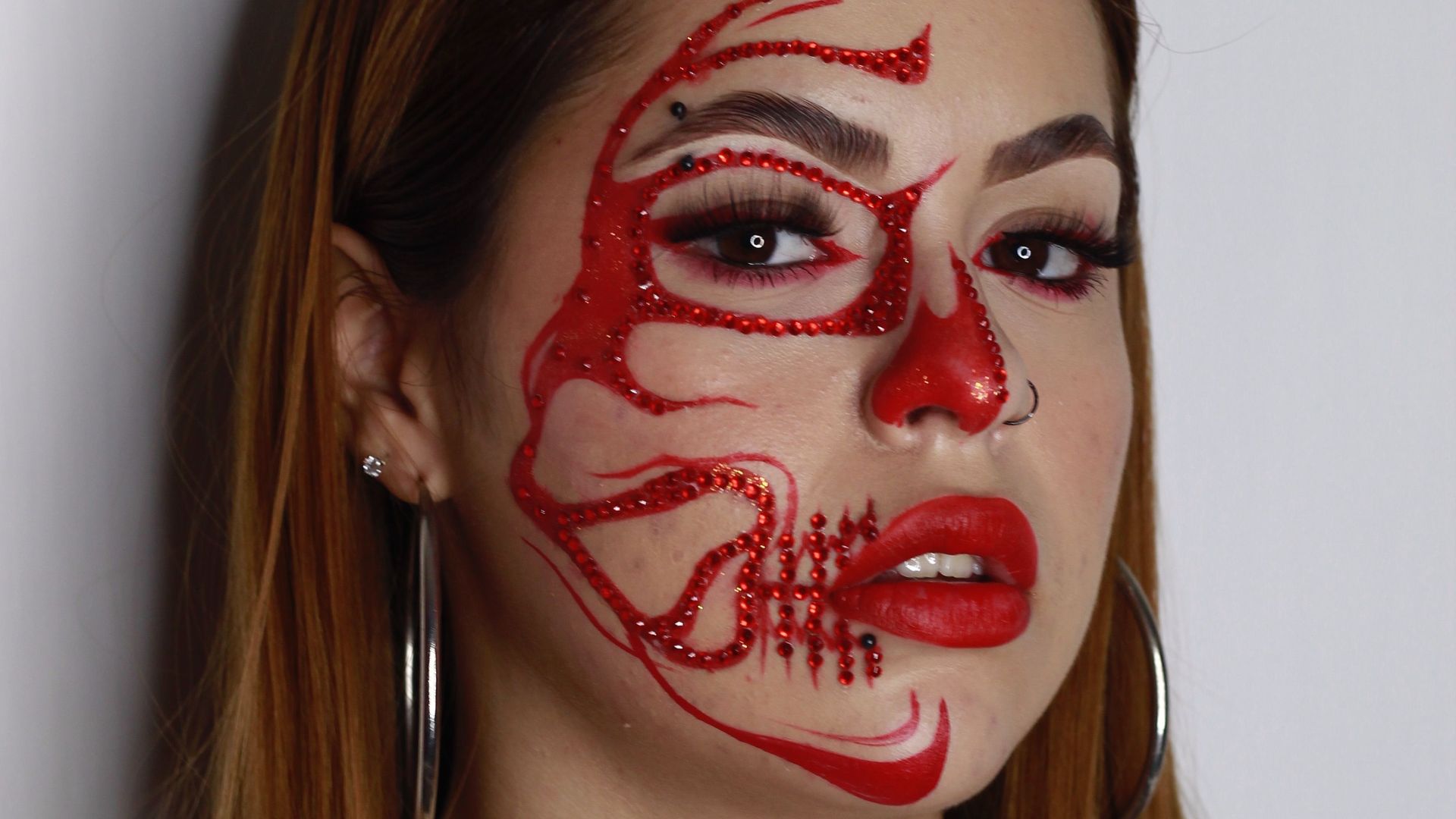
Carmine is a red pigment made from insects that's used in some lipsticks, blushes, and other colorful cosmetics. Most people can wear it without any trouble, although allergic reactions have been reported in individuals who are sensitive to it. If you have a confirmed carmine allergy, be sure to read the ingredient list before applying bright red makeup for your Halloween costume.
18. Balsam of Peru
Despite what its name suggests, balsam of Peru is actually a fragrant tree resin rather than your typical moisturizing balm. It contains aromatic compounds that can trigger allergic contact dermatitis and may be used in certain scented cosmetic products. Anyone who's already been diagnosed with a fragrance allergy should pay particular attention to this ingredient when checking labels.
19. Castor Oil
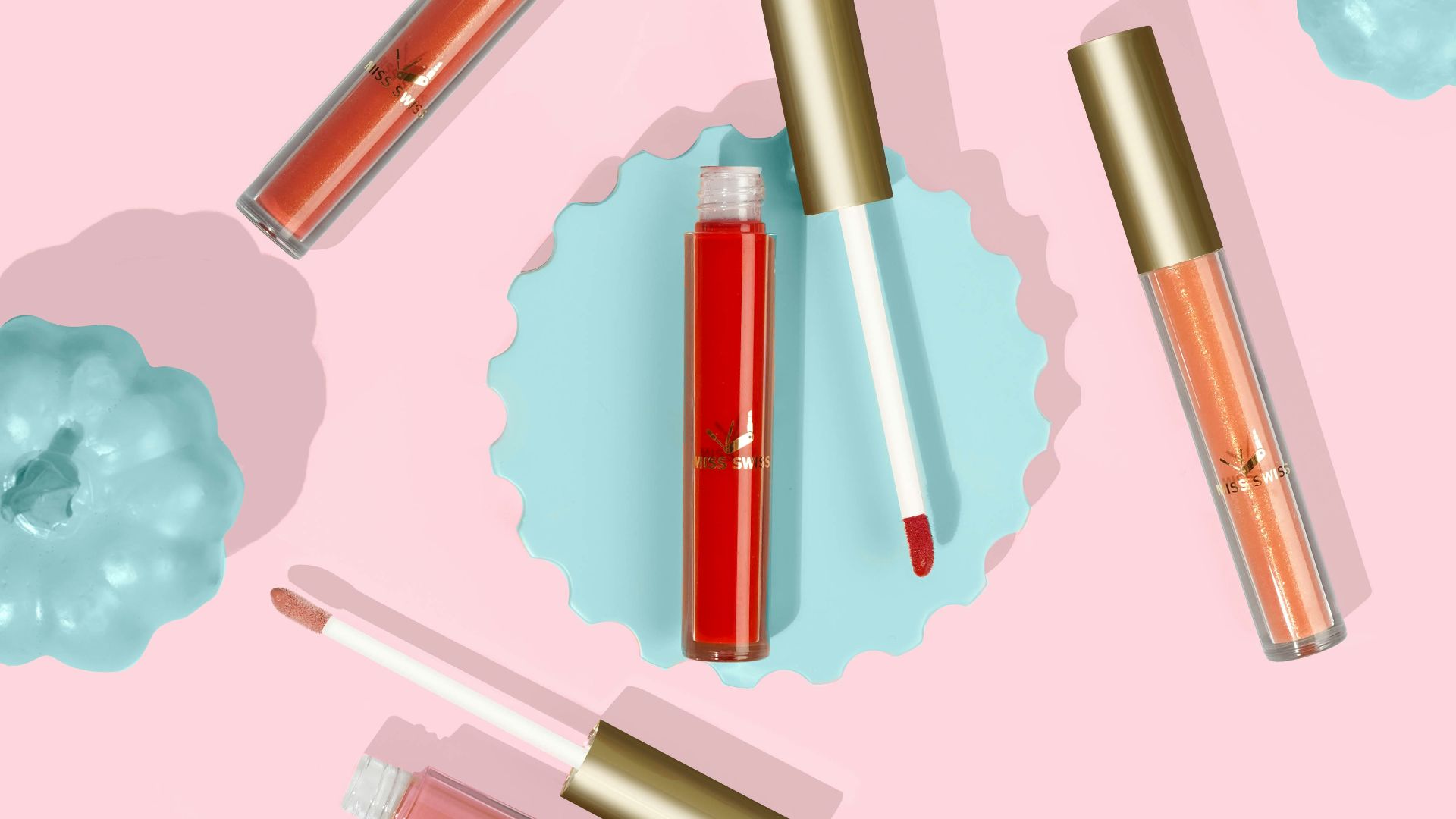
Castor oil is commonly found in lip products and creamy makeup because it creates a smooth texture and shiny finish. Although most people have no issues with it, allergic contact reactions can occasionally happen, especially around the lips. If you're wearing heavy lipstick or theatrical lip color for your costume, irritation could be linked to one of the oils used in the formula.
20. Cocamidopropyl Betaine
Cocamidopropyl betaine is a cleansing and foaming ingredient found in some water-based makeup products and the cleansers used to wash them off. Some people experience irritation or allergic contact dermatitis, occasionally due to impurities left behind during manufacturing. Since removing your Halloween makeup matters just as much as applying it, it's worth checking what's in your makeup remover, too.

KEEP ON READING



20 Natural Ways You Can Boost Your Immune System
20 Ways To De-stress & Relax After Work

The 10 Most Common Diseases & The 10 Most Rare