

The Rules for Seeing a Doctor Made Little Sense
Older generations had a very different idea of what warranted a call to the doctor. Someone might put up with a troubling symptom for months, then insist on medical attention the moment a child developed a fever. Some of those instincts made sense when certain diseases were far more dangerous than they are today. Others came from embarrassment or medical advice that hasn't held up. Here are 10 symptoms older generations tended to brush off, and 10 they took surprisingly seriously.

1. Chest Pain Got Treated As Indigestion
Pressure in the chest got an antacid and a lie-down. Delay is what does the damage in a heart attack, and the habit of calling it heartburn cost many men the hours that counted. Nobody wanted to be the one who called an ambulance over gas.

2. Concussions Were Called Getting Your Bell Rung
A head knock was a phase of the game, and the diagnostic test was how many fingers the coach held up. Players went back on the same afternoon, sometimes on the next possession. The damage turned up decades later in people who had long since stopped counting the hits.

3. A Smoker's Cough Was Filed Under Smoking
Years of coughing got attributed to cigarettes and left there. The reasoning ran in a circle, since the smoking explained the cough and the cough was never a reason to talk to anyone about the smoking.

4. Snoring Counted As A Family Joke
Snoring came with imitations at breakfast and jokes about the spare room. Sleep apnea was well described inside sleep medicine by the 1970s and stayed there, rather than entering ordinary conversation. Plenty of men spent decades stopping breathing at night while the household treated it as a personality trait.

5. Hearing Loss Was Everyone Else Mumbling
The hearing went, and the official explanation was that people had started mumbling and the television sound was badly mixed. Hearing aids carried a stigma that glasses never did, so the volume went up instead. Conversations got shorter and the family rearranged itself around the gap without discussing it.

6. Depression Was Called Nerves And Left There
Low mood went under nerves, and the prescription was work and fresh air. Men especially got told to snap out of it. The ones who could not were treated as difficult rather than unwell.

7. Blood In The Toilet Went Unmentioned
Bowel symptoms were not raised at the dinner table or, frequently, with a doctor. Screening for colorectal cancer existed long before people were willing to discuss what had prompted the appointment. A lot of diagnoses landed late because the first sign stayed private for months.

8. Sunburn Was The Price Of A Good Tan
A burn that blistered was understood as the first stage of a tan, and baby oil was the accelerant of choice. Dermatologists spent the 1980s and 1990s trying to dismantle the idea that color meant health. Moles that changed shape went unexamined because nobody had been told to look.

9. Memory Loss Was Written Off As Old Age
Losing names and losing the thread was what happened in your seventies. Dementia went under senility, treated as the ordinary end of a life rather than a condition anyone would investigate, and families managed it at home without ever asking a doctor what it was.

10. Heavy Periods Were Something To Put Up With
Bleeding heavy enough to plan a week around was described as normal and left alone. Fibroids and endometriosis went undiagnosed for years while the advice stayed at painkillers and patience. Menopause got the same treatment, which was to wait it out without making a fuss.
Now, here's 10 that got the opposite handling, in some cases far past the point the evidence justified.

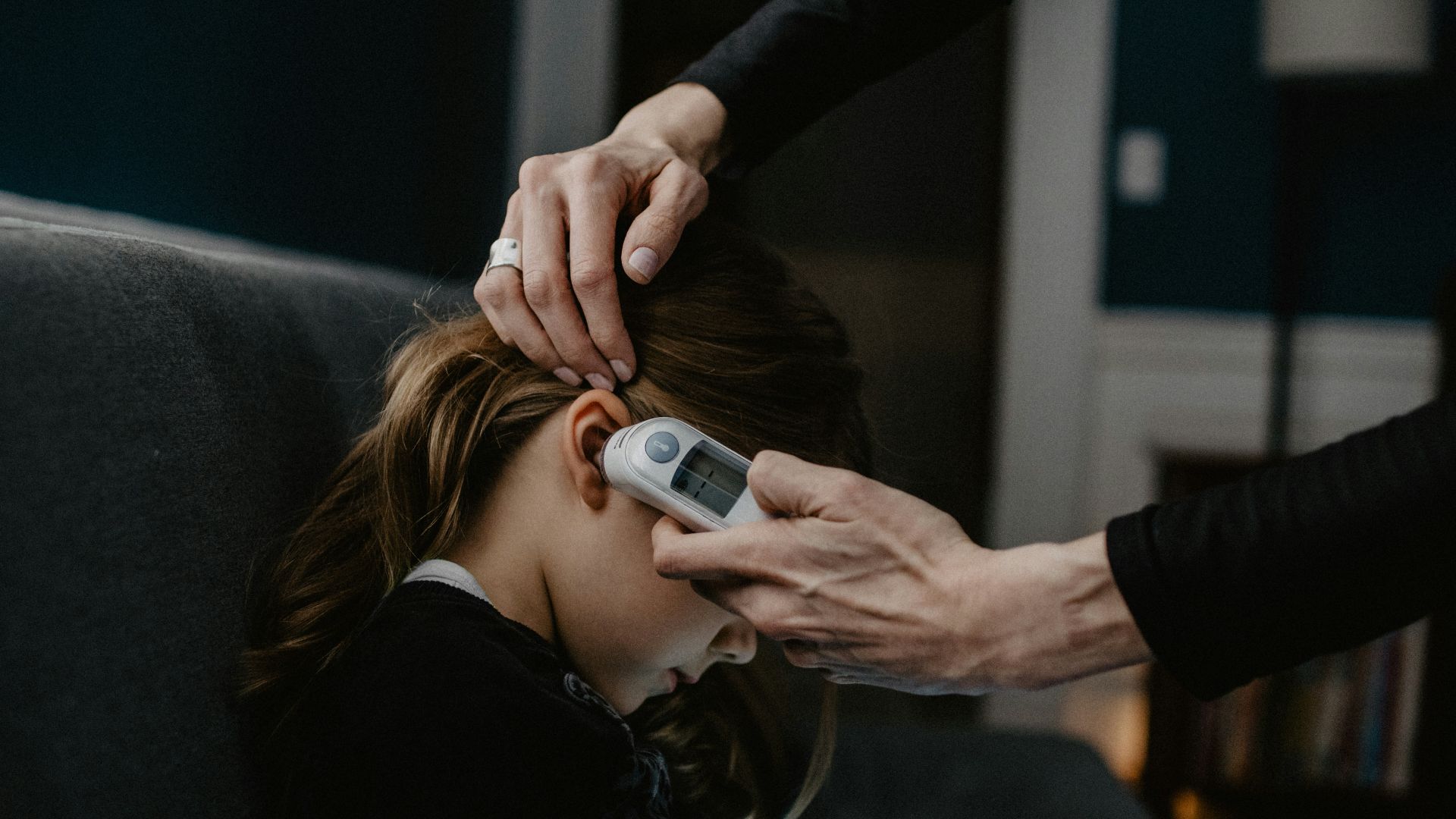
1. A Child's Fever Emptied The House Of Routine
Doctors still made home visits for it, and parents sat up through the night with cool cloths and a thermometer. The vigilance was rational in a period when a childhood fever could be the opening move of something fatal. Waiting until morning to see how it went was not an option anyone considered.
2. Sore Throats Were Watched For Weeks
A child's sore throat got followed for weeks after it stopped hurting, since untreated strep can lead to rheumatic fever and permanently damaged heart valves. Rheumatic heart disease was common enough in the 1940s that most families knew someone living with it. Penicillin changed that arithmetic, and the old watchfulness faded with it.

3. A Lingering Cough Could Mean Tuberculosis
Night sweats plus a cough with no end to it meant a chest X-ray and often a sanatorium stay of months. Whole households got tested after a single case. The alarm matched the risk, since TB was killing across every income bracket.

4. A Red Streak From A Cut Was An Emergency
Before antibiotics, a scratch that went red and started streaking meant a doctor that day. Iodine came out for every scrape, and parents watched the edges of a wound the way a parent now watches a temperature. Dying of a minor injury was an ordinary thing that happened.

5. A Stiff Neck In August Meant Polio
Summer was polio season, and fever with a stiff neck sent parents straight to the telephone. New York's 1916 epidemic was reported at roughly 6,000 infections and 2,000 deaths in the city alone. Pools closed for the season, and health department leaflets told parents to keep children away from parties and picnics.

6. Constipation Was Treated As A Disease In Itself
For about two decades around 1900, much of the medical profession believed retained waste poisoned the body from inside, a theory known as autointoxication. It was blamed for headaches and heart disease alike, and it sold phenolphthalein laxatives in enormous volume. One London surgeon removed the colons of hundreds of patients before the theory collapsed during the 1920s.

7. Pain In The Lower Right Side Meant Surgery That Day
A ruptured appendix in the era before antibiotics was frequently fatal, so surgeons operated on suspicion instead of waiting for proof. Taking out a healthy appendix was the accepted cost of being careful. Families knew the symptom well enough to drive to the hospital without being told.

8. Any Rash Could Get Your Front Door Placarded
A rash on a child could bring a health officer to the house and a quarantine card to the window. Scarlet fever and measles carried legally enforced isolation periods, and pulling down a placard carried a fine. Everyone on the street knew which houses were under notice.

9. Looking Pale And Tired Called For A Tonic
Being run down was a condition with a name and a shelf of products behind it. Iron tonics and beef extracts sold heavily, and doctors took anemia seriously enough to go looking for it. Some of that attention was commercial, and some of it caught real deficiency in badly fed households.

10. Bad Teeth Were Blamed For Everything And Pulled
Focal infection theory held that hidden infection in the mouth caused disease elsewhere in the body, so teeth came out to treat arthritis and mental illness. The superintendent at Trenton State Hospital extended the same logic to tonsils and colons, and roughly a third of the patients who had colon surgery died. An investigation in 1925 found his results had been falsified, and he kept the job anyway.