
Two Minutes, No Equipment
Stress rarely waits until you have time to deal with it properly. The most useful in-the-moment fixes take less than two minutes and can be done almost anywhere, including a work bathroom or a parked car. They won’t solve whatever caused the stress, but they can bring it down enough to make clear thinking possible again. Chronic anxiety is a different problem and deserves proper treatment. For an ordinary bad afternoon, though, these are the tools worth knowing. Here’s 20 things that work in the moment.

1. Two Inhales, One Long Exhale
Take a short breath in through the nose, then sneak a second small one on top of it before letting anything out. The exhale that follows should be slow and through the mouth, long enough that it starts to feel boring. Two or three rounds usually takes the shakiness off, and it fits inside the pause before you answer a question.

2. Make the Out-Breath Longer
The ratio matters more than the depth. Count four on the way in and six or eight on the way out, keeping the exhale quiet rather than forceful, which is harder than it sounds when your chest is already tight. Big dramatic breathing tends to make the spin worse, so if you're gulping air you've overshot and should back off the volume.

3. Count a Box
Breathe in for four and hold there for four, then let it out for four and stay empty for four before starting over. The counting occupies the part of your brain that was busy drafting worst-case scenarios, and three rounds is plenty.

4. Unclench Your Jaw
Most people are clamped down and have no idea until somebody mentions it. Let the back teeth come apart and the tongue drop off the roof of your mouth, and you'll register how much work your face was doing without being asked. The tension creeps back within a minute or two, which makes this something you do repeatedly rather than once.

5. Drop Your Shoulders
Yours are probably somewhere near your ears right now. Pull them up deliberately for two seconds and let them drop at the end of a slow exhale, which beats trying to talk them down by willpower. Check again in five minutes, since shoulders are the first thing to climb when the email thread starts back up.

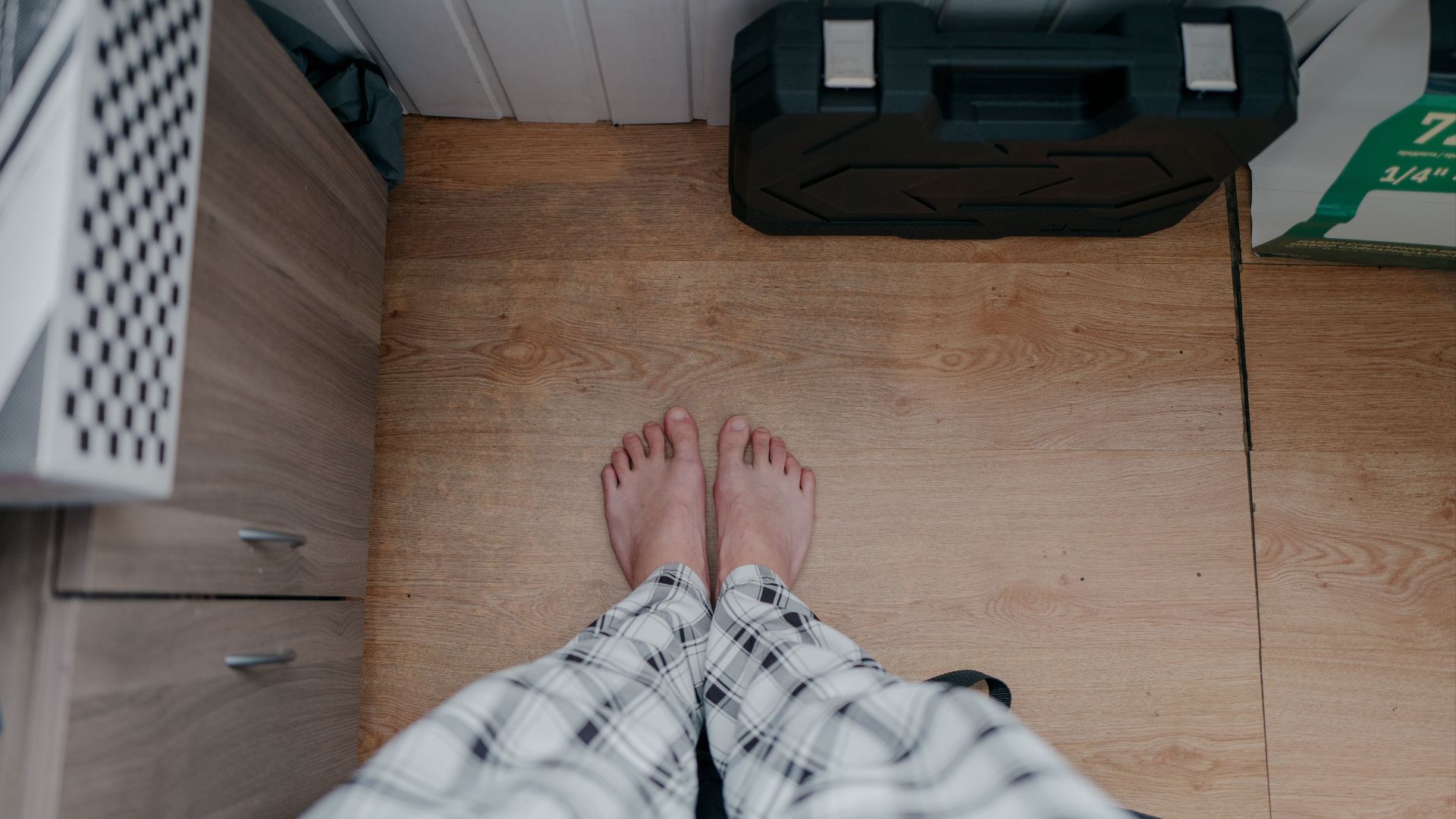
6. Feet Flat on the Floor
Uncross your legs and put both feet down. Press them into the ground for five seconds and pay attention to the pressure through your heels, then let the effort go while keeping the contact. It's a small, stupid-sounding move that pulls attention out of your head and into your body, and nobody at the table can tell you're doing it.
7. Name Five Things in the Room
Look around and silently count off five objects in view, then four things you can hear. Specific beats general, so the chipped paint on the window frame is worth more than the window, and the hum of the fridge beats a vague note about noise. The job is to make your attention work on something with no stake in the outcome, and the dullest objects around you do that best.

8. Say the Feeling Out Loud
Putting a name on a feeling takes the edge off in a way that thinking about it doesn't. Say the whole sentence, something like I'm nervous about the call at three, with the reason attached rather than the bare word nervous. Out loud beats in your head, even as a whisper in a stairwell or into the windshield of a parked car.

9. Look at Something Far Away
Stress narrows your focus to about eighteen inches, which is roughly the distance to a screen. Find a window and pick the furthest thing in sight, a roofline or a tree two blocks over, then stay on it for thirty seconds without hunting around. Letting the eyes go long tends to loosen the rest of you along with them.
 Dr. Gourab Debnath on Unsplash
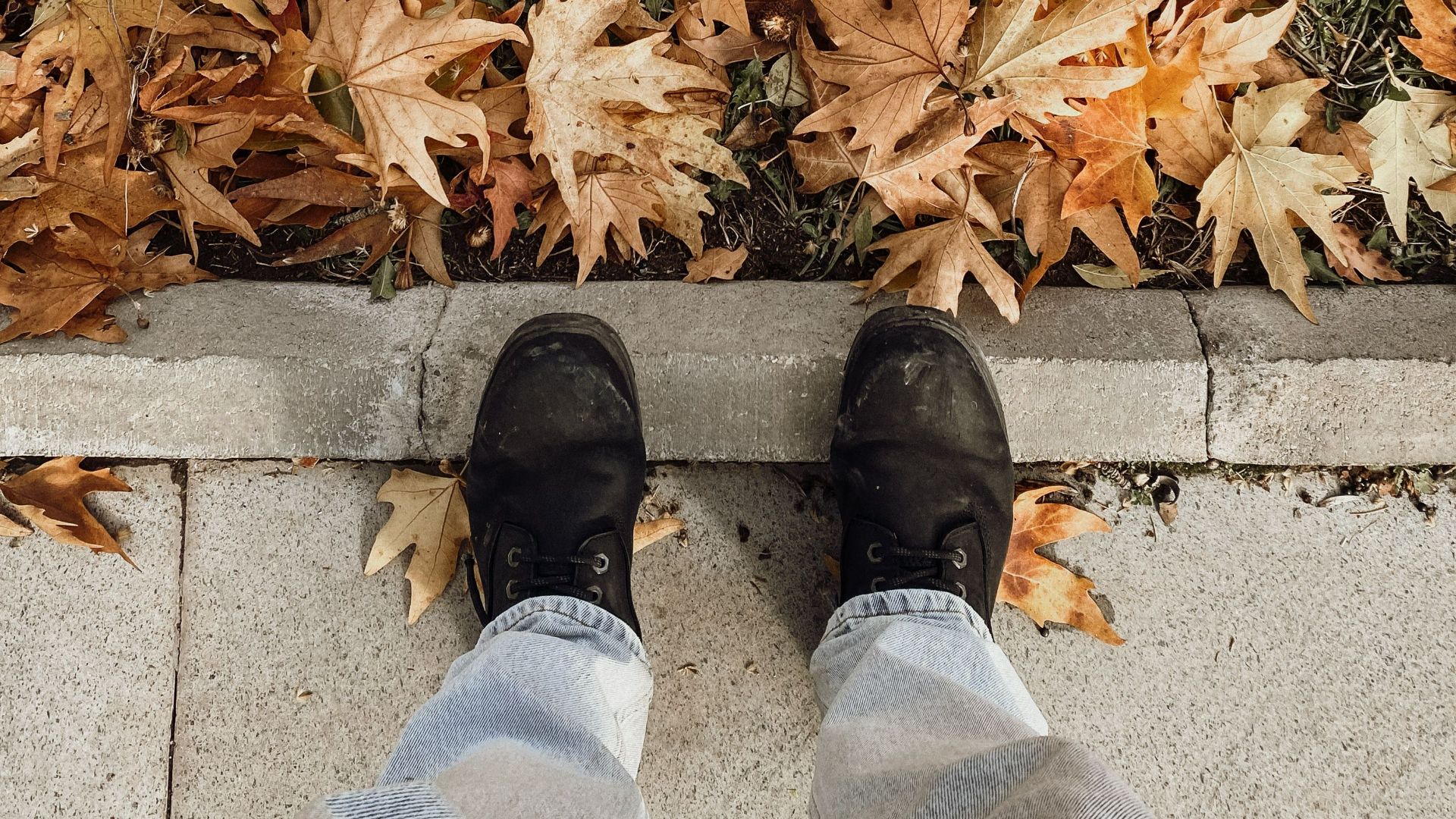
10. Step Outside
Ninety seconds of outside air does more than sitting with the feeling at your desk. The change in temperature and light handles some of the work on its own, and the walk to get there handles a little more. A fire escape or a parking lot counts, and so does a propped-open doorway if that's all the building gives you, since the change does the work and the view is incidental.
11. Hum
Pick a note and hold it as you breathe out, low and steady, for as long as the air lasts. Humming forces a long slow exhale without any counting, which makes it the easiest of these to do badly and still get something from. The buzz in your throat gives you something physical to track while it happens.

12. Stand Up
Sitting still while stressed traps the whole thing where it is. Standing changes your breathing mechanics and your view of the room at once. Thirty seconds of pacing is better than that, and a lap around the floor is better still.
 Sachith Ravishka Kodikara on Pexels
13. Push Against a Wall
A wall is the most available piece of equipment in any room. Push into it with both palms for ten seconds like you mean to move it, then stop and feel the drop through your arms, which is loaded-up muscle finally getting somewhere to put the energy.

14. Squeeze Your Fists and Let Go
Clench both hands hard for about five seconds, then release everything at once. The letting-go part is where the change happens, and it's far easier to feel than coaxing a hand that was already half tense into loosening. Work up through the forearms and shoulders if you have another minute, holding each one for a slow count before dropping it.

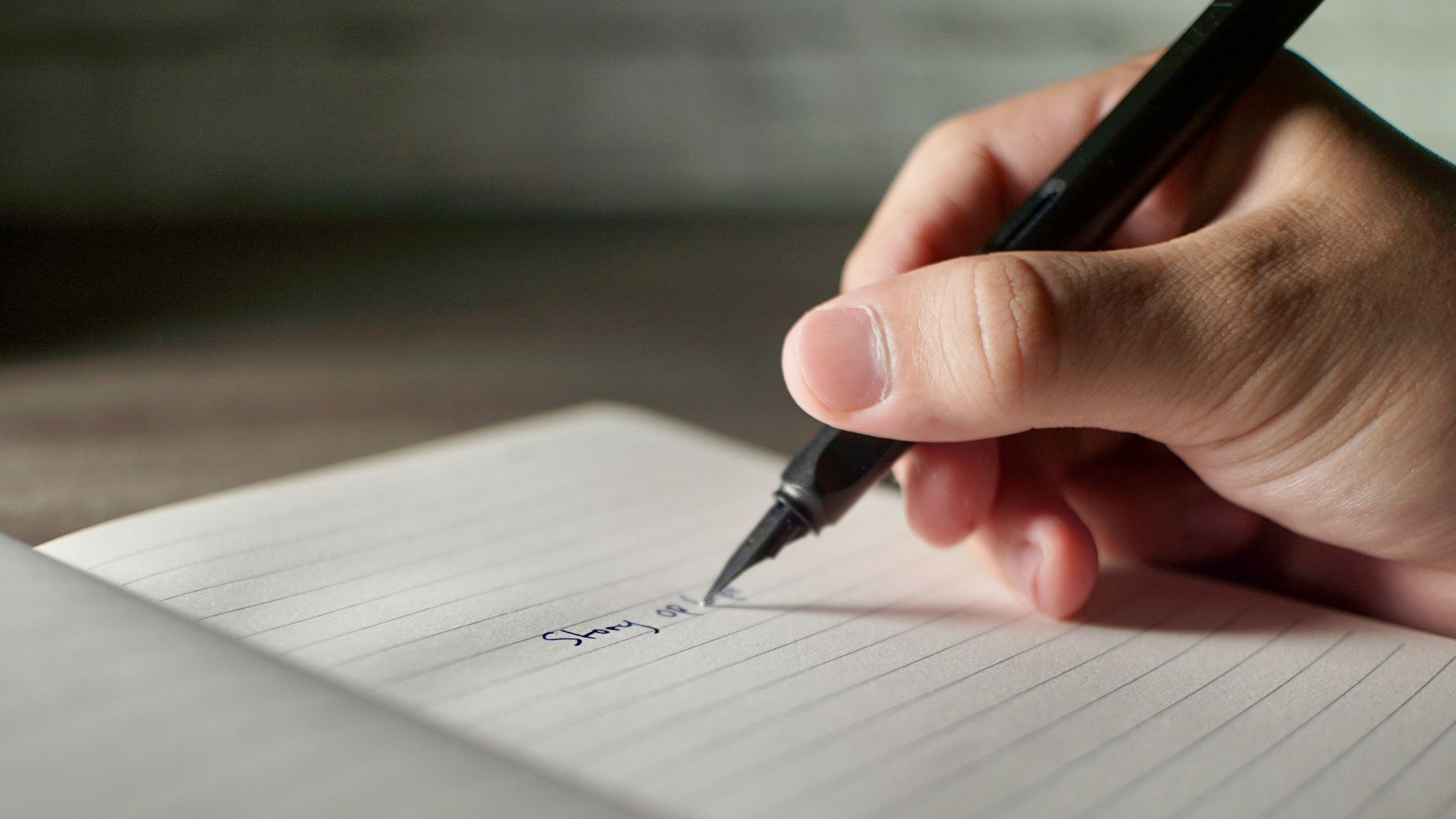
15. Write the Worry in One Sentence
A worry rattling around unspoken has no edges and can expand forever. Forcing it into one written sentence puts a wall around it, and most of the time the sentence looks smaller on paper than it felt in your skull. A phone note is fine, and so is the back of a receipt you throw away afterward without rereading.
16. Put the Phone in Another Room
Stress plus a phone turns into twenty minutes of scrolling that leaves you more wound up than before you picked it up. Physical distance works where willpower doesn't, so a drawer or a different room for ten minutes will break the loop. The urge to go get it is information too, since that's usually the stress looking for an exit.
17. Warm Water on Your Hands
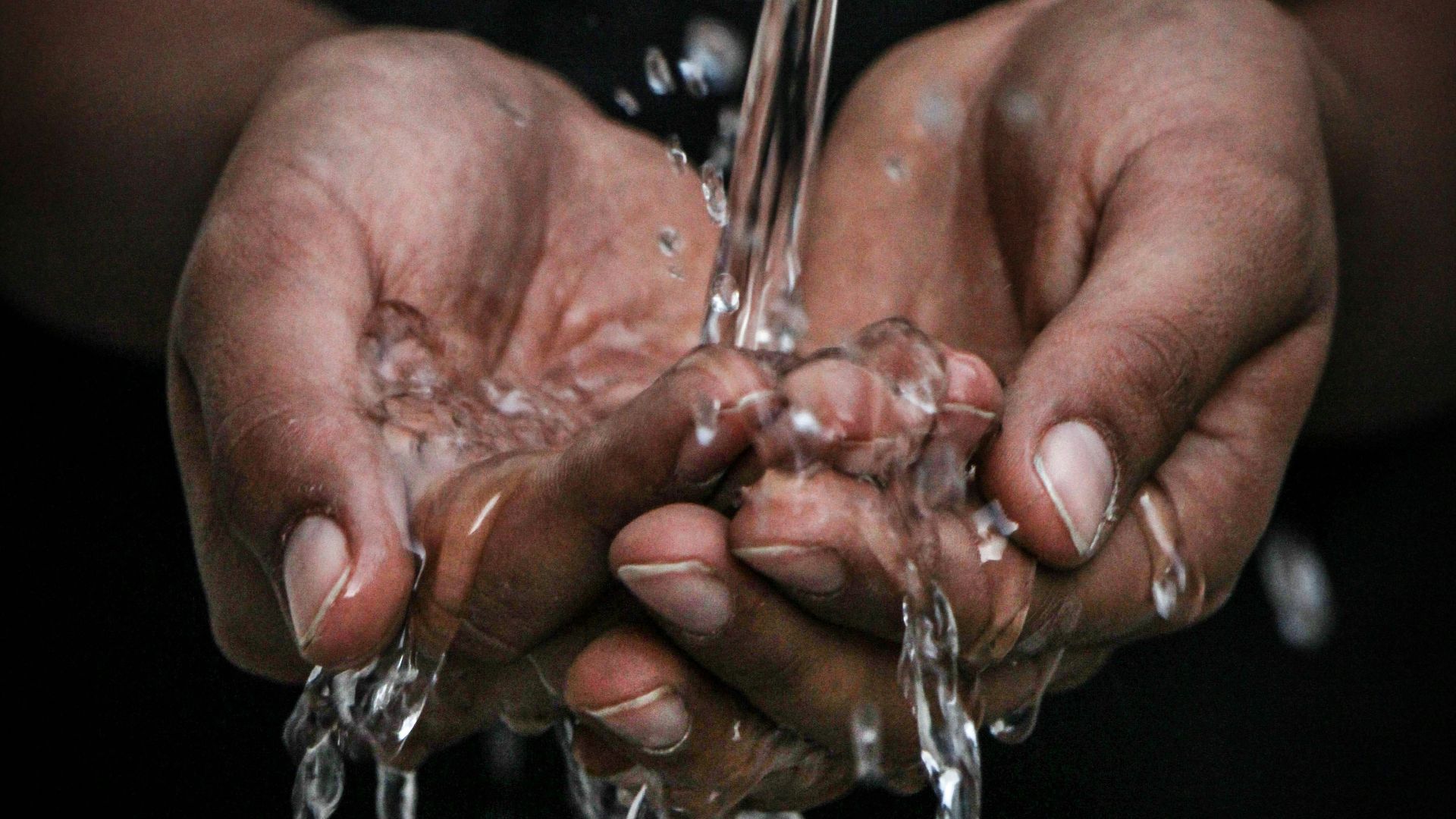
Run your hands under warm water for a minute and notice how it feels instead of rehearsing whatever you're dreading, which your brain will try to resume about twice during that minute. Washing your face does the same job, and the thirty seconds it takes is thirty seconds you aren't arguing with somebody in your imagination.
18. Finish One Small Task
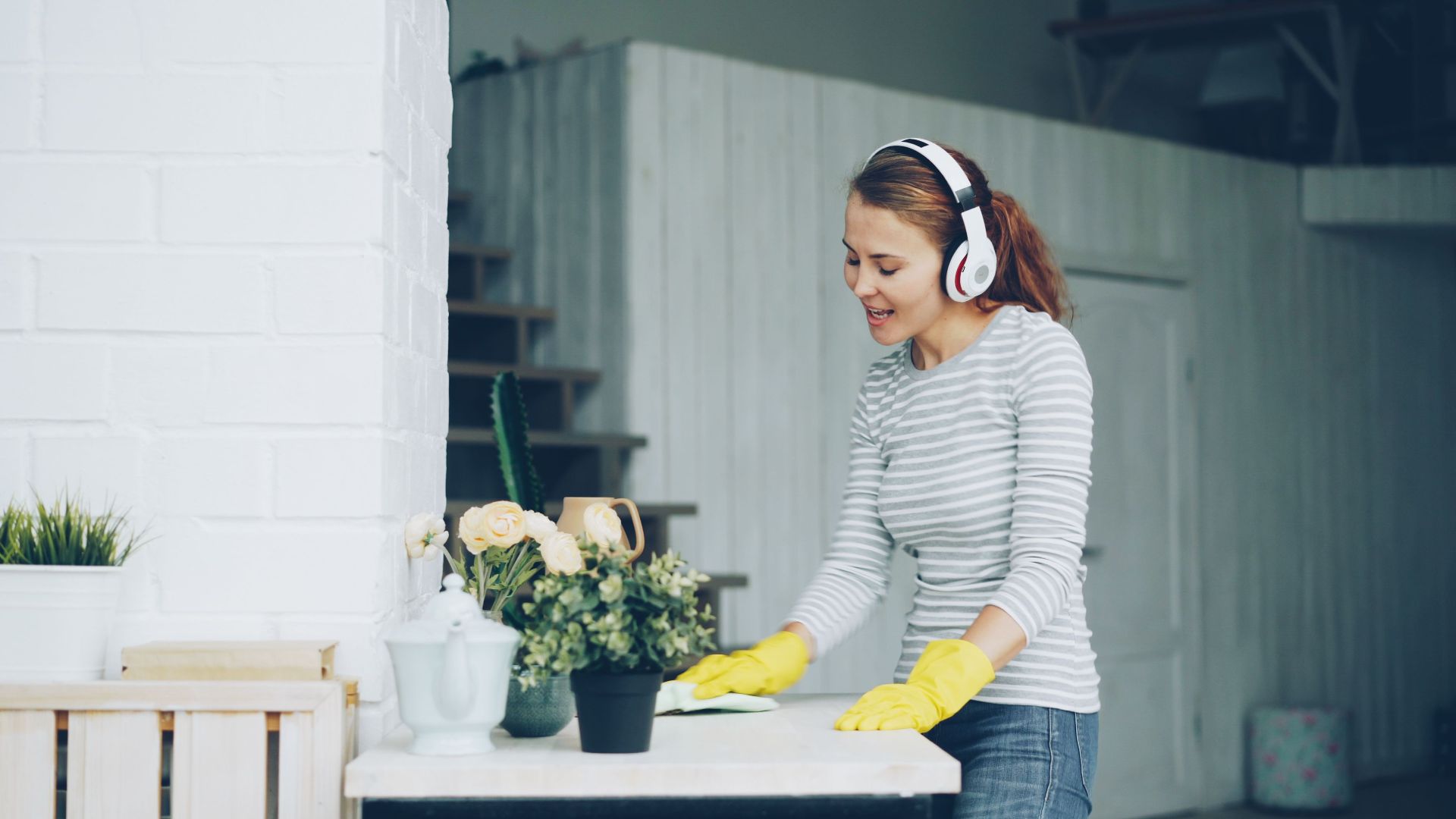
Stress feeds on a sense that nothing is under control. Washing the three dishes in the sink or making the bed argues with that directly, and the task has no need to relate to what's actually bothering you. Visible and finished is the whole requirement, which is why people clean kitchens before hard phone calls and sort junk drawers the week before a deadline.
19. Text One Person
Say the thing to somebody, one sentence letting another human know you're having a rough hour, with no backstory attached. The reply matters less than the sending, so it lands even with someone three time zones away and asleep.
 Priscilla Du Preez 🇨🇦 on Unsplash
20. Give Yourself a Ten-Minute Delay
Tell yourself you're allowed to panic about it in ten minutes, and set a timer. The brain tends to accept a postponement where it refuses a shutdown, and by the time the timer goes off the urgency has usually thinned into something ordinary. Reset it for another ten if it hasn't, since the second round often does what the first one didn't, and a third is allowed.

KEEP ON READING


20 Natural Ways You Can Boost Your Immune System
20 Ways To De-stress & Relax After Work

The 10 Most Common Diseases & The 10 Most Rare