

Retirement Can Change More Than Your Day-to-Day
Retirement comes with plenty of adjustments, and your eating habits might change more than you expected. Some people find themselves feeling hungry at unusual times, while others discover that their favorite meals don't hold the same appeal anymore. But why does that happen so often? And what exactly is causing the change, especially one you might not have been prepared to deal with? Well, here are 20 reasons your appetite might feel different after hanging up the briefcase.

1. You're No Longer Eating on a Schedule
For years, your lunch break probably determined when you ate, regardless of whether you were actually hungry. Retirement removes the goalposts, allowing you to have breakfast at 10 a.m. or wait until midafternoon for lunch. It might not seem like much, but when your body gets used to something, don’t expect it to change at the drop of a hat!

2. Your Coffee Habits Have Changed
Without an early commute, you might enjoy several cups of coffee while reading the newspaper instead of rushing out the door. Caffeine can temporarily suppress hunger, particularly when you drink it before breakfast. So, if you’re crushing a cup of joe every morning, you might not wash it down with eggs and toast.
 Gabriella Clare Marino on Unsplash
3. You're Burning Fewer Calories Throughout the Day
Leaving a physically demanding job can reduce the amount of energy your body uses. Even an office job requires you to get up and move sometimes. With fewer calories being burned, it's possible that your body simply doesn't demand as much food.

4. You Have More Opportunities to Exercise
Retirement finally gives some people enough time to attend fitness classes, swim regularly, or take long morning walks. As important as all that stuff is, don’t forget that increased physical activity can influence hunger. Sooner or later, you might look forward to a big lunch after an hour in the pool—not small meals throughout the day.
 Centre for Ageing Better on Unsplash
5. Your Sense of Smell Isn't as Strong
Like so many things as we age, your ability to detect aromas can decline in your golden years, too. That makes familiar dishes seem less enticing. If you can't appreciate the smell of freshly baked bread or roasted chicken quite as easily, your stomach might not get too excited at the thought of chowing down anymore.
 Mehmet Turgut Kirkgoz on Pexels
6. Different Hunger Signals
As people age, changes in hormones involved in hunger and fullness can affect how much they want to eat. You may begin feeling satisfied after a smaller serving of pasta, even though you didn’t make a conscious effort to reduce your portions. These changes aren't necessarily retirement’s fault, but they do become more noticeable during your golden years.

7. You're Spending More Time Eating Alone
Retirement can reduce the number of shared meals you enjoy, and that hits even closer to home if you used to eat with colleagues. A little conversation goes a long way, and without it, preparing a complete dinner might feel less appealing when there's nobody around to share it with.

8. Your Medication Has Changed
Certain prescription medications can affect appetite, whether we like it or not. It’s all relative, too, so you can experience anything from nausea, dry mouth, or changes in taste. Just keep in mind that if your prescriptions have changed around retirement, it's worth discussing any noticeable eating changes with your doctor.

9. You're Finally Getting More Sleep
It’s your retirement, and that means no more alarm clocks for you! However, as beneficial as a good night’s sleep is, all those Zs influence hormones involved in appetite regulation, which means improvements in your sleeping habits can also affect your hunger. If you used to burn the midnight oil, expect fewer late-night cravings with proper sleep hygiene.

10. A Changing Digestive System
Digestion can become slower with age, sometimes causing food to remain in the stomach longer than it once did. Consequently, a hearty breakfast of eggs, toast, and fruit might keep you satisfied well into the afternoon. Persistent discomfort deserves medical attention rather than being dismissed as a normal part of getting older.

11. You're Cooking More From Scratch
Once you're no longer balancing dinner preparation with a full workday, experimenting in the kitchen gets a lot easier. Now you have the time on your hands to cook with fresh vegetables, beans, whole grains, and protein, all of which can change how satisfied you feel compared with your previous convenience-food routine.

12. Your Dental Health Affects Your Choices
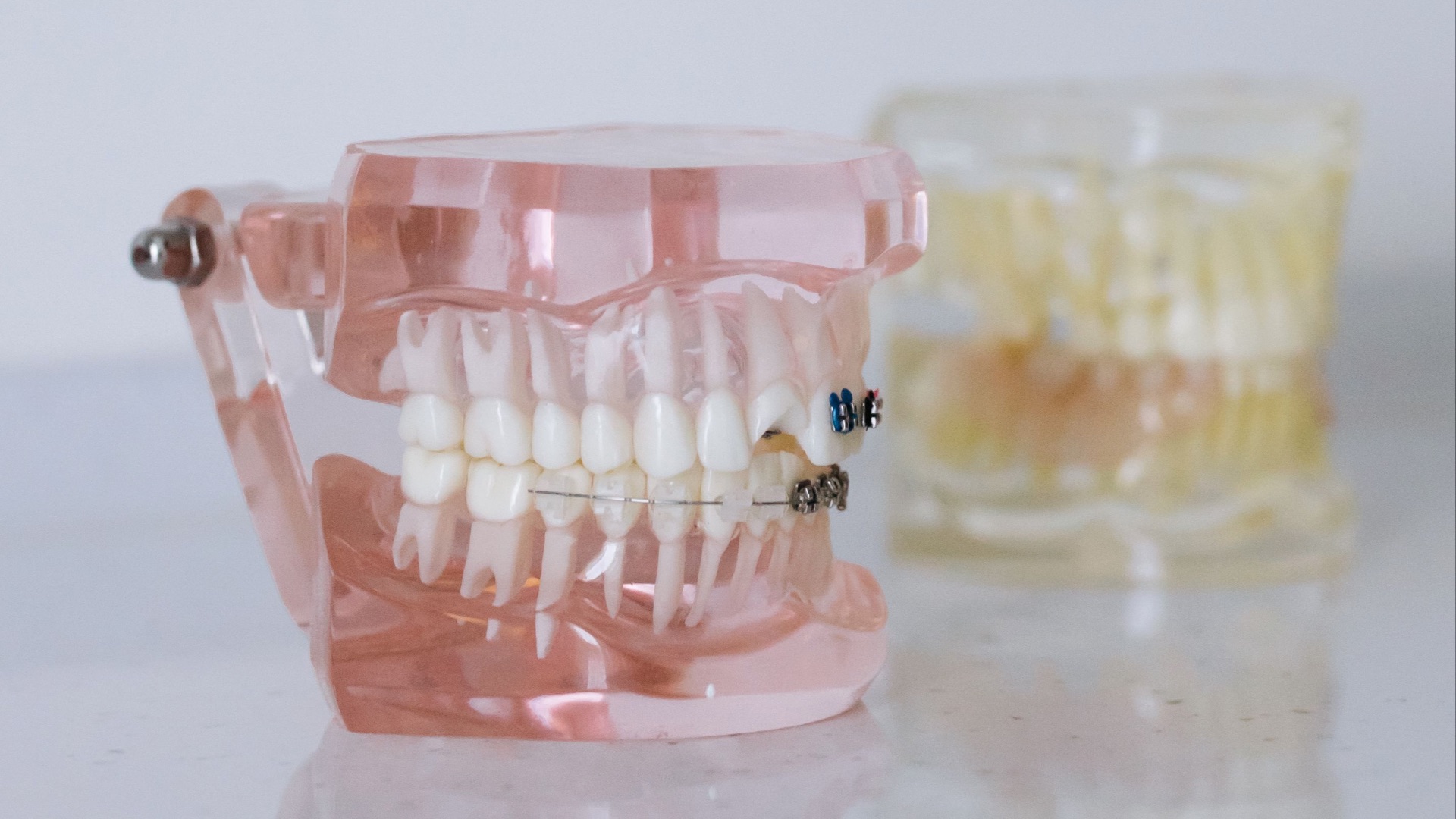
It sure seems like everything falls apart as we age, and our teeth often take the biggest hit! Sensitive chompers, uncomfortable dentures, and gum problems can make certain foods difficult to get through. When chewing becomes uncomfortable, even a healthy appetite can suffer.
13. You're Adjusting to a Smaller Budget
Living on a fixed income can influence both the foods you purchase and how often you actually buy them. Someone who’s penny-pinching will likely skip expensive ingredients, purchase fewer fresh products, or stretch leftovers across several days. We all know that financial pressure can stress you out, which doesn’t help with appetite, either.

14. You're Drinking More Water
Being home more often can make it easier to remember your water bottle and stay hydrated. Drinking a large glass of water shortly before eating may temporarily increase fullness, so if you've recently become more conscious of hydration, you might eat slightly smaller portions.

15. Your Stress Has Finally Dropped
We’ve talked a bit about stress during retirement, but for many people, their biggest problems are gone now that they’re off the clock. As we mentioned, because stress affects appetite, retirement can just as easily lead to increased hunger. Someone who regularly skipped lunch during stressful shifts may suddenly discover that midday meals are enjoyable again.

16. You're Eating Out More Frequently
For some retirees, having a flexible schedule means more restaurant lunches, coffee dates, and leisurely brunches. That’s good for your social battery, but isn’t the best for your stomach! After a substantial breakfast at your favorite diner, you might have little interest in eating again until dinner.

17. You're Dealing With More Constipation
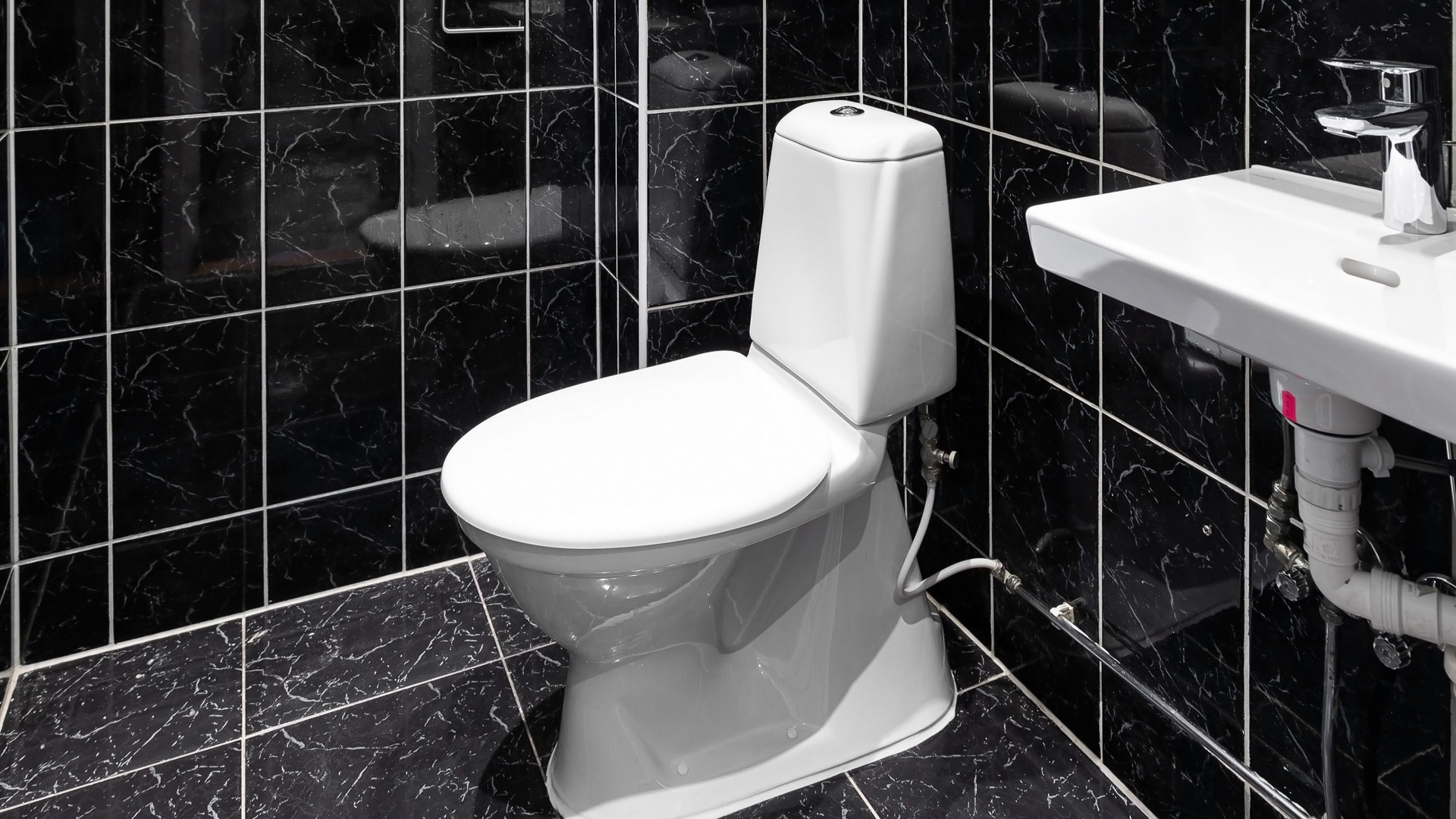
It can be a touchy subject, but constipation becomes more common with age. Don’t get too embarrassed! The change can be influenced by medications, dehydration, and reduced physical activity, and it happens to the best of us. When your digestive system isn't functioning comfortably, abdominal fullness and bloating may interfere with your desire to eat.
18. You're Traveling More Often
Retirement gives you a golden opportunity for vacations that once required careful planning around PTO. But between crossing time zones and eating unfamiliar foods, the disruptions can temporarily interfere with your usual hunger patterns. Even a weeklong cruise with elaborate breakfasts and late dinners might leave you eating differently once you're back home.

19. A New Health Condition
Diabetes, thyroid disorders, certain digestive illnesses—these all affect appetite in different ways. Any change is always worth mentioning to your doctor, especially since unexplained appetite changes can sometimes indicate an underlying medical problem. They shouldn't automatically be attributed to getting older.

20. You're Developing a Different Relationship With Food
After decades of rushed breakfasts, retirement may allow you to pay closer attention to your habits. Now that you don’t need to wolf down your lunch, what do you actually enjoy eating? How much of it can you ingest without heartburn? There's nothing wrong with reassessing your routine!