
10 Parts of Your Body That Regenerate Remarkably Well & 10 That Barely Regenerate at All
10 Parts of Your Body That Regenerate Remarkably Well & 10 That Barely Regenerate at All
What Rebuilds And What Runs Out
Your body keeps wildly different schedules depending on the tissue. Some parts rebuild themselves while you sleep. Others finished construction before you were born and have been wearing down ever since. Whether a tissue kept any stem cells around is most of the explanation. Here are 10 parts of you that regenerate remarkably well, and 10 that barely manage at all.

1. The Liver
Surgeons can remove up to 60% of a living donor's liver and both halves grow back. Full volume returns in roughly two to three months, and the organ can rebuild itself from as little as a quarter of its original tissue. What comes back is mass rather than the original shape.

2. The Lining Of Your Small Intestine
Gut lining cells live three or four days. Your intestinal epithelium is the second-busiest tissue in the body by daily output, behind only blood, and it has to be, given what passes through.
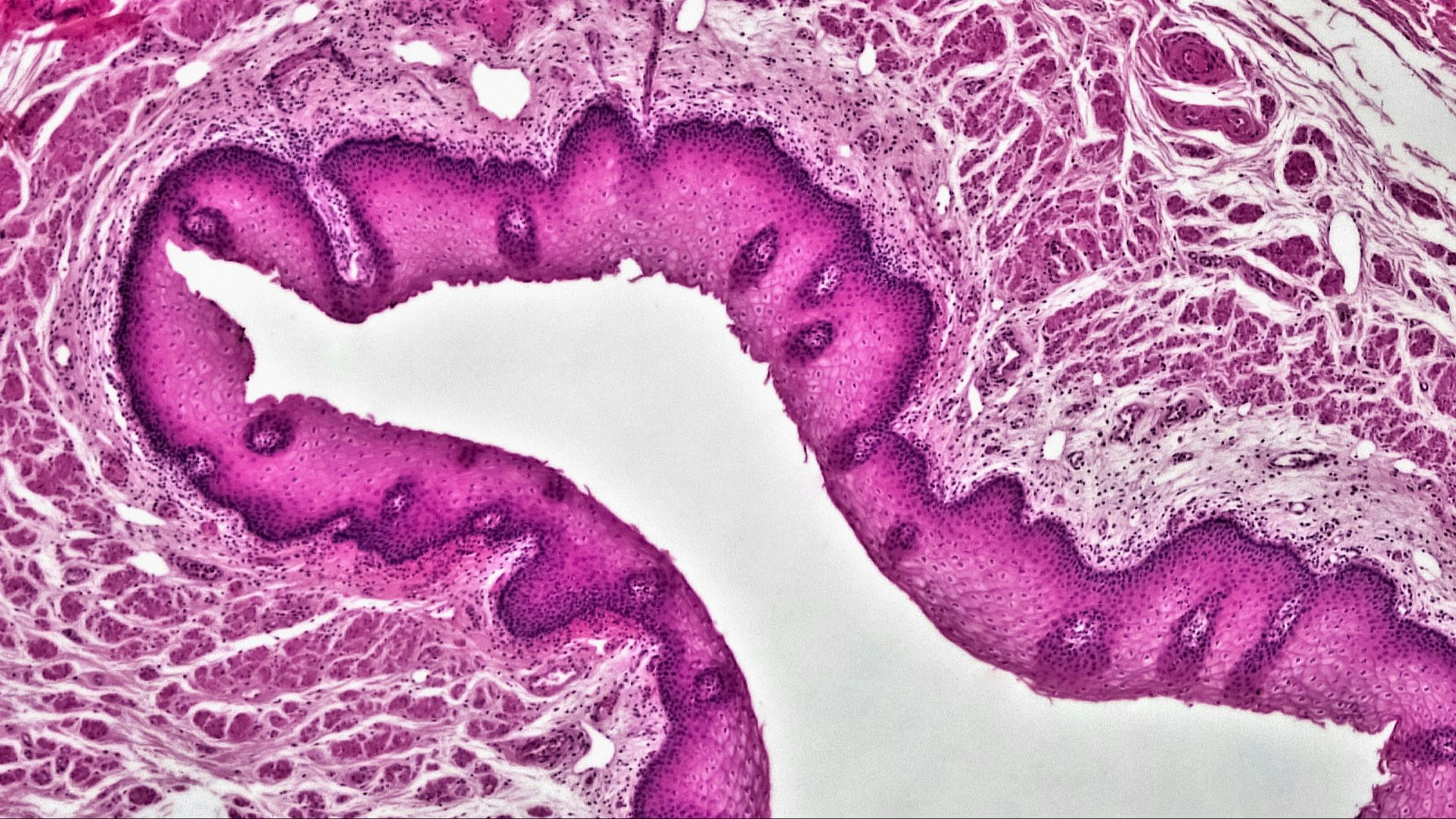 Bioscience Image Library by Fayette Reynolds on Unsplash
3. Your Stomach Lining
Stomach epithelium replaces itself every two to nine days. It sits in acid strong enough to strip metal, and nothing built to last would survive there anyway.

4. Your Blood
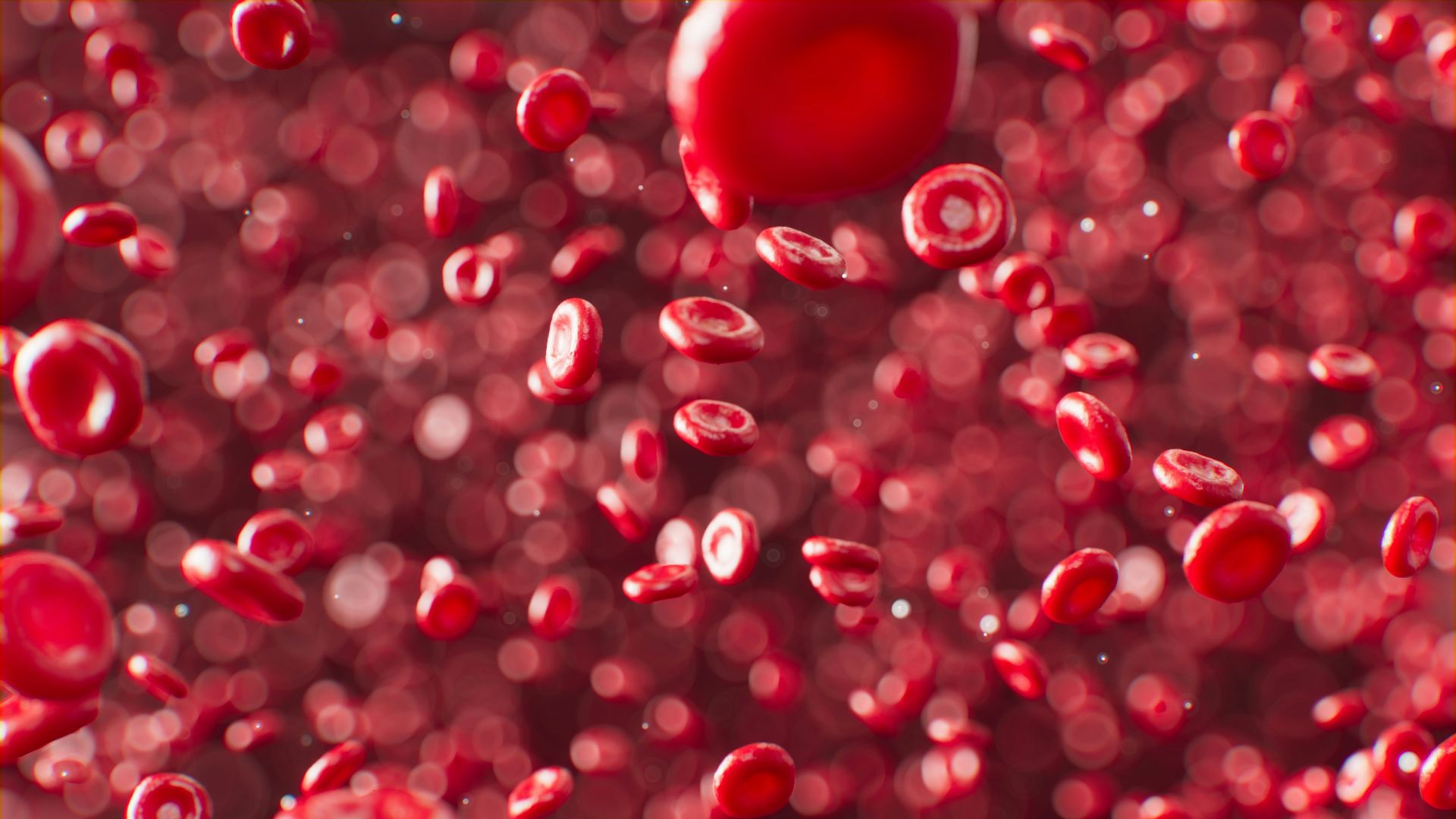
Bone marrow turns out roughly two million red blood cells every second. Each one lasts about 120 days before the spleen takes it apart. Of the 330 billion or so cells your body replaces daily, the overwhelming majority are red cells.
5. Your Skin
The epidermis renews itself in something like 40 days, going by radiolabeling studies rather than the 28-day figure that circulates in skincare copy. Dead cells push upward, flake off, and get replaced from the basal layer underneath.

6. Peripheral Nerves
Cut a nerve in your arm and the axons will grow back, guided by Schwann cells, at roughly a millimeter a day. That works out to about an inch a month. A long injury can take a year or more, and recovery is often incomplete.

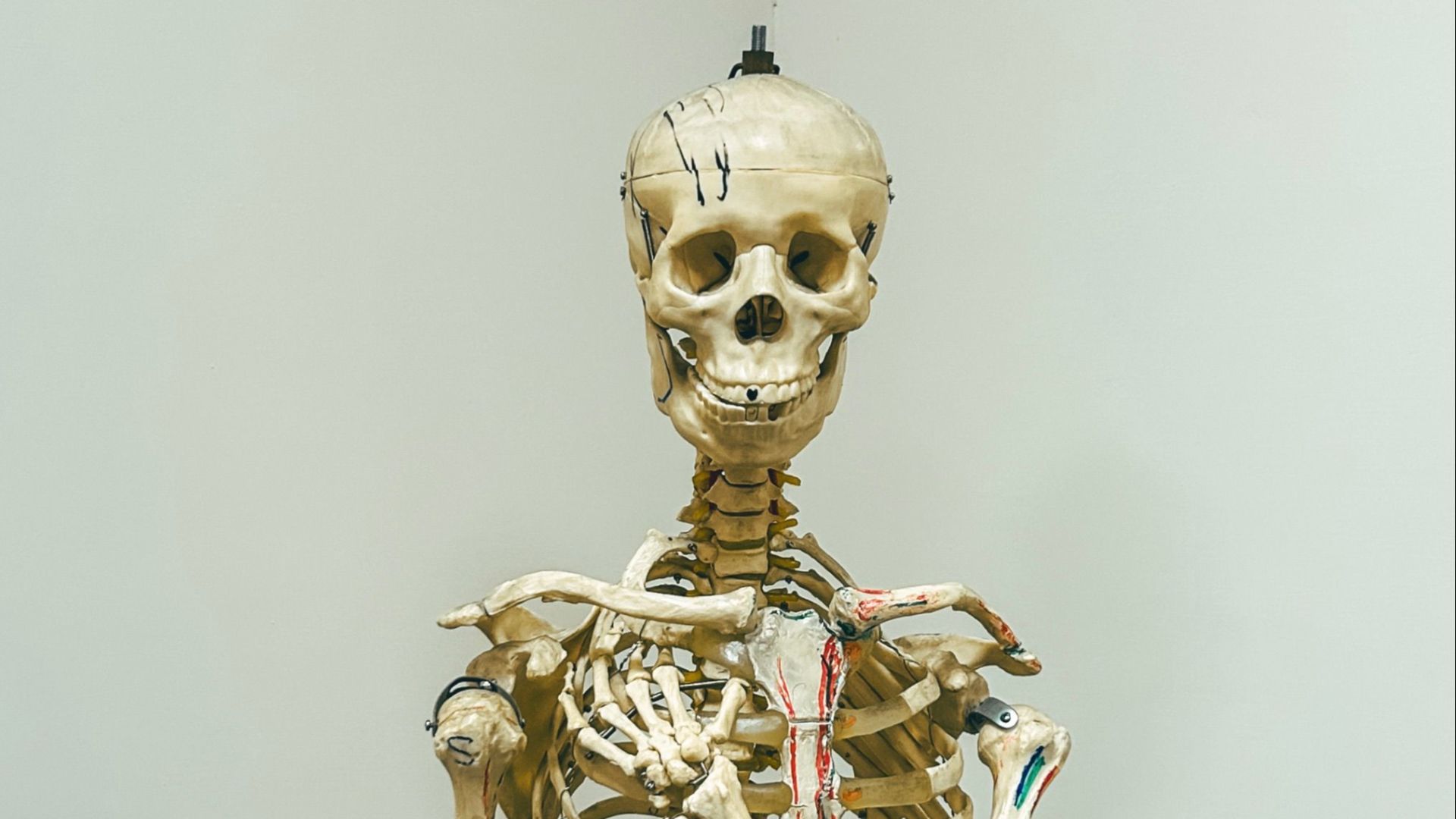
7. Your Bones
Your bones are constantly being rebuilt, with some cells breaking down old bone while others replace it. Even a broken bone can heal by growing new bone rather than leaving behind scar tissue. Very few parts of the body can repair themselves quite like that.
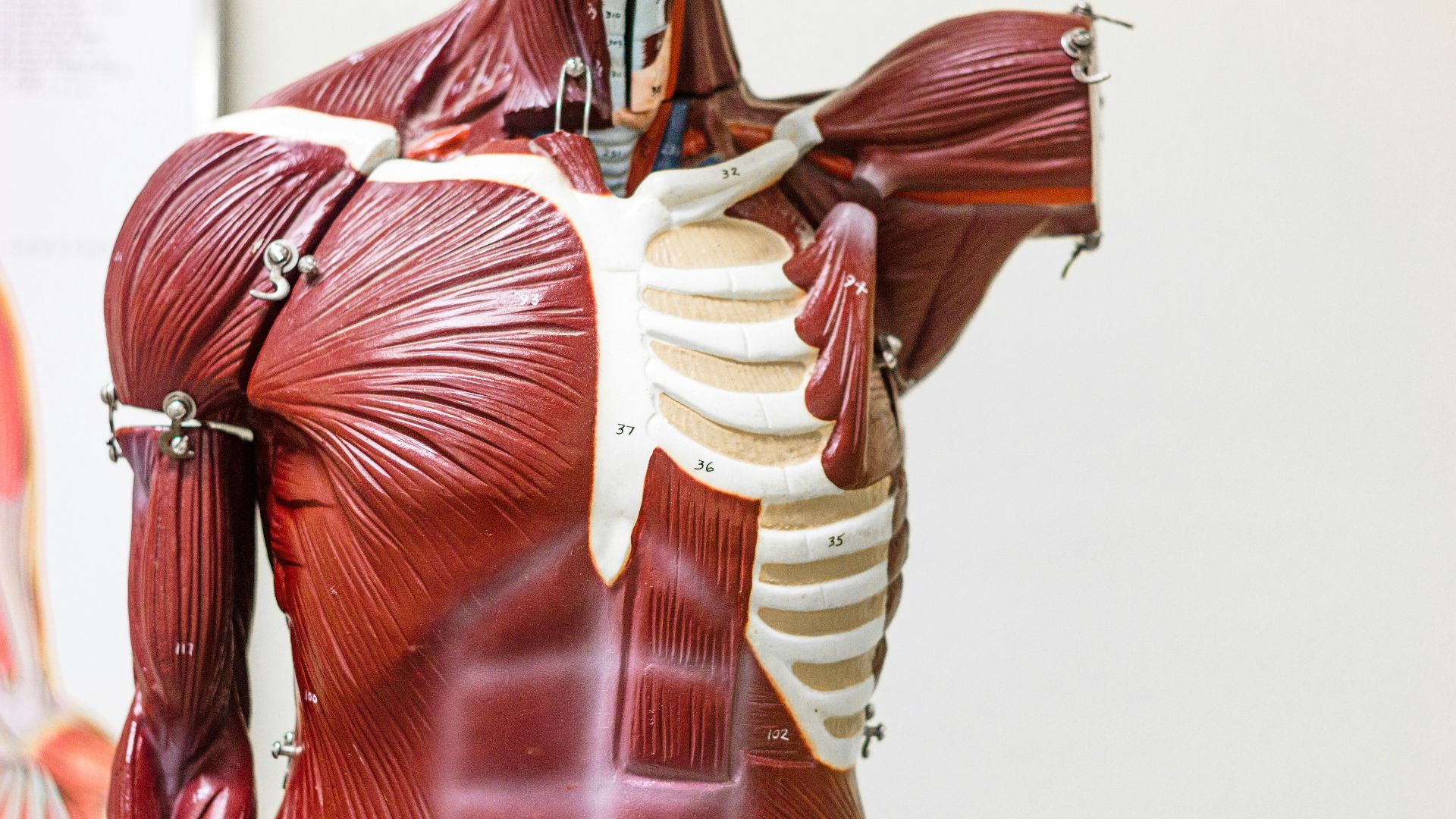
8. Skeletal Muscle
Muscle keeps a reserve of satellite cells parked against the fibers, dormant until something tears. They wake up and fuse into the damaged fiber. This is also roughly what happens when you lift weights.
9. The Uterine Lining
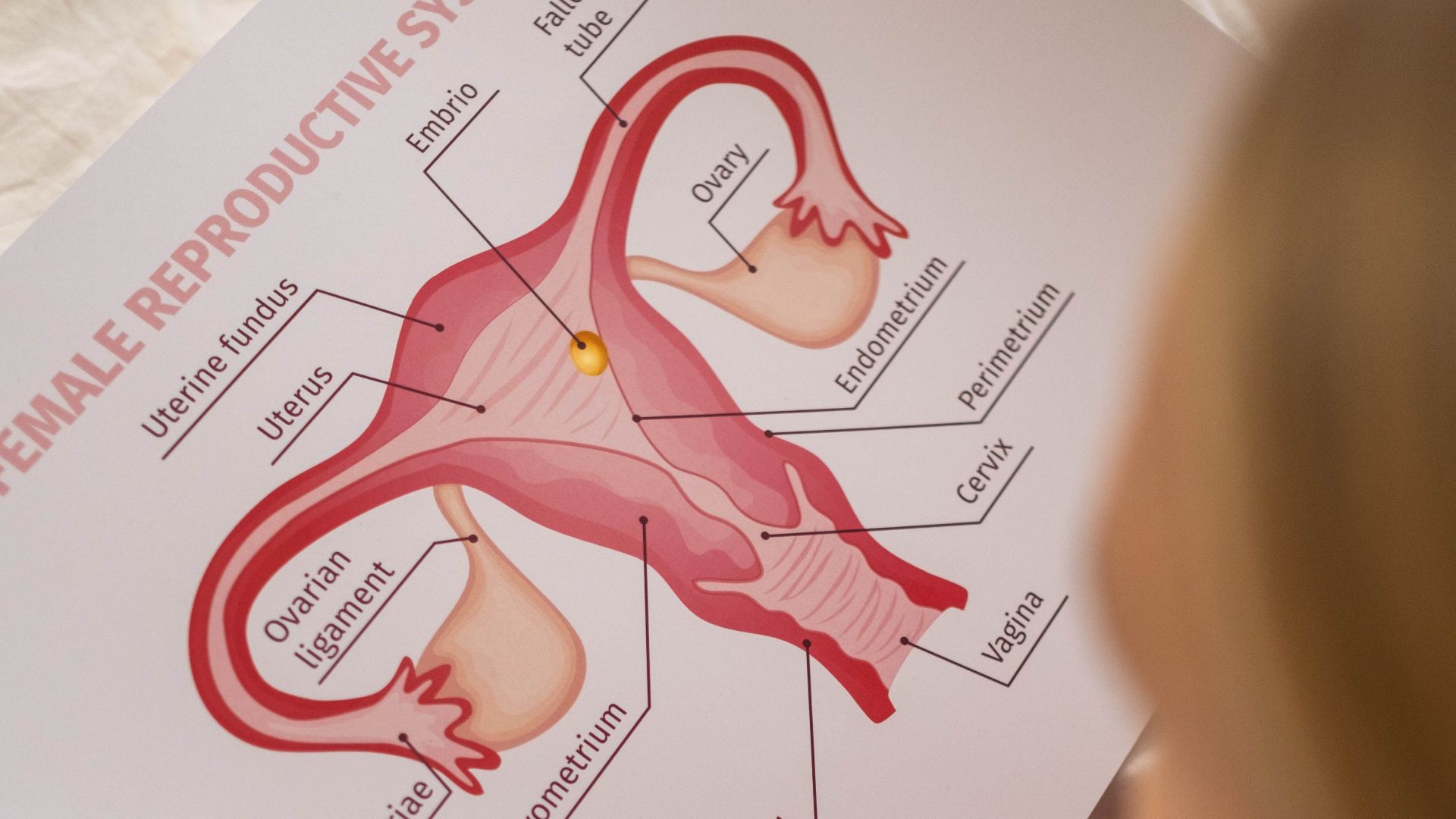
The endometrium rebuilds itself from scratch every month for several decades. It manages this without accumulating scar tissue, year after year.
10. Hair And Nails
Hair follicles and nail beds run on dedicated stem cell populations that never really switch off. Nails grow slowly and relentlessly. Hair works in cycles, so it sheds in batches instead of all at once.
Now, here's 10 that barely manage at all.

1. Heart Muscle
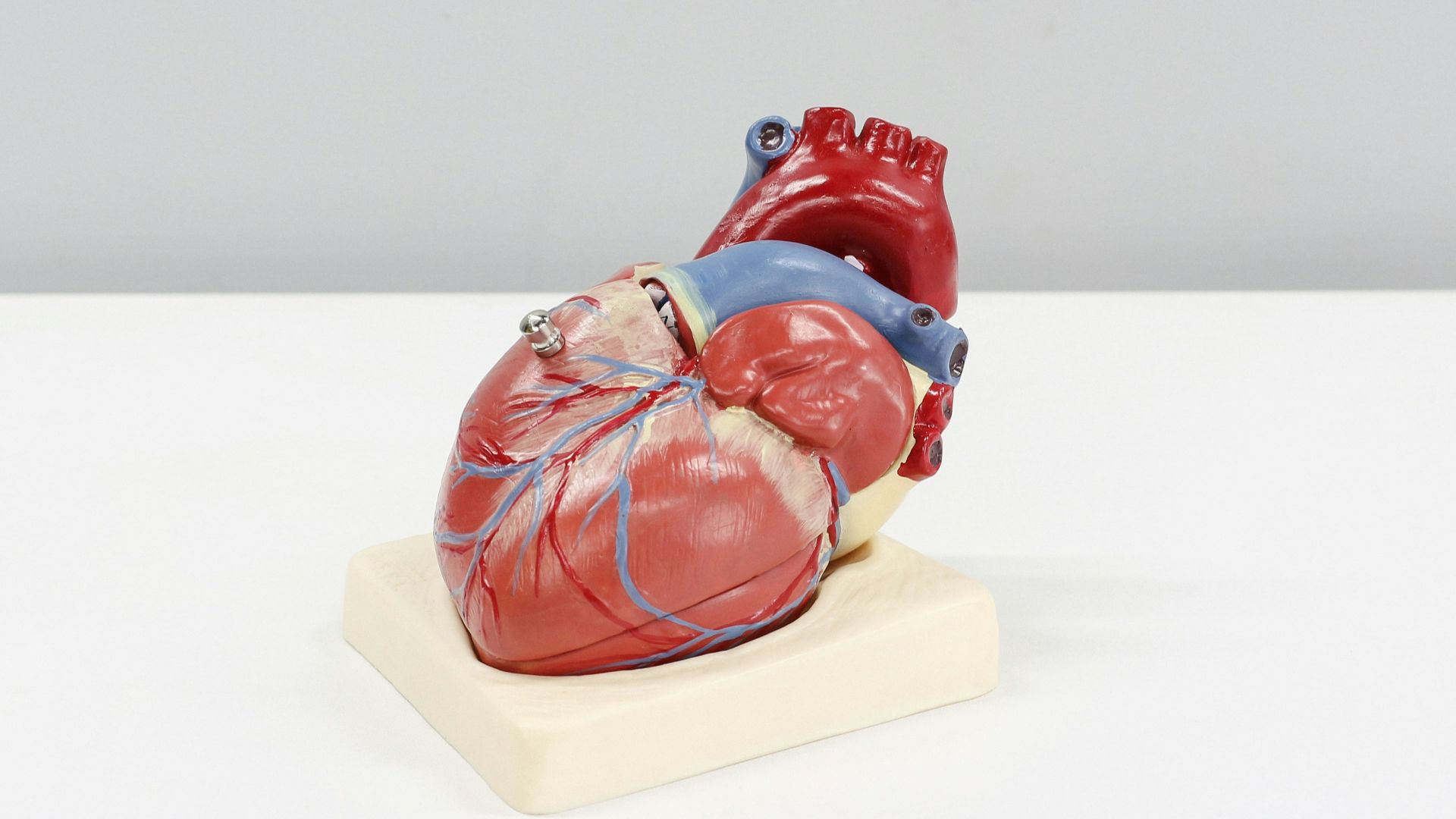
Carbon-14 left in the atmosphere by Cold War bomb tests let researchers date heart cells directly. At 25 you replace about 1% of your cardiomyocytes a year, and by 75 it's closer to half a percent. Fewer than half the muscle cells in your heart get exchanged across an entire life.
2. Brain Neurons
Most of the neurons in your brain are the ones you started with. The hippocampus is the famous exception, and it has been argued about for thirty years, with work in 2018 reporting that adult neurogenesis drops to undetectable levels and more recent studies finding proliferating progenitors after all. The current read is that it happens, at low levels, and varies a great deal between people.
3. The Spinal Cord And Optic Nerve
Central nervous system axons don't do what peripheral ones do. A severed sciatic nerve can regrow at a millimeter a day, and a severed spinal cord regrows essentially not at all. The optic nerve is central tissue too, which is why glaucoma damage is permanent.
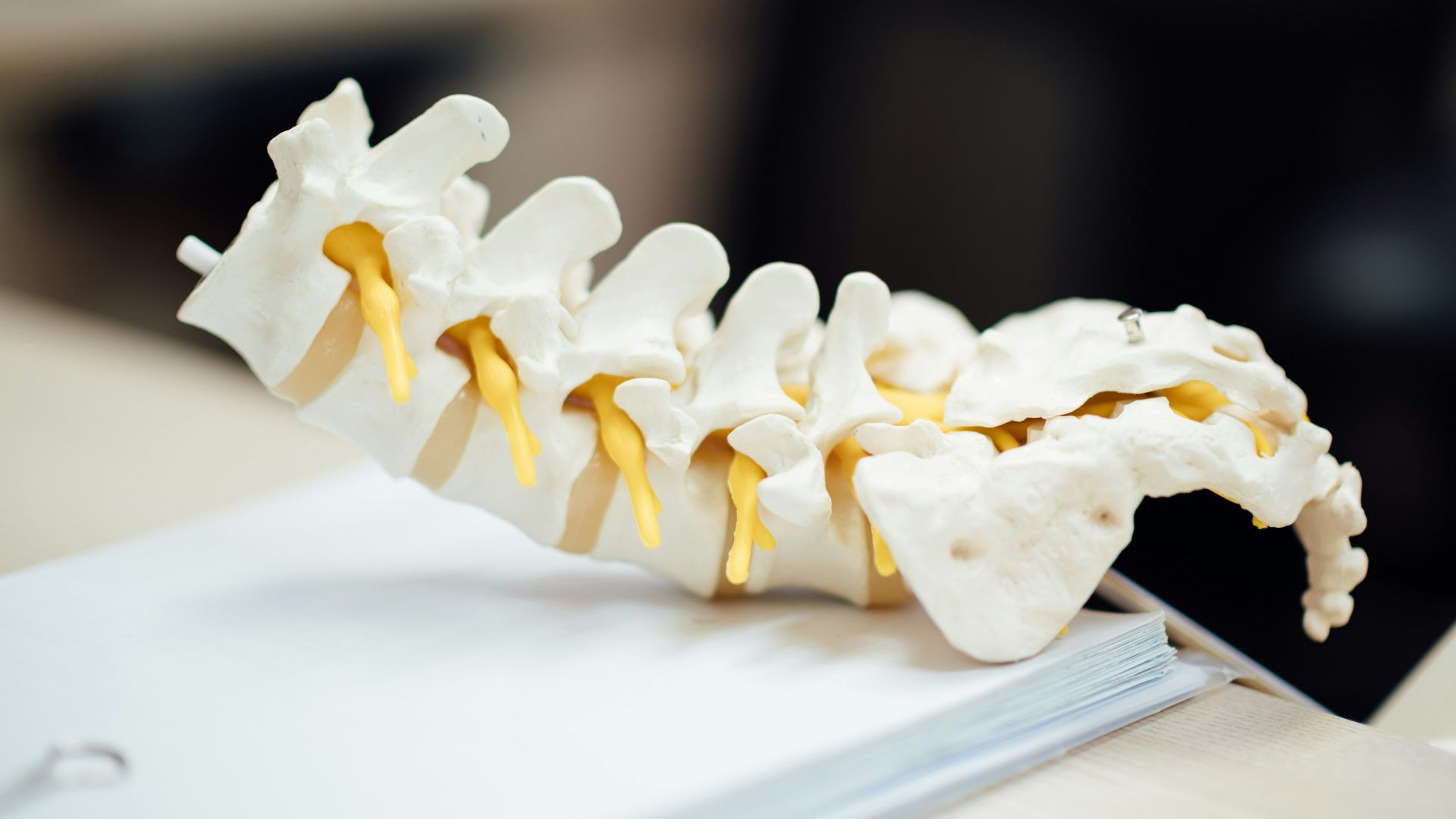
4. Articular Cartilage
The cartilage capping your joints has no blood supply and no perichondrium to regenerate from. Damage there stays damaged. Everything medicine offers for a cartilage defect is a substitute for the real tissue.
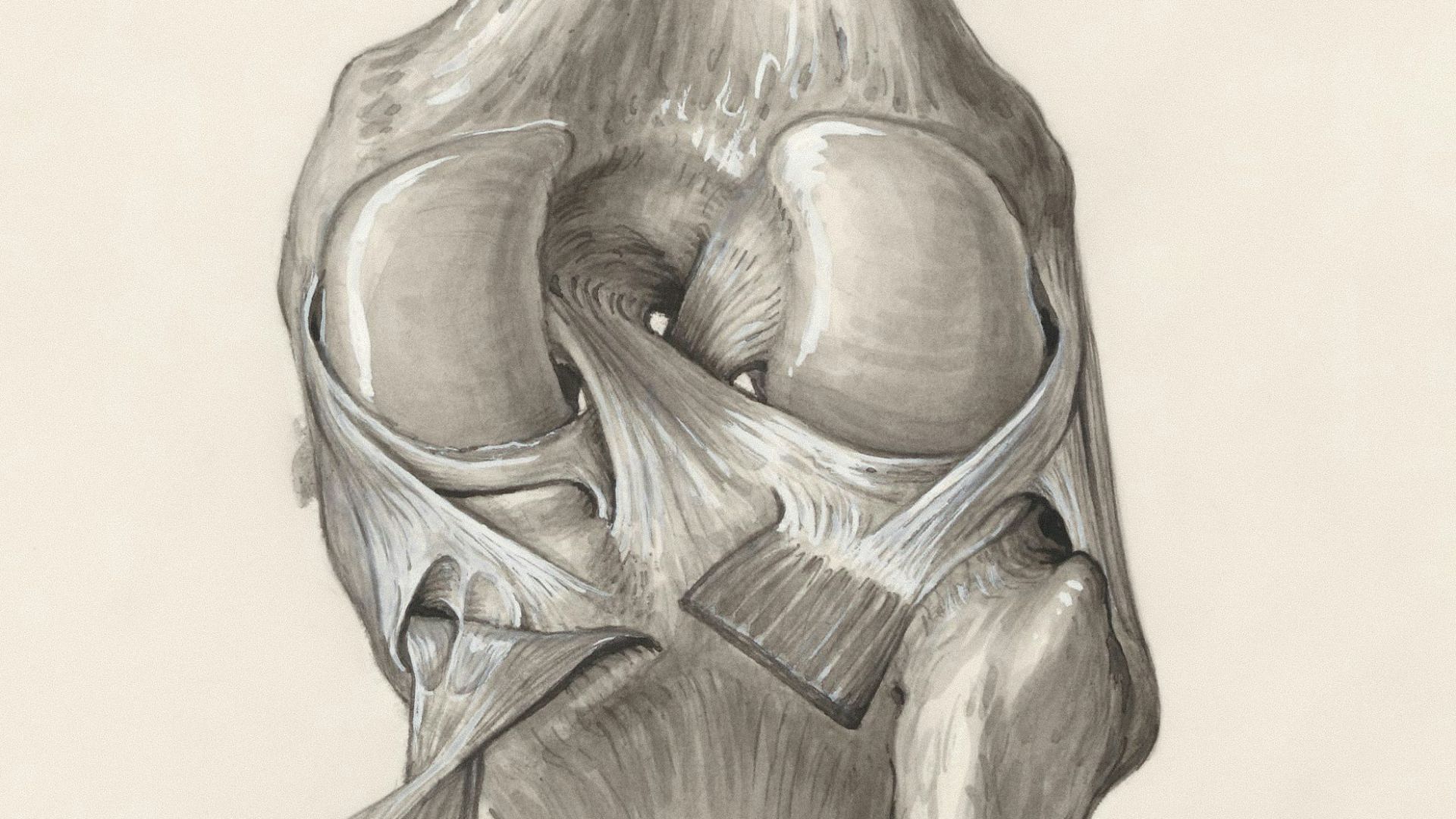
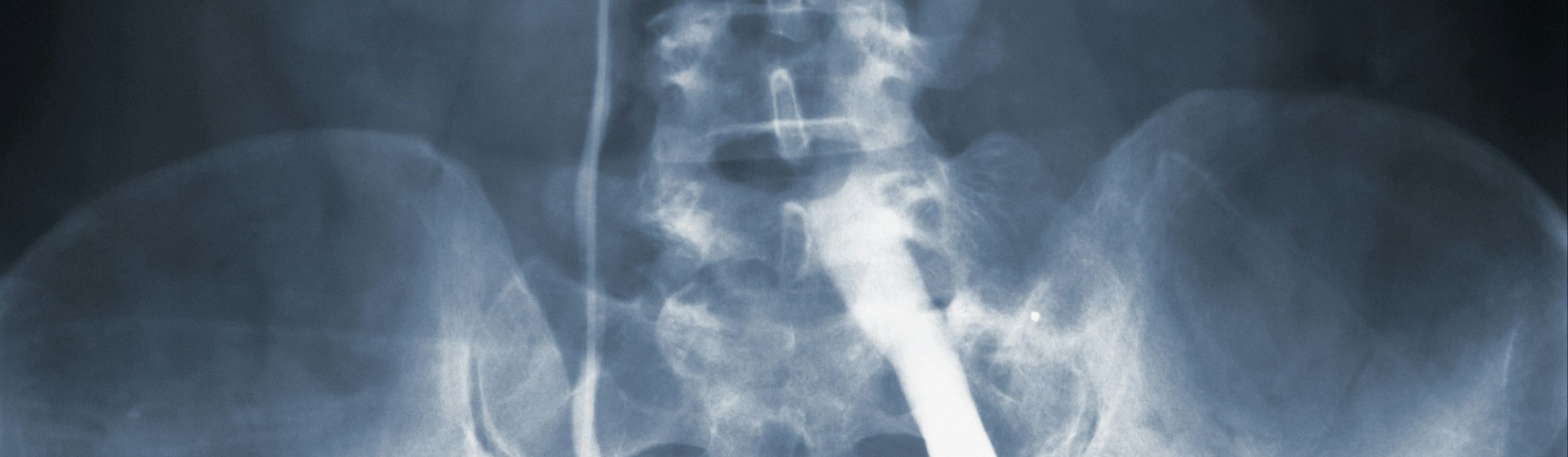
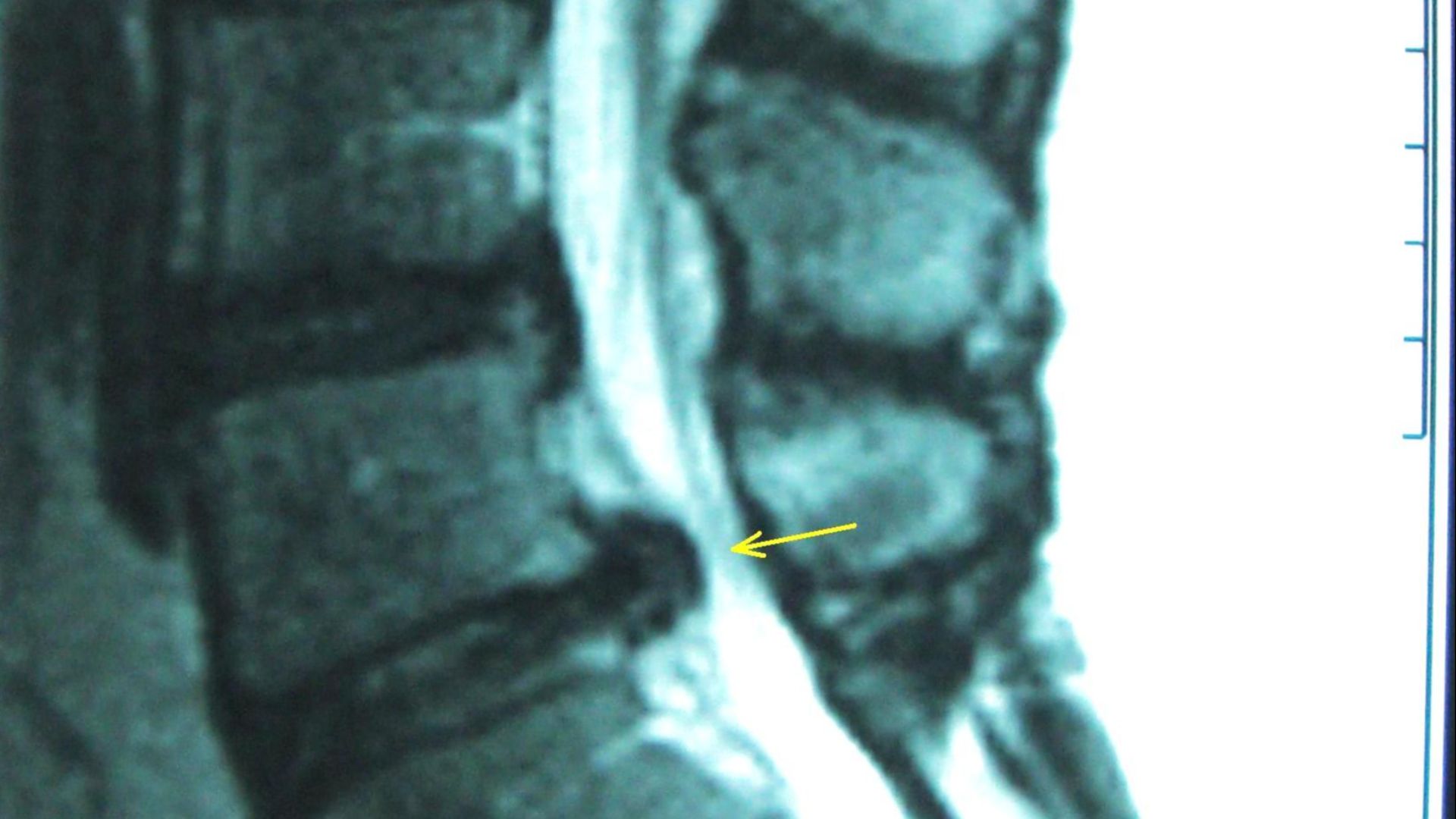
5. Your Knee Menisci And Spinal Discs
Fibrocartilage sits in the same position as the articular kind, lacking the perichondrium that lets other cartilage rebuild. Tear a meniscus and surgeons usually trim it rather than repair it. Discs degenerate on a one-way schedule.
 Φωτογραφία Δρ. Χαράλαμπος Γκούβας (Dr. Harry Gouvas, Harrygouvas) on Wikimedia
6. Tooth Enamel
Enamel is 96% mineral and contains no living cells at all. The ameloblasts that built it die when the tooth comes through the gum and are never replaced. Fluoride can remineralize a weak spot and the dentin underneath can patch small damage, though a chipped tooth stays chipped.
 Kamal Hoseinianzade on Unsplash
7. Inner Ear Hair Cells
Birds and fish regrow the hair cells that detect sound. Mammals don't, and that single fact accounts for most permanent hearing loss in humans. Noise damage accumulates for this reason.

8. Kidney Nephrons
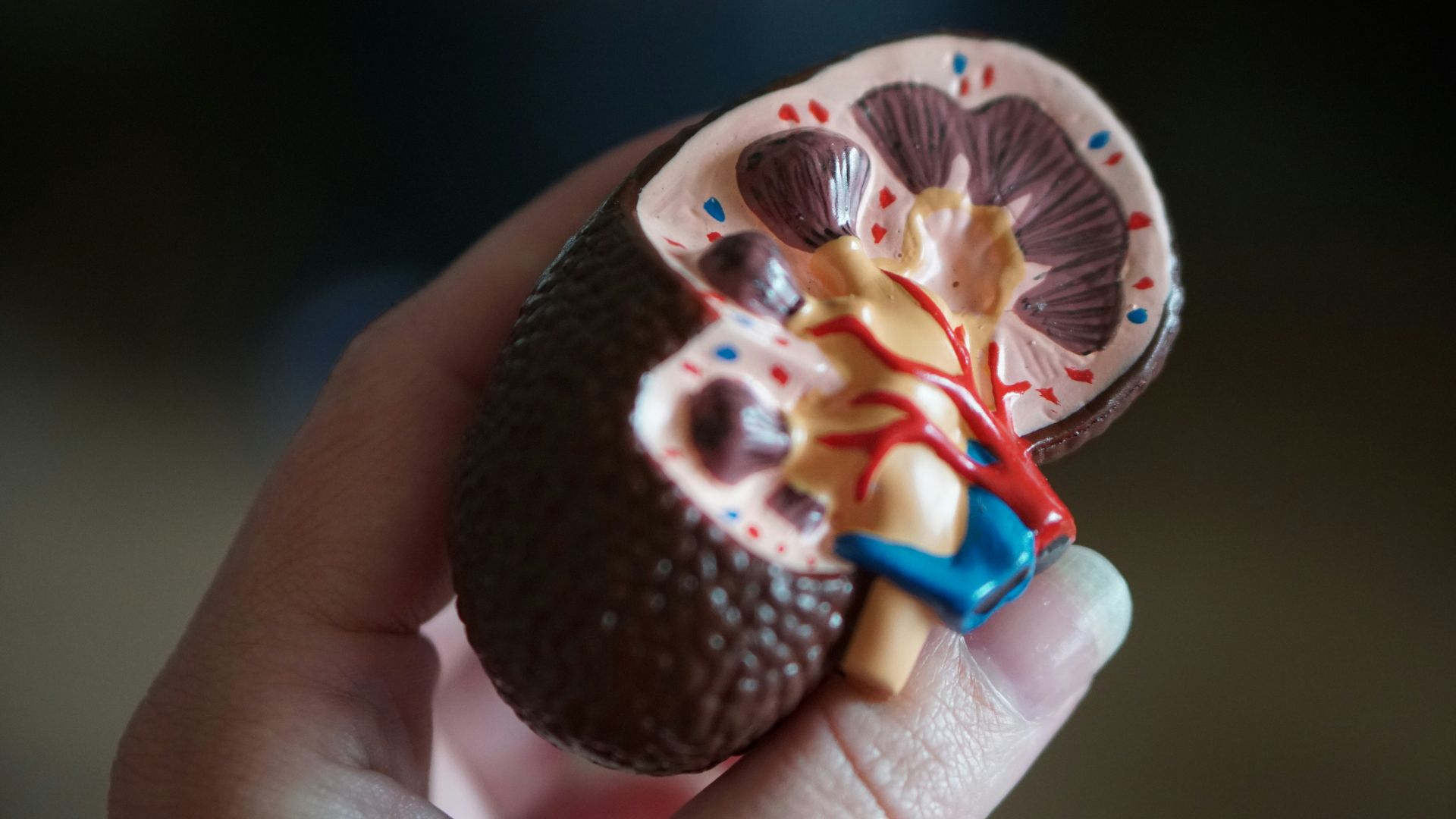
Your kidneys come with a lifetime supply of tiny filters called nephrons. By around 36 weeks of pregnancy, you've made roughly a million in each kidney, and that's it. You won't grow any new ones after birth. Your kidneys still get bigger as you do, but only by enlarging what's already there.
9. Tendons And Ligaments
Tendons and ligaments heal slowly and mostly into scar tissue instead of the original architecture. Poor blood supply is a large part of the problem. A reconstructed ACL is a graft rather than a healed ligament.

10. The Lens Of Your Eye
Lens cells get laid down in layers and never cleared out. The ones at the center are among the oldest cells in your body, dating to before you were born. Decades of accumulated protein damage is what a cataract actually is.

KEEP ON READING



20 Biohacks That Became Lifestyle Religion