

Small Habits That Add Years To How You Sound
A person's voice can sound older than they are, and age isn't always the reason. Over time, the vocal folds can thin and the muscles that control them can weaken, leaving the voice breathier or less steady. But some of those same qualities can appear much earlier, often because of everyday habits. Even the air in your bedroom can affect how you sound the next morning. Here are 20 things that can make a voice sound older than the person speaking.

1. Smoking
Smoke swells the loose tissue just under the surface of the vocal folds, and heavier folds vibrate slower. The pitch drops, often enough that strangers on the phone guess wrong about age and sometimes about gender. Quitting halts the progression, though swelling already there tends to stay.

2. Running Dry
Vocal folds need a thin film of moisture to vibrate easily, and without it the pressure needed to make sound climbs. You push harder and tire faster, so roughness shows up by mid-afternoon. Most people notice it first as a voice that fades during long calls.

3. Antihistamines
Allergy pills dry out the whole upper airway, including the tissue doing the vibrating. Decongestants and some blood pressure drugs work the same way. The dryness comes out as scratch and effort, the same signature a worn voice has.

4. Silent Reflux
Stomach acid can travel up at night and reach the larynx without causing heartburn anywhere along the way. Mornings start hoarse and it takes an hour for the voice to clear. Late dinners make it worse.

5. Throat Clearing
Clearing your throat brings the vocal folds together forcefully, irritating the tissue when it happens repeatedly. Over time, the irritation can leave your voice sounding rough or hoarse. Swallowing or taking a sip of water can help clear mucus without putting the vocal folds through the same impact.

6. Not Talking Much
Muscle that goes unused shrinks, and the folds are no exception. Remote work and quiet weeks give them less to do, so they lose bulk. The opening that leaves lets air escape unused, and the thin breathy result is what listeners read as old.

7. Losing Muscle
The muscles that aim air at the folds sit in your trunk, so overall strength shows up in how you sound. People who stop lifting anything heavy end up with less pressure behind every sentence. Volume goes first, and the ends of sentences start trailing off.
 https://kaboompics.com/ on Pexels
8. Shallow Breathing
Desk posture rolls the shoulders forward and shortens the breath to the top of the chest. A short breath cannot support a long phrase, so you refill mid-sentence instead. That stop-start rhythm registers as age even when the voice itself is fine.

9. Dropping Into Vocal Fry
Some people let the last few words of every sentence drop into a low, rattling sound known as vocal fry. It happens when the vocal folds vibrate slowly and irregularly, producing a creak that can resemble a tired or aging voice. When it becomes a constant habit, even an otherwise healthy voice can sound worn out.

10. A Narrow Pitch Range
Older voices tend to flatten, moving less between high and low across a sentence. Stress does that to a younger voice too, and so does a run of long meetings. Listeners catch the flatness fast and hear age rather than fatigue.
 ANTONI SHKRABA production on Pexels
11. Slowing Down
Speech rate drops as people get older, and the pauses between phrases stretch out. Anybody tired or reading off notes lands in the same pattern, and the effect on a listener is identical. Rate is one of the first cues people use when guessing age over the phone.

12. Breathiness
Air slips past unused when the folds do not close all the way, softening the sound and fraying its edges. That incomplete closure comes with age, and it also shows up after illness or on no sleep. Breathy voices tire faster, since every word costs more air.

13. Hormone Shifts
Estrogen decline around menopause thickens the folds and pulls speaking pitch down, sometimes for good. Singers plan their careers around the change. Testosterone drives a stronger version of the same effect, and that drop does not reverse.

14. Thyroid Trouble
An underactive thyroid lets fluid collect in the folds, which lowers pitch and roughens the tone. Hoarseness is sometimes the first symptom anyone notices. Any of it lasting more than a few weeks is worth checking regardless of cause.

15. Steroid Inhalers
The dose from an asthma or COPD inhaler does not all reach the lungs, and what settles in the throat causes hoarseness. Rinsing your mouth after every dose cuts the irritation. A spacer helps too, since less of the dose lands where it does damage.

16. Shouting Over Noise
Crowded bars and construction sites pull everyone up to a volume the voice was not built to hold. Repeated enough, the effort leaves thickened spots on the folds where they strike hardest. What comes out is rougher and lower, and it does not bounce back overnight.

17. Whispering
Whispering feels like resting the voice and does close to the opposite. A forced whisper holds the folds tense and pushes air through the squeeze, and that irritates them further. Talking quietly in a normal voice is what actually rests them.

18. Neck And Jaw Tension
Clenching through the jaw and neck lifts the larynx higher than it should sit, and the voice comes out pressed. People who carry stress in their shoulders often sound strained by late afternoon. Yawning on purpose drops the larynx back where it belongs.

19. Mouth Breathing At Night
Sleeping with your mouth open can dry out your throat enough to leave your voice rough the next morning. Snoring can add further irritation. If the hoarseness fades after you've been awake and drinking water for a few hours, your sleeping habits may be responsible rather than anything you did with your voice the day before.

20. Hearing Loss
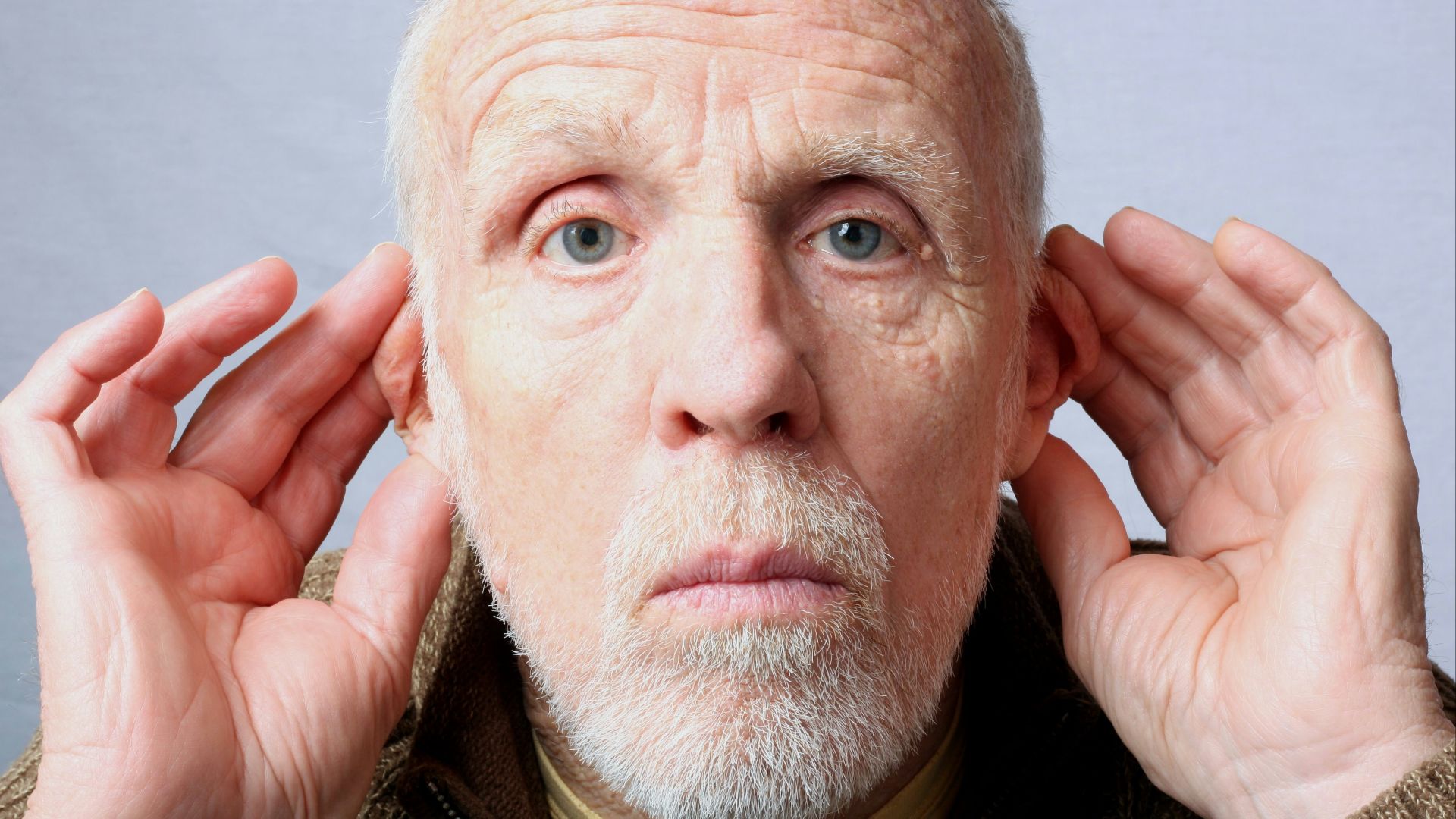
Your ears help you control how loudly and at what pitch you speak. When hearing starts to fade, that feedback becomes less reliable. People with untreated hearing loss may begin speaking louder without realizing it, and their pitch control can suffer too. Hearing aids can help restore that feedback, though the effects on the voice vary.
KEEP ON READING



20 Natural Ways You Can Boost Your Immune System

20 Ways To De-stress & Relax After Work

The 10 Most Common Diseases & The 10 Most Rare