

When Your Calcium Levels Are Out of Balance
We all know that calcium is essential for strong bones, but it does a lot more than keep your skeleton in tip-top shape. It supports healthy muscles and properly functioning nerves as well! However, that doesn’t mean you should go on a desperate crusade to overload on it—getting the right amount is more important than simply getting more. The tricky part is that it’s sometimes hard to tell. Well, don’t worry; here are 10 signs your calcium levels might be too high and 10 that could suggest they're too low.

1. You're Constantly Constipated
Too much calcium, especially when you constantly munch on supplements, can leave you with constipation. Calcium carbonate supplements are known for causing digestive problems, so if your bathroom habits have changed since starting one, it's worth discussing the dosage with your doctor.

2. You're Thirsty All the Time
Drinking plenty of water is generally healthy, but there’s a difference between drinking enough and drinking in excess. Repetitive thirst can sometimes indicate unusually high calcium levels in your blood. You might even find yourself reaching for another glass even though you've already had plenty to drink.

3. You're Visiting the Bathroom More Often
Frequent urination isn't always related to drinking too much coffee or water. Elevated blood calcium can make your kidneys produce more urine than usual, sending you to the toilet whether you like it or not. A medical evaluation can help identify what's happening, so if this symptom popped up recently, it’s worth talking about.

4. Your Stomach Feels Unsettled
Persistent nausea can sometimes be associated with hypercalcemia, especially when calcium levels are elevated. Some people experience enough discomfort that they might even turn away from everyday meals they once loved. Rather than assuming you've developed a food intolerance, consider whether other symptoms have appeared alongside your stomach problems.
5. You've Lost Your Appetite
Speaking of which, an unusually high calcium level may affect your appetite, making meals you normally enjoy seem surprisingly unappealing. Keep an eye out—you could start leaving half your dinner untouched or skipping breakfast despite previously eating regularly.
 https://kaboompics.com/ on Pexels
6. You've Developed Kidney Stones
Kidney stones are one of the worst pains you can experience, so anything we can do to avoid them is often welcomed! They can cause intense pain in your back or side, and excess calcium in the urine can contribute to certain types of stones. Some research even suggests calcium supplements may increase the risk in particular circumstances.

7. Your Muscles Feel Unusually Weak
High blood calcium can interfere with normal muscle function, leaving your arms or legs feeling weaker than expected. It’s not just about leg day in the gym, either. Ordinary activities, such as climbing stairs or carrying groceries, might suddenly require considerably more effort.
 Land O'Lakes, Inc. on Unsplash
8. You're Exhausted
No one wants to wake up exhausted, but if you just can’t get a good night’s sleep, it’s worth booking an appointment. Feeling unusually tired can sometimes be connected to excessive calcium circulating in your bloodstream. Unlike ordinary sleepiness after a busy day, this kind of fatigue can actually continue even when you have a consistent sleeping schedule.

9. You're Having Trouble Thinking Clearly
Significantly elevated calcium levels can affect brain function, sometimes causing forgetfulness, difficulty concentrating, or confusion. You might struggle to follow a conversation or complete familiar tasks that normally require very little thought. Sudden or pronounced confusion isn’t anything to ignore—it needs prompt medical attention.

10. Unexplained Bone Pain
Although calcium supports healthy bones, certain conditions that raise blood calcium can actually contribute to bone loss. An overactive parathyroid gland, for example, can force calcium to leave your bones and enter your bloodstream. If you start experiencing persistent bone discomfort or fractures, a trip to the doctor is in order.

Now that we’ve gone through some signs of too much calcium, let’s dive into a few signs you aren’t getting enough.
1. Frequent Muscle Cramps
While too much calcium can cause weaker muscles, lower levels can hurt them just the same. Calcium helps your muscles contract and relax properly, which explains why low blood levels can sometimes cause uncomfortable cramping. You won’t miss an episode—they’re obvious, and they occur in your calves, thighs, or back without a clear reason.

2. Your Hands Keep Tightening Up
Of course, other joints and body parts can also suffer. More pronounced calcium deficiencies in the bloodstream can cause involuntary muscle spasms, particularly in the hands. Your fingers may suddenly tighten or curl into an uncomfortable position that you can't immediately control.

3. Your Lips Have Started Tingling
An unusual tingling sensation can sometimes signal that your blood calcium has dropped below its normal range. Some people describe the feeling as mild pins and needles, even though they haven't eaten anything particularly hot or irritating. It’s always worth keeping track of; if the sensation appears alongside muscle spasms, it's especially important to seek medical advice.

4. Your Skin Has Become Unusually Dry
Long-standing low blood calcium can sometimes contribute to dry or scaly skin. Take a look at the popular hot spots because you may notice flaking around your elbows, legs, or hands. Moisturizer might not help, either.
 Nataliya Melnychuk on Unsplash
5. Your Fingernails Break Easily
Brittle nails can sometimes accompany prolonged hypocalcemia, particularly when the condition remains untreated. Instead of growing normally, your poor nails won’t stand a chance against splitting or breaking. Frequent nail damage can also result from repeated water exposure or other nutritional problems, though, so it’s worth it to speak with your doctor.

6. Your Hair Feels Coarser
Changes in hair texture are another possible consequence of persistently low calcium levels in the bloodstream. Some people develop noticeably rougher hair, even though they haven't switched products or changed their routine. Alone, it isn't a reliable way to diagnose a deficiency, but a doctor might consider it alongside other symptoms.

7. You're Having Trouble Remembering Things
Much like getting too much calcium, when you have too little of it, that deficiency can sometimes affect concentration and memory. You might find yourself struggling to remember what you just said or getting foggier with names. Either way, it’s something that deserves attention.

8. You’re Unusually Irritable
Calcium plays an important role in normal nerve signaling, and prolonged hypocalcemia can contribute to psychological symptoms. Think back to your mood. Did you experience unexplained irritability, restlessness, or depressive symptoms? These sometimes develop in people experiencing this imbalance.

9. Your Bones Are More Fragile
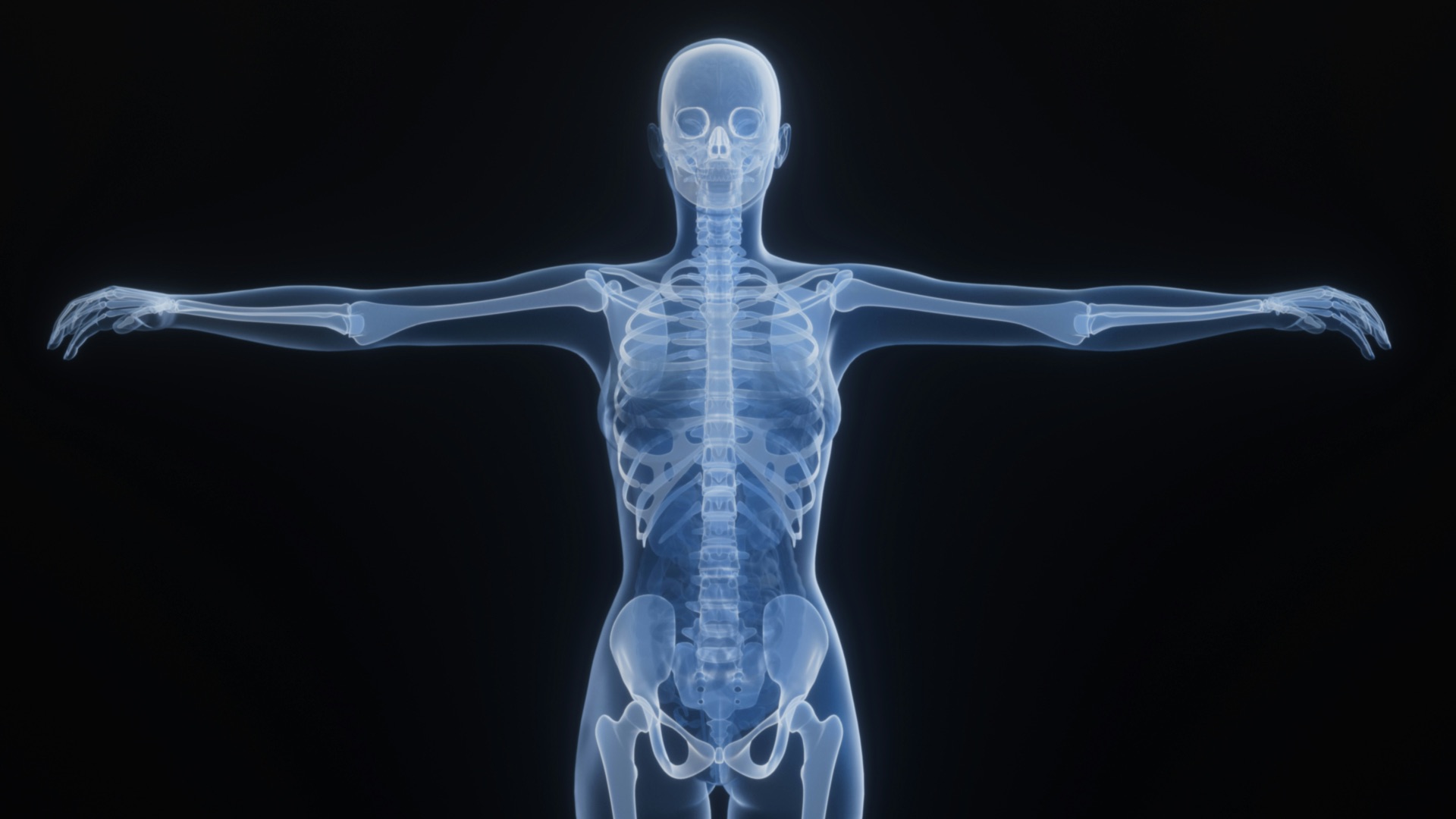
Consistently consuming too little calcium can gradually weaken your bones, especially as you get older. Over time, inadequate intake may contribute to osteoporosis, increasing the likelihood of fractures after minor falls. Unfortunately, bone loss often develops without noticeable symptoms, which makes appropriate dietary intake and recommended bone density screening especially important.
10. An Irregular Heartbeat
Severely low blood calcium can interfere with the signals that help regulate your heartbeat. Though it doesn’t happen to everyone, in some cases, this can contribute to abnormal heart rhythms that require medical treatment. If you experience a new irregular heartbeat, particularly with chest pain or fainting, seek urgent medical care!