What the Dark Road Shows First
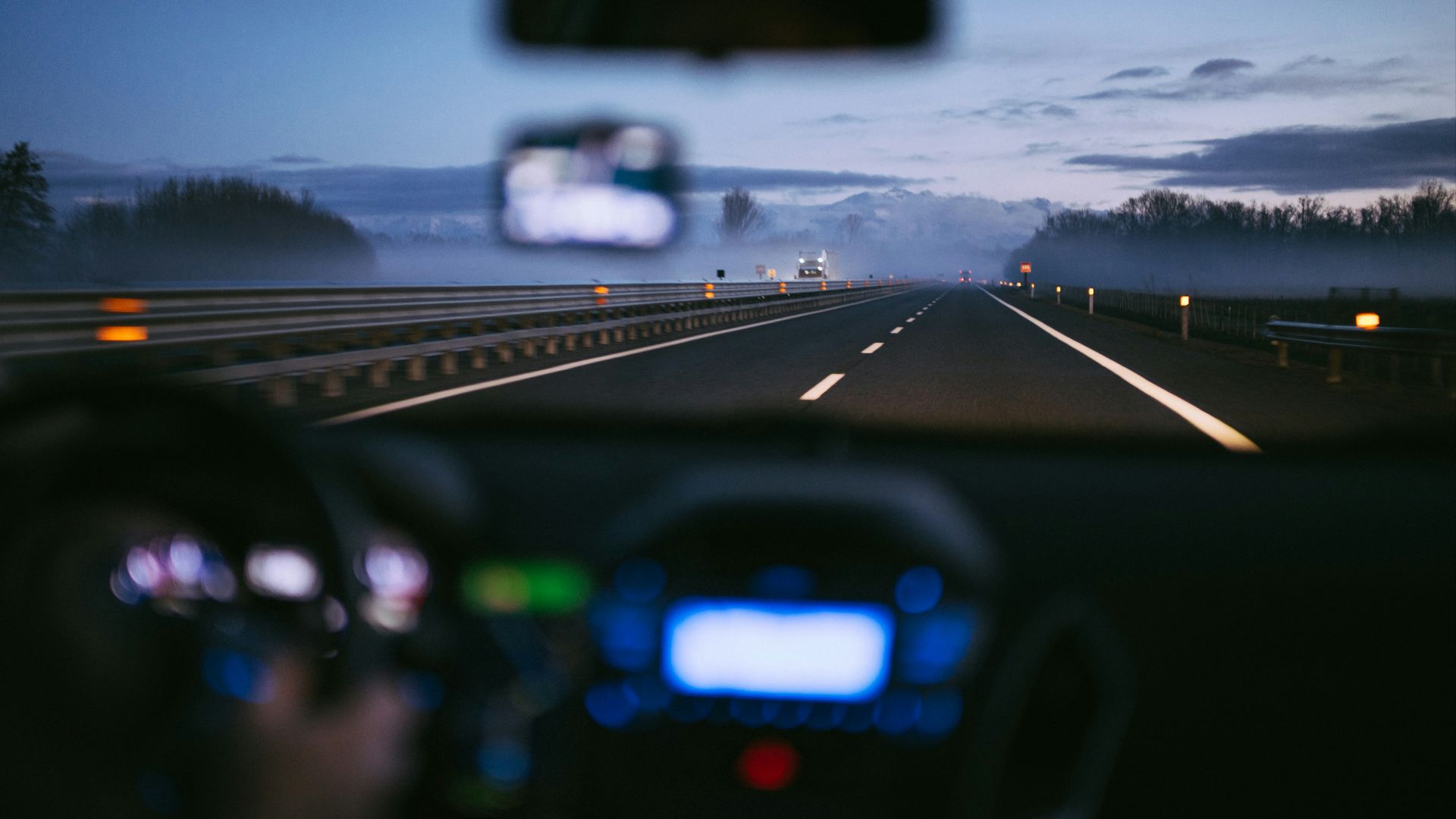
Driving during the day may feel just as easy as it did years ago, even as driving after dark becomes noticeably harder. Headlights seem brighter, road signs get harder to read, and objects at the edge of the road are easier to miss. These changes often happen so gradually that people barely notice them at first. Some are normal parts of aging, while others can signal eye conditions that deserve attention. Here are 20 age-related changes that can make night driving harder.
1. Pupils Shrink
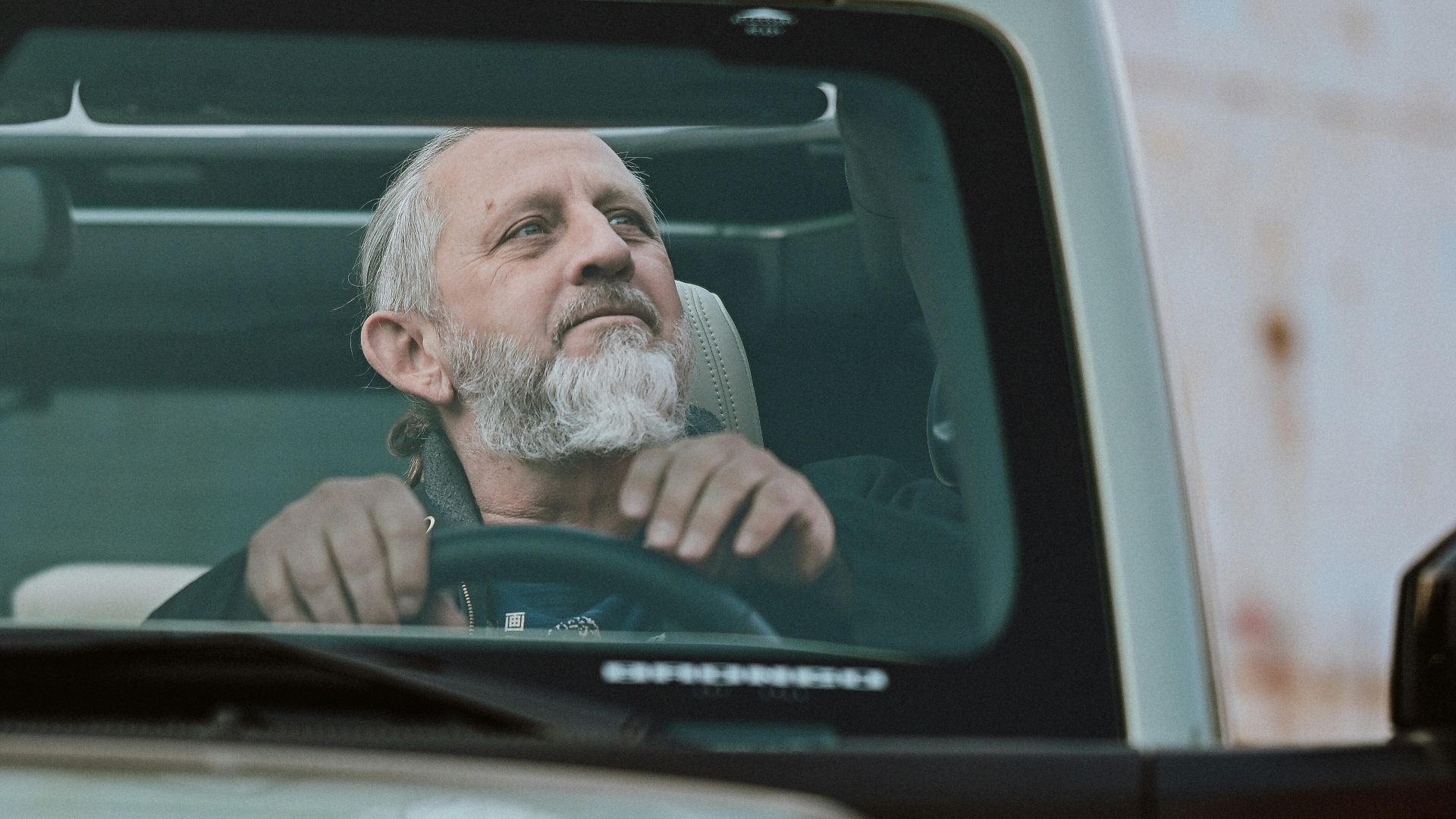
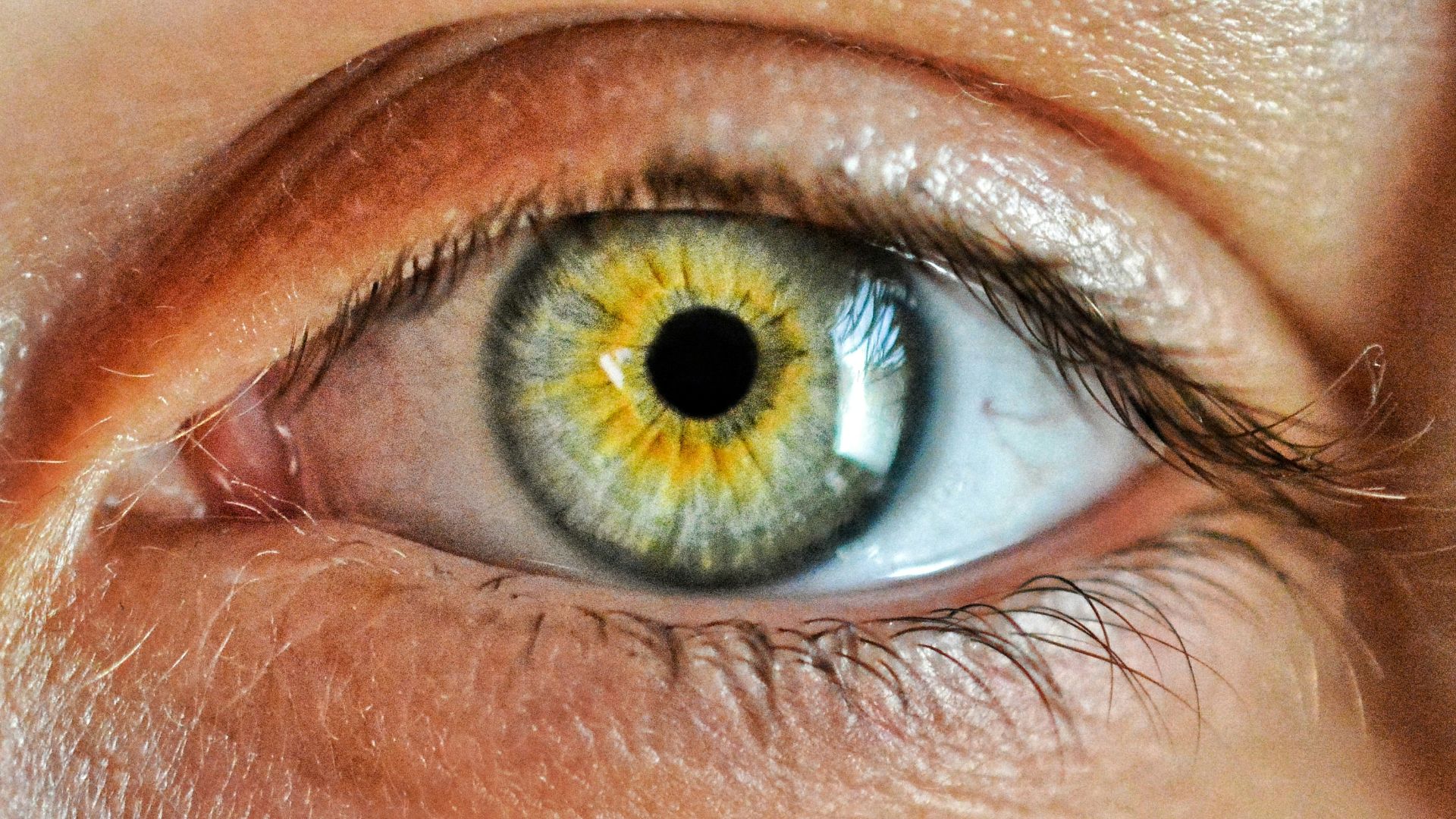
The pupil tends to get smaller with age and opens less in the dark. Less light reaches the retina as a result, and by the 60s it can be roughly a third of what a young eye receives. Dim roads that once looked fine can start to look murky.
2. The Lens Yellows
The natural lens turns more yellow over time and absorbs more blue light, a change that starts in the 40s and speeds up after 60. Dark blues and blacks can become harder to tell apart on a dim road. A dark blue coat on someone walking the shoulder may blend into the pavement for longer.
3. Light Scatters
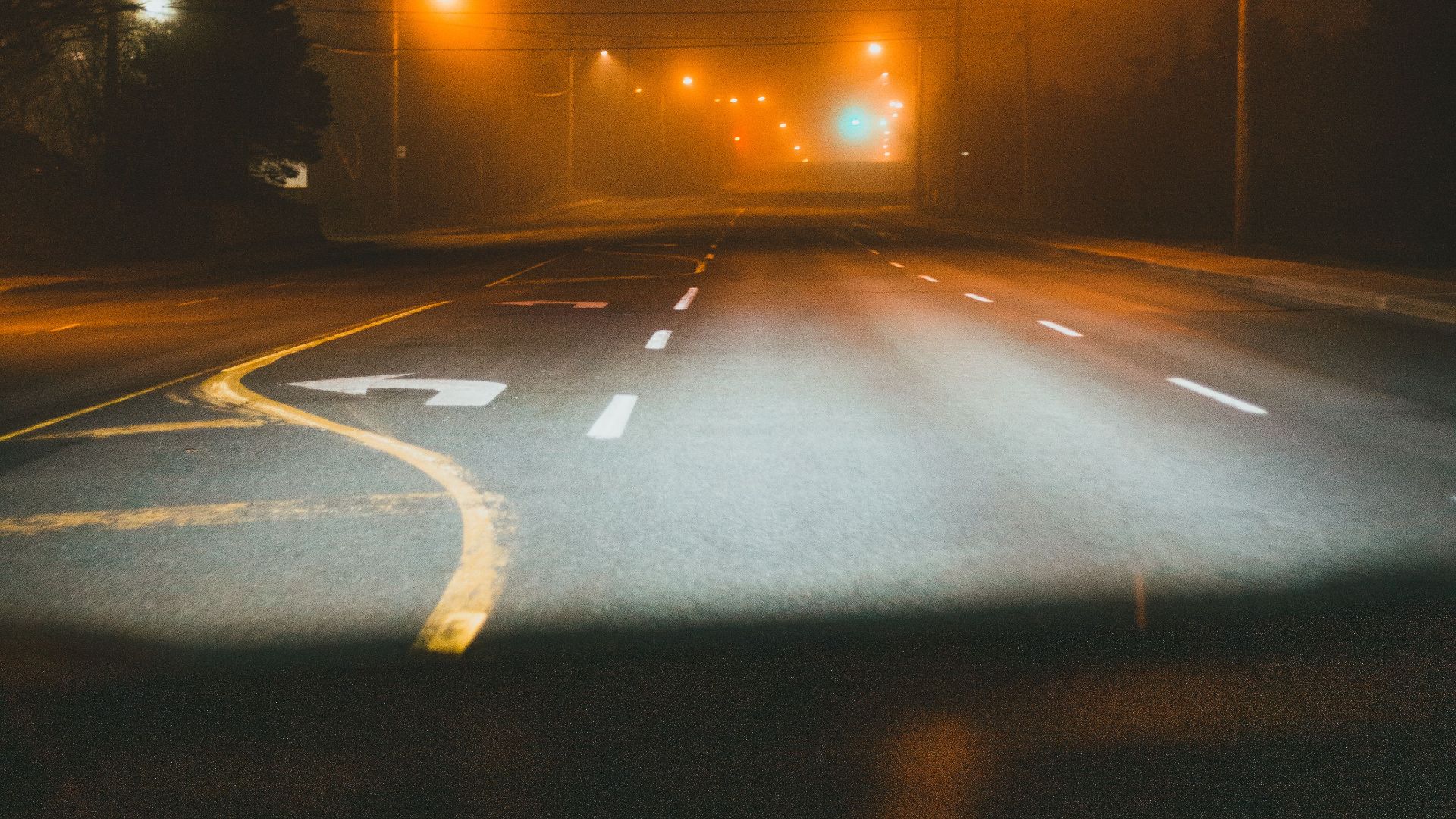
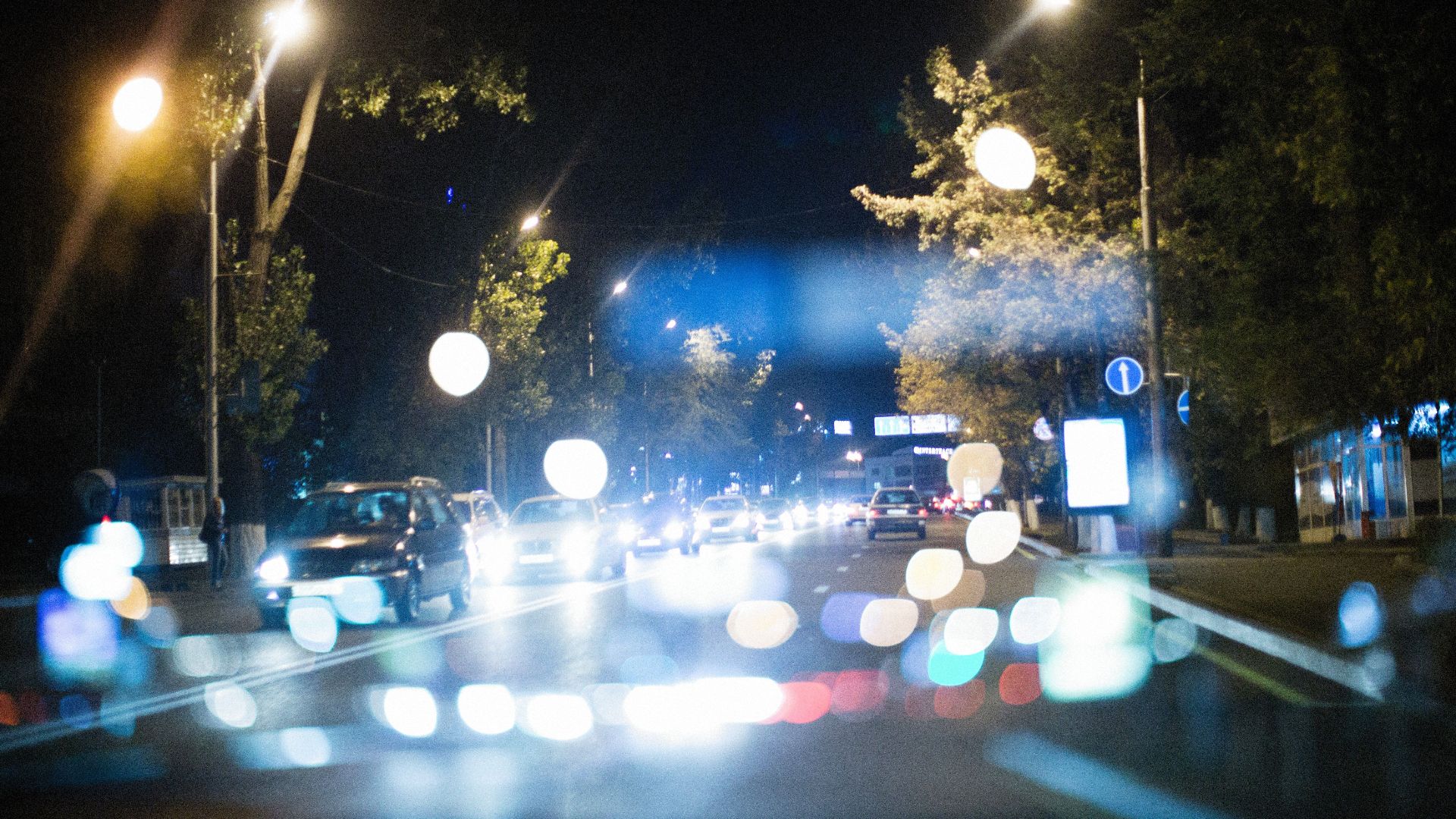
The aging cornea and lens scatter more light inside the eye, so wet pavement and reflective signs get harder to manage too. Oncoming headlights then spread into a veil that washes over everything near them. Objects close to the glare, such as a cyclist at the edge of the road, become harder to see.
4. Glare Recovery Slows
Vision usually takes longer to return after a bright flash such as a passing high beam. Lab comparisons of older and younger adults have also found that older eyes lose more sensitivity during the glare itself. The seconds after a car passes can feel like driving through a dark patch.
5. Dark Adaptation Slows
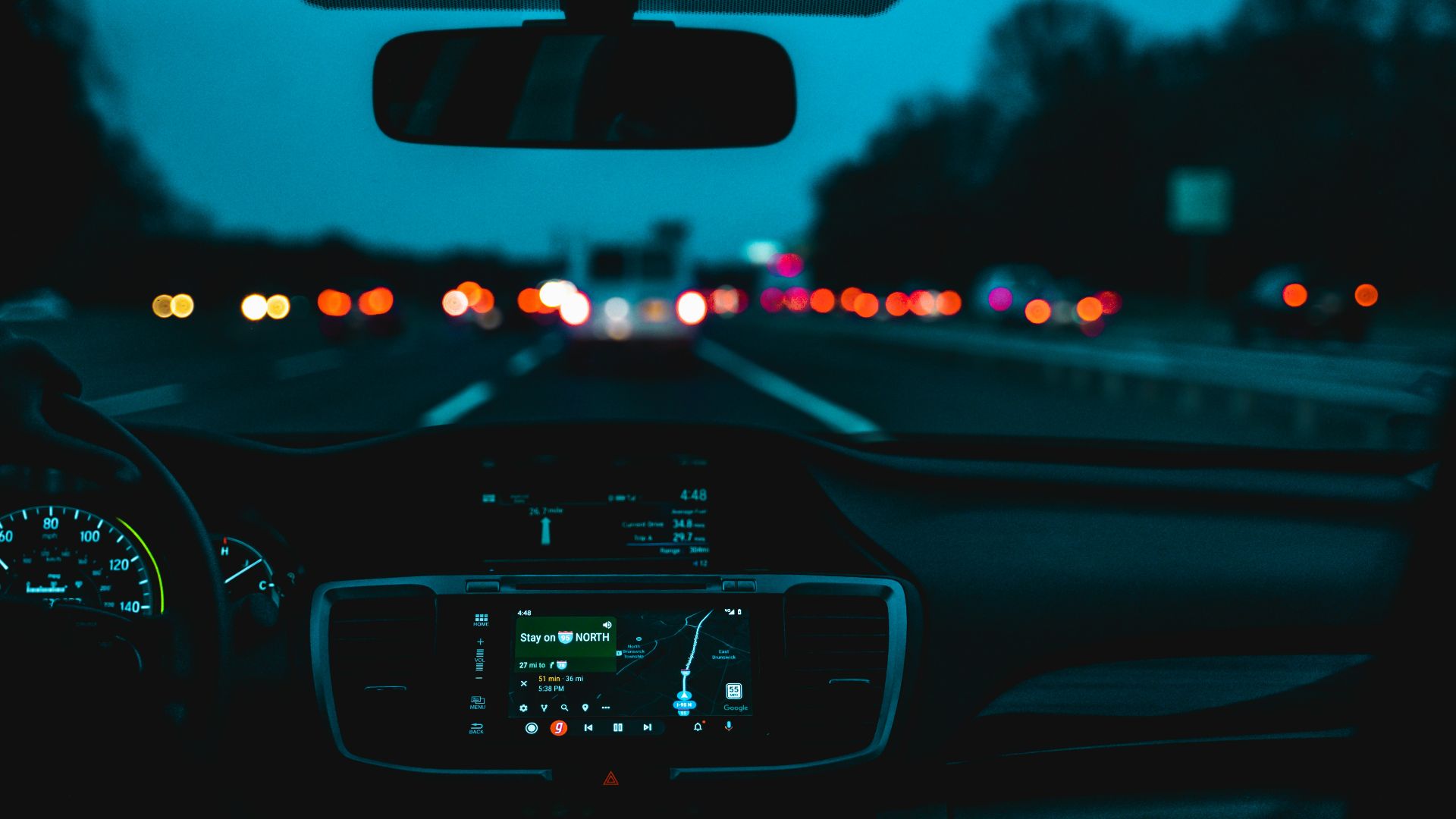
The eye needs time to adjust after moving from light to dark, and that time grows with age. In a 2012 study of 41 healthy adults aged 20 to 83, the time constant for cone recovery after a bright flash grew by about 16 seconds per decade. Leaving a lit gas station for an unlit road can mean a longer stretch of poor vision.
 Samuele Errico Piccarini on Unsplash
6. Contrast Fades
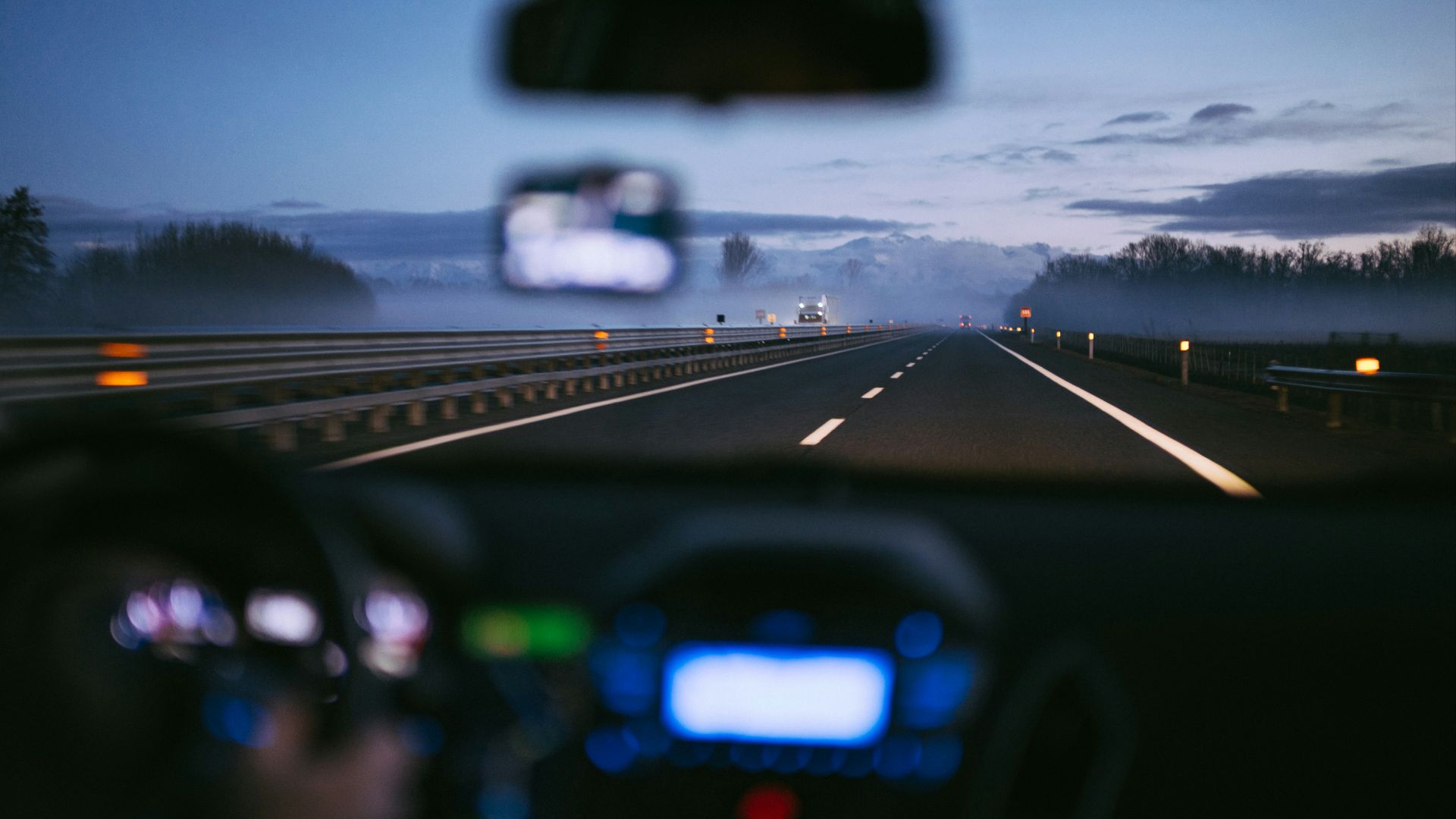
Contrast sensitivity is the ability to pick out faint differences in brightness, and it begins to decline around age 50. A 2004 study of 297 drivers found a loss of roughly 0.1 log units per decade, starting about ten years earlier when glare was present. Worn lane markings and dark clothing on the shoulder sit near that threshold.
7. Halos Appear
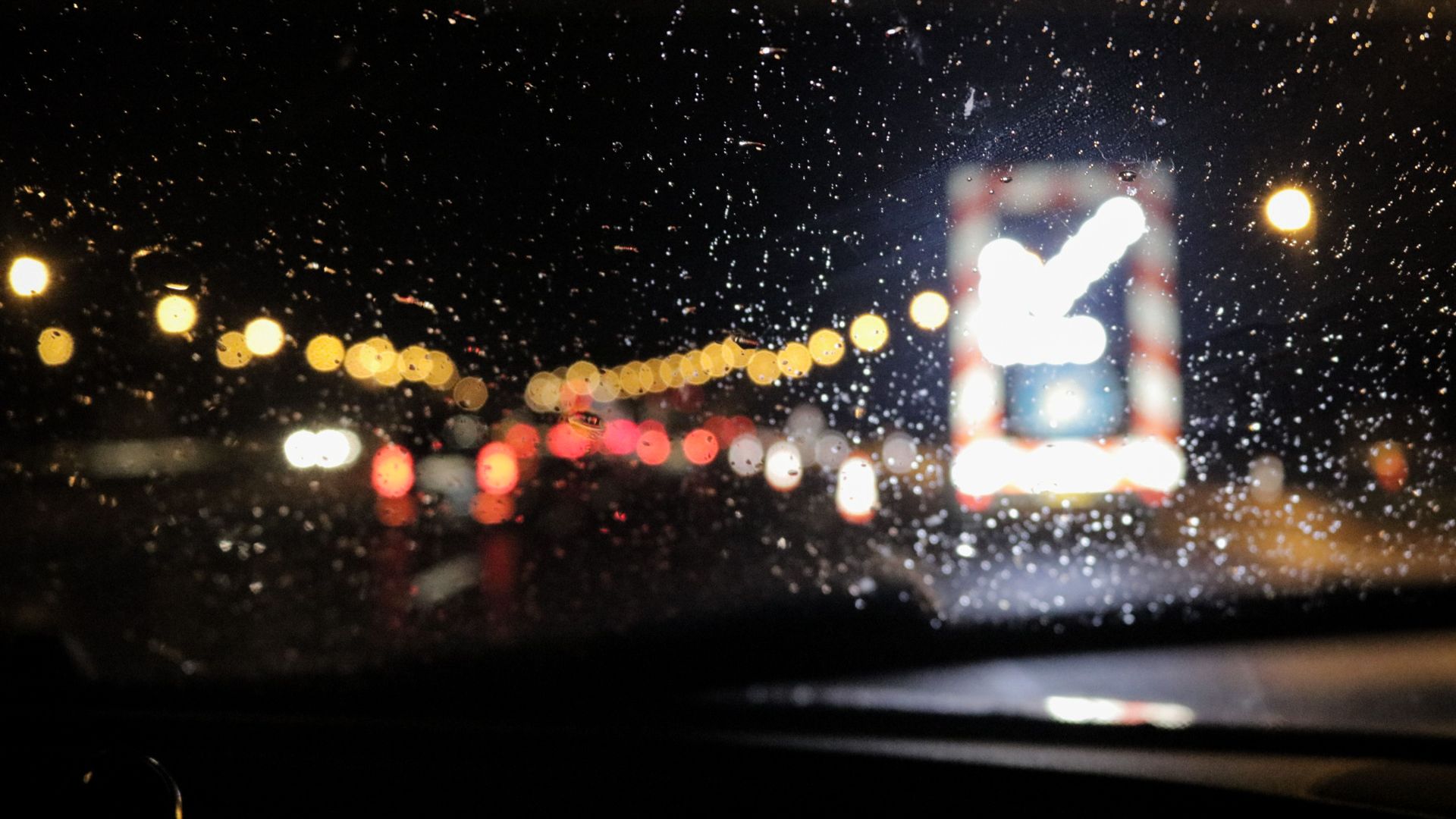
A cloudy lens, known as a cataract, can turn headlights into rings and starbursts that stand out most against a dark background. Many people notice it on the road at night well before their daytime vision seems affected. Cataracts usually develop slowly, so the rings tend to grow over months or years before they seem worth mentioning.
8. Road Signs Read Late
Older drivers often read highway signs later, even when their eye-chart vision matches that of younger drivers. In a 1979 field study of nighttime sign reading, drivers over 61 could read signs from 65 to 77 percent of the distance managed by drivers under 25 with the same daytime acuity. That shortens the stretch of road available for choosing an exit or changing lanes.
9. Tears Blur the View
An unstable tear film becomes more common with age and can blur vision from one blink to the next. The blur often worsens at night because wider pupils let in more scattered light. Vision that sharpens right after a blink often points to the tear surface.

10. Dashboard Focus Lags
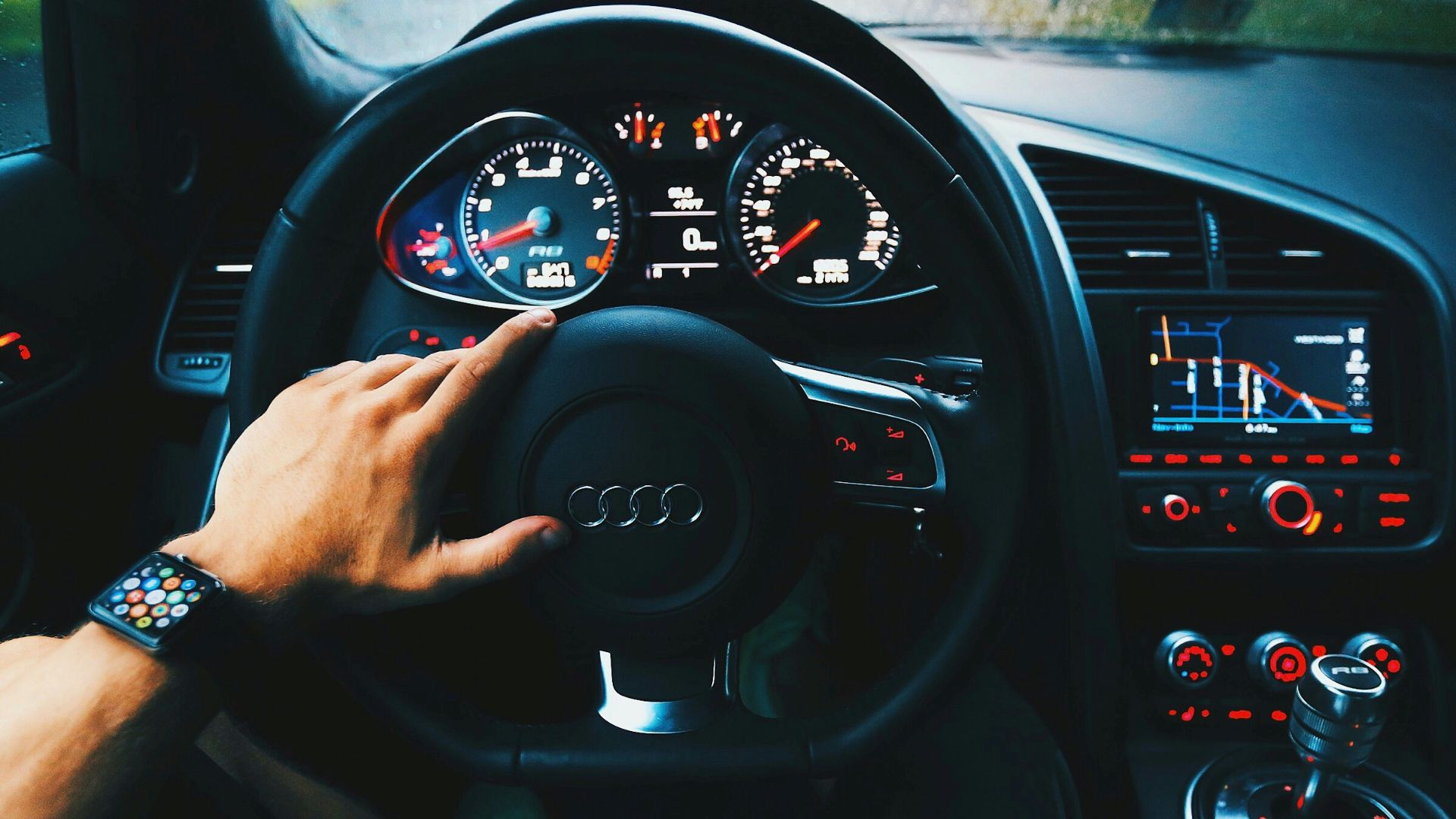
Presbyopia is the stiffening of the lens that starts to show in the 40s, and it slows the switch between the road and the instrument panel. Pupils open wider in low light, and that reduces depth of focus and makes near blur more obvious. A speedometer or navigation screen can take a beat longer to sharpen.
11. Lane Lines Waver
Early macular degeneration can show up as trouble seeing in dim light. In later stages, straight lines such as lane edges may look wavy or bent. The condition is more common after 55, and some drivers first notice road signs that stay blurry until they are very close.
12. Side Vision Narrows
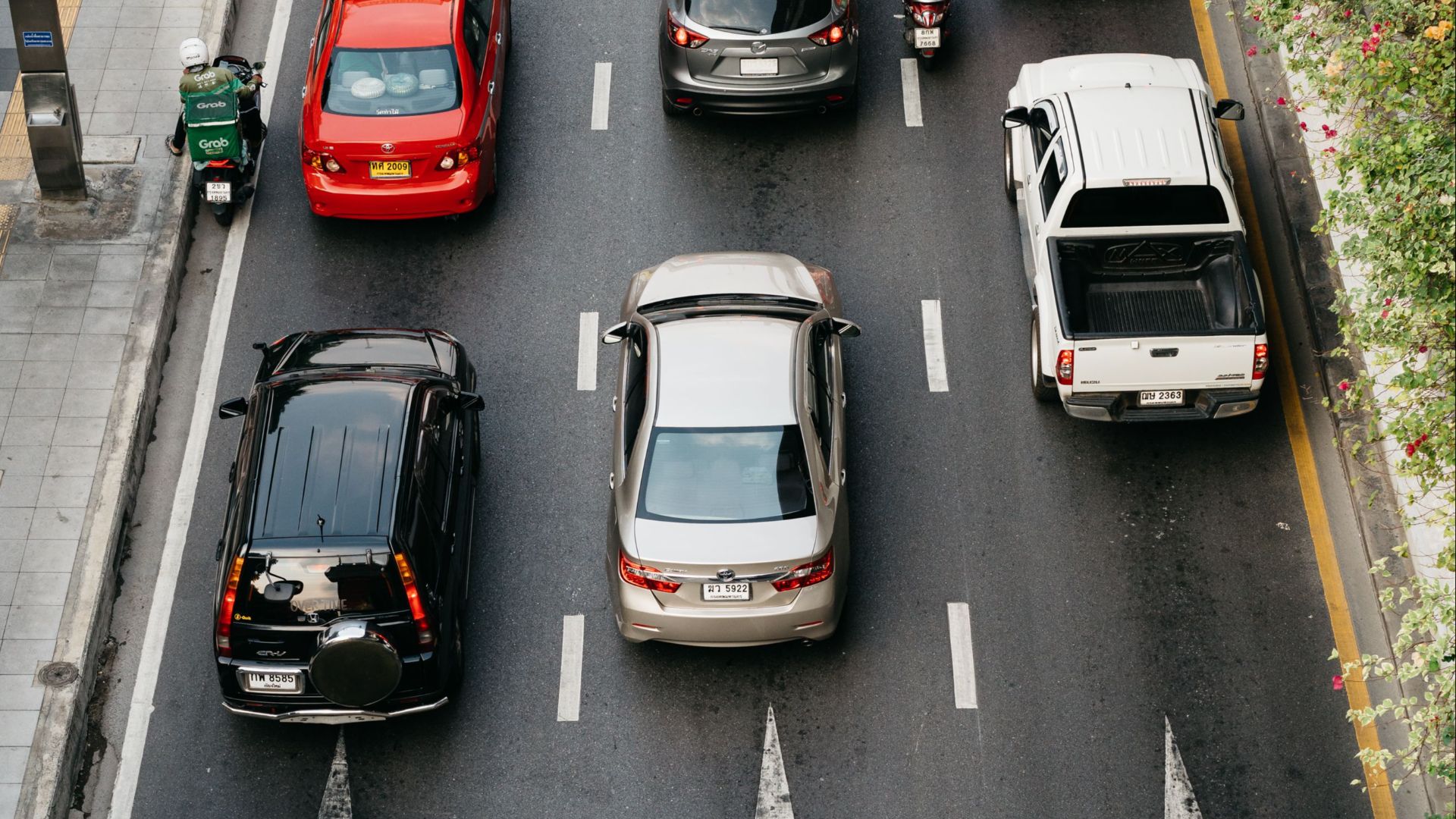
Glaucoma usually takes peripheral vision first and leaves central vision sharp. Because the loss is gradual, most people don't notice it until a significant amount has gone. A pedestrian stepping off a curb or a car drifting into the next lane can be harder to catch at the edge of view.
13. The Useful Field Shrinks
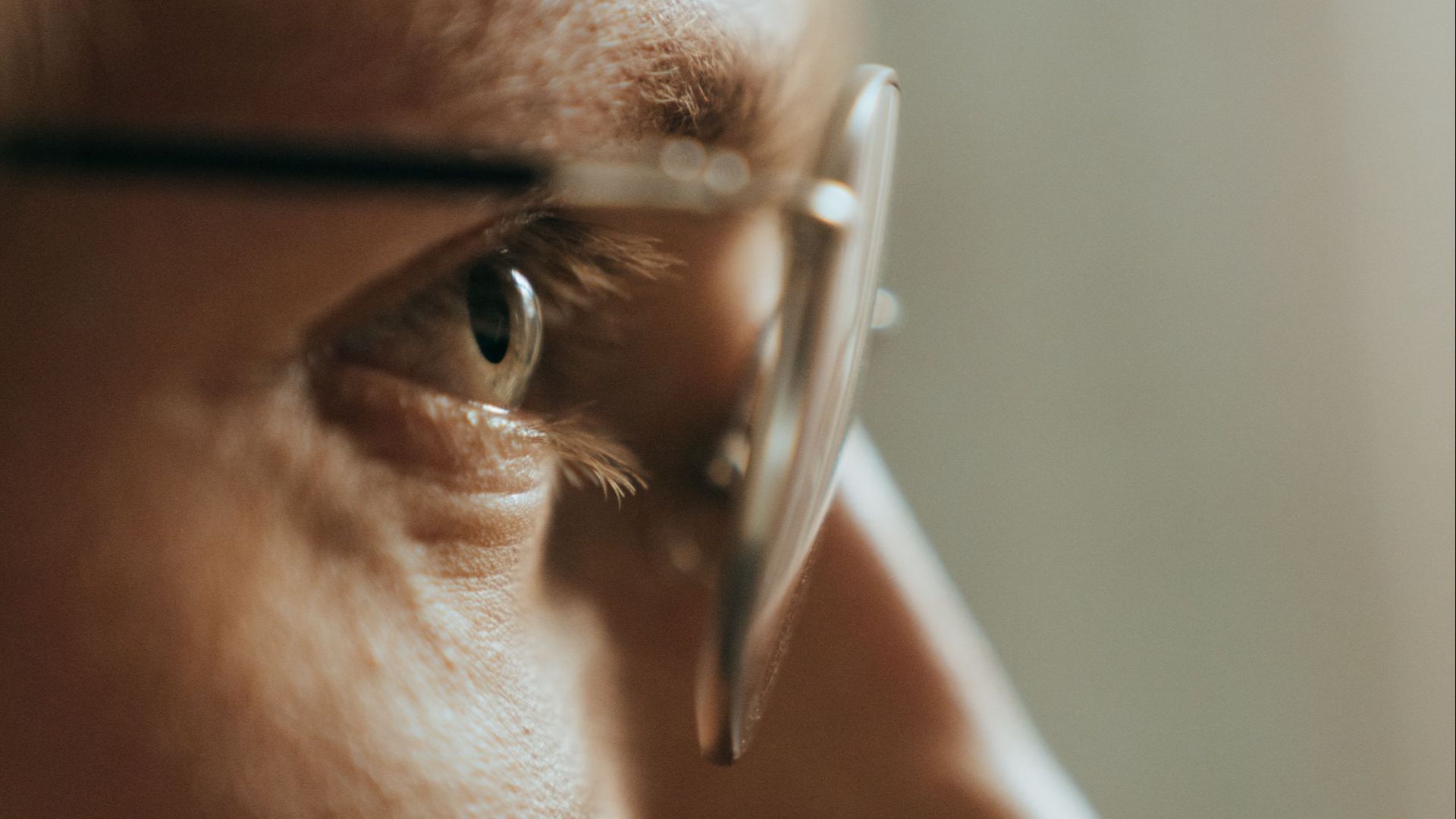
The useful field of view is the area a driver can take in at a glance, and it often narrows with age and slower visual processing. In a 1998 study of 294 drivers aged 55 to 87, those with a loss of 40 percent or more were 2.2 times as likely to have a crash over three years. The link was mostly explained by difficulty dividing attention when targets appeared briefly.
 Samuele Errico Piccarini on Unsplash
14. Oncoming Cars Are Misjudged
Judging when an oncoming car will arrive gets harder for some older drivers. In one lab study, drivers with the weakest visual attention scores made the least accurate arrival estimates, particularly for slower cars. At night the estimate leans on two points of light, so a left turn across traffic leaves little room for error.
15. Reaction Time Lengthens
Reaction time lengthens gradually across adulthood. A 2016 study of 351 drivers aged 20 to 80 found that both average reaction time and the variation between people rose progressively with age. A sizable group of older drivers still matched the younger ones.
16. The Neck Turns Less
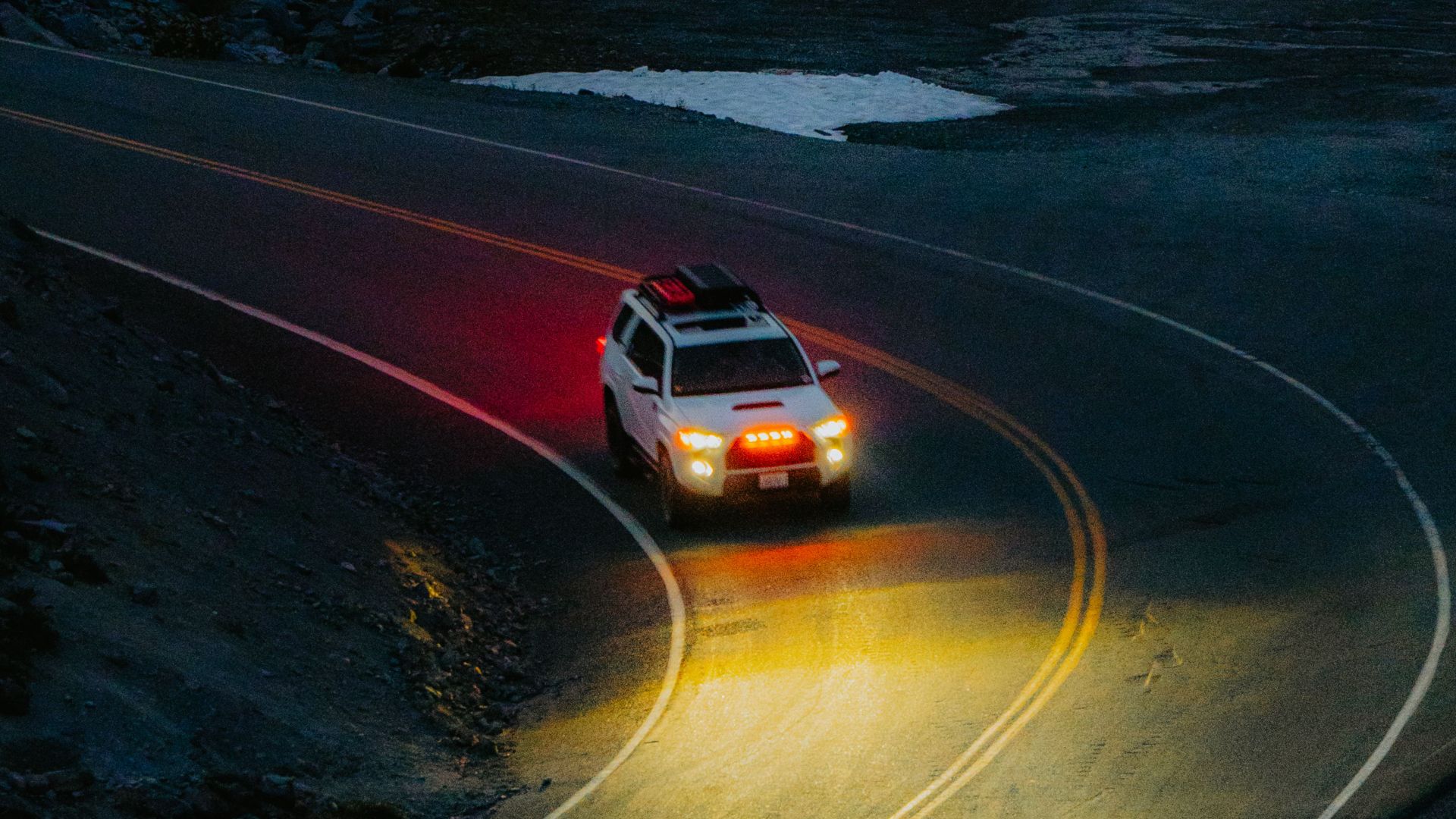
Neck rotation shrinks with age and makes shoulder checks harder. A typical healthy neck turns about 60 to 80 degrees to each side. In a small simulation of older-driver body models, those limited to 50 degrees had less than half the clear line of sight to the blind spots that those with 65 degrees had.
17. Horns and Sirens Fade
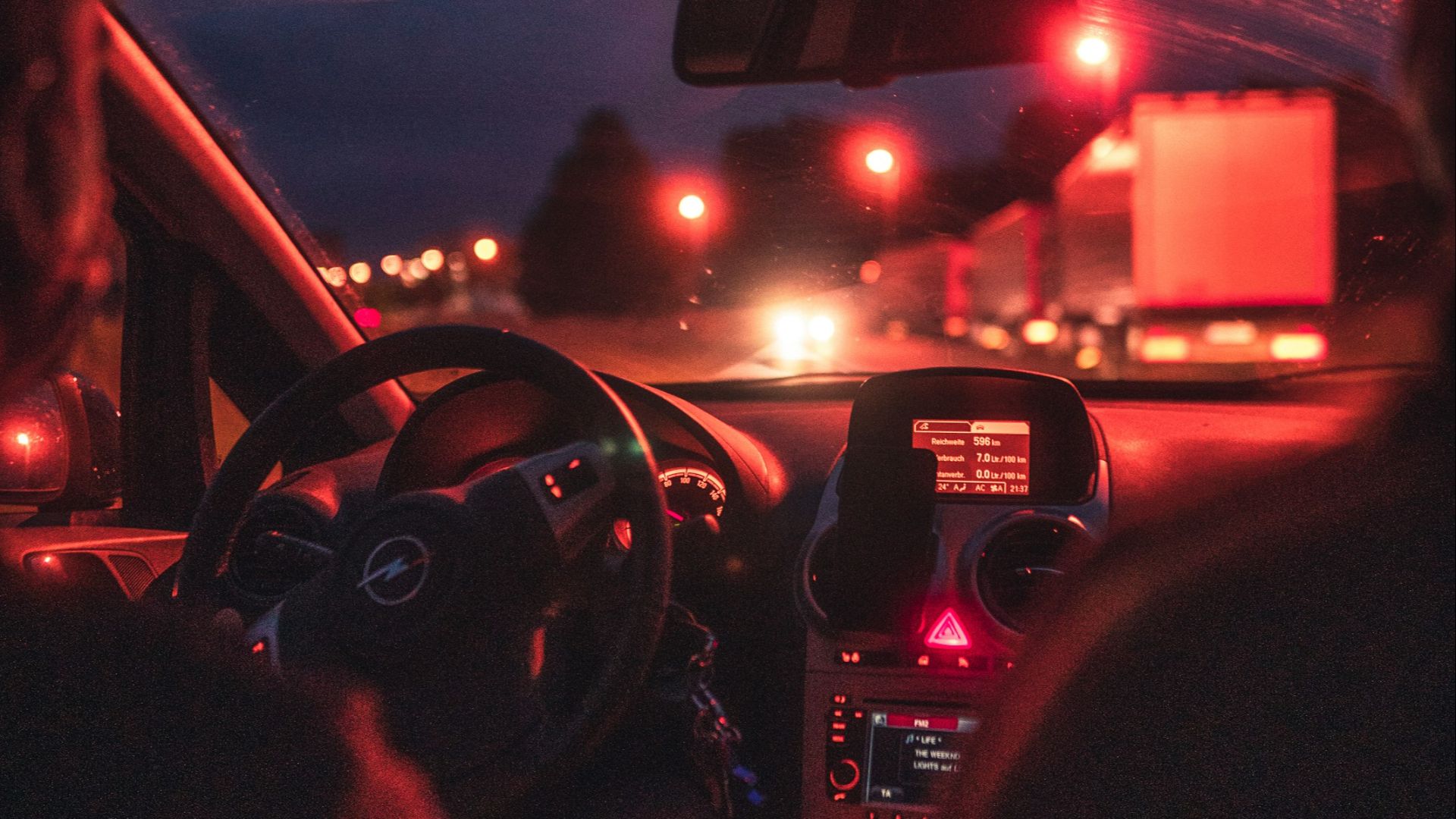
Age-related hearing loss can make horns and sirens easier to miss. It affects about one in three people 65 and older in the United States and usually comes on slowly. Pinpointing which direction a siren is coming from can also get harder.

18. Evening Drowsiness Arrives
The body clock shifts earlier with age, so sleepiness can arrive in the early evening. Advanced sleep phase is more common in older adults, and people who have it are advised to be careful about driving in the late afternoon and evening. Plenty of older adults keep later schedules without trouble, so the pattern varies from person to person.
19. Medications Interfere
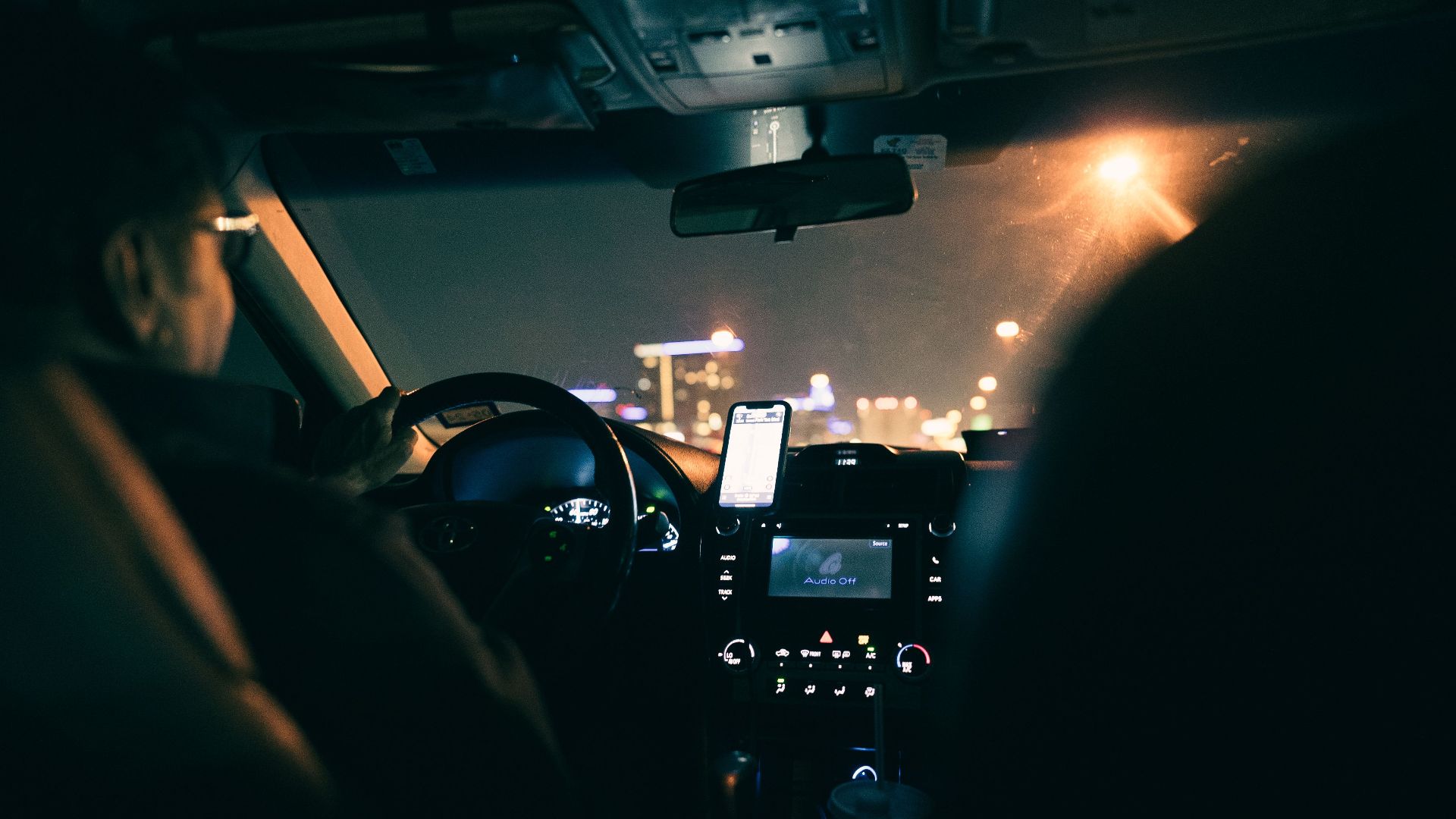
Many drugs that older adults take can cause drowsiness or blurred vision. In a 2023 study that followed older drivers for up to 10 years of annual road tests, those taking antidepressants or sleep medications were nearly three times as likely to receive a failing or marginal grade, and NSAID users showed the same pattern. Researchers noted that it can be hard to separate the drug from the condition it treats.
20. Night Trips Get Dropped
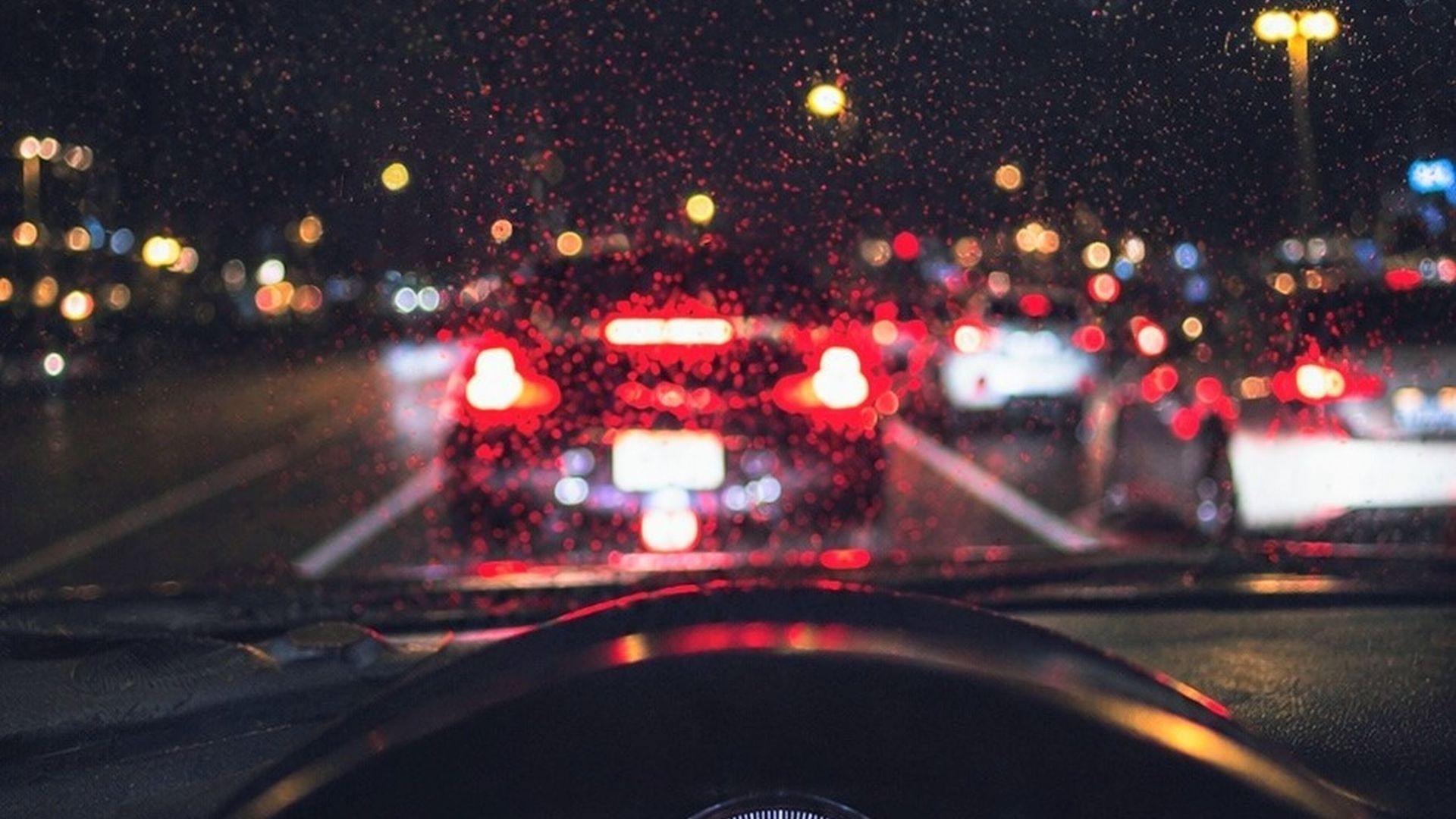
Many older drivers respond to these changes by driving less after dark. Roughly one in three report restricting or stopping night driving, according to a 2022 research article that summarized earlier surveys. A comprehensive eye exam can show which of these changes are ordinary aging and which can be treated.